


The Great Smokey Mountains, situated between North Carolina and Tennessee, boast of its natural beauty and awesome biodiversity. Let’s dive in and find out which animals call the Great Smoky Mountains home.
American Black Bear

🔥 Would you like to save this?
We'll email this post to you, so you can come back to it later!
Perhaps the most iconic resident of the park, black bears are a common sight, thriving in the forested regions.
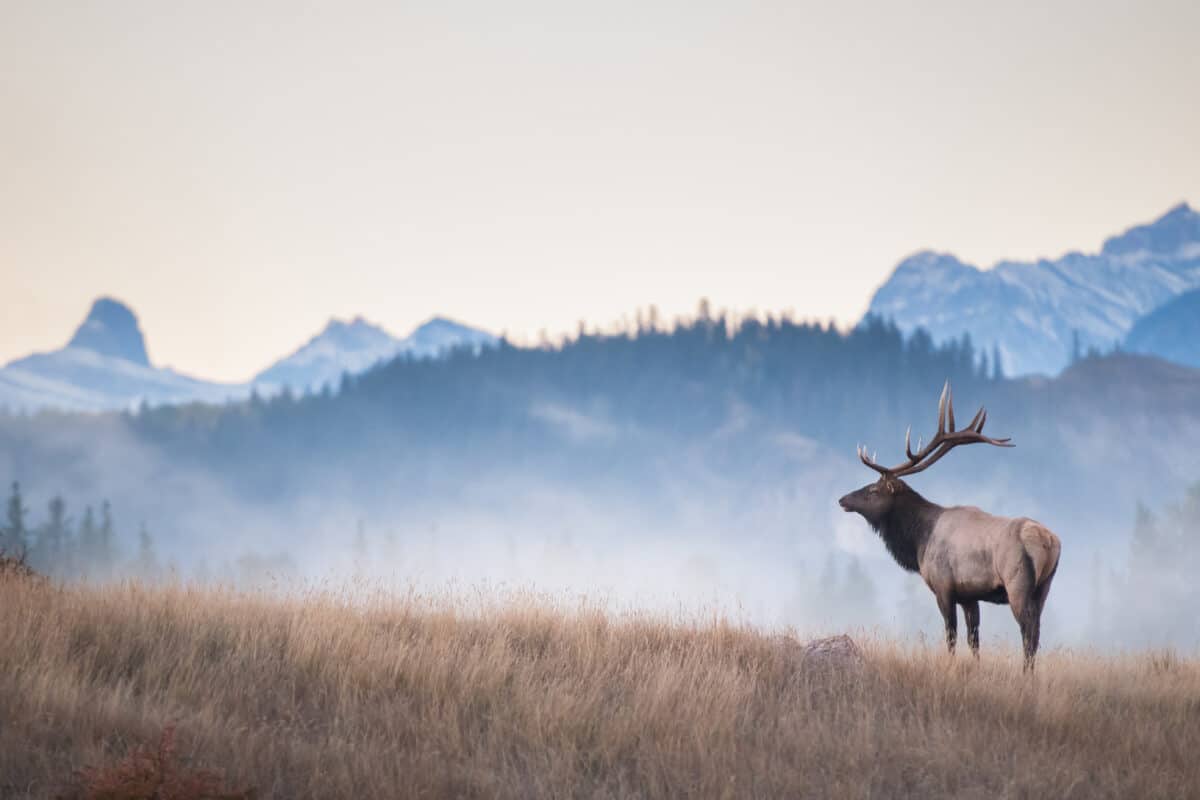
Elk
🔥 Would you like to save this?
We'll email this post to you, so you can come back to it later!
Reintroduced to the park in 2001, elk can now be spotted in the Cataloochee Valley area.
Whitetailed Deer

🔥 Would you like to save this?
We'll email this post to you, so you can come back to it later!
Common throughout the park, they are often seen in open areas and along the roadsides.
Wild Turkey

🔥 Would you like to save this?
We'll email this post to you, so you can come back to it later!
Easily spotted due to their size, wild turkeys are a success story of wildlife management and conservation in the park.
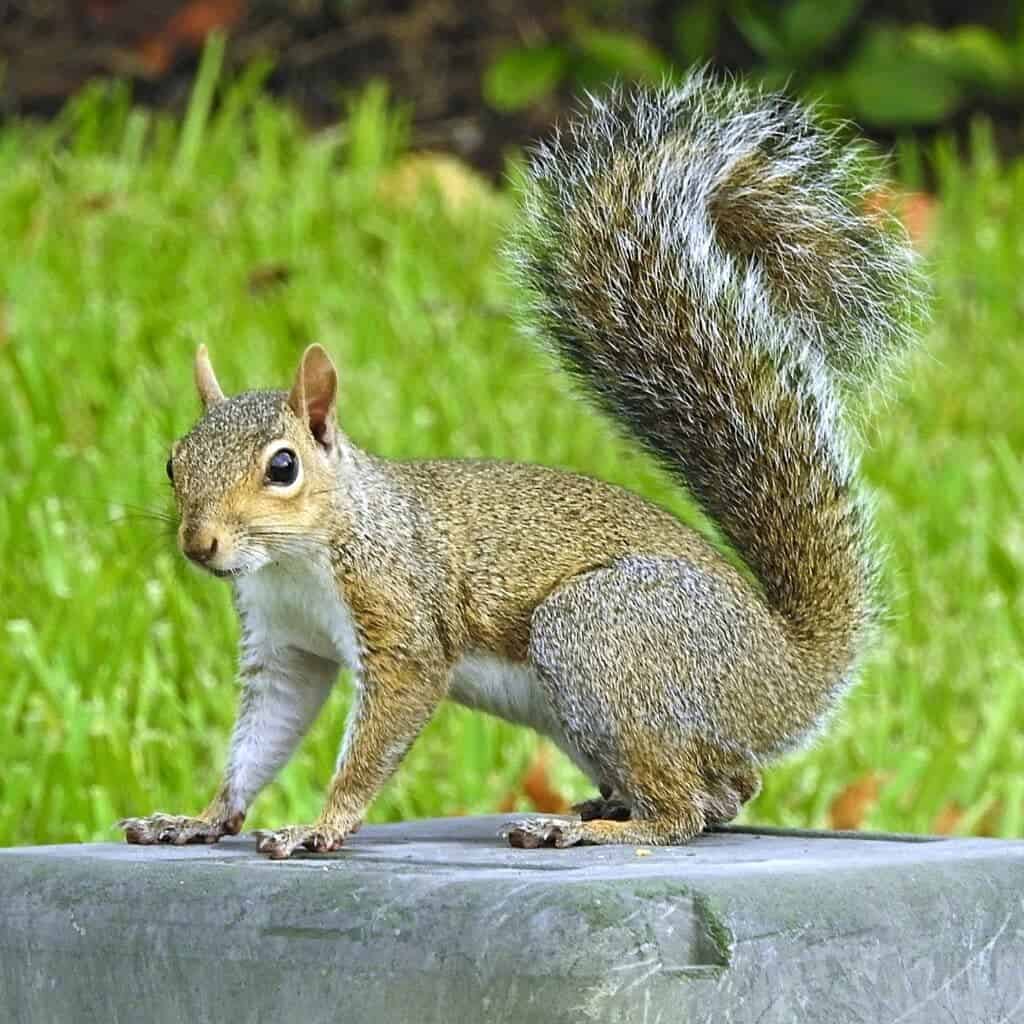
Eastern Gray Squirrel
🔥 Would you like to save this?
We'll email this post to you, so you can come back to it later!
A ubiquitous sight, these squirrels are found in both forested areas and near human habitation within the park.
Pileated Woodpecker

🔥 Would you like to save this?
We'll email this post to you, so you can come back to it later!
One of the largest woodpecker species, known for their distinctive call and striking appearance.
Red Fox

🔥 Would you like to save this?
We'll email this post to you, so you can come back to it later!
These adaptable foxes are present throughout the park but are more often seen at higher elevations.
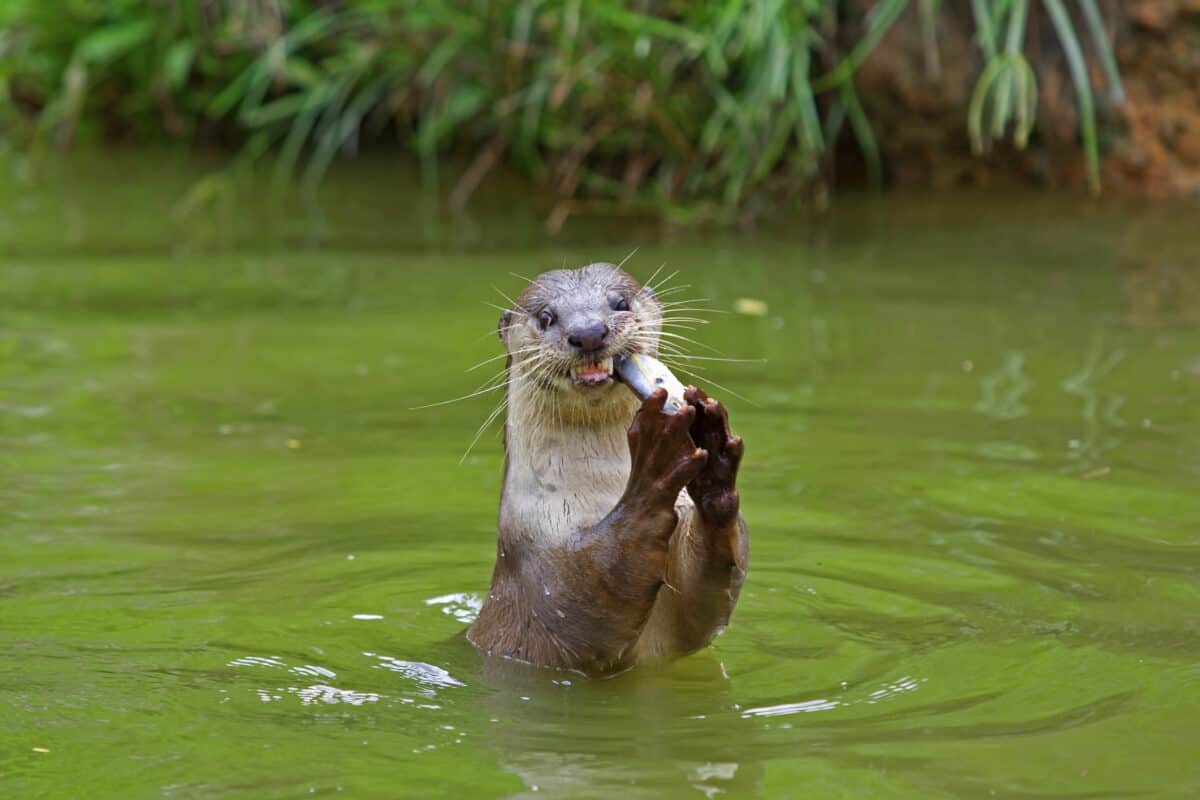
River Otter
🔥 Would you like to save this?
We'll email this post to you, so you can come back to it later!
Once nearly extirpated, successful reintroduction efforts in the 1990s have allowed river otters to thrive in the park’s waterways.
Bobcat

🔥 Would you like to save this?
We'll email this post to you, so you can come back to it later!
Elusive and primarily nocturnal, bobcats inhabit the more remote areas of the park.
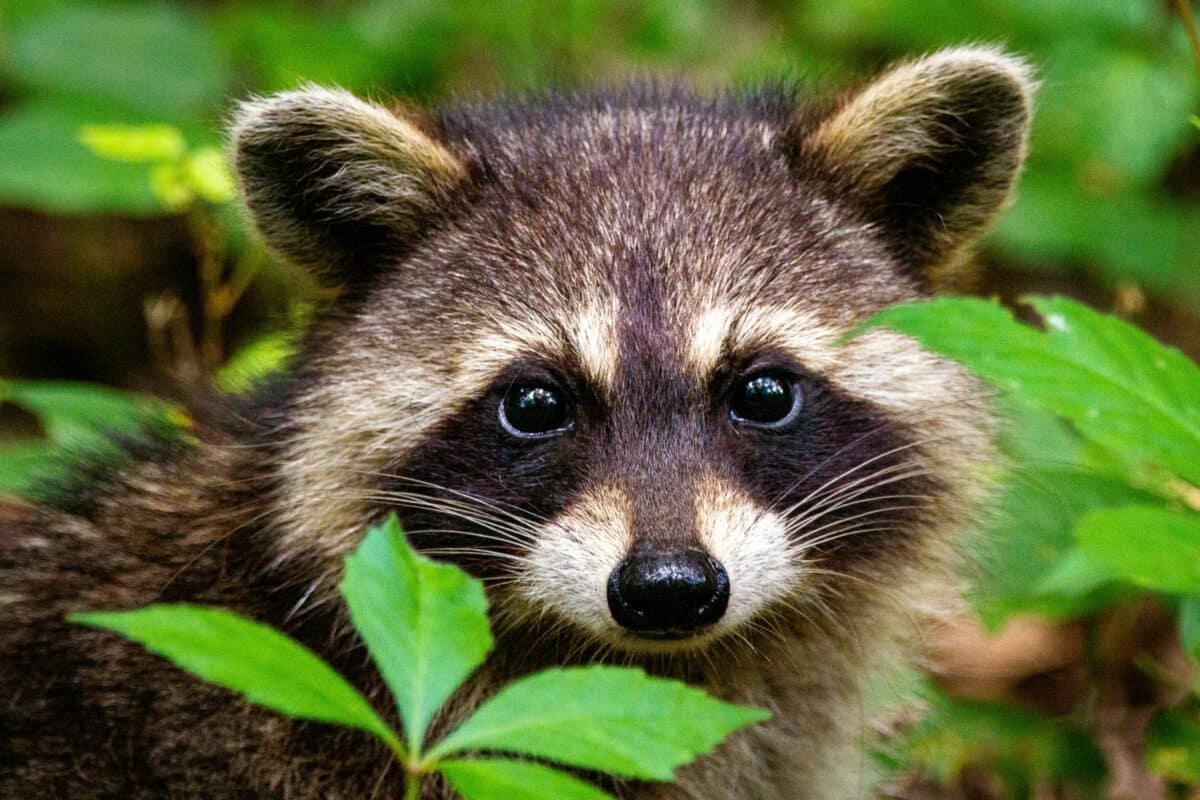
Raccoon
🔥 Would you like to save this?
We'll email this post to you, so you can come back to it later!
Common across North America, raccoons are also a frequent sight in the park, especially near campsites.
Salamander

🔥 Would you like to save this?
We'll email this post to you, so you can come back to it later!
The park is known as the “Salamander Capital of the World” with 30 species, including the Eastern Hellbender.
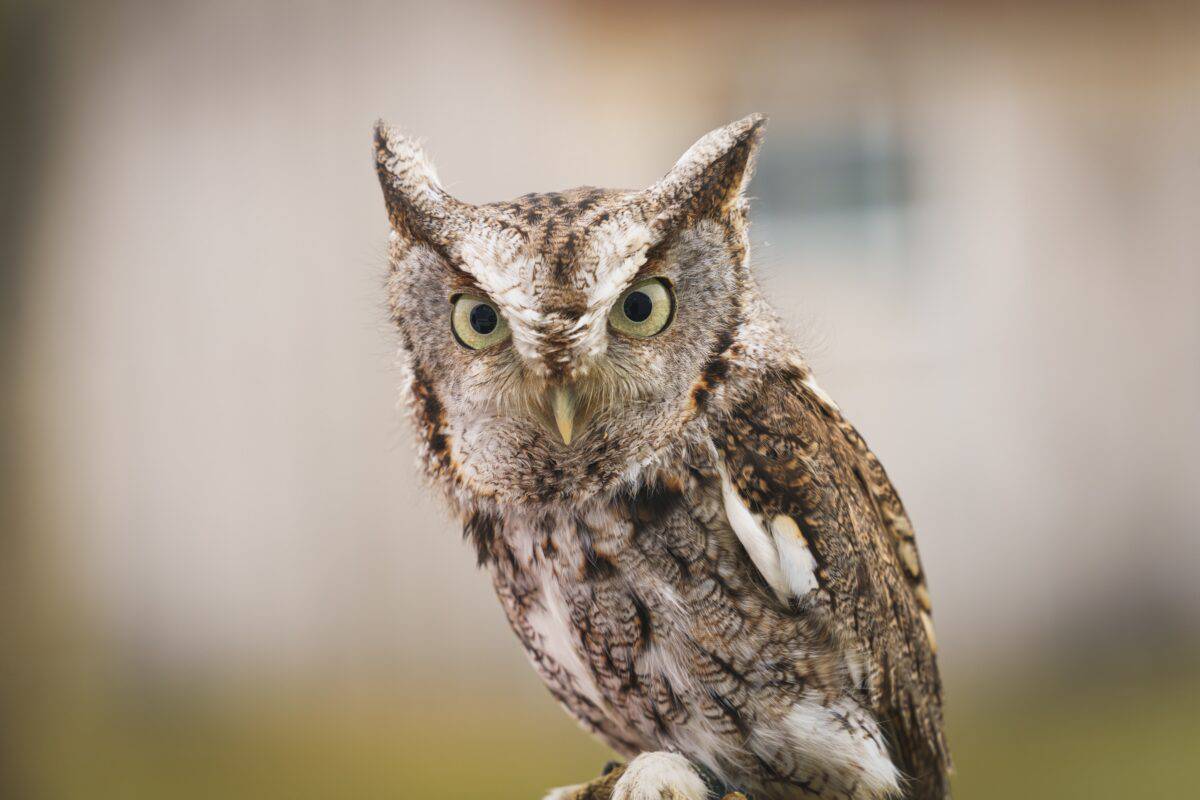
Eastern ScreechOwl
🔥 Would you like to save this?
We'll email this post to you, so you can come back to it later!
Identified by their trilling calls at night, these small owls are residents of the park’s forests.
Bald Eagle

🔥 Would you like to save this?
We'll email this post to you, so you can come back to it later!
America’s national bird, occasionally seen soaring above the park’s waterways and valleys.
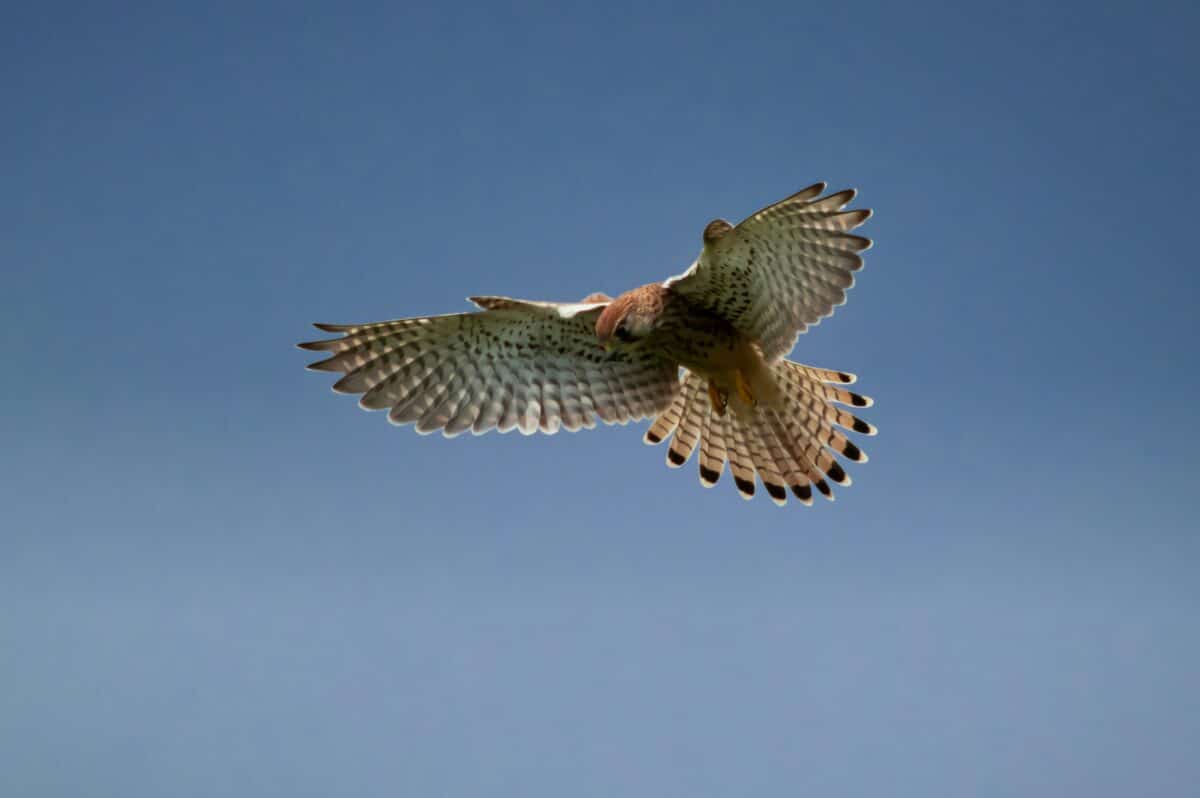
Peregrine Falcon
🔥 Would you like to save this?
We'll email this post to you, so you can come back to it later!
Known for their incredible speed, these birds of prey were reintroduced to the park in the 1980s.
Barred Owl

🔥 Would you like to save this?
We'll email this post to you, so you can come back to it later!
Recognizable by their distinctive “Who cooks for you?” call, they are common in the park’s wooded areas.
Coyote

🔥 Would you like to save this?
We'll email this post to you, so you can come back to it later!
Once absent, coyotes have established themselves in the park over the last few decades.
Eastern Chipmunk

🔥 Would you like to save this?
We'll email this post to you, so you can come back to it later!
A small, striped rodent often seen scurrying on the forest floor.
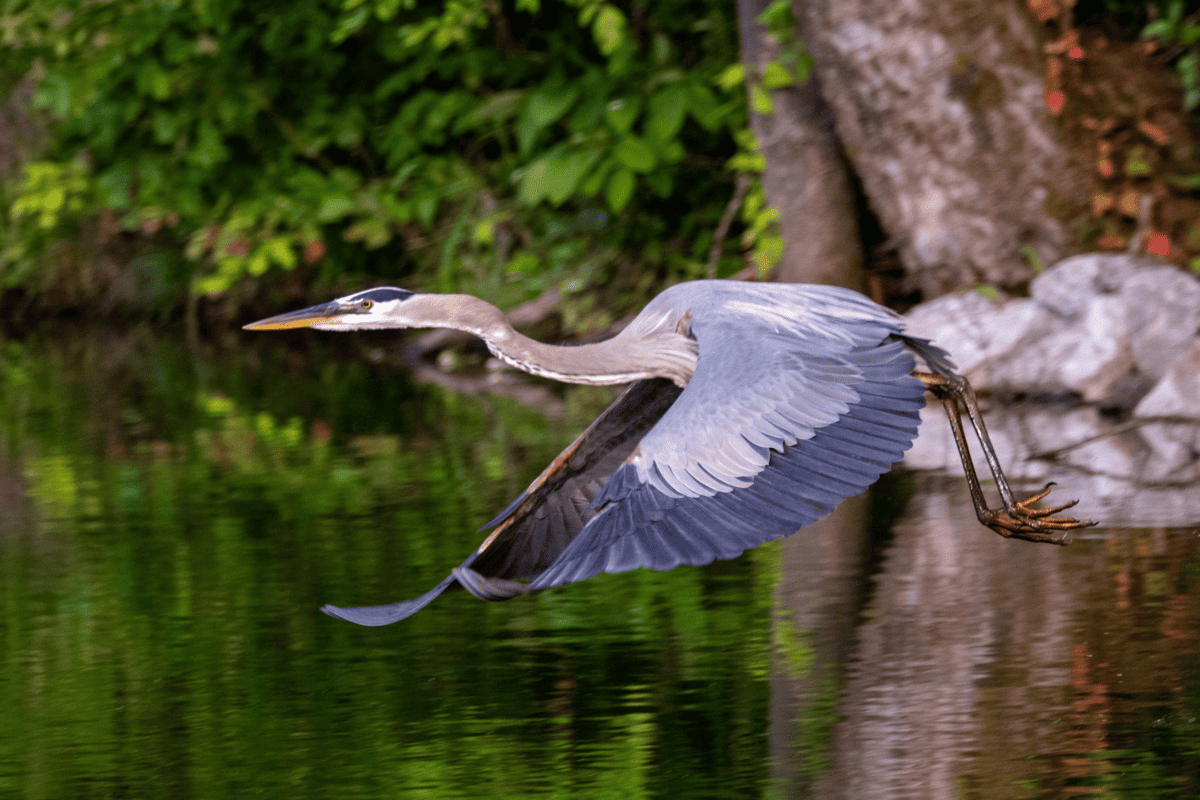
Great Blue Heron
🔥 Would you like to save this?
We'll email this post to you, so you can come back to it later!
Frequently observed in the park’s rivers and streams, especially where fish are abundant.
Redtailed Hawk

🔥 Would you like to save this?
We'll email this post to you, so you can come back to it later!
A common bird of prey, often seen circling above open fields and forest clearings.
Garter Snake

🔥 Would you like to save this?
We'll email this post to you, so you can come back to it later!
Nonvenomous and harmless to humans, these snakes are common throughout the park.
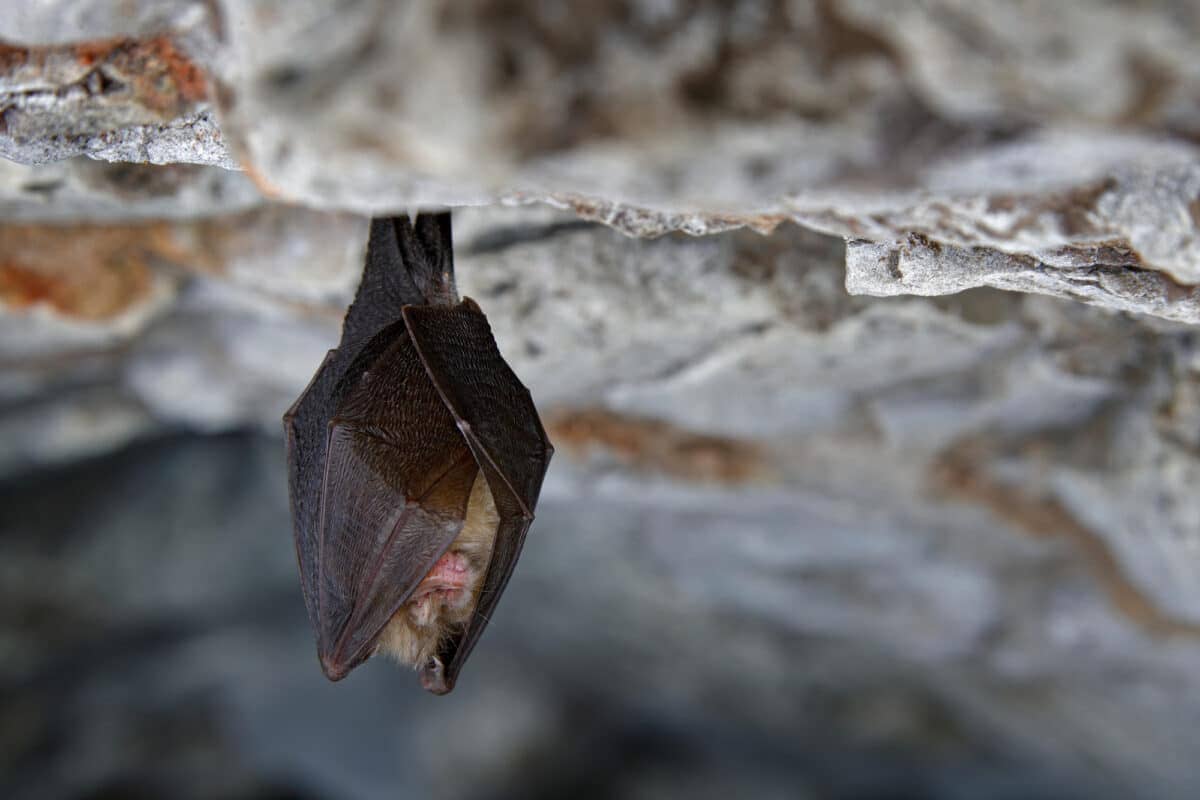
Bat species
🔥 Would you like to save this?
We'll email this post to you, so you can come back to it later!
Several species, including the Little Brown Bat, play crucial roles in controlling insect populations within the park.
Conclusion

🔥 Would you like to save this?
We'll email this post to you, so you can come back to it later!
These animals highlight the diverse wildlife that can be found in the great smokies. I hope you enjoyed reading about the animals that call the great Smoky Mountains home. To read more like this, check out the articles below:
- 21 Animals That Call Joshua Tree Home
- The Top 21 Animals That Call Yellowstone National Park Home
- 21 Animals That Call Arches National Park Home

adventuring, photography and videography. I am currently working towards a BSc in Biodiversity and Ecology at Stellenbosch University to go on to specialise in Marine Sciences one day.
Please send any feedback to Feedback@animalsaroundtheglobe.com
- 26 Most Dangerous Snakes Found in North America - October 19, 2026
- 21 Things Not to Feed Your Pet Dog - October 18, 2026
- 10 Sacred Native American Sites in North America - October 16, 2026