


Rocky National Park boasts its wildlife, each playing a distinctive role in the different ecosystems found here. Let’s find out which animals call the Rockies home.
Rocky Mountain Elk

🔥 Would you like to save this?
We'll email this post to you, so you can come back to it later!
These majestic creatures are among the Rockies’ most iconic symbols. They can be spotted throughout the park, especially in meadows and open forests.
Bighorn Sheep

🔥 Would you like to save this?
We'll email this post to you, so you can come back to it later!
Known for their impressive curved horns, bighorn sheep are often seen scaling cliffs and rocky terrain in the park.
Moose

🔥 Would you like to save this?
We'll email this post to you, so you can come back to it later!
Although not as common as some other species, moose can still be found in the wetter, more marshy areas of Rocky Mountain National Park.
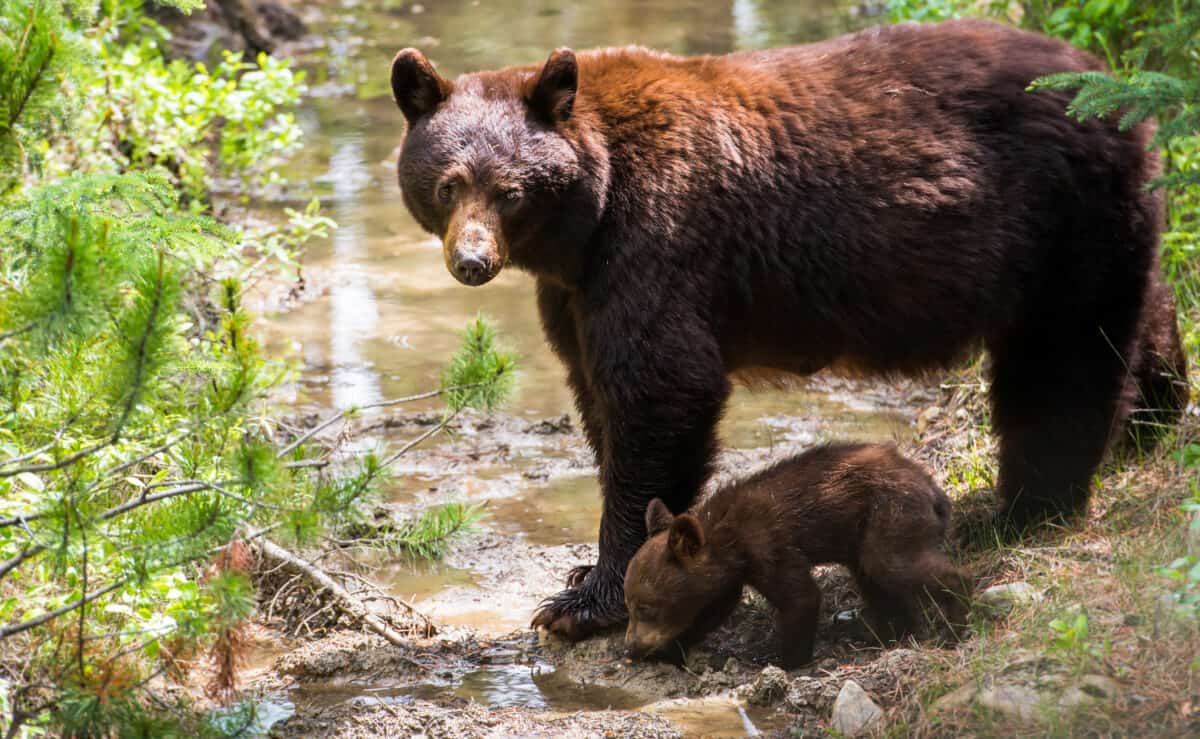
Black Bear
🔥 Would you like to save this?
We'll email this post to you, so you can come back to it later!
This elusive species is North America’s smallest and most widely distributed bear. They inhabit forests and can occasionally be spotted foraging for food.
Mountain Lion

🔥 Would you like to save this?
We'll email this post to you, so you can come back to it later!
Also known as cougars or pumas, these solitary predators roam the park’s mountains and forests, preying on deer and other small mammals.
Mule Deer

🔥 Would you like to save this?
We'll email this post to you, so you can come back to it later!
Mule deer, easily recognizable by their large ears, are a common sight in the park, particularly in lower elevation areas.
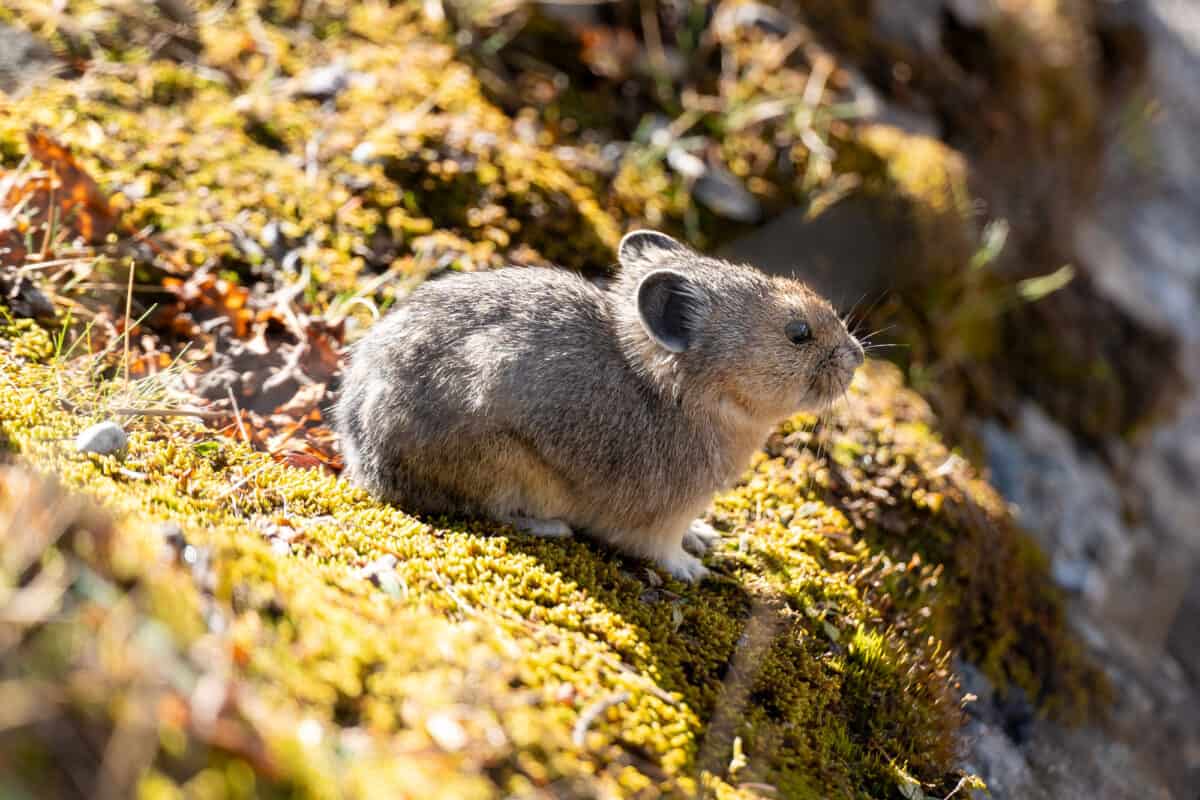
American Pika
🔥 Would you like to save this?
We'll email this post to you, so you can come back to it later!
These small, rabbit-like mammals inhabit rocky alpine areas and are known for their distinctive “haystacks” of vegetation.
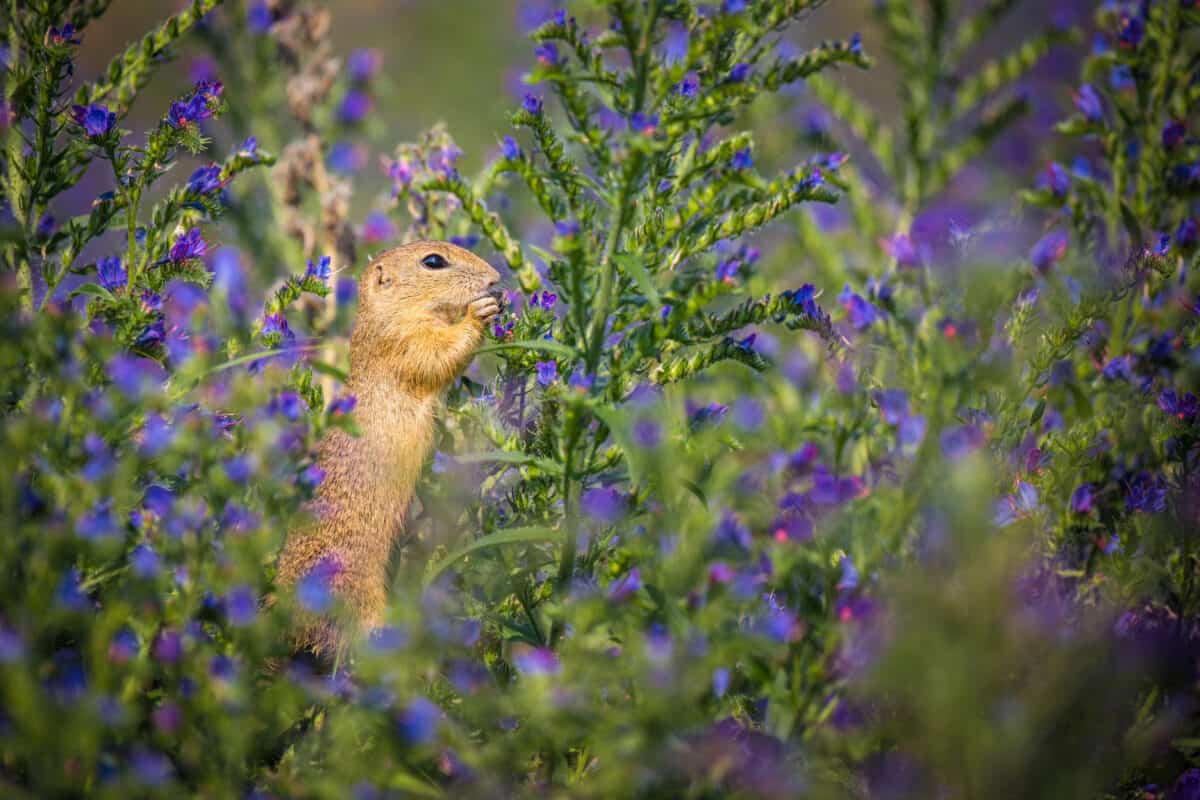
Golden-mantled Ground Squirrel
🔥 Would you like to save this?
We'll email this post to you, so you can come back to it later!
Often mistaken for chipmunks, these ground squirrels are characterized by their golden stripes and can be found in forested and rocky areas.
Rocky Mountain Goat

🔥 Would you like to save this?
We'll email this post to you, so you can come back to it later!
With their shaggy white coats and impressive climbing abilities, these goats are well adapted to the steep terrain of the Rockies.
Red Fox

🔥 Would you like to save this?
We'll email this post to you, so you can come back to it later!
These cunning predators are often seen in the park’s meadows and forests, hunting small mammals and scavenging for food.
Yellow-bellied Marmot

🔥 Would you like to save this?
We'll email this post to you, so you can come back to it later!
Commonly spotted sunning themselves on rocks, these large ground squirrels are found in alpine meadows and rocky slopes.
Coyote

🔥 Would you like to save this?
We'll email this post to you, so you can come back to it later!
Highly adaptable and often seen at dawn or dusk, coyotes can be found throughout the park, hunting rodents and other small prey.
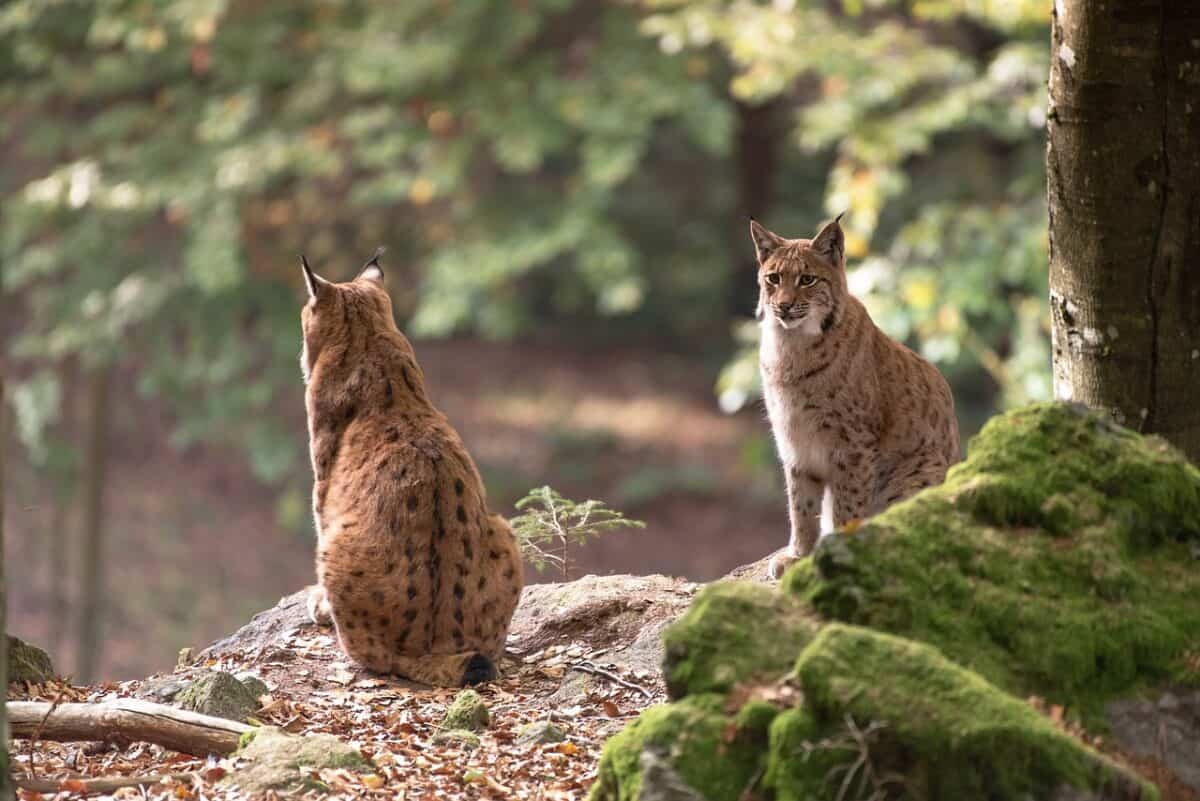
Bobcat
🔥 Would you like to save this?
We'll email this post to you, so you can come back to it later!
Although elusive and rarely seen, bobcats inhabit the park’s forests and are skilled hunters of rabbits and rodents.
Clark’s Nutcracker

🔥 Would you like to save this?
We'll email this post to you, so you can come back to it later!
This bird plays a crucial role in the park’s ecosystem by dispersing seeds of pine trees, particularly the whitebark pine.
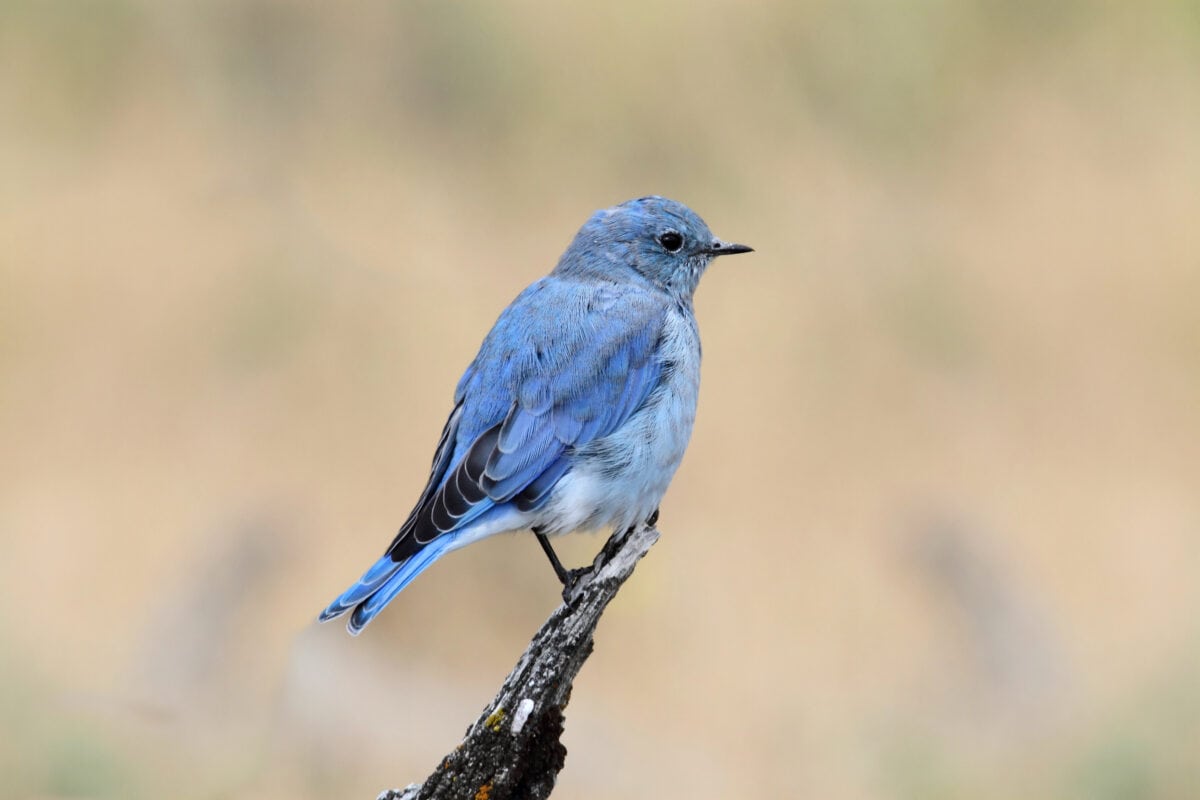
Mountain Bluebird
🔥 Would you like to save this?
We'll email this post to you, so you can come back to it later!
With its striking blue plumage, this bird is commonly seen flitting through meadows and open park areas.
American Dipper

🔥 Would you like to save this?
We'll email this post to you, so you can come back to it later!
Found along fast-flowing mountain streams, the American Dipper is known for its unique habit of diving underwater to forage for food.
Pine Siskin

🔥 Would you like to save this?
We'll email this post to you, so you can come back to it later!
These small finches are often found in coniferous forests, where they feed on seeds and conifer cones.
Abert’s Squirrel

🔥 Would you like to save this?
We'll email this post to you, so you can come back to it later!
Endemic to the Rocky Mountains, these squirrels are known for their tufted ears and can be found in ponderosa pine forests.
Northern Goshawk

🔥 Would you like to save this?
We'll email this post to you, so you can come back to it later!
A powerful bird of prey, the Northern Goshawk hunts in the park’s forests, preying on birds and small mammals.
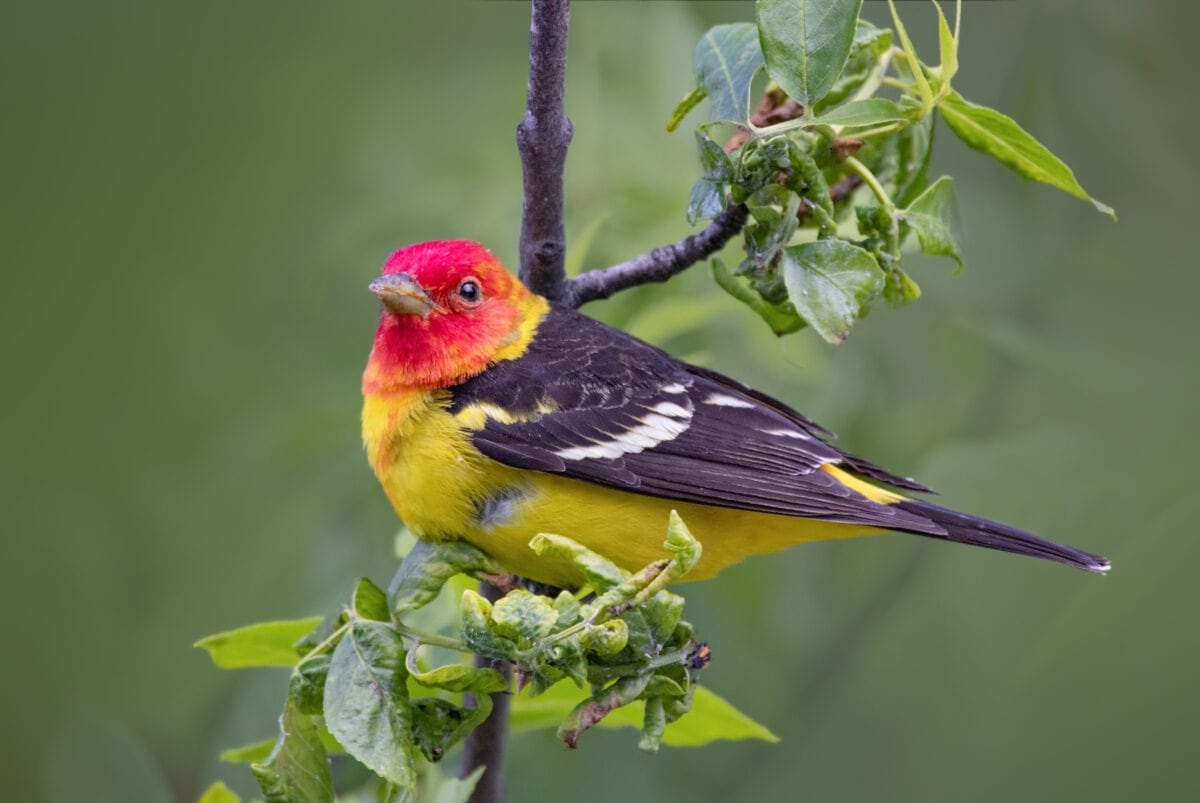
Western Tanager
🔥 Would you like to save this?
We'll email this post to you, so you can come back to it later!
With its vibrant red and yellow plumage, the Western Tanager is a common sight in the park’s aspen groves and mixed forests.
Harlequin Duck

🔥 Would you like to save this?
We'll email this post to you, so you can come back to it later!
These striking ducks are often seen in fast-flowing mountain streams and rivers, where they feed on aquatic insects and small fish.
Conclusion

🔥 Would you like to save this?
We'll email this post to you, so you can come back to it later!
Each of these animals plays a vital role in their habitats in the Rockies. I hope you enjoyed reading about the animals that call the Rocky Mountains home. To read more like this, check out the articles below:
- Top 21 Animals Of Everglades National Park
- 21 Animals That Call Redwood National Park Home
- 21 Animals That Call Joshua Tree Home

adventuring, photography and videography. I am currently working towards a BSc in Biodiversity and Ecology at Stellenbosch University to go on to specialise in Marine Sciences one day.
Please send any feedback to Feedback@animalsaroundtheglobe.com
- 26 Most Dangerous Snakes Found in North America - October 19, 2026
- 21 Things Not to Feed Your Pet Dog - October 18, 2026
- 10 Sacred Native American Sites in North America - October 16, 2026