


Hiking in the U.S. offers breathtaking views, but nature isn’t always friendly. From stealthy mountain lions to venomous rattlesnakes and aggressive bears, the wilderness is home to creatures that can turn your adventure into a real-life survival story. Stay alert—these animals don’t always warn before they strike!
21. Mountain Lions

🔥 Would you like to save this?
We'll email this post to you, so you can come back to it later!
Also known as cougars or pumas, mountain lions are apex predators found in many U.S. regions, particularly in the western states. These solitary animals are rarely seen, but encounters can be dangerous. If you encounter one, try to appear larger and avoid turning your back or running.
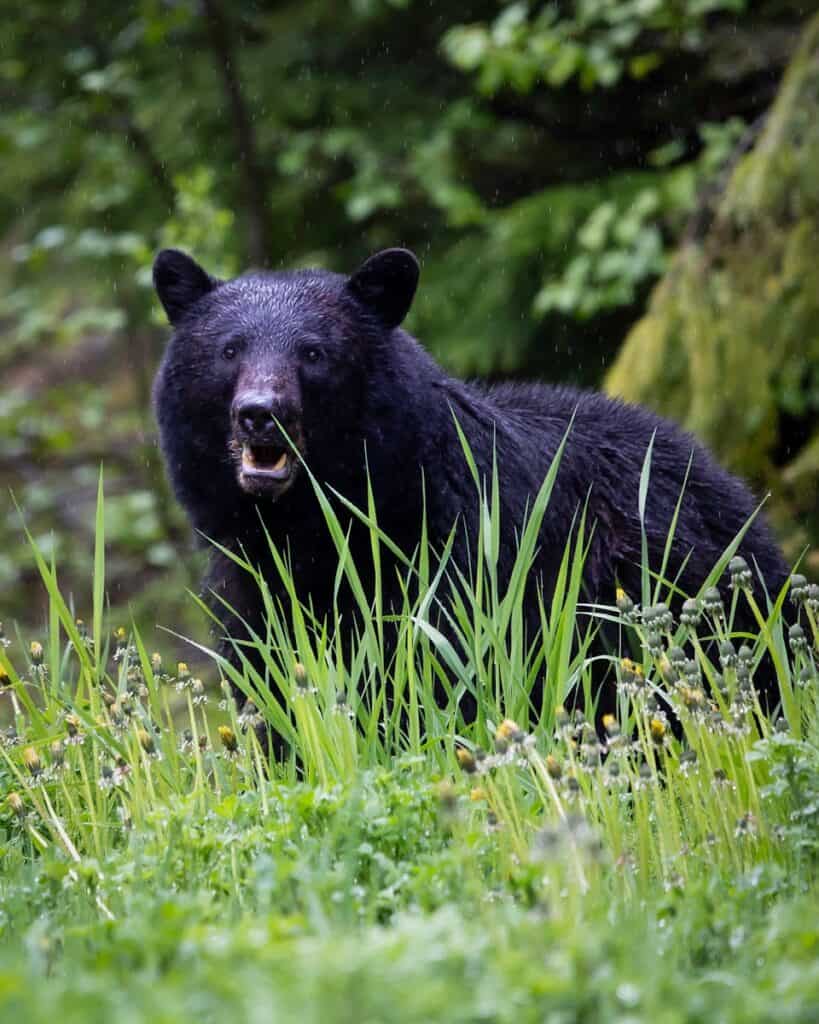
20. Black Bears
🔥 Would you like to save this?
We'll email this post to you, so you can come back to it later!
Black bears are widely distributed across North America and are more common than the larger grizzly bears. They are generally not aggressive but can be if they feel threatened or are protecting their cubs. Store food properly when hiking to avoid attracting them.
19. Grizzly Bears

🔥 Would you like to save this?
We'll email this post to you, so you can come back to it later!
Grizzly bears are less common but are more aggressive than black bears. Found in the northwestern U.S., particularly in Yellowstone and Glacier National Parks, it is crucial to make noise while hiking to avoid surprising them. Carrying bear spray is advisable.
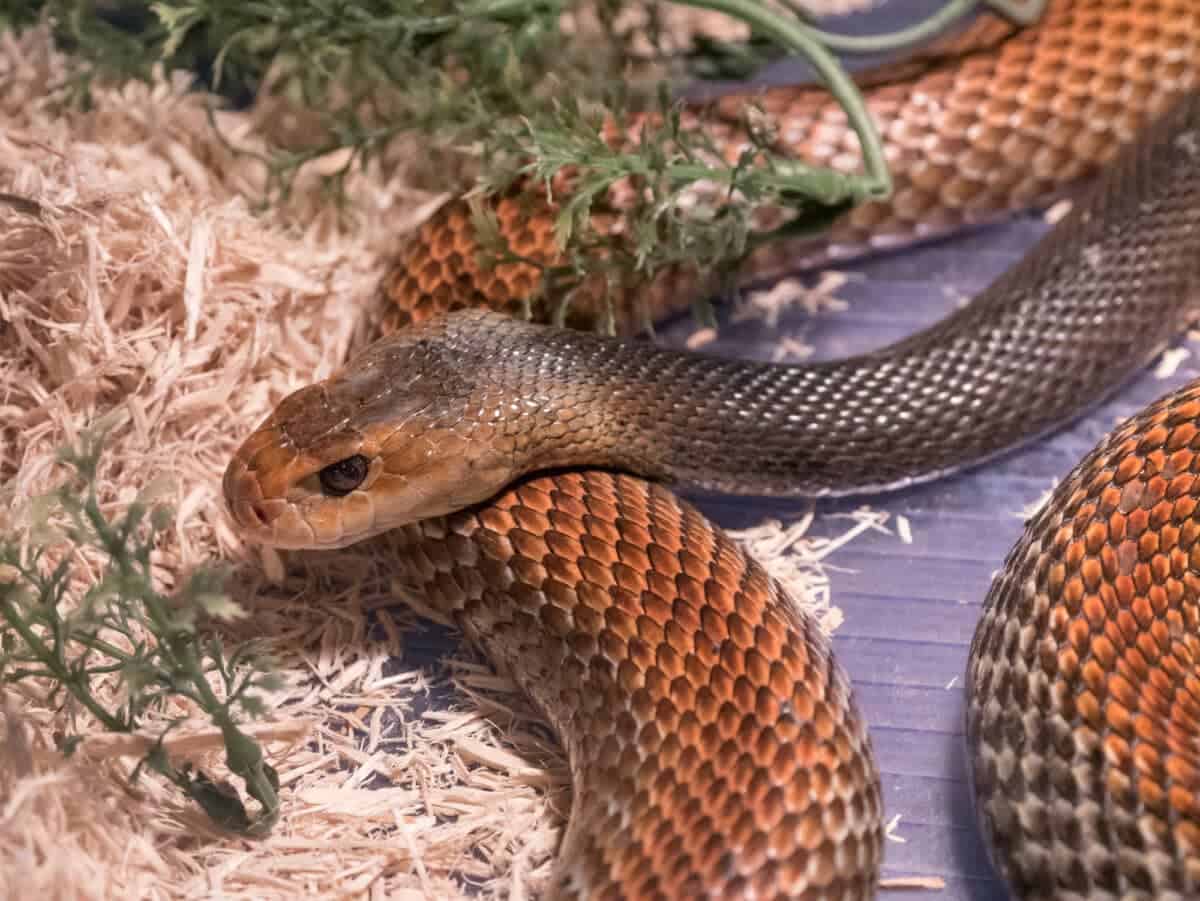
18. Venomous Snakes
🔥 Would you like to save this?
We'll email this post to you, so you can come back to it later!
The U.S. is home to several venomous snakes, such as rattlesnakes, copperheads, and cottonmouths. These snakes usually avoid humans, but stepping on or near them can lead to a dangerous bite. Wearing long pants and boots can provide some protection.
17. Wolves

🔥 Would you like to save this?
We'll email this post to you, so you can come back to it later!
Once nearly extinct in the lower 48 states, wolves have made a comeback thanks to conservation efforts. Mostly found in regions like the Northern Rockies and Great Lakes, wolves generally avoid humans but seeing them in the wild can be unnerving due to their size and pack behavior.
16. Ticks

🔥 Would you like to save this?
We'll email this post to you, so you can come back to it later!
While tiny, ticks can pose a significant health risk as transmitters of Lyme disease and other infections. Found in grassy, wooded areas nationwide, preventive measures include using insect repellent and checking for ticks after a hike.
15. Bison

🔥 Would you like to save this?
We'll email this post to you, so you can come back to it later!
These massive creatures, mainly found in Yellowstone National Park, are best admired from a distance. Though they appear docile, bison can charge at high speeds if they feel threatened. Always maintain a safe distance of at least 100 yards.
14. Alligators

🔥 Would you like to save this?
We'll email this post to you, so you can come back to it later!
Common in the southeastern U.S., particularly in Florida, alligators inhabit freshwater lakes, rivers, and swamps. They are rarely a threat to humans if left undisturbed, but it’s wise to remain vigilant and avoid swimming in areas known to be alligator habitats.
13. Coyotes

🔥 Would you like to save this?
We'll email this post to you, so you can come back to it later!
Coyotes are highly adaptable and can be found in a variety of environments across the U.S. Although they typically avoid humans, encounters can occur, especially in areas where their natural habitat overlaps with urban spaces. Keep food secure to prevent them from becoming too familiar with humans.
12. Moose

🔥 Would you like to save this?
We'll email this post to you, so you can come back to it later!
These large and unpredictable animals are mainly found in the northern U.S., such as Maine and Alaska. While generally not aggressive, moose can become dangerous if provoked or if they feel cornered. Always observe them from a safe distance.
11. Foxes

🔥 Would you like to save this?
We'll email this post to you, so you can come back to it later!
Foxes are generally harmless and avoid confrontation with humans. However, they may be aggressive if rabid. Spotting one is usually a delightful experience, but like any wild animal, they should not be approached or fed.
10. Javelinas

🔥 Would you like to save this?
We'll email this post to you, so you can come back to it later!
Resembling wild boars, javelinas are found in the southwestern U.S. They travel in groups and can be aggressive if threatened. It’s important to keep your distance and avoid feeding them, as they are easily habituated to human food.
9. Porcupines

🔥 Would you like to save this?
We'll email this post to you, so you can come back to it later!
While generally docile and not proactive in aggression, porcupines can cause harm with their quills if they feel threatened. These quills are barbed and difficult to remove once embedded in skin.
8. Scorpions

🔥 Would you like to save this?
We'll email this post to you, so you can come back to it later!
Most commonly found in the Southwest, scorpions can deliver a painful sting. While not typically life-threatening, their stings can cause severe discomfort. Hiking boots and gloves can provide some protection when exploring their habitats.
7. Skunks

🔥 Would you like to save this?
We'll email this post to you, so you can come back to it later!
Known for their distinct odor, skunks are found nationwide. While not dangerous in terms of physical harm, their spray is incredibly pungent and difficult to remove. They usually give a warning before spraying, such as stamping their feet.
6. Mountain Goats

🔥 Would you like to save this?
We'll email this post to you, so you can come back to it later!
These typically peaceful animals can become aggressive, especially when encountering humans in their territory. They are found in mountainous regions and are best observed from a distance.
5. Boars

🔥 Would you like to save this?
We'll email this post to you, so you can come back to it later!
Wild boars, prevalent in the southeastern states, can be aggressive and destructive. They travel in groups and should be avoided when seen in the wild. Boars can damage ecosystems significantly and pose a risk to hikers.
4. Poison Ivy and Poison Oak

🔥 Would you like to save this?
We'll email this post to you, so you can come back to it later!
While not creatures, these plants are crucial to avoid mention while hiking. They cause severe allergic reactions and are widespread in various U.S. regions. Knowing how to identify and steer clear of them will prevent uncomfortable rashes.
3. Wasps and Hornets

🔥 Would you like to save this?
We'll email this post to you, so you can come back to it later!
These insects can be aggressive, particularly if their nests are disturbed. Found throughout the U.S., they can deliver painful stings that may lead to allergic reactions in some individuals. It is essential to be mindful of your surroundings to avoid nests.
2. Sandhill Cranes

🔥 Would you like to save this?
We'll email this post to you, so you can come back to it later!
While generally not dangerous, these large birds can be aggressive during nesting season. Sandhill cranes are found in both residential and rural wetlands across the U.S. Always keep a respectful distance to avoid disturbing them.
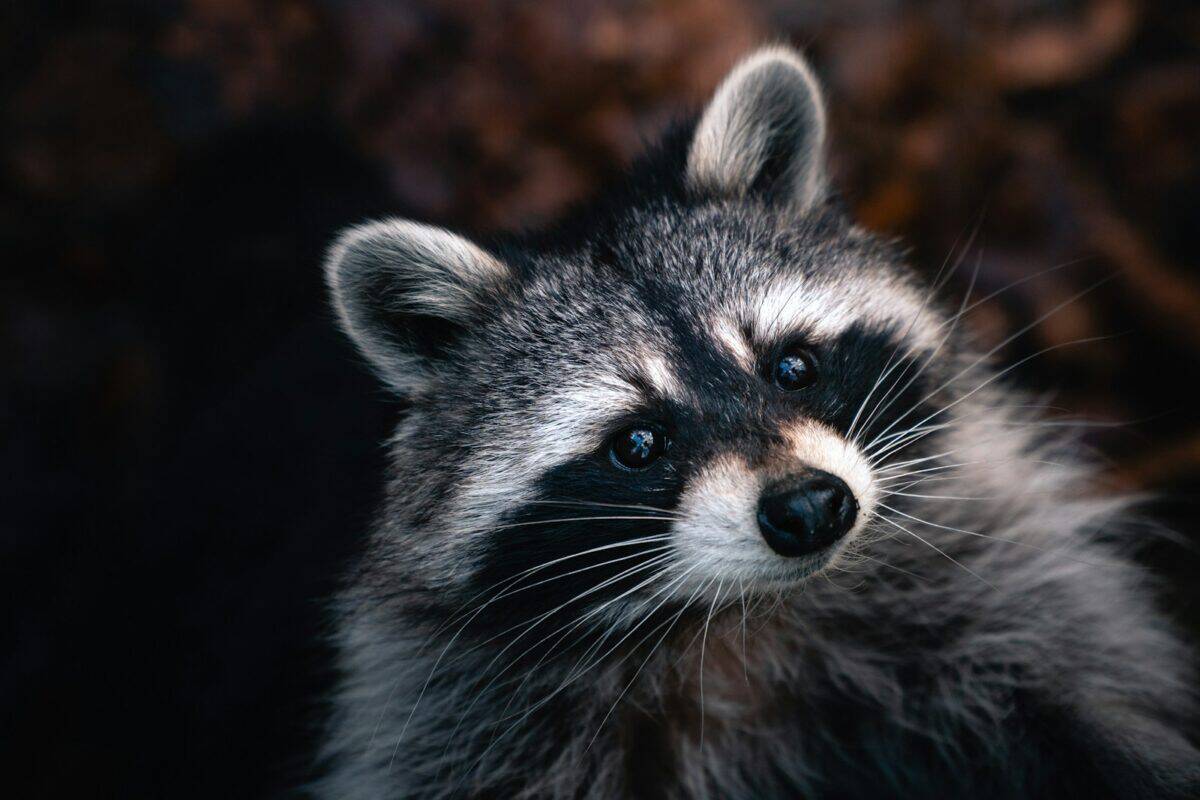
1. Raccoons
🔥 Would you like to save this?
We'll email this post to you, so you can come back to it later!
Commonly seen in urban and rural environments, raccoons are usually not aggressive unless rabid. They are opportunistic feeders and can carry diseases, so avoid feeding or approaching them to maintain a safe distance.
While hiking provides the joy of witnessing wildlife, it’s crucial to remember the unpredictability of nature. Respect for nature and knowledge of potential dangers can help you safely enjoy your outdoor adventures.

- How Koalas Survive on a Diet of Toxic (To Humans) Eucalyptus Leaves - November 5, 2026
- The Largest Python Ever Captured in Florida’s Everglades - November 5, 2026
- The Largest Sea Turtle Ever Rescued Off North Carolina - November 5, 2026