


Have children, pets or just care for yourself? This guide will help you find the signs for venomous snakes in your yard. More than 30 venomous snake species are native to the US – lets learn how to protect against them.
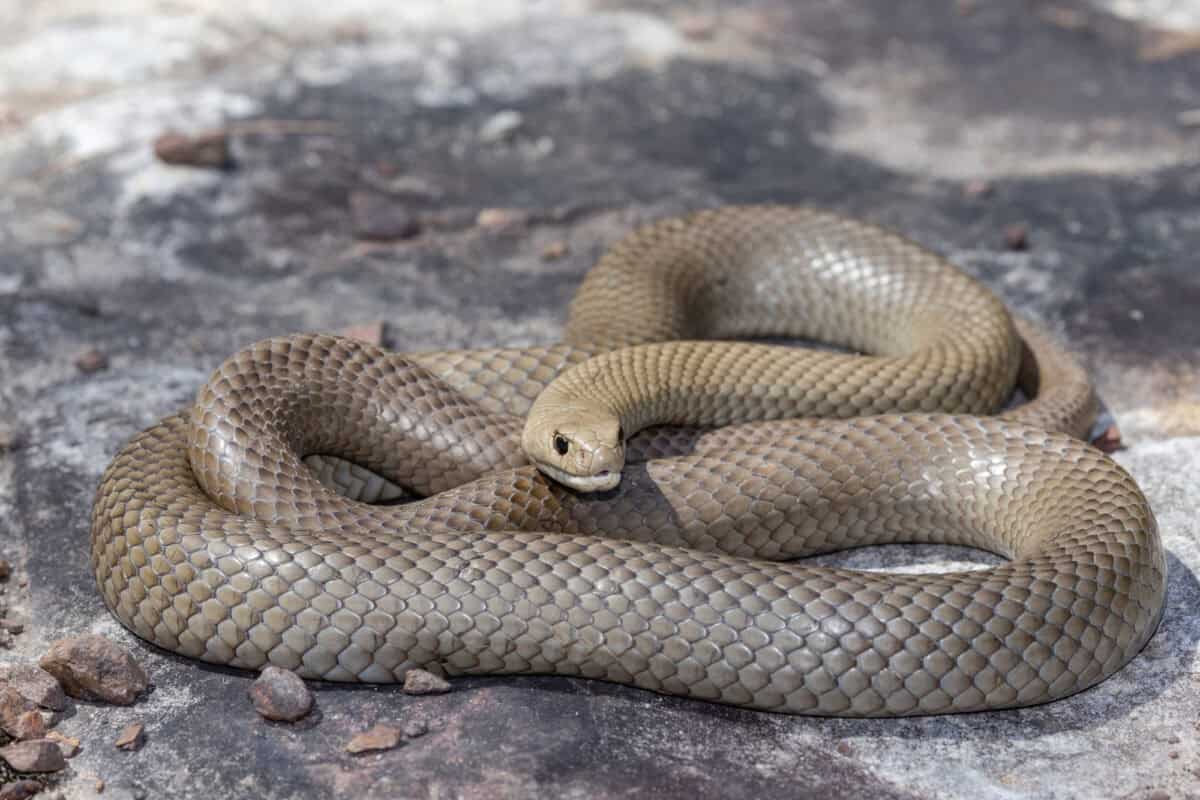
#1 Sighting of Shed Skin
🔥 Would you like to save this?
We'll email this post to you, so you can come back to it later!
Snakes shed their skin periodically, so finding shed skin in your yard could indicate a snake’s presence. This could warn you of their presence before you even spot them.
#2 Snake Tracks

🔥 Would you like to save this?
We'll email this post to you, so you can come back to it later!
Trails or slither marks in sandy or dusty areas of your yard. Watch out for those! Especially in summer times.
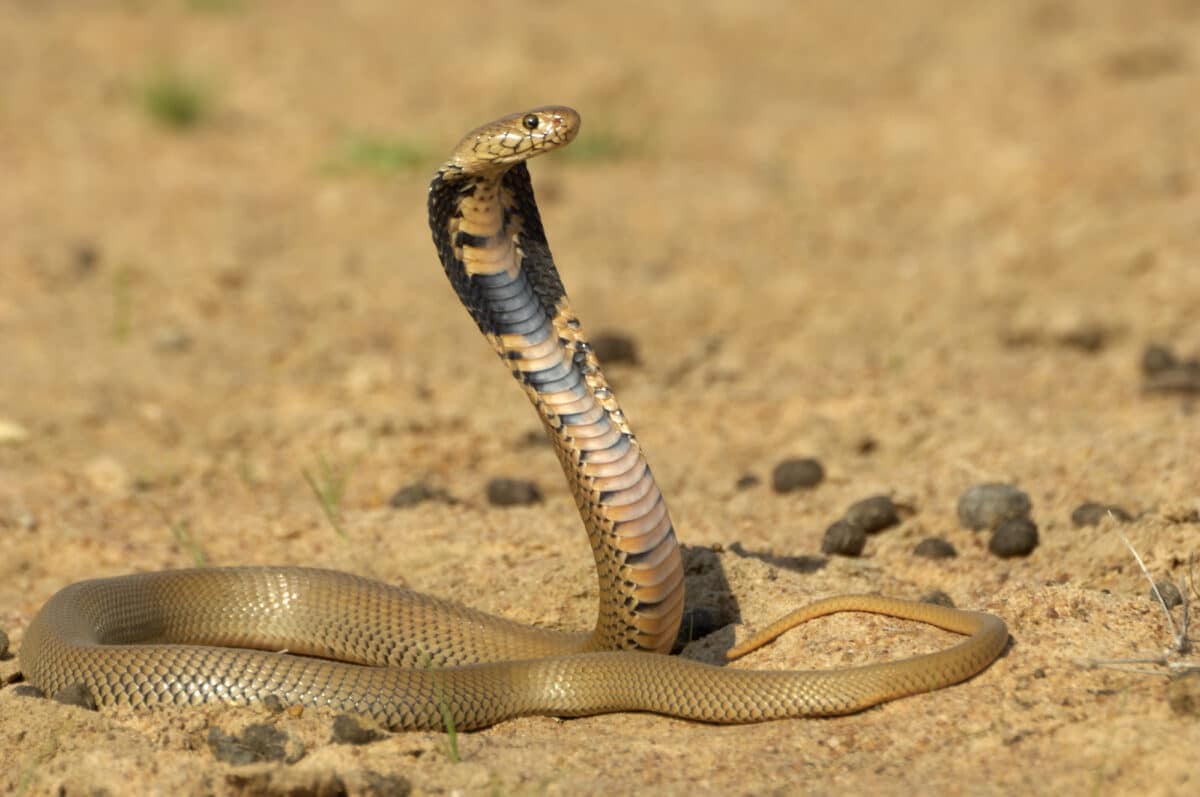
#3 Hissing Sounds
🔥 Would you like to save this?
We'll email this post to you, so you can come back to it later!
You probably now that from the movies. Some venomous snakes emit a hissing sound as a warning when threatened. Luckily the U.S. are not home to most type of cobras, but plenty Rattlesnakes.
#4 Sudden Movement in Grass

🔥 Would you like to save this?
We'll email this post to you, so you can come back to it later!
Quick, rustling movements in grassy areas can signal a snake’s presence. Even before you can see it.
#5 Holes in the Ground

🔥 Would you like to save this?
We'll email this post to you, so you can come back to it later!
Small holes in the yard might be entrances to snake burrows.
#6 Snake Sighting

🔥 Would you like to save this?
We'll email this post to you, so you can come back to it later!
The most obvious sign is seeing a snake itself, particularly near sheltered areas or sunning on warm surfaces.
#7 Presence of Prey

🔥 Would you like to save this?
We'll email this post to you, so you can come back to it later!
An abundance of rodents, frogs, or insects can attract snakes to your yard.
#8 Birds and Pets Acting Disturbed

🔥 Would you like to save this?
We'll email this post to you, so you can come back to it later!
Domestic animals or wildlife appearing agitated or focused on a specific area might indicate a snake nearby.
#9 Night Noises
🔥 Would you like to save this?
We'll email this post to you, so you can come back to it later!
Snakes can be active at night, especially in warm weather, and any rustling or slithering sounds could be due to their movement.
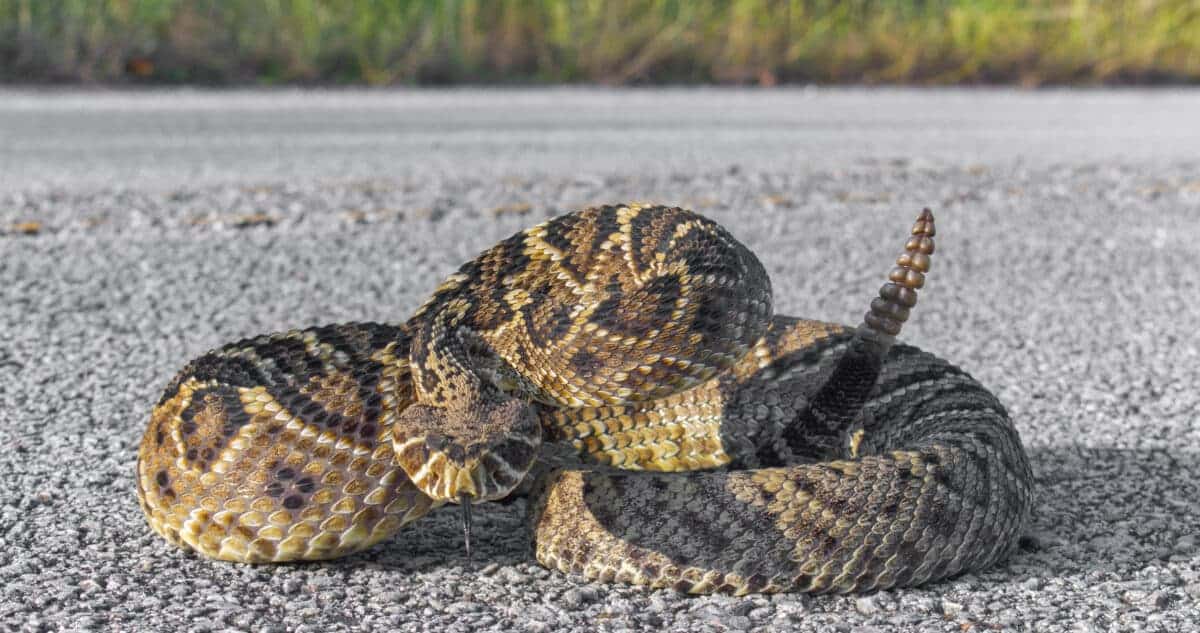
#10 Distinctive Odor
🔥 Would you like to save this?
We'll email this post to you, so you can come back to it later!
Some snakes emit a musky scent, especially when threatened, which can be a sign of their presence.
#11 Egg Shells

🔥 Would you like to save this?
We'll email this post to you, so you can come back to it later!
Finding cracked or hatched egg shells, especially from birds or reptiles, could indicate snake activity.
#12 Unusual Pet Behavior

🔥 Would you like to save this?
We'll email this post to you, so you can come back to it later!
Pets might act unusually curious, scared, or aggressive if they detect a snake in the area.
#13 Finding Feces

🔥 Would you like to save this?
We'll email this post to you, so you can come back to it later!
Snake feces are distinctive, often containing fur or feathers. Finding these in your yard could indicate snakes.
#14 Cool, Damp Areas

🔥 Would you like to save this?
We'll email this post to you, so you can come back to it later!
Discovering snakes in cool, shaded, or damp areas of the yard, especially during hot days.
#15 Near Water Sources

🔥 Would you like to save this?
We'll email this post to you, so you can come back to it later!
If you have water features, ponds, or pools, snakes might be attracted to these areas for hydration or to hunt for prey.
#16 Under Debris

🔥 Would you like to save this?
We'll email this post to you, so you can come back to it later!
Finding snakes under logs, rocks, or debris where they might seek shelter or hunt for prey.
#17 Flattened Plants

🔥 Would you like to save this?
We'll email this post to you, so you can come back to it later!
Plants or grass that appears flattened in a trail-like pattern might indicate snake activity.
#18 Checking Warm Areas

🔥 Would you like to save this?
We'll email this post to you, so you can come back to it later!
Snakes often sun themselves on warm surfaces like rocks, pavement, or open areas to regulate their body temperature.
#19 Increased Bird Activity

🔥 Would you like to save this?
We'll email this post to you, so you can come back to it later!
Birds, especially species that prey on snakes, showing increased activity or alarm calls in your yard might signal a snake’s presence.
#20 Sounds from Tall Grass

🔥 Would you like to save this?
We'll email this post to you, so you can come back to it later!
Hearing rustles or movement in tall grass areas can be a sign of snake presence.
#21 Disturbed Nesting Areas

🔥 Would you like to save this?
We'll email this post to you, so you can come back to it later!
If you notice that areas where birds, rodents, or insects had nests appear disturbed or destroyed, it could indicate snake activity. Venomous snakes may prey on eggs and young animals, leading to such disturbances.
Final Thoughts

🔥 Would you like to save this?
We'll email this post to you, so you can come back to it later!
If you suspect the presence of venomous snakes in your yard, exercise caution and consider contacting a professional wildlife removal service or your local wildlife conservation agency for safe removal and advice on preventing future encounters. Do not attempt to handle or kill the snake, as this can increase the risk of being bitten.

As a little kid, I fell in love with nature, wildlife, and animals. Living in the USA, South Africa, Italy, China and Germany gave me the opportunity to discover the world's Wildlife. My favorite animals are Mountain Gorillas, Siberian Tigers, and Great White Sharks.
I'm a certified PADI Open Water Diver, went to Everest Base Camp and Trekked Gorillas in Uganda. I hold a Master of Science in Economics and Finance.
Please send any feedback to feedback@animalsaroundtheglobe.com
- 11 Monkey Antics That Prove They are Our Wildest Relatives - November 5, 2026
- 14 Dog Breeds That Do not Need Much Exercise - November 5, 2026
- 15 Forests With Terrifying Local Legends - November 5, 2026