

Most people believe a birthday does something special at the refuge gate. You turn 62, the fee vanishes, and the ranger waves you through. Turns out, that’s the first mistake. Nothing drops on its own, and most national wildlife refuges never charge at the entrance in the first place.
The real story is stranger and a lot more useful. The savings are real, but they live at a handful of gates from Virginia to Florida to Hawaii. Along the way you’ll meet a fee booth that costs six figures to run, a swamp that hides its entrance charge inside other permits, and a price trap that opened in 2026. Count down to #1, because that’s where the headline’s biggest omission is waiting.
#22 – The Birthday Myth

🔥 Would you like to save this?
We'll email this post to you, so you can come back to it later!
Nothing happens to any fee on your 62nd birthday.
Turning 62 only makes you eligible. The America the Beautiful Senior Pass is a federal recreation pass for U.S. citizens and permanent residents aged 62 and older. Nobody mails it to you, and no gate agent adjusts your price because of a date on your license.
The truth is blunter than the headlines. The Senior Pass isn’t free, and it was never limited to the year you turn 62. You can buy it at 62, 67 or 80.
Most people don’t realize the pass is a purchase, not a gift. The age is just the door, and the savings come later, one gate at a time.
- Eligibility starts at 62
- Purchase is required
- No deadline attached to your birthday year
But the age itself trips up even more people than the price does, and that’s #21…
#21 – The Age Is 62, Not 65

🔥 Would you like to save this?
We'll email this post to you, so you can come back to it later!
Plenty of people wait three years longer than they need to.
Many Americans assume senior perks start at 65, the age tied to Medicare. This one doesn’t. The federal Senior Pass opens at 62.
Proving it is simple. Buy at any federal recreation site with ID showing you’re 62 or older, plus proof of citizenship or residency. That’s the whole gatekeeping process. There’s no application essay and no waiting period.
Here’s where the money leaks. People who wait until 65 pay full gate fees for three extra years of birding trips. At a $5 gate, three years of regular visits adds up fast.
Of course, a pass only helps if the gate actually charges, and that’s rarer than you’d think in #20…
#20 – Only About 30 Gates Actually Charge
🔥 Would you like to save this?
We'll email this post to you, so you can come back to it later!
Most refuges never ask for a dime at the entrance.
The U.S. Fish and Wildlife Service manages more than 570 National Wildlife Refuges. Yet only about thirty charge an entrance fee. By our math, that’s about one gate in 19.
So a “fee drop” only matters at a small slice of the system. At the other 540-odd refuges, you just drive in, park and walk. There’s nothing to waive in the first place.
Plenty of birders end up buying a pass they will rarely show at a refuge booth. That doesn’t make the pass a bad buy. It means refuge savings are a bonus on top of bigger wins elsewhere.
And the typical price at those 30 gates might surprise you in #19…
#19 – The $3 to $5 Reality Check
🔥 Would you like to save this?
We'll email this post to you, so you can come back to it later!
The usual refuge entrance fee is smaller than a fast-food lunch.
Refuges that charge usually ask a nominal entrance fee, generally $3 to $5 a day. The money pays for roads and facilities, the unglamorous things that keep a trail drivable in March mud.
Now do the math. At $5 a vehicle, an $80 lifetime pass equals 16 gate visits. For a retiree who only birds at refuges, that is a slow payback.
Here’s a take that will start arguments. If refuges are your only stop, the lifetime pass is a slow first purchase. The $20 annual version is the safer test, and the real payoff comes when you add national parks and forests.
Quick Compare
- $20 senior annual: pays for itself after 4 visits at a $5 gate
- $80 senior lifetime: needs 16 visits at a $5 gate to break even
- Four annuals traded in: the same $80 total, spread over four years
But the gate fee alone doesn’t tell the whole story, as #18 shows…
#18 – Back Bay’s $5 Gate
🔥 Would you like to save this?
We'll email this post to you, so you can come back to it later!
One Virginia refuge lists its fee in plain numbers.
Back Bay National Wildlife Refuge sits on a barrier-island strip south of Virginia Beach. It lists a $5.00 vehicle entrance fee, a clean example of the per-car model most fee refuges use. Winter waterfowl are the big draw.
The same booth does double duty. Back Bay sells and issues passes for the America the Beautiful program, so you can solve the fee problem right where it starts.
That means a first-time visitor could pay the $5 once, see the place, and decide about the pass afterward. It’s a low-risk way to test the idea.
Next up is a refuge whose booth costs real money to run, and the numbers are in #17…
#17 – Chincoteague’s Three Fee Booths
🔥 Would you like to save this?
We'll email this post to you, so you can come back to it later!
Collecting a few dollars takes real infrastructure.
Chincoteague National Wildlife Refuge, on Virginia’s Eastern Shore, is on the Fish and Wildlife Service’s list of fee-charging lands. It is famous for its wild ponies, but it is also a major birding stop.
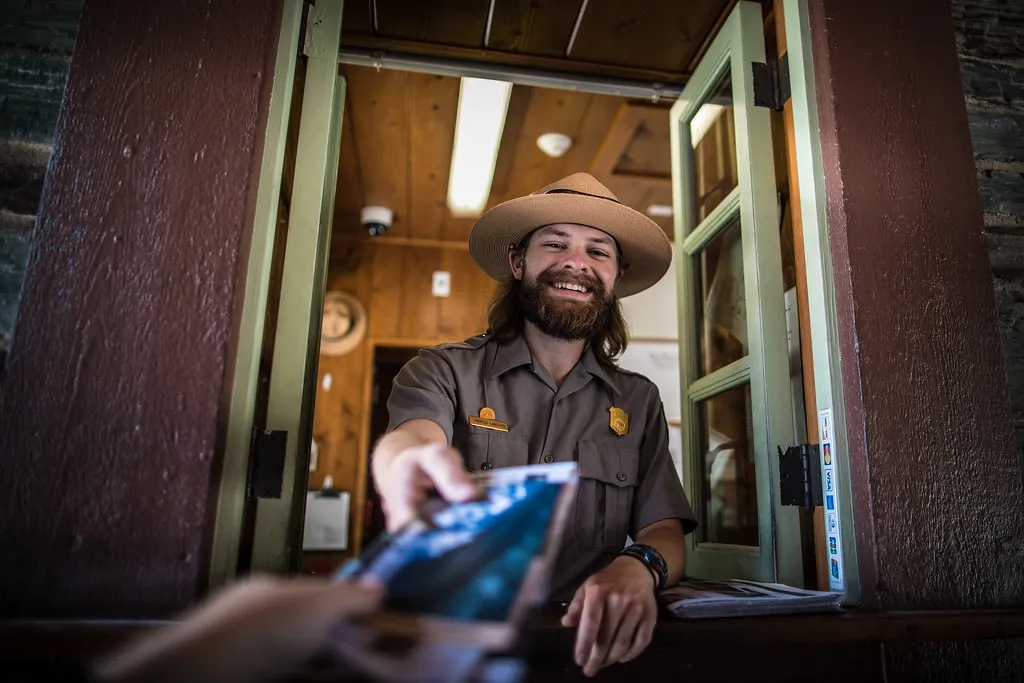
Fee money gets used in very practical ways. A refuge report says funds paid for power to three entrance fee booths, covering cash registers, credit card machines, lights, air-conditioning and heat, and signage.
Some of your $5 literally keeps the booth’s lights on. Another line item covered a video surveillance system at the booths. It isn’t glamorous, but it explains where the cash goes.
Not every refuge keeps its costs that modest, as #16 reveals…
#16 – Ding Darling’s Six-Figure Booth
🔥 Would you like to save this?
We'll email this post to you, so you can come back to it later!
One Florida fee program runs well into six figures.
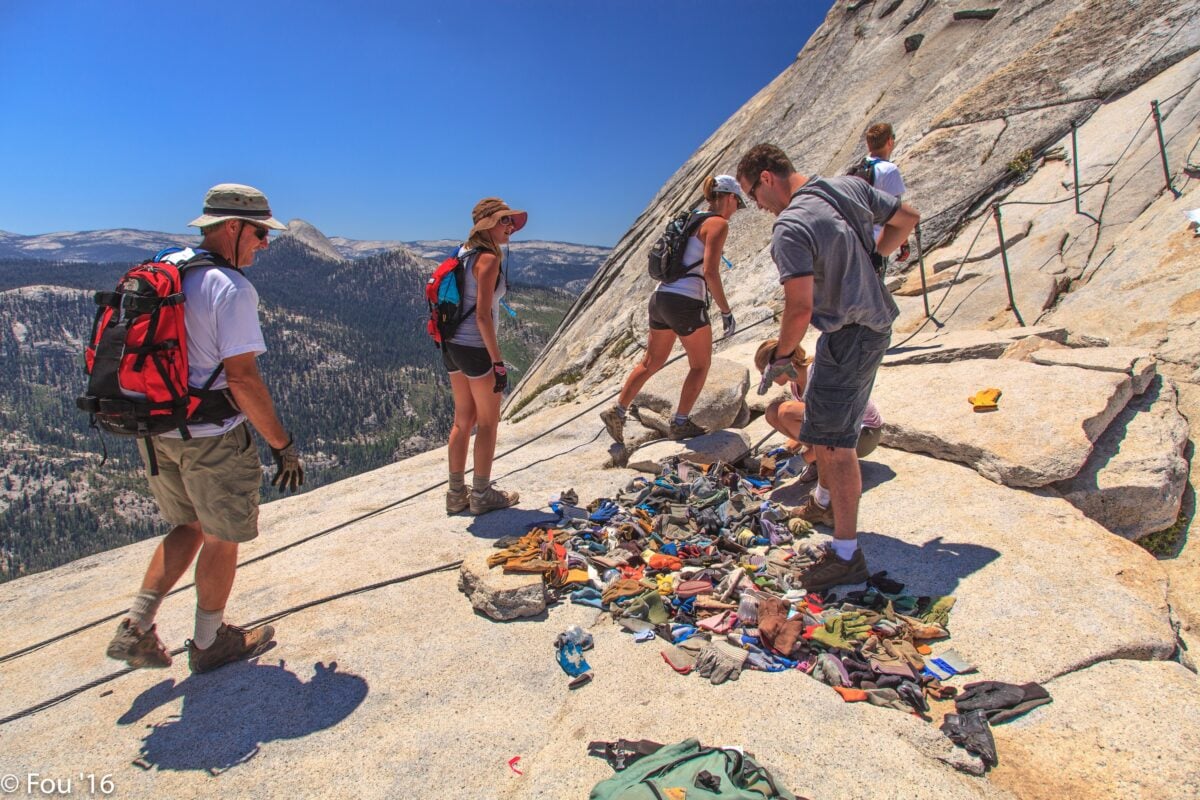
J.N. “Ding” Darling National Wildlife Refuge on Sanibel Island is one of the busiest refuges in the system. Think mangroves, a driving loop, and roseate spoonbills. Its fee booth is manned and collects fees while also providing customer service to hundreds of thousands of visitors.
The price tag is public. The refuge listed $165,373.23 for entrance fee collection and management of the recreation fee program.
That figure covers fee collection alone, not trails or wildlife work. It shows why passes matter to the refuge too, since they shift some of that work from cash handling to a quick card check.
But the next stop sits beside a rocket launch site, and it’s in #15…
#15 – Merritt Island’s Space Coast Gate
🔥 Would you like to save this?
We'll email this post to you, so you can come back to it later!
A birding refuge sits next to Kennedy Space Center.
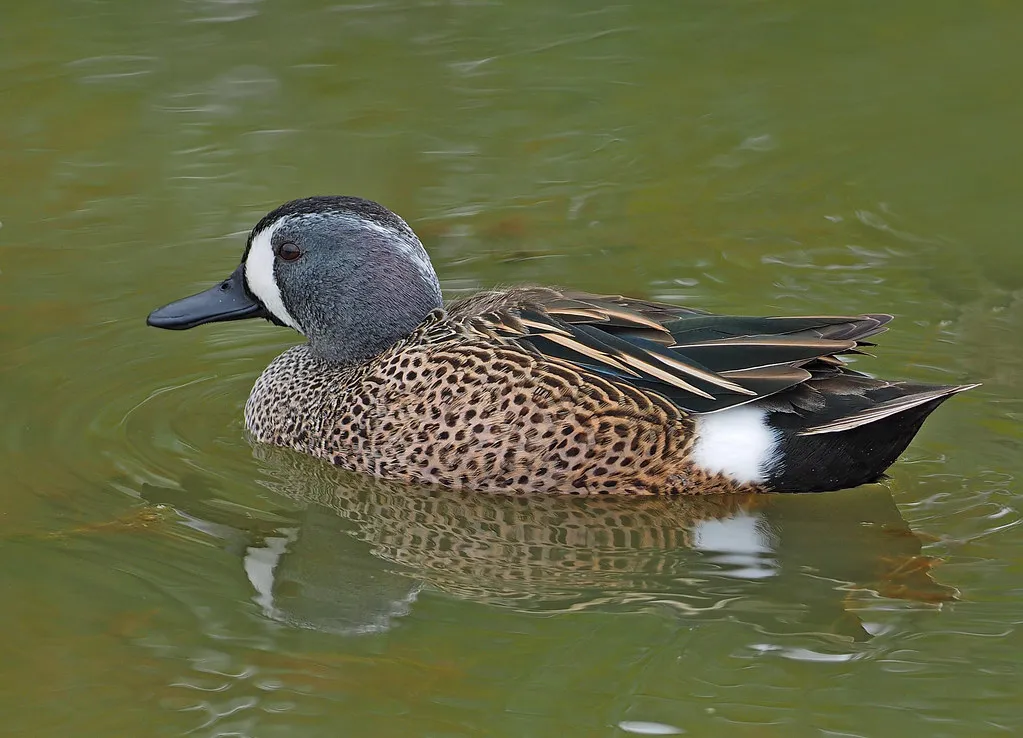
Merritt Island National Wildlife Refuge in Florida shares land with the space program. It is also listed among the refuges that normally charge an entrance fee.
Winter is prime time for waterfowl and wading birds along its impoundments. Exact fee amounts change, so check the refuge page before you drive.
A fee at a place this big is a small price for a major migration stop. It’s also why a pass makes sense for Floridians who bird there often.
Georgia’s famous swamp handles fees in a way almost nobody expects, as #14 explains…
#14 – Okefenokee’s Built-In Fee
🔥 Would you like to save this?
We'll email this post to you, so you can come back to it later!
At one Georgia swamp, the entrance fee hides inside other permits.
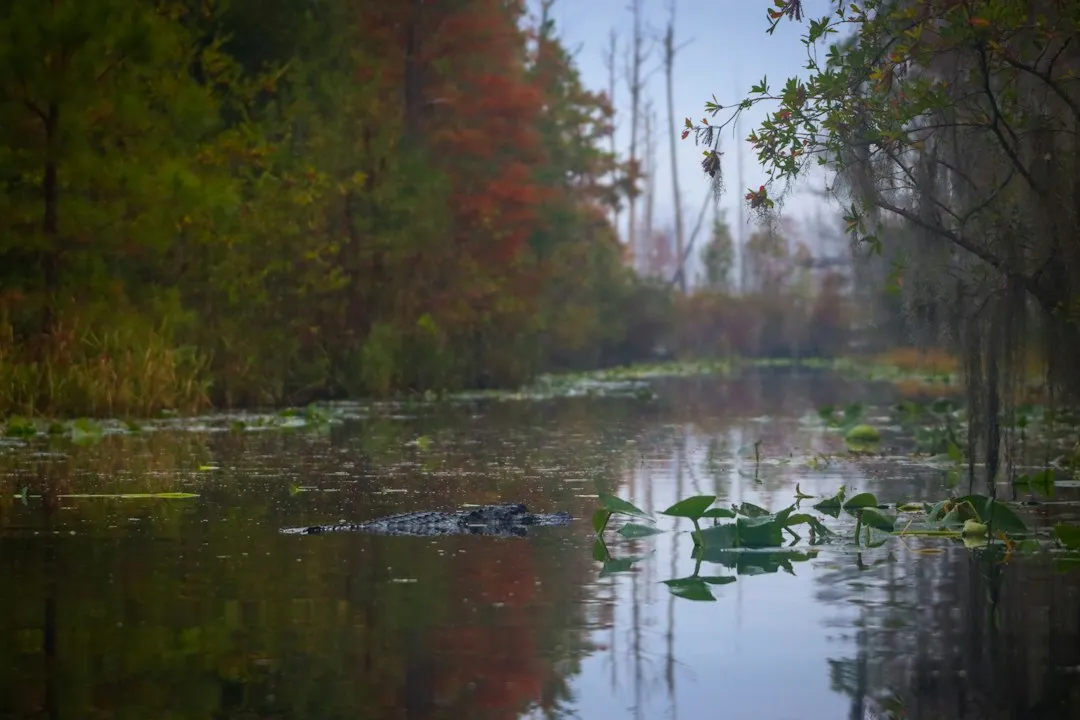
Okefenokee is a federal fee area, and entrance passes are required for all visitors. But the details vary by gate and by permit type.
Some visitors never pay it separately. Entrance fees are included in the overnight camping permit fee, so camping permit holders pay no separate entrance fee. The same applies to hunt permit holders at the Suwannee Canal Recreation Area.
Two spots, Cowhouse Island and Kingfisher Landing, charge no entrance fee at all. Visitors entering those two areas skip the charge entirely.
Out west, the gate list looks very different, and it starts in #13…
#13 – The Pacific and Hawaii Gates
🔥 Would you like to save this?
We'll email this post to you, so you can come back to it later!
Some of the country’s most scenic refuge gates charge a fee.
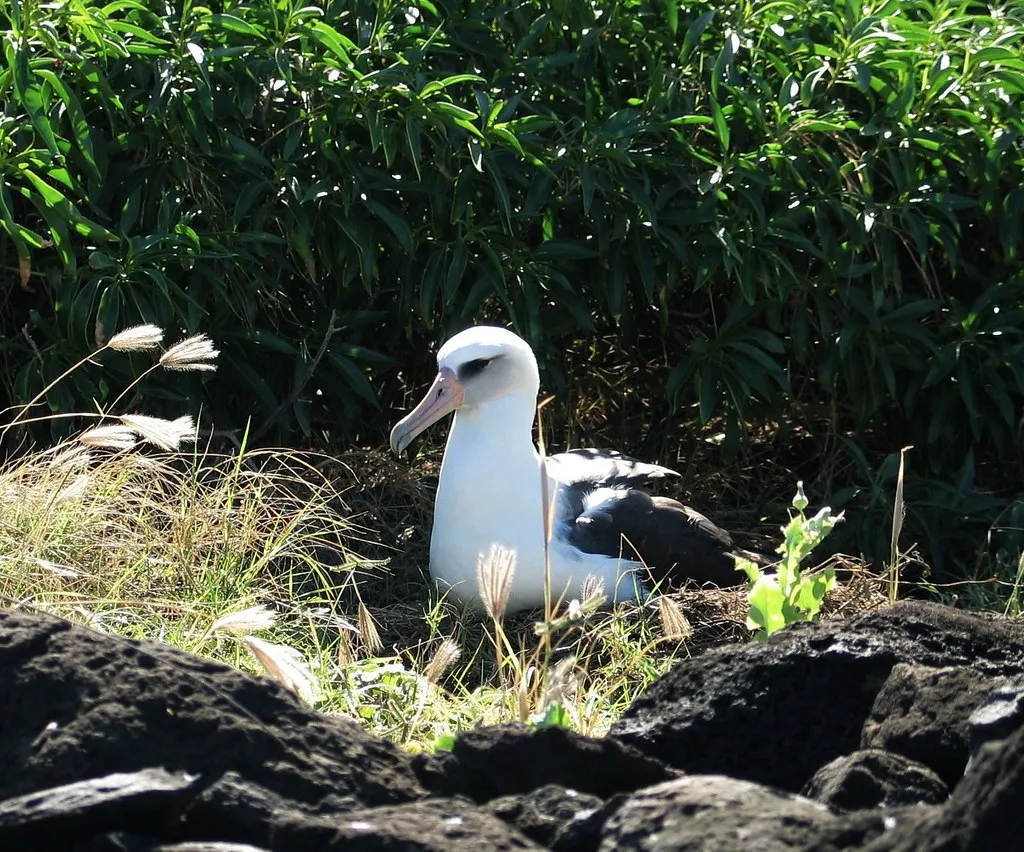
The Fish and Wildlife Service fee-free-day list names several western refuges. They include Kīlauea Point, Nisqually, Dungeness, Ridgefield and Sacramento. That covers Hawaii, Washington and California.
Kīlauea Point is known for seabirds on Kauai. Nisqually and Ridgefield are Pacific Northwest estuary and wetland stops. Dungeness sits on a long coastal spit that juts into the Strait of Juan de Fuca.
At a Glance
- Hawaii: Kīlauea Point, the Kauai seabird stop
- Washington: Nisqually, Dungeness and Ridgefield
- California: Sacramento
- Five refuges, three states on this western list
The list isn’t identical from year to year. Refuges can appear on one year’s fee-free list and drop off the next, so always confirm on the refuge’s own page.
The Southwest has its own fee refuges, and one is famous for cranes in #12…
#12 – The Texas and Southwest Gates
🔥 Would you like to save this?
We'll email this post to you, so you can come back to it later!
Some of the best crane watching in America comes with a gate fee.
The federal list includes Aransas, Santa Ana, Laguna Atascosa, Buffalo Lake and Bosque del Apache. That stretches from the Texas Gulf Coast through the Rio Grande Valley to New Mexico.
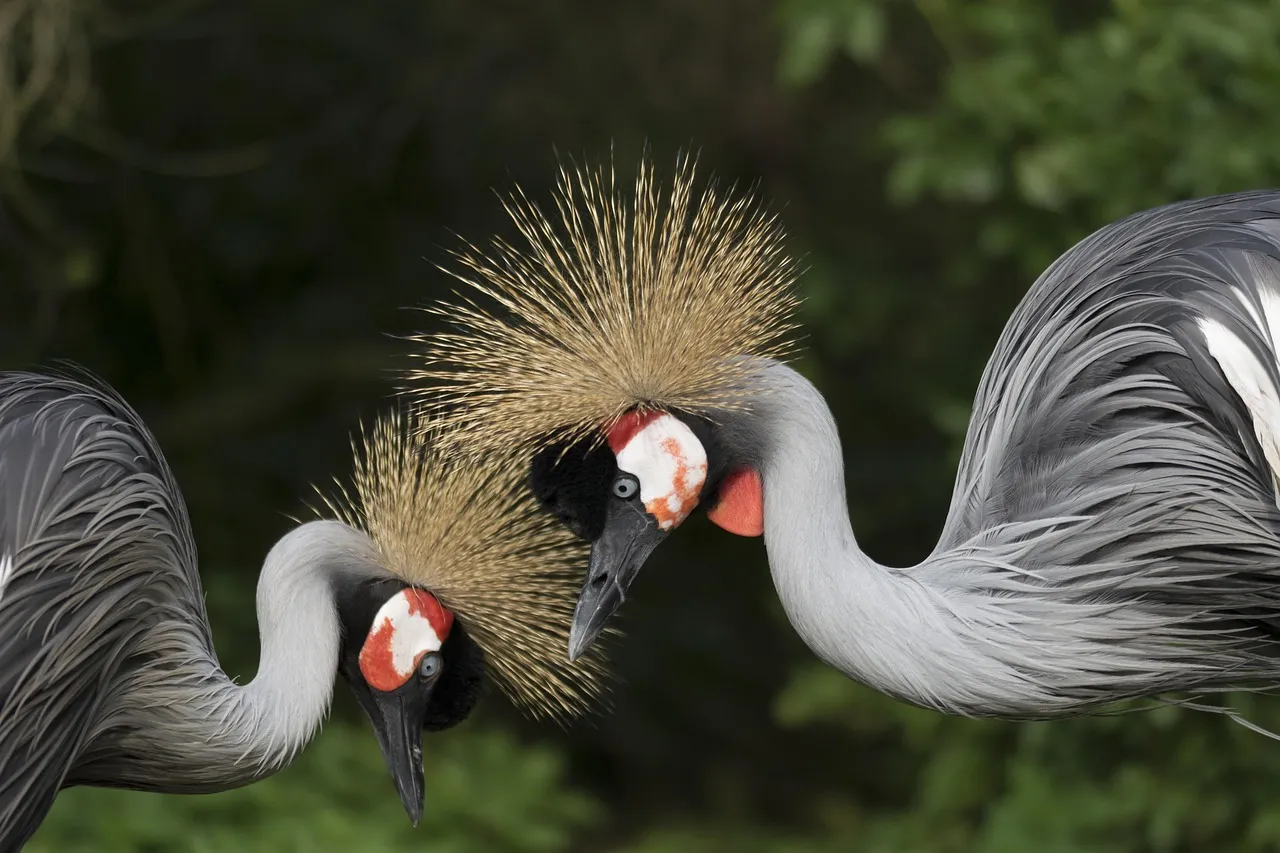
Aransas is tied to whooping cranes. Bosque del Apache is best known for winter sandhill cranes and snow geese. Santa Ana and Laguna Atascosa draw birders hunting Rio Grande Valley specialties.
Fee lists in this region have shifted between years. Bosque del Apache is one example of a refuge worth double-checking before you travel.
The Atlantic coast packs in even more gates, and that’s #11…
#11 – The Northeast and Mid-Atlantic Cluster
🔥 Would you like to save this?
We'll email this post to you, so you can come back to it later!
The East Coast has the densest cluster of fee refuges.
The federal list includes Parker River, Great Meadows, Target Rock, Forsythe, Bombay Hook, Blackwater, Back Bay and Chincoteague. That’s Massachusetts, New York, New Jersey, Delaware, Maryland and Virginia.
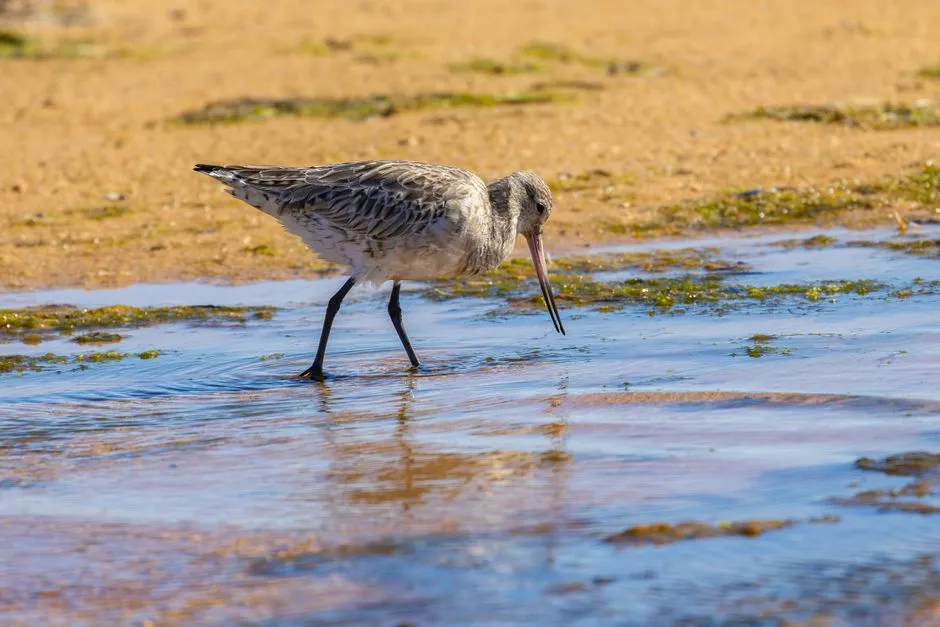
Many of these sit on the Atlantic Flyway, and fall and spring migration keep them busy. Shorebirds, waterfowl and raptors all move through the same coastal corridor.
Fast Facts
- 8 fee refuges on the list for this corridor
- 6 states, from Massachusetts down to Virginia
- Two Virginia gates, Back Bay and Chincoteague, sit on the same coast
- One card can cover every stop on a road trip
Here’s a take that will annoy Texans: the Atlantic corridor is the best place in the country to use a senior pass. You can chain several fee refuges into one road trip and flash the same card at each.
The Midwest tells a different story in #10…
#10 – The Heartland Gates
🔥 Would you like to save this?
We'll email this post to you, so you can come back to it later!
Inland refuges quietly charge too.
The list also covers DeSoto, Mingo, Crab Orchard and Big Oaks. Those span Iowa and Nebraska, Missouri, Illinois and Indiana.
DeSoto sits along the Missouri River and is known for big seasonal waterfowl numbers. Mingo is a Missouri wetland refuge. Crab Orchard is a large Illinois refuge that blends wildlife and recreation.
Fee refuges in the middle of the country get less pass-holder attention than coastal ones. That’s partly because inland trips are less of a birding bucket-list item, which is a missed chance for road-trippers.
Now for the rule that saves the most money at any of these gates, in #9…
#9 – The Whole Carload Rule

🔥 Would you like to save this?
We'll email this post to you, so you can come back to it later!
A single 62-year-old can wave the whole car through.
At gates that charge per vehicle, the pass covers the pass holder and everyone in their private vehicle. That is the trick most families miss.
Think of a couple, or a grandparent with grandkids in the back seat. One person qualifies, and everyone rides in free.
Only one person in the car needs to be 62. A younger spouse doesn’t need a separate pass for the same trip.
But what if you arrive on two wheels? That’s #8…
#8 – The Two-Motorcycle Rule

🔥 Would you like to save this?
We'll email this post to you, so you can come back to it later!
Bikers got a quiet upgrade in 2026.
Since January 1, 2026, all America the Beautiful passes cover the entrance fees for up to two motorcycles per pass. That includes the Senior Pass.
Before that change, motorcycle fees were a gray area for many riders. Now the rule is clearer, and two bikes can enter on one card.
A couple on two motorcycles can birdwatch on a single senior pass. It is an easy detail to miss in the fine print.
Walk-in refuges follow a different rule, and it’s in #7…
#7 – The Per-Person Gate
🔥 Would you like to save this?
We'll email this post to you, so you can come back to it later!
Some gates charge people instead of cars.
Not every refuge uses a vehicle fee. At per-person sites, the pass typically admits the pass holder plus up to three additional adults.
That’s a smaller group than a full carload, so a family of six would need to plan around the limit.
Kids are often a separate question. Children under 16 are free at national parks, but check each refuge’s own rules for youth. The system isn’t one-size-fits-all.
- Per-vehicle sites: whole car covered
- Per-person sites: holder plus up to three adults
- Always confirm at the refuge
Then there’s the price trap that catches the most buyers, in #6…
#6 – The $80 Price Trap
🔥 Would you like to save this?
We'll email this post to you, so you can come back to it later!
The wrong pass at the wrong price is a real mistake.
In January 2026, the standard America the Beautiful Annual Pass increased to $80, the same price as the Senior Lifetime Pass. The senior annual version stayed at $20.
Some guides note that the standard annual pass is entrance-only, with no camping discount. The Senior Pass adds a 50 percent break on many camping and amenity fees.
An eligible 62-year-old who grabs the standard annual pass pays the same as a lifetime senior pass and gets less. The fix is easy: ask for the Senior Pass by name.
And where you buy it changes the final bill, which is #5…
#5 – Where You Buy Changes the Price
🔥 Would you like to save this?
We'll email this post to you, so you can come back to it later!
Same pass, three different final prices.
Face value is the base. In person, you pay face value, $80 or $20, with no extra fees. More than 1,000 sites sell passes.
Online and mail orders add fees. Sources differ on the amounts: one lists a $10 processing fee for the USGS store, while another cites a $7.50 handling fee by mail.
Since January 1, 2026, the Senior Pass has been available as an instant digital pass through Recreation.gov. Check the current checkout page for exact fees.
- In person: base price
- Online: processing fee may apply
- Mail: handling fee added
There’s also a clever way to pay in installments, and it’s in #4…
#4 – Four Annuals Equal One Lifetime
🔥 Would you like to save this?
We'll email this post to you, so you can come back to it later!
You can spread the $80 over four years.
Four annual Senior Passes can be traded in for a lifetime pass. Each one costs $20, so the total still comes to $80.
The trade-in is forgiving. Each annual pass you turn in knocks $20 off the lifetime price, and this works even if the annual has already expired.
You lose nothing by starting small. The annual route is a low-risk way to test whether you’ll use the pass at all. If you stop, you’ve spent less than the lifetime price.
But there are other doors to the same gate, and they’re in #3…
#3 – The Duck Stamp, Volunteer Pass and Free Days
🔥 Would you like to save this?
We'll email this post to you, so you can come back to it later!
Three other doors lead to the same refuge gate.
A Federal Duck Stamp costs $25 and is valid for one year, July 1 to June 30, at all refuges that charge an entrance fee. A 62-year-old can already get a $20 annual pass for less.
Volunteers also have a route. Volunteers with 250 service hours at federal recreation sites get a free Volunteer Pass. Fee-free days help too, since fee refuges open their gates at no charge on select dates each year.
The Duck Stamp costs more than the senior annual pass. Buy it if you want to fund habitat. Skip it if the gate fee is your only reason.
- Duck Stamp: $25, one year
- Volunteer Pass: 250 hours
- Fee-free days: a handful each year
Next come the fees no pass can touch, in #2…
#2 – The Fees That Never Go Away

🔥 Would you like to save this?
We'll email this post to you, so you can come back to it later!
The pass is a discount, not a total waiver.
It covers entrance and standard day-use fees only. One guide notes it does not cover concessioner fees or special recreation permit fees.
The refuge system says the same thing. The waiver does not cover concessionaire or permit fees for activities such as hunting, fishing or special tours.
Worth Knowing
- Covered: entrance and standard day-use fees
- Half price: camping and boat launches, at 50 percent off
- Not covered: concessioner fees and special recreation permit fees
- Still full price: many guided tours and permit-based activities
A guided tour at a refuge can still cost full price with a senior pass. For some amenities, like camping and boat launches, the pass gives 50 percent off. That is a discount, not a freebie.
Finally, here’s where your money actually goes, in #1…
#1 – The Money Stays Home
🔥 Would you like to save this?
We'll email this post to you, so you can come back to it later!
The best part of the fee isn’t what you save. It’s where the rest goes.
At refuges, at least 80 percent (often 100 percent) of recreation fees collected stay at the location where they were collected. Your $5 doesn’t vanish into Washington.
Real projects get funded. One refuge’s report shows fee money paying for temporary restrooms in a highly visited area. Others cover booths, roads and visitor services.
The fee you “drop” at 62 is replaced by a pass that still funds the same system. That’s the part the headline misses. You’re not escaping the system, just paying for it differently.
Which brings us to the verdict.
Here’s our opinion: the headline oversells it. No refuge fee drops on your 62nd birthday. You buy a pass, and only about 30 refuges charge at the gate.
For a refuge-only birder, the $20 annual pass is the smarter first move. The $80 lifetime pass makes sense once you add national parks or forests. If you travel the Atlantic coast, Texas or Florida, it pays back quickly. If you live near a free refuge, it might never matter.
So which would you buy first, the $20 annual or the $80 lifetime, and why?

- 7 Everyday Habits That Can Make Your Senior Dog Happier - November 5, 2026
- 10 Enigmatic Structures That Continue to Puzzle Scientists Today - November 5, 2026
- 10 Strange Ruins in the Americas That Challenge What We Know About Early History - November 5, 2026