
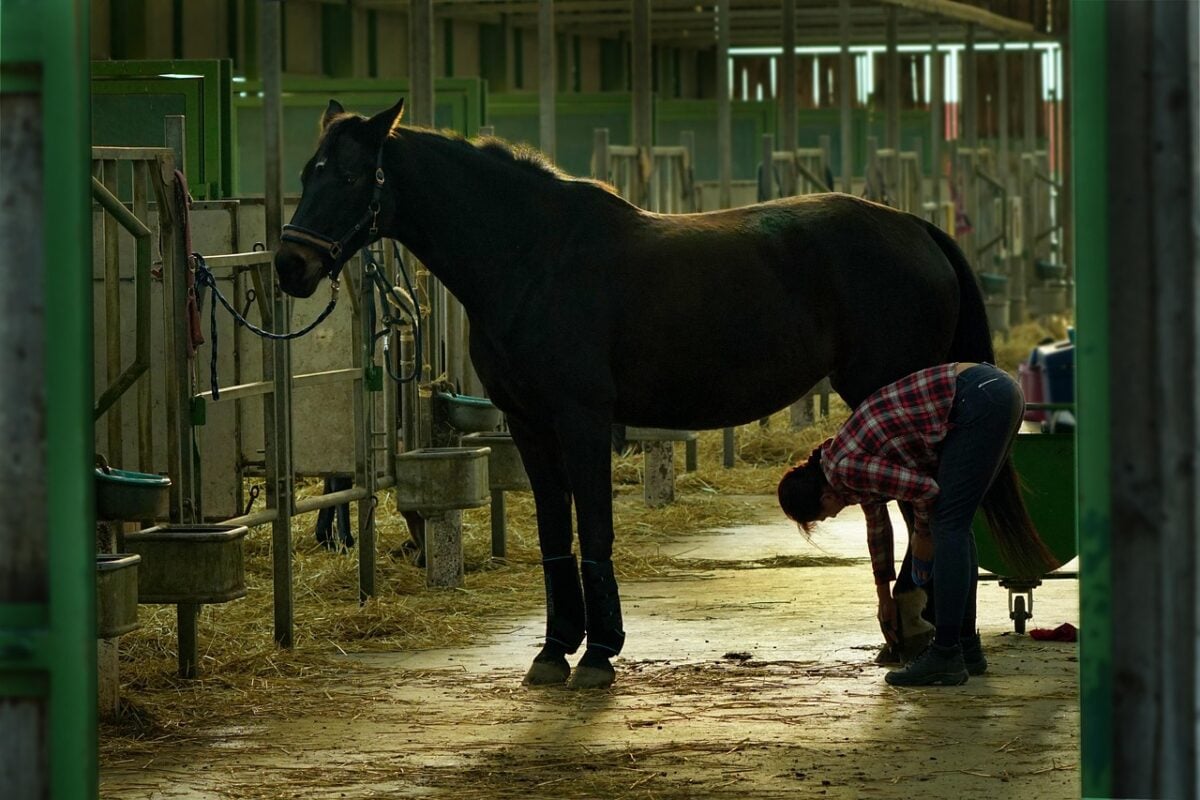
Most horse owners think the farrier’s job ends the moment the last nail is set. Feet get picked up, trimmed, maybe shod, and everyone moves on with their day. But watch closely next time, and you’ll notice something strange: your farrier’s eyes are doing a lot more work than their hands.
Across a single year, a sharp farrier is quietly building a file on your horse that most vets don’t even see – growth patterns, pulse changes, behavior shifts, even the faint rings hiding in the hoof wall like a diary no one asked to keep. What looks like a routine six-week visit is actually a moving health report, cycle after cycle. Here’s everything they’re really watching, and why the answers might explain the “mystery” problems you’ve never been able to solve.
#22 – Seasonal Hoof Growth Spurts (and Slowdowns) That Tell a Bigger Story
🔥 Would you like to save this?
We'll email this post to you, so you can come back to it later!
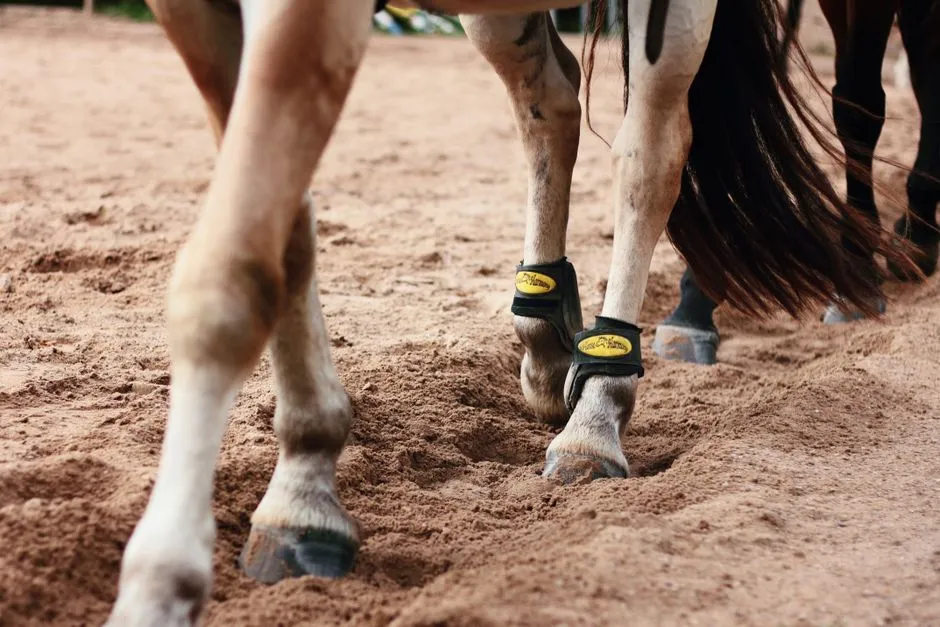
Hooves don’t grow at one steady speed all year, no matter what the textbook said at your first Pony Club lecture. The moment a farrier picks up a hoof, they’re clocking exactly how much wall has appeared since the last visit.
Spring and early summer usually bring a growth surge. Winter slams the brakes on almost everything. Over a full year, your farrier is quietly comparing:
- How much new wall shows up between each cycle
- Whether the growth band from the coronary line is thicker or thinner than last time
If your horse grew 8mm of wall in six weeks last cycle and only 4mm this time, that’s not nothing. It might just be the season talking – or it might be the first whisper of a nutrition problem or systemic stress building underneath. Logged across eight or ten visits a year, that growth rhythm becomes the baseline every other observation gets measured against.
Fast Facts
- Average hoof wall grows about 6-10mm (roughly 1/4 to 3/8 inch) per month
- A full wall from coronary band to ground typically takes 9-12 months to grow out completely
- Growth rate can slow by 30-50% during the coldest winter months
- Nutrition, exercise, and circulation all directly influence how fast that wall grows
#21 – The Micro-Cracks They Spot Months Before You See a Disaster
🔥 Would you like to save this?
We'll email this post to you, so you can come back to it later!
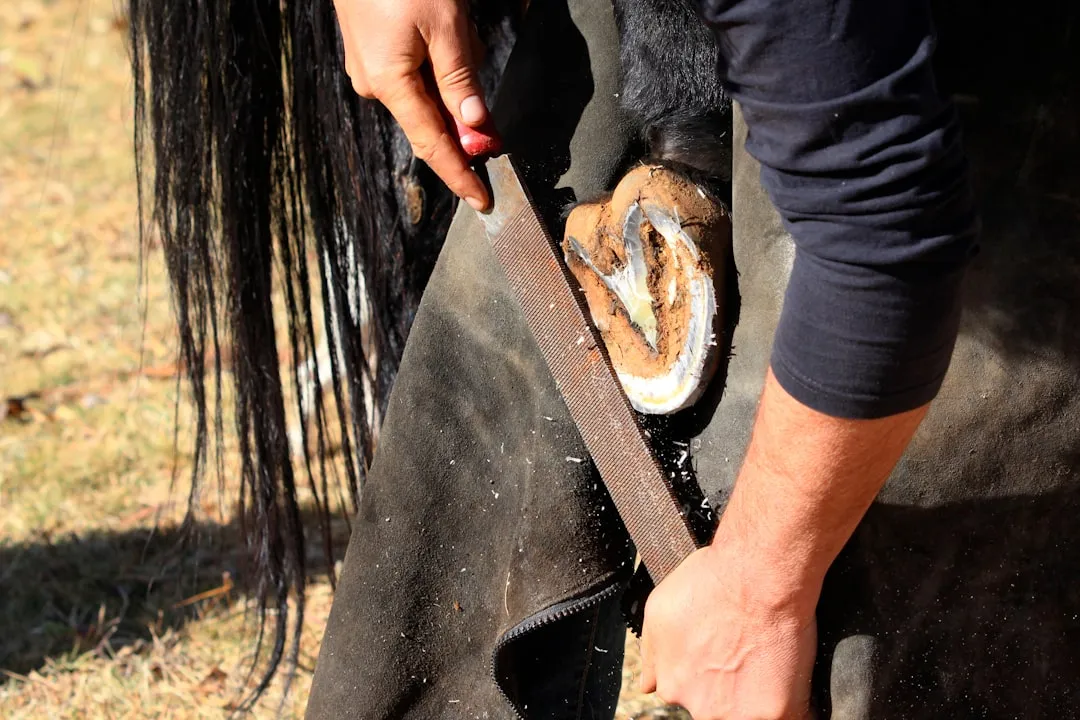
Most owners only react when there’s a big, ugly crack splitting up the hoof wall. Farriers are already tracking the problem long before that – through micro-cracks and subtle shifts in wall density that happen months earlier.
Every rasp stroke tells them something: is the wall chalky, brittle, glassy-hard, or dense and slightly waxy? They remember the small stuff too:
- The tiny quarter crack that always tries to come back
- A toe that chips more on the right front than the left
Over twelve months, this becomes a running log: “chips more in dry weather,” or “those flares return every cycle unless we stay aggressive.” They’re also silently grading whether your new supplement actually worked, or just sounded good on the label.
Here’s the part nobody likes to hear: a “mysterious” catastrophic crack is almost never mysterious to the farrier who’s watched the wall quietly decline for three cycles straight.
#20 – The Toe Creep That Sneaks Up Foot by Foot
🔥 Would you like to save this?
We'll email this post to you, so you can come back to it later!
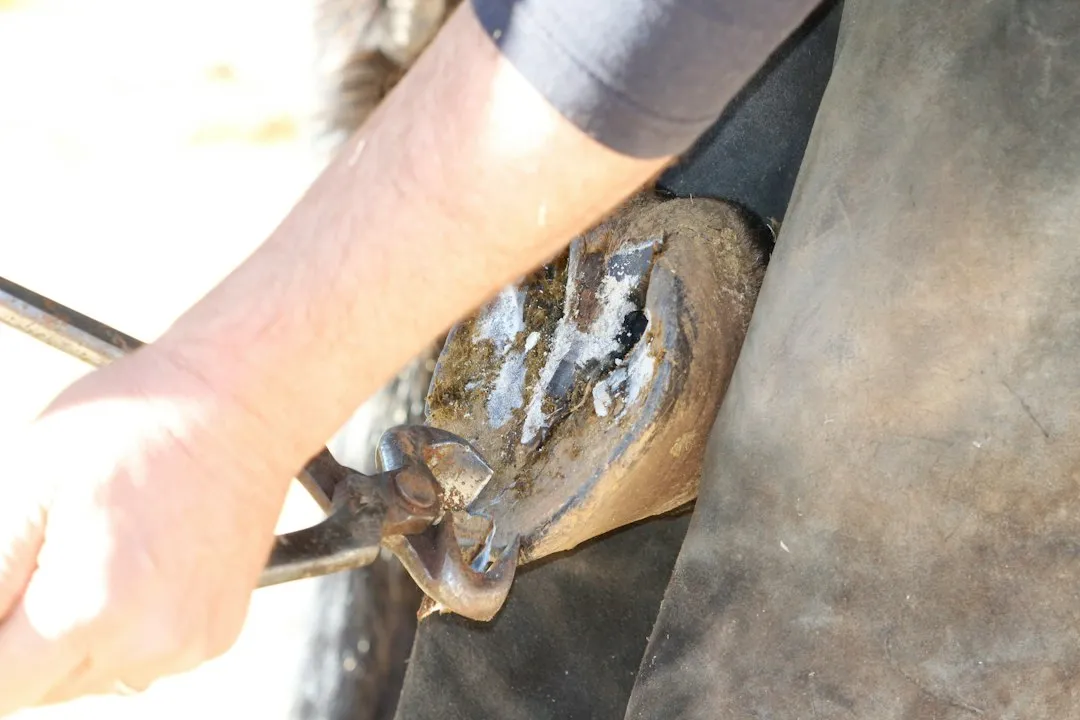
Ask ten riders about ideal toe length and you’ll get eleven opinions. Farriers skip the debate and just measure – quietly, every single visit, tracking how far the toe has crept forward and how the breakover point has drifted.
They’re watching for patterns like:
- How quickly a toe flares past the ideal line
- Whether one foot consistently “stretches” faster than the others
Over a year, this is where they catch whether your horse is wearing evenly, or if slow, chronic toe creep is quietly loading up tendons and ligaments that will eventually complain. A farrier might trim toes harder in spring when growth is fast, then ease off once winter slows everything down.
Most riders don’t notice breakover drift until the horse starts stumbling. By then, the farrier has already logged months of “this toe keeps running forward on the left front” in their head.
#19 – Heels That Quietly Collapse Forward All Year Long
🔥 Would you like to save this?
We'll email this post to you, so you can come back to it later!
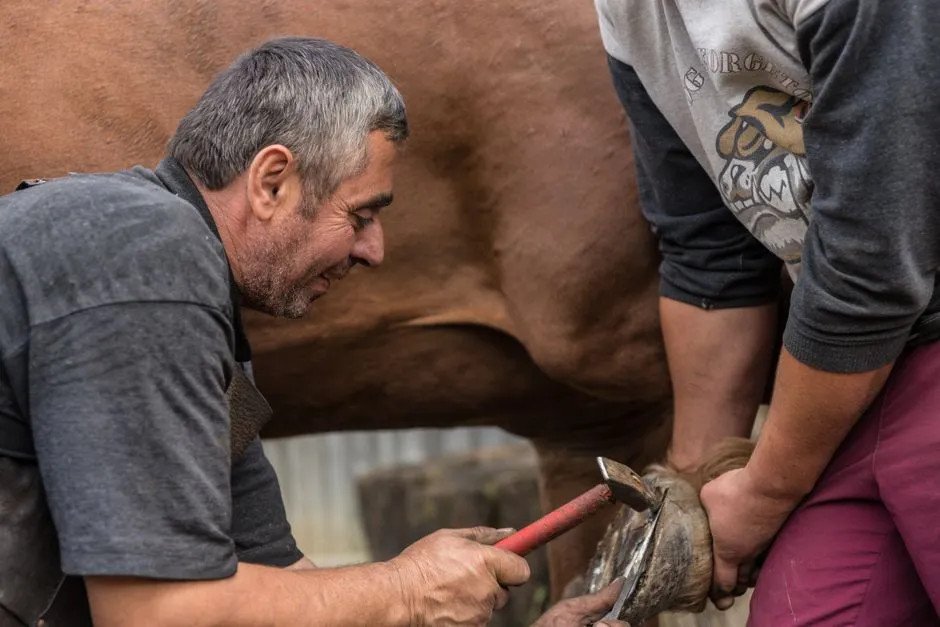
If you want to know how serious a farrier is, listen to how they talk about heels, not toes. Across a year, they’re obsessively registering whether the heels are standing tall or slowly folding forward under the foot.
They track two things closely:
- How much the heel has migrated forward since the last shoeing
- Whether pulling them back with a trim change makes the horse more comfortable, or less
Underrun heels don’t collapse overnight – they crawl forward cycle by cycle. So your farrier is running a year-long movie in their head: “In March these heels were already folding. By August, the digital cushion is taking a beating.”
Here’s the uncomfortable part: many owners blame a sudden “mystery lameness” when the heel angle has actually been screaming for twelve straight months. Your farrier watched it happen in slow motion.
#18 – The Hoof-Pastern Axis Drift Nobody Else Notices
🔥 Would you like to save this?
We'll email this post to you, so you can come back to it later!
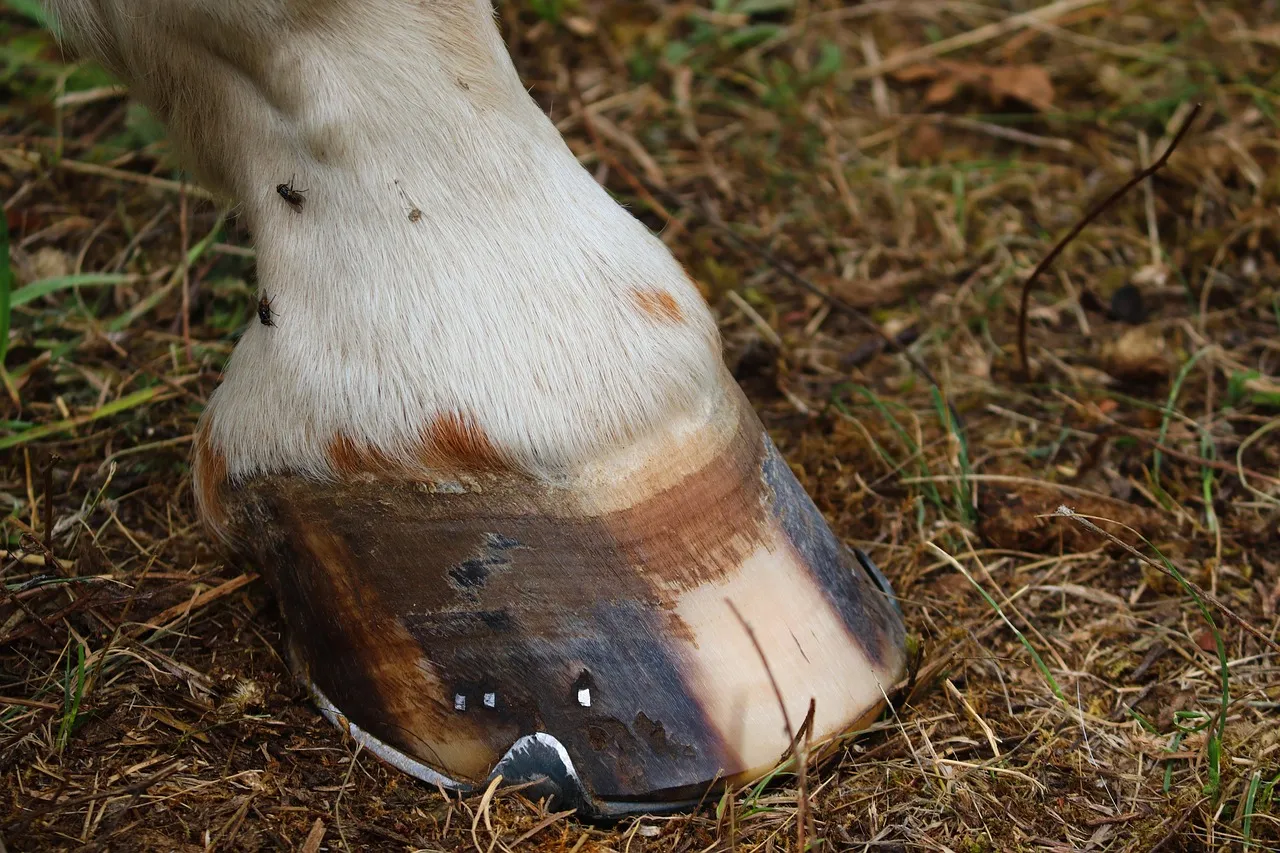
This is where real hoof nerds live. The hoof-pastern axis – how the hoof angle lines up with the pastern above it – gets studied at every single visit, and farriers are logging micro-shifts most owners will never even see.
They’re checking whether the hoof angle is drifting too low relative to the pastern, and whether “fixing” the foot is quietly creating strain higher up – a tight tendon, a sore shoulder, a stiff stride.
A horse can start the year with a decent alignment and end it looking completely different after a training change, a new saddle, or a switch in footing. Your farrier watches that transformation happen a millimeter at a time.
Here’s the kicker: some farriers quietly disagree with a vet’s “ideal” angle based on what they’ve personally watched play out across a full year. They just don’t always say it out loud.
#17 – Sole Depth and the Bruises That Keep Coming Back
🔥 Would you like to save this?
We'll email this post to you, so you can come back to it later!
Most owners think sole depth is whatever they happen to see when a hoof gets picked up. Farriers know it’s a year-long storyline, shifting with the seasons and the ground underneath it.
They log which horses get paper-thin soles under the toe every late summer, and which ones bruise at the quarters the second the ground swings from soaked to rock-hard. One year with a horse teaches a farrier exactly when that horse becomes vulnerable.
If sole depth thins out earlier than expected, a good farrier may pad preemptively, tweak the trim, or push for turnout changes before it becomes a real problem. And if a bruise shows up in the same spot cycle after cycle, that stops being bad luck – it becomes a flashing red flag.
The surprising part? Many chronic “mystery abscess” horses have completely predictable sole patterns a good farrier can see coming long before the blowout.
#16 – Frog Health: The Weather Report Hiding in Plain Sight
🔥 Would you like to save this?
We'll email this post to you, so you can come back to it later!
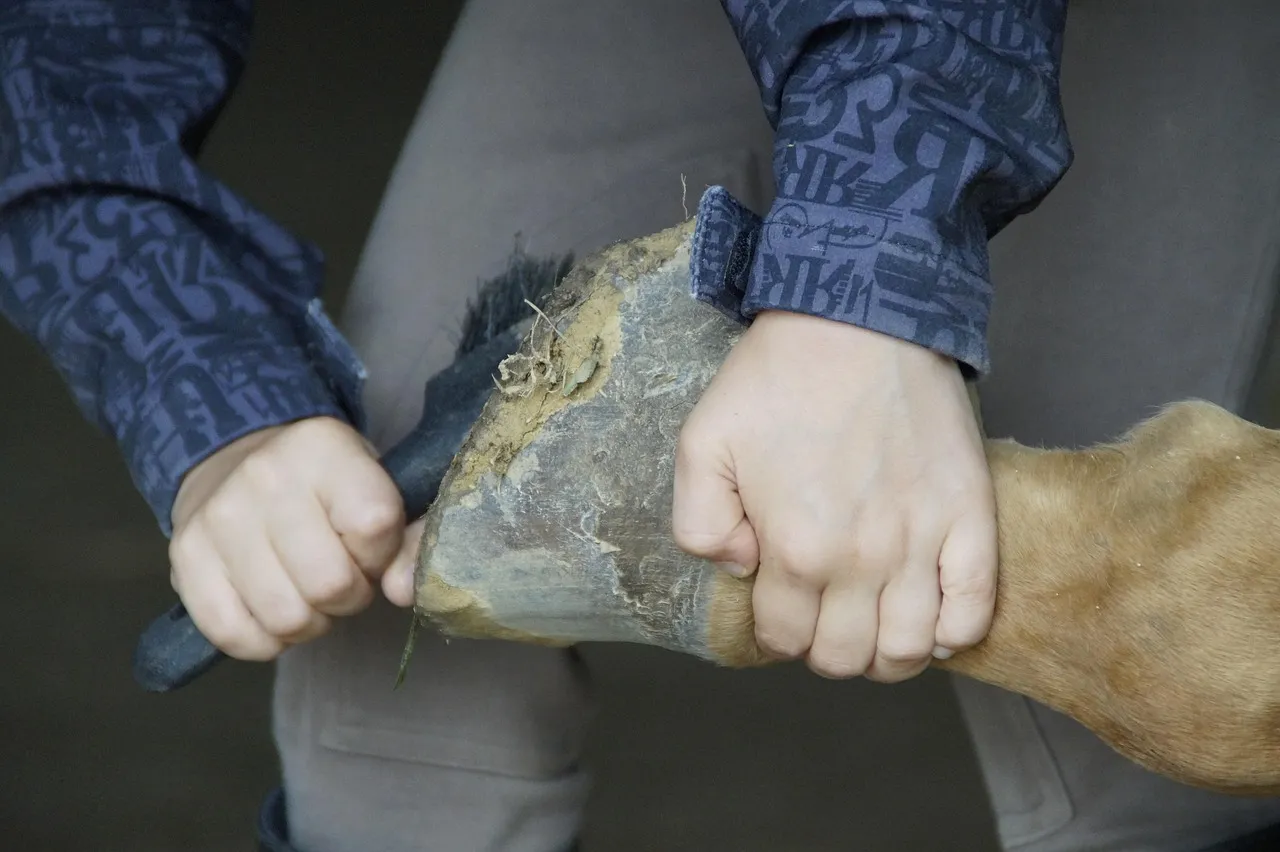
This is where a lot of owners quietly fail their horses without realizing it. Farriers read the frog like a weather report for the entire hoof – full, calloused, and weight-bearing, or shriveled, ragged, and rotten at the central sulcus.
Across a year they notice which season turns your horse into a thrush magnet, and whether your cleaning routine or stable setup ever actually changes the picture. If every winter brings the same deep, blackened grooves and that unmistakable smell, they mentally tag it: “annual thrush battles.”
And if one year they finally arrive to a broad, healthy frog instead, they know something changed – bedding, drainage, hygiene, something.
Here’s the part many people don’t love hearing: farriers often see chronic thrush as a management problem, not a product problem. They watch that pattern play out with your horse and your barn, whether they say it out loud or not.
#15 – The Digital Pulse Changes That Whisper “Laminitis” First
🔥 Would you like to save this?
We'll email this post to you, so you can come back to it later!
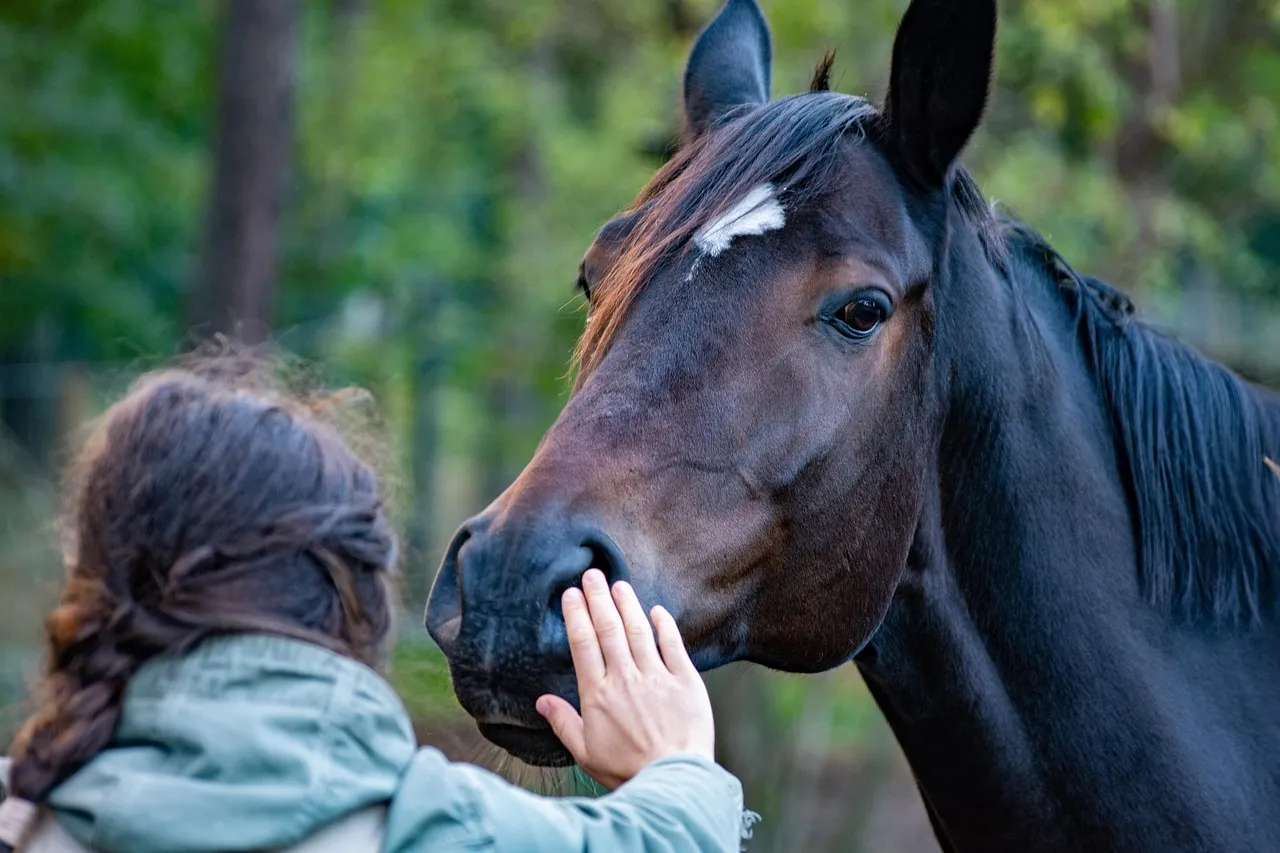
Most owners only think about digital pulses the moment someone whispers the word laminitis. Farriers quietly palpate pulses at nearly every visit, learning what “normal” actually feels like for that specific horse across the year.
They remember which horses always run a slightly stronger pulse after spring grass hits, and whose pulses spike during mud season or after unusually hard work. Over time, this becomes a personal baseline no chart could ever capture as accurately.
So when your usually subtle pulse suddenly goes bounding in October, that’s not “just how he is.” That’s a farrier’s fingers catching something before anyone else even thinks to look.
Here’s the kicker: early laminitis is often caught by a farrier’s hands long before any vet gets called. That quiet, offhand “huh, these pulses are up again” comment is your warning shot.
#14 – Shoe Wear Patterns That Read Like a Lie Detector
🔥 Would you like to save this?
We'll email this post to you, so you can come back to it later!
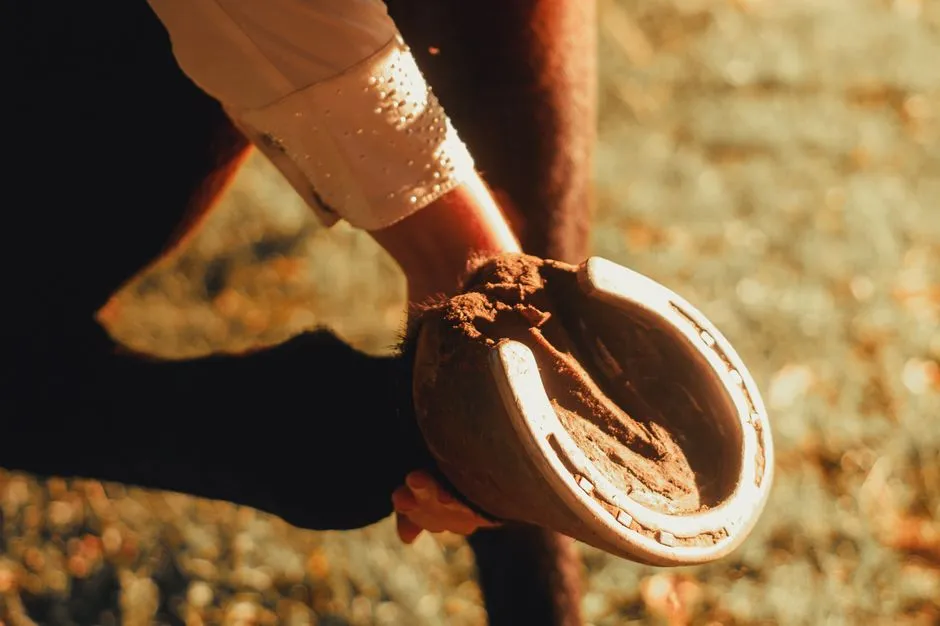
Farriers read shoe wear the way mechanics read worn tires. At every reset, they’re checking exactly where the steel or aluminum got chewed away fastest – toe, heel, medial, or lateral.
They track whether the horse lands harder on one side, and whether the hind feet start dragging more during certain seasons or training phases. Stitched together over a year, this tells a complete story of how the horse moves – and how that movement shifts with fitness, footing, and injury.
A suddenly uneven wear pattern often screams “something’s off behind” weeks before you ever feel that strange hitch under saddle. Many riders rush straight to saddle fit or teeth when a horse goes uneven.
Meanwhile, the farrier already saw the lateral branch of the right hind burning away faster three cycles in a row. That’s free data, built from months of watching steel quietly disappear.
#13 – Toe-First vs Heel-First: The Landing That Gives Everything Away
🔥 Would you like to save this?
We'll email this post to you, so you can come back to it later!
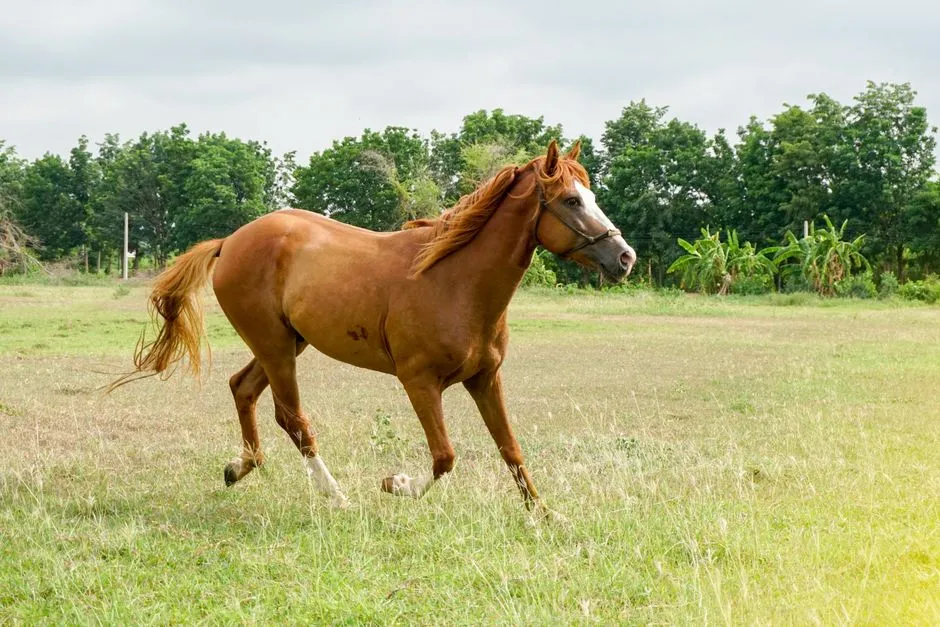
This is one of the biggest “quiet details” a good farrier obsesses over. Every visit, they watch the horse walk off and register whether the hoof lands heel-first, flat, or toe-first – because that landing pattern is an early warning system all on its own.
Over a year they remember which horses land beautifully heel-first in spring on soft ground, then start tiptoeing toe-first the second the arena bakes rock-hard. They also track the horses that switch to toe-first landing right after a specific injury or a new saddle shows up.
Quick Compare
- Heel-first landing: normal shock absorption, sign of a healthy digital cushion
- Flat landing: transitional pattern, sometimes an early sign of compensation
- Toe-first landing: often signals heel pain, navicular concern, or protective guarding
A toe-first landing is often the horse quietly protecting sore heels, navicular structures, or a weak digital cushion. If a farrier sees this repeat across several cycles, it becomes part of that horse’s long-term risk profile.
Here’s the controversial bit: some farriers privately believe persistent toe-first landing has more to do with riding style and training than “bad feet.” Not a popular opinion at the barn – but they’re the ones watching which riders’ horses actually change their landing across the year.
#12 – Conformation vs Hoof Compensation: A Year-Long Tug of War
🔥 Would you like to save this?
We'll email this post to you, so you can come back to it later!
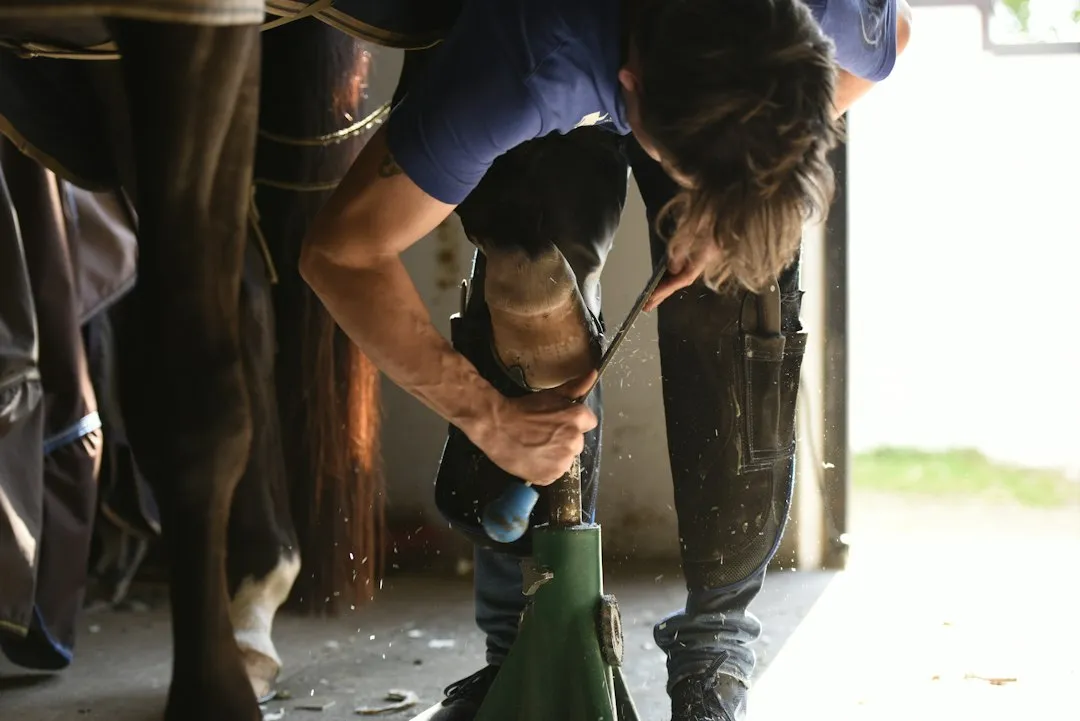
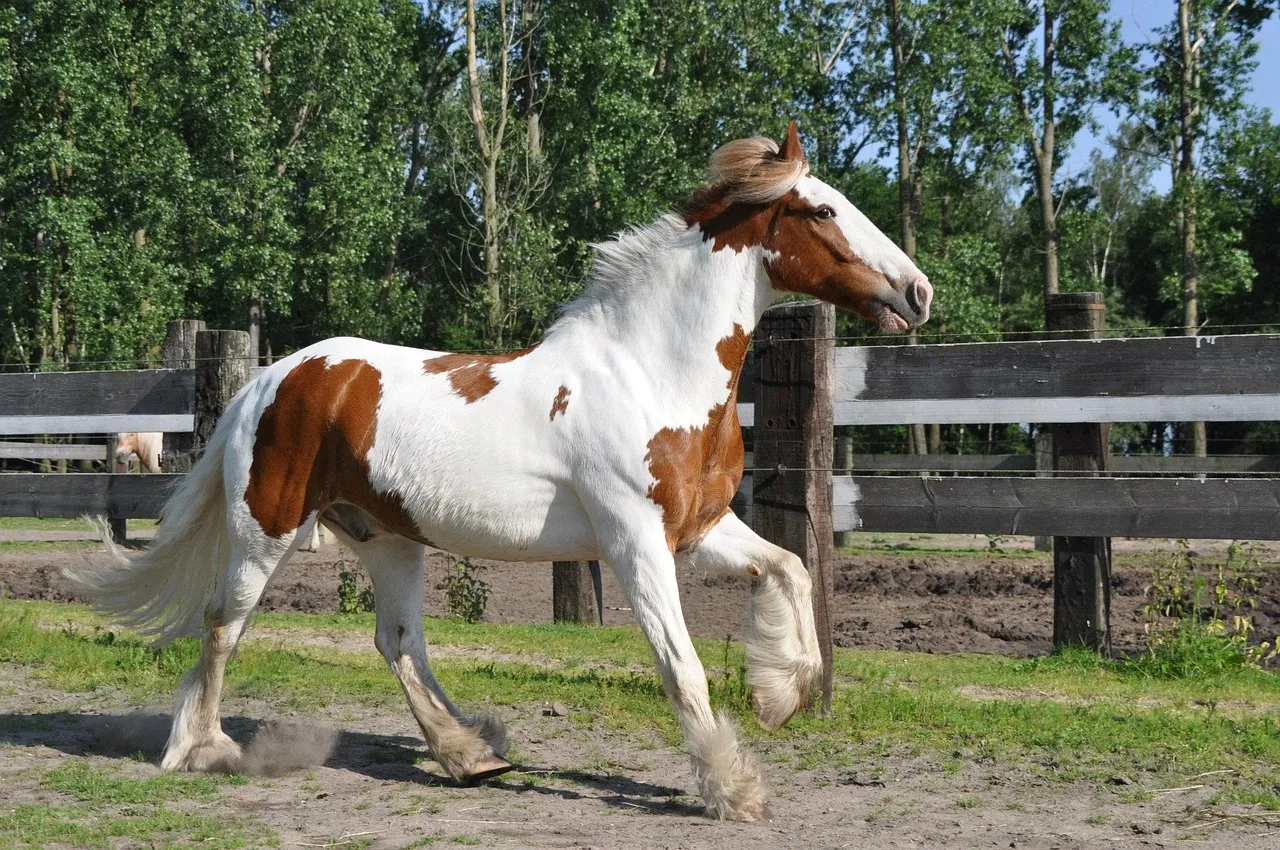
Every horse walks into the year with a certain conformation – over at the knee, straight, base-wide, whatever the case may be. Farriers register how the hoof capsule is trying, and often failing, to compensate for that structure underneath it.
They notice the crooked horses whose hooves somehow stay remarkably balanced, and the beautifully built horses whose feet distort badly because of training surfaces or shoeing history. Over twelve months, they’re running a quiet experiment: can the trim actually help those legs stack more correctly, or is it a constant fight against the horse’s natural asymmetry?
If they adjust the medial side a hair this cycle, they’ll remember three months from now whether it helped or made things worse.
Most owners obsess only over what they see from the knee up. Meanwhile, your farrier is logging a year-long battle between bone structure and hoof capsule, one trim at a time.
#11 – How Mud, Rock, and Rain Rewrite Your Horse’s Feet
🔥 Would you like to save this?
We'll email this post to you, so you can come back to it later!
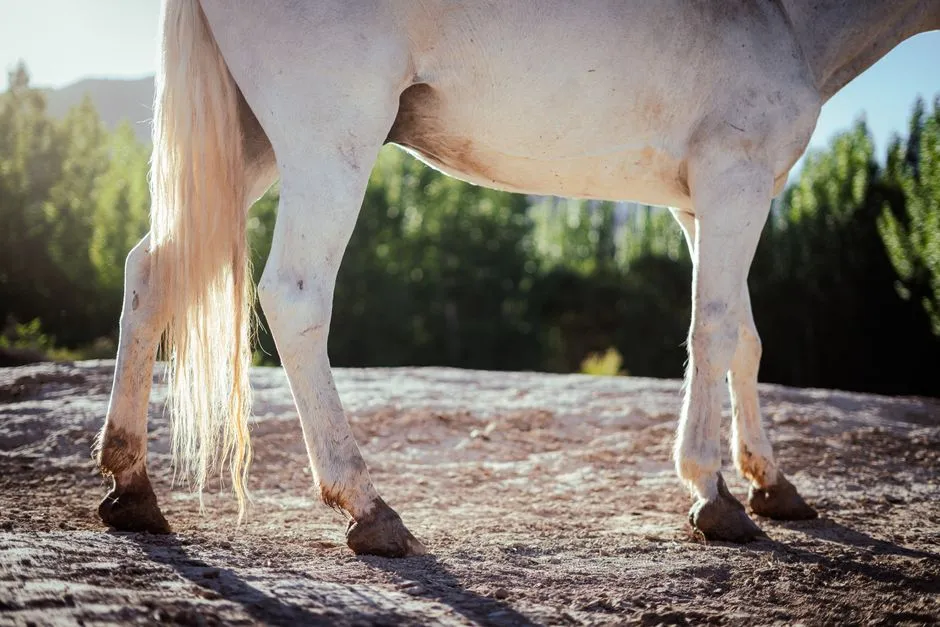
Your horse probably doesn’t stand on the same ground all year. Mud, frozen ruts, baked summer dirt, deep sand – each one leaves its own signature on the feet, and farriers are quietly registering how the hoof handles every environmental swing.
They notice the horses who come up short-striding after weeks on rock-hard trails, and the ones who crumble at the quarters after a soggy winter spent standing in a boggy paddock. If your horse always turns thrushy in November and chippy by August, your farrier can predict it like clockwork.
They also watch what happens to hoof form when you switch barns, arenas, or turnout routines – sometimes the change shows up in the feet before it shows up anywhere else.
Here’s the blunt truth: some farriers believe environment shapes hoof health more than 80% of the supplements sitting in your feed room. One year in a better-managed turnout tells them more than any marketing claim ever could.
#10 – The Owner Habits Farriers Are Quietly Grading All Year
🔥 Would you like to save this?
We'll email this post to you, so you can come back to it later!
This is the part nobody wants to admit: farriers absolutely register your habits as an owner across a year, whether you realize it or not. They notice which horses arrive with clean, picked-out feet, and which come caked in mud every single visit without fail.
They mentally log who actually followed advice about thrush or fly control, and who let a “minor” crack sit untouched for months. This isn’t judgment for the sake of judgment – management habits directly shape hoof health, full stop.
At a Glance
- Picking feet daily catches debris, thrush, and bruising early, before it worsens
- Consistent 4-6 week trim or shoeing cycles help prevent flares and toe overgrowth
- Managing wet-to-dry ground transitions reduces cracking and thrush risk
- Keeping a simple appointment history helps a farrier track patterns cycle to cycle
That’s why, after a year, a good farrier often already knows which horses will thrive no matter what happens, and which ones will stay permanent “projects” simply because of inconsistent care at home.
And yes, it changes how they plan. A farrier might quietly choose a more forgiving trim or shoe setup for a horse whose owner rarely picks feet or misses appointments. They won’t always say it – but they’re absolutely planning around it.
#9 – Shoeing Cycle Length: Are You Guessing, or Are They?
🔥 Would you like to save this?
We'll email this post to you, so you can come back to it later!
Most owners just book “every six weeks” and never think twice. Farriers are constantly testing whether your horse’s true ideal interval is actually four, five, six, or even eight weeks – and they register the outcome every single cycle.
Over a year they see the horse that stays perfectly balanced right at six weeks, and the one that starts falling apart the moment you push past four and a half. They notice when flares explode in the last ten days of a cycle, or when shoes suddenly start twisting loose.
They also see which horses coast fine on longer intervals through winter but need tighter cycles the second work ramps back up.
Here’s where it gets spicy: some farriers believe a real chunk of lameness issues get quietly created by overlong shoeing cycles chosen for owner convenience, not the horse’s actual biology. They won’t always fight you on the schedule – but they log the consequences every time.
#8 – Behavioral Shifts on the Stand That Reveal Hidden Pain
🔥 Would you like to save this?
We'll email this post to you, so you can come back to it later!
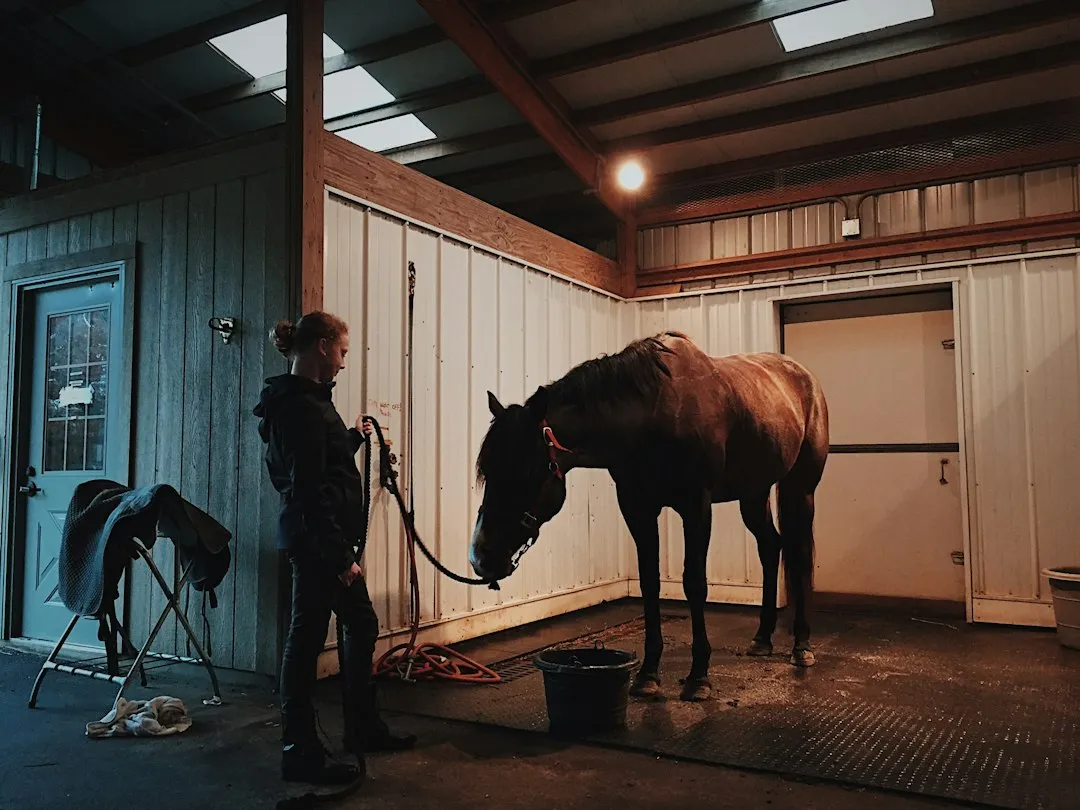
Feet don’t tell the whole story – behavior fills in the rest. Across the year, farriers register exactly how your horse acts on the stand, under the hammer, and when asked to balance on three legs for a stretch.
They notice the horses that get progressively more anxious about one specific leg, and the ones that suddenly start yanking away the second the rasp gets near the medial heel. Sometimes it’s “just” training slipping. But often, a behavioral shift is an early flag for pain building somewhere else.
A horse that used to stand quietly but now fidgets every time the left front comes up might be quietly telling you the supporting leg hurts.
Here’s the quiet truth: farriers often catch the first signs of subtle pain because horses stop cooperating for them long before they ever limp in the arena. They log that shift in attitude across visits, even when everyone else chalks it up to “being naughty.”
#7 – Subtle Lameness They Feel Long Before You See It
🔥 Would you like to save this?
We'll email this post to you, so you can come back to it later!
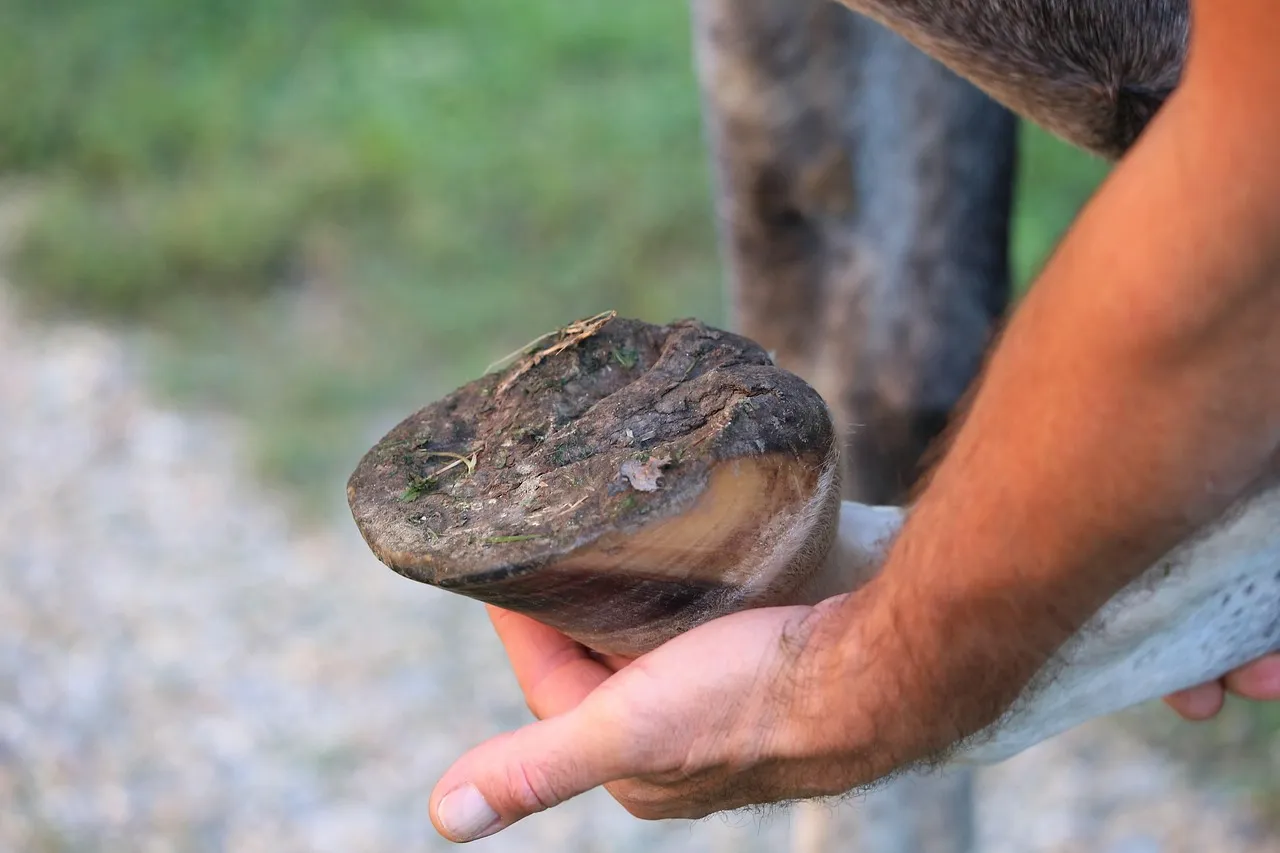
Farriers don’t diagnose, but they absolutely detect. Across a year, they register tiny shifts in weight-bearing, muscle tension, and reaction the moment a leg gets lifted off the ground.
They feel the hind that shakes slightly when held too long, and the front that gets slammed down faster than the others every single time. Small signs like these build into a real pattern: “this horse has been guarding that right hind since spring.”
Combined with wear patterns and growth data, farriers often develop a strong hunch about where a horse is uncomfortable well before anyone else connects the dots.
Some owners hate hearing it, but it’s true: farriers sometimes know a horse is “off” months before a vet lameness exam ever confirms it on video. They just call it “protective” or “not wanting to stand” instead of giving it a medical name.
#6 – What Supplements Actually Do (According to the Feet, Not the Label)
🔥 Would you like to save this?
We'll email this post to you, so you can come back to it later!
Forget what the packaging promises. Farriers judge every hoof product by exactly one thing: how the feet actually look and feel over six to twelve months of real use.
They register when a new supplement lines up with genuinely better wall integrity – and when absolutely nothing changes despite the fancy label. They track the horses whose feet visibly improve after a diet upgrade, and the owners spending hundreds on “miracle” tubs with zero visible payoff.
Worth Knowing
- Biotin and similar supplements typically need 6-9 months to show visible wall change, since that’s roughly how long it takes new horn to grow down from the coronary band
- Forage and mineral balance influence hoof integrity as much as any topical or oral product
- Real improvement should be visible starting at the coronary band, not across the whole hoof at once
Because they see multiple horses in the same barn, farriers are quietly running side-by-side comparisons no brochure will ever show you. They know which barns feed hay that grows strong walls, and which ones lean on shiny supplements to patch over management that’s already broken.
This ruffles feathers, but it’s reality: many farriers will tell you that better forage and consistent stable management beat the vast majority of expensive hoof supplements they’ve watched come and go. They’re not swayed by claims – they’re swayed by what the feet actually do all year.
#5 – How Your Horse’s Job Reshapes Its Feet All Year
🔥 Would you like to save this?
We'll email this post to you, so you can come back to it later!
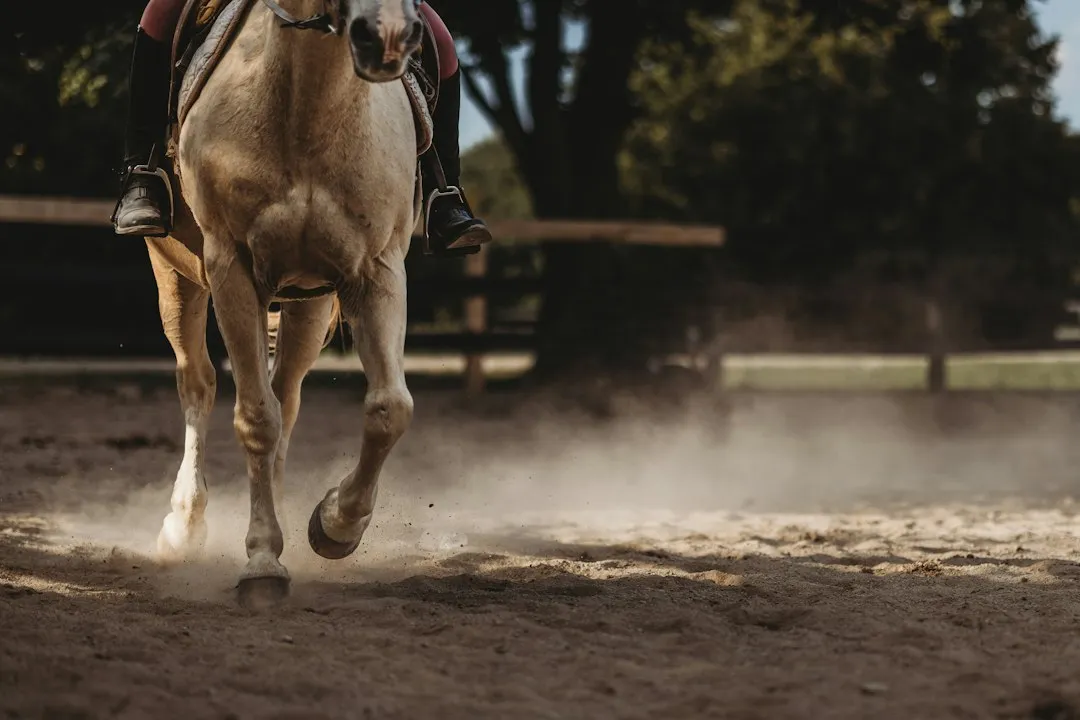
A dressage horse, a barrel horse, and a trail plodder can start the year with nearly identical feet – and end it looking radically different. Farriers register exactly how discipline and workload sculpt the hoof capsule over time.
They watch barrel horses take a beating on the lateral branches from hard turns, and dressage horses wear harder at the toes from repeated collection work. As your training plan shifts through show season, off-season, or rehab, your farrier watches that whole story get written into the horn.
Start jumping bigger tracks, and they’ll watch for heel fatigue creeping in. Switch to barefoot hacking, and they’ll track whether the sole and wall toughen up or start to crumble.
Here’s the opinion some owners don’t love: farriers often believe the discipline you choose is harder on your horse’s feet than the entire shoe-versus-barefoot debate you’ve been arguing about online. They see the toll of repeated patterns, not theory.
#4 – The Shoe and Pad Experiments Running Behind Your Back
🔥 Would you like to save this?
We'll email this post to you, so you can come back to it later!
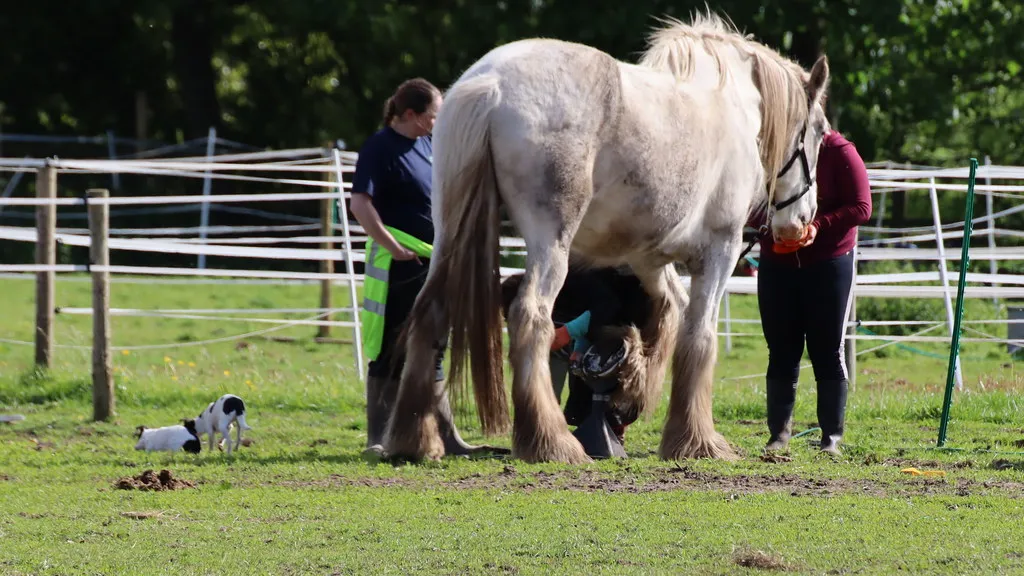
Every shoe change is a quiet experiment, and farriers are the ones logging the results whether you ask or not. Across a year they register exactly how your horse responds to steel versus aluminum, pads versus bare, wedges, bar shoes, or going barefoot entirely.
They watch for whether the horse moves more freely or more guarded right after a change, and whether new distortions or bruises start showing up in the following cycles. If a setup makes a horse worse, a good farrier remembers – and usually won’t repeat that mistake twice.
If they see consistent improvement with a particular style across several horses, it quietly earns a permanent spot in their toolbox.
Here’s the unfiltered truth: farriers often trust their own year-long results with real horses more than any single vet recommendation or manufacturer claim. They’re outcome-driven, not theory-driven – and the proof is standing right in front of them every six weeks.
#3 – Growth Rings: The Hoof’s Diary of Every Mistake You Made
🔥 Would you like to save this?
We'll email this post to you, so you can come back to it later!
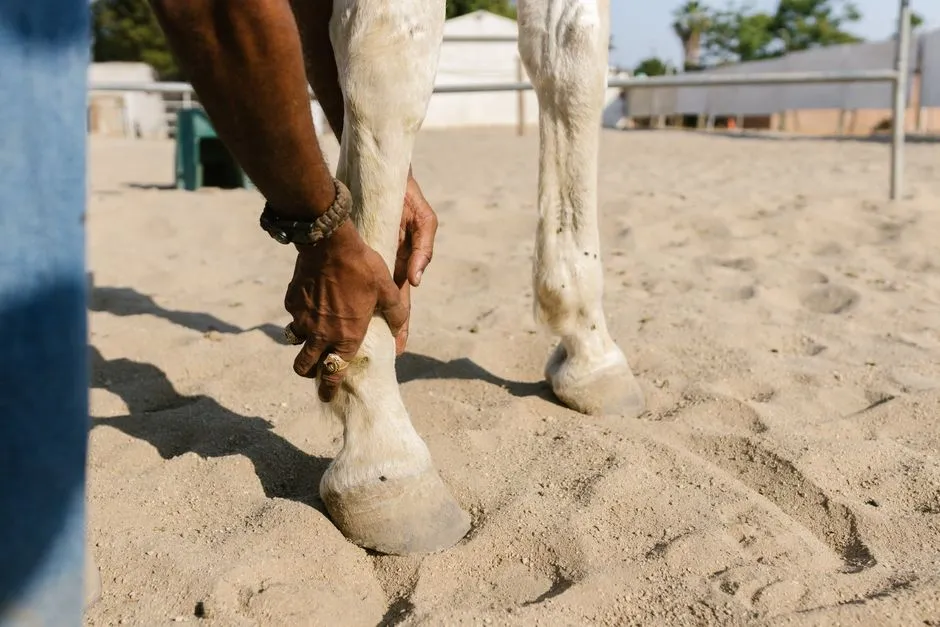
Those faint rings running around the hoof wall aren’t just cosmetic. They’re timestamps. Over a year, farriers register exactly how and when those rings appear, thin out, or turn wavy – and what caused it.
They connect a stress line to that colic episode back in March, or a sudden change in ring spacing to the switch to spring grass or a new barn. When multiple pronounced rings show up together, they know something significant happened inside the horse’s system, even if nobody told them.
Often, a farrier can pinpoint – within a few weeks – exactly when a major dietary change or health event occurred, purely from reading the wall.
This can be humbling for owners: the hoof wall sometimes remembers every big mistake you made that year – too much grain, an abrupt feed change, an illness – long after you’ve quietly moved on. Your farrier is reading that diary at every single visit.
#2 – The Aging Curve Hidden in Every Trim
🔥 Would you like to save this?
We'll email this post to you, so you can come back to it later!
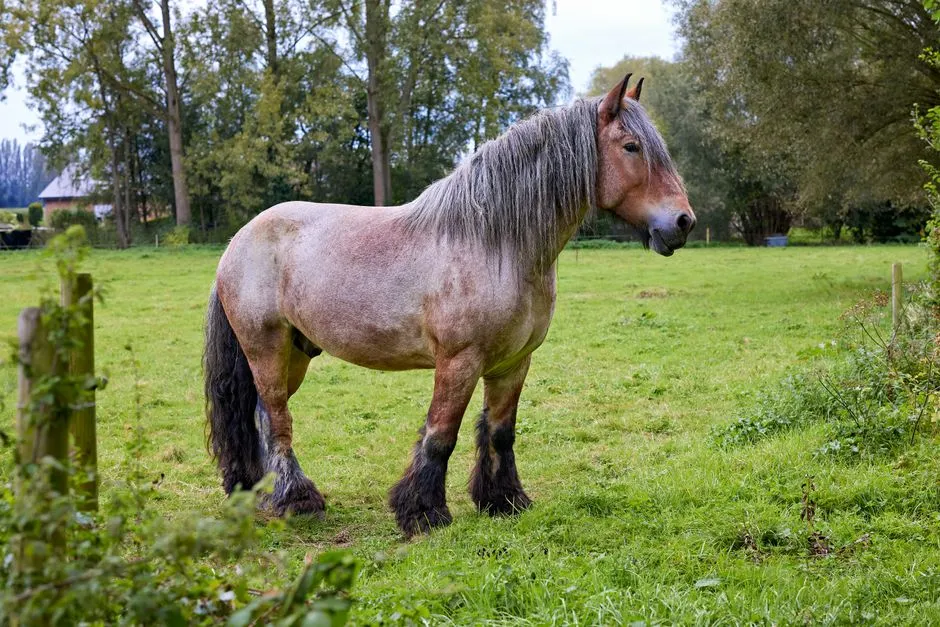
Age doesn’t just show up in grey hairs around the eyes. It shows up in the feet, and farriers are registering that shift every year through subtle changes in horn quality, joint comfort while holding a leg up, and recovery speed after work.
They notice the older horses who suddenly can’t tolerate long holds on the hind legs anymore, and the seniors whose wall quality slowly loses its old resilience despite excellent care. This aging curve is deeply personal – some twenty-year-olds have better feet than stressed-out ten-year-olds.
Your farrier tracks how your horse’s tolerance for certain trims, shoes, or angles shifts as the birthdays pile up.
Here’s the sobering part: farriers often see the first signs that a horse is entering a new stage of life – one where maintenance has to change – even before the owner is ready to admit it. The feet get honest about age long before our emotions catch up.
#1 – The Verdict: Is Your Horse’s Whole Year Trending Up or Down?
🔥 Would you like to save this?
We'll email this post to you, so you can come back to it later!
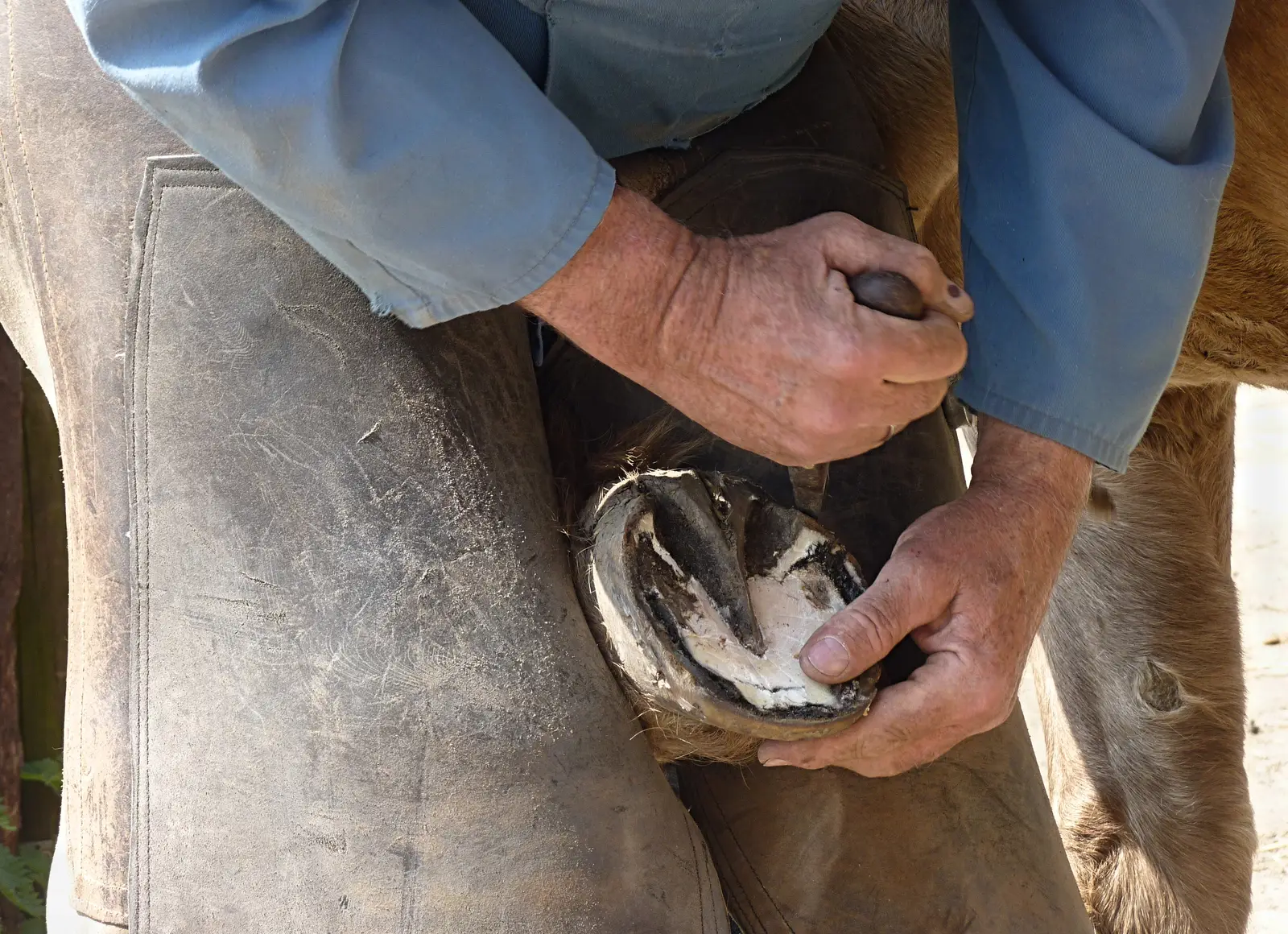
Above everything else, a good farrier is registering the big-picture story: is this horse trending more sound, less sound, or just treading water across the entire year? Every tiny detail – growth rate, pulses, behavior, wear patterns – feeds into that one quiet conclusion.
They mentally sort horses into rough categories: getting more stable and easier to manage, slowly sliding into more support needs and shorter cycles, or riding the rollercoaster – sound, sore, sound again, always one management slip away from trouble.
No foot, no horse.
Old Horseman’s Proverb
This is the question most owners never think to ask, and desperately should: “Over this past year, do you feel my horse is trending better, worse, or the same?” A farrier who’s actually been paying attention can give you a brutally honest answer. And here’s the hard truth – if they believe the trajectory is downward and nothing is changing – training, schedule, vet input – that’s exactly when quiet burnout and frustration start creeping in on both sides. The year-long story matters far more than any single good or bad day.
The Bottom Line
🔥 Would you like to save this?
We'll email this post to you, so you can come back to it later!
Across one ordinary year, a good farrier isn’t just trimming horn and banging on shoes. They’re quietly recording a living, moving data set on your horse’s health, pain, management, and future risk – one visit at a time.
Seasonal growth spikes, tiny cracks that keep coming back in the same spot, changes in landing, thrush cycles, behavior on the stand, even how you manage schedules and mud. None of it is random, and none of it goes unnoticed.
The uncomfortable reality is that most “mystery” lameness issues aren’t mysterious at all once you stitch together the story your farrier has been reading all year long. If you actually want better soundness, stop treating your farrier like a foot mechanic and start treating them like the long-term data witness they already are.
Ask what patterns they’ve noticed this year. Push for the honest trajectory – up, down, or flat. And then actually be ready to hear the answer, because your horse’s feet have been telling that story for twelve months straight whether anyone was listening or not.

- 7 Everyday Habits That Can Make Your Senior Dog Happier - November 5, 2026
- 10 Enigmatic Structures That Continue to Puzzle Scientists Today - November 5, 2026
- 10 Strange Ruins in the Americas That Challenge What We Know About Early History - November 5, 2026