
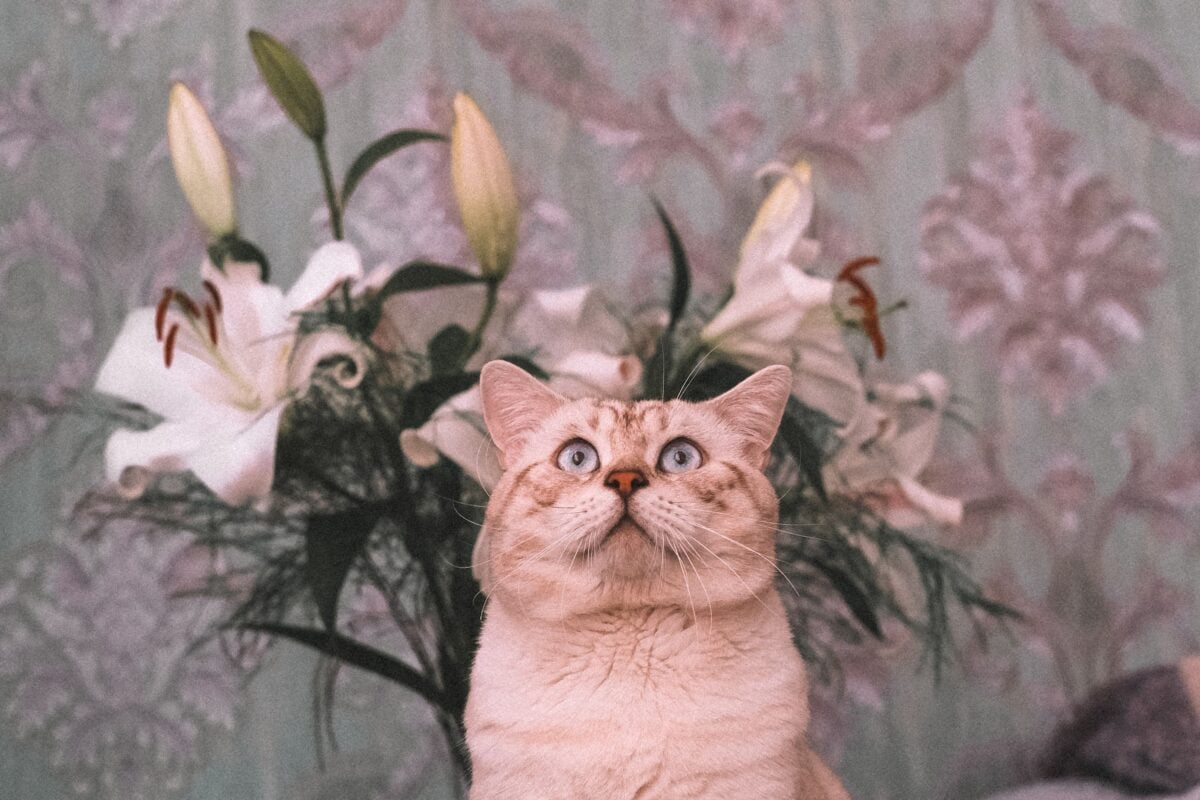
Most people think cats are the easy pets: feed them, scoop the box, let them nap. Vets see a very different picture. Many of the emergencies, long-term illnesses and “mystery” behavior problems they treat trace back to small daily habits that look harmless, or even loving. Here’s what vets actually wish you’d stop doing.
The twist is that almost none of these habits feel like mistakes. Most feel like kindness. Some are so common that owners never question them, and a few are quietly shortening cats’ lives. One on this list can turn dangerous within days, and the one at #1 might be the hardest to spot in your own home.
#22 – Leaving the Bowl Full All Day
🔥 Would you like to save this?
We'll email this post to you, so you can come back to it later!
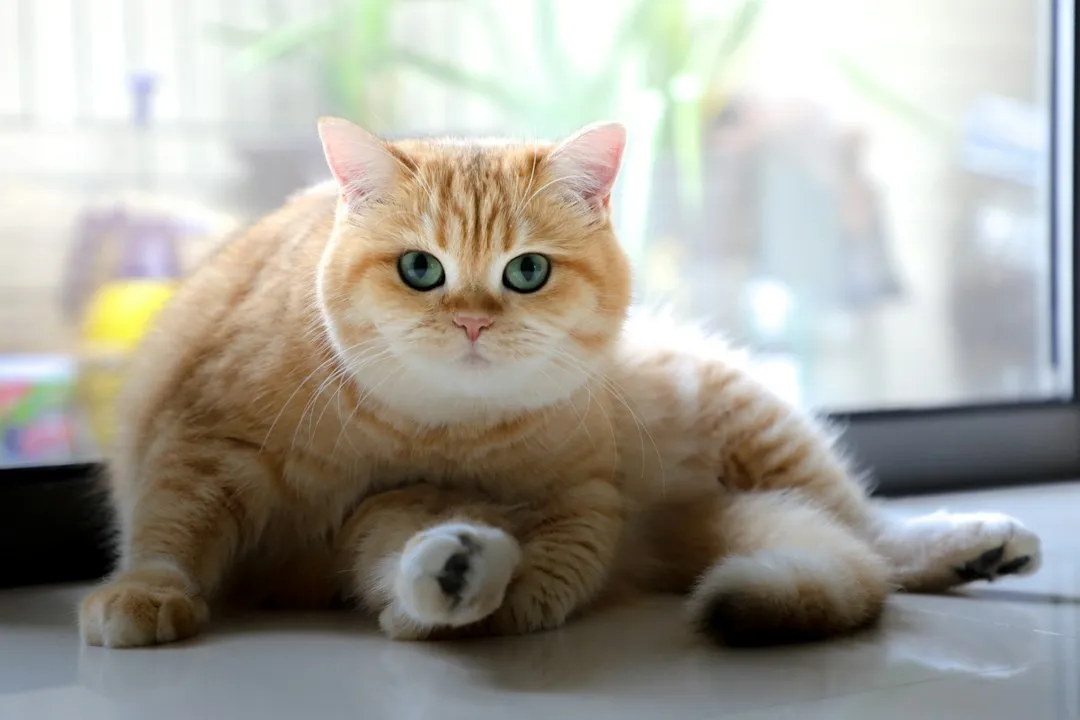
Free-feeding looks kind, but vets see where it leads.
In the wild, cats eat many small meals. A bottomless bowl of kibble turns that rhythm into constant, bored snacking. Annual surveys of US pets keep finding that more than half of cats are overweight or obese.
Extra weight raises the risk of diabetes, arthritis and urinary trouble. Many owners can’t see it happening. Fur hides the early stages, and a heavy cat starts to look “normal.” Plenty of vets point to free-feeding as a major, easily missed driver of feline weight gain.
Here’s the fix:
- Weigh portions in grams on a kitchen scale. Scoops vary a lot.
- Treat the bag’s feeding guide as a starting point, not a rule.
- Split the daily amount into several small meals.
But the next habit hides in plain sight, right beside that food bowl in #21…
#21 – Assuming Your Cat Drinks Enough
🔥 Would you like to save this?
We'll email this post to you, so you can come back to it later!
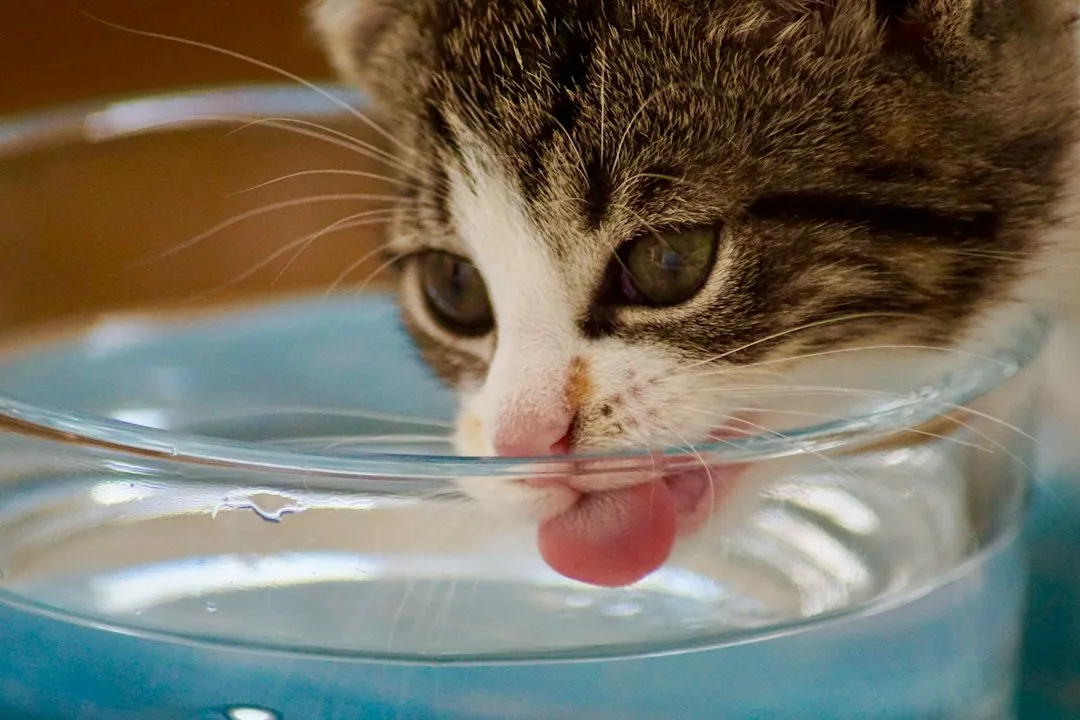
Cats are secretly bad at drinking water.
Domestic cats descend from desert-dwelling wildcats. Their thirst drive is weak, because their ancestors got most of their moisture from prey. A cat on dry food has to make up the difference by drinking.
Many cats never do. Chronically low fluid intake means concentrated urine, and vets link that to urinary problems and kidney strain. Wet food is roughly 70–80% water, while kibble is around 10%.
Here’s how to nudge your cat to drink more:
- Add wet food to at least some meals.
- Try wide, shallow bowls or a circulating fountain.
- Place several water stations around the house.
Some cats refuse water placed right beside their food. That may not be stubbornness at all. It may be instinct.
And what people pour into that bowl might be the real mistake in #20…
#20 – Serving Milk Saucers and Tuna Treats
🔥 Would you like to save this?
We'll email this post to you, so you can come back to it later!
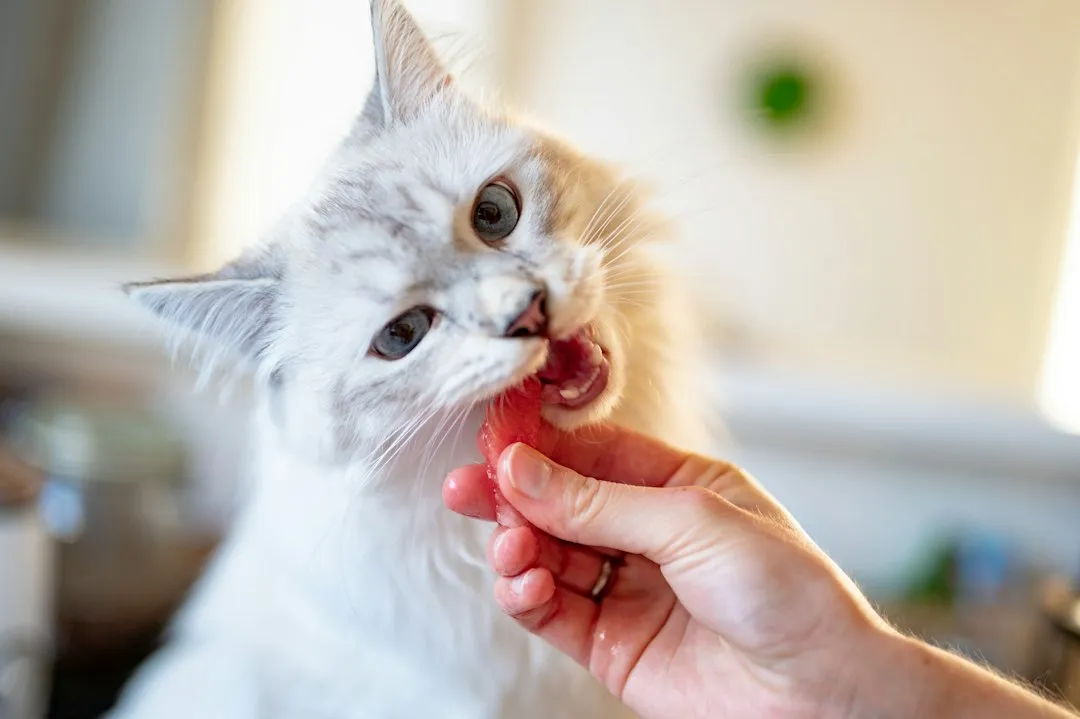
The “milk and tuna” cat is a cartoon, and vets wish it would stay one.
Many adult cats lose much of the enzyme needed to digest lactose, so milk can mean gas and diarrhea. Cow’s milk is one of the most common “treats” vets tell owners to stop.
Tuna is the bigger surprise. Tuna made for people isn’t a complete diet for cats. Fed regularly, it can unbalance nutrition, and some cats get so hooked they refuse anything else.
That’s why a picky cat is often a cat trained by its owner. If you want a safe treat, try:
- Small pieces of plain cooked chicken
- Commercial cat treats, kept to a tiny share of daily calories
- A lickable treat made for cats
Water is the only drink your cat needs. Specialty cat milk exists, but it’s a treat, not a requirement.
Worth Knowing
- A common vet rule of thumb: treats should stay under about 10% of daily calories.
- Lactose trouble usually shows up within hours as loose stools or gas.
- Human-grade canned tuna is a complete-diet imposter, not a staple.
- A cat that only accepts one flavor can be hard to treat during illness.
Skipping the next appointment is where owners take the real gamble in #19…
#19 – Skipping Checkups Because “She’s Indoors”
🔥 Would you like to save this?
We'll email this post to you, so you can come back to it later!
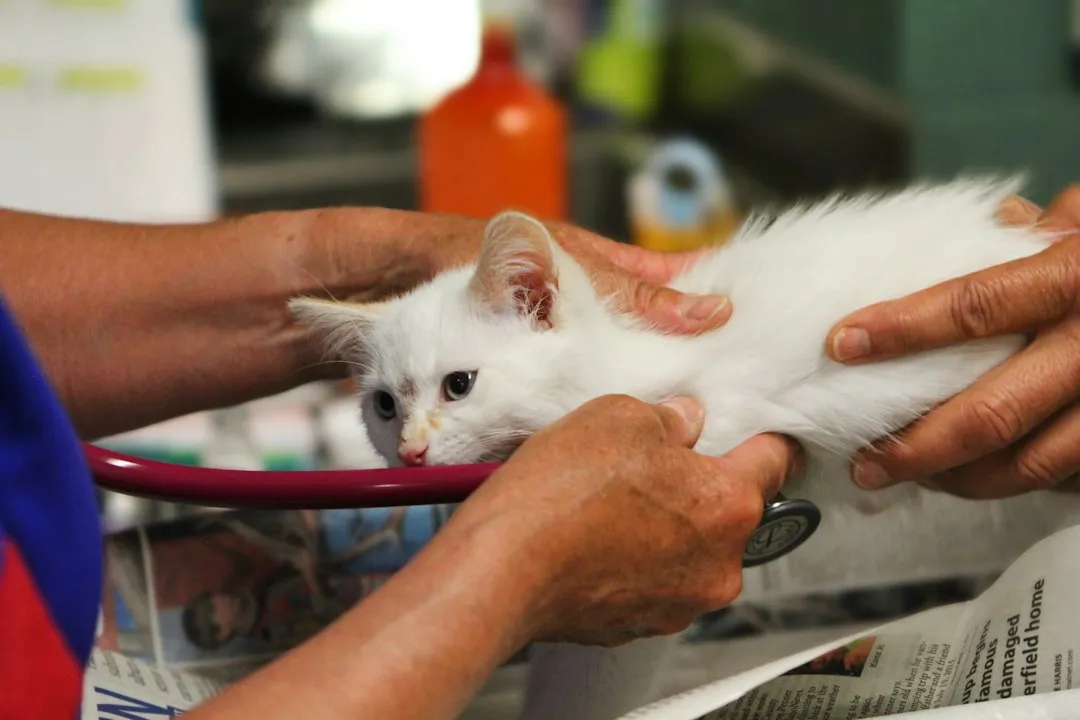
Healthy-looking cats are often the sickest ones in the waiting room.
Cats hide illness. It’s an old survival instinct. By the time a problem is obvious, it’s often advanced. Studies have repeatedly found that cats see vets less often than dogs do.
Feline vet groups generally recommend a yearly exam for adults and a checkup about every six months for seniors. Kidney disease, an overactive thyroid and high blood pressure are common in older cats. Many of these can be caught early with simple bloodwork and a blood pressure check.
The visit also gives your vet a baseline. Weight, heart sounds and dental condition are all easier to judge when the vet has seen the normal version.
Next comes a misread that costs owners furniture, sleep and sometimes the cat’s health in #18…
#18 – Calling Litter Box Accidents “Spite”
🔥 Would you like to save this?
We'll email this post to you, so you can come back to it later!
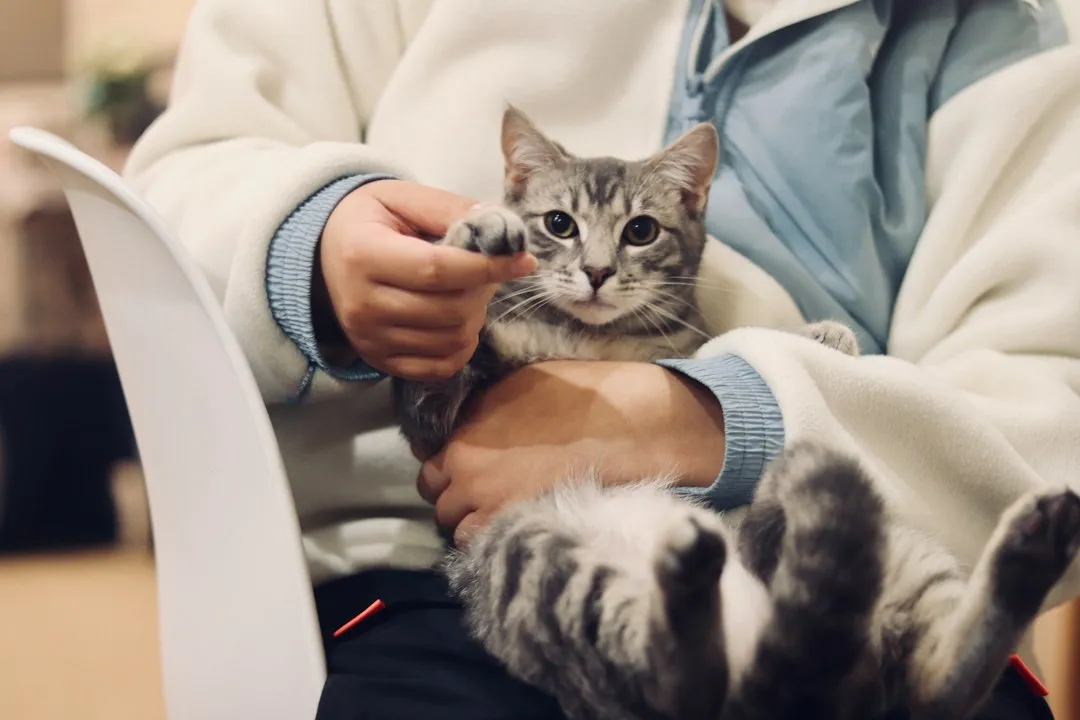
Your cat is not getting revenge on you.
Cats don’t plan payback. Peeing outside the box is a signal, and experts treat it as a medical question first. Urinary infections, bladder inflammation, kidney disease, diabetes and arthritis can all change bathroom habits.
Stress alone can trigger painful bladder inflammation in some cats. A new pet, a move or even construction noise can do it.
Vets suggest this order of investigation:
- Rule out medical causes with a vet exam and urine test.
- Then look at the box setup, litter type and cleanliness.
- Only then consider stress and routine changes.
Punishing the accident only teaches the cat to hide it. The earlier you call, the easier the fix.
Speaking of box setups, most homes get this one wrong in #17…
#17 – Running Too Few, Too Small Litter Boxes
🔥 Would you like to save this?
We'll email this post to you, so you can come back to it later!
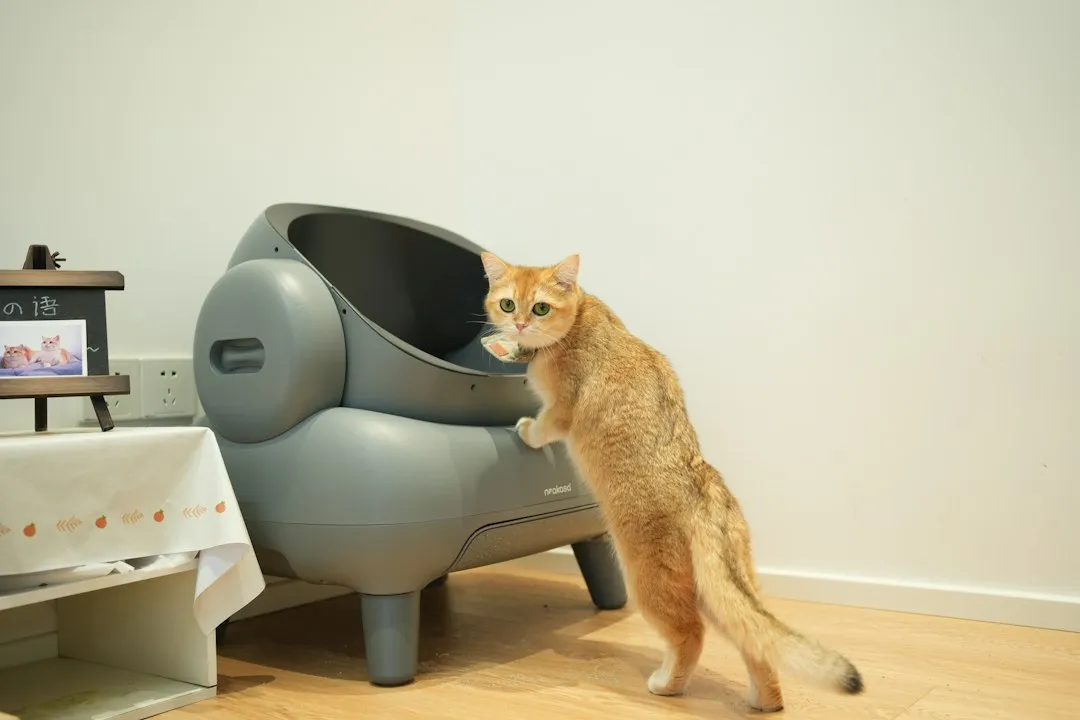
The “one box per cat” rule is actually short by one.
The common vet guideline is one box per cat, plus one extra. Put them in different spots. Two boxes side by side count as one big box to a cat who’s being guarded by a housemate.
Size matters too. Many store-bought boxes are too small. A widely cited guideline says the box should be about one and a half times the length of the cat. That’s why many cats do better with a large storage tub.
Other basics vets repeat:
- Scoop at least once a day.
- Choose unscented, clumping litter when possible.
- Keep boxes away from loud appliances and food bowls.
But the way many owners react when things go wrong makes it worse in #16…
#16 – Yelling, Spraying, and “Teaching a Lesson”
🔥 Would you like to save this?
We'll email this post to you, so you can come back to it later!
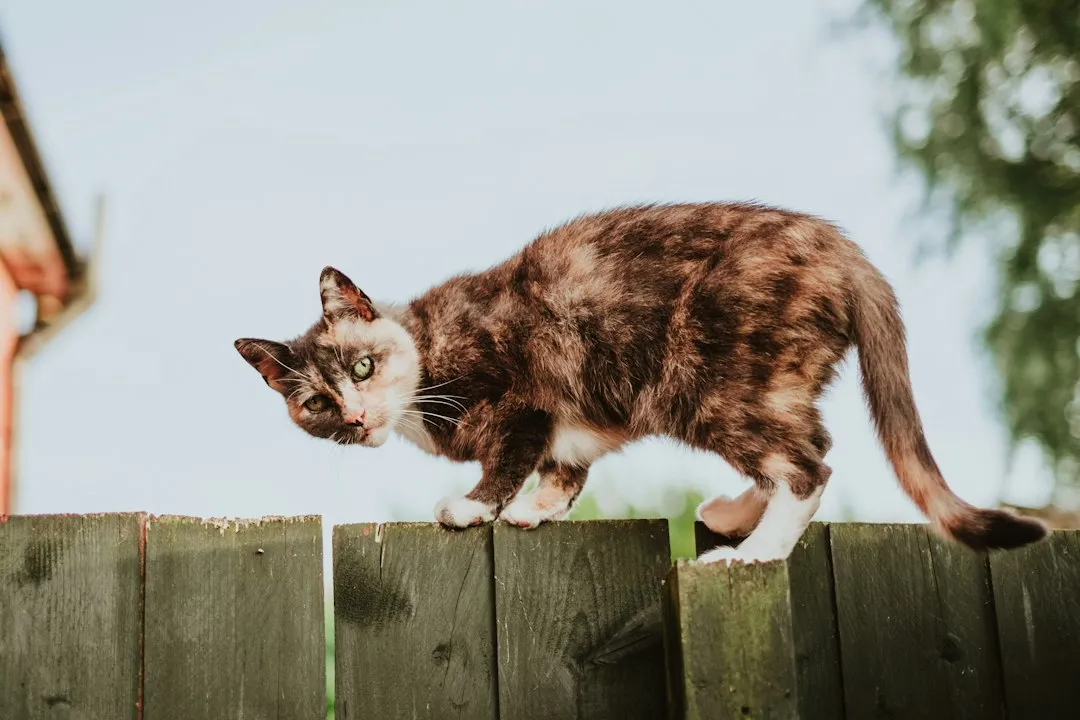
Punishment doesn’t work on cats, and vets say it backfires.
Cats rarely connect a squirt of water with something they did ten seconds ago. What they learn is that you are unpredictable. That can show up as hiding, aggression or avoiding you entirely.
Chronic stress is also tied to health problems in cats, including some urinary and skin issues. The scolding you think is training may be adding to the problem.
Redirection works far better. Give the cat a better option:
- A tall scratching post next to the furniture being clawed
- A wand toy for biting and pouncing
- Treats for calm behavior
Scratching is where some owners make an even more drastic choice in #15…
#15 – Considering Declawing
🔥 Would you like to save this?
We'll email this post to you, so you can come back to it later!
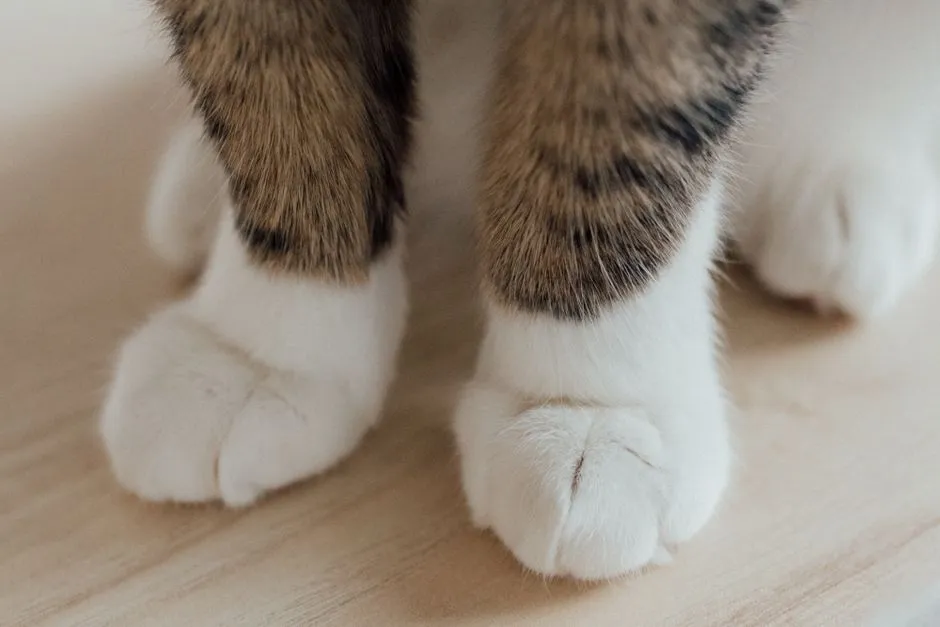
Declawing is not a manicure.
The procedure removes the last bone of each toe. The closest human comparison is amputating the tip of every finger at the last knuckle. It is banned in many countries, and in a growing number of places in North America, including New York State.
Major veterinary organizations discourage it as an elective procedure. Reports link it to pain and, in some cats, to biting or litter box problems.
Here’s my take: it’s a drastic answer to a problem that has gentler fixes. Experts recommend:
- Trimming nails every couple of weeks
- Providing sturdy, tall scratchers in several textures
- Trying soft nail caps if needed
Scratching is normal behavior. It stretches muscles and marks territory. Give it a home.
But some of the most dangerous mistakes happen in the medicine cabinet in #14…
#14 – Treating Your Cat With Human or Dog Medicine
🔥 Would you like to save this?
We'll email this post to you, so you can come back to it later!
One “helpful” pill can become a poison emergency.
Cats process many drugs very differently from people. Acetaminophen (Tylenol) can be seriously toxic to cats. Ibuprofen and naproxen can damage the kidneys and stomach.
Another common trap is dog flea treatment. Some dog spot-on products contain permethrin, which can cause tremors and seizures in cats, even from contact with a dog that was recently treated.
Safe habits:
- Never give any human medication without vet direction.
- Read flea product labels for the species.
- Call your vet or a pet poison hotline immediately if exposure happens.
And the danger doesn’t stop at the medicine cabinet. It might be sitting on your dining table in #13…
#13 – Keeping Lilies in the House
🔥 Would you like to save this?
We'll email this post to you, so you can come back to it later!
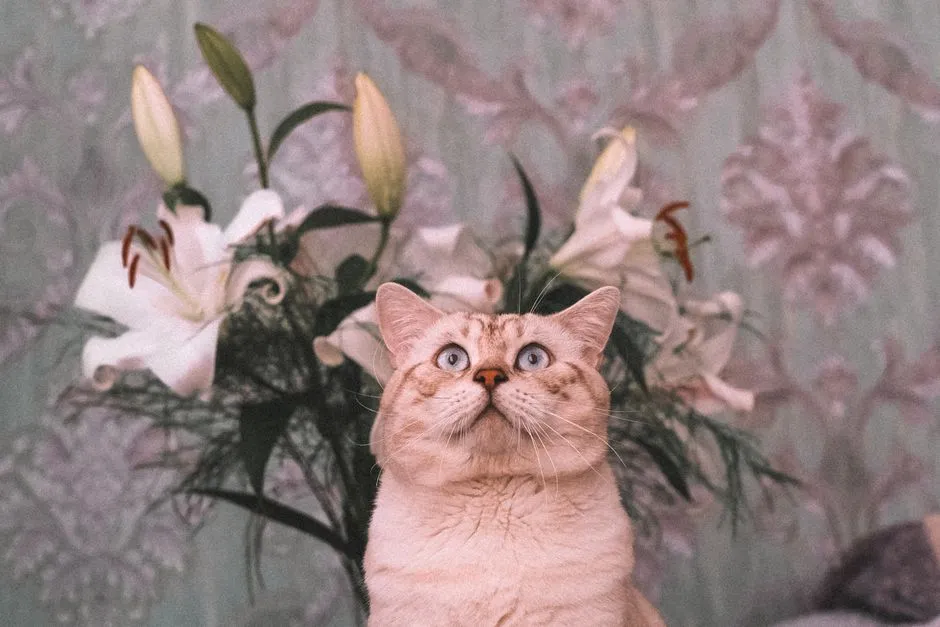
One of the most popular bouquet flowers is among the deadliest for cats.
True lilies and daylilies can cause acute kidney failure in cats. Every part of the plant is a risk: petals, leaves, pollen and even the vase water. A cat that only brushes against pollen and then grooms itself can be poisoned.
The early signs look mild, which is why this one catches people off guard. Vomiting, drooling and lethargy can appear first. Kidney damage can follow.
If you suspect contact, don’t wait for symptoms to worsen. Early treatment gives the best chance. Ask florists about cat-safe options, and warn guests who bring flowers.
At a Glance
- Highest risk: Easter, Tiger, Stargazer and Asiatic lilies, plus daylilies.
- Not the same thing: Peace lilies and calla lilies irritate the mouth but aren’t true lilies.
- Exposure counts: Pollen on fur, a nibbled leaf or a sip of vase water can all be enough.
- Best move: Skip them entirely, or ask the florist to remove lilies from any bouquet.
The painful part is how preventable this is. Hardly anyone checks a bouquet before setting it on the table.
Another “relaxing” household item has a surprisingly bad reputation in #12…
#12 – Running Essential Oil Diffusers
🔥 Would you like to save this?
We'll email this post to you, so you can come back to it later!
That calming scent may be the opposite for your cat.
Cats are less able to break down certain compounds in plants, including phenols found in many essential oils. Poison-control groups caution against products like tea tree oil, citrus, pine and peppermint oils around cats.
Cats can be exposed by breathing droplets, walking through them and licking their fur clean. Concentrated oils applied to the skin are the highest concern.
The evidence on passive diffusers is more limited, so vets tend to say “be careful” rather than “never.” Still, many lean cautious:
- Skip diffusing in rooms where the cat lives or sleeps.
- Never put oils on your cat.
- Watch for drooling, coughing or lethargy and call your vet.
But the most common emergency-surgery items aren’t scented at all in #11…
#11 – Leaving String, Ribbon, and Hair Ties Lying Around
🔥 Would you like to save this?
We'll email this post to you, so you can come back to it later!
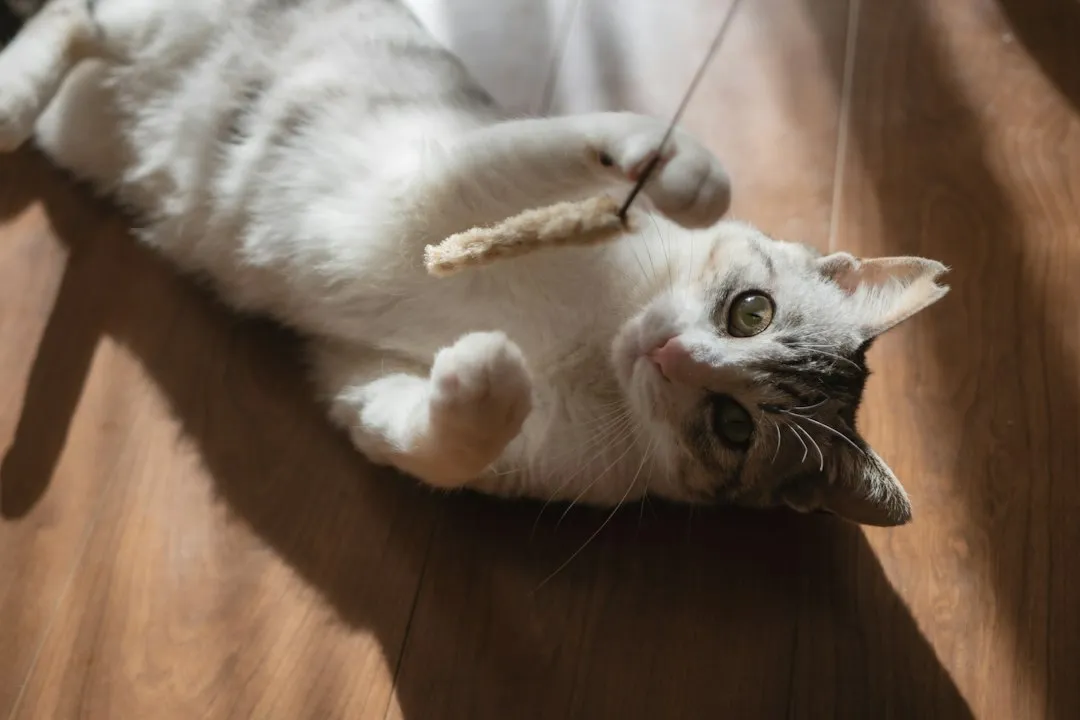
The cutest toys are some of the worst for swallowing.
Cats love string. Their barbed tongues pull it backward, and they can’t easily spit it out. A thread can anchor under the tongue while the rest travels into the intestines. That can cause the gut to bunch up and even cut through tissue.
Vets call these linear foreign bodies, and they often need emergency surgery. Common culprits include hair ties, yarn, dental floss, tinsel and ribbon.
Rules to live by:
- Store string toys when not supervised.
- Never pull a string hanging from a cat’s mouth or rear.
- Go to a vet right away for vomiting, hiding or loss of appetite after play.
But what’s growing quietly in your cat’s mouth is the next unspoken worry in #10…
#10 – Never Looking Inside the Mouth
🔥 Would you like to save this?
We'll email this post to you, so you can come back to it later!
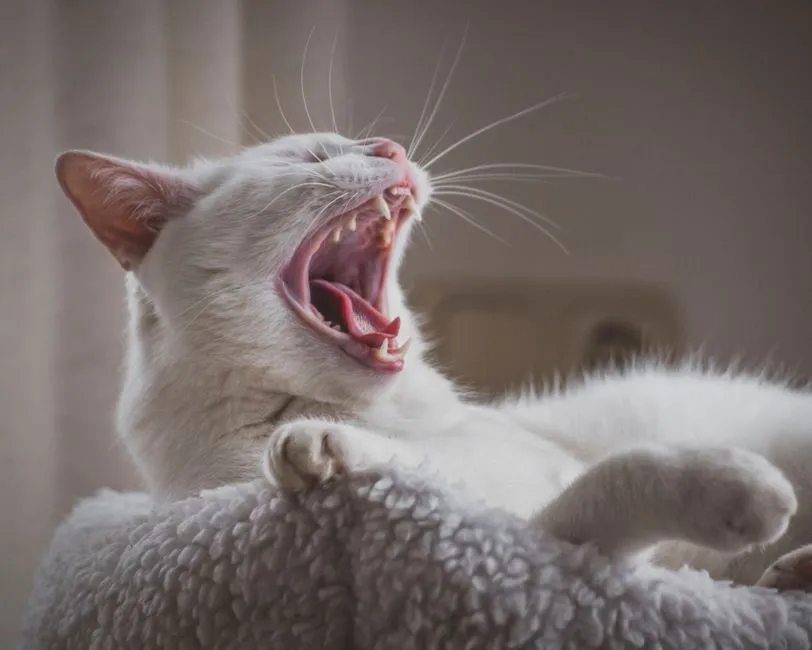
Dental disease is a silent, painful epidemic.
Cats hide mouth pain well. Owners often see only subtle clues: bad breath, drooling, dropping food, or chewing on one side. Tooth resorption, where the tooth structure breaks down, is a common problem vets find that you can’t see from the outside.
Gum disease can also affect overall health, because bacteria from the mouth can enter the bloodstream.
Here’s what experts suggest:
- Brush with a toothpaste made for pets. Human toothpaste isn’t safe to swallow.
- Start slowly with a finger and a taste of toothpaste.
- Look for products with the Veterinary Oral Health Council seal.
- Schedule professional cleanings as your vet recommends.
Daily brushing is the gold standard. Dental treats alone rarely do the job.
Then there’s the “gross but normal” myth that fools almost everybody in #9…
#9 – Shrugging Off Vomiting as “Just Hairballs”
🔥 Would you like to save this?
We'll email this post to you, so you can come back to it later!
A cat that throws up regularly isn’t normal, whatever the internet says.
Occasional hairballs happen. Frequent vomiting is a different story. Vets say it can point to food intolerance, inflammatory bowel disease, kidney disease, an overactive thyroid or other problems.
Many owners accept vomiting for months or even years because it’s “what cats do.” That habit can delay a diagnosis while the real cause keeps working.
Pay attention to:
- Whether actual hair is present
- How often it happens
- Changes in appetite, weight or energy
A different change gets mistaken for old age even more often in #8…
#8 – Blaming Old Age When Your Cat Slows Down
🔥 Would you like to save this?
We'll email this post to you, so you can come back to it later!
Your senior cat may not be lazy. She may be in pain.
Joint disease is very common in older cats, and X-ray studies have found signs in many cats whose owners thought they were fine. Cats rarely limp. They just quietly change what they do.
One of the clearest signs is a cat that stops jumping onto the counter or bed.
Other clues vets mention:
- Hesitating before stairs or jumps
- Missing the box or avoiding high-sided litter trays
- A matted or greasy coat from reduced grooming
Quick Compare
- Normal aging: more naps and calmer play. Possible pain: quitting a favorite perch altogether.
- Normal aging: a slightly less glossy coat. Possible pain: mats along the back and hips where she can’t reach.
- Normal aging: same litter habits. Possible pain: perching on the box edge or going just outside it.
Never give human painkillers. Vets have prescription options, and newer treatments for feline arthritis pain have become available. Simple home changes, like ramps and low-entry boxes, can also help.
Some of the highest-stakes emergencies don’t look like pain at all in #7…
#7 – Waiting Out Straining in the Litter Box
🔥 Would you like to save this?
We'll email this post to you, so you can come back to it later!
This is one of the few “wait and see” mistakes that can kill within days.
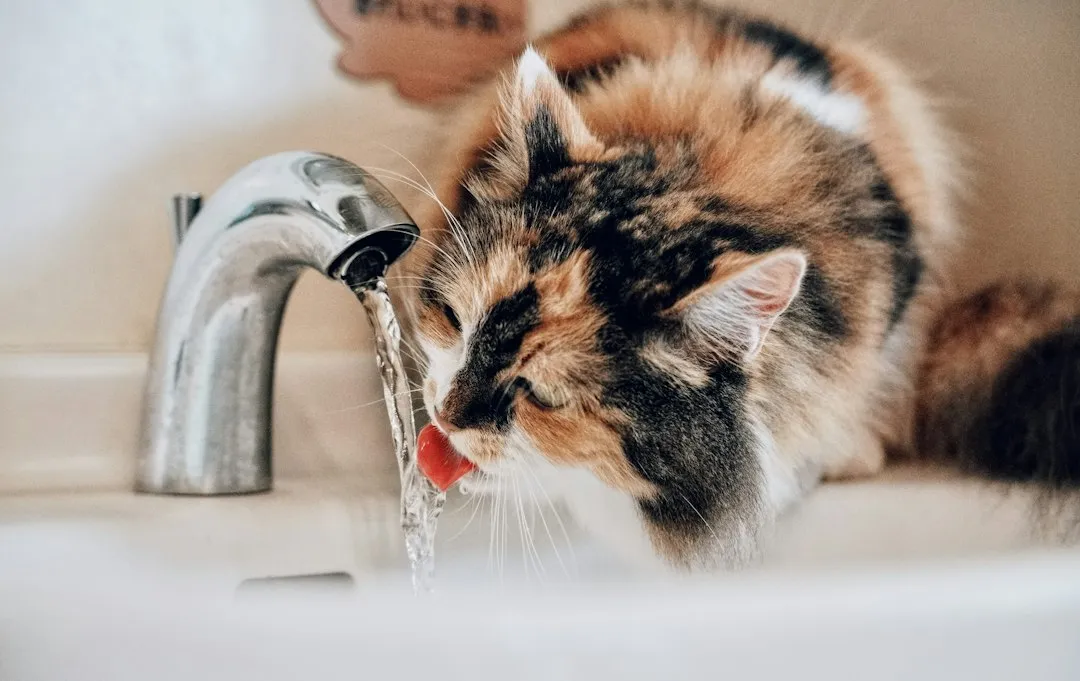
When a male cat strains and produces little or no urine, it may be a urinary blockage. A male’s urethra is narrow, so it can plug. A blocked cat can become critically ill within a day or two.
Waste builds up in the blood. Potassium levels can rise and affect the heart. Owners often assume the cat is constipated, and that mix-up costs precious hours.
Warning signs:
- Repeated trips to the box with little or no urine
- Crying or licking the genital area
- Hiding, vomiting or lethargy
If that wasn’t alarming enough, the next habit starts with the phrase “he never goes outside” in #6…
#6 – Skipping Parasite Prevention and Vaccines for Indoor Cats
🔥 Would you like to save this?
We'll email this post to you, so you can come back to it later!
“Indoor” does not mean “protected.”
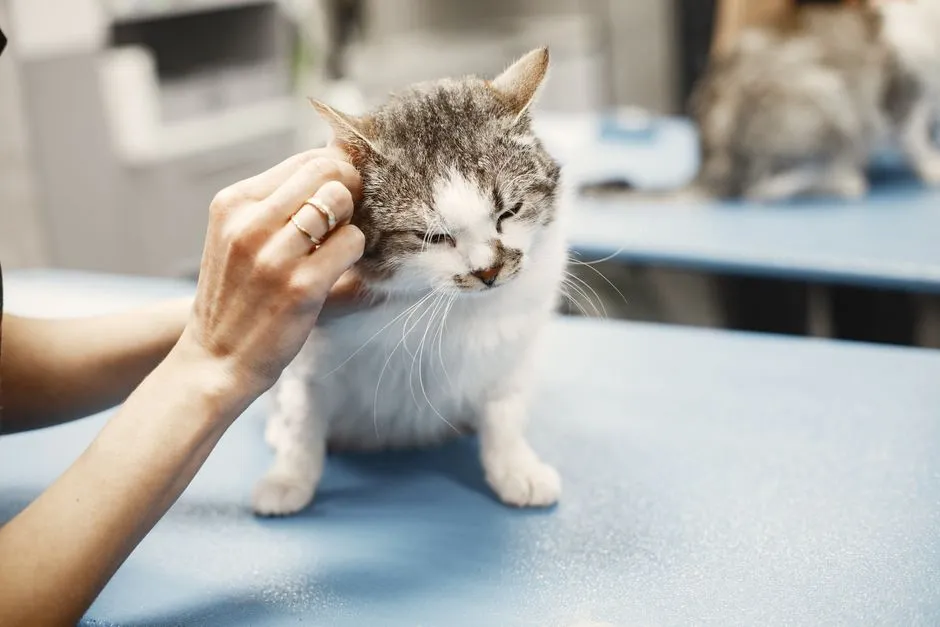
Fleas hitch rides on dogs, shoes and clothing. Mosquitoes get inside and can transmit heartworm. There is no approved treatment for heartworm in cats, so prevention is the only real defense.
Rabies is another issue. Bats do get into homes, and rabies vaccination is legally required for cats in many places.
Vets generally tailor vaccines to risk. Talk with yours about:
- Core vaccines recommended for most cats
- Flea and heartworm prevention suited to your region
- Booster schedules based on age and lifestyle
“He’s indoor-only” is probably the most common reason for gaps in protection. It’s worth asking your vet about, not assuming.
Another gap in protection only matters on the worst day of your life in #5…
#5 – Counting on a Collar Instead of a Microchip
🔥 Would you like to save this?
We'll email this post to you, so you can come back to it later!
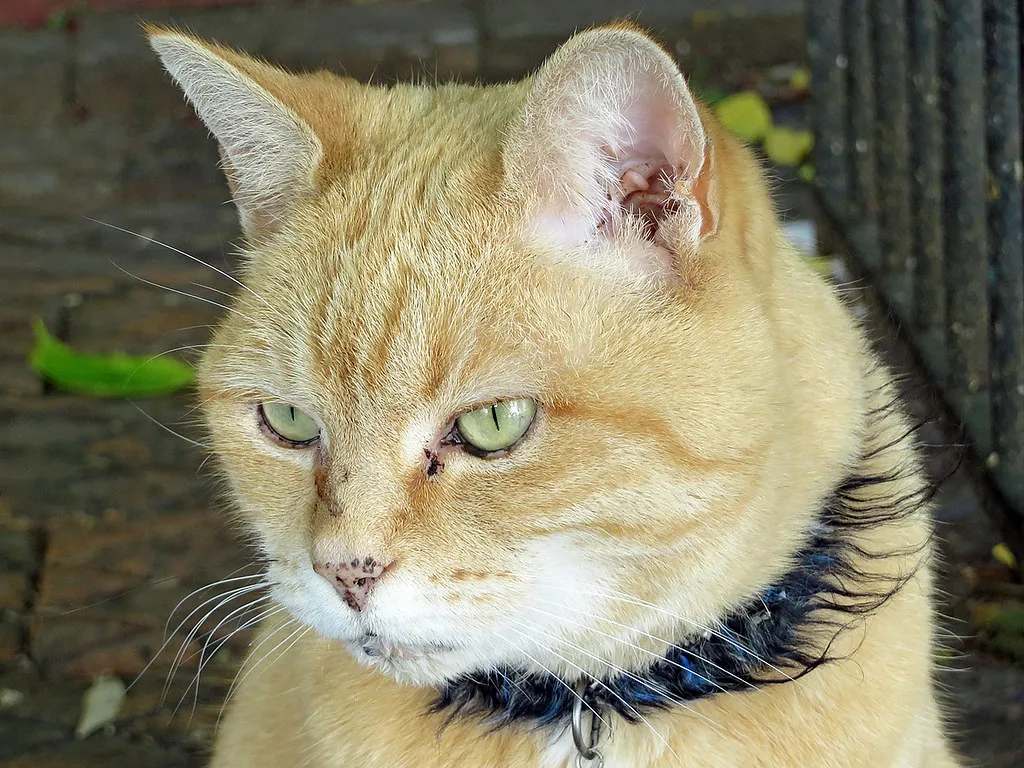
A cat can slip out in seconds, and collars slip off even faster.
A microchip is about the size of a grain of rice and sits under the skin. Shelters and vets can scan it. Research on lost pets has found microchipped cats are far more likely to be reunited with owners than cats without ID.
But a chip is not a GPS tracker. It only works if the registration is complete and correct.
Many chips are never registered. Others still list a phone number from years ago, which turns a happy ending into a dead end.
The next mistake starts with good intentions in the kitchen in #4…
#4 – Feeding Raw or Homemade Diets Without Expert Guidance
🔥 Would you like to save this?
We'll email this post to you, so you can come back to it later!
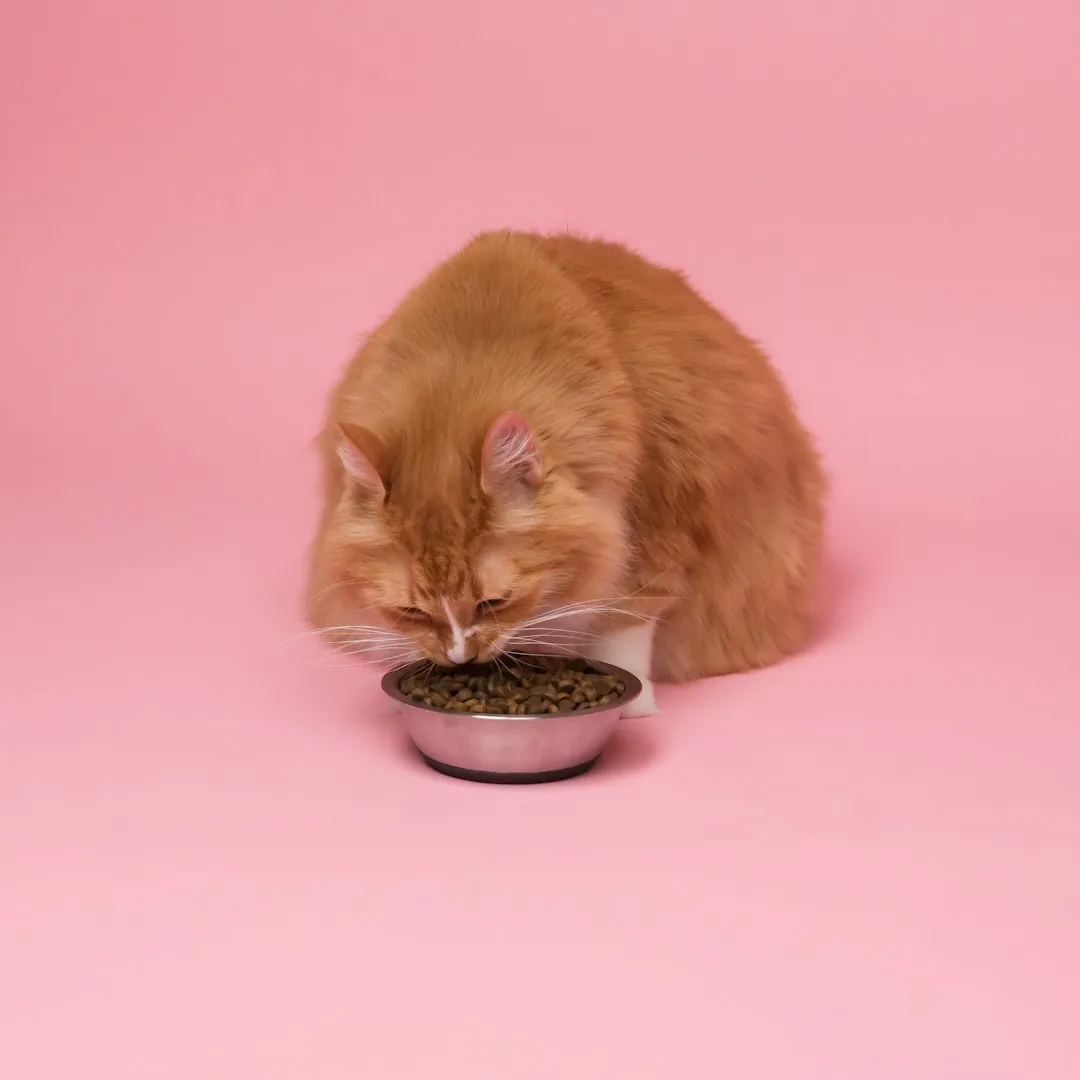
Social media feeding trends worry vets more than owners realize.
Cats are obligate carnivores. They need specific nutrients, including taurine, preformed vitamin A and certain fatty acids. Taurine deficiency can cause serious heart and eye disease.
Analyses of home-prepared recipes have repeatedly found nutritional gaps. Raw diets add another risk: bacteria like Salmonella and Listeria, which can affect both cats and the people handling the food. Major veterinary and public health bodies discourage feeding raw animal protein.
If you want to cook for your cat:
- Work with a board-certified veterinary nutritionist.
- Use a complete recipe, not a trend.
- Don’t swap ingredients on your own.
Why It Stands Out
- Raw: adds germ risk for the whole household, not just the cat.
- Homemade without a nutritionist: the most common problem is missing nutrients, not bad ingredients.
- Commercial food: look for a “complete and balanced” statement on the label.
My view: love isn’t the problem here. Unbalanced recipes are.
And one small object in your closet is quietly sabotaging every vet visit in #3…
#3 – Hiding the Carrier Until the Vet Day
🔥 Would you like to save this?
We'll email this post to you, so you can come back to it later!
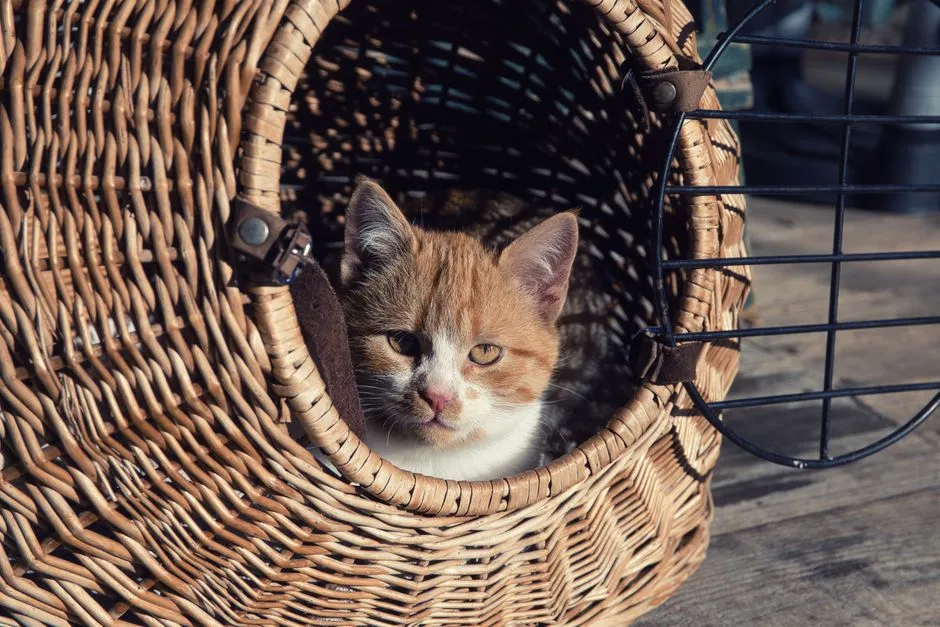
If the carrier only appears before a vet trip, your cat has already learned to hate it.
Cats read patterns. The carrier comes out, the car ride starts, and an unpleasant experience follows. Many cats start hiding the moment they see it.
The fix is to make it part of the furniture. Leave it open in a living area with a soft blanket inside. Drop in treats and toys. Let your cat nap in it.
Vets also like:
- A sturdy carrier with a removable top
- A familiar-smelling towel inside
- Short practice car rides for nervous cats
A calmer carrier means more checkups. But the habit that shapes your cat’s whole mood is next in #2…
#2 – Treating Play as Optional
🔥 Would you like to save this?
We'll email this post to you, so you can come back to it later!
Indoor cats are hunters with no prey.
Cats have a built-in sequence: stalk, chase, pounce, catch, eat. Without an outlet, that energy turns into couch attacks, night zoomies and ankle ambushes. Environmental stress is tied to bladder inflammation in some cats.
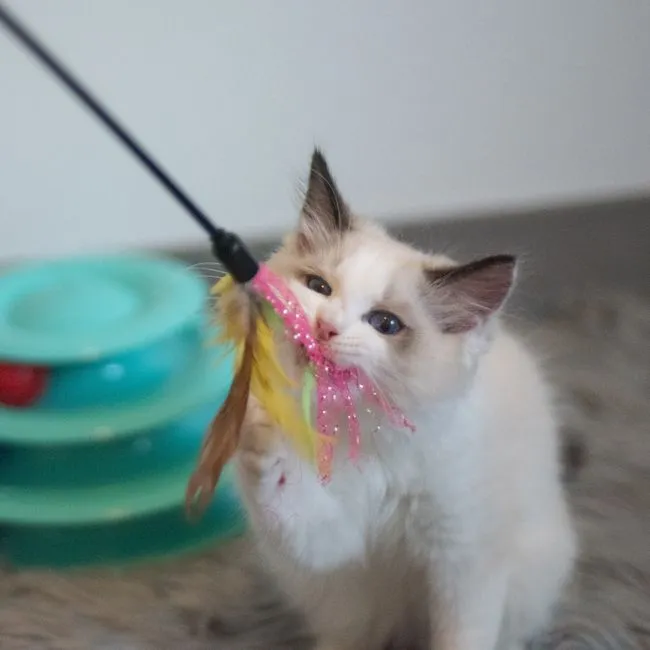
Short, daily play sessions help. Vets and behavior experts commonly suggest a few sessions of about ten to fifteen minutes with a wand toy.
Enrichment ideas that work:
- Vertical spaces like shelves and cat trees
- Window perches with a view
- Puzzle feeders and rotating toys
But if there’s one habit vets truly wish would disappear first, it’s the final one in #1…
#1 – Waiting for Your Cat to “Show” She’s Sick
🔥 Would you like to save this?
We'll email this post to you, so you can come back to it later!
By the time a cat looks sick, the illness is often already well along.
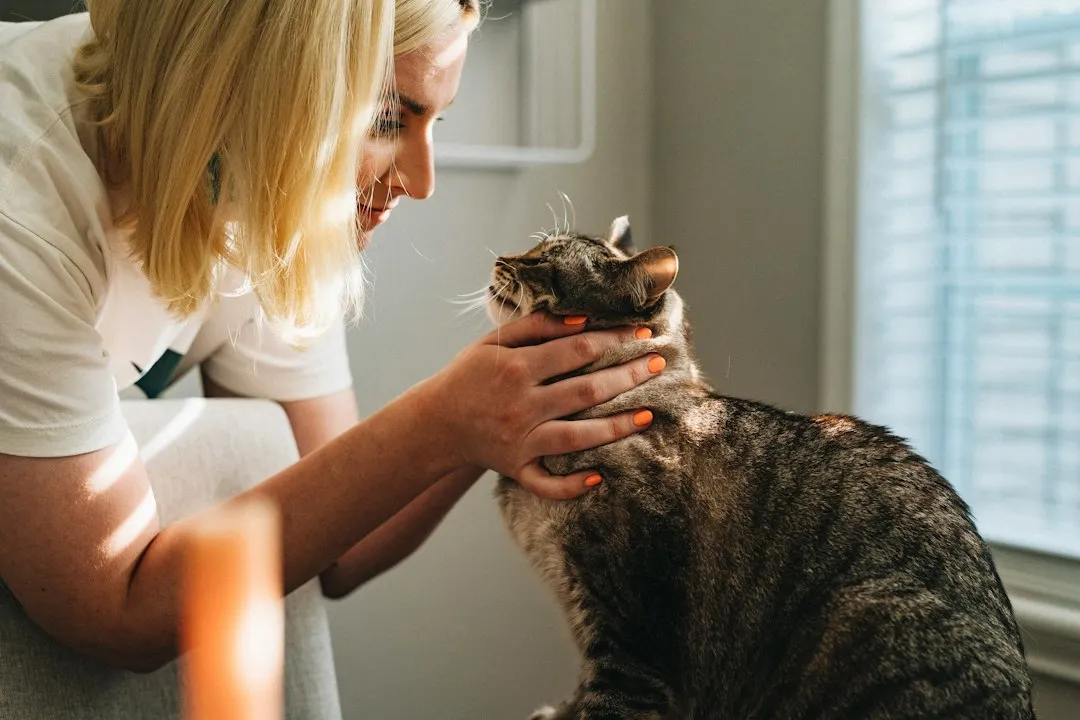
Cats are both predators and small prey animals. Showing weakness has never been a good survival strategy. Their pain signals are often so subtle that owners miss them completely.
The quiet signs vets want you to notice:
- Hiding more or sleeping in new spots
- Eating less, or skipping a meal entirely
- Changes in grooming, litter habits or voice
- A tense face with squinted eyes and flattened whiskers
Appetite deserves special attention. A cat that refuses food for a day or more needs a call to the vet. Overweight cats can develop a serious liver problem when they stop eating.
Trust your gut. It’s usually earlier than you think.
Here’s my honest take on the whole list: most of these habits aren’t about bad owners. They’re about good owners following folklore, like the milk saucer, the full bowl and the “it’s just hairballs” shrug. Vets don’t want perfection. They want you to call sooner, measure more, and stop treating a cat’s silence as proof of health.
If I had to pick the three that matter most, they’d be portion control, taking litter box changes seriously, and acting on the quiet signs. Those three catch problems while they’re still cheap and fixable. Which of these 22 did you catch yourself doing?

- 7 Everyday Habits That Can Make Your Senior Dog Happier - November 5, 2026
- 10 Enigmatic Structures That Continue to Puzzle Scientists Today - November 5, 2026
- 10 Strange Ruins in the Americas That Challenge What We Know About Early History - November 5, 2026