
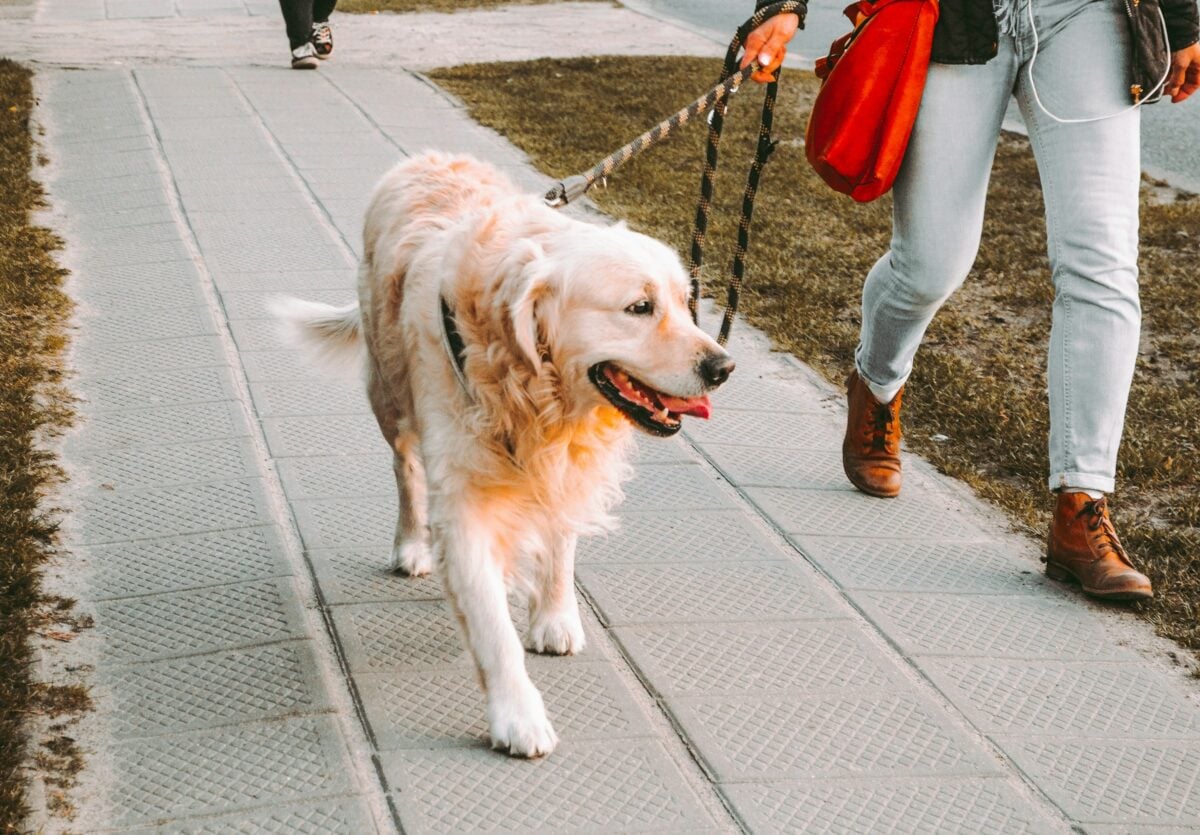
Most owners think the appointment begins when the exam room door closes. Veterinary nurses say it started the moment your pet crossed the lobby, and they were already taking notes. Posture, breathing, leash tension and even how you say “he’s so good” all get noticed before anyone asks a question.
Some of these signals are so subtle that owners misread them in exactly the wrong direction. Fear gets mistaken for calm, and pain gets filed under “just getting older.” Here are 22 impressions, counting down, and the first one happens before your pet is fully through the door.
#22 – The Doorway Moment
🔥 Would you like to save this?
We'll email this post to you, so you can come back to it later!
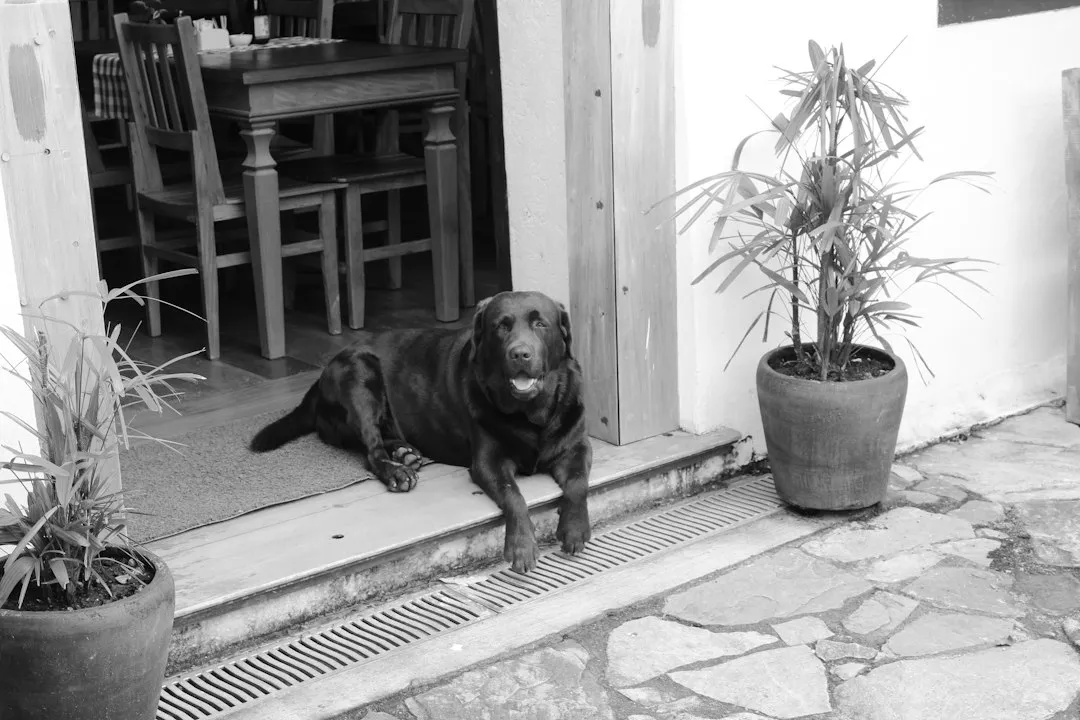
Your pet’s first three steps through the door often say more than the whole exam.
Many clinics train staff to watch dogs from the waiting room onward, because a dog often acts differently once it’s on the exam table. Nurses treat the entrance as the least rehearsed part of the visit.
Adrenaline can mask discomfort, so a dog that looks “fine” in the room may have been limping or hunching a minute earlier. That is why nurses ask what they missed.
Nurses look at three things:
- How the pet enters: bounding, creeping or being dragged.
- Whether it pauses at the threshold.
- Whether it looks to the owner or away.
But your own body language gets read at the door too, and that’s #21.
#21 – The Grip on the Leash

🔥 Would you like to save this?
We'll email this post to you, so you can come back to it later!
A tight leash is information about you, not just your dog.
Nurses watch the owner’s grip. A white-knuckled hand often signals a family that expects trouble, and the lead becomes a wire that carries tension straight to the animal.
Dogs often mirror a tense handler, so a clenched leash and a tight voice can change what the nurse sees. The behavior they record may partly be yours.
Owners usually shorten the leash to be safe. Nurses often see the reverse: a dog with no room to move away feels more cornered.
Next is a signal almost every owner gets wrong, and it looks harmless.
#20 – The Yawn That Isn’t Sleep
🔥 Would you like to save this?
We'll email this post to you, so you can come back to it later!
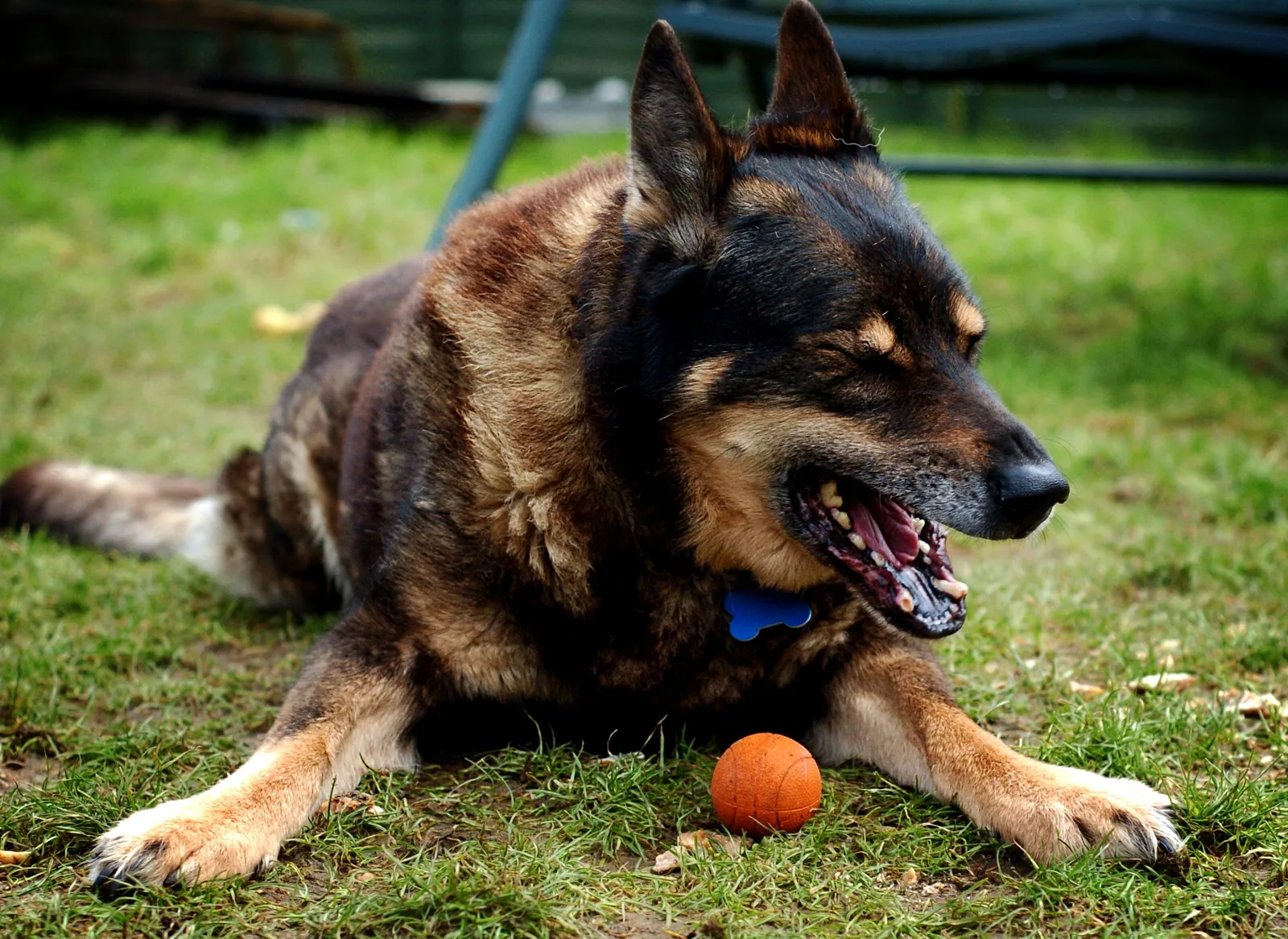
A yawning dog is rarely relaxed in a waiting room.
Owners see a yawn and think “he’s chilled.” A dog yawning after a nap in a quiet living room is probably tired. One yawning while strangers pass, doors bang and a scale rattles is often doing something else entirely.
Anxious dogs tend to fidget in a recognizable cluster: yawning, lip licking, pacing, panting, getting up and down, or nudging their owners. Context matters more than the yawn itself.
When a dog yawns repeatedly in one visit, nurses treat it as meaningful data. One yawn is a note. A cluster is a warning.
The yawn has a quieter cousin that’s even easier to miss.
#19 – Lip Licking With No Food Around

🔥 Would you like to save this?
We'll email this post to you, so you can come back to it later!
A flick of the tongue can be a stress signal.
Nurses watch the mouth because the signs there are so easy to miss. Lip licking sits on the list of subtler fear signs alongside yawning, panting and scanning the room.
Repeated yawning, lip licking and looking away all belong to the same family. Many trainers and clinics call them “calming signals,” because the dog may be trying to defuse a tense moment.
There’s a catch. Humans recognize extreme distress in dogs but tend to misread the subtle signs. By the time a dog growls, the quiet signs have usually been there for minutes.
Nurses also look for:
- Lip licking when no food is present
- A mouth held tight and closed
- Eyes that keep scanning the door
The eyes can give a dog away in a different way, and that’s #18.
#18 – The White of the Eye
🔥 Would you like to save this?
We'll email this post to you, so you can come back to it later!
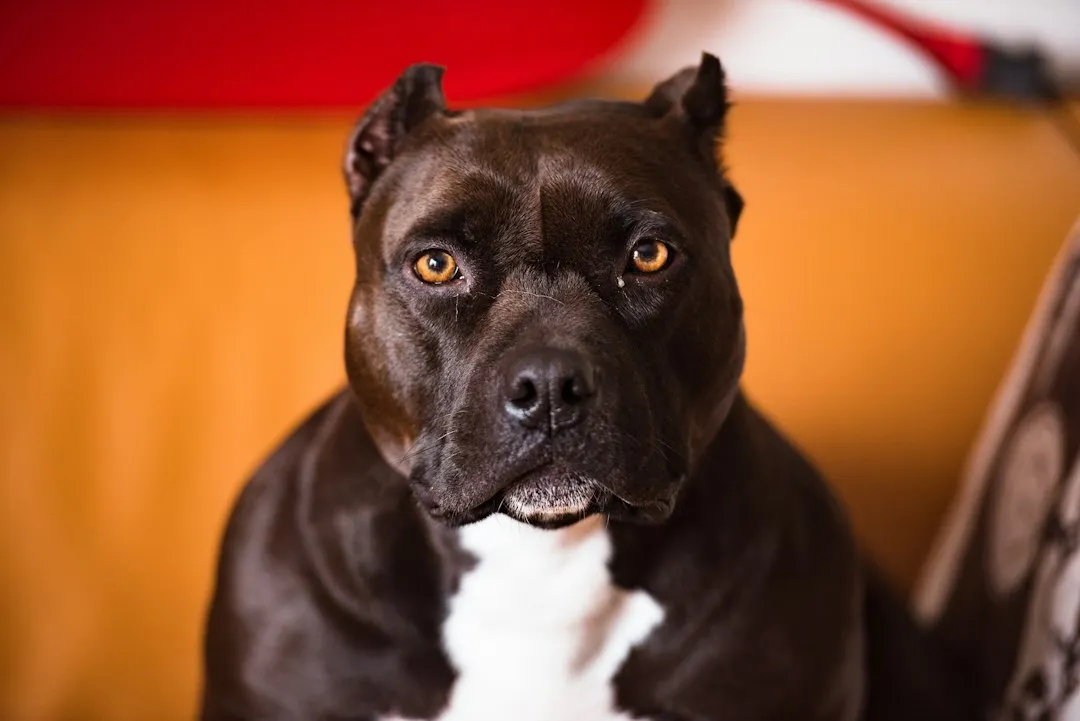
When the white of the eye shows at the edges, nurses take notice.
“Whale eye” is a classic waiting room warning. Nurses also watch for a fixed stare that doesn’t soften.
Behavior experts treat these as stress signals, and they often show up well before a growl. So a dog that “suddenly snapped” often gave a long, quiet warning first.
The eyes work together with the rest of the body. Pinned-back ears, a furrowed brow and lips drawn back tight are other signs. One sign alone proves little. Several together mean much more.
Cats communicate in a completely different way, and it’s easy to mistake for calm.
#17 – The Cat Pressed to the Back of the Carrier

🔥 Would you like to save this?
We'll email this post to you, so you can come back to it later!
A silent cat is not necessarily a calm cat.
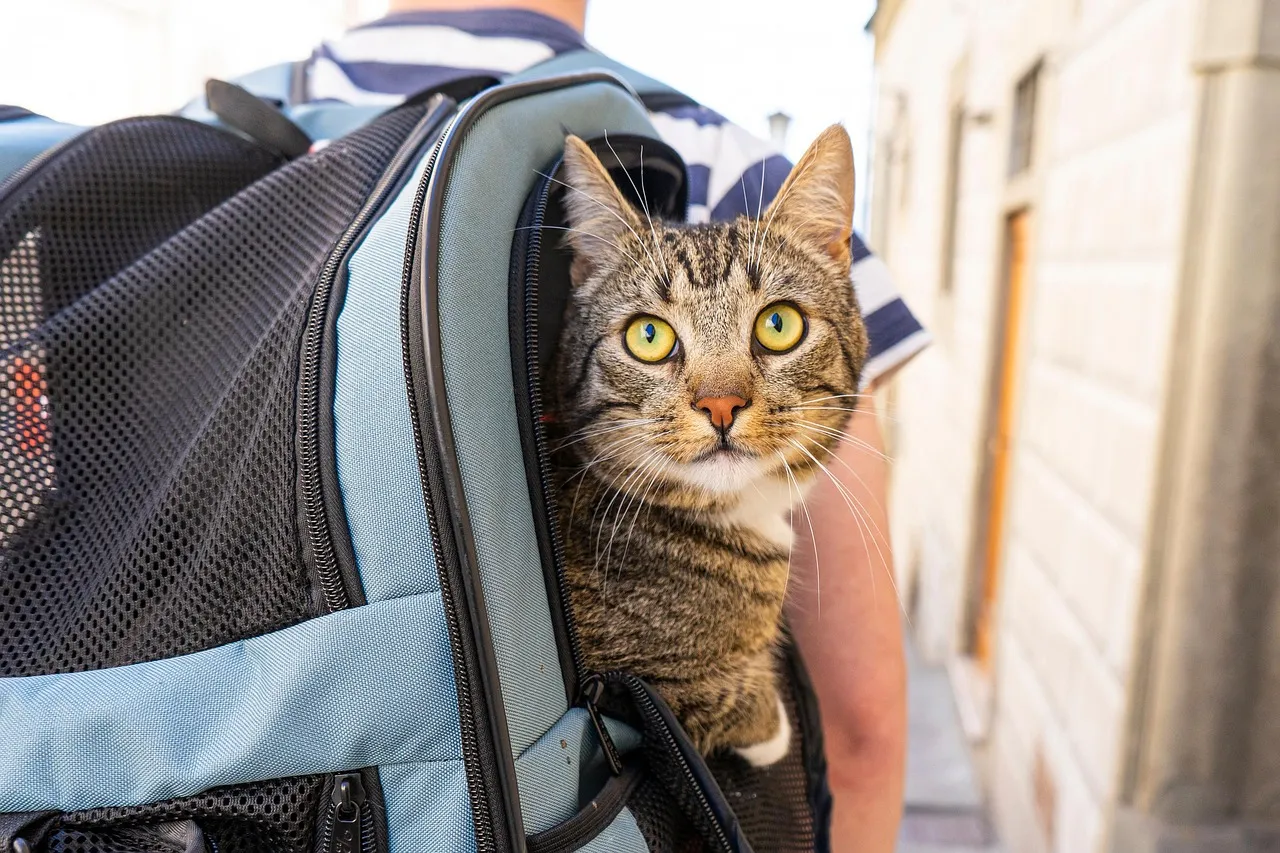
Vets describe the posture clearly: it’s a shutdown response. It can be harder to read than a yowling cat because nothing in the room demands attention.
Freezing is a coping strategy, not a sign that a cat is fine. Staff watch for pinned ears, wide pupils and a body held very low. A cat that looks “so well-behaved” may be terrified.
Cats also show hypervigilance, though they tend to swivel their ears rather than turn their heads. Nurses watch the ears.
Some of those frightened animals get labeled with a word that’s usually wrong.
#16 – The “Aggressive” Pet That’s Actually Terrified
🔥 Would you like to save this?
We'll email this post to you, so you can come back to it later!
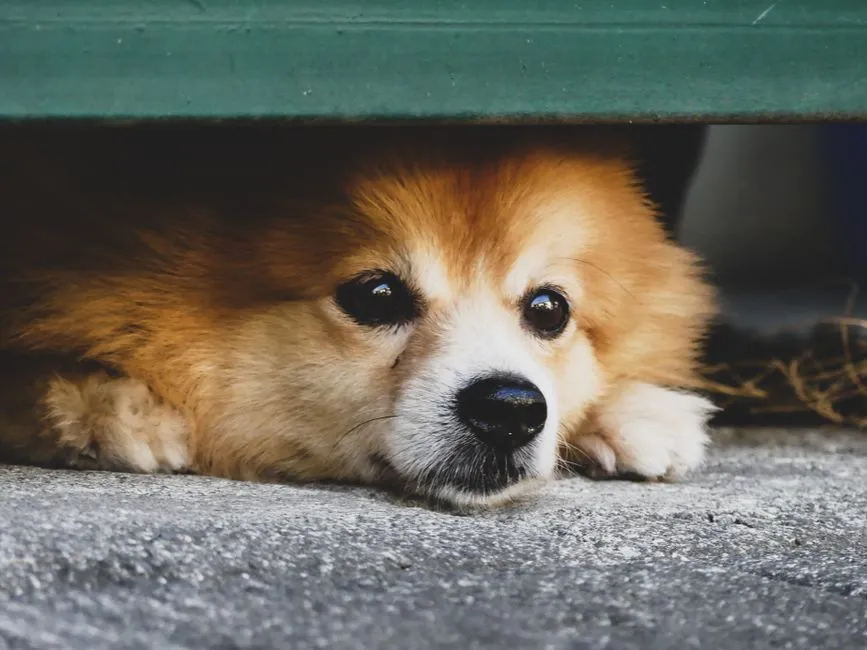
Many pets labeled aggressive are frightened.
Here’s a controversial view. Many nurses and behavior-minded vets argue that “aggressive” is often the wrong word. Snapping and lunging are frequently fear, not bad character.
Owners apologize for “aggressive” pets who are actually terrified. The apology sends the wrong message, because it frames fear as a character flaw.
A friendly pet may growl, hiss, snap or scratch when fear becomes intense. That is worth knowing before you scold anyone in front of the whole lobby.
Harsh reactions may increase fear and damage trust. Nurses would rather you simply said, “She gets scared.”
Quick Compare
- The label that backfires: “She’s aggressive” frames fear as a flaw in character.
- The version nurses prefer: “She gets scared” tells staff how to plan their handling.
- Best timing: Say it at the front desk, before anyone reaches for your pet.
The next signal sounds trivial, but it’s very revealing.
#15 – The Refused Treat
🔥 Would you like to save this?
We'll email this post to you, so you can come back to it later!
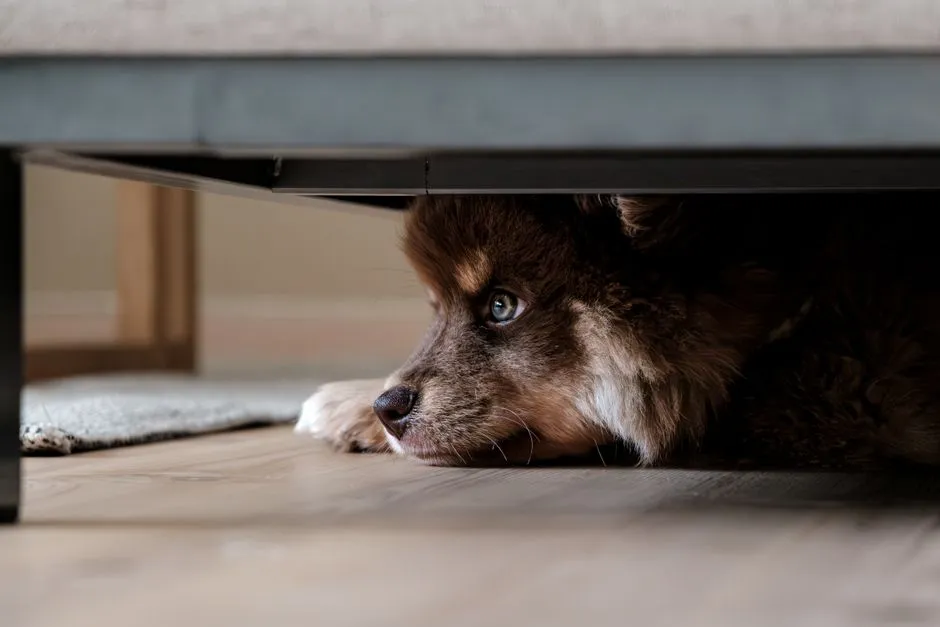
A treat that gets ignored is a red flag.
Many owners bring snacks to the clinic. Refusing treats appears on the list of subtler signs of fear and anxiety in dogs.
Looking or moving away, a wrinkled forehead with ears to the side, and refusing food are all part of that picture. A food-motivated dog that suddenly isn’t interested is telling you something.
Owners often take it as stubbornness. Nurses take it as a measurement of how overloaded the pet is.
Panting can tell a similar story, and it’s also easy to dismiss.
#14 – Panting in a Cool, Quiet Room
🔥 Would you like to save this?
We'll email this post to you, so you can come back to it later!
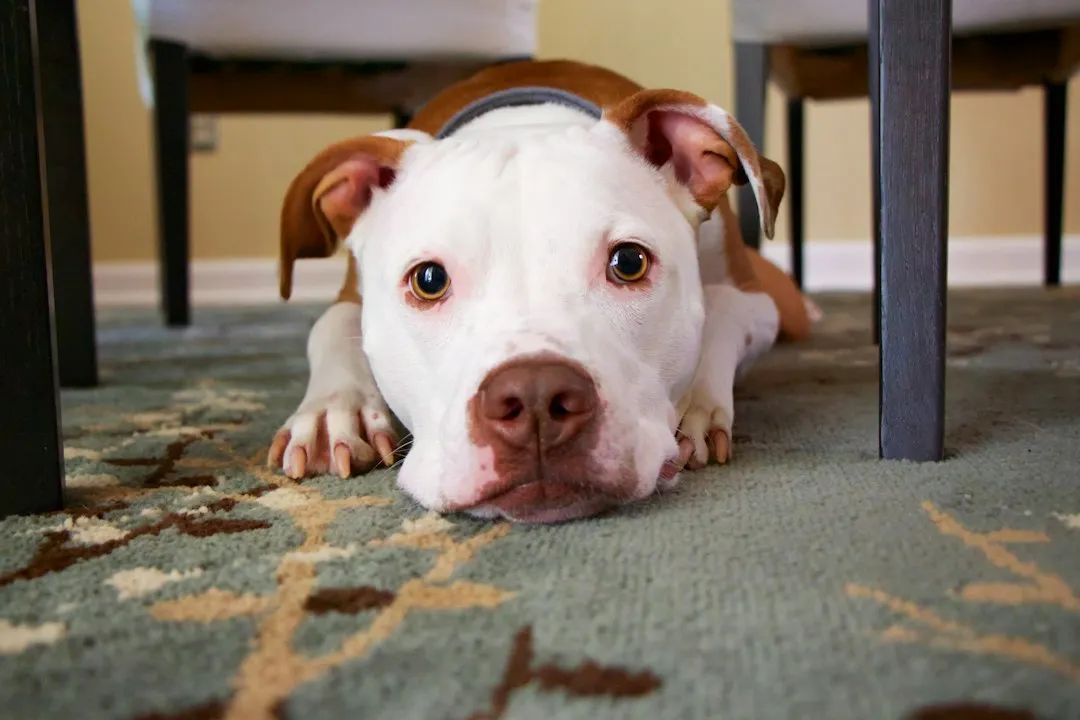
Heavy panting without heat or exercise is a signal.
Panting is normal at the right time. It’s usually fine after play, on a warm day, or when excited, with a loose mouth and relaxed body.
The picture changes in a calm lobby. Heavy panting during a quiet appointment may signal emotional distress. Drooling can join in, because some pets drool more than usual when overwhelmed by travel or handling.
Excessive panting or drooling can start before you even leave the car. The waiting room doesn’t create the stress. It adds to what arrived with you.
Now to the body, where pain tends to leave quiet clues.
#13 – How the Dog Stands

🔥 Would you like to save this?
We'll email this post to you, so you can come back to it later!
Posture can reveal pain a dog will never vocalize.
Nurses look at how weight is spread across the four legs. It takes about two seconds and needs no equipment.
A dog shifting weight off one limb, standing with a rounded back, or tucking its belly up is often uncomfortable somewhere. Dogs rarely cry out about chronic aches. They adapt around them.
Owners usually don’t notice because the change is gradual. The dog at your feet may have stood this way for weeks, so it looks normal.
Common stance flags include:
- Weight shifted away from one leg
- A rounded or hunched back
- A belly tucked up tight
Standing is only half of it. Movement reveals more, and that’s #12.
#12 – The Walk Across the Floor
🔥 Would you like to save this?
We'll email this post to you, so you can come back to it later!
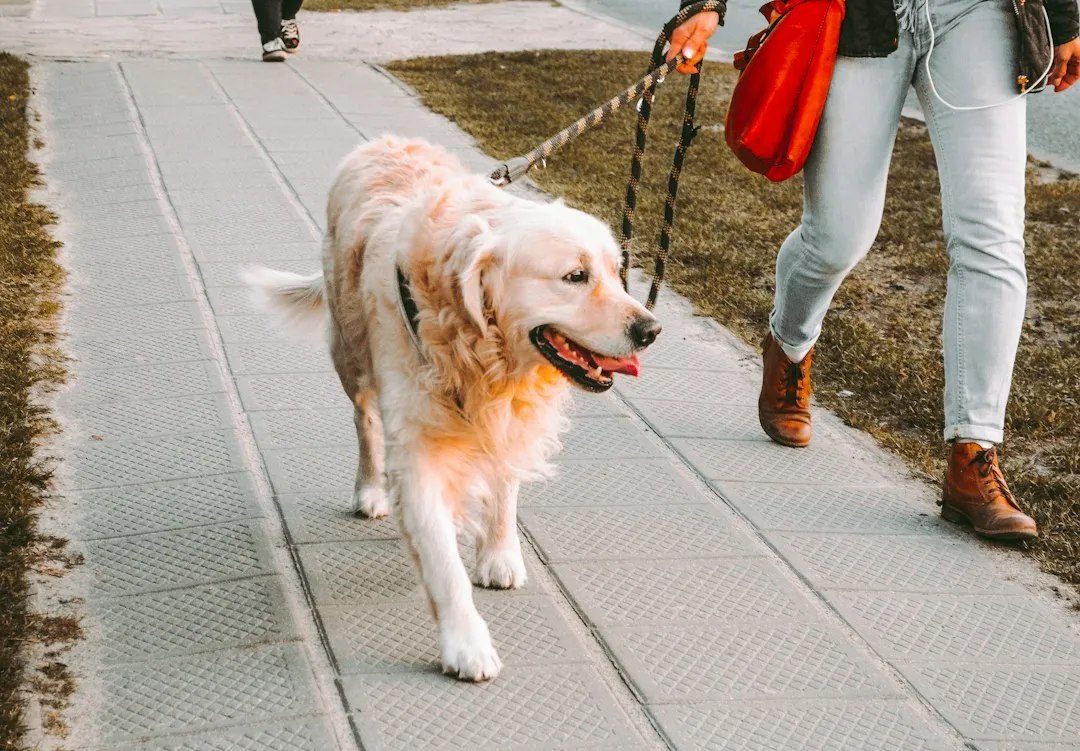
Lameness isn’t always a limp.
Subtle lameness is easy to miss, and nurses watch for it on a flat floor. A lobby floor is a handy place to see it.
With a sore front leg, the dog often lifts its head as the sore leg lands. With a sore back leg, the hip on that side may hike up. Few owners know to watch the head or the hips.
Nurses look at the whole gait pattern, not just whether a leg is favored. Small asymmetries tell them where to examine first.
Getting up and going through doors can be even more telling, and that’s #11.
#11 – The Stiff Rise and the Hesitant Step

🔥 Would you like to save this?
We'll email this post to you, so you can come back to it later!
Joint trouble often shows in the transitions.
Nurses watch pets changing position. They notice a stiff rise from the floor, a hesitant step over the door threshold, or a pet that sits down halfway across the waiting room.
These moments are easy to explain away. “He’s just getting older” is the line nurses hear most often. Age is real, but it isn’t a diagnosis.
A cat that hesitates at a jump or a dog that avoids a step is giving the same message as the pet that plops down mid-lobby.
At a Glance
- Getting up: a stiff, slow rise from the floor
- Doorways: a pause or hesitant step at the threshold
- Mid-lobby: sitting down halfway across the room
- Cats: hesitation before a jump
Many nurses would argue that “slowing down” is the most under-reported symptom in pets. It sounds like personality, but it can be pain. Mentioning it costs you nothing.
Of course, weight changes a pet’s movement too, and that’s #10.
#10 – Body Condition and Coat

🔥 Would you like to save this?
We'll email this post to you, so you can come back to it later!
A pet’s shape tells a story at a glance.
Nurses are trained to score body condition, and the check takes a few seconds, by eye and by touch. To them, a pet’s shape says a lot about how the household feeds it.
Coat quality can also draw attention. Dull, patchy or greasy fur is a prompt to ask questions, not to pass judgment.
The conversation about weight is awkward on purpose. Most nurses would rather give you a straight answer now than watch a pet struggle with its joints later.
Pets aren’t the only ones being read. Owners leak signals too, and that’s #9.
#9 – The Owner’s Jiggling Knee
🔥 Would you like to save this?
We'll email this post to you, so you can come back to it later!
Your nerves are visible from the front desk.
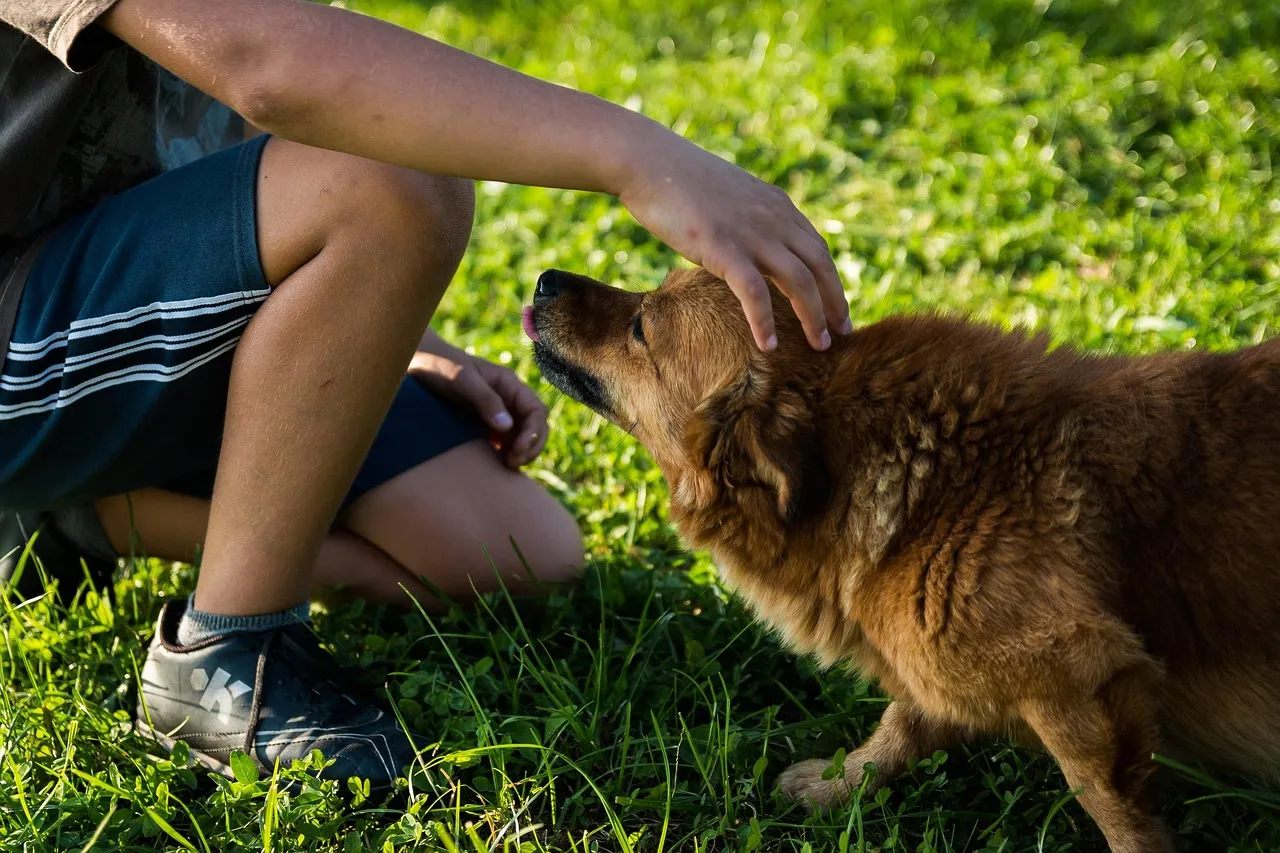
Nurses notice the jiggling knee, the over-explaining and the phone-checking every thirty seconds. None of that is a character flaw. It is just information.
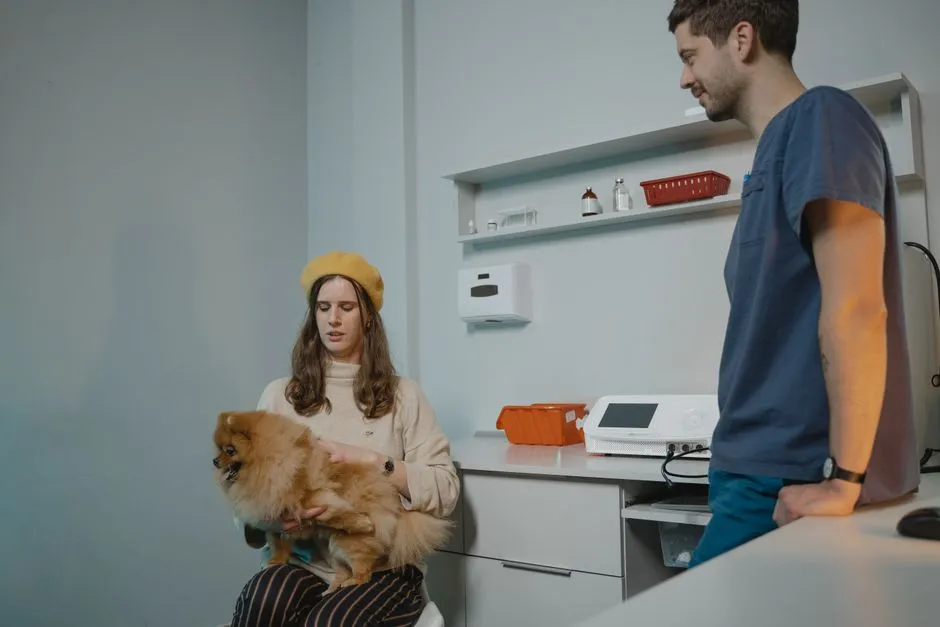
They also notice the owner who goes quiet and pale at the mention of a blood test. That owner needs a slower, clearer explanation, and good nurses adjust.
The reason matters. Anxious owners can hear less, and a worried household can shape how well a care plan gets followed. Nurses read the room to decide how to talk to you.
Your pet may be reading you too. Which brings up a hot take, and that’s #8.
#8 – The Over-Reassurance Reflex
🔥 Would you like to save this?
We'll email this post to you, so you can come back to it later!
Constant “it’s okay, it’s okay” may be doing the opposite of what you intend.
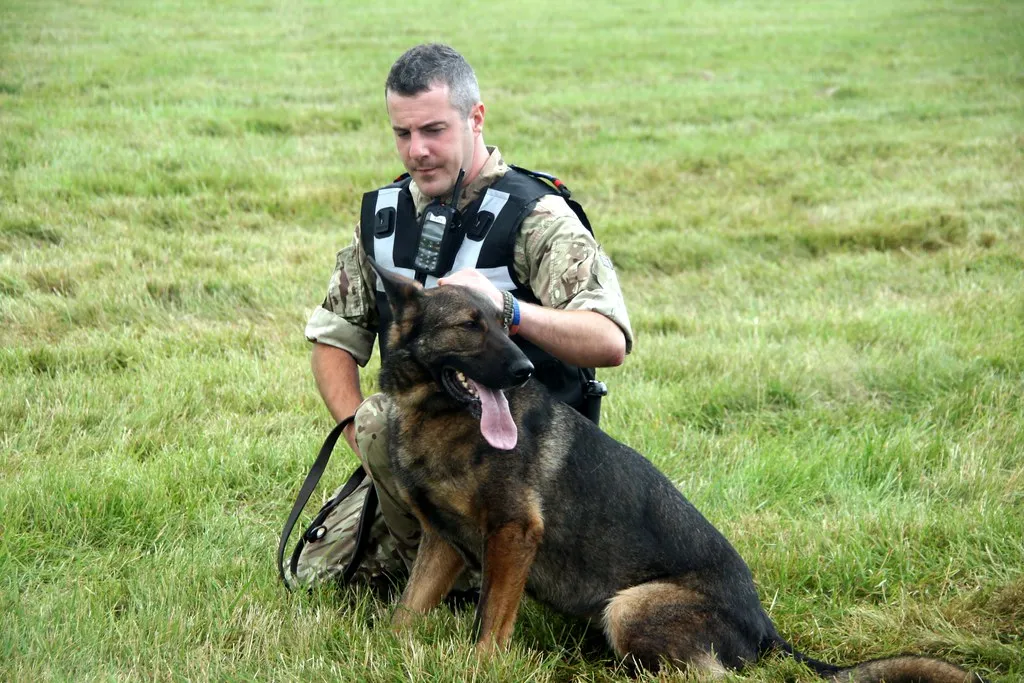
Here’s an opinion that gets nurses arguing. A tight leash, a high-pitched “it’s okay, it’s okay,” and hovering can amplify nerves. Whether it helps or hurts depends on the animal, and the evidence is mixed.
Animals pick up on tension through voice and body. A shaky voice can sound like an alarm.
Calm often works better than commentary. A steady tone, relaxed shoulders and a little space give most pets something stable to follow.
Some pets don’t make any noise at all, and that raises its own questions at #7.
#7 – “He Never Makes a Sound”
🔥 Would you like to save this?
We'll email this post to you, so you can come back to it later!
Owners say it proudly. Nurses hear it differently.
“He’s so good, he never makes a sound.” Many nurses hear that line and look closer. Silence isn’t always calm.
It can mean a pet is handling things well. It can also mean a pet has shut down, as cats do in a carrier. Context decides.
Nurses compare the body to the words. A pet that is frozen, rigid or fixed on the door isn’t relaxed, however quiet it is.
Signs nurses use to tell the two apart:
- Comfortable: loose body, ears relaxed, tail resting, eyes soft with slow blinks
- Frozen: belly low, tail wrapped tight, body rigid, eyes fixed and unblinking
Other animals in the room change everything, and that’s #6.
#6 – The First Sniff
🔥 Would you like to save this?
We'll email this post to you, so you can come back to it later!
A pet’s greeting of a stranger shows how it was socialized.
A loose, wiggly body signals comfort, while a stiff stare or a lunge signals trouble. Both give nurses something useful.
The room changes the stakes. Research shows cats display stress signs in the waiting room, particularly when unfamiliar dogs are present. A friendly dog can still be a threat to a frightened cat.
Staff usually keep dogs on leashes and cats in carriers for exactly this reason. Letting your dog “say hello” is a common mistake. Not every pet wants the introduction.
Some of the loudest signals in the room aren’t visible at all, and that’s #5.
#5 – The Smell Nobody Mentions
🔥 Would you like to save this?
We'll email this post to you, so you can come back to it later!
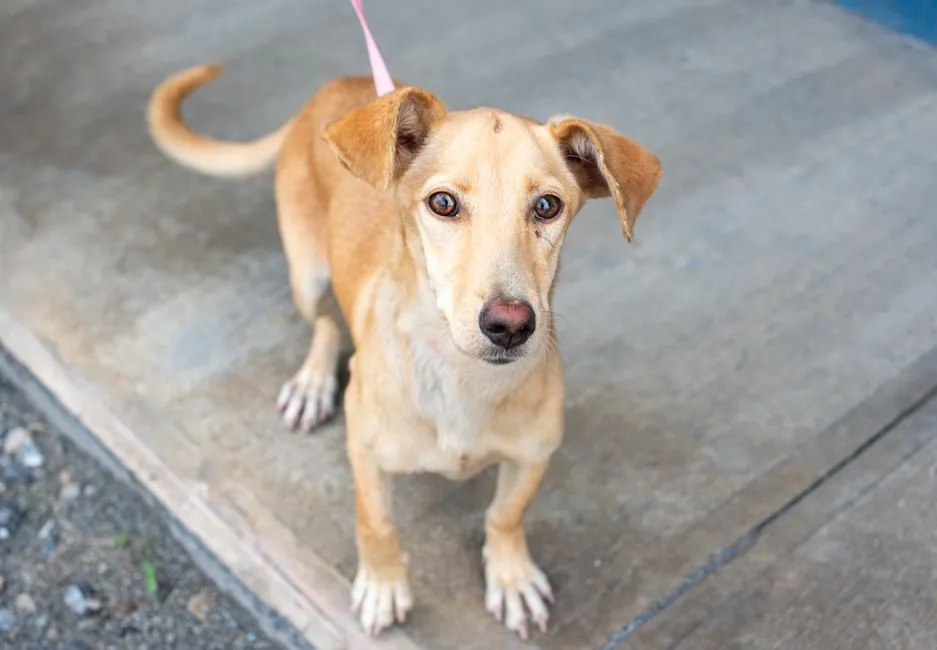
Frightened pets may leave a chemical trail.
Dogs and cats can smell fear-related chemical signals from other frightened pets. Nurses can’t smell them, but they can see the effect on animals that arrive calm.
Stressed animals are thought to release alarm signals, including from the paw pads and anal glands, and these can unsettle other patients. That is one reason clinics clean often. It’s about odor, not just hygiene.
Nurses also use their own noses and ears to understand a patient. The sensory world of a clinic is much bigger than the one humans notice.
Antiseptic smell matters too. A single difficult experience, a painful procedure, a cold exam table or the sting of antiseptic can create lasting anxiety.
The people in the room reveal something different, and that’s #4.
#4 – Who Moves First When a Pet Cries
🔥 Would you like to save this?
We'll email this post to you, so you can come back to it later!
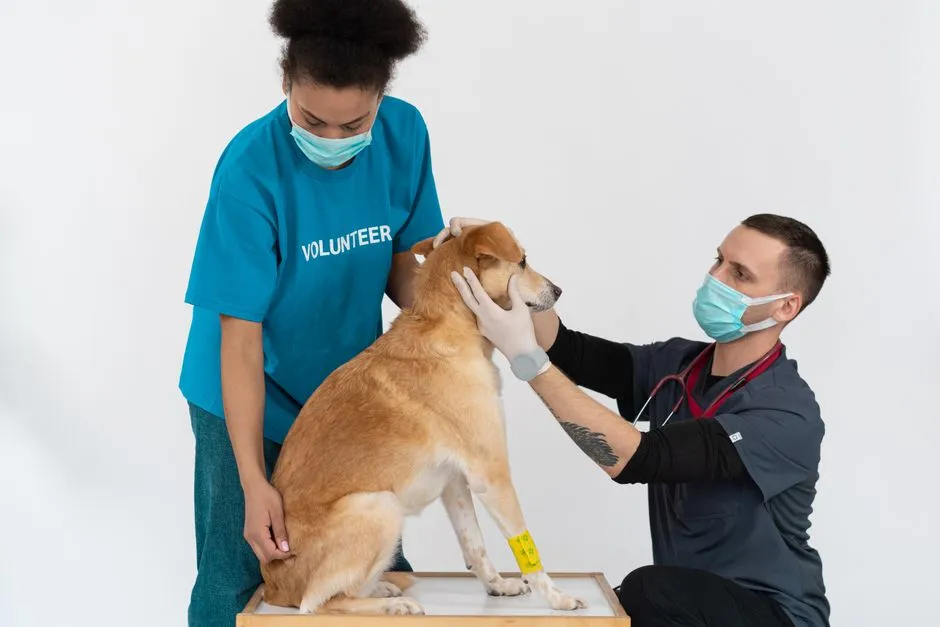
The person a pet looks to is part of the exam.
Some nurses report that a whimper triggers an instant reaction. One person leans in or murmurs, while another freezes or looks to someone else for cues. These are informal observations, not controlled research.
According to those accounts, nurses note who moves first because that’s who the pet looks to for reassurance, and who the pet will tolerate holding them during an injection. It’s a practical point.
Household roles show up too. A child who pets gently versus one who grabs, or a pet who keeps looking to one person, tells a vet who shapes the animal’s day.
Your vocabulary tells nurses even more, and that’s #3.
#3 – The Words You Choose
🔥 Would you like to save this?
We'll email this post to you, so you can come back to it later!
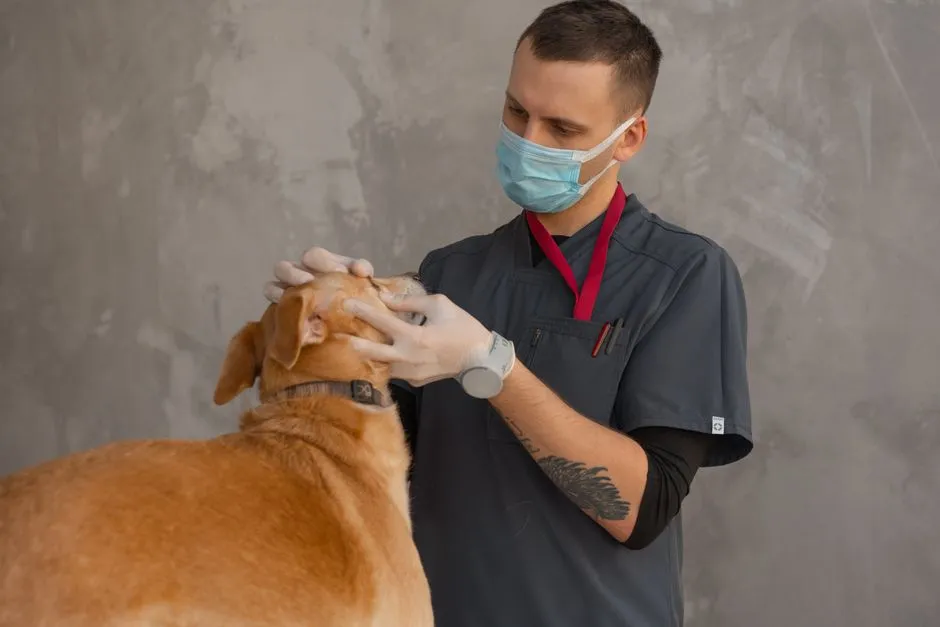
“Off his food” and “he’s fine” are very different sentences.
Some nurses say they pay close attention to how owners describe things. Owners who say “he’s been off his food” are usually more attuned than those who say “he’s fine, just here for a checkup” while the dog is visibly limping.
The mismatch is the point. An owner who says “he’s totally fine” while the dog shows three stress signals at once gives a vet useful information. The behavior contradicts the words.
This is not about blame. Owners downplay symptoms from fear, denial or habit. But specifics help. Which ear, which side, which body area seems to bother your pet is the kind of detail nurses love.
Worth Knowing
- Name the exact spot: which ear, which side, which limb.
- Say when you first noticed the change.
- Describe what you saw rather than what you assume it means.
- Mention the “small” things, like a skipped meal or a slower walk.
The most important thing you can do in the lobby is #2.
#2 – The Symptom You’re Sitting On
🔥 Would you like to save this?
We'll email this post to you, so you can come back to it later!
Waiting your turn can be the wrong move.
Owners are polite. They sit quietly and wait to be called, even when something looks wrong. Nurses see this often.
If you see something concerning, tell the front desk right away rather than waiting your turn. Nurses would far rather you interrupt than sit quietly. The desk can triage faster than you can.
What counts is a change, not a diagnosis. Heavy breathing, a pet that can’t settle, or a sudden collapse of energy is worth a word at the desk.
The last impression may change how you see the whole room, and that’s #1.
#1 – The Waiting Room Isn’t the Worst Part
🔥 Would you like to save this?
We'll email this post to you, so you can come back to it later!
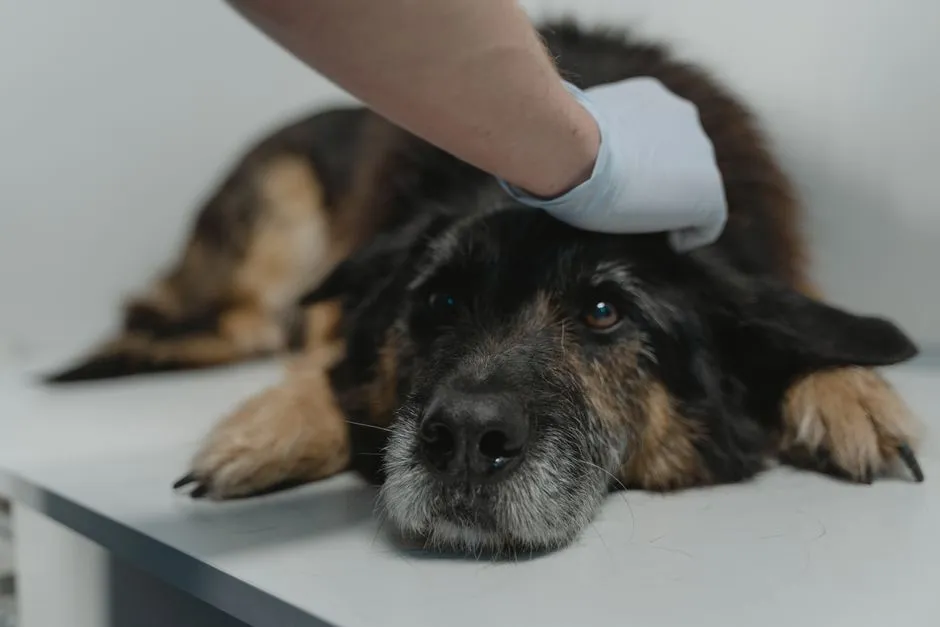
Your pet’s stress may peak somewhere you aren’t watching.
One study found that dogs found being weighed more stressful than sitting in the waiting room. Owners often blame the lobby, but the scale may be worse.
Stress also changes the results. Vets measure things like heart rate and temperature during a visit, so the more stress, the less accurate those numbers can be. A frightened pet gives a distorted picture.
That’s why nurses read the room early, and why many treat the waiting room as part of the care, not an obstacle before it. Fear Free-style clinics go further. Their staff are trained to read body language and may pause a procedure if stress signals escalate.
Fast Facts
- One study found dogs were more stressed by being weighed than by the waiting room.
- Stress can skew heart rate and temperature readings.
- Fear Free-style teams are trained to read body language and may pause a procedure.
- Early observation is part of the care, not a delay before it.
You can start doing that too. Watch the whole animal, and trust the quiet signs over the loud ones.
Nurses aren’t judging you. They’re collecting data, and the surprising part is how much of it you hand over without a word: a clenched leash, a yawn you took for boredom, a silent cat you thought was calm.
My opinion: the biggest mistake in waiting rooms is trusting a pet that looks easy. Quiet is not calm. “Fine” is not a symptom report. Interrupting the front desk beats waiting politely. Learn a few signals, say what you see in specifics, and stay steady yourself.
Which of these signals would your pet give away first?

- 7 Everyday Habits That Can Make Your Senior Dog Happier - November 5, 2026
- 10 Enigmatic Structures That Continue to Puzzle Scientists Today - November 5, 2026
- 10 Strange Ruins in the Americas That Challenge What We Know About Early History - November 5, 2026