
Ask any national park visitor what happens the moment their guide’s van pulls away, and most will shrug: “Nothing, I guess. They probably forget about us instantly.” That assumption is almost completely backwards.
The truth is messier, funnier, and far more revealing than most people expect. Guides don’t forget – they debrief. They compare notes, replay near-misses, and quietly rank groups by how much they actually listened. By the time you finish this list, you’ll never look at a “goodbye, safe travels!” the same way again.
#22 – “They Had No Idea How Close They Came to Real Trouble”
🔥 Would you like to save this?
We'll email this post to you, so you can come back to it later!
The first thing many guides admit once the doors close is some version of: “They have no idea how close that actually got.” Visitors chronically underestimate how fast a small mistake turns into a real emergency.
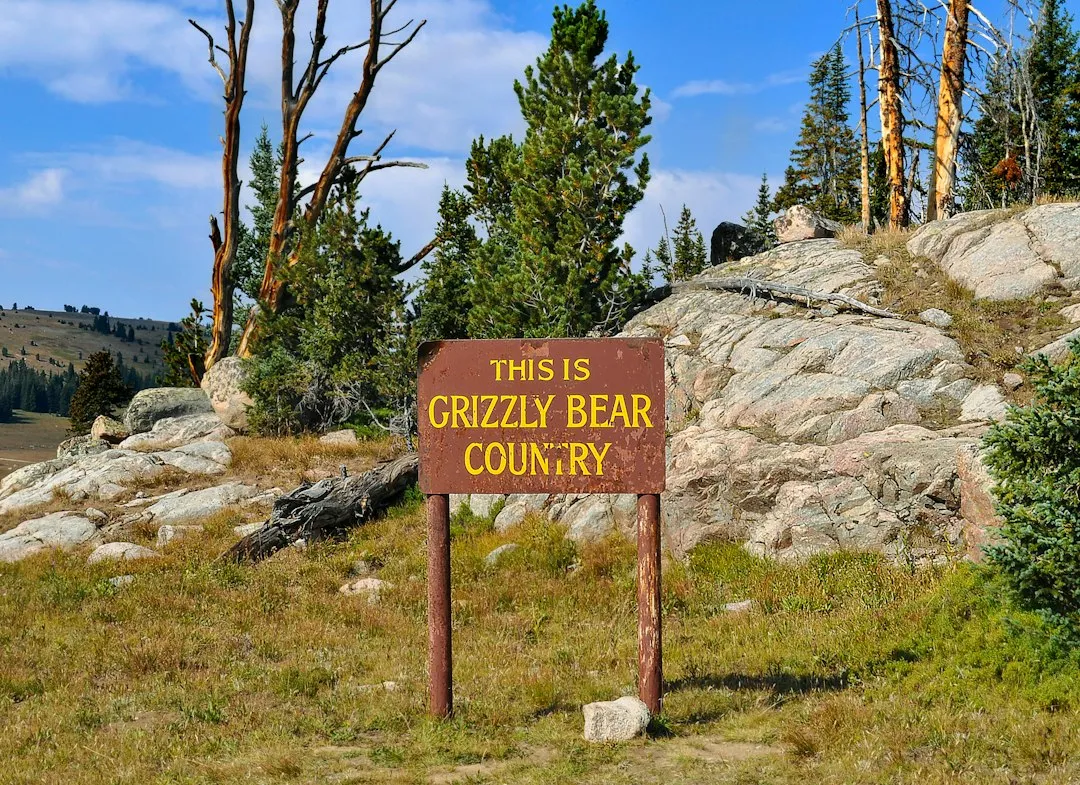
A few feet off-trail near a cliff edge. Wandering ahead alone in bear country. Letting a toddler run loose near fast-moving water. To the group, it feels like an adventure. To the guide, it’s a controlled panic hiding behind a calm voice.
Guides are trained to de-escalate quietly, but their heart rate spikes long before anyone else notices. On the ride back, they replay it all – the dad backing toward a drop-off while filming, the teenager who tried to touch a wild animal, the couple who squatted in tall grass exactly where rattlesnakes like to hide.
- “If that rock had shifted an inch, that’s a different day entirely.”
- “One more step and I’d have been calling for a rescue, not a ride.”
That’s a sobering start – but wait until you hear what actually earns a guide’s respect.
#21 – “They Actually Listened. That Almost Never Happens.”
🔥 Would you like to save this?
We'll email this post to you, so you can come back to it later!
When a group truly follows instructions, guides talk about it like they just spotted a unicorn on the trail. Most visitors assume they’re “pretty good” at following rules. Guides see the opposite constantly: food left out in bear country, people stepping over safety lines, hikers who refuse to carry enough water because the bottle looked heavy.
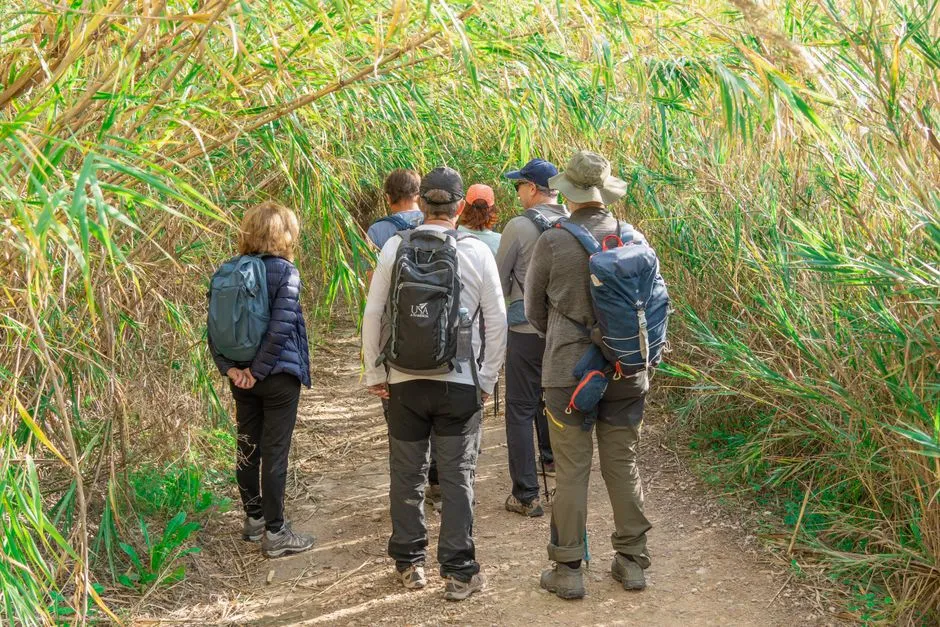
So when a group genuinely listens – packs correctly, stays together, keeps a respectful distance from wildlife – guides light up. You’ll hear things like “they were completely dialed in” or “I didn’t have to repeat myself ten times for once.”
A group that listens doesn’t just make the day easier. It cuts the guide’s stress in half and frees them up to actually do their job: sharing stories, science, and the secret viewpoints they don’t show everyone.
- Nobody groaned when asked to spread out behind the guide.
- People carried their own trash back instead of “forgetting” it on a rock.
Good behavior earns trust fast – but guides can also read your entire trip history before you say a word. Here’s how.
#20 – “You Can Always Tell Who Planned the Trip”
🔥 Would you like to save this?
We'll email this post to you, so you can come back to it later!
The moment the van doors close, guides play a private little game: guess who booked this thing. They’re almost always right.
The planner is usually the one checking the map obsessively, asking about start times and bathrooms, looking equal parts excited and exhausted. Guides will say things like “mom clearly planned this for months” or “the quiet one in the back is the trip architect.”
They can tell from the questions, the gear choices, even the group’s overall mood, exactly who dragged everyone out of bed at 5 a.m. But they also notice the flip side – resentment. When half the van clearly didn’t want to be there, guides clock the eye rolls, the constant phone-checking, the endless “how much longer?”
At a Glance
- Trip planners usually ask the most logistics questions before the group even starts moving.
- Guides can often spot the “planner” within the first few minutes of a tour.
- A group’s overall mood tends to mirror how much buy-in the planner got from everyone else.
Later, in private, it comes out plainly: “She worked so hard to get them here, and they never even looked up from their phones.” Planning effort is one thing guides can spot instantly. Gear choices are the other – and they read those even faster.
#19 – “Their Gear Told Me Everything Before They Even Spoke”
🔥 Would you like to save this?
We'll email this post to you, so you can come back to it later!
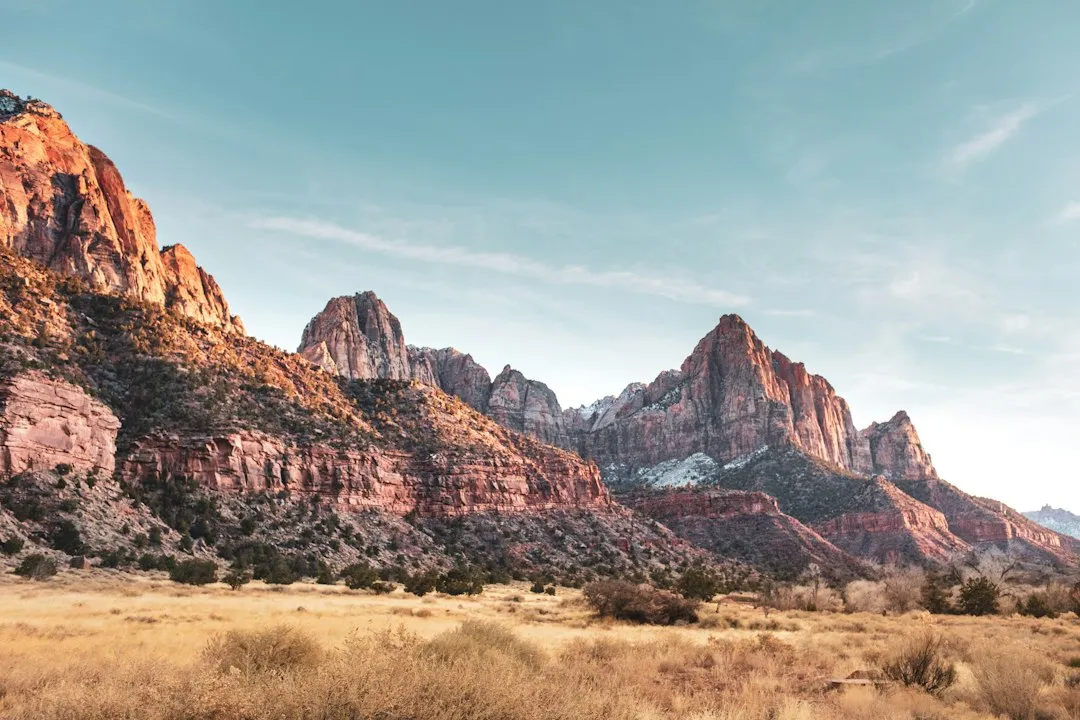
Guides size you up fast, but not the way most people assume. Brand-new, expensive gear doesn’t impress them – it often signals the opposite. What they’re really reading is whether your gear matches the actual environment.
Wrong shoes for loose rock. Cotton hoodies in a wet climate. One tiny water bottle for a four-hour hike. Those are the red flags that make a guide quietly brace for a long day.
Meanwhile, sunscreen, a hat, a real backpack instead of a fashion bag, and a refillable bottle all say the same thing: this person has done this before.
- “Saw the flip-flops. Knew exactly how the day was going to go.”
- “Three layers and a hat before sunrise? They’d clearly done their homework.”
Later in the van, the verdict often lands hard: “The family in jeans outperformed the guy in eight-hundred-dollar gear.” Gear tells one story – how you react to wildlife tells a much scarier one.
#18 – “They Thought We Were Being Overdramatic About Wildlife”
🔥 Would you like to save this?
We'll email this post to you, so you can come back to it later!
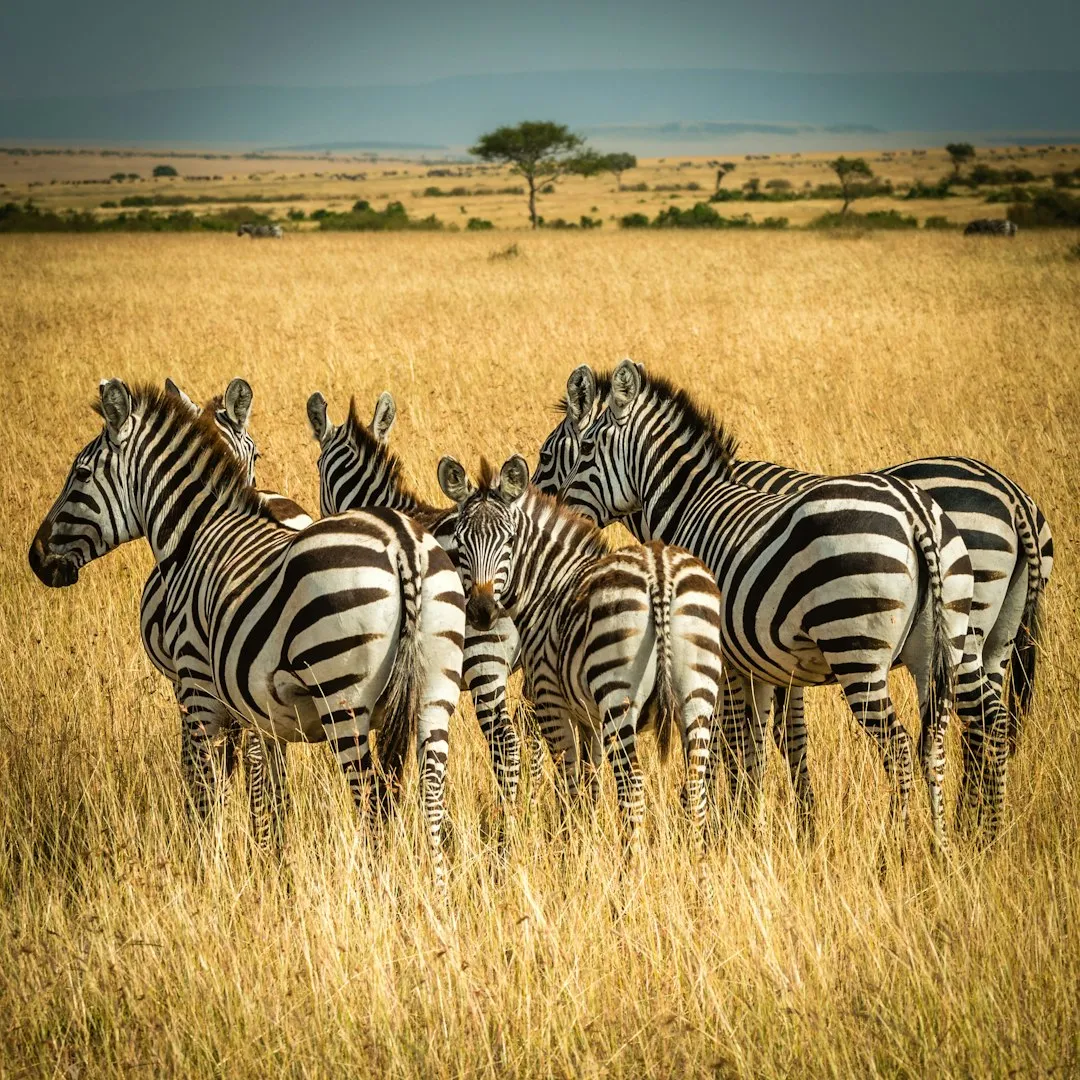
One of the most common lines once the vehicle pulls away: “They have no idea how wild that animal actually was.” To visitors, a bear near the road or a bison in a meadow can feel like a zoo exhibit. To guides, those are unpredictable, 600-to-1,500-pound animals that can close distance faster than anyone expects.
When a guest inches closer “for just one quick selfie,” the guide is already calculating an escape route in their head – calmly, without anyone noticing.
After the doors close, the honesty comes out:
- “He really turned his back on a bull elk in rut?”
- “They still don’t understand a bison can outrun them without even trying.”
Guides also remember – and appreciate – the people who stayed quiet, kept their distance, and never pressured them to get “just a little closer.” Some will say it flat out: “Most people don’t realize how lucky they got today.” Wildlife danger is external. What happens next is entirely about the kids in the group – and it can go either way.
#17 – “The Kids Either Saved the Day or Completely Derailed It”
🔥 Would you like to save this?
We'll email this post to you, so you can come back to it later!
Ask guides privately, and many will admit the kids often decide whether a trip feels smooth or chaotic. Curious children who ask questions and actually listen can turn an entire tour into a storybook.
Guides love it when a kid asks how old a tree is, spots animal tracks before the adults do, or reminds their own parents, “The guide said stay on the trail!”
But a bored, overstimulated kid with zero boundaries can unravel the whole group’s focus. Once the doors close, you’ll hear things like “those parents were completely checked out; their kid was climbing everything in sight,” right alongside, “that little girl knew more dinosaur facts than half the adults combined.”
Guides also notice which parents model good behavior – the ones who quietly pick up trash or point out scenery instead of scrolling. Those are the moments that make a guide say, “That kid is going to grow up into a respectful hiker.”
#16 – “You Can Spot the Secret Nature Lover Every Time”
🔥 Would you like to save this?
We'll email this post to you, so you can come back to it later!
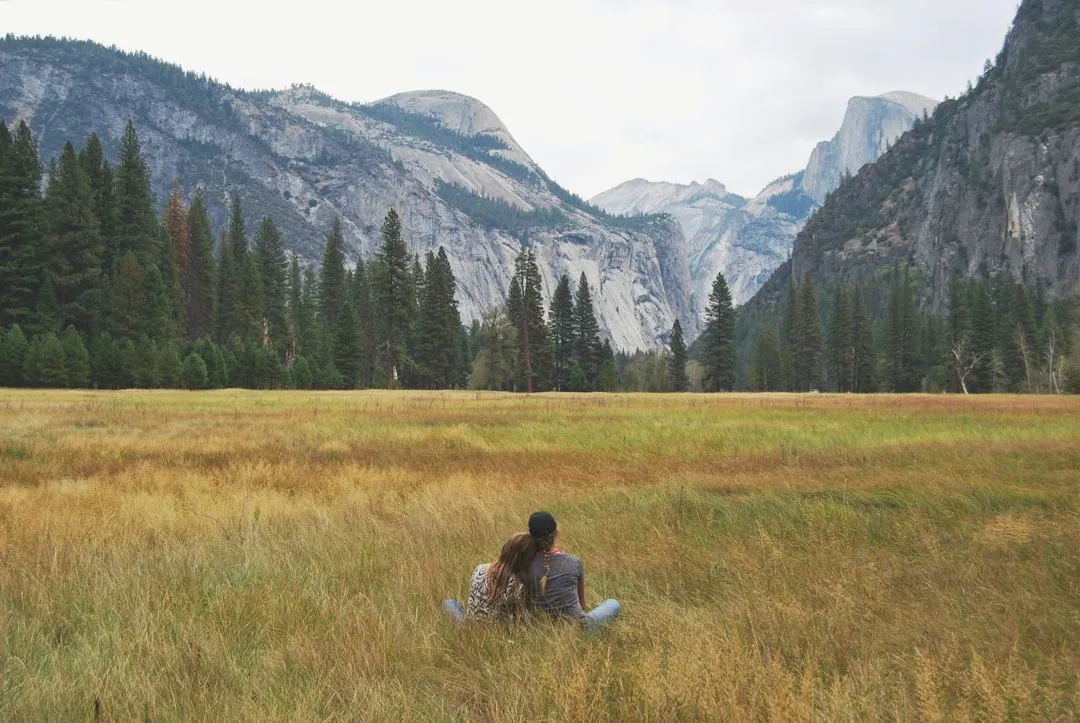
Even in a grumpy, reluctant group, there’s almost always one person whose eyes light up at the smallest thing – moss on a rock, a hawk overhead, the distant sound of a waterfall. Guides adore these people.
They’re not always the loudest. Usually they’re the ones who linger a second longer at a viewpoint, ask a quiet and thoughtful question, or whisper “wow” instead of shouting for a selfie.
In the van afterward, you’ll hear things like, “That teenager in the black hoodie? Totally into it,” or “Grandpa was the only one who actually saw the canyon.” Guides often quietly tailor part of the tour around that one engaged person, slipping in an extra story or a small detour because they know someone genuinely cares.
That single person can shift a guide’s entire energy for the day – proof that enthusiasm is contagious even when it’s silent. Not everyone earns that kind of attention, though. Some people are there for a very different reason.
#15 – “Half the Group Was There for the Photo, Not the Place”
🔥 Would you like to save this?
We'll email this post to you, so you can come back to it later!
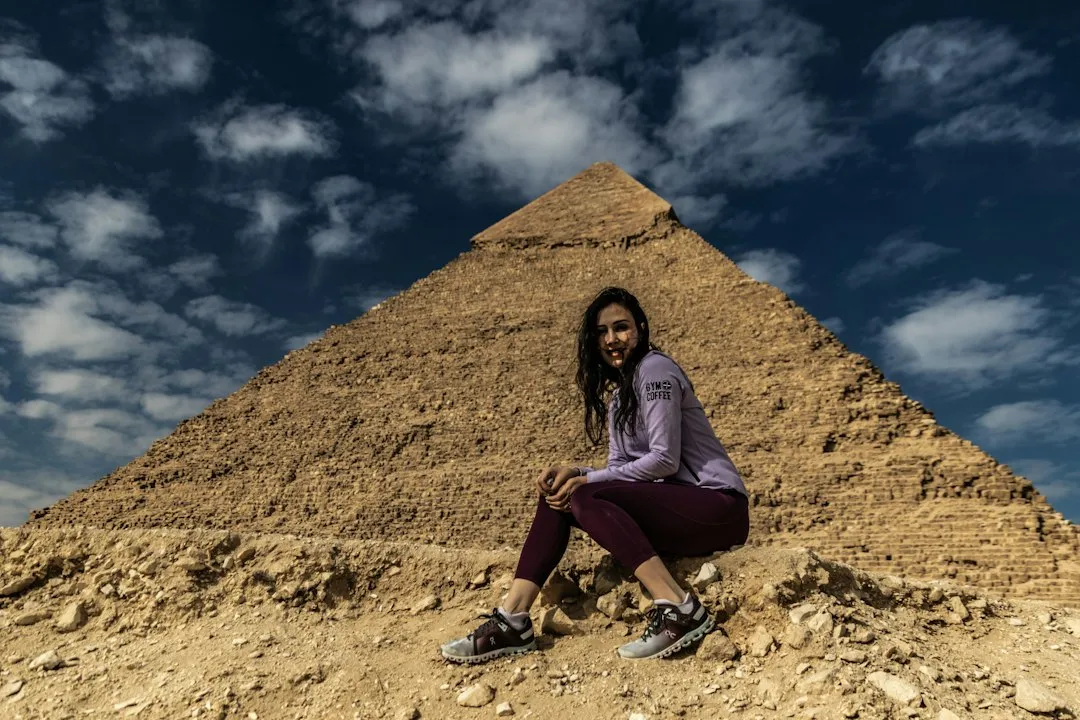
Guides aren’t anti-photo – they take thousands of pictures a year themselves. What makes them roll their eyes is when the shot matters more than the actual experience.
Once the doors shut, the commentary gets blunt: “They saw the view through a lens, not their own eyes,” or “we spent ten minutes posing and two minutes actually looking at it.”
They notice people turning their backs to a vista for a photo, outfit changes at overlooks, and complaints about “bad lighting” while an actual rainbow is forming behind them.
- To guides, the saddest outcome is a group that leaves remembering only the pose, not what they learned.
- Some guides privately rank “photo-obsessed” tours as their least satisfying days on the job.
They’ll compare days openly: “Yesterday’s group barely took a photo but asked incredible questions. Today was ninety percent Instagram.” Exhaustion tells a different story entirely – and it usually isn’t the group’s fault.
#14 – “They Were Exhausted Before We Even Started”
🔥 Would you like to save this?
We'll email this post to you, so you can come back to it later!
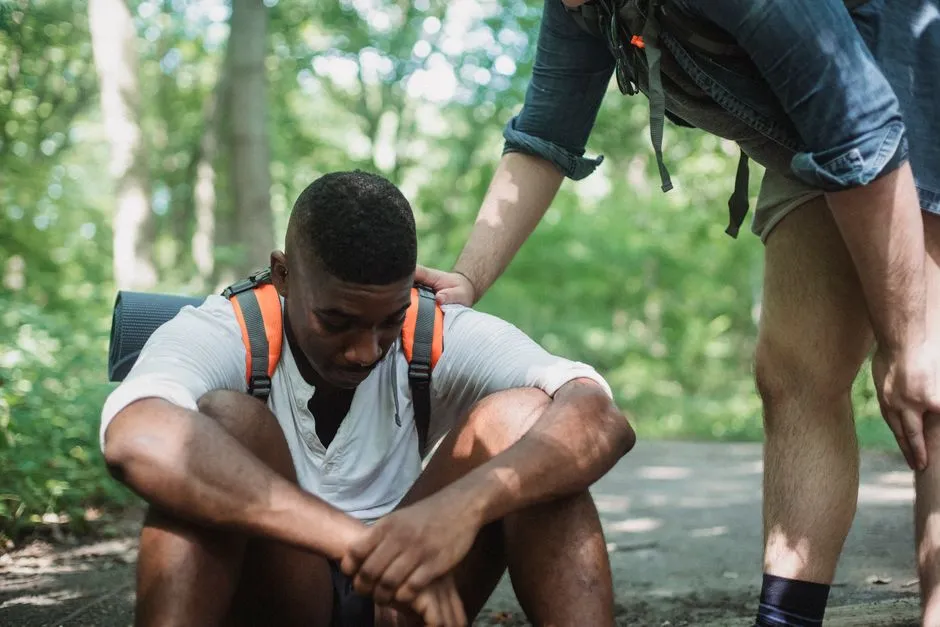
Guides can smell sleep deprivation from a mile away. “They tried to cram three parks into two days” or “I knew they’d hit a wall by lunchtime” are common post-tour lines.
Dark circles, short tempers, constant coffee runs – those aren’t personality flaws. They’re trip-planning errors. Behind the scenes, guides know most visitors stack far too much into too few days, and jet lag plus early starts plus long drives is a guaranteed recipe for a meltdown.
Worth Knowing
- Most guided park hikes run several hours, longer than many visitors plan for.
- Early starts are common in busy parks to beat afternoon heat and crowds.
- Being well-rested and hydrated before a hike lowers the risk of heat exhaustion.
- Guides often recommend building in a rest day between demanding park visits.
Most blowups on the trail aren’t really about the trail at all. They’re low blood sugar and no sleep, wearing a hiking boot.
In the van afterward, guides will say, “If they’d built in one rest day, this would’ve been the highlight of their whole trip.” They’re not judging your fitness. They’re judging your itinerary.
#13 – “The Group Dynamic Was Set in the First Ten Minutes”
🔥 Would you like to save this?
We'll email this post to you, so you can come back to it later!
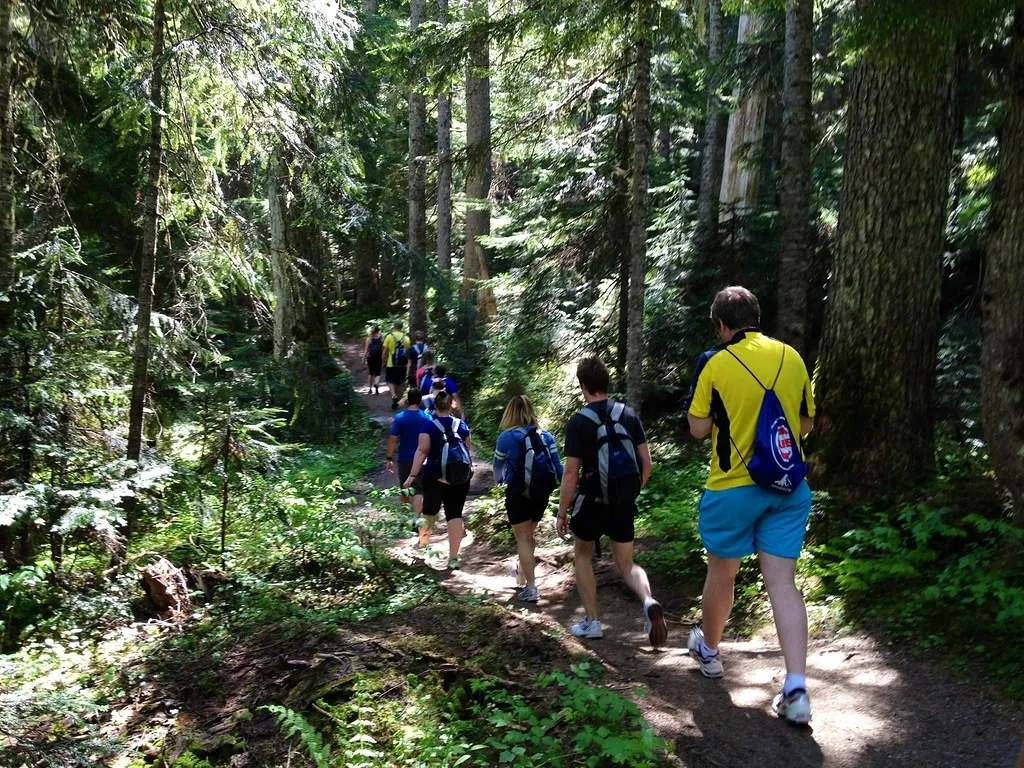
Guides often know exactly how a day is going to unfold before the first bathroom stop. They’re quietly reading who talks over others, who hangs back, who cracks jokes versus who’s silently observing everything.
Later, they’ll say things like “the loud guy up front? Totally harmless,” or “the one rolling her eyes at every safety talk – that’s who I watched all day.”
Social chemistry matters more than physical fitness. A weaker hiker with a great attitude is always easier to guide than a fit person who complains the entire time.
- “They turned into an actual team on that steep section.”
- “They never clicked – everyone stayed in their own bubble the whole day.”
Guides know when a group has that rare “trail family” feeling – and when strangers will forget each other by the parking lot. Weather, on the other hand, humbles almost everyone equally.
#12 – “They Were Genuinely Shocked Nature Isn’t Air-Conditioned”
🔥 Would you like to save this?
We'll email this post to you, so you can come back to it later!
Guides quietly laugh about how many people are blindsided by basic weather. “They thought ‘desert’ meant hot all day, not freezing at sunrise,” or “they didn’t believe it could hail in the middle of summer” are running jokes among staff.
Common patterns they see: people underestimating how intense sun is at high elevation, visitors from humid climates stunned by how fast dry air dehydrates them, and folks decked out in brand-new park merch with zero layers for a sudden storm.
They’re not mocking where you’re from. They’re frustrated because the weather warnings that sound like overkill on paper are almost never overkill in practice.
To a guide, the group that packed rain gear on a bluebird-sky day isn’t paranoid – they’re the ones who actually listened. And that instinct to prepare tends to say a lot about why someone showed up in the first place.
#11 – “Some of Them Only Came Because It Was on a Bucket List”

🔥 Would you like to save this?
We'll email this post to you, so you can come back to it later!
Guides can tell almost instantly who’s there for the park itself and who’s just checking a box. The box-checkers ask where to get the best photo for the fridge magnet, talk more about their next destination than the one they’re standing in, and leave saying “okay, what’s next?” instead of “that was incredible.”
Later, back at the guide shack, you’ll hear something like, “For them, it was like visiting a famous restaurant, not an ecosystem.”
Meanwhile, the visitors who are genuinely moved go quiet at lookout points. They linger. They ask how climate change is affecting the area.
Guides aren’t offended if it’s just a bucket-list stop for you – but they’ll be honest about it later: “They didn’t really let it sink in.” Money, interestingly, has almost nothing to do with who does.
#10 – “Money Never Predicted Who Was Respectful”
🔥 Would you like to save this?
We'll email this post to you, so you can come back to it later!
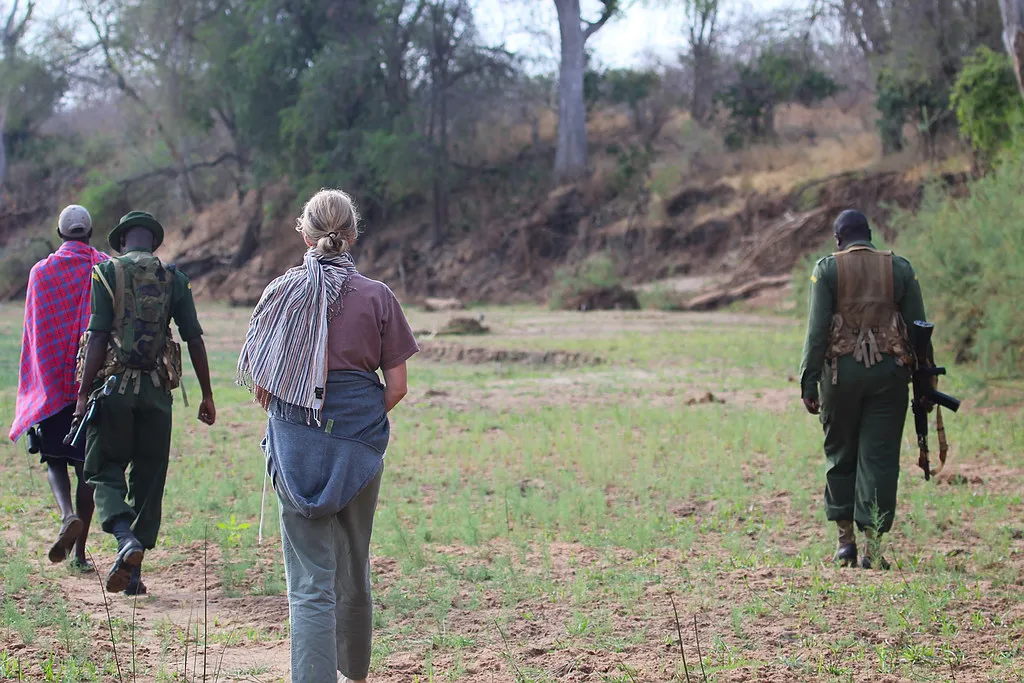
Here’s something most people don’t want to hear: guides care far more about behavior than budget. They’ve watched people in luxury gear leave trash behind, and budget travelers treat the same trail like sacred ground.
They’ve seen big tippers ignore every rule, and modest tippers quietly pick up litter they didn’t even drop.
There is nothing so American as our national parks.
Theodore Roosevelt
That idea only holds up if people actually treat the land like it belongs to everyone – not just to whoever paid the most for the trip. To guides, the real status symbol isn’t your outfit or your rental car; it’s whether you say thank you, stay patient, and respect the limits you’re given.
- “That guy in the beat-up rental? Nicest guest all week.”
- “The family bragging about their five-star resort trashed the trail.”
Looks, it turns out, are just as deceiving when it comes to physical ability.
#9 – “They Were Way Fitter (or Way Less Fit) Than They Looked”
🔥 Would you like to save this?
We'll email this post to you, so you can come back to it later!
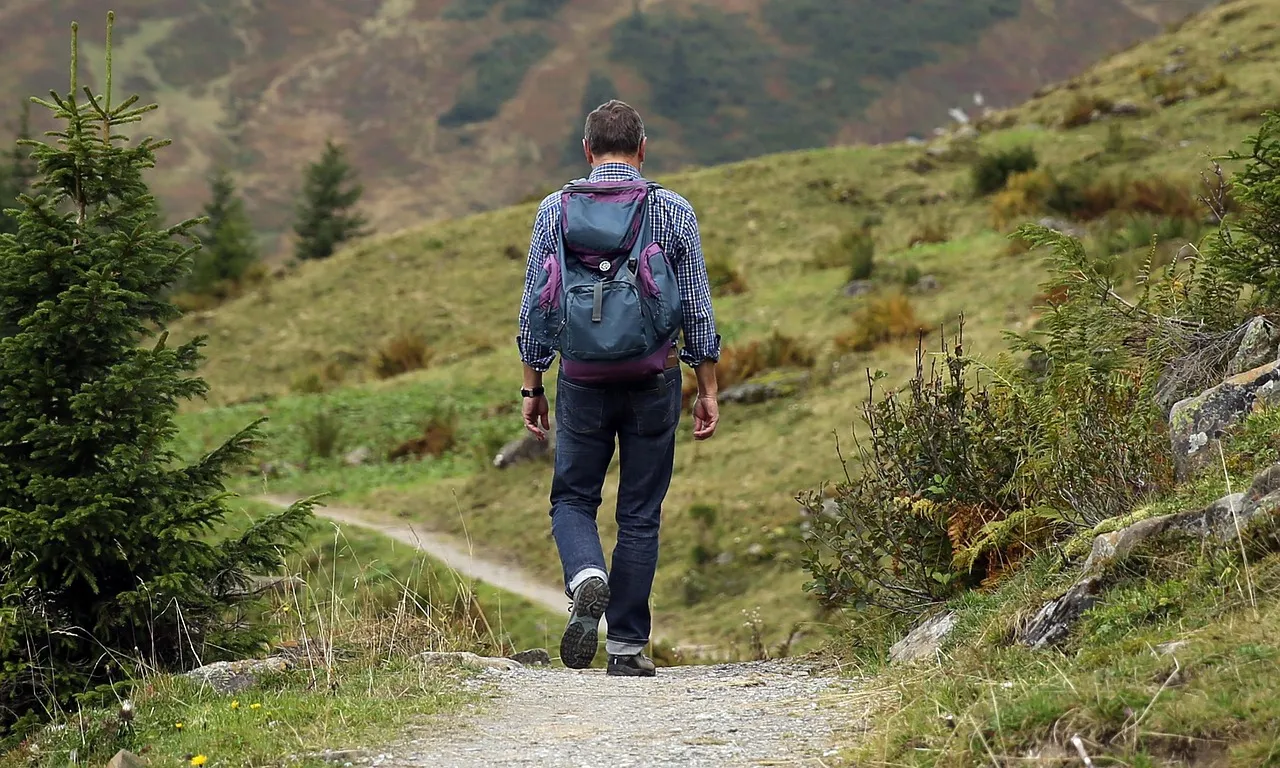
Guides will say this bluntly once the doors close: looks tell you almost nothing. They’ve watched thin, athletic-looking visitors struggle badly on modest trails, while older guests or people in larger bodies silently out-hike everyone else in the group.
The “fittest-looking” person in the van is sometimes the first to quit when the trail actually gets steep.
Quick Compare
- Looks athletic: can still struggle badly on steep or high-altitude trails.
- Looks out of shape: may hold a steady, sustainable pace all day.
- What actually matters: consistent hydration, pacing, and attitude – not appearance.
In the post-tour chat, you’ll hear things like, “She didn’t mention she runs marathons until we were halfway up – explains everything,” or “he looked like a gym guy but had zero endurance.”
Guides learn fast that attitude and pacing beat aesthetic fitness every single time. That’s why they watch who starts too fast, who asks smart questions about distance and elevation, and who drinks water consistently without being told twice.
#8 – “They Thought the Rules Were for Other People”
🔥 Would you like to save this?
We'll email this post to you, so you can come back to it later!
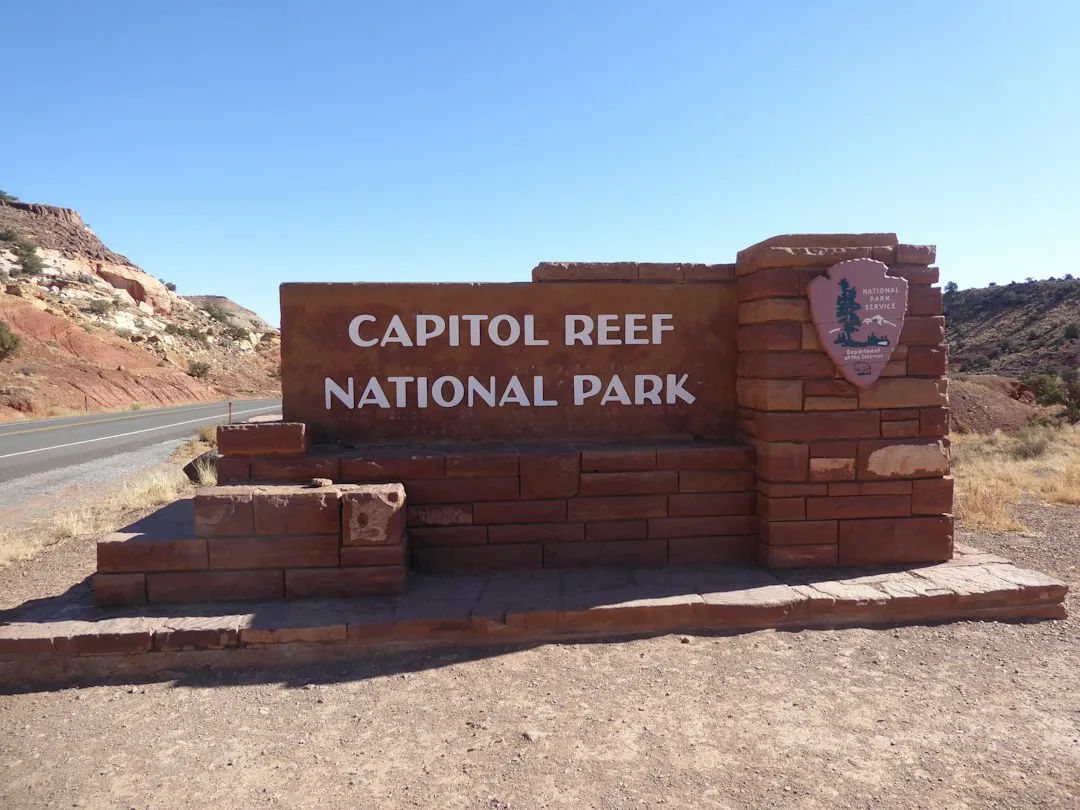
Every guide has a version of this line by the end of a shift: “Some people think the rules are optional.” They mean drone bans ignored “for just one shot,” hands reaching out to touch ancient petroglyphs, guests sneaking off-trail for a shortcut.
Once the vehicle pulls away, the commentary gets honest fast. “That couple genuinely believed ‘no drone’ didn’t apply to them.” “She kept saying, ‘where I’m from, we can do this’ – that’s not how it works here.”
Guides know most rules exist because of hard-learned disasters: wildfires, serious injuries, damaged habitats that took decades to recover. So when a guest rolls their eyes at a regulation, guides don’t see rebellion. They see ignorance of what the rule actually prevented.
- Quietly complying = respectful.
- Asking “why” and actually listening to the answer = ideal.
- Arguing with a posted rule = a guide’s least favorite kind of guest.
Language, on the other hand, almost never causes the real friction people expect.
#7 – “Language Barriers Were Never the Real Barrier”
🔥 Would you like to save this?
We'll email this post to you, so you can come back to it later!
Guides host visitors from dozens of countries, and here’s the honest truth they’ll tell you: language isn’t the main problem. Attitude is.
After the trip, you’ll hear things like, “the folks with limited English tried so hard to understand – they were amazing,” right alongside, “the native speakers who didn’t listen were harder to manage than any translation issue ever was.”
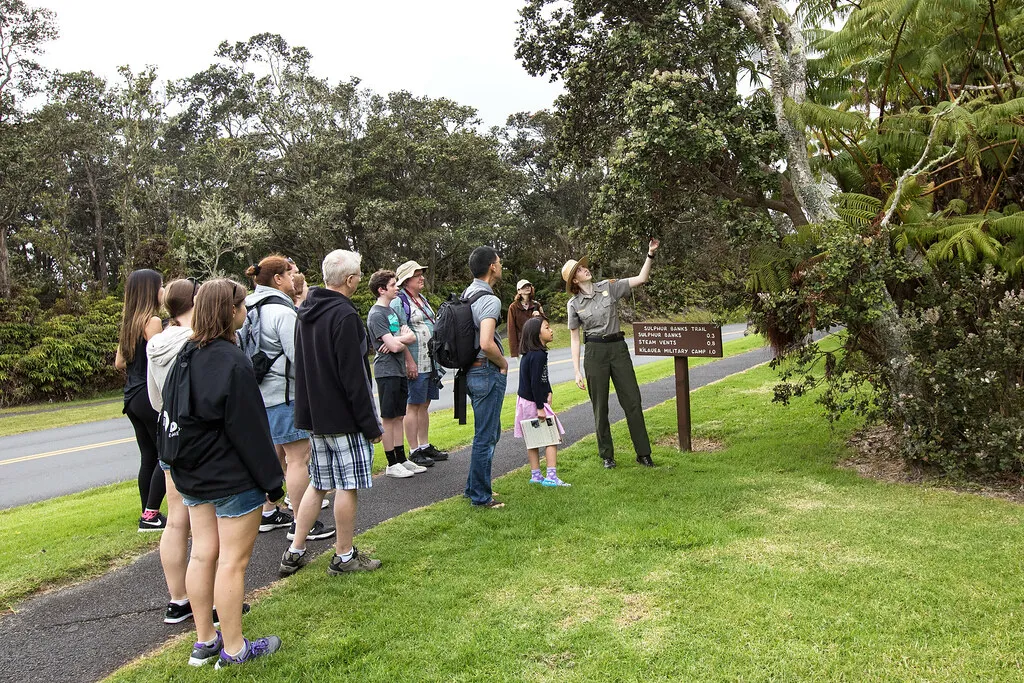
Guides notice who watches demonstrations closely, who asks for clarification instead of guessing, and who helps translate key safety points for family or friends nearby.
They’ll openly praise guests who repeat instructions in their own language to help others, or who simply point at a sign and nod to show they’re following along. What actually annoys a guide isn’t an accent – it’s someone pretending to understand and then quietly ignoring the guidance anyway.
#6 – “What They Ate Predicted the Afternoon Almost Perfectly”
🔥 Would you like to save this?
We'll email this post to you, so you can come back to it later!
Guides absolutely talk about what you eat, because they’ve watched it wreck or save an entire afternoon. “They crushed candy all morning – no wonder everyone crashed at 2 p.m.” “The group that packed nuts and real snacks? Zero meltdowns.”
The pattern repeats constantly: sugary breakfasts with no protein lead to crankiness by late morning, heavy lunches in the heat lead to slow, stumble-prone afternoons, and steady snacking with plenty of water leads to fewer complaints and sharper focus.
Fast Facts
- Blood sugar crashes are a common trigger behind midday hiking meltdowns.
- Protein-rich snacks tend to sustain energy longer than sugary breakfasts alone.
- Dehydration can mimic fatigue, irritability, and dizziness on the trail.
Some guides quietly carry emergency snacks in their pack and joke afterward, “Saved another one with a granola bar.” They know most “I hate this hike” speeches are really just low blood sugar talking through a person’s mouth.
Loud voices don’t tell the whole story, though. The quietest people in the group are often paying the closest attention.
#5 – “The Quiet Ones Remembered the Most”
🔥 Would you like to save this?
We'll email this post to you, so you can come back to it later!
Guides often debrief each other with a version of: “The one who barely talked? They got it.” While loud guests dominate the energy of a hike, the quiet ones make eye contact during explanations, notice subtle shifts in light or sound, and ask one laser-sharp question that proves they absorbed everything.
Later, you’ll hear, “that kid at the back will remember the geology talk in twenty years,” or “she didn’t say much, but she was tuned in the entire time.”
Guides have learned not to confuse silence with disinterest. In fact, they often assume the chattiest guests will forget most of the details, while the quiet observers walk away with the deepest understanding.
And that kindness doesn’t stop at attentiveness – guides see something far more heartening play out on nearly every trip.
#4 – “Most People Are Kinder Than They Think They Are”
🔥 Would you like to save this?
We'll email this post to you, so you can come back to it later!
This might be the most surprising thing guides say: the average group is kinder than the average person believes. They see strangers offering water to someone struggling, guests helping older visitors up a set of steps without making a scene, people quietly picking up someone else’s dropped hat or map.
Afterward, guides love sharing the good stuff. “That guy from New York carried an extra pack for half the hike.” “The teenager who looked bored the whole time helped the older couple over the rocks.”
It’s not that selfishness and impatience don’t exist – they absolutely do. But guides witness small, unposted acts of generosity all day long that never make it onto anyone’s Instagram.
To them, the “internet version” of people is far worse than the version that actually shows up on the trail. And that generosity has a mirror image: guides notice exactly how closely they themselves are being watched, too.
#3 – “They Had No Clue How Much We Were Actually Watching”
🔥 Would you like to save this?
We'll email this post to you, so you can come back to it later!
Many visitors picture their guide as just strolling along, telling stories. In reality, that guide’s brain is running like mission control the entire time.
After the group leaves, guides will admit things like, “I was watching that guy’s breathing from the first hill,” or “I counted heads every five minutes without anyone noticing.”
They’re constantly scanning for signs of altitude sickness, a subtle limp or favored foot, someone getting quieter – a classic early sign of fatigue or overheating.
Guests rarely realize how much invisible risk management happens on a “simple” hike. Guides adjust pace, call “photo breaks” that are really rest stops in disguise, and casually check in with the person they’re most worried about without ever raising an alarm.
#2 – “We Can Already Tell Which Groups Will Talk About This Day for Years”
🔥 Would you like to save this?
We'll email this post to you, so you can come back to it later!
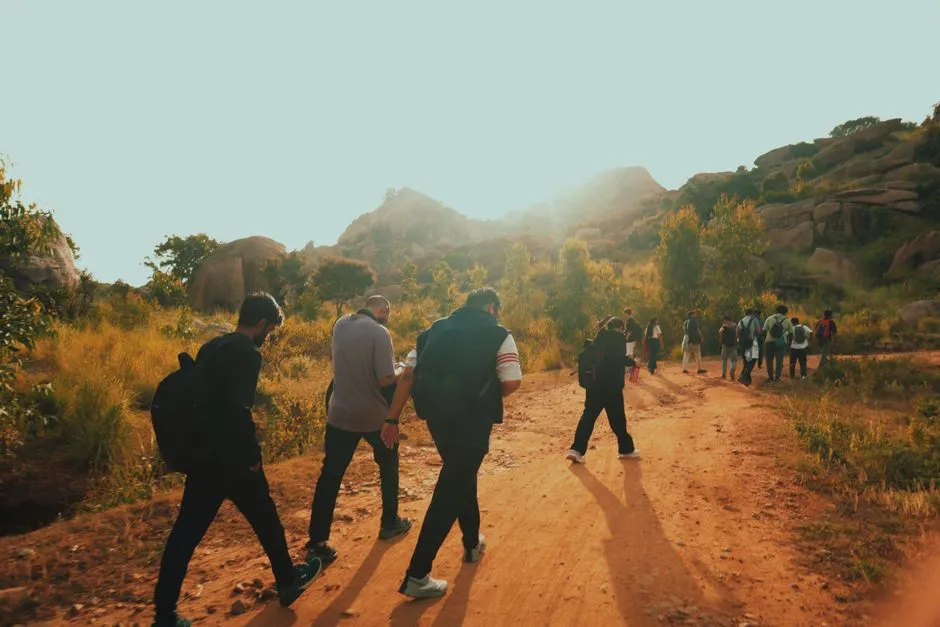
By the time the vehicle pulls away, many guides already know who will forget the trip by next month – and who will bring it up at family dinners for the next decade.
They notice who keeps referencing the smells, sounds, and feelings instead of just the photos, who asks follow-up questions about how the place changes with the seasons, who buys a guidebook not as a souvenir but to keep learning after they leave.
Afterward, you’ll hear things like, “that couple will come back in ten years,” right alongside, “for that family, this was just filler between shopping days.”
To guides, the real mark of impact isn’t how excited you looked in the moment. It’s how present you actually were. The people who pause, breathe, and let it truly hit them are the ones guides remember, too – which brings us to the one thing almost no visitor ever expects to hear.
#1 – “They Had No Idea How Much We Actually Liked Them”
🔥 Would you like to save this?
We'll email this post to you, so you can come back to it later!
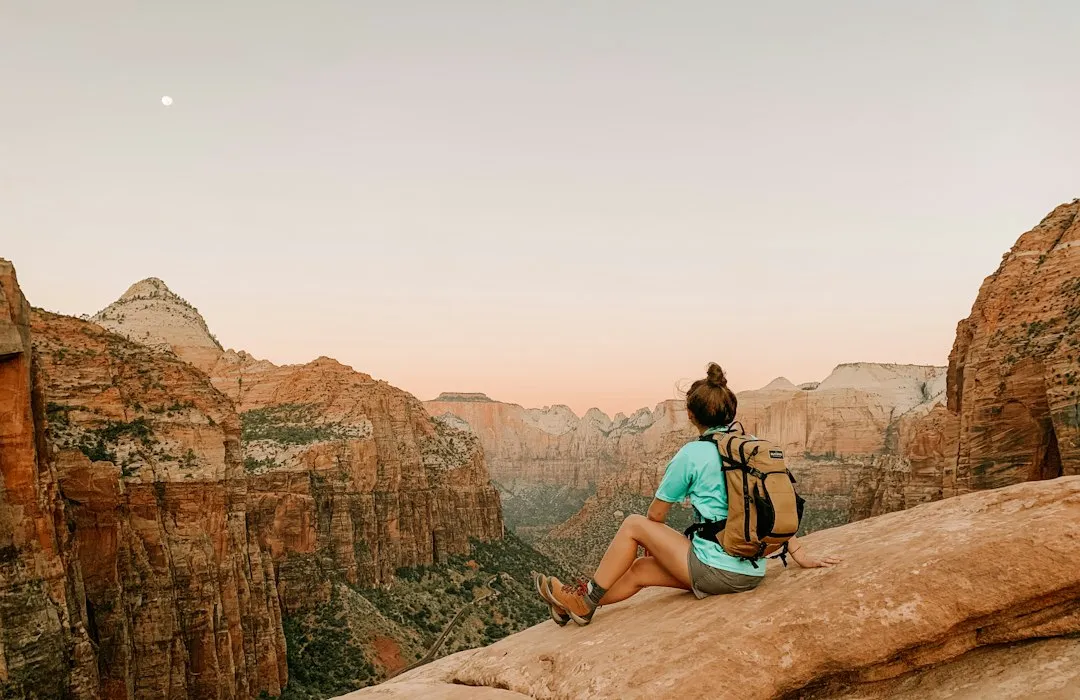
Here’s the thing almost no visitor believes: guides talk far more about the people they liked than the ones who annoyed them. Yes, they vent about safety risks, rule-breakers, and rude behavior – that’s real, and it happens.
But far more often, what you’ll actually hear is, “that grandma was hilarious,” “those kids made my whole week,” or simply, “I wish every group was like them.”
They remember the guest who said, “thanks for keeping us safe today.” They remember the person who genuinely asked how often the guide gets to hike for themselves. They remember the group that clapped at the end – not out of habit, but because they meant it.
Most visitors assume guides are secretly judging their fitness, their clothes, their experience level. In reality, guides judge one thing above everything else: respect. Listen, try, care about the land, and treat people decently, and there’s a very good chance your guide talked about your group later with real, genuine affection.
The Bottom Line
🔥 Would you like to save this?
We'll email this post to you, so you can come back to it later!
National park guides are not neutral narrators reading a script. They’re human beings running risk management, storytelling, and social triage simultaneously, all while smiling and pointing at waterfalls.
When the vehicle pulls away, they replay the near-misses, the quiet acts of kindness, the people who actually listened, and the ones who rolled their eyes at every single rule. They don’t care what your jacket cost. They care whether you stepped off trail, fed wildlife, or bothered to say thank you.
Here’s my honest take: most visitors are so busy worrying about how they look that they miss the one thing that actually earns a guide’s respect – paying attention. Not the gear, not the fitness level, not the itinerary. Just showing up willing to listen and be a decent human on someone else’s turf.
So the next time your guide waves goodbye and the van pulls away, ask yourself honestly: what did they actually say about your group? And more importantly – are you the kind of guest who’d want to know the answer?

- 7 Everyday Habits That Can Make Your Senior Dog Happier - November 5, 2026
- 10 Enigmatic Structures That Continue to Puzzle Scientists Today - November 5, 2026
- 10 Strange Ruins in the Americas That Challenge What We Know About Early History - November 5, 2026