
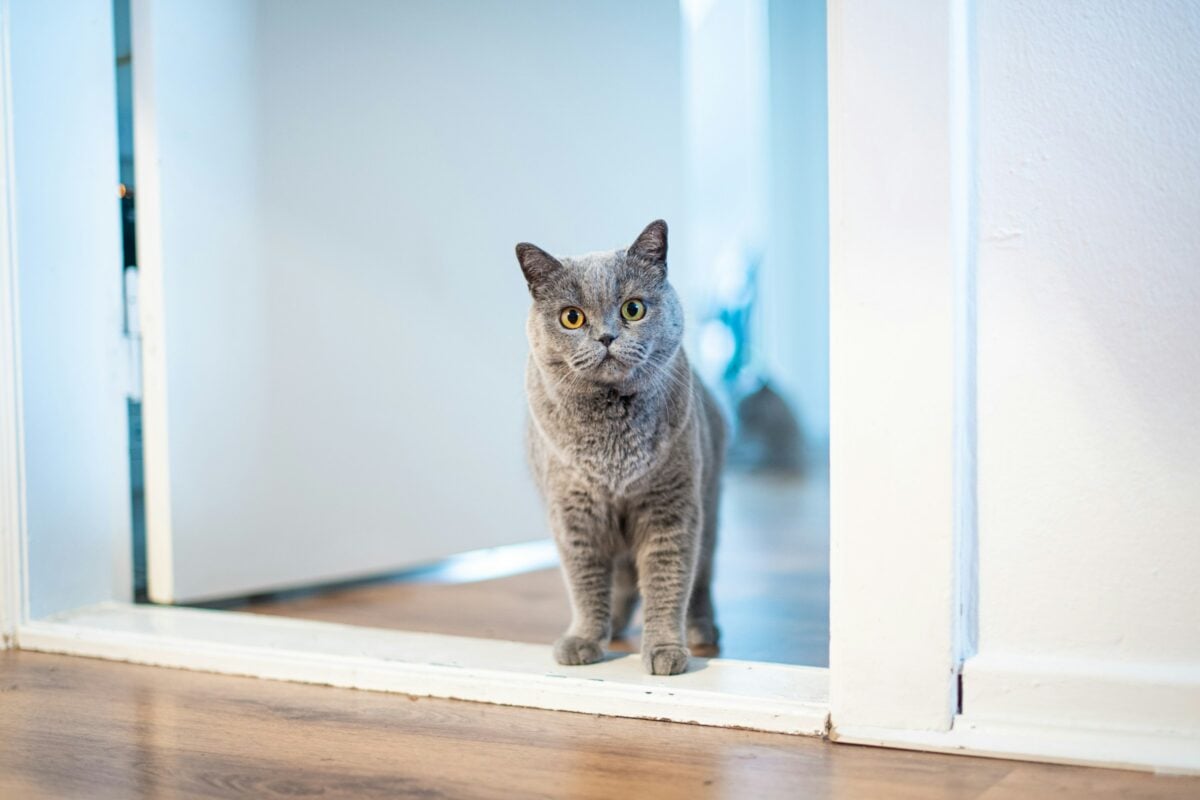
You bought the plush bed. You set it in the sunniest corner of the living room. Your cat sniffed it once, walked right past, and curled up in a laundry basket in the hallway. If that sounds familiar, you’ve watched a territorial system in action, and it is far more organized than it looks.
Cats don’t wander into rooms at random. They run a quiet ownership map built on scent, safety, heat, sound, and memory, and every room gets a score. Some of the rules below are obvious, some are downright strange, and the one waiting at #1 can override all the others overnight.
#22 – The Litter Box Proximity Rule
🔥 Would you like to save this?
We'll email this post to you, so you can come back to it later!
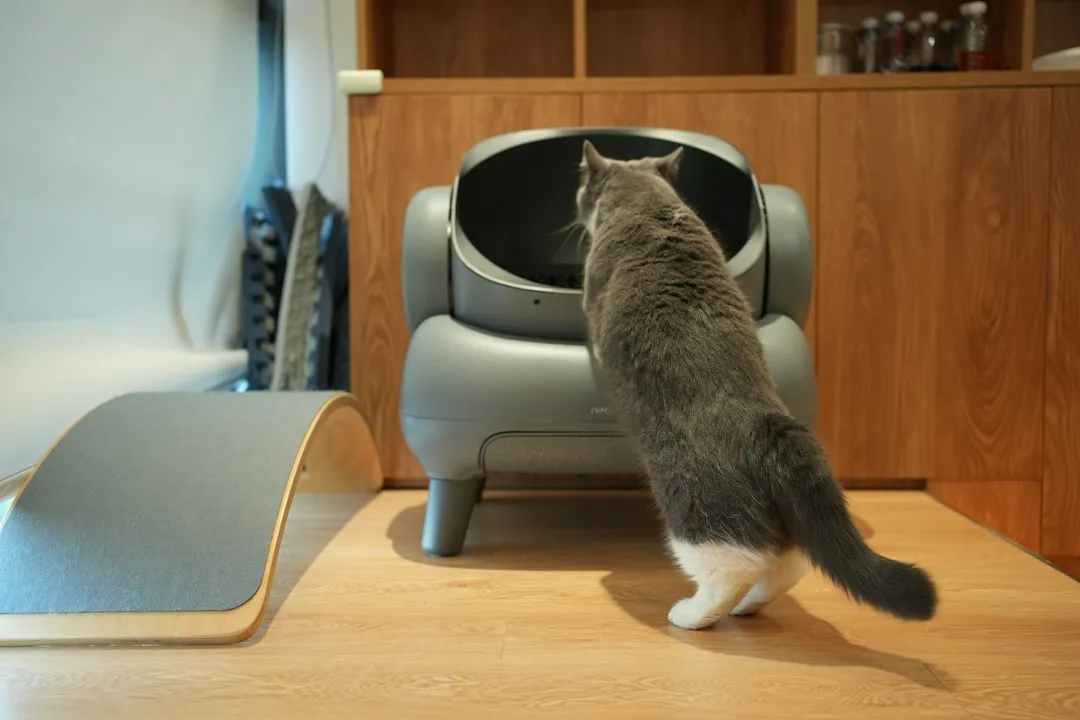
Before a cat cares about the view or the couch, it checks where the bathroom is. Elimination sites sit at the foundation of a cat’s core area, so a room far from the litter box rarely becomes primary territory.
Cats are picky about the setup. They want the box close enough for quick access but private enough to sit away from high-traffic zones. A box wedged beside a thumping dryer can quietly downgrade an entire room.
One poorly located box can change a room’s status in the cat’s mind, and the cat won’t tell you why. It just stops hanging out there.
- Quick access lowers perceived risk during vulnerable moments.
- In multi-cat homes, boxes in several spots spread claims across different rooms.
- Moving a box often triggers remarking somewhere else.
#21 – Sunlight Tracking Patterns
🔥 Would you like to save this?
We'll email this post to you, so you can come back to it later!
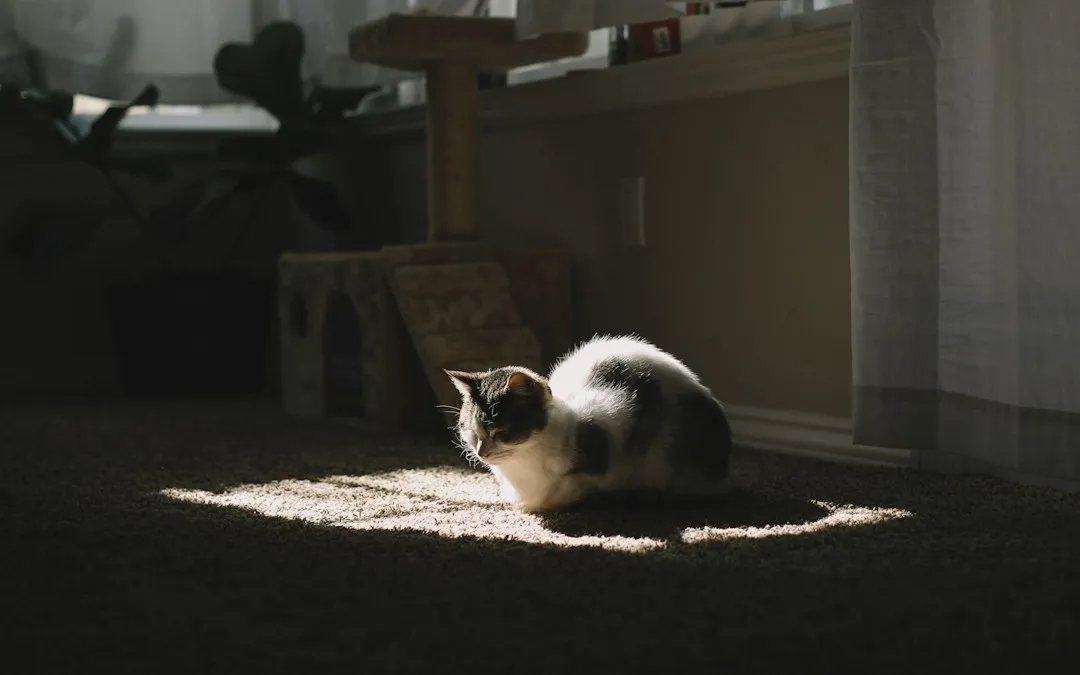
Watch a cat on a winter afternoon and you’ll see a tiny solar tracker at work. It shifts from one warm patch to the next as the beam slides across the floor, treating sunlight like a movable resource.
Warmth matters because it saves energy. Cats are comfortable at temperatures well above what most people set their thermostats to, and a sunny spot lets them stay in that zone without burning calories.
A south-facing room with shifting beams can become claimed territory simply because it offers a long, reliable warm shift. Rooms with consistent morning or afternoon light often outrank rooms with none, even if the dark room is quieter and tidier.
#20 – Elevated Vantage Points
🔥 Would you like to save this?
We'll email this post to you, so you can come back to it later!
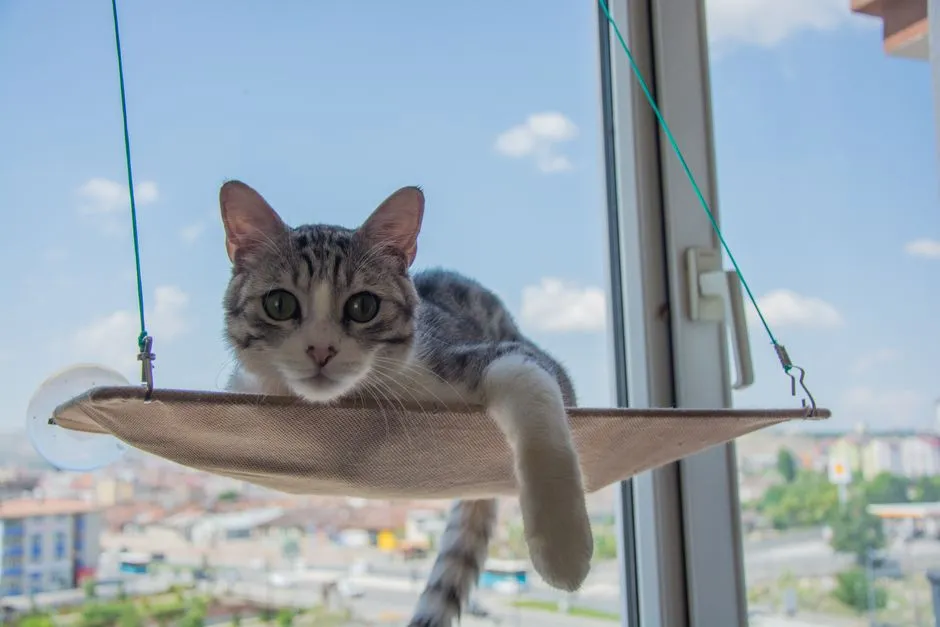
Height is security. A room with climbable shelves, a tall bookcase, or a sturdy furniture top gets a major bump in rank, especially if the perch overlooks a doorway or window.
Cats judge climbability and stability before committing. A wobbly cabinet gets rejected fast, while a solid shelf with a clear view of the room can become a throne.
Once a perch passes inspection, the cat reinforces it by rubbing and scratching nearby. That’s the feline version of hanging a nameplate on the door.
- Multiple levels let household cats time-share the same room.
- Unstable furniture gets dropped from the rotation quickly.
- Perches near exits often rank highest.
#19 – Human Scent Concentration
🔥 Would you like to save this?
We'll email this post to you, so you can come back to it later!
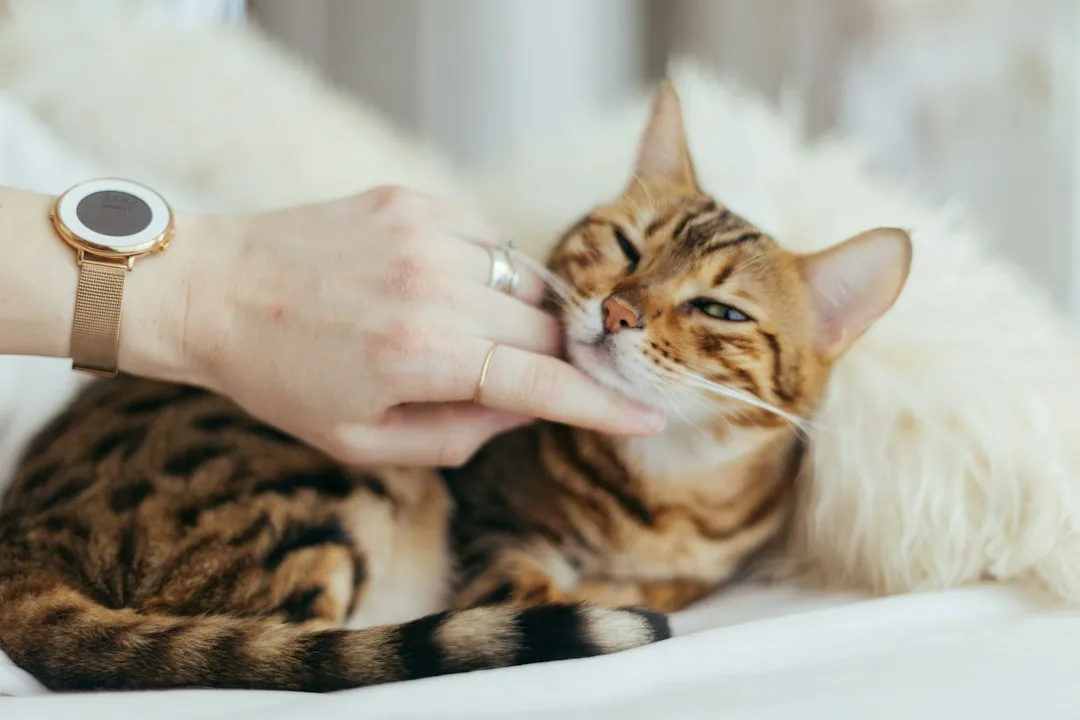
Rooms soaked in a favorite person’s scent get claimed fast, because cats link familiar odors with safety and belonging. A cat’s sense of smell is vastly more sensitive than ours, so a sweatshirt on the floor tells it a whole story.
The cat rubs and rolls in these spots to blend its own scent with yours, effectively merging territories. Bedrooms usually win this contest thanks to concentrated bedding, worn clothes, and hours of your presence.
Many people assume the living room ranks highest. But the bedroom’s personal scent load is often the stronger pull for long-term ownership, which is why a cat may ignore a perfectly arranged cat bed elsewhere and sleep on your pillow.
Fast Facts
- Cats are commonly estimated to have around 200 million scent receptors, compared with roughly 5 million in people.
- A second scent-analyzing structure in the roof of the mouth helps them read chemical signals.
- Bedding and worn clothing hold the most concentrated personal scent in most homes.
- Tucking a recently worn T-shirt into a new bed can make it far more tempting.
#18 – Cheek-Rubbing Scent Posts
🔥 Would you like to save this?
We'll email this post to you, so you can come back to it later!
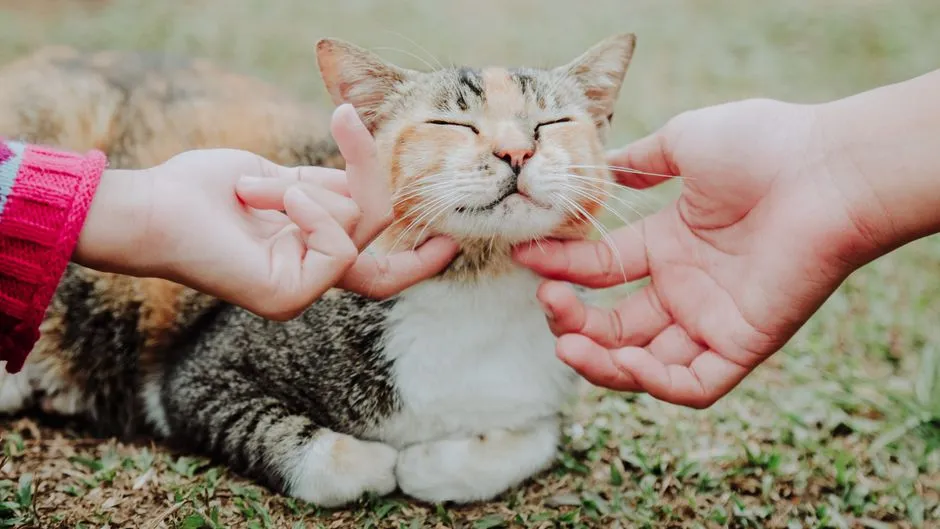
That head-bump against the doorframe isn’t just affection. Cats have scent glands around the cheeks, chin, and forehead, and rubbing deposits facial pheromones that say, this place is familiar and safe.
The marks sit at cat height, usually on corners, furniture edges, and the legs of chairs. They fade, so cats come back to refresh them, which is why you may see the same corner rubbed daily.
A room with plenty of rubbed surfaces feels settled to a cat. Calming diffusers sold for cats copy these facial signals for exactly that reason.
- Frequent rubbing means the cat considers the area secure.
- Sudden stops can signal the room has changed in a way the cat dislikes.
#17 – Scratching Billboards
🔥 Would you like to save this?
We'll email this post to you, so you can come back to it later!
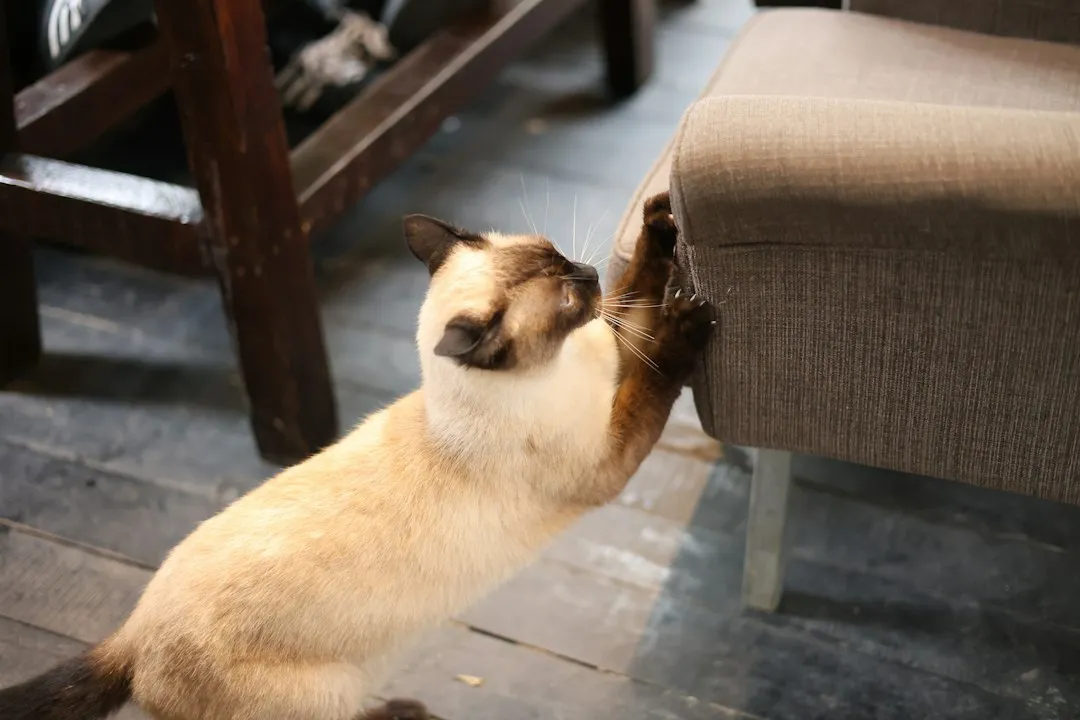
Scratching is a double message. It leaves visible claw marks, and the paws carry scent glands that add a chemical signature to the surface.
Cats tend to scratch where it counts: near entrances, beside sleeping spots, and along busy pathways. Think of it as posting signs at the front gate and by the bedroom door.
It also feels good, since scratching stretches the back and shoulders and helps shed worn outer claw sheaths. A sturdy post in a room a cat already likes can cement that room as home base.
- Tall, stable posts beat wobbly ones every time.
- Placement near sleeping areas matters more than fancy design.
- Cats often scratch right after waking up.
#16 – The Two-Exit Escape Math
🔥 Would you like to save this?
We'll email this post to you, so you can come back to it later!
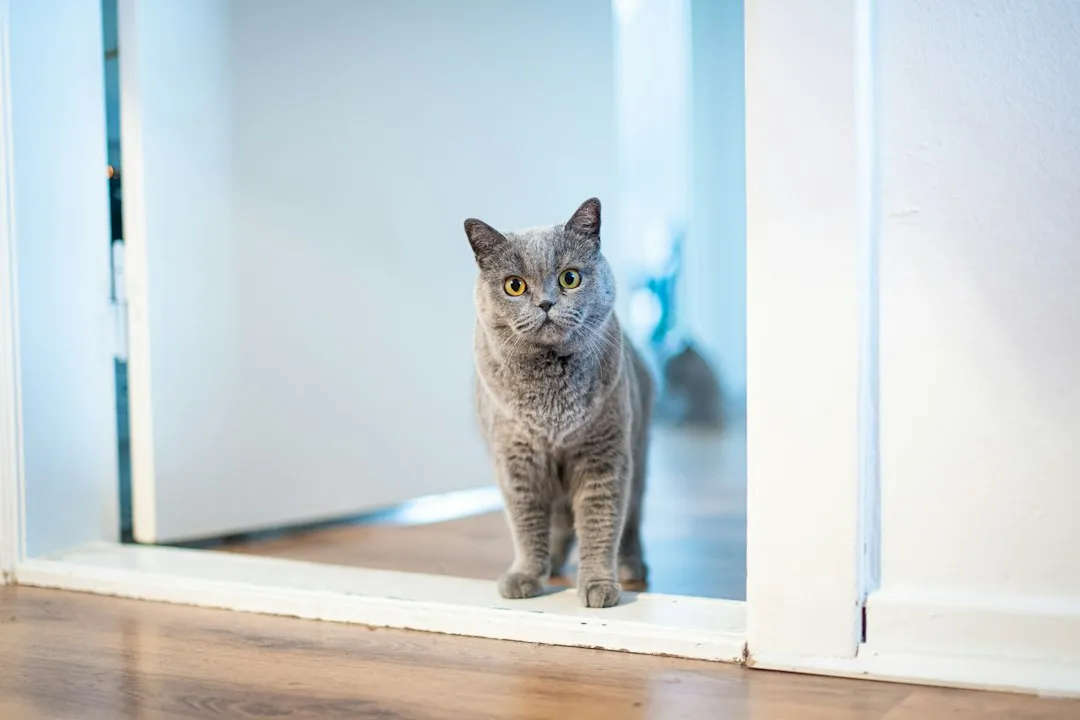
A cat’s brain runs a constant exit check. A room with only one way out can feel like a trap, even a comfortable one.
Rooms with two exits, or at least a clear path to somewhere else, score higher. Cats often settle with their backs to a wall and a view of the doorway, ready to leave in a second if needed.
This explains why a cat will pick a hallway nook over a gorgeous dead-end room. Freedom to flee beats a plush cushion.
#15 – Hideaway Spots
🔥 Would you like to save this?
We'll email this post to you, so you can come back to it later!
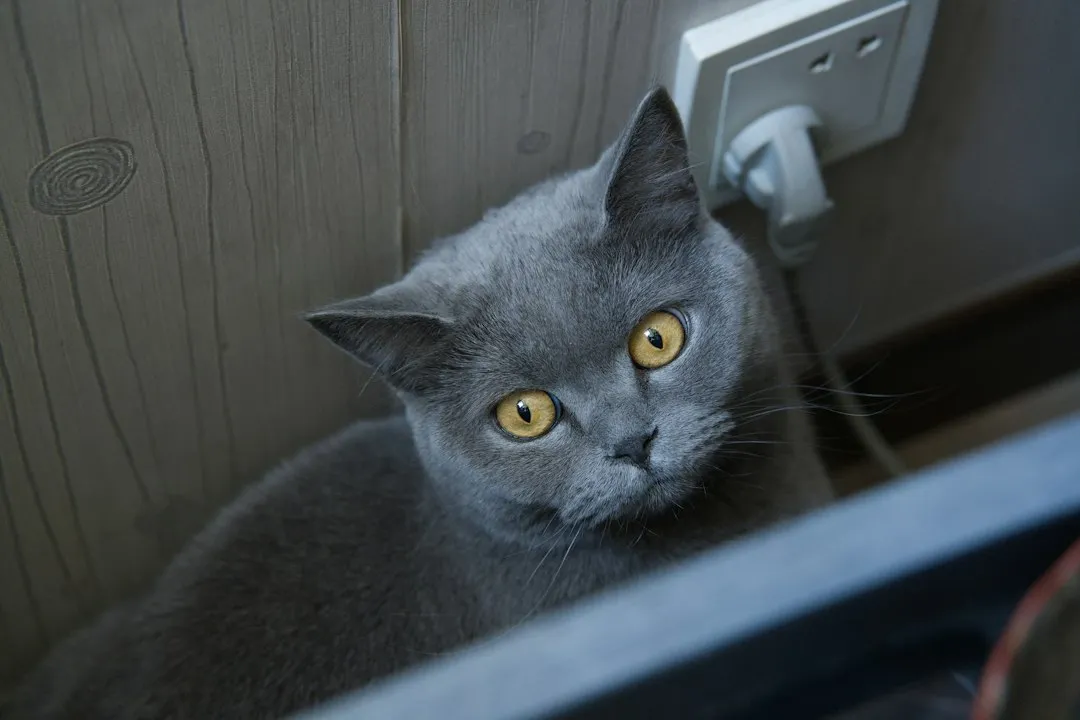
Cats are both predators and prey, and they know it. A room with covered spots, like under a bed, behind a couch, or inside a closet, lets them retreat when something feels off.
Shelter research has found that cats given hiding places tend to settle in and relax more easily than cats without them. Hiding is a coping tool, not a sign something is wrong.
A room with good hiding options often becomes the safe room, the one a cat runs to during thunderstorms, visitors, or vacuum cleaners.
- Enclosed spaces make cats feel hidden from threats.
- Rooms with no cover tend to get visited, not owned.
#14 – Window Monitoring Privileges
🔥 Would you like to save this?
We'll email this post to you, so you can come back to it later!
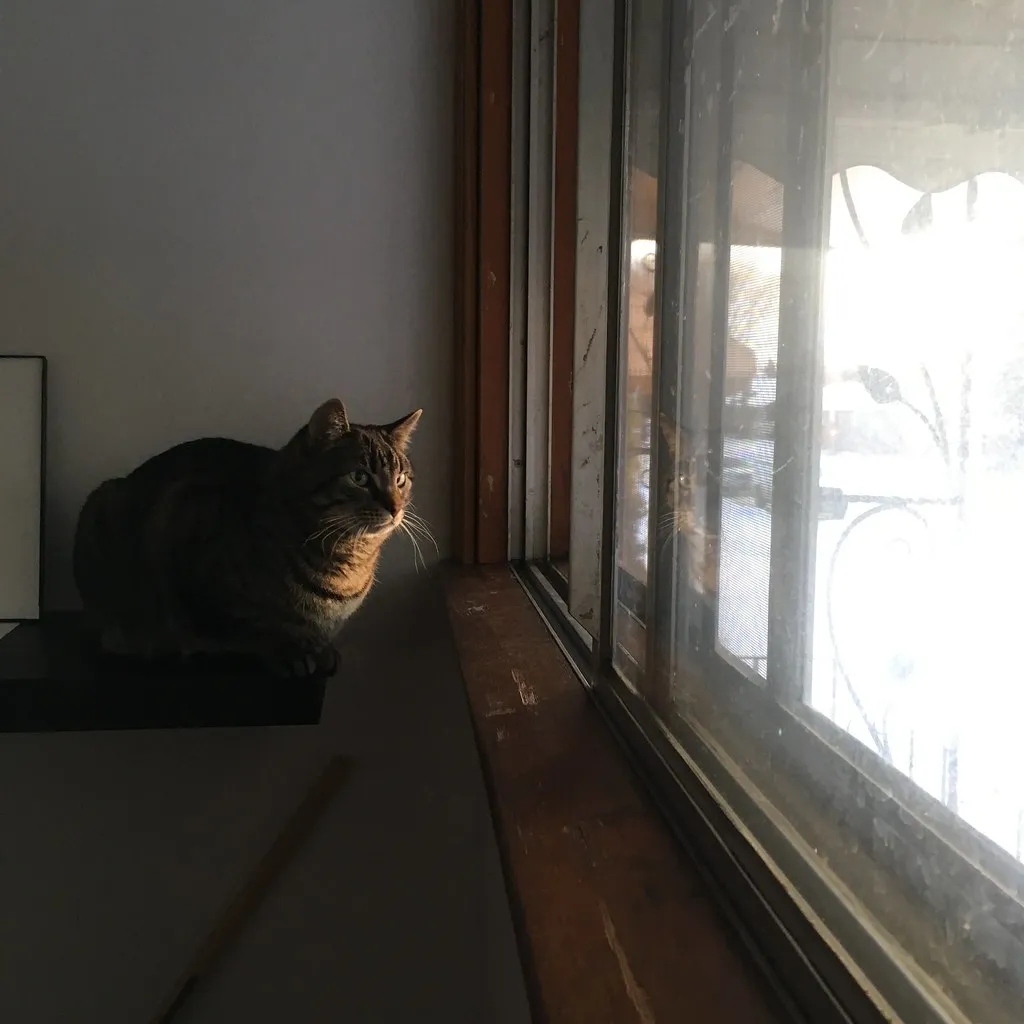
A window is a cat’s television, security camera, and social network in one. Rooms with a good view of birds, squirrels, and the street get promoted into prime territory.
Cats like a perch with a wide sightline, preferably one that lets them watch without being seen. A sill, a cat tree, or a sturdy table beside the glass can turn a boring room into the busiest spot in the house.
There’s a twist. A stray cat wandering outside can upset an indoor cat, sometimes leading to marking near that window. The room stays important, but it becomes a guarded one.
#13 – Appliance and Heater Warmth
🔥 Would you like to save this?
We'll email this post to you, so you can come back to it later!
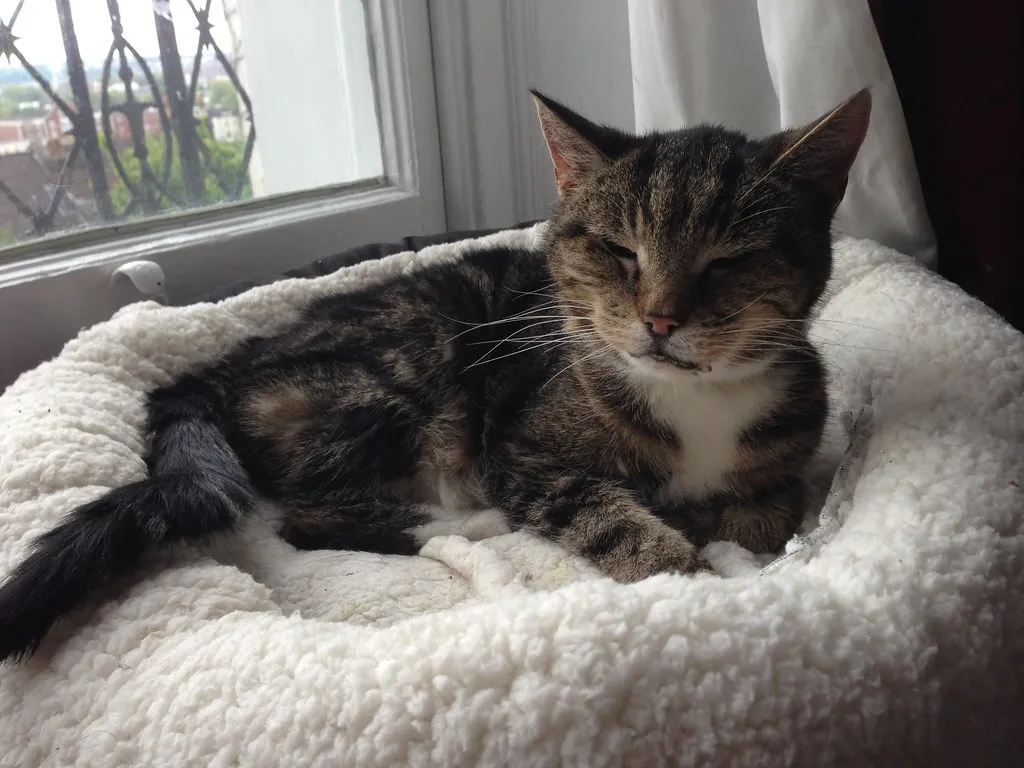
Cats have a gift for finding hidden heat. A warm router shelf, a sunny radiator, a laptop, or a spot above a heating vent can decide who owns the room in winter.
Ownership shifts with the seasons. A room that’s ignored in July may be the busiest place in January because it holds a steady heat source.
Cats can also crawl into warm appliances without anyone noticing. Checking the dryer before closing the door is a smart habit in a home with a heat-seeking cat.
Worth Knowing
- A cat’s normal body temperature runs about 100.5 to 102.5°F, warmer than ours.
- Their comfort zone is often cited as roughly 86 to 97°F, which is why a 68°F living room can feel chilly to them.
- Steady, gentle heat sources like sunny sills and heated pet beds beat hot surfaces that can cause burns.
- Always glance inside the dryer, cabinets, and recliners before closing or using them.
#12 – Quiet Zones

🔥 Would you like to save this?
We'll email this post to you, so you can come back to it later!
Cats hear far higher pitches than people do, and their ears swivel toward every small noise. A room beside a loud washing machine, a blaring TV, or a squeaky treadmill can be exhausting for them.
Quiet rooms are where cats do their serious napping. Because adult cats sleep for a big part of the day, a calm bedroom or study often becomes the sleeping headquarters.
The noise doesn’t have to be loud to us. A high whine from electronics or a beeping appliance can push a cat out of a room we think is perfectly peaceful.
- Steady, low background noise is usually tolerated.
- Sudden or high-pitched sounds lower a room’s rank fast.
#11 – Food and Water Placement
🔥 Would you like to save this?
We'll email this post to you, so you can come back to it later!
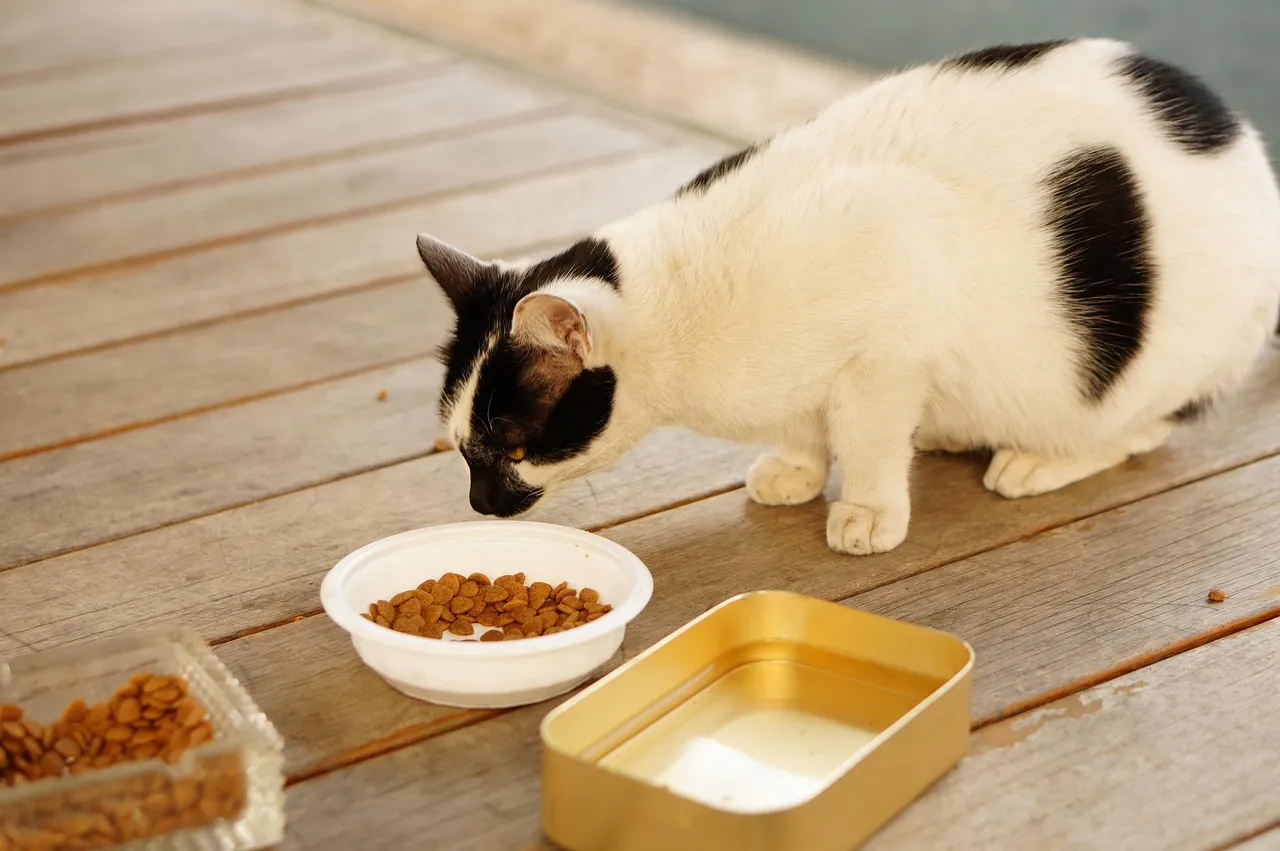
Resources shape the map. The room where meals appear becomes a high-value area, though not always a favorite place to relax.
Many cats prefer water kept away from their food, and some will ignore a bowl that sits beside a feeding dish. That quirk can scatter a cat’s attention across several rooms, with different spaces serving different jobs.
In multi-cat homes, feeding spots can turn into neutral ground or flashpoints. Spreading bowls across rooms lowers tension and keeps one cat from controlling the only buffet.
#10 – Soft Surfaces and Bedding
🔥 Would you like to save this?
We'll email this post to you, so you can come back to it later!
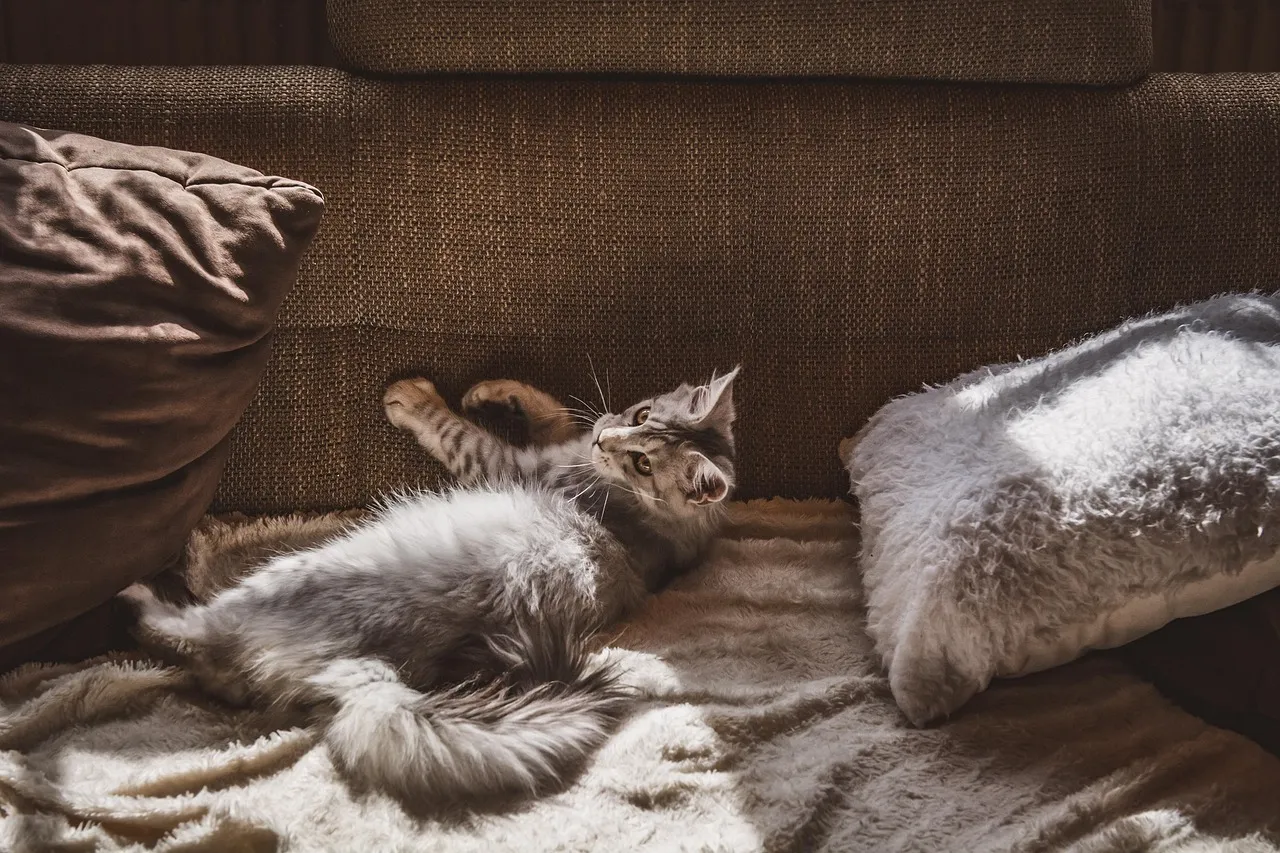
Texture matters more than people think. Cats love soft, warm surfaces they can knead, and a blanket that smells like their favorite human is hard to beat.
Kneading isn’t only cute. It spreads scent from the paws and signals comfort, so a spot that gets kneaded daily has been claimed.
With so many hours spent sleeping, the room with the best napping surface gets a big advantage. A flat, cool tile floor may lose to a rumpled duvet every time.
#9 – The Time-Share Schedule
🔥 Would you like to save this?
We'll email this post to you, so you can come back to it later!
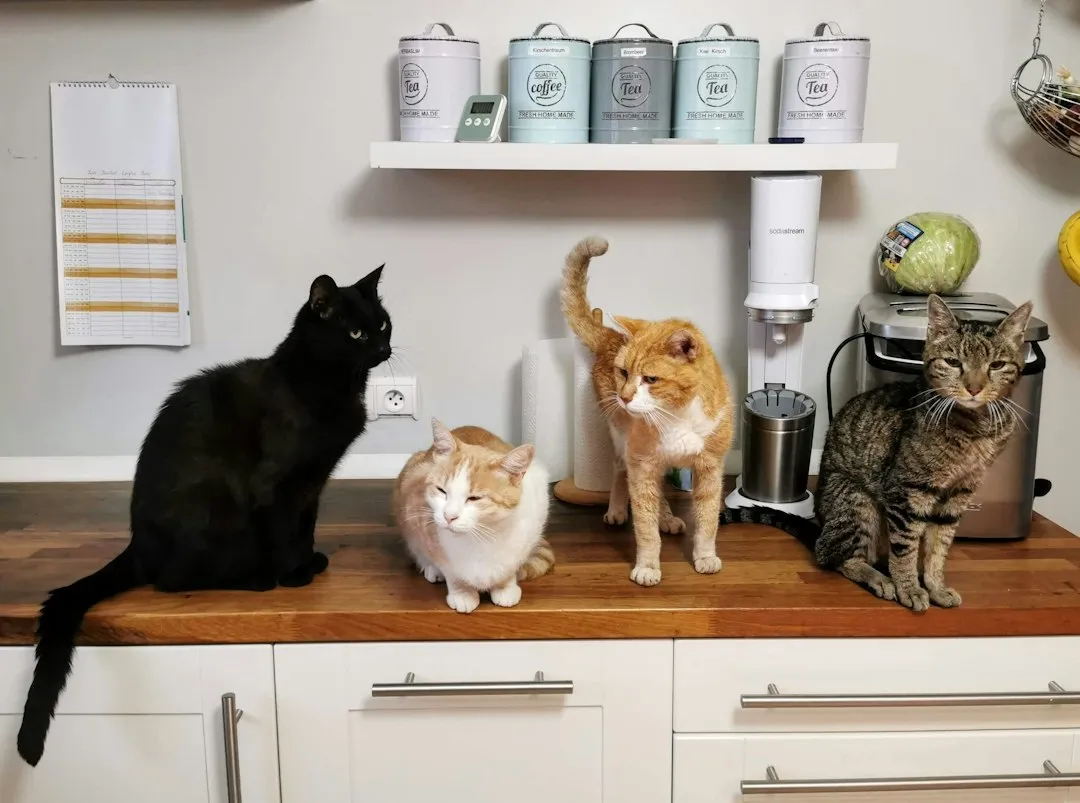
In homes with more than one cat, ownership often depends on the clock. One cat takes the sunny room in the morning, another takes it in the afternoon, and everyone pretends the other doesn’t exist.
This time-sharing lets cats avoid fights without leaving valuable space unused. It works best when resources are plentiful, which is why experts recommend one litter box per cat plus one extra.
If the schedule breaks, tension shows. Watch for staring, blocking, or one cat suddenly avoiding a room it used to love.
- Multiple perches, beds, and boxes make time-sharing easier.
- Fewer resources mean more conflict over the best rooms.
Quick Compare
| Cats in the home | Litter boxes to aim for |
|---|---|
| 1 cat | 2 boxes |
| 2 cats | 3 boxes |
| 3 cats | 4 boxes |
Spread them across different rooms, not lined up in one corner, so no single cat can guard them all.
#8 – Doorway Guarding
🔥 Would you like to save this?
We'll email this post to you, so you can come back to it later!
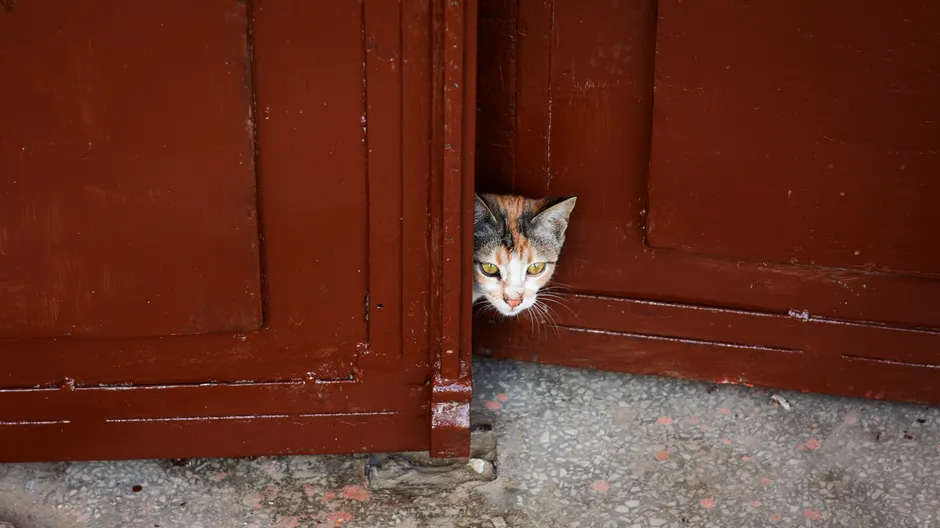
Few things are more annoying than a cat parked in the doorway. But to a cat, a doorway is a checkpoint, and controlling it means controlling who gets in.
In multi-cat homes, a confident cat may sit at a chokepoint to monitor traffic, block access, or launch a playful ambush. Rooms with narrow entrances are especially easy to guard.
The guarded room doesn’t always belong to the guard. Sometimes the cat is simply defending its path to a resource, like a litter box or food bowl.
- Staring from a doorway is a classic claim signal.
- Blocking a path can be about access, not just attitude.
#7 – Patrol Routes
🔥 Would you like to save this?
We'll email this post to you, so you can come back to it later!
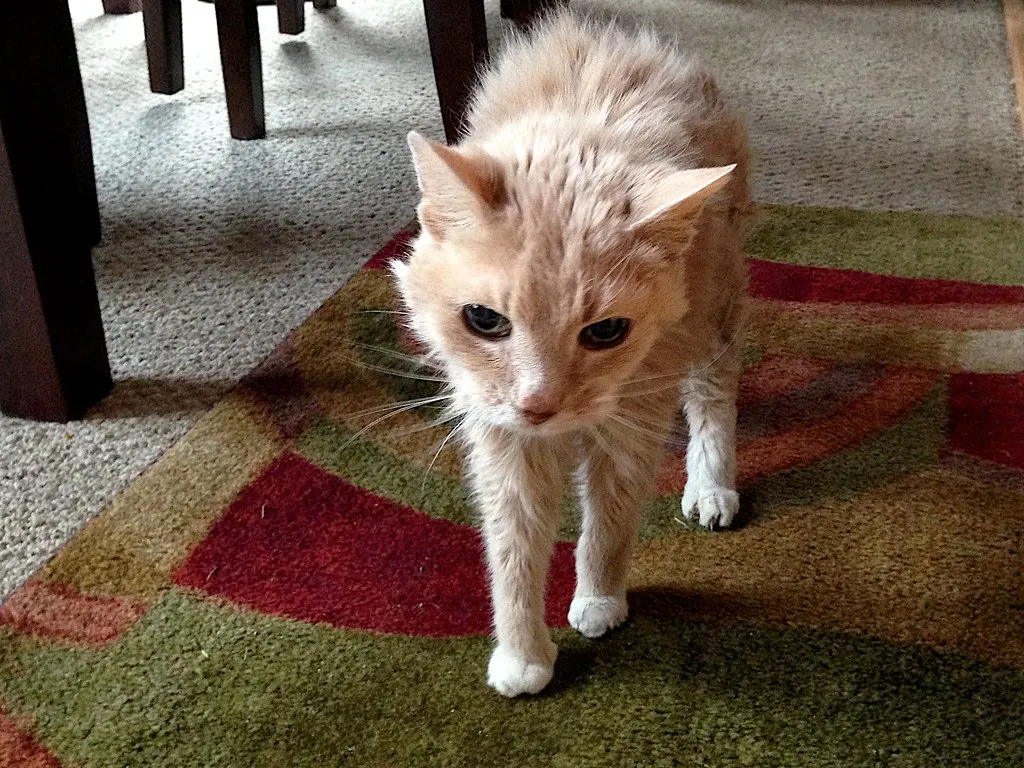
Cats make rounds like tiny security guards. They walk the same loop through the house, sniffing key spots, checking windows, and peeking into rooms before settling down.
During these rounds, cats may pause with a slight open-mouthed grimace after sniffing, a behavior called the flehmen response. It helps move scent molecules toward a special organ in the roof of the mouth that analyzes chemical signals.
Rooms included in the patrol are treated as part of the territory. Rooms skipped for weeks start to feel foreign, and they’re the first to be questioned when something changes.
#6 – Where the Humans Hang Out
🔥 Would you like to save this?
We'll email this post to you, so you can come back to it later!
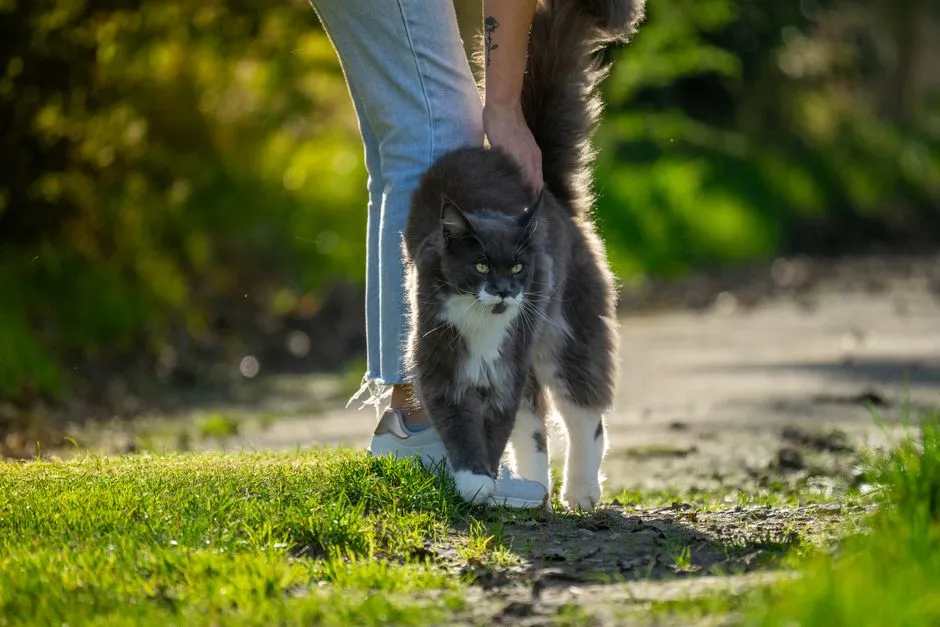
Cats may be independent, but they’re also drawn to the places where the action is. The kitchen at breakfast, the couch at night, and the bedroom at bedtime all pull cats in.
Many cats choose to be near their people rather than directly on them. That’s why a cat often sits at the edge of a room, close enough to feel involved but far enough to keep options open.
Human activity can raise a room’s value or lower it. A calm, predictable household makes a room attractive, while chaos, loud guests, and slamming doors drive cats elsewhere.
#5 – Closed Doors and Forbidden Rooms
🔥 Would you like to save this?
We'll email this post to you, so you can come back to it later!
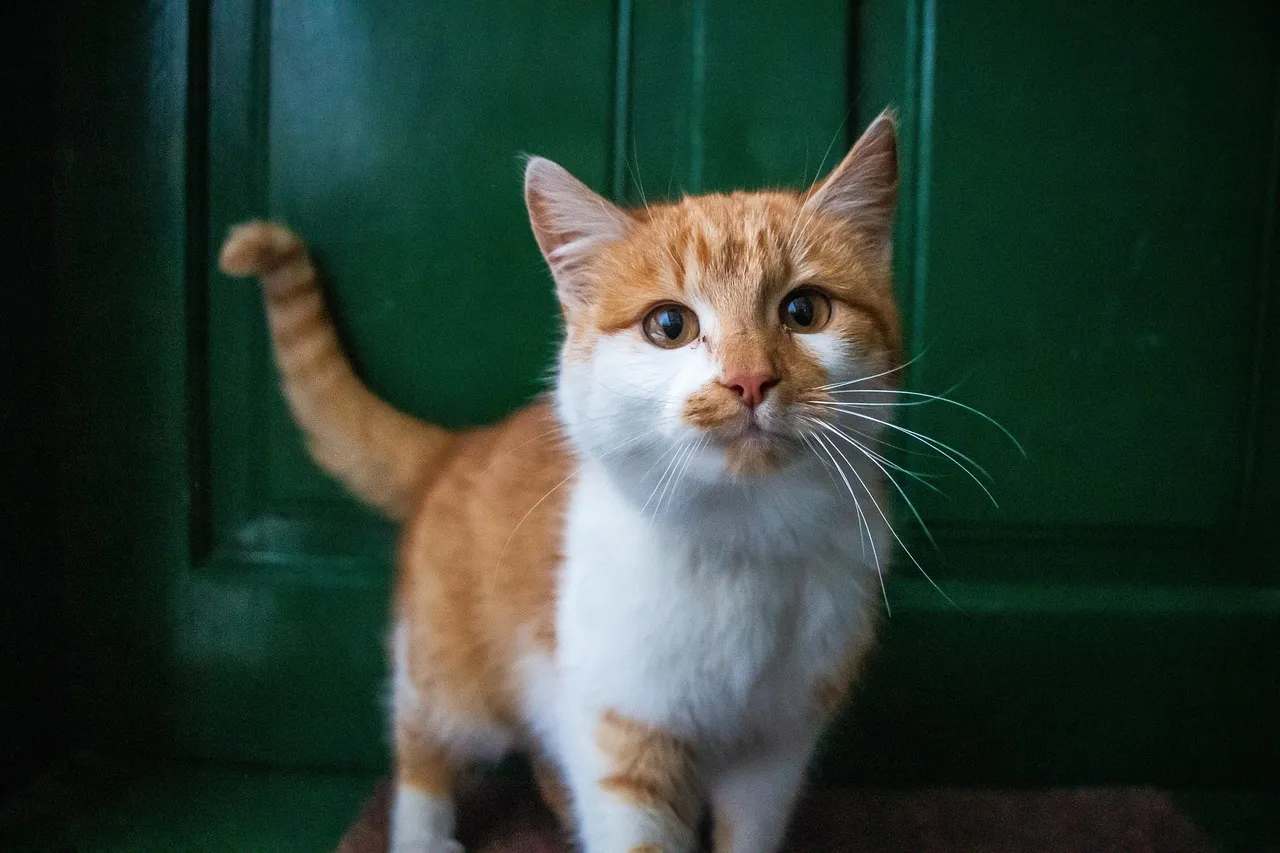
Few rooms are more fascinating to a cat than the one it can’t enter. A closed door makes patrolling impossible, which makes the cat anxious and curious at the same time.
That’s why cats cry, scratch, and wait outside certain rooms. They aren’t being dramatic. They’re trying to complete a territory check that you’ve blocked.
Consistent access tends to help. If a room is always open, the cat can settle. If it’s open one day and shut the next, the room may become a source of stress.
#4 – The Newcomer Scent Problem
🔥 Would you like to save this?
We'll email this post to you, so you can come back to it later!
New furniture, a guest’s suitcase, or even your clothes after visiting a friend with a dog can unsettle a cat’s map. To a cat, those smells arrive like rumors.
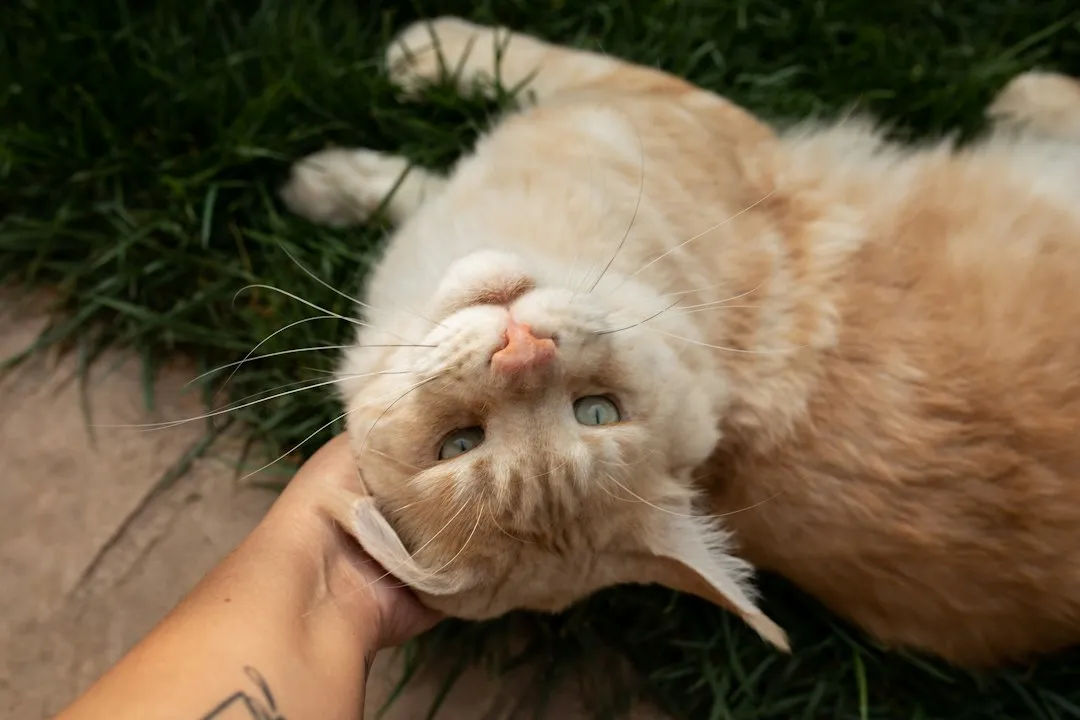
Cats respond by investigating, rubbing, and sometimes remarking. Rubbing a new object is a way to fold it into the group scent and make it feel familiar.
Rooms with big scent changes may lose rank for a while. It usually takes time, repeated visits, and fresh rubbing before the cat decides the space is safe again.
- New scents can reset a room’s status.
- Cats often rub unfamiliar objects within hours or days.
#3 – Play and Hunting Grounds
🔥 Would you like to save this?
We'll email this post to you, so you can come back to it later!
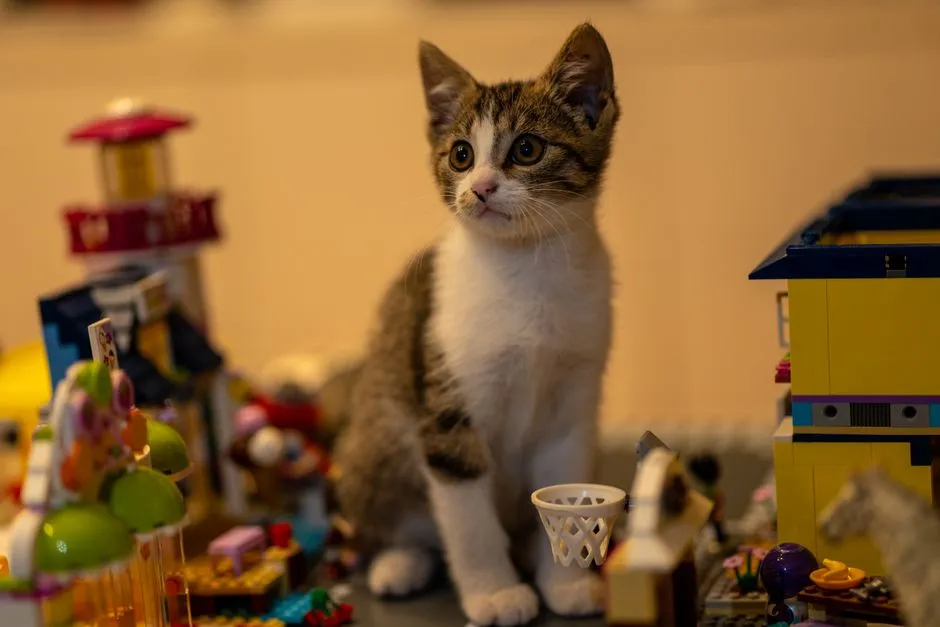
Cats are natural hunters, and rooms where they chase, pounce, and stalk get special status. A hallway with perfect sliding room for a toy mouse can become an arena.
Cats tend to be most active around dawn and dusk, so the rooms they use for play often change with the time of day. Morning sprint zones and evening zoomie tracks may be entirely different spaces.
Toys scattered in one area leave scent and a sense of activity. A room full of small prizes feels like a rewarding place to claim.
Why It Stands Out
- Play rooms tie a space to excitement, not just safety.
- Dawn and dusk are peak hunting hours, so the same house can have two different arenas.
- Open floor with good traction makes a hallway a surprisingly strong contender.
- Rotating a few toys keeps a room feeling fresh better than dumping out the whole basket.
#2 – Memory and Bad Associations

🔥 Would you like to save this?
We'll email this post to you, so you can come back to it later!
Cats remember where bad things happened. A room where the carrier came out, a loud crash echoed, or a stressful visit took place can lose its appeal for weeks.
The cat may avoid it, rush through it, or refuse to relax there. Even something minor, like a fall from a shelf, can leave a lasting impression.
Good associations can rebuild a room’s rank. Regular meals, gentle play, and calm routines help turn a feared space back into a safe one.
- Negative events can downgrade a room quickly.
- Positive routines rebuild trust gradually.
#1 – The Unchanging Core Territory Anchor

🔥 Would you like to save this?
We'll email this post to you, so you can come back to it later!
The strongest factor in assigning room ownership is stability. Any recent change signals a possible threat and resets the cat’s mapping process, no matter how comfy the room is.
Cats test consistency through repeated patrols and scent checks before committing to a space. Rooms that stay predictable win out over flashier options every time.
This final mechanism overrides almost every other preference when security feels compromised. A cat that secures one stable room often extends claims outward only after confirming nothing has been disrupted.
Here’s my honest take. We spend a lot of money trying to tell cats where to sleep, and most of it is wasted. The cat already made the decision, using rules we rarely notice.
Cats aren’t being difficult when they reject the expensive bed. They’re doing a risk assessment, and your living room redesign just failed it.
If you want a happy cat, stop decorating and start observing. Keep the litter box where it belongs, protect the quiet corners, leave the doors predictable, and let the cat finish its patrol. In a cat’s house, you’re not the owner. You’re the tenant with really good snacks.

- 7 Everyday Habits That Can Make Your Senior Dog Happier - November 5, 2026
- 10 Enigmatic Structures That Continue to Puzzle Scientists Today - November 5, 2026
- 10 Strange Ruins in the Americas That Challenge What We Know About Early History - November 5, 2026