
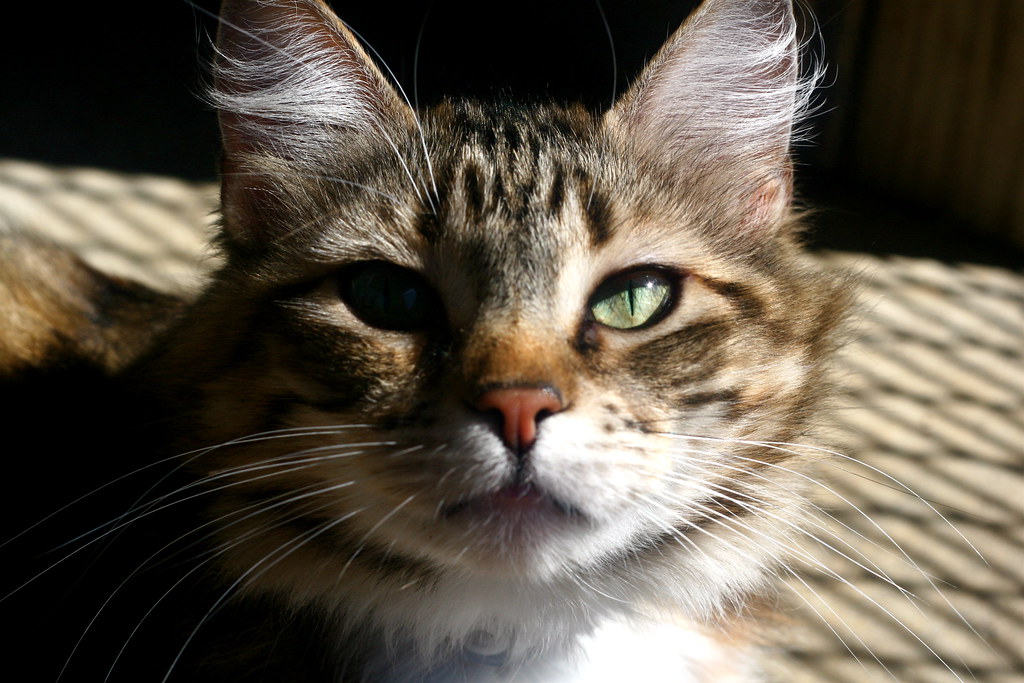
Your cat looks like it does absolutely nothing all day – sleeping, staring, occasionally knocking a pen off the desk for no reason. That reputation for laziness might be the biggest myth in the pet world.
Underneath all that stillness, your cat is quietly running dozens of waiting games every single day: for food, for safety, for a sunbeam that hits the rug at exactly the same minute each morning, for you to finally look up from your phone. Ethologists point out that house cats still operate on a hunter’s internal clock, not a human one, which means even their most boring-looking pauses are loaded with calculation.
Once you learn to spot these moments, you won’t be able to unsee them. Here are 23 waiting games your cat plays every ordinary day – starting with the one that happens before you’ve even opened your eyes.
#23 – Waiting For You To Finally Get Out Of Bed
🔥 Would you like to save this?
We'll email this post to you, so you can come back to it later!
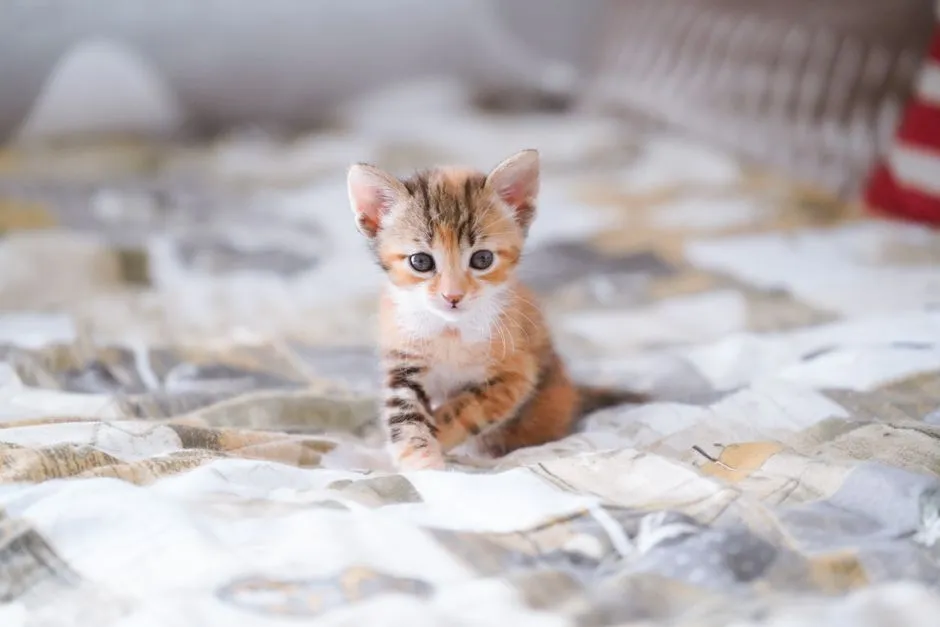
Your cat isn’t randomly on your chest at 6 a.m. They’re running a routine they’ve quietly refined over months, and it’s more precise than most alarm clocks.
Cats learn what time you usually stir, and many will start waiting 10 to 30 minutes before your alarm goes off, often parked in the same doorway or the same spot on your bed. They’re not just waiting for breakfast. They’re waiting for the whole world to switch on – lights, sound, open doors, fresh water, access to windows.
- The slow creep closer to your face every few minutes
- Tiny chirps instead of full meows, testing whether you’re actually awake
Behaviorists call this anticipatory behavior, and it can genuinely raise a cat’s arousal level, almost like a warm-up before a workout. To your cat, those minutes lying still beside your sleeping body aren’t laziness at all. They’re an active wait. But #22 gets even weirder.
#22 – Waiting Beside The Empty Food Bowl
🔥 Would you like to save this?
We'll email this post to you, so you can come back to it later!
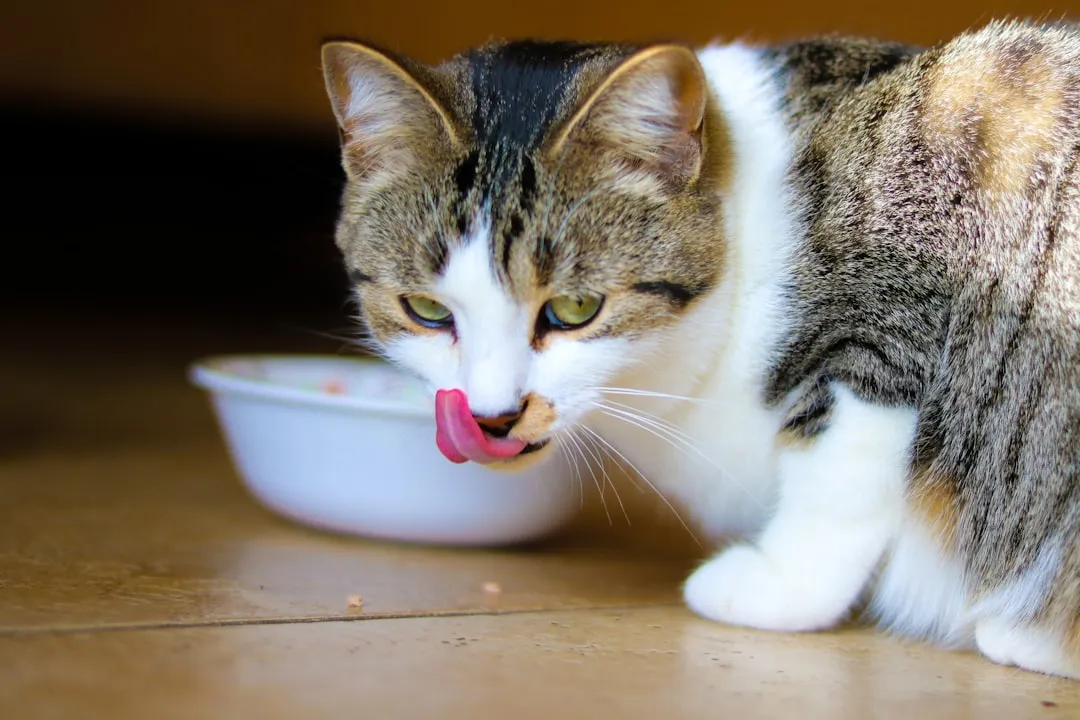
Most people assume a cat sitting at an empty bowl is just begging. What’s actually happening is a rehearsed, almost strategic waiting position built entirely around your behavior.
Your cat has learned that food only appears after specific human actions – walking toward the kitchen, opening a cabinet, that exact scoop-scraping sound. So they plant themselves by the bowl and stare at it, then at you, then back again. Scientists call this referential looking, and it’s one of the clearest signs that cats understand cause and effect with people.
- A fixed posture pointed toward the usual food source
- Tail-tip twitches the second you even think about heading to the kitchen
Their internal clock is sensitive enough that even a ten-minute delay can trigger pacing or annoyed meows. Owners often call this manipulation, but it’s usually something simpler: anxiety around a broken routine. Wait until you see #21.
#21 – Waiting For The Water Bowl To Be “Just Right”
🔥 Would you like to save this?
We'll email this post to you, so you can come back to it later!
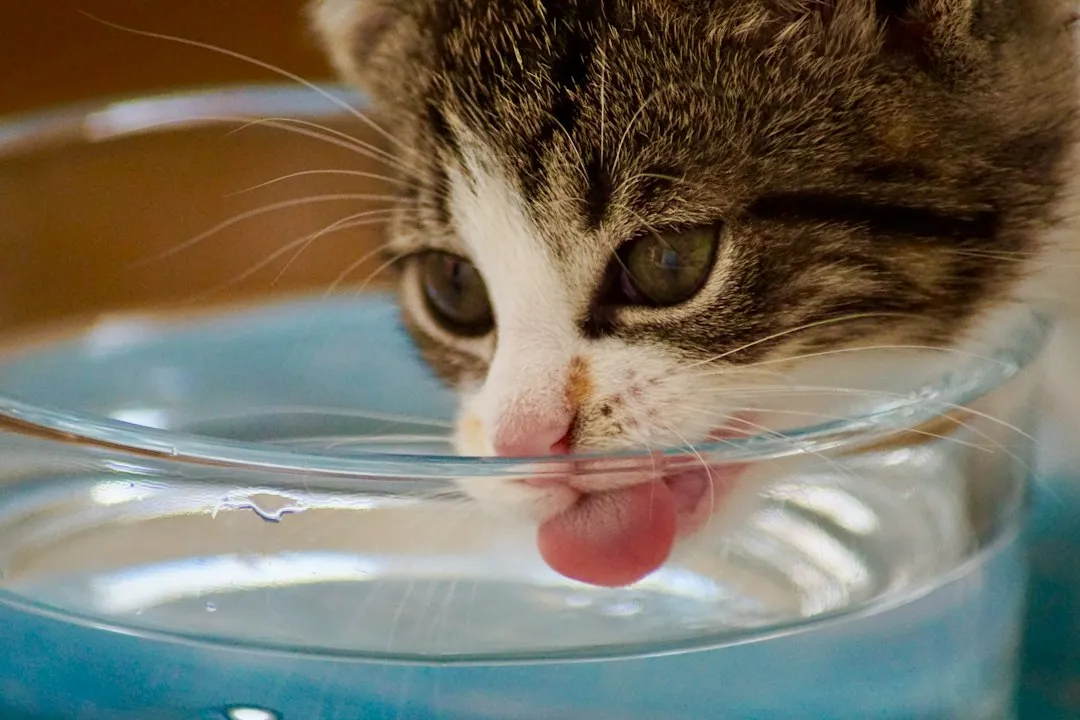
If you’ve ever caught your cat staring at the water bowl without drinking a drop, you’ve just watched another waiting game unfold. Cats are famously picky about water, and there’s an ancient reason behind it.
Their desert-dwelling ancestors survived mostly on moisture pulled from prey, so still water sitting in the open was a genuine risk. That instinct never fully disappeared. Your cat may wait until the bowl is freshly filled and cooler, until floating dust or crumbs settle, or until the house goes quiet enough for them to actually hear around them.
- Fresh, cool water over anything sitting for hours
- A quiet room where they can listen for danger while drinking
- Running water, which reads as “safe” and fresh
That’s why so many cats hover near a sink or bathtub, waiting for the tap to turn on. A cat that ignores “old” water for hours but sprints to the bowl the moment you refill it isn’t being dramatic. It’s following risk calculations written into its DNA long before house pets existed. Number 20 is stranger than it looks.
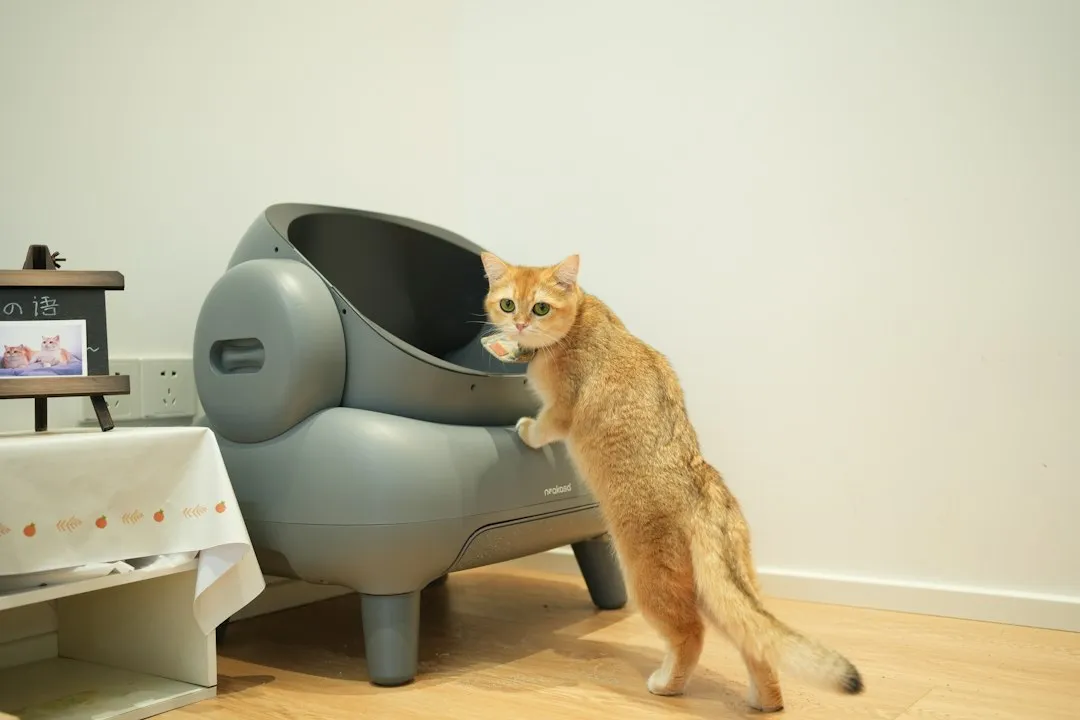
#20 – Waiting For Litter Box Access (And The Right “Mood”)
🔥 Would you like to save this?
We'll email this post to you, so you can come back to it later!
A lot of cats don’t just jump into the litter box the second they feel the urge. They wait – walking by it, sniffing, circling, and sometimes walking away entirely before trying again.
This isn’t indecision. It’s environmental safety-checking, a leftover instinct from the wild where elimination is one of the most vulnerable acts an animal can perform. Indoors, that instinct doesn’t just switch off because there’s a plastic box and clean litter.
- A quieter hallway or room with less foot traffic
- The scent of another cat fading before they’ll approach
- A box that’s been scooped recently, not “full”
In multi-cat homes, this waiting calculation gets interrupted constantly, which is a common hidden cause of accidents outside the box. If your cat hovers near the litter box without going in, they may simply be waiting for the space to feel private enough. Humans call it picky. From the cat’s side, it’s risk management. But #19 might be the most territorial one yet.
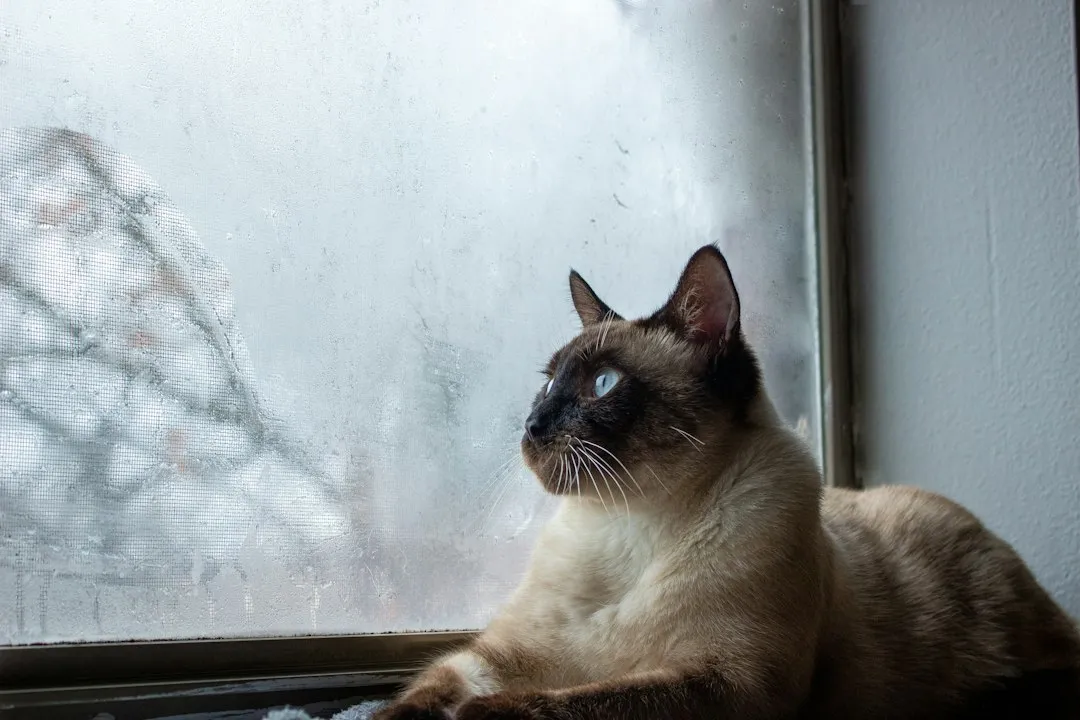
#19 – Waiting On The Window Ledge For “Patrol Time”
🔥 Would you like to save this?
We'll email this post to you, so you can come back to it later!
Most people underestimate how seriously cats take window time. To a cat, a window isn’t just glass – it’s a television, a territory line, and an early warning system rolled into one.
Many cats will park themselves at a particular window at nearly the same time every day, especially at dawn or dusk, when bird and small-animal activity spikes outside. This lines up with their internal clock: cats are crepuscular, meaning they’re wired most sharply for early morning and evening action.
- Sitting statue-still with ears flicking toward sounds you can’t hear
- Glancing toward the window minutes before they actually move there
Move a favorite chair or cat tree away from that spot, and suddenly your pet seems “lost.” What actually happened is simpler: you dismantled a patrol post that took weeks to establish. Here’s where it gets interesting: #18.
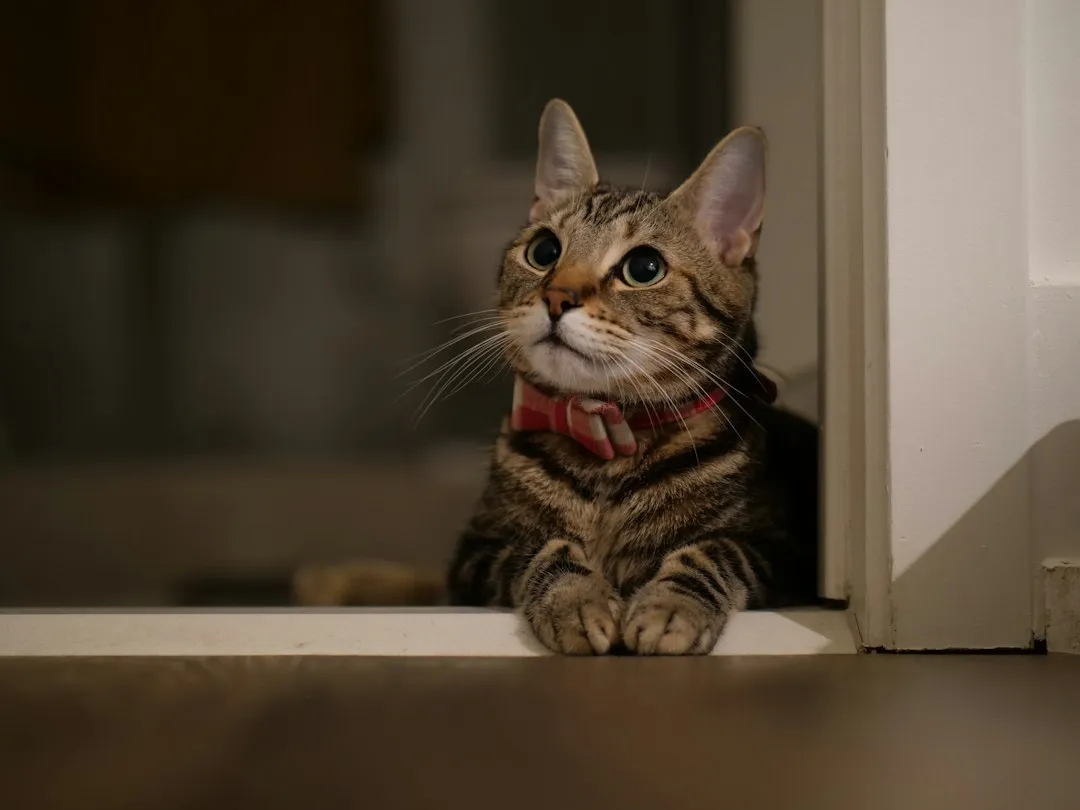
#18 – Waiting For The Door To Open (Even When No One’s There)
🔥 Would you like to save this?
We'll email this post to you, so you can come back to it later!
Every cat has That Door – the bedroom, the bathroom, the laundry room, the door to outside. They’ll sit in front of it, stare, maybe tap it once, then just wait.
This isn’t random. It’s pattern-based expectation built from experience: that door leads to smells, spaces, or people they value, it tends to open after certain sounds like footsteps or keys, and sometimes persistence wins because a human eventually caves.
Worth Knowing
- Cats can often tell familiar footsteps from a stranger’s by rhythm and weight alone
- Sharp spatial memory lets them recall which doors “pay off” for weeks after the last reward
- A door that opens only sometimes builds a stronger waiting habit than one that opens every time
The last remembered reward from that door can keep the waiting behavior alive for weeks, running like a mental slot machine – maybe this time it opens. Some people find this clingy. Behaviorists see it as evidence of sharp spatial memory and real attachment. Your cat likely knows the geography of your home better than you do. #17 explains a habit almost every owner recognizes.
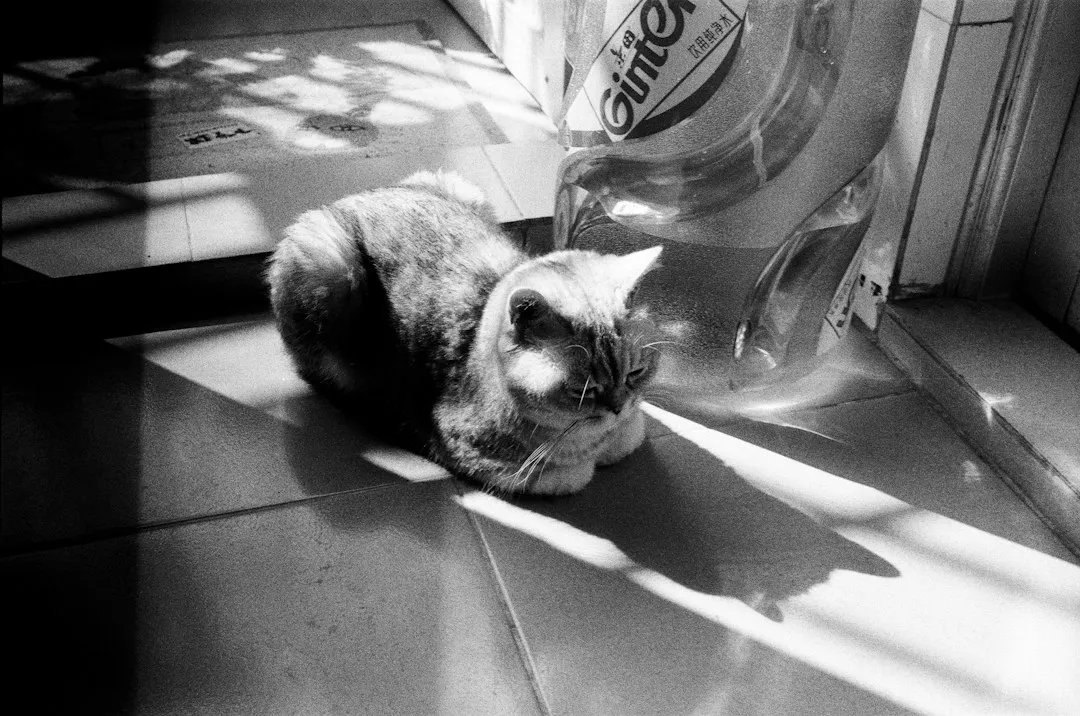
#17 – Waiting For The “Good” Sunbeam
🔥 Would you like to save this?
We'll email this post to you, so you can come back to it later!
Sunbathing cats aren’t flopping into random light. They’re timing it, and they get shockingly good at it within days.
- The cat notices a prime warm spot on the rug around 10 a.m.
- The next day, they arrive a bit earlier and wait nearby in the shade.
- Within a few days, they’re already in position minutes before the sunbeam arrives.
This looks adorable, but it’s really thermoregulation at work. Cats naturally prefer warmer temperatures than humans, and sunbathing lets them maintain body heat with far less metabolic effort – especially valuable for older or leaner cats.
Some cats will even chase the sun across the house all day, waiting in Spot A in the morning and pacing toward Spot B in the afternoon. What looks like a lazy stretch is actually a carefully timed energy strategy. Up next, #16 might explain your cat’s most dramatic reaction.
#16 – Waiting Out The Vacuum (Or Any Loud Appliance)
🔥 Would you like to save this?
We'll email this post to you, so you can come back to it later!
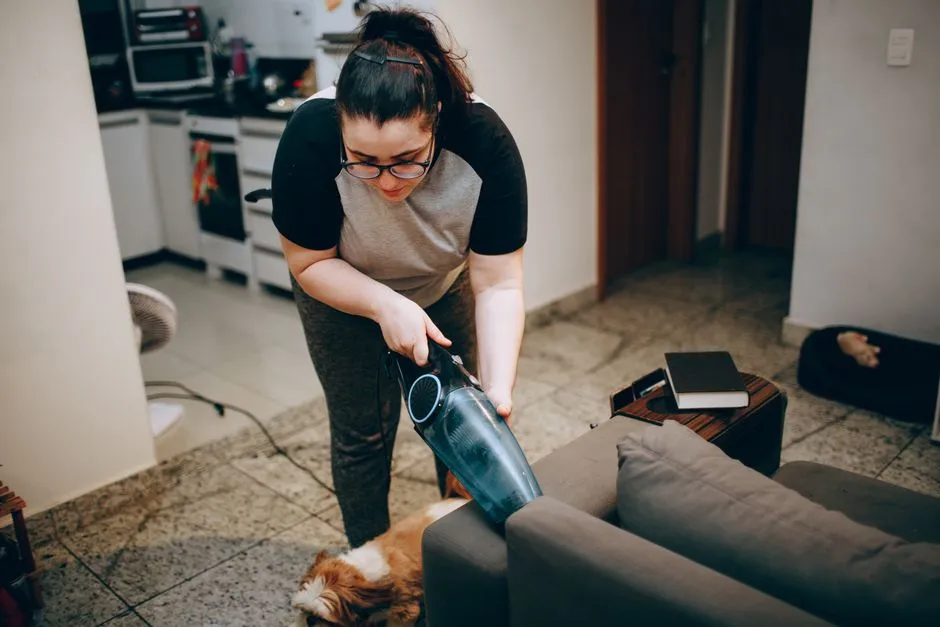
Many owners assume their cat just “hates” the vacuum and bolts without a second thought. Watch closely, though, and there’s almost always a pre-escape wait built in first.
Cats will freeze, stare, and listen as the vacuum comes out of the closet, quietly calculating escape paths and timing. They’re incredibly sensitive to unpredictable loud sounds, and appliances rank near the top of that fear list.
- Waiting at the edge of the room with ears pinned, tracking your movement
- Holding position until the device crosses a certain distance, then fleeing
Over time, cats learn the whole pattern: closet opens, vacuum appears, noise starts, floor becomes “dangerous” until it stops. Interestingly, some cats will wait near the vacuum after it shuts off, sniffing it cautiously, almost confirming the predator is really dead before they fully relax. But #15 hits different if you’ve ever come home to a “bored” cat.
#15 – Waiting For The Favorite Human To Come Home
🔥 Would you like to save this?
We'll email this post to you, so you can come back to it later!
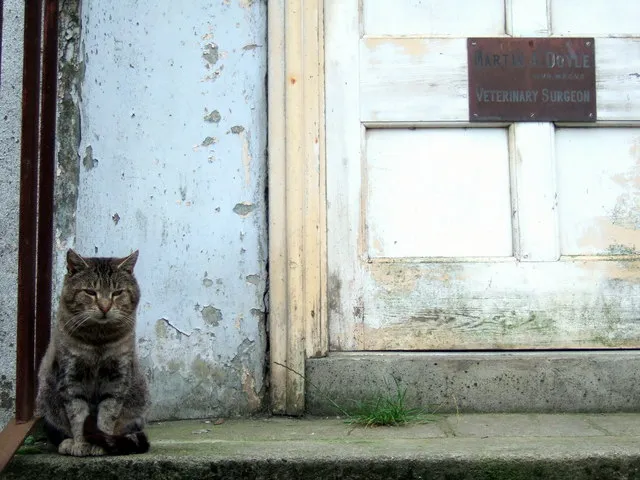
Even famously independent cats do this. Many start their waiting ritual the moment they recognize the sound of keys, a garage door, or footsteps in the hallway – sometimes 10 to 30 minutes before you actually walk in.
- Suddenly choosing a spot facing the door
- Frequent glances or ear twitches toward distant sounds
- Ignoring toys or food while monitoring the entrance
Unlike dogs, cats rarely explode into visible joy at the door. That doesn’t mean the waiting isn’t happening. Research shows cats can distinguish their owner’s voice from a stranger’s and respond differently to familiar arrival cues.
Some owners insist their cat “doesn’t care” when they’re gone. More often, the cat just waits privately – on a windowsill, near the bedroom door – then casually strolls out the second you walk in, pretending it was all a coincidence. #14 reveals the hunter hiding in your couch potato.
#14 – Waiting For The Toy To Move Again
🔥 Would you like to save this?
We'll email this post to you, so you can come back to it later!
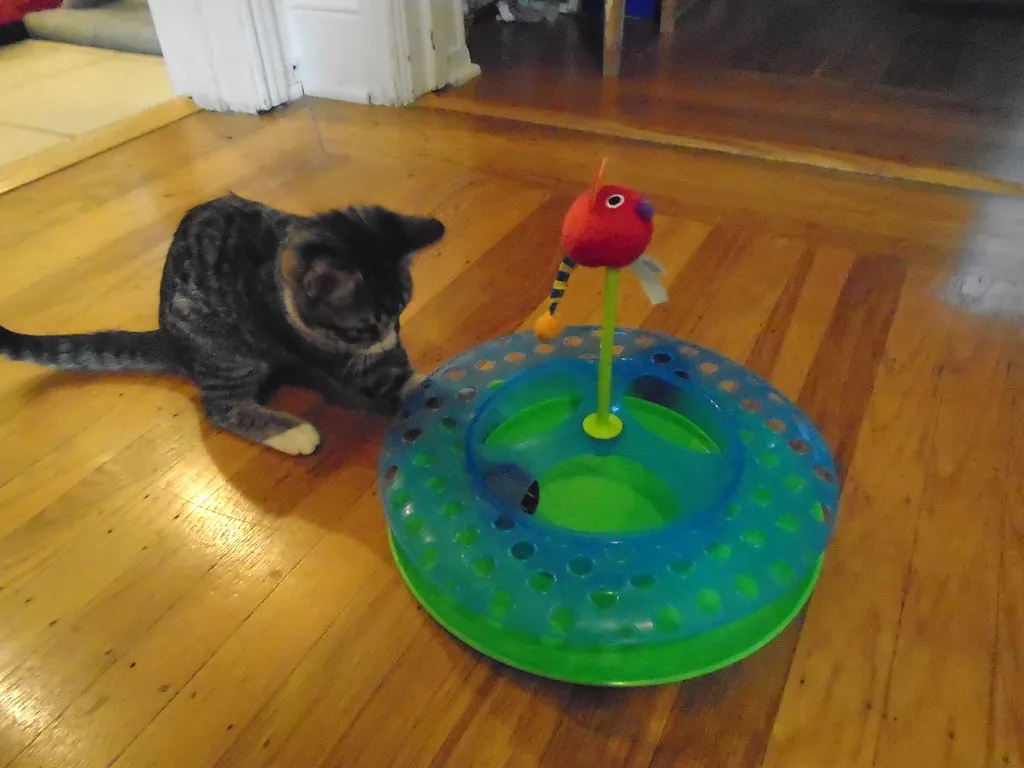
Interactive play looks simple: human waves toy, cat pounces. But between those pounces is a long, tense wait that’s easy to miss.
Your cat will freeze, pupils huge, body low, locked onto the unmoving toy or your hand. This isn’t boredom. It’s hunting strategy borrowed straight from the wild, where prey often pauses and a good hunter has to hold position without breaking focus, sometimes for agonizingly long stretches.
- Tracking micro-movements of the toy
- Estimating distance and timing the perfect pounce
- Suppressing the urge to rush in too early
Fast Facts
- Even skilled hunters miss more than they catch, often succeeding in well under half of their attempts
- The pre-pounce freeze helps a cat judge distance using whisker and paw-pad sensitivity
- Kittens rehearse this same stalk-freeze-pounce sequence in play by around two months old
Some cats even glance away briefly before snapping back the instant the toy twitches – a trick that reduces visual fatigue and sharpens the final lunge. When you stop moving the toy for too long, cats often wander off, not because they’re “over it,” but because a frozen prey that never moves again breaks the hunting script wired into their brain. Wait for #13 – it explains why your lap suddenly becomes prime real estate.
#13 – Waiting For You To Sit Down (So They Can Claim You)
🔥 Would you like to save this?
We'll email this post to you, so you can come back to it later!
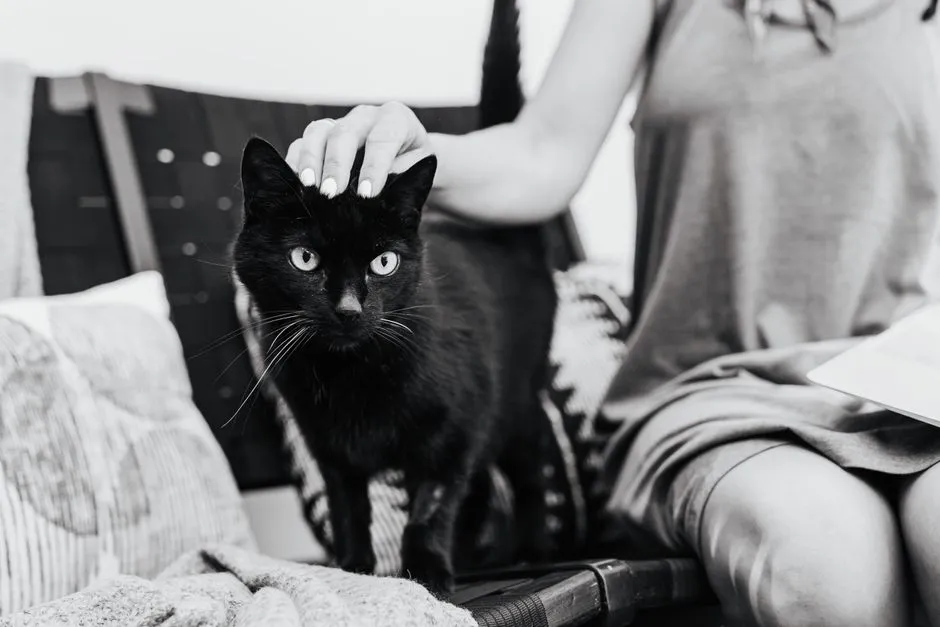
People joke that the second they finally sit down, the cat appears out of nowhere. That’s not coincidence – it’s the payoff of minutes spent hovering nearby, waiting for you to become a stable, predictable object.
- Following you from room to room without ever settling
- Pausing in doorways, watching to see if you’re really done moving
- Circling the couch while you adjust pillows and blankets
Cats hate wasted effort. Jumping into a lap that immediately stands back up is a failed investment in comfort and security, so they wait and read your body language instead – how you sink into the chair, whether you grab a blanket, whether the remote comes out.
People often read this as neediness that only shows up during downtime. In reality, your stillness is what makes you predictable enough for a cat to commit to 20 or 40 uninterrupted minutes of contact. #12 is proof your cat never really stopped hunting.
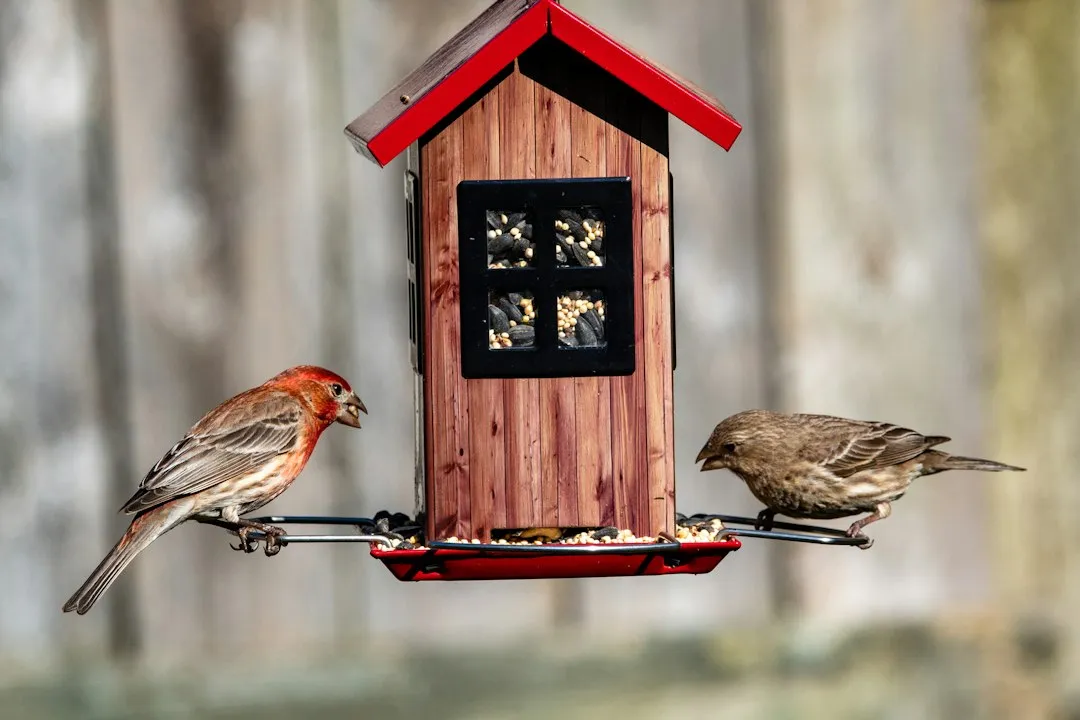
#12 – Waiting For Birds To Return To The Feeder
🔥 Would you like to save this?
We'll email this post to you, so you can come back to it later!
Cat at the window. Empty bird feeder. Still staring. It looks pointless to us, but it makes perfect evolutionary sense to your cat.
In the wild, prey sources go quiet and then active again, and animals that stick around through the lull sometimes win the biggest payoff. So your cat waits, sometimes locked on the same outdoor spot for 10, 20, even 30 minutes at a stretch.
- Sitting rigidly with the tail curled or flicking slowly
- Tiny chattering sounds at distant flutter noises
Ethologists call this a sit-and-wait predation posture, and even indoor cats with zero real chance of catching anything still run the same script. That empty feeder is a memory hotspot – the last time this happened, something exciting followed. But #11 is the one every treat-jar owner will recognize.
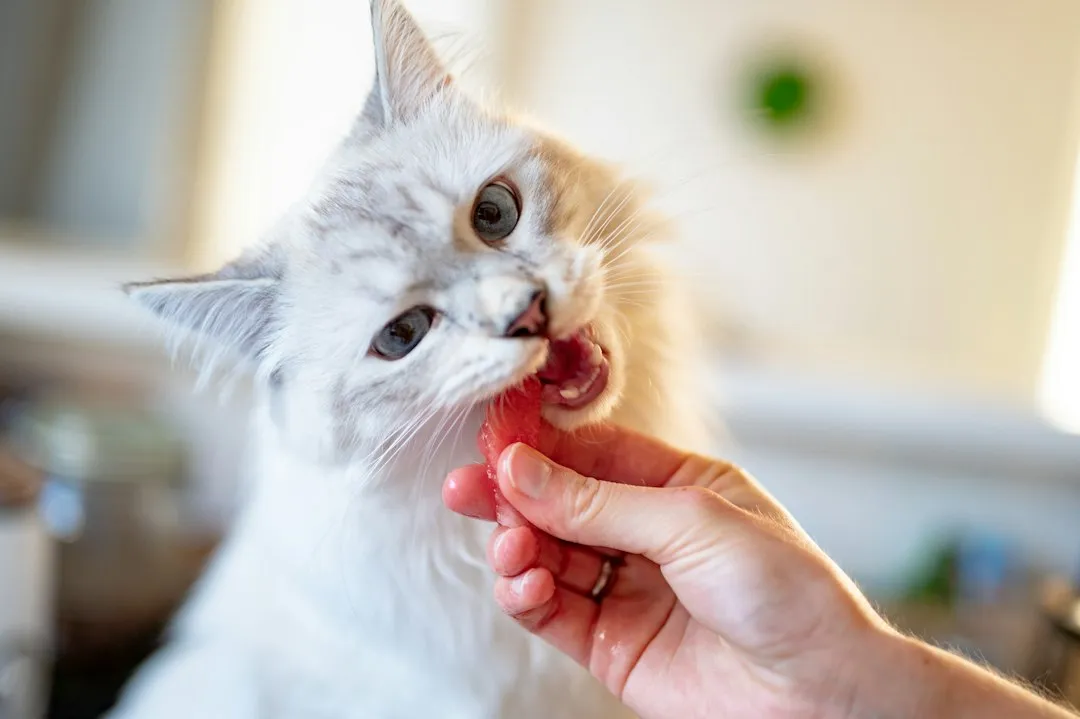
#11 – Waiting For The Treat Jar Sound
🔥 Would you like to save this?
We'll email this post to you, so you can come back to it later!
You don’t have to say a word. Just brush against the cabinet where the treats live, and your cat materializes as if summoned. What you don’t see is that they were already in a light waiting mode long before you touched anything.
Cats easily pair specific times, like late evening or right after work, with treat routines, along with specific sounds like a crinkling bag or a sliding drawer. So they hover in the kitchen’s orbit, ready for the moment the expected sound finally happens.
- Background readiness within earshot of the kitchen
- Staring up at the cabinet, then glancing back at you like a reminder
It’s not manipulation. It’s proof they’ve built a time-based expectation entirely around your habits, and the mental waiting has usually been running for several minutes before you ever notice. #10 explains that mysterious vanishing act.
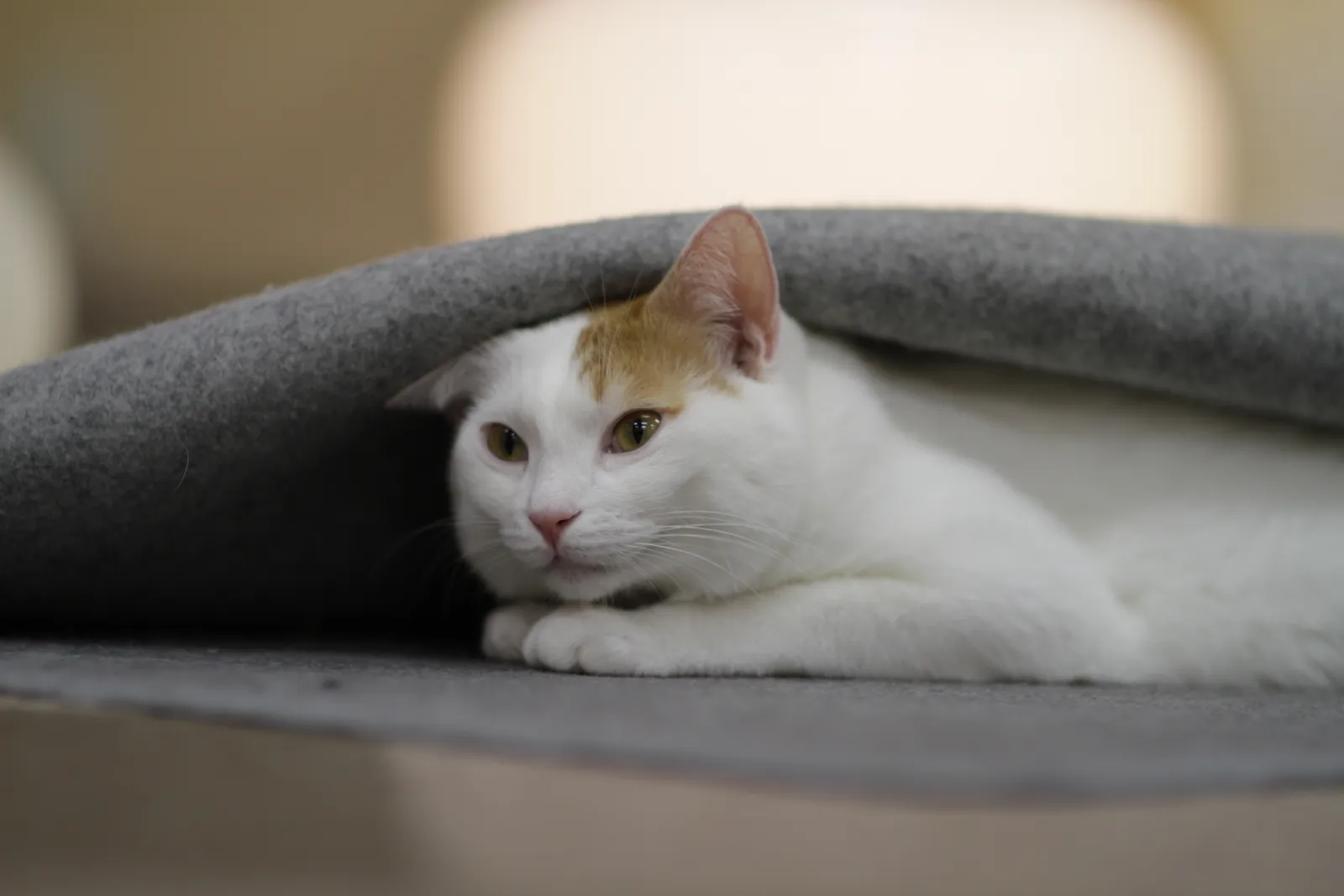
#10 – Waiting Out The “Stranger Danger” Phase
🔥 Would you like to save this?
We'll email this post to you, so you can come back to it later!
When a new person walks into the home, plenty of cats vanish instantly. What most guests never see is the quiet surveillance happening from a hallway, under the bed, or a blind corner. That’s not just hiding. That’s waiting, with actual criteria.
- The stranger’s voice volume drops
- Fast movements slow down
- Their scent becomes familiar over time
Only after those boxes get checked will many cats creep back out, acting like they “just happened” to appear. For some cats this takes 20 minutes; for shy ones, an hour or more.
Some experts argue that forcing interaction too soon – pulling the cat out or cornering it – resets the entire waiting clock, forcing them to rebuild trust from zero. Letting them finish the process on their own terms almost always produces stronger, more lasting comfort. #9 turns your bathroom into cat surveillance central.
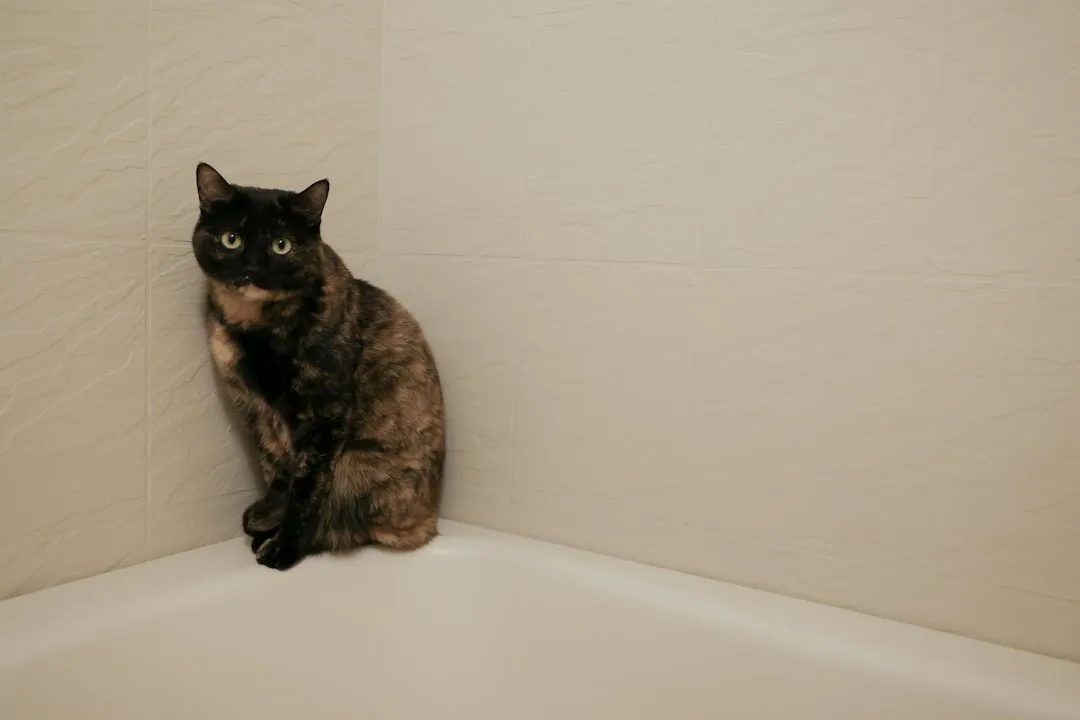
#9 – Waiting At The Bathroom Door Like It’s A Portal
🔥 Would you like to save this?
We'll email this post to you, so you can come back to it later!
Why do so many cats camp outside the bathroom door? Partly because you closed it, sure. But bathrooms are strange, high-value rooms in cat logic, full of different acoustics, unusual smells from drains and soap, and a strong history of trapping you in one predictable spot.
So when the door shuts, your cat parks outside and listens. They learn the whole sequence: door shuts, water runs, toilet flushes, door opens. While you scroll your phone, they’re timing your entire routine from the hallway.
- Paws slipped under the door or steady meowing
- Silent sitting with eyes fixed on the gap under the door
At a Glance
- Cats hear a wider range of frequencies than humans or dogs, so faint pipe and drain sounds don’t go unnoticed
- A closed door blocks sight but not scent, so smell fills in the gaps sound can’t cover
- Running water is one of the most attention-grabbing sounds for a cat, tied to instincts about “moving” water being safer to drink
The instant you open it, they bolt in – not out of desperate longing, but because the room just flipped from forbidden to unlocked mystery box. Wait until midnight – #8 explains everything.
#8 – Waiting For The House To Go Quiet
🔥 Would you like to save this?
We'll email this post to you, so you can come back to it later!
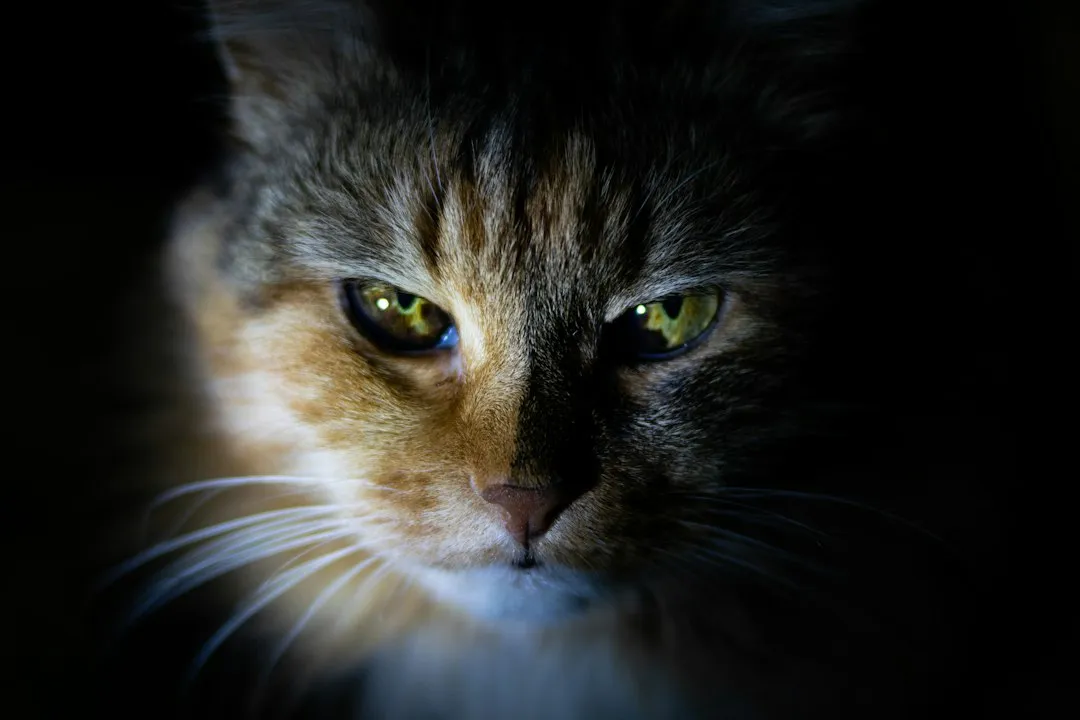
Cats that seem aloof all day sometimes come alive late at night, and that timing isn’t random. They’re waiting for the household soundscape to drop below a certain threshold – TV off, kids asleep, dishwasher finished, no more slamming doors.
- Rubbing against your legs out of nowhere
- Sudden play or zoomies down the hallway
- Exploring rooms they avoid whenever people are active
Noise is one of the biggest environmental stressors for cats. All day long they may sit in a mild state of vigilance or interrupted rest, waiting for the safest possible window to finally do what they’re wired to do: hunt, explore, and patrol.
Owners call it the 3 a.m. crazies. From the cat’s side, it’s simply the payoff of a long, patient wait. #7 is the moment most owners completely miss.
#7 – Waiting For You To Look At Them First
🔥 Would you like to save this?
We'll email this post to you, so you can come back to it later!
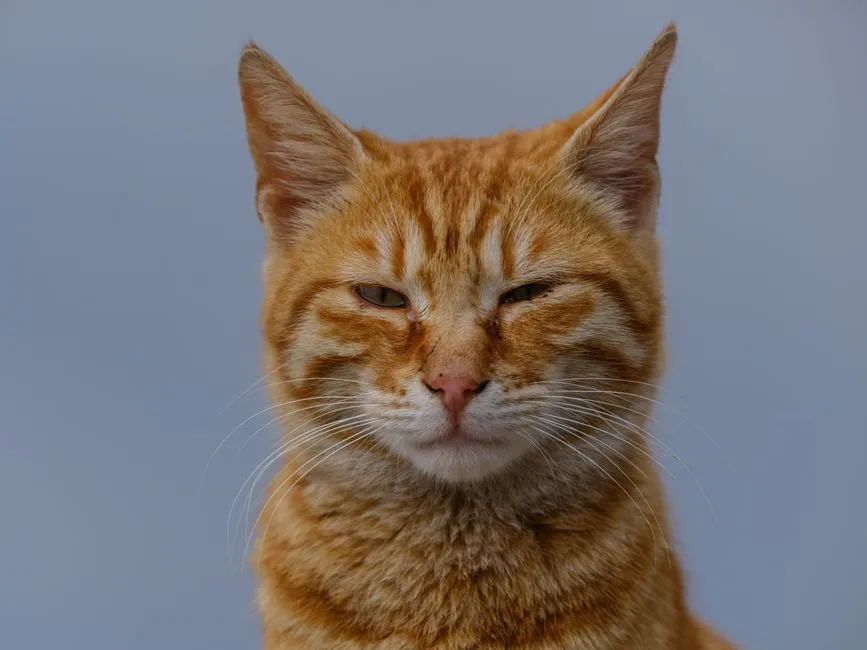
Ever notice your cat perched somewhere, just staring – and the second you make eye contact, they slow-blink or wander over? It feels almost spooky, but it’s another waiting pattern: your cat was holding a social signal, waiting for your response.
- Eye contact, especially followed by a slow blink
- Head turned toward or away from you
- Small ear and whisker shifts
A cat that stares and waits for your eyes is testing connection, not asserting dominance. Once you look back, the interaction activates – the slow blink signals trust, and approaching you is step two.
There are two means of refuge from the misery of life: music and cats.
Albert Schweitzer
People who miss this tiny waiting game often assume their cat is antisocial. In reality, they’re missing dozens of quiet attempts at conversation in the only language the cat has. #6 shows why cats love the high ground.
#6 – Waiting On The High Ground For “Clearance”
🔥 Would you like to save this?
We'll email this post to you, so you can come back to it later!
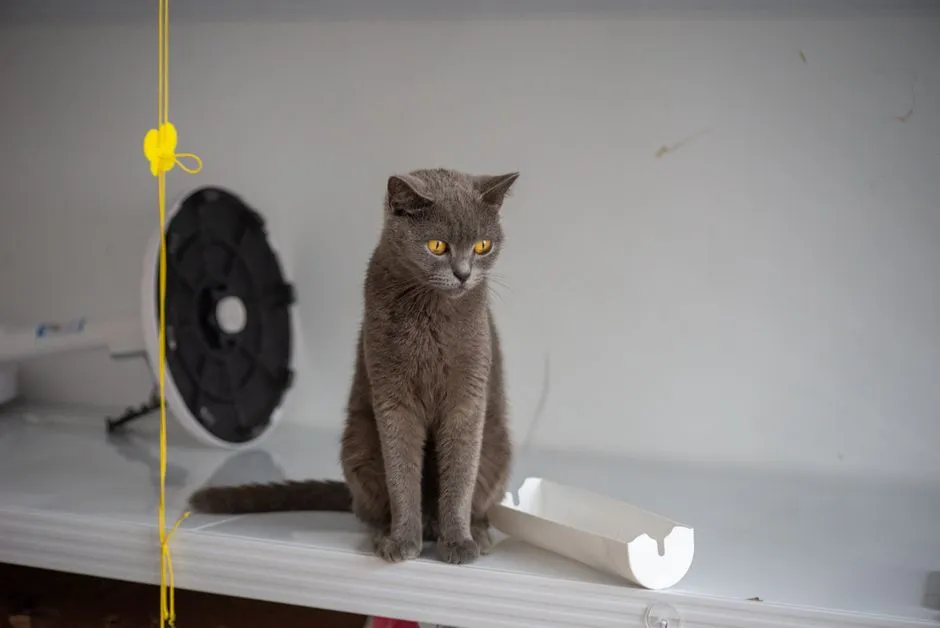
Cats love elevated spots for more than comfort – they love them for information. A cat perched on a shelf or fridge top might look like it’s napping, but watch closer and you’ll see a shallow doze, ears rotating, eyes half-open.
- Movement below that signals “all clear” or “interesting”
- Other pets clearing an area so they can descend safely
- You settling down so their approach feels lower-risk
In multi-pet homes, high ground often doubles as a waiting room. A cat retreats upward to dodge conflict, then monitors the floor until it’s clear enough to move. That “lazy lookout” on top of the fridge is really a carefully timed safety buffer, not a random napping spot. #5 is the most vulnerable wait on this list.
#5 – Waiting For The “Right” Time To Nap With You
🔥 Would you like to save this?
We'll email this post to you, so you can come back to it later!
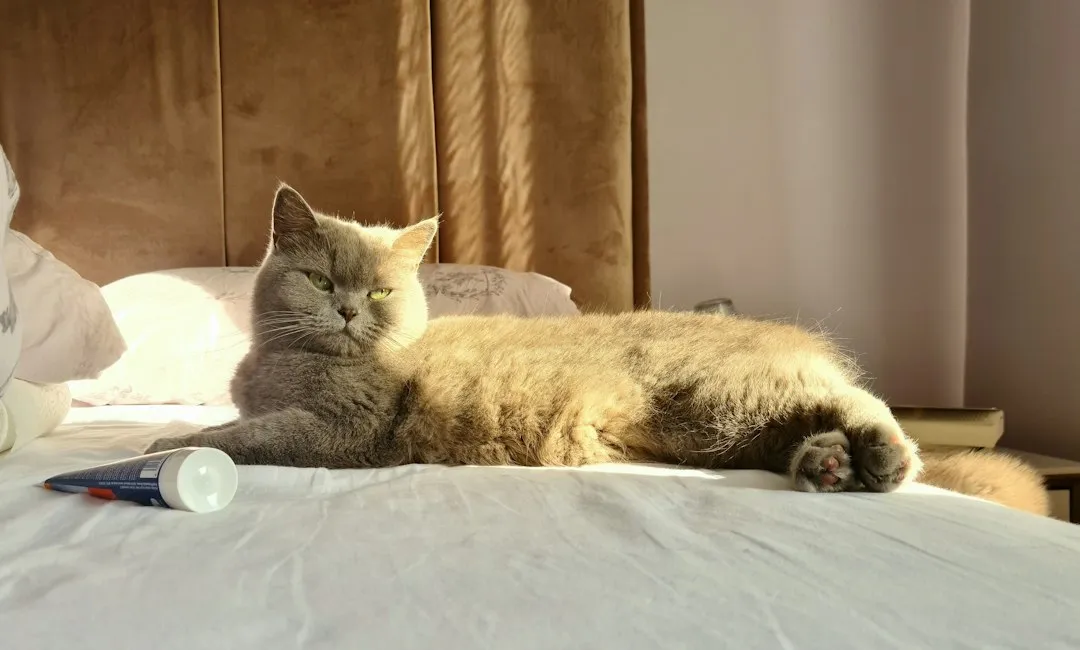
Cats sleep constantly, but choosing to nap with you is never random. There’s almost always a waiting period first – lingering in the doorway, watching you settle, testing the waters by hopping up to the foot of the bed before committing further.
- Reading how restless you are: phone scrolling versus deep, slow breathing
- Checking whether other pets are about to pile in too
- Noise level outside the room
Co-sleeping is a high-trust move in cat language because it makes them genuinely vulnerable. So they wait until your patterns say you’re going to stay still, and if you toss and turn, they’ll bail and restart the whole process.
This is why some cats vanish the instant you get up mid-movie. From their view, you broke the rest contract, and they’re not wasting another 30 minutes resettling until you prove you’re actually staying put. #4 explains why your laptop is basically a cat magnet.
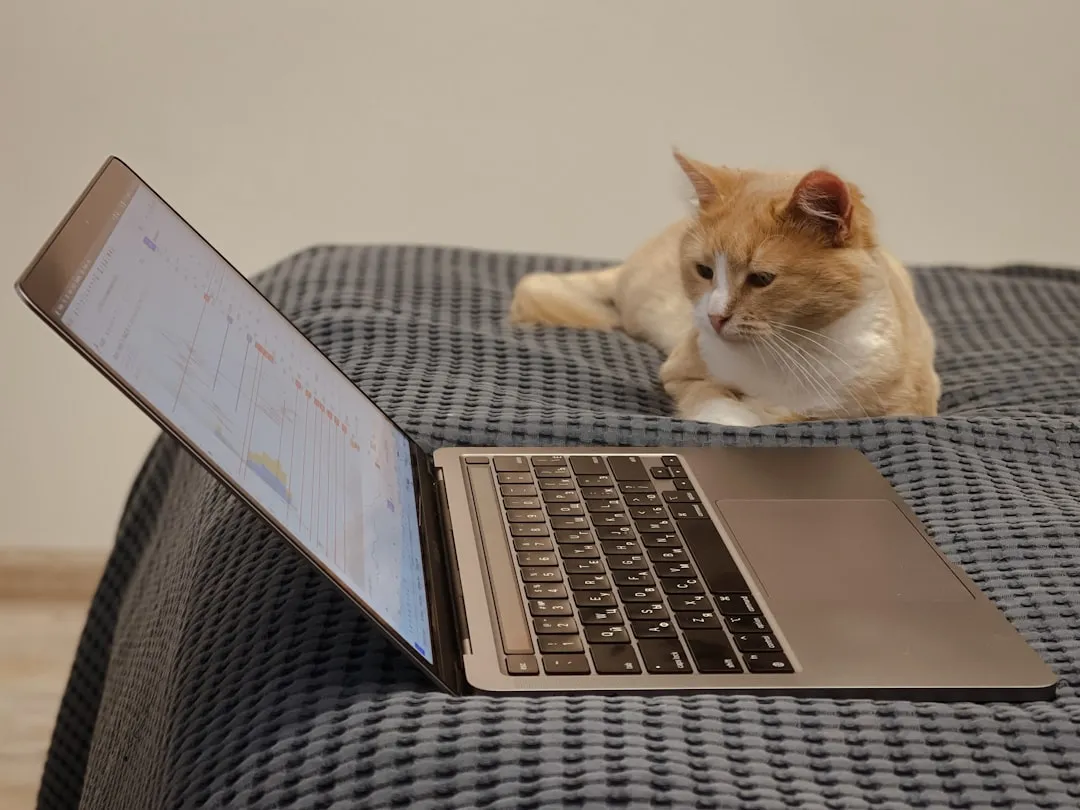
#4 – Waiting For You To Stop Working
🔥 Would you like to save this?
We'll email this post to you, so you can come back to it later!
Laptop open, cat nearby, staring. They knead the edge of the desk, brush against your hands, maybe lie just out of reach – and the second you close the laptop, they’re on your lap or keyboard immediately.
That timing isn’t luck. Your working posture – leaning forward, fast finger movement, locked-in screen focus – tells your cat you’re mentally somewhere else. So they wait. Annoyed, restless, but waiting.
- Circling your chair without committing to your lap
- Sitting nearby with eyes fixed on your face
- Lying on closed books or idle objects instead of you
The moment you shut the laptop, your whole body language shifts – shoulders drop, breathing slows, focus softens. That’s the green light your cat was waiting for. And plenty will immediately claim the warm laptop spot itself, since it smells like you and radiates comforting heat. #3 is peak feline drama.
#3 – Waiting Out The “Pretend Ignore” Phase During Play

🔥 Would you like to save this?
We'll email this post to you, so you can come back to it later!
Cats love the push-pull of chase and retreat. Mid-play with a wand toy, many will suddenly flop on their side, look away, and appear to lose all interest. Most owners assume that means the game is over.
It’s actually bait. They’re waiting for the toy to “escape” dramatically, for you to drag it behind furniture, or for a sudden erratic twitch that mimics wounded prey.
- Muscles still tense underneath the relaxed pose
- A slightly flicking tail
- Eyes snapping back at the smallest movement
This pretend nonchalance is pure predatory strategy: let the prey think it’s safe, then ambush it. If you drop the toy right when they go still, the hunting script cuts off mid-sentence, and the cat may wander off looking bored when what they actually wanted was one big, satisfying final chase. #2 is the calm before the actual chaos.
#2 – Waiting For The House To Wake Up Again
🔥 Would you like to save this?
We'll email this post to you, so you can come back to it later!
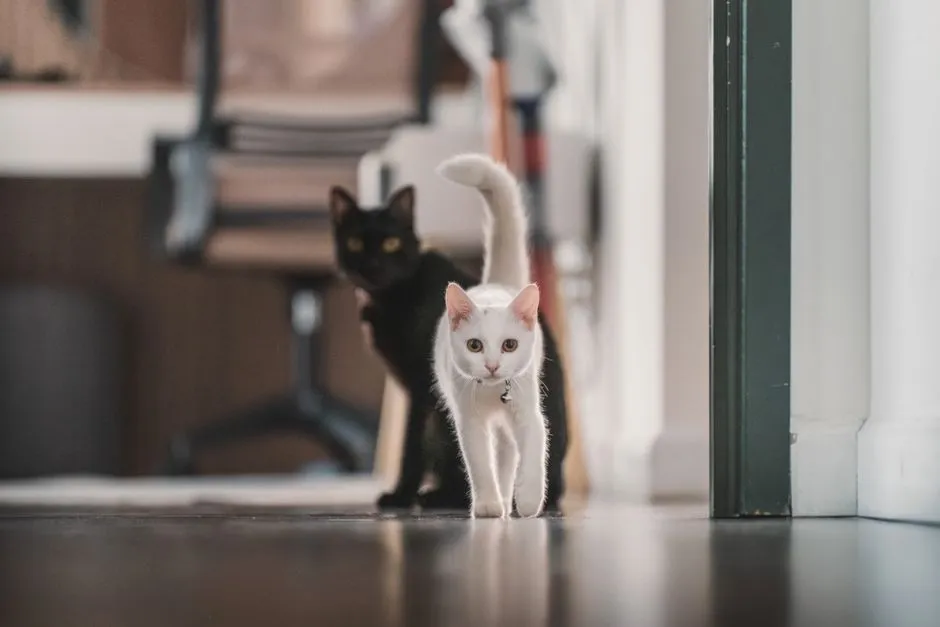
Just before feeding time, before kids get home, or right ahead of your usual evening routine, plenty of cats slip into a strange limbo. They’re not fully resting and not fully playing – they’re simply waiting for the next predictable wave of human activity.
- Switching spots more often than usual
- Pausing in hallways or near doors
- Staring toward the kitchen or entryway with no obvious trigger
This is another form of anticipatory behavior, and it can look a lot like restlessness. Their internal clock is essentially saying “something usually happens around now,” so they hover between tasks, reluctant to fully commit to sleep or play in case they miss the moment.
Quick Compare
- Weekday mornings: a tight anticipation window, with the cat in position minutes before the alarm
- Weekends: the routine shifts, and many cats vocalize more, unsure if the “usual time” still applies
- Vacations or schedule changes: anticipatory pacing and meowing often peak since the internal clock has nothing to anchor to
Some cats vocalize more during this window, letting out short, questioning meows almost like they’re checking whether the schedule is actually going to hold today. When routines break – weekends, vacations, a missed feeding time – this is often when cats seem the most unsettled. And #1 might be the most heartbreaking one on this list.
#1 – Waiting For You To Notice Them At All
🔥 Would you like to save this?
We'll email this post to you, so you can come back to it later!
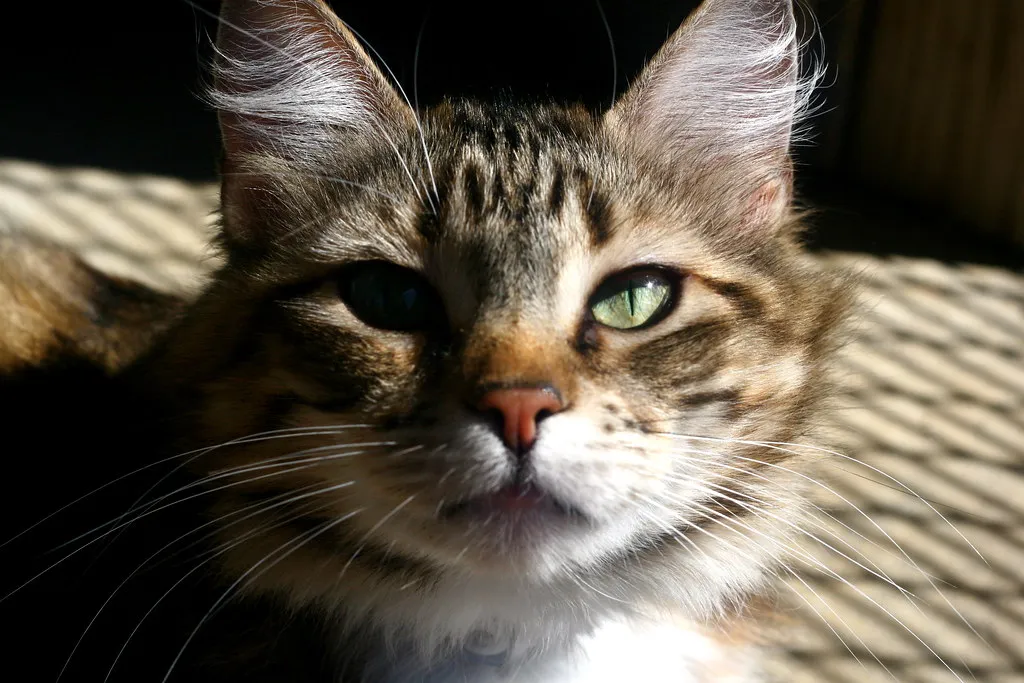
The most underrated wait of a cat’s day is also the easiest one to miss entirely: the quiet, motionless pause where they’re simply waiting for you to pay attention. Not food. Not treats. Not a door. Just you.
- Sitting in your line of sight but slightly off-center
- Positioning themselves between you and the TV or phone
- A single meow or tail flick, then freezing completely
This is a social bid, plain and simple. Cats may not be dogs, but they absolutely seek connection on their own terms, and a lot of the behavior owners label “annoying” – walking across the keyboard, sitting on an open book, knocking something off a table – starts out as a polite bid that escalated after being ignored.
If you glance over and respond – say their name, slow-blink, pat the cushion – they often soften immediately: a purr, a stretch, a curled paw settling in. Ignore them, and they escalate. That quiet wait is really just one question, asked over and over in silence: am I even on your radar today?
The Bottom Line
🔥 Would you like to save this?
We'll email this post to you, so you can come back to it later!
Slow down and actually look, and a cat’s “lazy” day turns out to be packed with waiting: for safety, for routine, for contact, for stimulation. They’re constantly running quiet calculations about timing, risk, and reward, built on a wild cat’s schedule and squeezed into a human house.
Every stare at a door, every pause by a window, every hover near your chair is a tiny story about how your cat sees its world – and you. Most people only notice the dramatic parts: the zoomies, the meows, the knocked-over glass. The truth is, the quiet waits in between say far more about your cat’s trust and intelligence than any viral clip ever could.
Some people will still insist cats are just bored animals lying around all day. They’re wrong, and honestly, they’re missing the best part of owning one. Those long pauses are exactly where the real relationship lives – you just have to slow down enough to catch it.

- Why Veterinarians Say If Your Cat Sleeps With Their Back to You, It's the Highest Form of Trust in Feline Behavior - November 5, 2026
- 10 Common Garden Pests That Are Actually Beneficial To Your Backyard Ecosystem - November 5, 2026
- 10 Unusual Reasons Older Adults Bond More Deeply With Certain Dog Breeds - November 5, 2026