
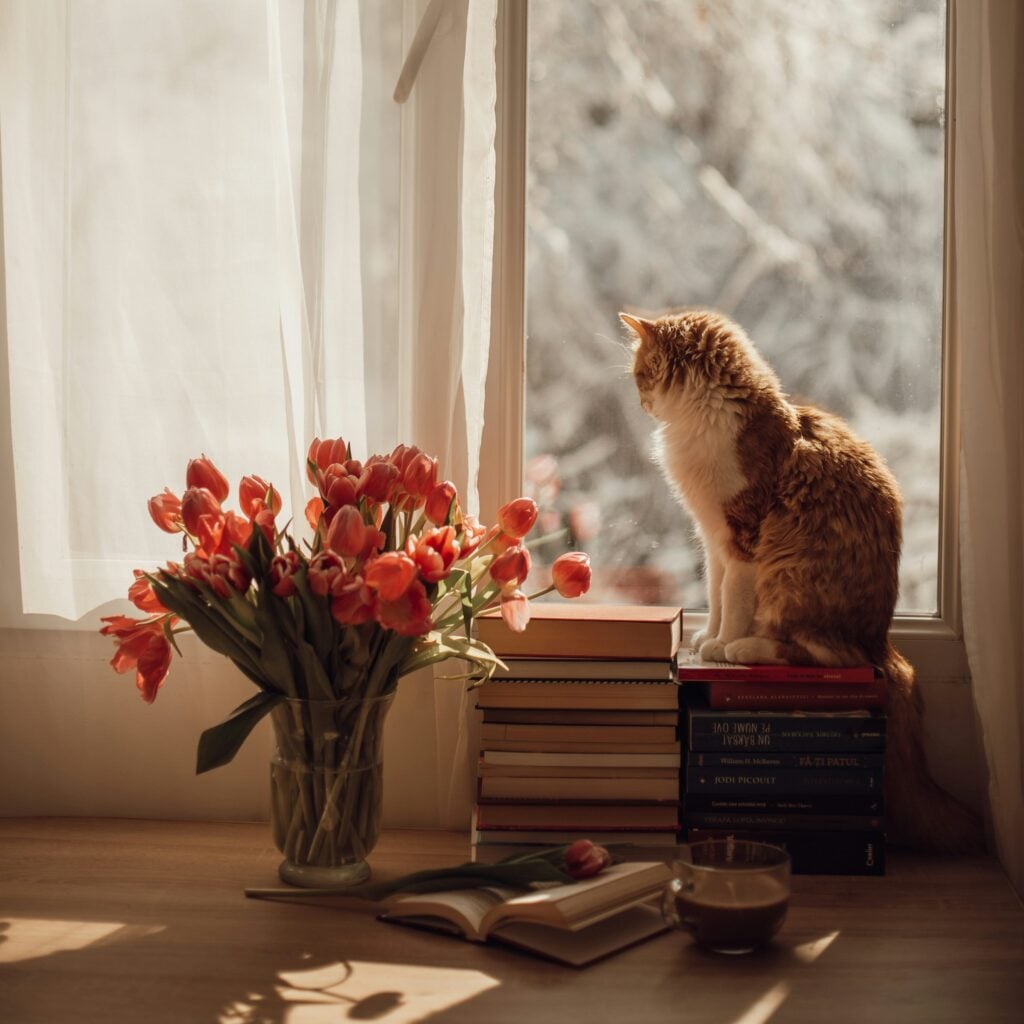
Your cat has never seen a clock, never worn a watch, and definitely doesn’t know what a calendar app is. Yet somehow, they show up at the food bowl seconds before you’ve even decided to fill it, launch into 4 a.m. zoomies like clockwork, and materialize by the fridge the instant it opens. No alarm. No reminder. No routine you actually taught them.
The truth is stranger than “cats just know stuff.” They’re running a hidden web of overlapping clocks – light, sound, smell, even your own heartbeat – that has almost nothing to do with the schedule you think you’re keeping. Once you see how deep this goes, you’ll never look at your cat’s “random” naps the same way again.
#1 – The “First Light” Alarm Clock You Never Set
🔥 Would you like to save this?
We'll email this post to you, so you can come back to it later!
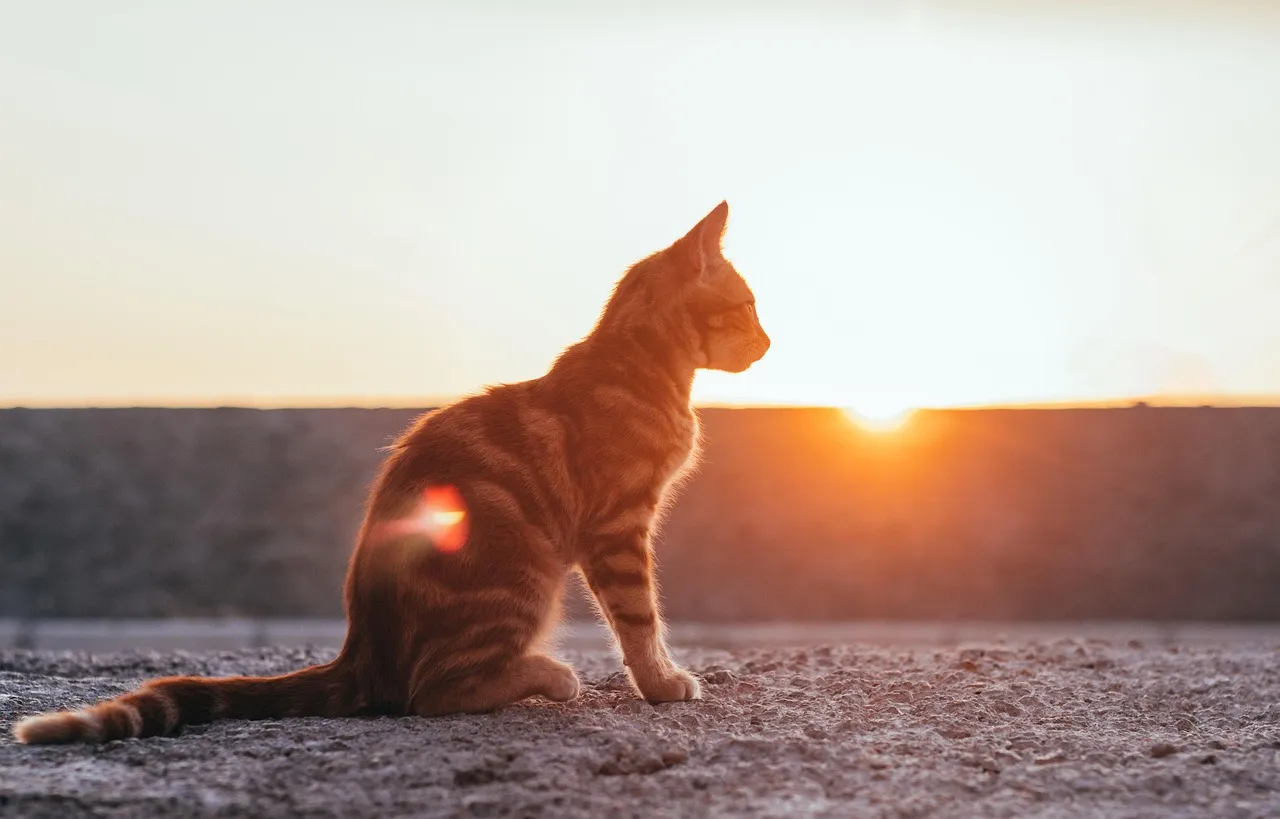
Cats are crepuscular, wired to be most active at dawn and dusk, and they use natural light changes as a precise built-in clock. As the sky begins to brighten – even before you’d notice – they’re already registering the soft shift in ambient light. They don’t need sunlight pouring in; micro-changes in brightness and color temperature are enough to flip their “morning” switch. This is why your blackout curtains help, but never truly win.
What throws people is that cats keep this pattern even when your schedule doesn’t. You can work night shifts, sleep till noon, or stay up till 3 a.m. – your cat still pings awake around the same early window, because the light outside is whispering “hunting time.” In apartment buildings and big cities, they learn the exact moment streetlights fade and birds start calling, stacking two time signals together at once.
#2 – The Silent Bird-Song Stopwatch Outside Your Windows
🔥 Would you like to save this?
We'll email this post to you, so you can come back to it later!
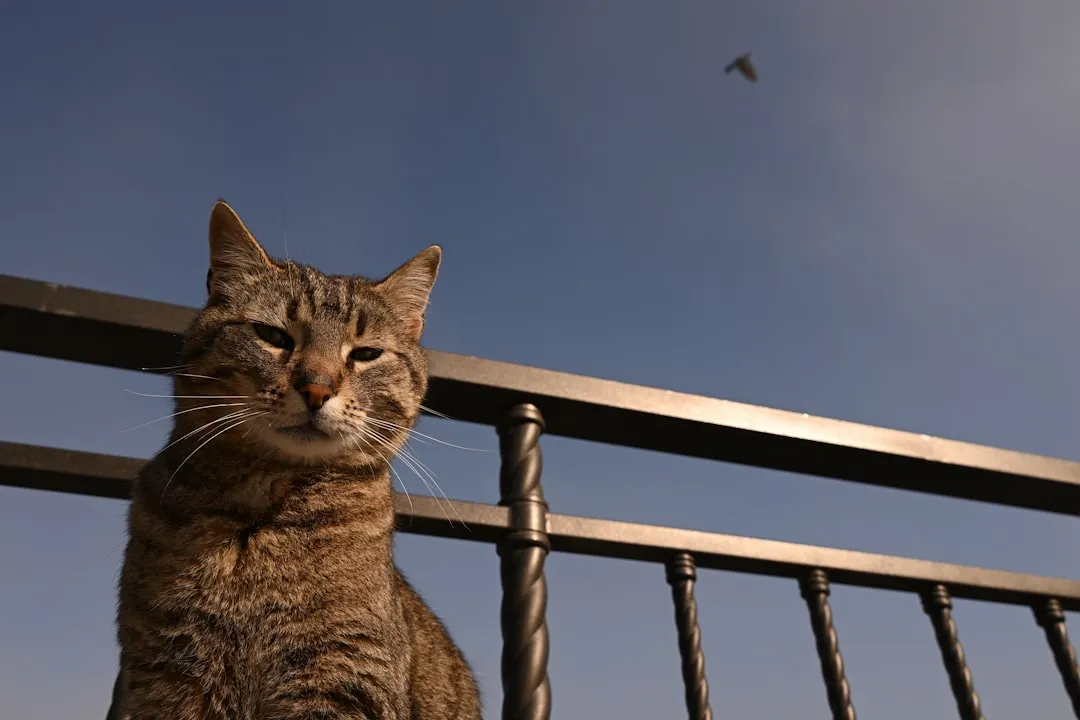
Most people barely notice when birds start their morning chorus, but your cat absolutely does. The first tiny chirps at dawn are like a ringtone only they care about. Their hearing is so sensitive they can detect high-pitched bird calls long before you could hear a thing. To a cat, the daily rhythm of local birds is a reliable “time stamp” tied to specific hours and seasons.
Over weeks and months, your cat learns the pattern: which birds sing first, which ones come later, when the noise dips midday, when the evening calls kick in. Even indoor cats build a sound-based schedule around this. Close the windows, turn on white noise, and they’ll still catch the dull, distant pattern and adjust their routine around it – which is why your cat seems restless at the exact same “bird-rush hour” every day, even if you’re not moving yet.
Fast Facts
- Cats can hear frequencies far above the human range, which is roughly 20,000 Hz
- Their ears each contain over a dozen muscles, allowing near-independent rotation toward sound
- This extended hearing range lets them catch high-pitched bird calls and rodent noises humans simply can’t detect
#3 – The Heat-Map Memory of Sunbeams on the Floor
🔥 Would you like to save this?
We'll email this post to you, so you can come back to it later!
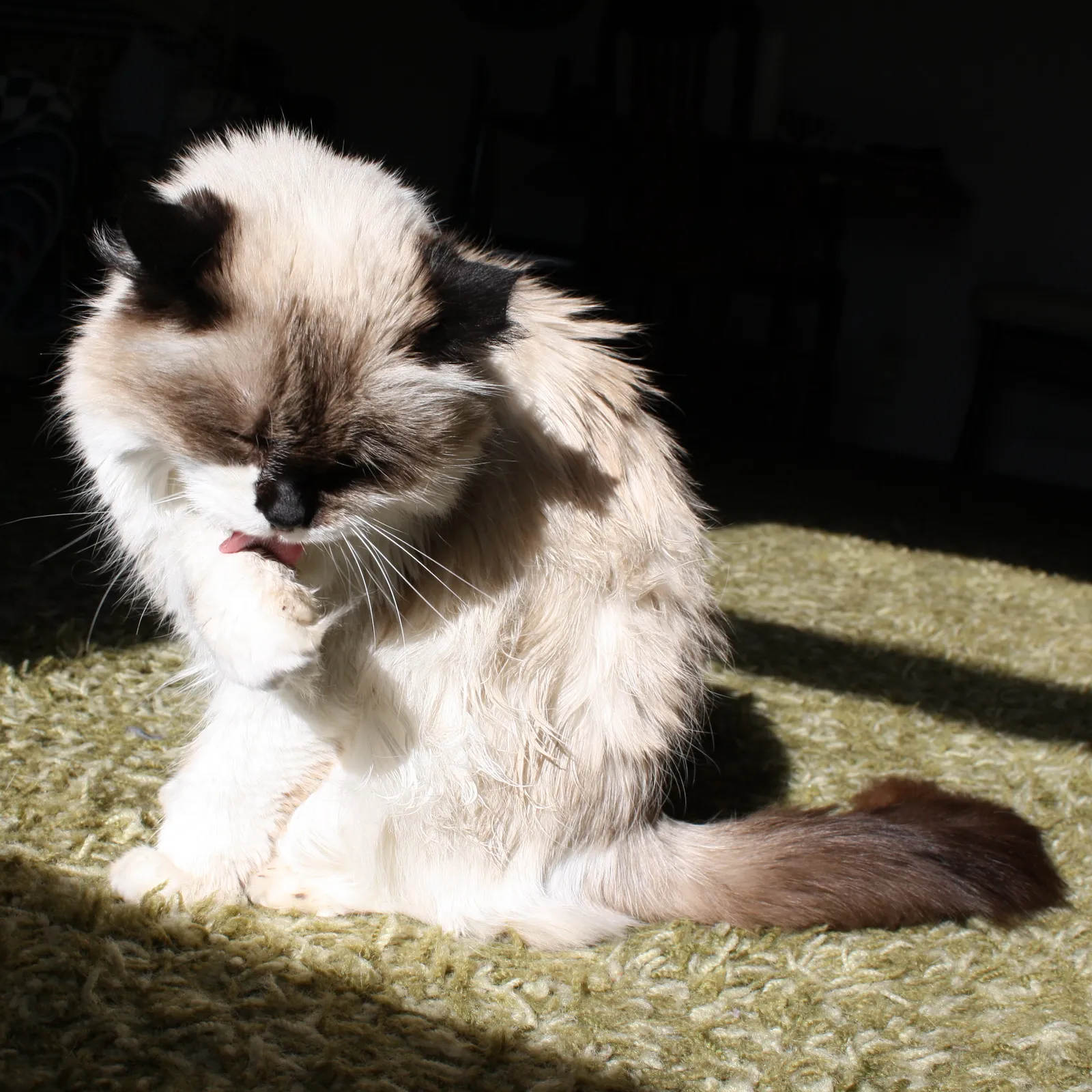
You notice a sunny patch; your cat notices a moving, predictable, daily heat map. As the sun travels across the sky, those warm spots slide from couch arm to carpet to chair seat in a consistent arc. Cats learn, almost like little scientists, where each sun puddle will be at different points of the day. They’re not just enjoying warmth – they’re logging timing.
You’ll see this when your cat appears in a room “early,” then waits exactly where the light will be in ten minutes. Even your building’s orientation and window size get folded into their mental map. Move the furniture, and they’ll spend a few days recalibrating – then suddenly they’re back to showing up right on time for the perfect warm rectangle.
#4 – Micro-Routines You Don’t Notice (But They Obsess Over)
🔥 Would you like to save this?
We'll email this post to you, so you can come back to it later!
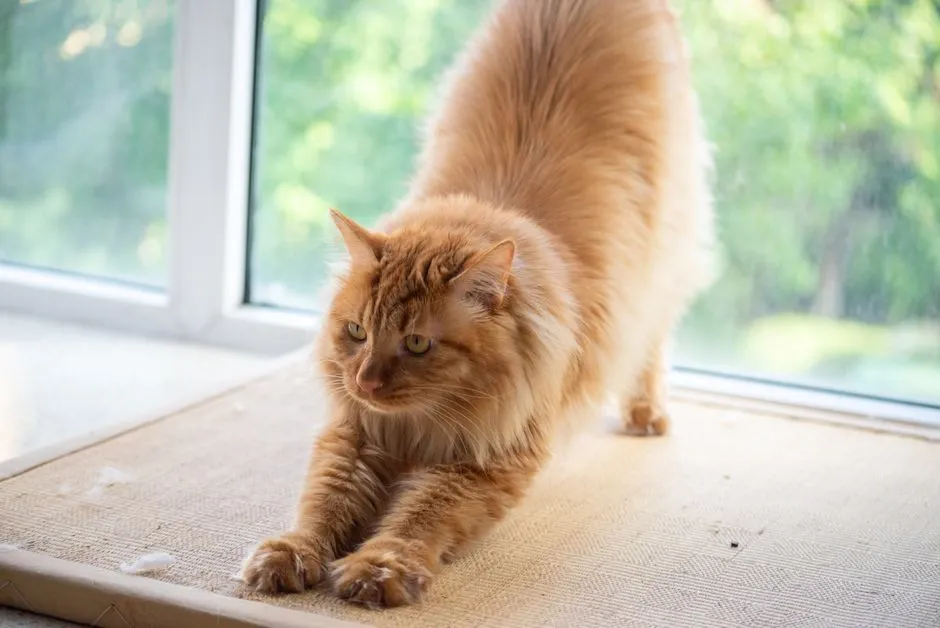
You think your life is chaotic, but to a cat, you’re absurdly predictable. The way you always check your phone before coffee, or how you open the same cabinet before work – those “throwaway” actions become timestamps in your cat’s internal calendar. They chain your habits together like beads on a string, then position themselves at the right bead before the next one “should” happen.
This is why your cat is already at the food bowl before you think you’ve decided to feed them. To them, you decided five steps ago, when you put on slippers, checked the weather, and sighed the same way you always do. When you break the chain – like taking a day off – they still follow the expected script and look genuinely confused when it doesn’t pay off. That mismatch isn’t stubbornness; it’s their internal clock colliding with your sudden improvisation.
#5 – The Invisible Scent Countdown on Their Fur and Yours
🔥 Would you like to save this?
We'll email this post to you, so you can come back to it later!
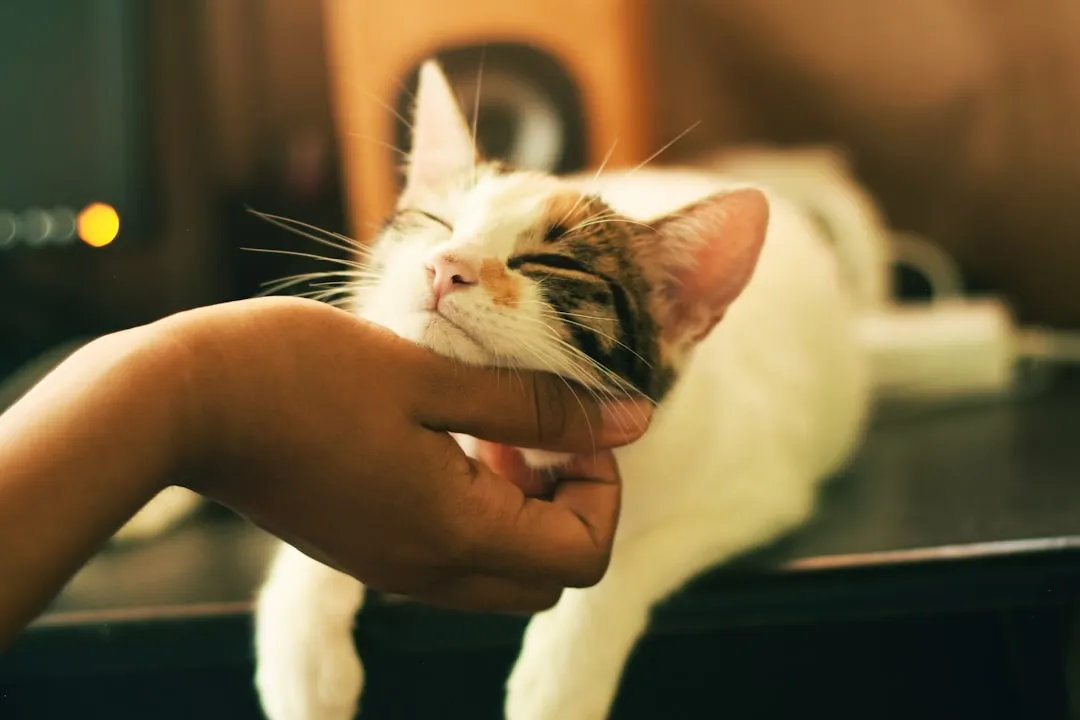
Humans almost never use scent as a time marker, but cats absolutely do. Scents fade at a roughly predictable rate, and felines are specialists at noticing those tiny changes. Your cat can tell how “old” a scent is, which means they can roughly estimate how long it’s been since something happened. It’s not minutes and seconds, but it’s definitely “recent,” “a while ago,” or “yesterday territory.”
When you come home, you arrive drenched in outside smells – cars, other people, maybe other animals. Over hours, those odors soften and blend back into “normal home.” Your cat uses that fading curve: if your outside smell is still sharp, they know you’ve only just walked in. No planner app can mimic “scent decay as a clock,” but your cat relies on it every single day.
#6 – Digestive Timers Ticking Like Clockwork
🔥 Would you like to save this?
We'll email this post to you, so you can come back to it later!
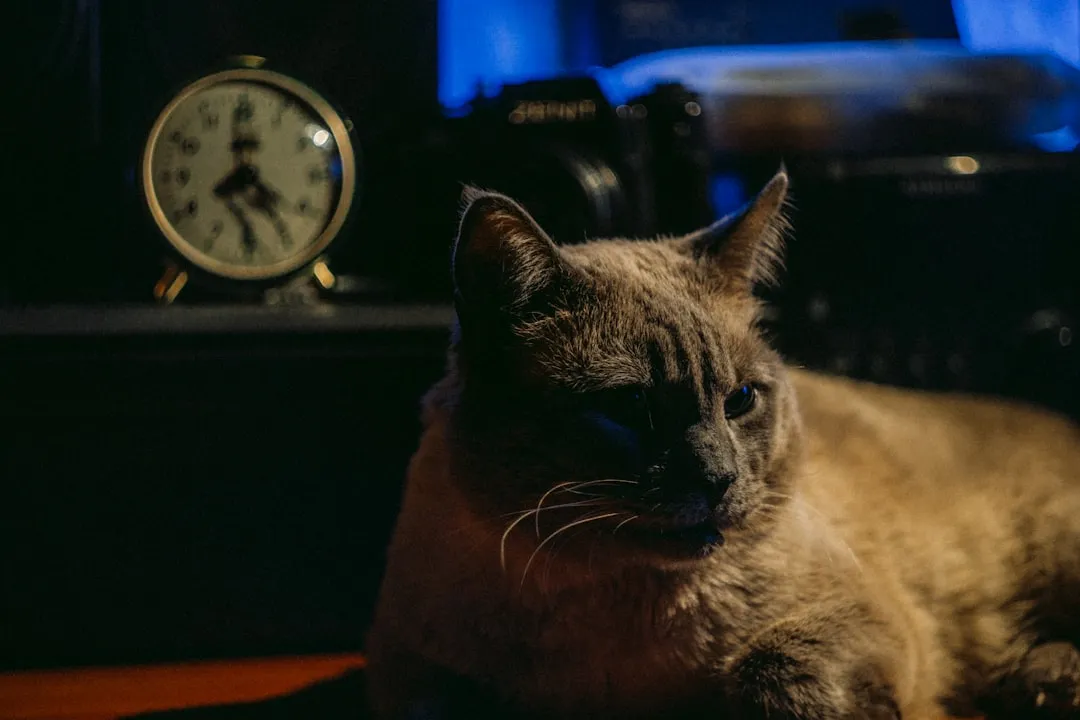
While we think of hunger as random – “I feel like eating” – cats experience it more cyclically. Their metabolism, when fed on a semi-regular schedule, builds an expectation. Their stomach, hormones, and brain start pre-activating for food at consistent intervals, turning their own body into a repeating alarm.
Feed a cat breakfast and dinner around the same times every day, and within a couple of weeks, you’ll see them show up ten to twenty minutes “early,” like a restaurant regular. If you suddenly shift mealtimes, they don’t instantly adapt – they keep operating on the old rhythm, pacing and meowing when their internal timer goes off. It’s not just begging; it’s genuine physiological expectation.
#7 – Weather Pressure Changes They Feel Before You Do
🔥 Would you like to save this?
We'll email this post to you, so you can come back to it later!
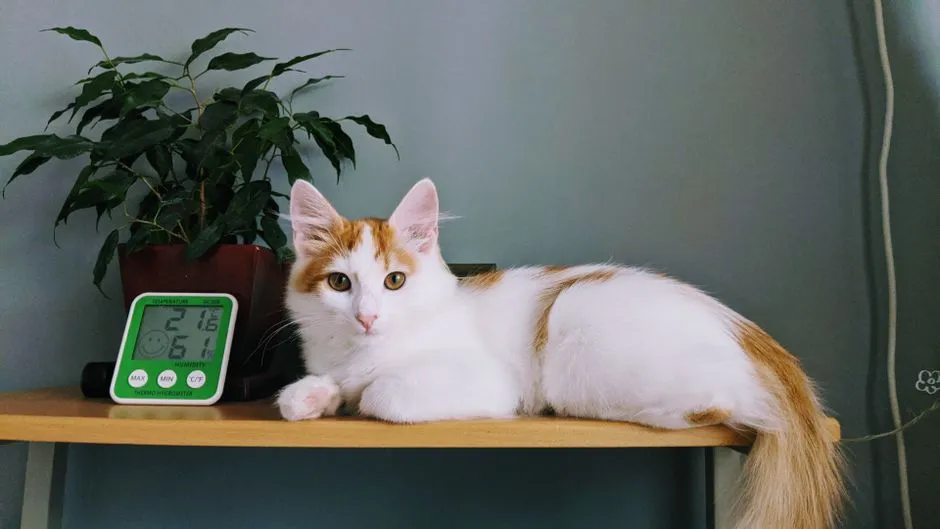
You might check a weather app; your cat checks the air. Cats are sensitive to barometric pressure changes and subtle shifts in humidity and temperature that roll in before storms or heatwaves. These pre-weather cues happen at surprisingly regular times in many regions, like afternoon thunder patterns or evening breezes.
Over time, a cat may start pacing, hiding, or window-watching just before your daily 4 p.m. storm season shower, well before any rain falls. They’re not psychic; they just feel the air go “off-script” in familiar ways. When the pattern breaks – like a storm in the middle of the night – they often react more strongly, because it doesn’t match their normal weather clock at all.
#8 – The Household Appliance Symphony as a Daily Schedule
🔥 Would you like to save this?
We'll email this post to you, so you can come back to it later!
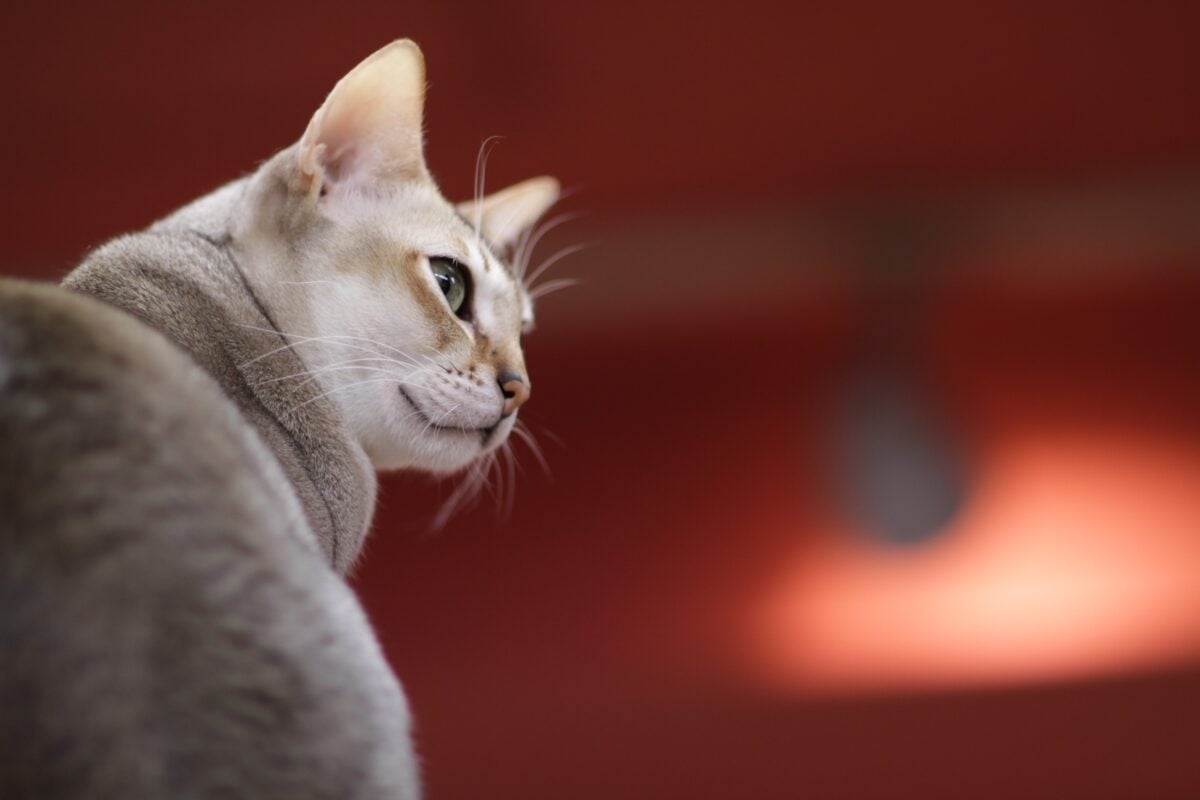
To you, the dishwasher is background noise; to your cat, it’s an announcement. Machines in your home – coffee maker, washing machine, HVAC cycles, even your phone alarm – fire up in consistent patterns that create an audio timeline. Cats learn that specific whirrs and beeps usually mean “we’re at this part of the day now.”
If the coffee grinder means breakfast follows, the laundry machine spinning might mean afternoon slump, and the hum of the TV startup might mean night cuddle time. Take a vacation and run these appliances at odd hours, and your cat’s whole behavior will look “off” too – you’ve essentially scrambled their audio time code. Some cats even anticipate the end of a wash cycle and hop into the laundry room seconds before the final beep.
#9 – The Street Noise and Traffic Rhythm Outside
🔥 Would you like to save this?
We'll email this post to you, so you can come back to it later!
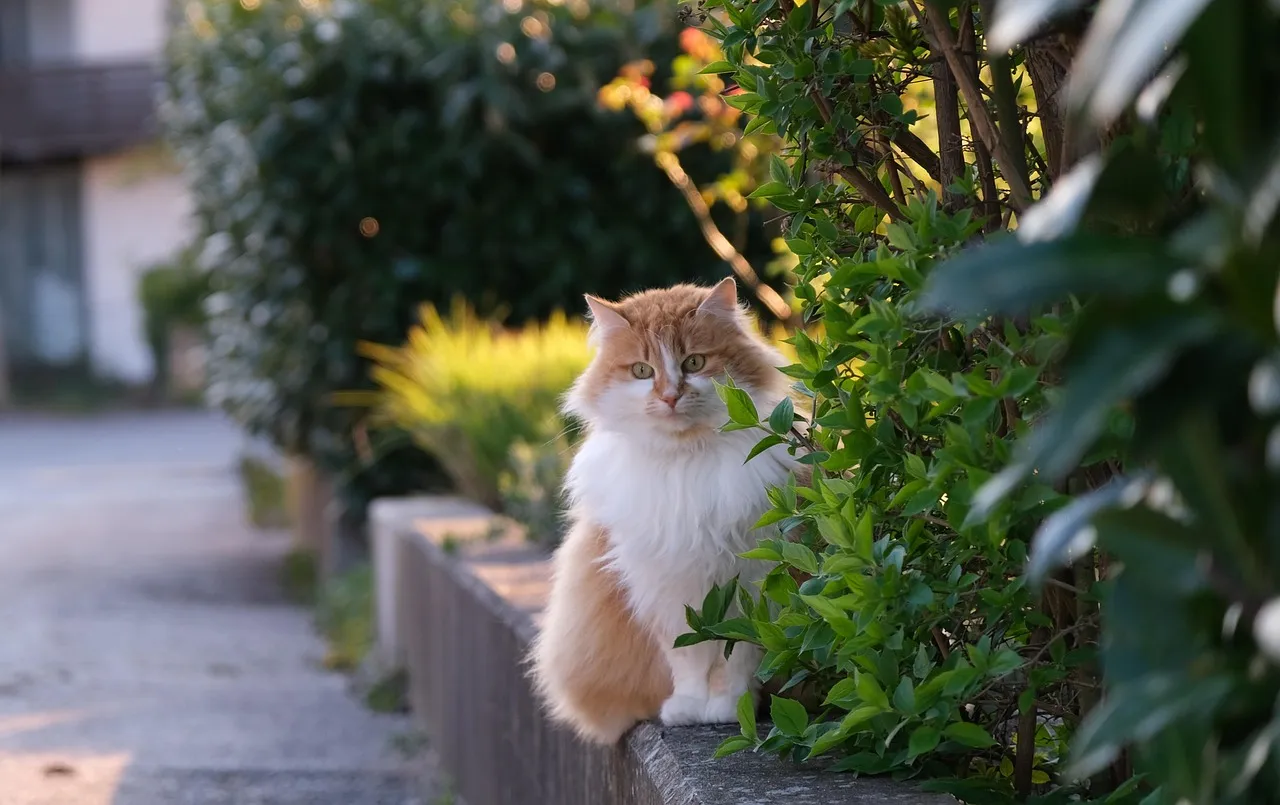
Even if you live on a quiet street, the outside world keeps a rhythm: morning rush, mail truck, kids after school, late-night garbage collection. Your cat hears all of it, often from favorite “surveillance” spots. These repeating noise peaks form an external clock far more detailed than any routine you think you’re keeping.
Cats in apartments watch elevator dings and hallway footsteps like a TV show that airs at the same time daily. They map these predictable outside disturbances to inner expectations – time for a nap shift, time to patrol, time to stare at the door waiting for you. When city noise drops suddenly, on holidays or during storms, many cats seem unsettled, because their auditory time markers just vanished.
#10 – Social Timing With Other Pets in the Home
🔥 Would you like to save this?
We'll email this post to you, so you can come back to it later!
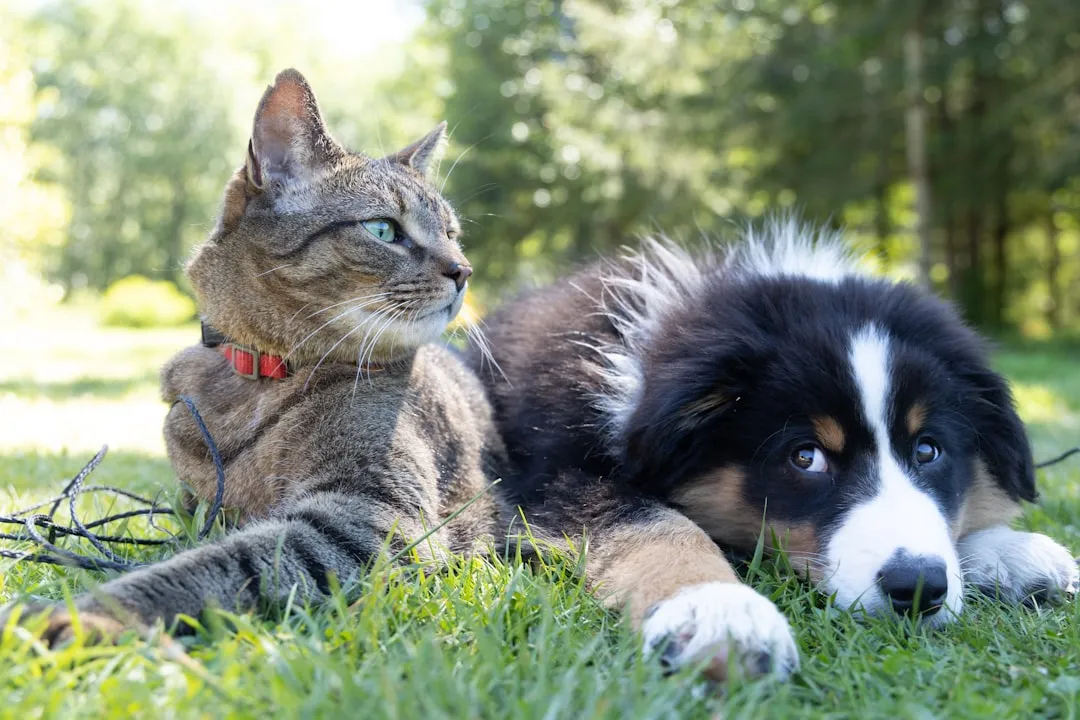
In multi-pet homes, cats don’t just track you – they track each other. The dog’s walk schedule, the other cat’s favorite nap slot on the chair, even the routine of a caged pet all become timing anchors. Your cat watches how other animals move through the day and uses those patterns to predict what’s coming next.
If the dog always leaves at 7 a.m. and returns around 5 p.m., your cat gradually associates “quiet phase” with those exact hours. Likewise, if another cat always races to the window at 3 p.m. to watch a particular event outdoors, your cat starts keying off that behavior as a hint about time. This creates a layered social clock, where they’re not just using the environment – they’re using other living beings as moving, breathing timestamps.
#11 – Internal Sleep Cycles That Don’t Match Human Hours
🔥 Would you like to save this?
We'll email this post to you, so you can come back to it later!
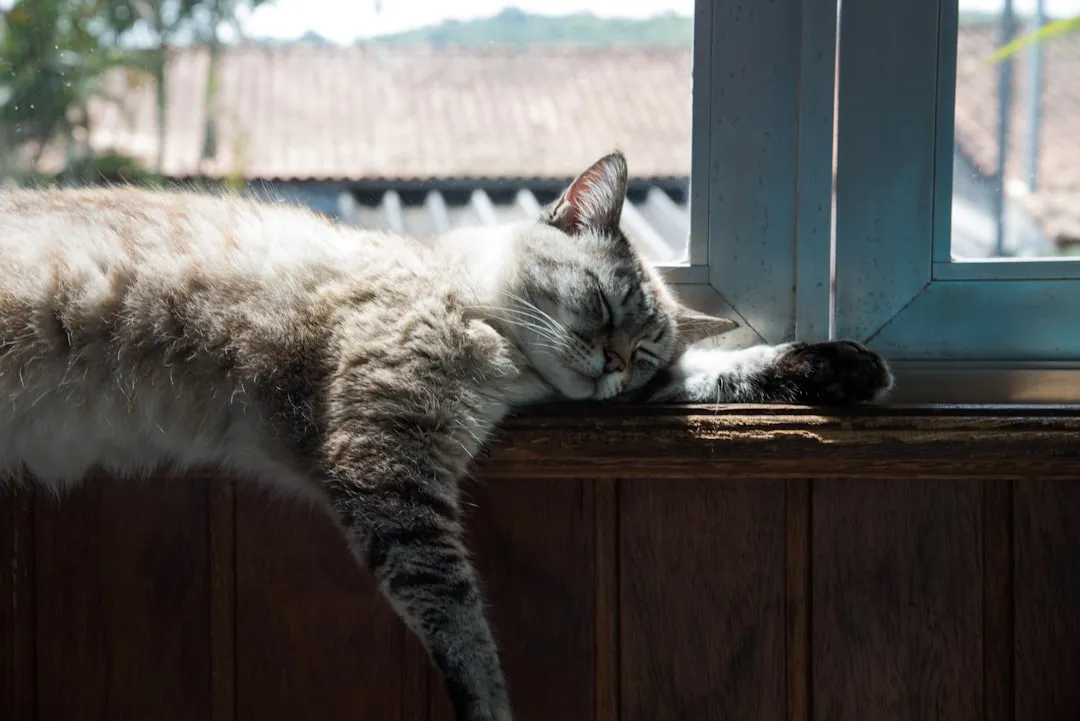
Humans think of sleep in big chunks: seven to eight hours overnight. Cats run on multiple shorter cycles, often 70 to 120 minutes of doze, then brief alertness, then back down. These micro-cycles act like gears in a clock: after a set number of loops, certain expected events “should” have happened. If they haven’t, that’s when you get the intense stare or the persistent meow.
Over time, your cat might unconsciously sync some of these cycles to your day – waking when you wake, napping through your mid-morning work block, then going deep-sleep when the house quiets. When you radically change your schedule, you’re not just changing wake time; you’re crashing into their carefully stacked internal cycles. That mismatch often shows up as zoomies, random late-night pouncing, or sudden clinginess at odd hours.
At a Glance: A Cat’s Sleep Math
- Adult cats typically sleep 12 to 16 hours a day
- Each sleep cycle usually runs 70 to 120 minutes before a brief wake-up
- That adds up to numerous daily “checkpoints,” each one a fresh chance to reset their internal clock
#12 – Seasonal Light Shifts That Quietly Reprogram Them
🔥 Would you like to save this?
We'll email this post to you, so you can come back to it later!
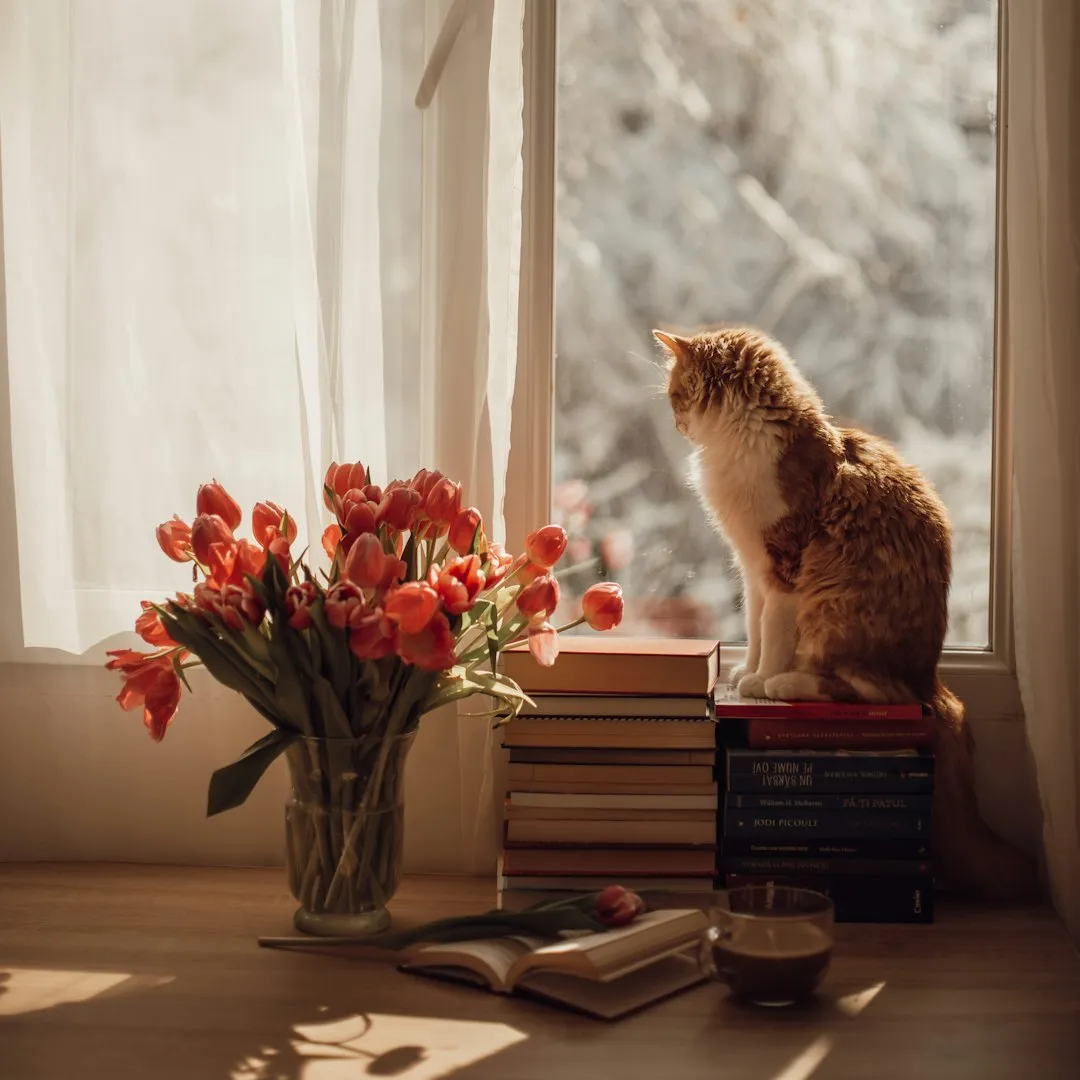
While humans complain about “winter blues” and shorter days, cats simply adjust – but not casually. The total length of daylight is one of the most reliable long-term time indicators in nature. Cats notice when sunrise and sunset creep earlier or later, and their behavior gradually drifts with it, even if your alarm clock doesn’t.
This can look like a cat suddenly waking you earlier in summer, then “sleeping late” in winter, even if you swear nothing has changed. Some cats shift play and hunting behaviors more toward early evening when days are long, then compress activity closer to your indoor schedule during dark months. It’s a slow, seasonal reprogramming you rarely catch happening in real time – but they ride it like a tide.
#13 – The “You’re Leaving Soon” Pre-Departure Countdown
🔥 Would you like to save this?
We'll email this post to you, so you can come back to it later!
Many owners swear their cat “knows” when they’re about to leave for work. Behaviorally, they’re not wrong. Cats pick up on pre-departure rituals: keys in a certain bowl, bag zipped, same shoes, same jacket. Those steps usually start at roughly the same clock time, but your cat isn’t watching the digits – they’re watching the sequence and pace.
If you start that routine thirty minutes earlier than usual, some cats visibly tense or protest, because your emotional state and physical rhythm feel off schedule. Home on a weekday when you’d usually be gone? Do the “work bag” motion anyway, and you’ll often see a flash of pre-departure anxiety from your cat – proof they’re tracking pattern, not calendar.
#14 – The “Food Human” vs. “Sleep Human” Internal Shift

🔥 Would you like to save this?
We'll email this post to you, so you can come back to it later!
In multi-person households, cats frequently assign roles: one person is “food,” another is “play,” another is “calm lap.” These roles tend to show up at relatively consistent times. Your cat builds a social clock around who is active, not just what they’re doing.
So when the “food human” stirs faintly at 5:50 a.m., even without getting up, your cat is already on alert because this usually means breakfast is coming. If the “play human” stays late at work, the cat may hover restlessly at the usual play hour, seemingly at a loss until that person finally appears. This timing isn’t tied to your official schedule – it’s tied to your personalities and habits, which often run on autopilot.
#15 – Painfully Accurate Litter Box Timing
🔥 Would you like to save this?
We'll email this post to you, so you can come back to it later!
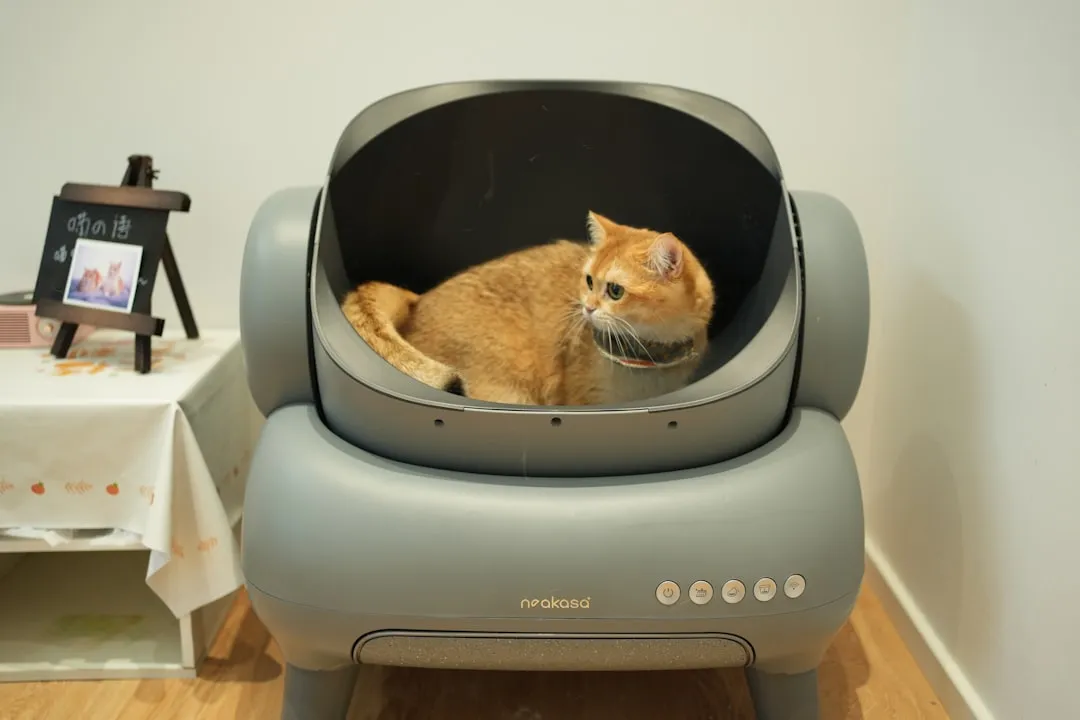
It sounds gross, but it’s true: elimination habits are one of the strongest body-based clocks animals have. Healthy cats tend to pee and poop around consistent windows tied to meals, drinking, and activity. Your cat expects to feel certain bodily cues at certain parts of the day, and when they don’t arrive, they know something is off – before you do.
This digestive timing means they often appear at the litter box at nearly the same time daily, then wander away satisfied, as if they’ve just checked a box on their internal schedule. When stress, diet change, or illness disrupts that rhythm, their entire behavior pattern can wobble. In a way, their own gut acts like a brutally honest timekeeper – and a surprisingly sensitive early warning system.
#16 – The Sound of Your Voice at Specific Times
🔥 Would you like to save this?
We'll email this post to you, so you can come back to it later!
You probably talk differently at 7 a.m. than at 10 p.m. – groggy versus relaxed, rushed versus winding down. Your cat reads that like a language. Tone, volume, and speed of your speech become cues about what part of the day it is, and what usually happens next. They don’t need to understand words; the emotional rhythm is enough.
Morning voice often means movement, doors opening, food, activity. Late-night whispering or TV mumbling might mean it’s time to start nesting and choosing a sleep spot. If you suddenly bring “evening voice” into the morning, say on a lazy weekend, some cats act as if the whole day has lost structure – meowing more, testing routines, trying to initiate play at oddly “wrong” times.
#17 – Minute-Perfect Anticipation of Regular Visitors
🔥 Would you like to save this?
We'll email this post to you, so you can come back to it later!
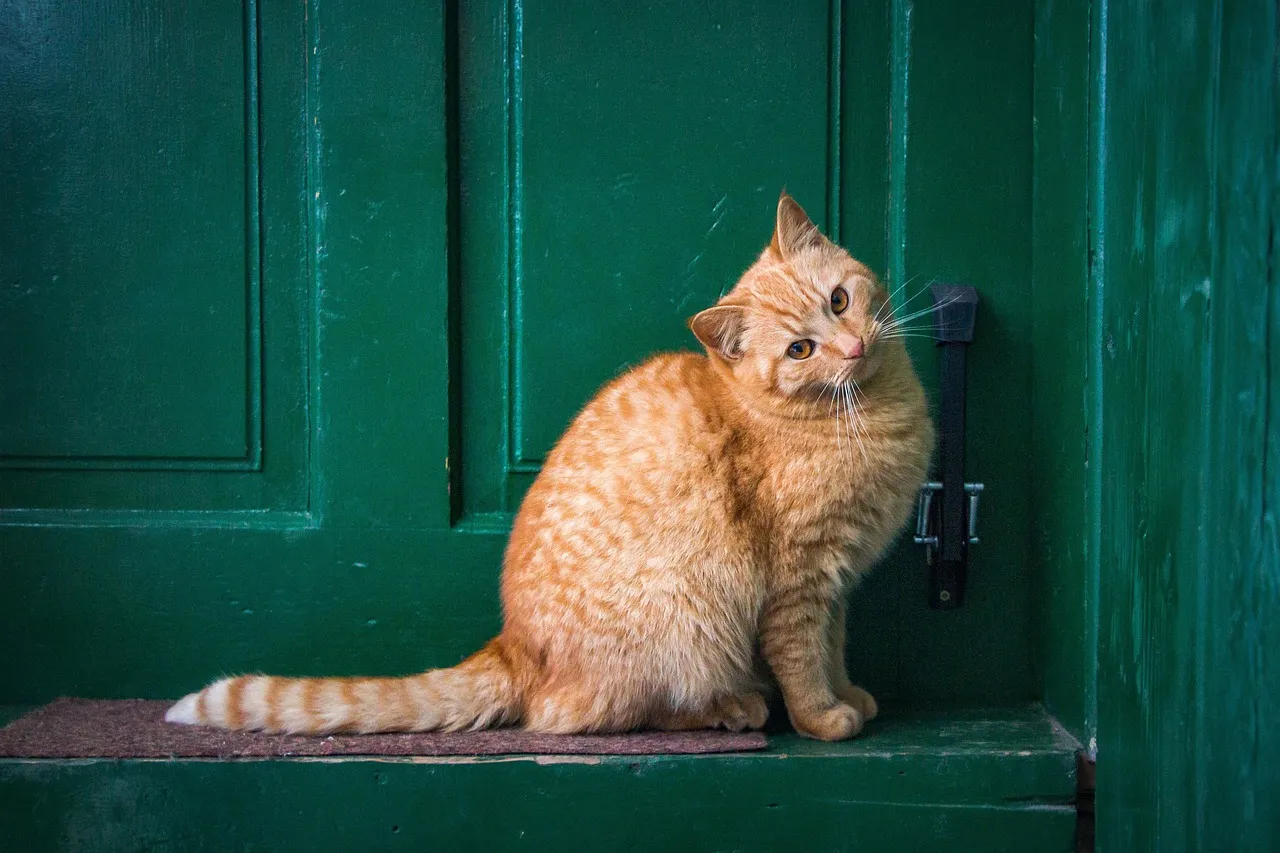
Cats that live in busy homes with recurring visitors – dog walkers, cleaners, neighbors, mail carriers – treat those people as walking clocks. When someone shows up at roughly the same time several days a week, your cat quickly logs them as a time event, not just a person. The sound of their steps, voice, and even the car outside all layer into this.
You might notice your cat waiting at the door or window five minutes before the usual arrival, tail flicking, pupils wide. If the person is late, some cats “give up” at the exact point they’d normally walk away again, as if the time slot closed. This isn’t mysticism – it’s pattern plus a genuine internal sense of elapsed time, and your cat is running a mental attendance sheet with actual timestamps.
Quick Compare: Human Clock vs. Cat Clock
- Humans track time with numbers on a screen; cats layer light, scent, and sound into one signal
- Humans need reminders to notice routine; cats memorize a pattern automatically, often within days
- Humans measure lateness in minutes; cats seem to measure it in “does this still feel right”
#18 – The Ritual of Household Lights Turning On and Off
🔥 Would you like to save this?
We'll email this post to you, so you can come back to it later!
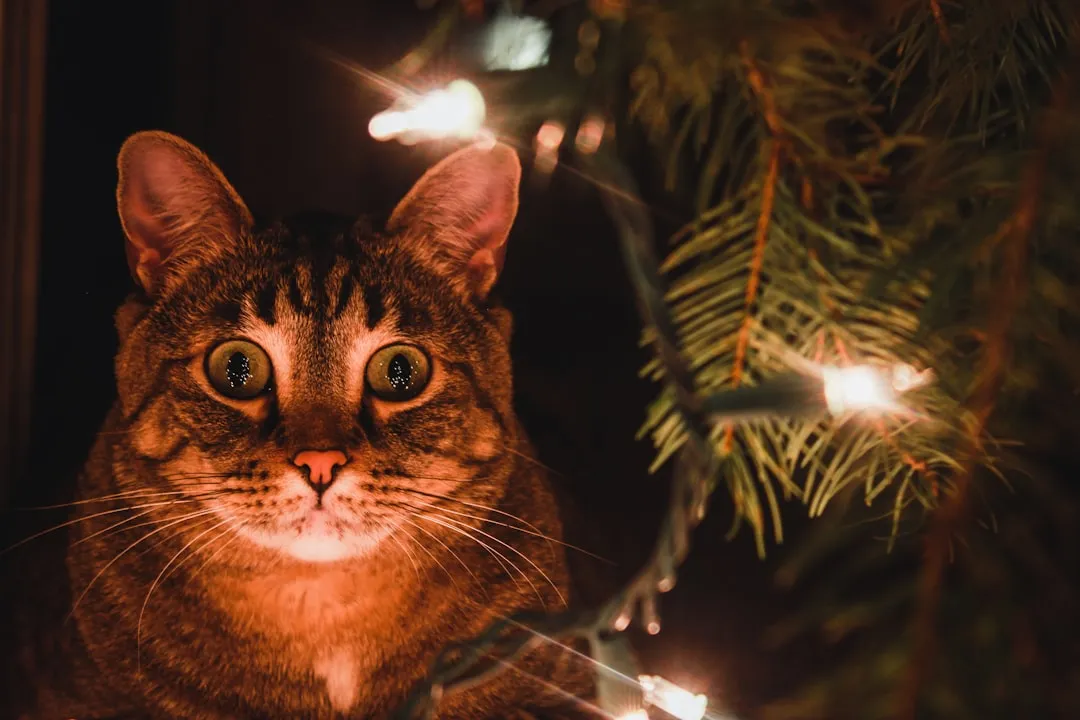
Artificial lighting is one of the strongest human-powered clocks in a home. We flip the same switches at the same times without thinking – kitchen light when it’s time to cook, lamp when it’s time to relax, hallway light when it’s time for bed. Cats notice exactly which lights go on and off, and in what order, treating those changes as hard time markers.
If you always dim the living room light around 9 p.m., your cat starts winding down shortly afterward. Turn that light off at 7 p.m. one day, and they may follow you around, unsure whether the day just got shortened. Leave bright lights on deep into the night, and your cat can be tricked into extending their active period, convinced it’s still prime time.
#19 – The “Noise Floor” of the Home Rising and Falling
🔥 Would you like to save this?
We'll email this post to you, so you can come back to it later!
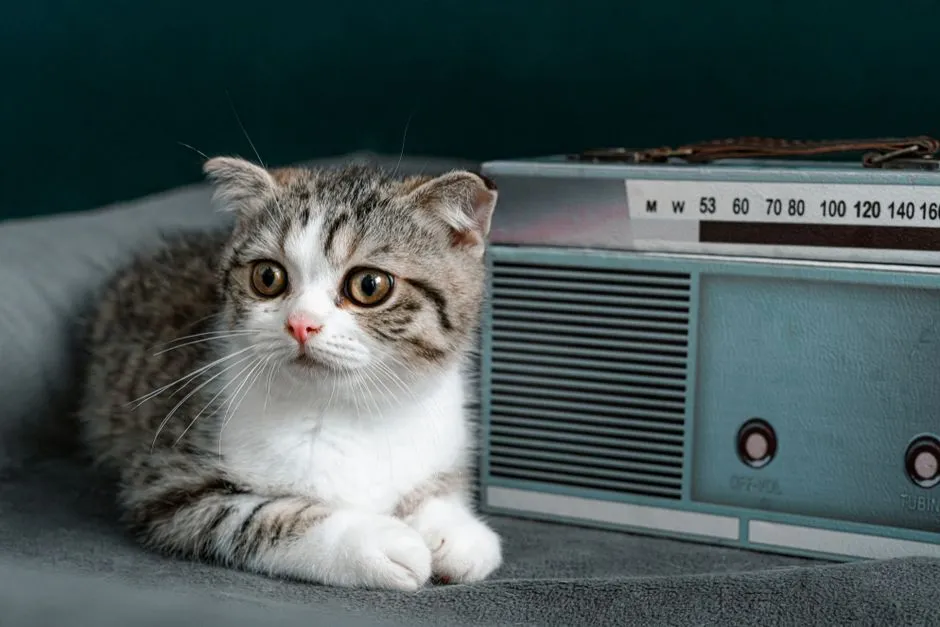
Every house has a baseline noise level: fridges, fans, pipes, footsteps, devices. It rises and falls predictably – morning chaos, midday lull, after-school spike, late-night calm. Cats track these noise floors instinctively, using the overall “loudness signature” to sense what stage of the day they’re in.
When the house goes unusually quiet in the middle of what should be an active period, many cats become alert or uneasy, pacing or perching high as if waiting for reality to snap back into place. Conversely, sudden noise at a normally calm hour – guests at midnight, construction at dawn – can scramble their whole sense of timing. Cats don’t hear individual sounds; they read the pattern of all sounds together, like a pulse.
#20 – Heartbeat and Breathing Patterns When You Sleep
🔥 Would you like to save this?
We'll email this post to you, so you can come back to it later!
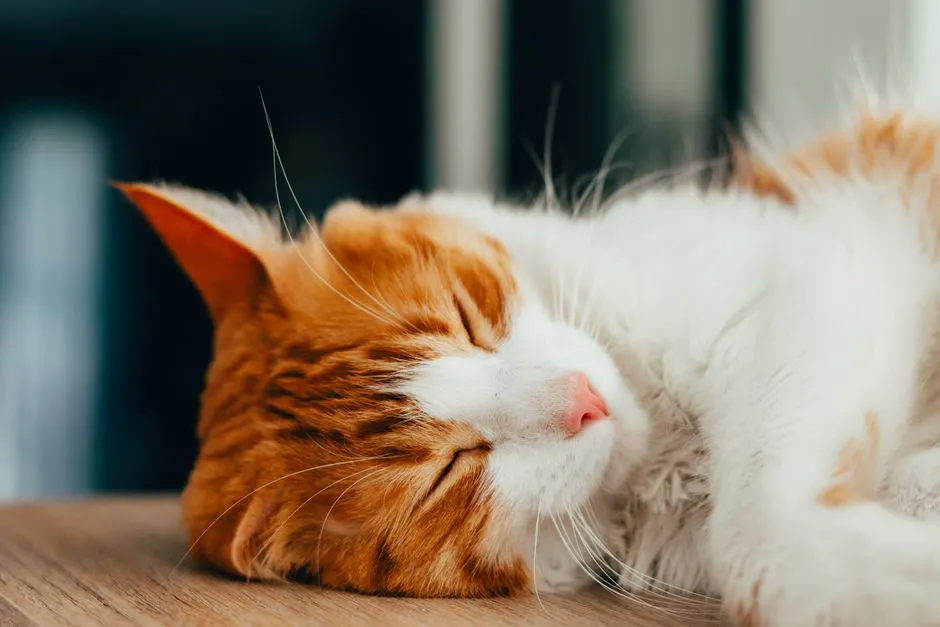
This one borders on unnerving. When a cat sleeps on you, they’re not just cuddling – they’re syncing. Your heartbeat, breathing rate, and the subtle shifts as you move through sleep stages all become part of their time landscape. If you tend to wake up after a certain number of deep-breathing cycles, they feel it long before you ever reach for a phone.
Over time, a cat who regularly naps on or near you can predict when you’re about to stir, yawn, or roll over – and they often beat your alarm to it. That’s why they sometimes step onto your chest moments before your alarm rings; they felt your body leaving deeper sleep. To them, your physiology is another repeating signal, like sunrise, but warmer and far more personal.
#21 – The Emotional Weather of the Household
🔥 Would you like to save this?
We'll email this post to you, so you can come back to it later!
It’s tempting to treat emotions as random, but most households have emotional patterns across a day: morning rush stress, afternoon focus, evening unwind, late-night fatigue. Cats are brutally good at reading these states through body language, scent, and tone. They implicitly time-stamp the day by how tense or relaxed you feel.
If you’re consistently snappy before work and calmer after dinner, your cat uses that emotional arc as another clock hand. A sudden burst of stress at a “relaxed” hour, like a late-night work emergency, throws them completely. To you it’s just one bad night. To your cat, it’s as if someone moved the sun.
#22 – Micro-Memory of How Long “Waiting” Usually Takes
🔥 Would you like to save this?
We'll email this post to you, so you can come back to it later!
Cats are better at sensing elapsed time than they get credit for – not in minutes, but in “how long this usually feels.” They remember how long it typically takes between you leaving a room and coming back, between a can opening and food hitting the bowl, between toy tosses in a game.
If you usually return from the bathroom in thirty seconds, then vanish for ten minutes one day, your cat may come check on you, vocalize, or sit outside the door. During play, if your toss rhythm slows, they look confused or lose interest, because the internal metronome just broke. These aren’t conscious calculations; they’re felt patterns of waiting that quietly structure their whole day.
#23 – The Memory of Yesterday as a Template for Today

🔥 Would you like to save this?
We'll email this post to you, so you can come back to it later!
We like to imagine cats living purely in the moment, but that’s outdated thinking. Cats absolutely use short-term memory of recent days to predict what “today” should look like. If you fed them at 8 a.m. for three days in a row, today at 8 a.m. is sticky in their brain, and they’ll test that time slot hard.
This rolling, 24-to-48-hour template is why one bad habit – like a couple of late-night snacks – can suddenly become a full-blown expectation. Yesterday, to them, is a rough draft for today’s schedule, and they’ll repeat behaviors that paid off in the last few pages. Skip a routine they’ve already penciled in, and you’ll get the confused meow, the stare, the paw tap.
#24 – The Deep, Untrainable Ancestral Hunting Clock

🔥 Would you like to save this?
We'll email this post to you, so you can come back to it later!
Underneath all the modern signals – alarms, cars, electric lights – your cat is still running ancient code. Their strongest time system is the primal hunting clock that says: be sharp at dawn and dusk, patrol in cycles, rest in safe bursts in between. Even bottle-raised, strictly indoor cats carry this wiring.
This is why, no matter how much you try to “schedule” them, those 4 a.m. hallway sprints and sudden twilight zoomies feel baked in. In the wild, missing those windows could mean missing prey or meeting predators at the wrong time. That pressure carved a sense of “right time” so deep that no household calendar can fully overwrite it – what looks like chaos to you is centuries of finely tuned survival instinct, still pulsing under each nap and pounce.
Worth Knowing
- Cats were domesticated roughly 10,000 years ago, a blink in evolutionary terms
- Most of their instinctive timing behaviors predate domestication entirely
- Indoor-only cats still show dawn and dusk activity spikes even without any outdoor light or prey cues
The Bottom Line: Your Cat Was Never on Your Time
🔥 Would you like to save this?
We'll email this post to you, so you can come back to it later!
We like to pretend our cats live on our schedule – breakfast at 7, bedtime at 11, everything neat and human. The truth is harsher and more fascinating: they’re running an overlapping web of clocks that have almost nothing to do with our wall calendars. Light shifts, smell decay, bird songs, appliance cycles, your heartbeat, your bad mood at 6 p.m. – to them, it’s all time data.
You can’t reasonably “explain” that with household rules, because they’re not following your rules. They’re following a mix of biology, environment, and memory that’s older than clocks themselves. And honestly, that’s exactly why trying to “fix” a cat’s schedule with simple routines almost always backfires – you’re negotiating with a creature who feels time in more dimensions than you do. The real question isn’t why your cat is like this. It’s: given how many clocks they’re tracking at once, how are they still this patient with us?

- 7 Everyday Habits That Can Make Your Senior Dog Happier - November 5, 2026
- 10 Enigmatic Structures That Continue to Puzzle Scientists Today - November 5, 2026
- 10 Strange Ruins in the Americas That Challenge What We Know About Early History - November 5, 2026