

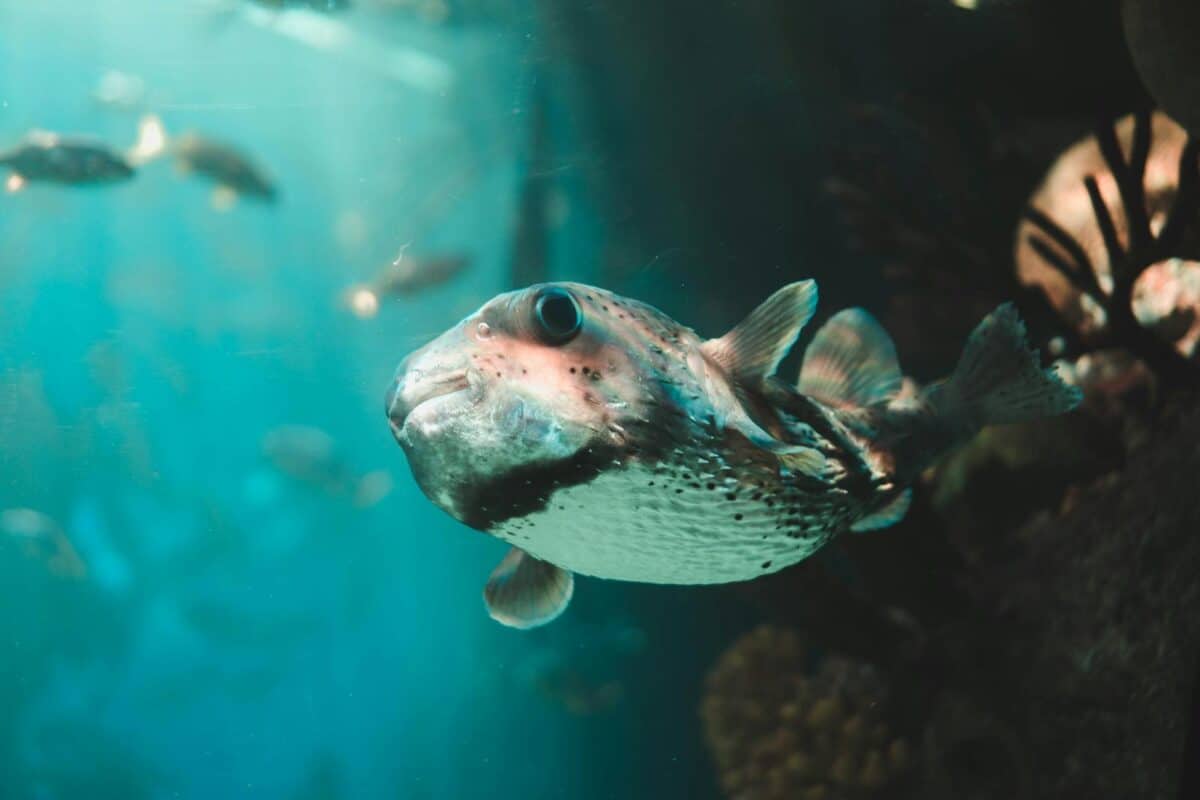
The ocean is a vast and mysterious realm, teeming with life but also shrouded in peril. As much as it is a source of bounty and awe, it is equally home to some of the planet’s most dangerous creatures. These denizens of the deep possess abilities and adaptations that make them both fascinating and fearsome. Here’s a deep dive into the 25 most dangerous creatures lurking beneath the waves.
12. Box Jellyfish
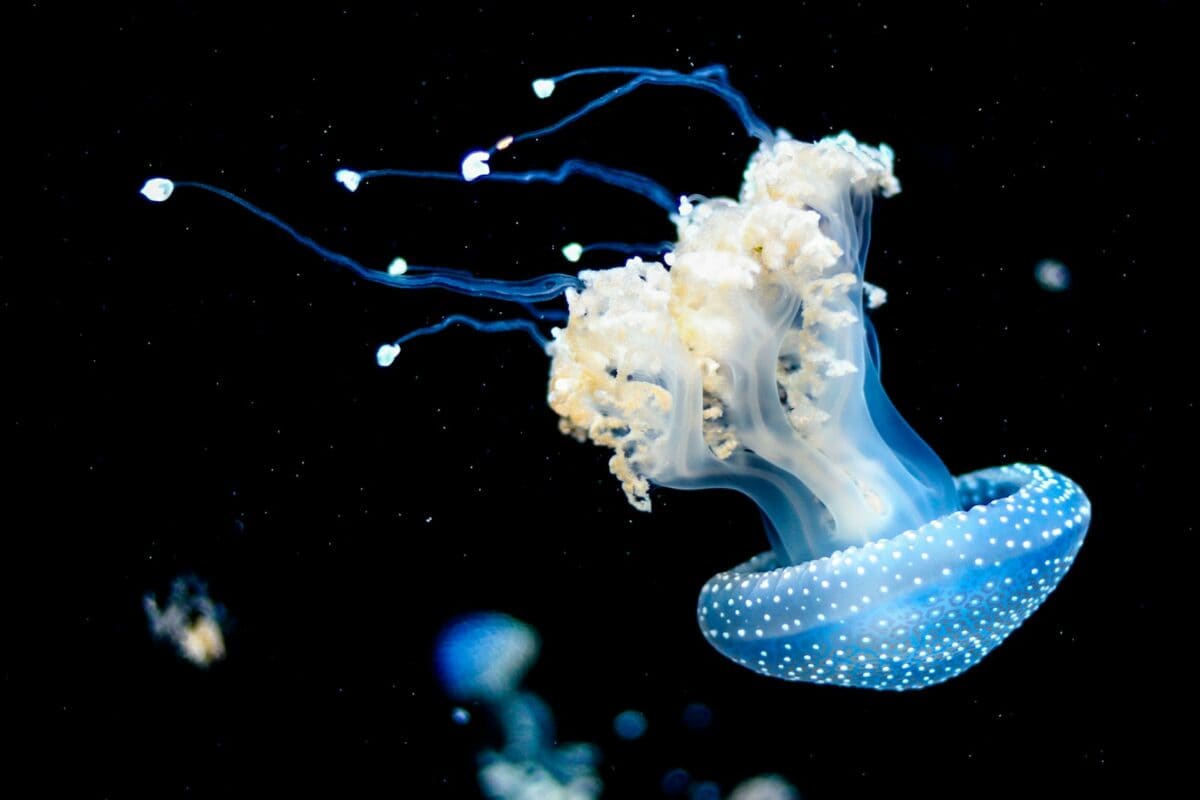
The box jellyfish is often considered the most dangerous jellyfish to humans. Found primarily in the Indo-Pacific region, its venom can cause heart failure, paralysis, or even death in minutes. The nearly invisible tentacles are equipped with thousands of stingers, known as nematocysts, that deliver this potent toxin.
11. Stonefish

Camouflaged to resemble rocks, the stonefish is the most venomous fish known to humankind. Stepping on one can release a venom through spines that can cause extreme pain, shock, and even heart failure. Quick medical attention is crucial to alleviate symptoms and prevent severe reactions.
10. Great White Shark

The great white shark, a formidable predator, reigns at the top of the ocean food chain. While not as interested in humans as Hollywood might suggest, their powerful jaws and sharp teeth make any encounter potentially lethal. They are curious creatures, and a bite, though mainly investigative, can be devastating.
9. Blue-Ringed Octopus

The small but formidable blue-ringed octopus can deliver venom potent enough to kill humans. Recognizable by its vibrant blue rings, this creature harbors a neurotoxin causing paralysis. There is no antidote, so immediate medical attention and supportive care are critical.
8. Saltwater Crocodile

Dwelling in both saltwater and freshwater, the saltwater crocodile is the largest living reptile. With incredible strength and speed, it can launch explosive attacks, often without warning. They have powerful jaws that can crush bones and are known to be man-eaters.
7. Portuguese Man O’ War
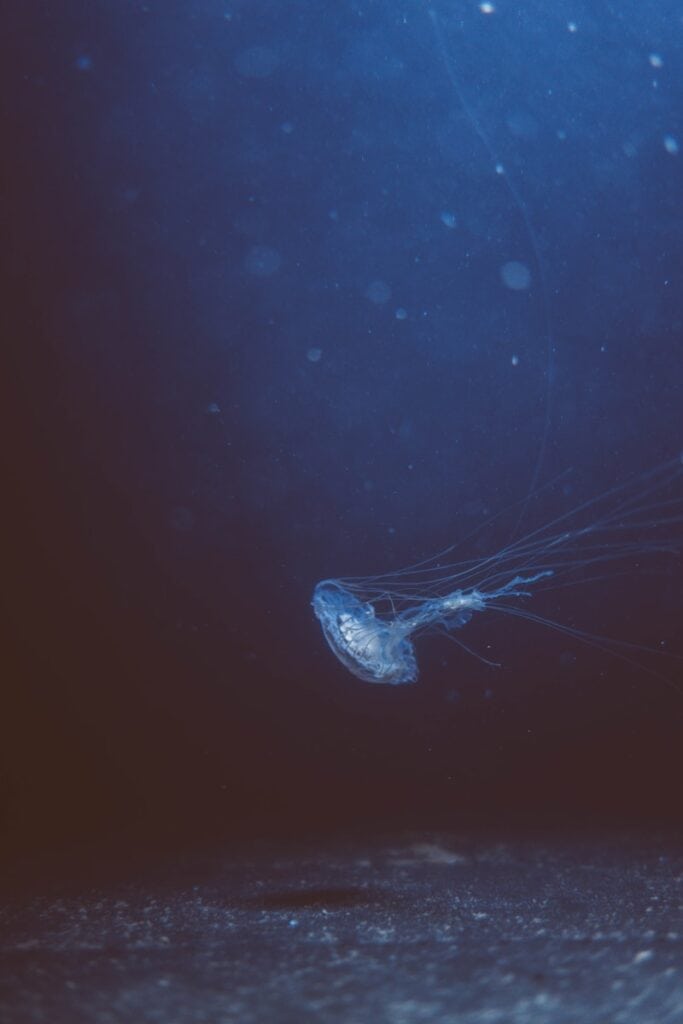
Often mistaken for a jellyfish, the Portuguese Man o’ War is actually a siphonophore, a colony of specialized polyps. Its long tentacles are covered with nematocysts loaded with venom capable of paralyzing and killing prey. For humans, a sting can cause severe pain and allergic reactions.
6. Sea Snakes
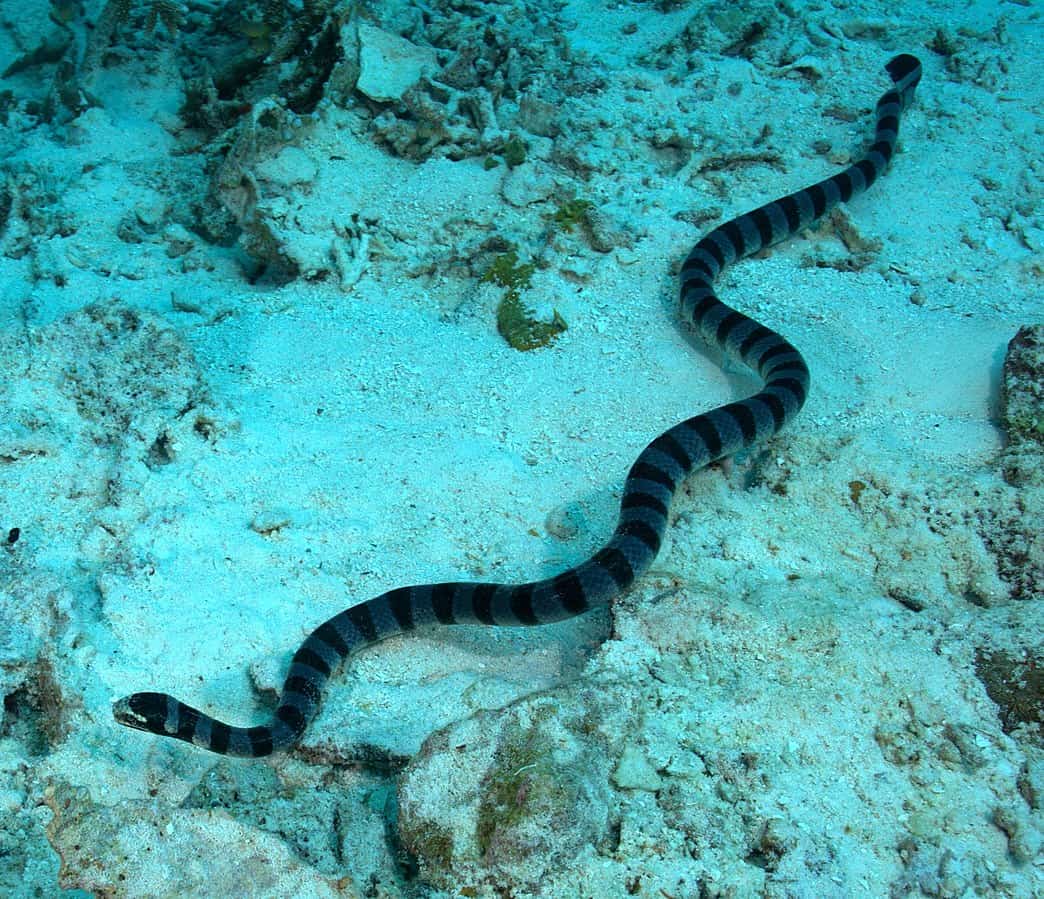
Adapted to life in the ocean, sea snakes, mostly found in the Indo-Pacific, are highly venomous. They usually avoid confrontation, but if threatened, they deliver a bite equipped with toxins more potent than some of the deadliest land snakes. A bite requires immediate emergency response to mitigate the effects.
5. Pufferfish

Pufferfish, famous for inflating as a defense mechanism, contain tetrodotoxin, a potent poison that can be fatal to humans. It is one of the most toxic substances found in nature, and there is no known antidote. Consuming improperly prepared pufferfish can result in severe poisoning.
4. Cone Snail
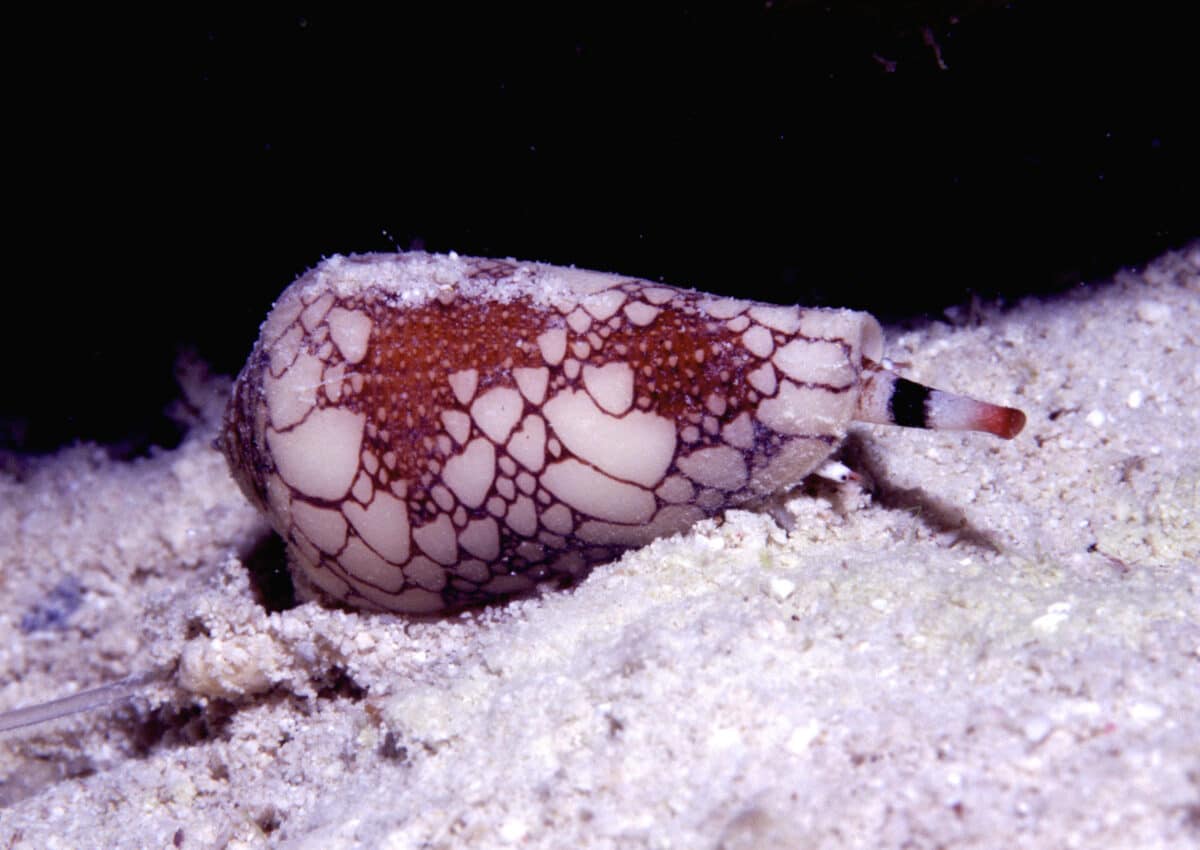
Remarkably beautiful with its intricately patterned shell, the cone snail disguises its perilous nature. It uses a harpoon-like tooth to deliver venom that can paralyze or even kill prey. A human sting, although rare, can cause serious harm and requires urgent medical attention.
3. Leopard Seal

Leopard seals, predominantly found in the Antarctic, are formidable predators with a menacing reputation. They are known to attack researchers and steal equipment. With a powerful bite and speedy swimming capabilities, they are top predators in their icy domain.
2. Electric Eel

The electric eel inhabits freshwater but can frequently be found in the ocean. It delivers electric shocks up to 600 volts. Though not typically lethal to humans, multiple shocks can cause heart or respiratory failure. Electrolocation also aids its vision in murky waters.
1. Flamboyant Cuttlefish

Unlike many of its relatives, the flamboyant cuttlefish is known for its bold and brilliant color changes. While their toxin delivery mechanism is less well-understood, they have been discovered to possess venomous capabilities. Handling them with caution is advised.
The ocean teems with magnificence and mortality, each creature uniquely adapted to survive in its aquatic environment. While humans are often fascinated by these beings, it is crucial to remember the dangers that accompany them. Awareness and respect for these marine inhabitants ensure that we take the necessary precautions to safeguard ourselves and protect their habitats.
In conclusion, the ocean is a captivating wilderness filled with creatures both wondrous and fearsome. The intricate characteristics and behaviors of these dangerous animals remind us of the incredible diversity of life beneath the waves. Through understanding and respect, we can mitigate the risks while appreciating the marvels of the marine world.

- How Salamanders Regrow Tails—and More - July 28, 2026
- Why Some Pets Prefer Kids Over Adults - July 28, 2026
- Why the American Horseshoe Crab Needs Federal Protection - July 28, 2026