


Spiders have long been subjects of both fear and fascination. Often misunderstood, these eight-legged creatures play critical roles in ecosystems around the world. From their intriguing physical traits to their unsuspected ecological benefits, here are 25 surprising facts about spiders that illuminate their importance and versatility in nature.
25. Ancient Arachnids

Spiders have been around for an impressive 380 million years, outlasting many other species. Their evolutionary adaptations have enabled them to survive preying threats and environmental changes, making them one of the most enduring creatures on the planet.
24. Diverse Species

There are over 45,000 known species of spiders, each with its unique characteristics and habitats. They range from the familiar garden spider to the lesser-known diving bell spider, showcasing incredible biodiversity.
23. Masters of Silk
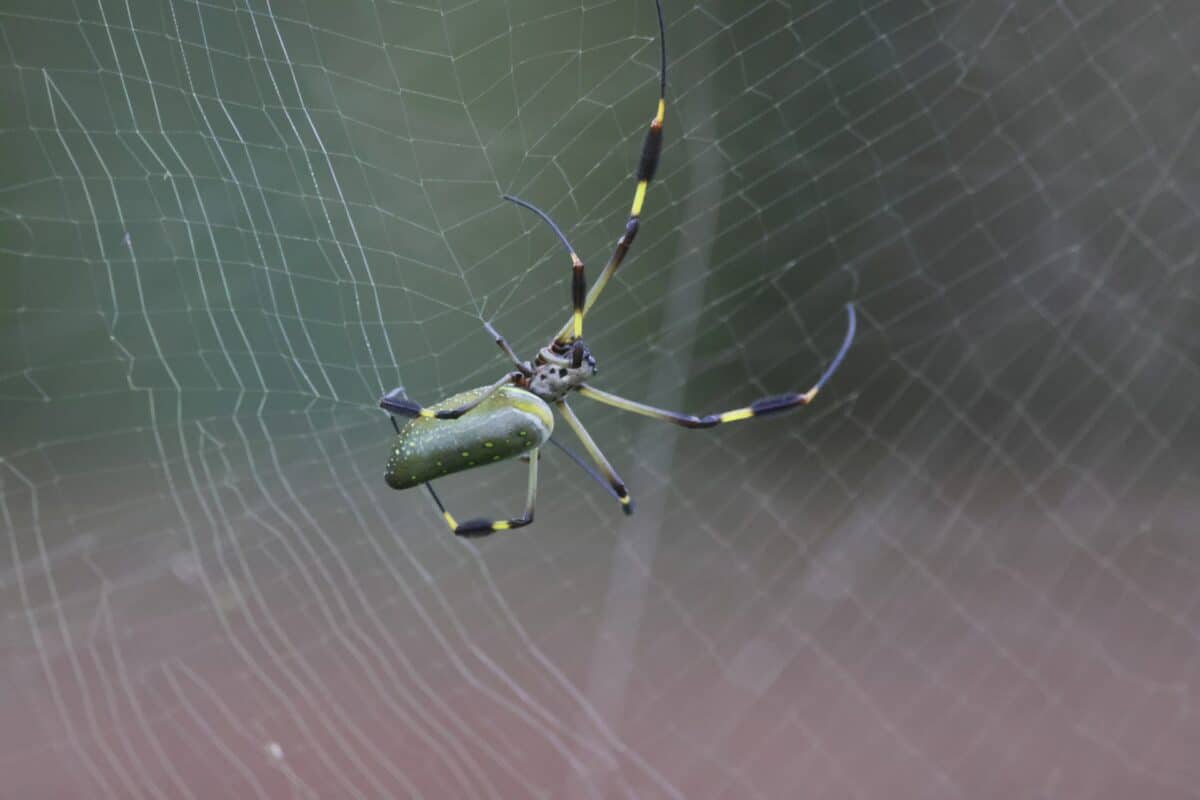
Spiders produce silk that is five times stronger than steel of the same diameter. They use this biological marvel to create webs, trap prey, and even construct shelters, demonstrating the incredible utility of their silk production.
22. Wide Range of Diets

While most spiders are carnivorous, subsisting on insects and other arthropods, some species like the Bagheera kiplingi are known to be herbivores, primarily feeding on plant material. This variation expands their ecological roles beyond predation.
21. Venomous but Beneficial

Although all spiders possess venom for subduing prey, fewer than 30 types have venom potent enough to affect humans. Spiders play a vital role in controlling pest populations, contributing to a balanced ecosystem.
20. Silk and Medicine

Spider silk is being studied for its potential in medicine, specifically in creating biocompatible sutures and artificial ligaments. Its strength and elasticity hold promise for revolutionary medical advancements.
19. Environmental Indicators

As bioindicators, spiders can reveal the health of an ecosystem. Their presence and abundance can reflect environmental quality, aiding scientists in monitoring and conserving habitats.
18. Ingenious Web Weavers

Some spiders, like the orb-weaver, spin intricate webs with radial symmetry, showcasing not only their engineering skills but also the evolutionary marvel of their innate design capabilities.
17. Mimicry Masters

Certain spiders exhibit remarkable mimicry abilities, imitating ants, bird droppings, or leaves to evade predators or to deceive prey, illustrating their exceptional adaptive strategies.
16. Nurturing Mothers

Many spider species exhibit maternal care, with mothers guarding their egg sacs or young. Some even sacrifice themselves as a first meal for their offspring, underscoring the complexity of their life cycles.
15. Unique Mating Rituals

The mating rituals of spiders can be elaborate, with males often performing dances or presenting gifts to femeles — practices that ensure the continuation of their species despite considerable risks.
14. Global Distribution

Spiders inhabit every continent except Antarctica, demonstrating their adaptability to a multitude of climates and environments, from tropical forests to arid deserts.
13. Ambush Predators

While web-weaving spiders are well-known, many species are ambush predators, relying on camouflage and surprise to catch prey, highlighting the diverse hunting strategies within the arachnid world.
12. Nighttime Hunters

Some spiders are nocturnal and rely on vibrations and specialized eyesight to hunt in the dark, contributing to the control of nighttime insect populations.
11. Seasonal Behavior
Spider activity can be seasonal, with certain species becoming more visible during specific times of the year due to mating or environmental conditions, offering insight into their behavioral patterns.
10. Cultural Symbols

Throughout history, spiders have been symbols in various cultures, representing creation, mystery, and fate, reflecting humanity’s complex relationship with these creatures.
9. Cold Adaptations

Some spiders can survive extreme cold by producing antifreeze proteins, which allow them to endure freezing temperatures, an extraordinary adaptation that enables survival in harsh climates.
8. Underwater Breathers

The diving bell spider lives almost entirely underwater, using a bubble of air held by web silk to breathe, a fascinating adaptation that pushes the boundaries of typical spider habitats.
7. Recluse Behavior
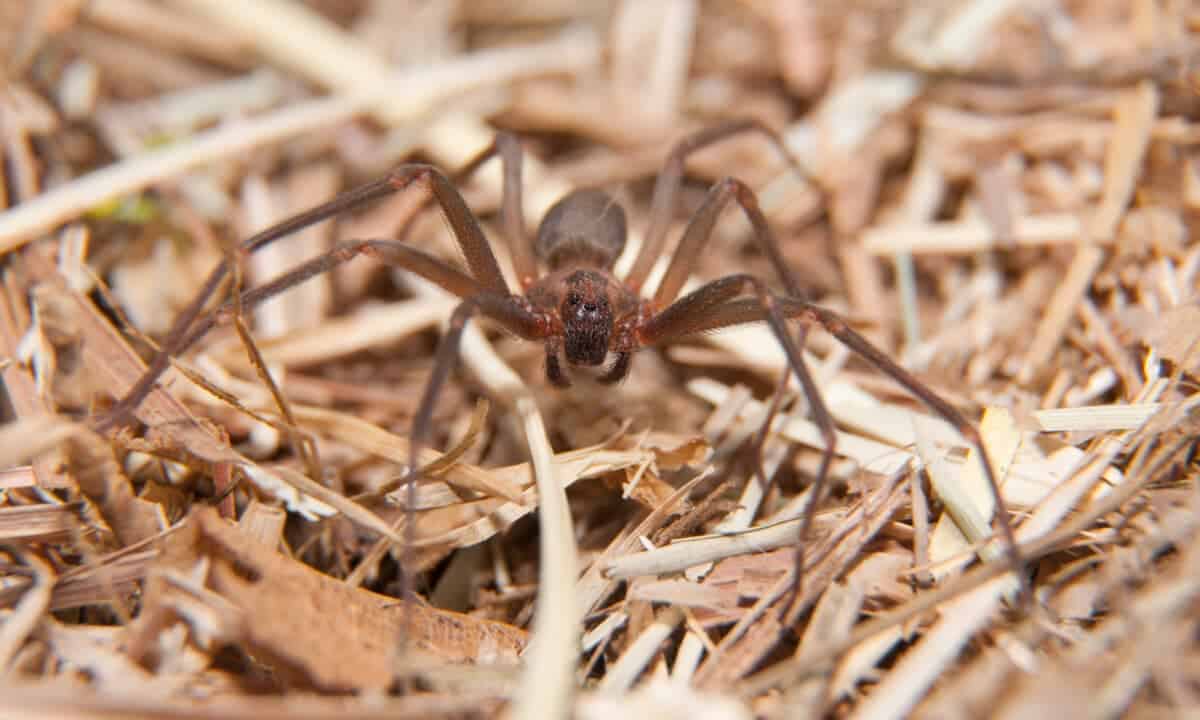
Some spiders, like the brown recluse, are known for their solitary nature, preferring seclusion over social interactions, a behavior that emphasizes the diverse lifestyles within spider species.
6. Spiders in Space

Spiders have been taken to space to study the effects of zero gravity on their web-building capabilities, contributing valuable data to scientific understanding of biological processes in space conditions.
5. Guardians of Gardens
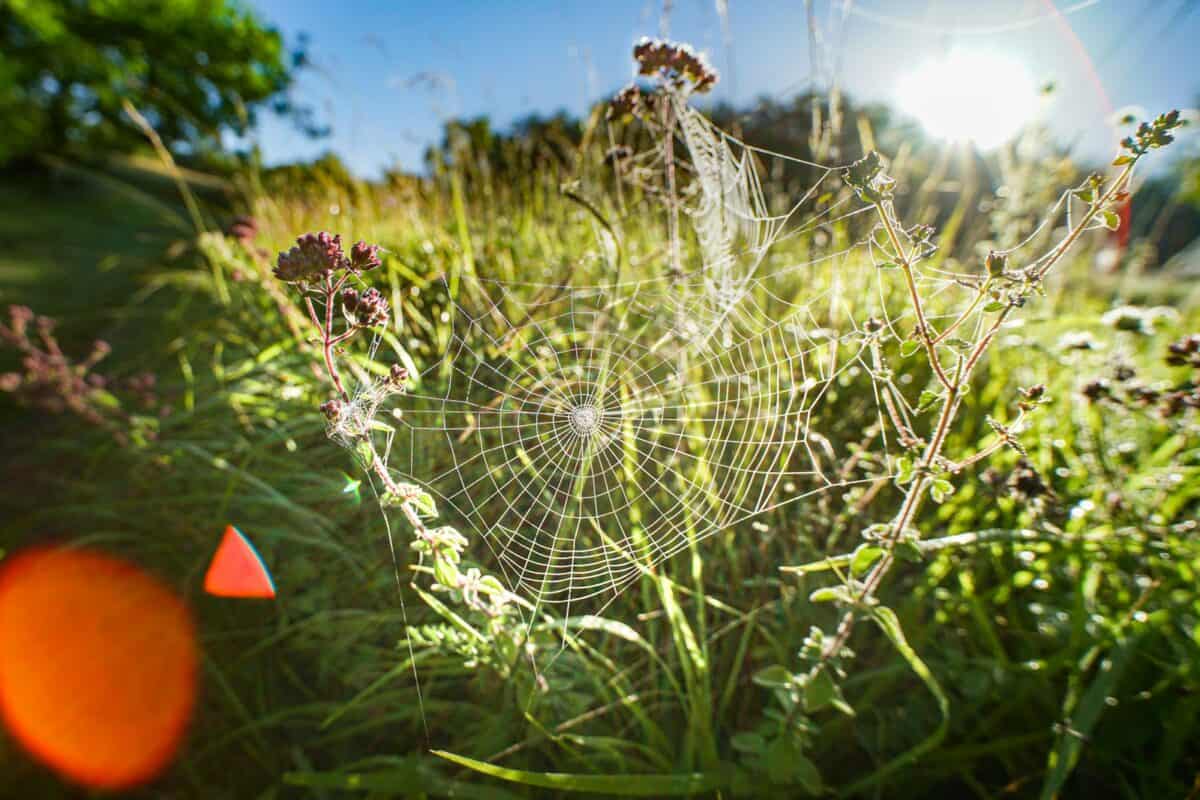
In gardens, spiders act as guardians, managing pest populations effectively and thus reducing the need for chemical interventions, highlighting their role as natural pest controllers.
4. Spiders and Climate Change

Recent studies suggest that spiders, due to their fast breeding rates and adaptability, could provide insights into climate change impacts, as shifts in their populations may serve as indicators of environmental stress.
3. Biodiversity Promoters

By managing insect populations, spiders indirectly promote biodiversity. Their presence ensures that no single species dominates, maintaining ecological equilibrium vital for diverse ecosystems.
2. Enticing Colors

Some spiders, like the peacock spider, have vibrant colors used in courtship displays. Their iridescent hues are not only feats of biological engineering but also captivating natural artworks.
1. Future Research

Scientists continue to study spiders for potential advancements in technology and materials science, as understanding their biology could lead to breakthroughs in various industrial applications.
In conclusion, spiders are more than web-spinning arachnids; they are vital components of ecosystems, championing biodiversity and natural balance. Their unique adaptations and ecological roles call for a deeper appreciation of their contributions to our world. As we learn more about these fascinating creatures, it becomes increasingly clear that they have much to teach us about resilience, adaptation, and the intrinsic value of biodiversity.

- This Lizard Can Breathe Underwater - July 22, 2026
- The Wild Horses of North Carolina’s Coast - July 22, 2026
- These Creatures Can Freeze Themselves to Survive - July 22, 2026