

If you grew up in the 1980s, you probably remember a family dog that just seemed… easy. He slept through thunderstorms, greeted strangers with a wagging tail, and didn’t lose his mind when the doorbell rang. Nobody hired a behavioral consultant. Nobody bought anxiety wraps or calming diffusers. The dog was just calm – and it looked effortless. That memory isn’t just nostalgia playing tricks. Something was genuinely different back then, and it wasn’t luck.
Today’s dogs have orthopedic beds, grain-free diets engineered by nutritionists, and entire Instagram accounts dedicated to their well-being – yet anxiety disorders in dogs have become one of the fastest-growing concerns in veterinary offices across the country. So what did 1980s dog owners get right without even trying? The answer isn’t one single thing. It’s twenty-five interconnected things – and some of them will genuinely surprise you.
#25 – Home-Cooked Scraps Replaced Ultra-Processed Kibble

Owners in the 1980s didn’t overthink dog food. They shared what the family ate – rice, boiled chicken, leftover vegetables, the end of a pot roast. It wasn’t glamorous, but it was real food without the artificial dyes, synthetic preservatives, and gut-disrupting fillers that fill the bottom of most commercial kibble bags today. The result was steadier energy throughout the day, fewer allergy flare-ups, and a dog that didn’t ricochet off the walls after dinner.
Trainers from that era consistently noted something modern owners rarely hear: dogs had even temperaments partly because their blood sugar stayed level. There were no ultra-palatable formulas designed to trigger dopamine spikes with every bite. The dog ate, felt satisfied, and settled down. Today’s premium marketing promises more, but a surprising number of modern dogs are essentially running on the canine equivalent of fast food – and their behavior shows it.
Fast Facts
- The gut-brain axis in dogs works much like it does in humans – gut health directly influences mood and stress response.
- Artificial dyes and synthetic preservatives common in budget kibble have been flagged by veterinary nutritionists as potential behavioral irritants in sensitive breeds.
- Blood sugar spikes from hyper-palatable formulas can mimic the behavioral restlessness owners often misread as “high energy.”
- Home-cooked meals naturally varied by season – an accidental dietary diversity that may have supported better microbiome health.
#24 – Unstructured Yard Time Burned Off What Structured Walks Cannot
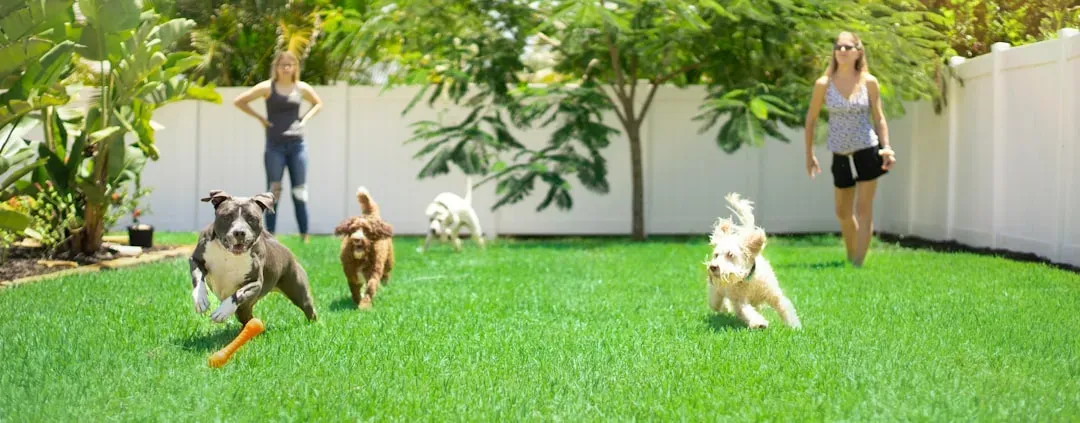
In the 1980s, a fenced backyard was a dog’s whole world for hours at a stretch. No timer. No leash. No owner standing there checking a phone. The dog wandered, sniffed fence posts, dug exploratory holes, chased squirrels to the edge of the property, and made up his own entertainment. That kind of self-directed movement burns energy in a way that a twenty-minute on-leash walk simply cannot replicate, because it engages the dog’s decision-making brain alongside his legs.
Contrast that with the average urban dog today: crated for eight hours, then taken on a structured walk where every sniff is managed and every distraction becomes a training moment. The body gets some movement, but the mind stays coiled. Pent-up cognitive frustration is one of the leading contributors to indoor destructiveness and nighttime restlessness – and it was nearly absent in dogs who spent their days solving the small mysteries of a backyard on their own terms.
#23 – Fewer Vaccine Rounds Meant Less Repeated Immune Stress
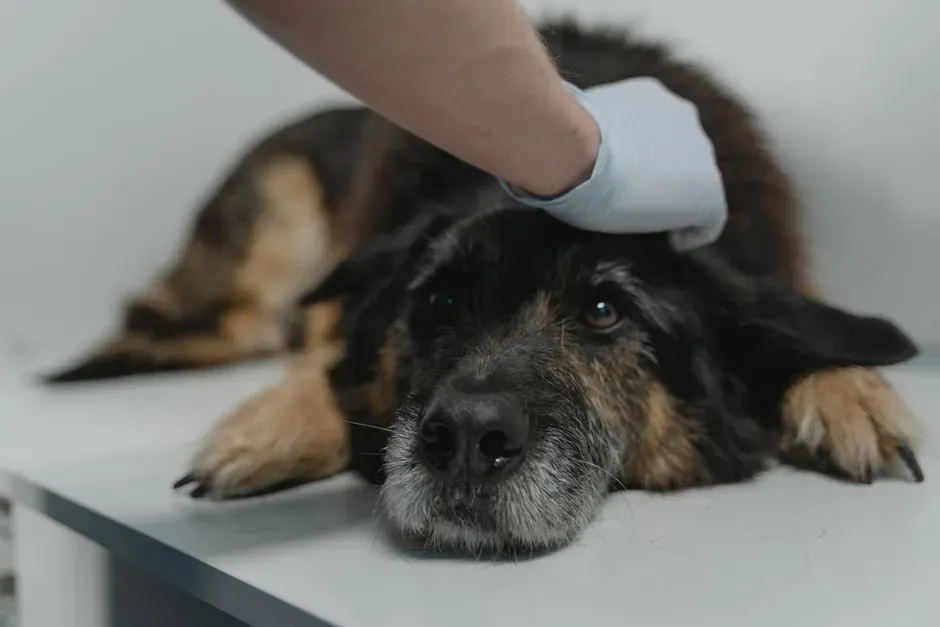
Veterinary protocols in the 1980s were simpler. Core vaccines were given on wider intervals, and the concept of annual booster-for-everything hadn’t yet become standard practice. Dogs received protection without the repeated immune-system activations that some researchers and longtime breeders believe contribute to low-grade chronic inflammation in sensitive animals. Inflammation and anxiety are more connected in dogs than most owners realize – an irritated immune system keeps the nervous system on edge.
This isn’t an argument against vaccination, which saves lives. It’s an observation about cumulative load. Dogs that weren’t cycling through monthly flea treatments, quarterly heartworm preventatives, frequent boosters, and repeated skin protocols had a quieter internal environment. Their bodies weren’t constantly in a low-level state of response. That physiological baseline calm showed up in behavior, especially in the weeks following vet visits that modern dogs often spend visibly unsettled.
#22 – Neighborhood Packs Created Steady, Low-Pressure Socialization

Dogs in the 1980s knew every canine on the block the way kids knew every neighbor kid. They encountered the same dogs day after day – at the fence line, in the alley, during casual front-yard time – until hierarchy sorted itself out naturally and everyone stopped posturing. That predictable, repeated exposure is exactly what behavioral science now confirms is the gold standard for socialization: same animals, same context, low stakes, over time.
Today’s socialization often happens in reverse. A puppy gets one round of puppy class at eight weeks, then encounters random unfamiliar dogs at the dog park on weekends – each meeting a brand-new negotiation with a stranger whose signals the dog can’t predict. That’s not socialization. That’s repeated novelty stress. The neighborhood-pack model produced dogs that were genuinely confident around other animals rather than dogs that had merely been “exposed” and were running on managed tolerance.
At a Glance: Then vs. Now
- 1980s socialization: Same neighborhood dogs, same fences, repeated daily – hierarchy settles within weeks.
- Today’s socialization: Random dog park strangers, one-off puppy classes, each meeting a brand-new negotiation.
- The result then: Genuine confidence around other animals built over months of low-stakes familiarity.
- The result now: Managed tolerance – which looks fine until it doesn’t.
#21 – Cleaner Indoor Air Removed a Hidden Trigger
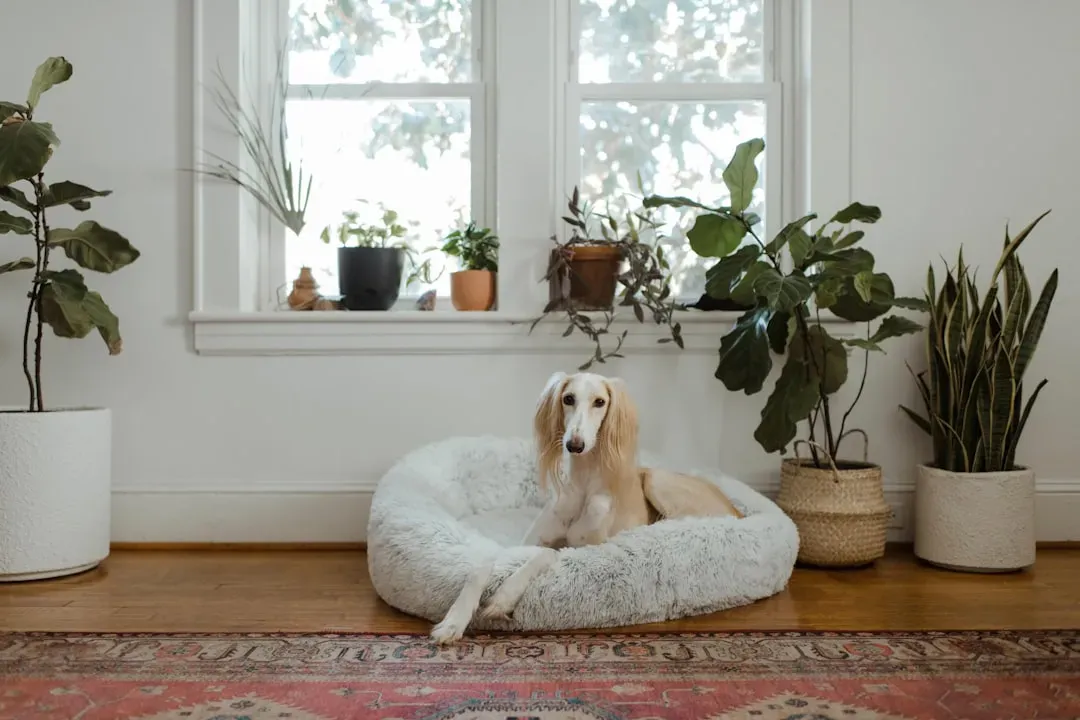
The 1980s weren’t exactly known for clean indoor air – cigarette smoke was still common in many homes. But what was largely absent was the cocktail of synthetic fragrances that define modern houses: plug-in air fresheners, fabric sprays, scented candles, dryer sheets, and multi-surface cleaners releasing volatile compounds around the clock. For a dog with a nose forty times more powerful than a human’s, that chemical landscape is genuinely overwhelming in a way owners can’t fully appreciate.
Dogs raised in homes where the dominant scents were soap, wood, and whatever was cooking in the kitchen had a sensory environment their nervous systems could actually rest in. Neurological irritation from chronic low-level chemical exposure is difficult to study directly in dogs, but behavioral veterinarians note it as a contributing factor in unexplained restlessness – especially in small breeds that spend most of their time close to treated floor surfaces. Simpler homes smelled calmer, and calm-smelling spaces produced calmer dogs.
#20 – Consistent Daily Walks Without Distractions
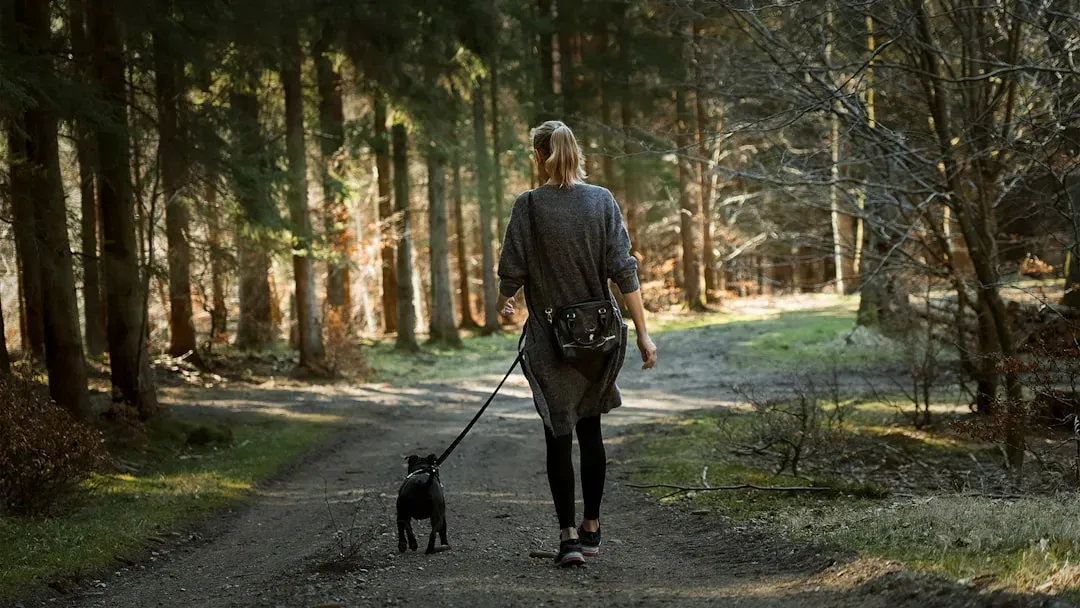
The walk itself hasn’t changed much. The person holding the leash has. In the 1980s, the walk was the event – a parent or child fully present, pace steady, route familiar, the dog sniffing what he wanted to sniff without being pulled along toward a podcast-dictated schedule. Dogs anticipated the routine with visible excitement and returned home visibly settled. The repetition itself was the medicine.
Now the walk competes with notifications, earbuds, and the ambient stress of whoever is holding the leash. Dogs read their owners’ bodies constantly – tension in the arm travels straight down the leash and into the dog’s experience of the outside world. An owner who is mentally elsewhere is an unreliable leader, and dogs on leash with mentally absent humans stay alert longer, startle more easily, and return home less satisfied than dogs walked by someone who was simply… there.
#19 – Less Extreme Breeding Meant Fewer Built-In Health Problems

The most popular dogs of the 1980s – Labs, German Shepherds, mutts of every description, Beagles, Collies – were built for function. Their airways worked. Their joints worked. Their skulls had room for their brains. Breeders who selected for temperament alongside structure produced animals whose bodies didn’t fight their minds. A dog that breathes without effort and moves without pain has a dramatically lower baseline stress level than one who cannot.
Today’s most Instagrammable breeds are also, statistically, the most medically complicated. Flat-faced dogs struggling to sleep through the night without airway obstruction, miniature breeds with luxating patellas and dental crowding, giant designer crosses with conflicting herding and guarding instincts firing simultaneously. Chronic physical discomfort creates chronic low-grade irritability, and chronic low-grade irritability looks, to the untrained eye, exactly like a dog with “behavior problems.” Many of those problems are actually pain problems wearing a behavior costume.
Quick Compare: 1980s Top Breeds vs. Today’s Most Popular
- Cocker Spaniel (No. 1, 1983–1990): Bred for sporting function; airway and joint health generally sound.
- Labrador Retriever (No. 3 in the 1980s): Purpose-built retriever; known for even, trainable temperament.
- German Shepherd & Beagle: Both pack-oriented working breeds with high biddability and pack-social ease.
- French Bulldog (No. 1, 2022–2024): Structurally compromised airway; chronic sleep disruption linked to elevated stress hormones.
- Designer crosses today: Often combine two high-drive working instinct packages with no working outlet.
#18 – Fewer Doorbell Moments Meant Fewer Adrenaline Spikes

In the 1980s, the doorbell rang when someone you knew was standing behind it. Mail arrived once, carried by the same letter carrier, at roughly the same time each day. Deliveries were rare, visitors were expected, and the household door was not a portal of constant stranger-arrival that needed monitoring. Dogs learned quickly that the bell meant a familiar face, and the adrenaline spike associated with it stayed manageable and short.
Today’s average household receives multiple deliveries per week, often from different carriers at unpredictable hours. Add food delivery, ride-share pickups, solicitors, and the neighbor’s Ring camera going off next door, and many dogs spend a meaningful portion of their day in a state of alert that never fully resolves. Each spike primes the next one. Over months and years, that repeated activation pattern reshapes the nervous system – and not toward calm. The quieter doorbell life of the 1980s wasn’t just convenient. It was neurologically protective.
#17 – Children Playing Outdoors With Dogs Provided Natural Therapy
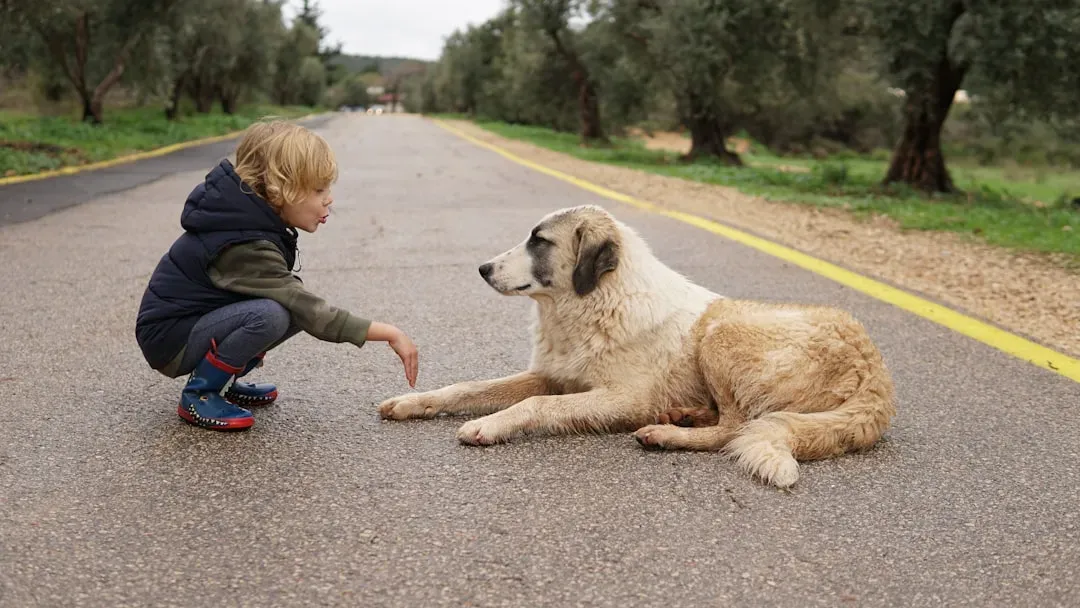
Before screens consumed the after-school hours, kids came home, dropped their backpacks, and went outside – often with the dog. What followed wasn’t structured enrichment. It was chaotic, joyful, unpredictable play that lasted until dinner was called. The dog learned patience through long afternoon games, learned to modulate bite pressure through real contact, and burned physical and cognitive energy simultaneously in a way no puzzle feeder can replicate.
That daily child-dog dynamic also built a specific kind of resilience: tolerance for sudden movements, loud noises, unpredictable behavior, and physical contact from small humans. Dogs socialized this way were almost impossible to startle. They’d been grabbed, tripped over, accidentally sat on, and chased through flower beds hundreds of times by age two. Modern dogs raised in quiet adult households often never develop that tolerance – and meeting a running child for the first time at age three can be genuinely overwhelming for them.
#16 – Clear, Consistent Training Removed Confusion
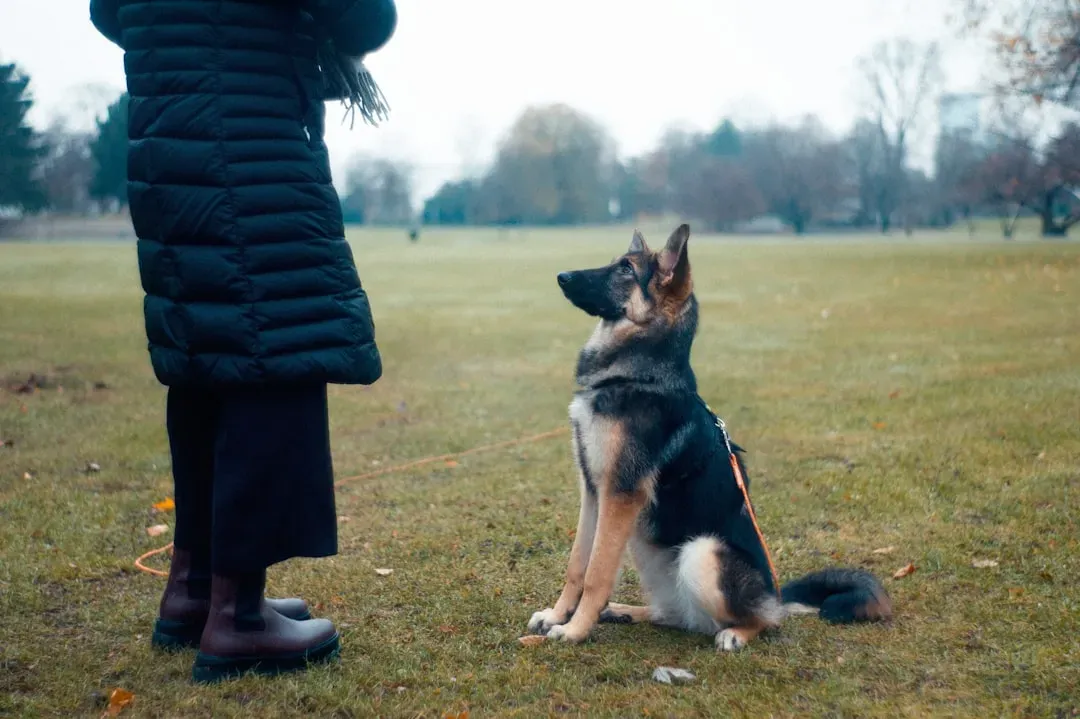
1980s dog training was not subtle. Sit meant sit. Off meant off. The same word meant the same thing every single time, delivered by the same person with the same tone. Dogs are exquisitely tuned to pattern recognition, and consistent commands give them something solid to organize their behavior around. When expectations are clear and consequences are predictable, anxiety has very little room to take root.
Modern training philosophy is richer, more humane, and more scientifically grounded in many ways – but it has also produced households where four family members use four different cues, reinforcement schedules change week to week with each new YouTube video, and the dog genuinely cannot determine what earns a treat and what earns a redirect. Confused dogs test boundaries – not out of dominance, but out of information-seeking. And that constant testing looks like restlessness, reactivity, and “being difficult.” The 1980s dog knew exactly where he stood. That clarity was its own form of calm.
#15 – Lower Owner Stress Created a Calmer Household Atmosphere
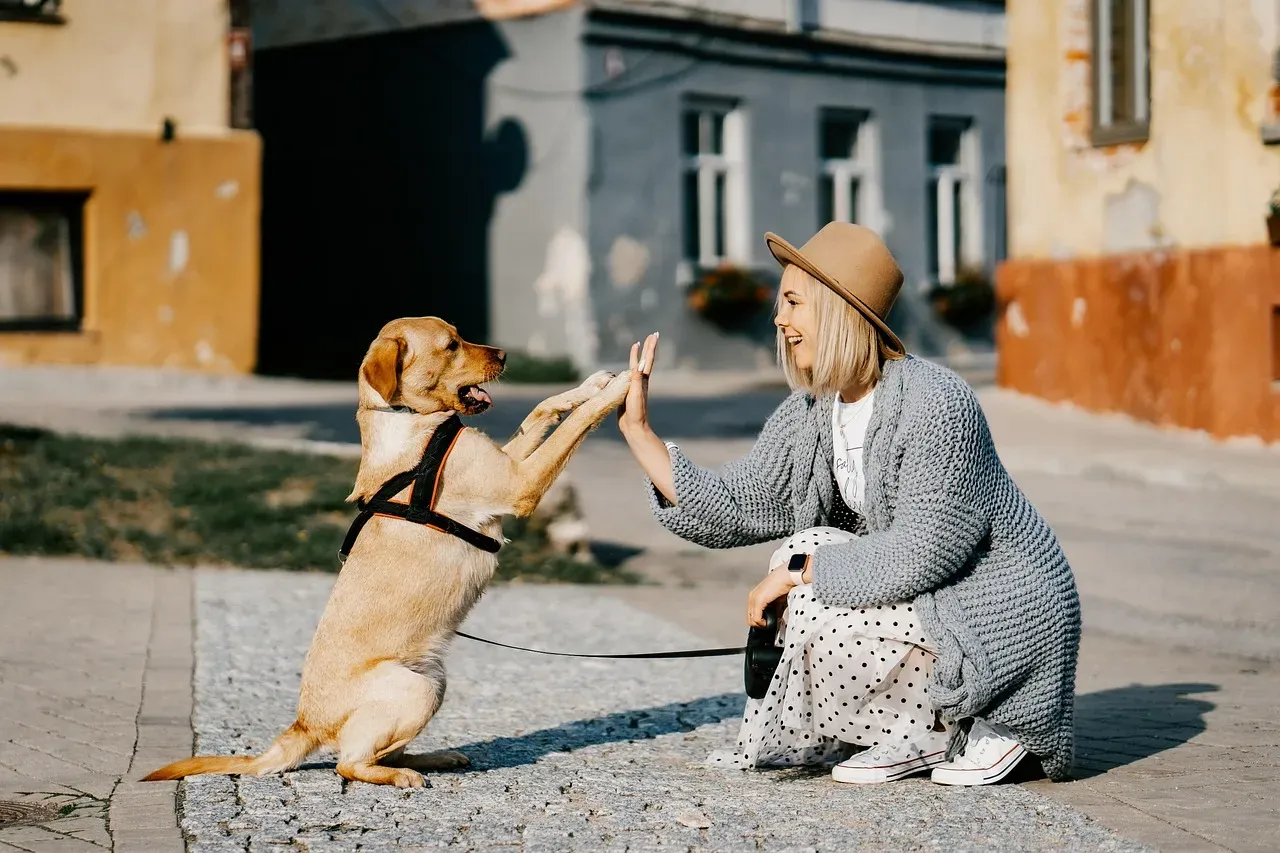
Dogs do not just respond to what you do. They respond to what you feel. A dog living with a chronically anxious owner is like a person sharing an apartment with someone who never fully exhales – the tension becomes atmospheric, inescapable, a background hum that shapes every interaction. In the 1980s, households ran at a different stress frequency. Work stayed at work. Evenings had a discernible end. Weekends weren’t just smaller weekdays.
Today’s owners are reachable at all hours, financially stretched, time-starved, and often carrying a generalized low-grade anxiety that behavioral researchers increasingly recognize as a direct contributor to anxiety in the dogs living with them. This isn’t blame – it’s observation. The dog is reading you constantly, building an internal model of how dangerous the world is based on how you move through it. When you’re calm and present, that model stays benign. When you’re wired and distracted, the model starts to include danger that isn’t actually there.
Worth Knowing
- Prozac prescriptions for dogs are on the rise, with vets across the country acknowledging increased anti-anxiety medication use – a trend experts link partly to owner mental health patterns.
- A 2024 American Psychiatric Association poll found 84% of pet owners say their pets have a mostly positive impact on their mental health – but the reverse dynamic (owner stress affecting dogs) remains underappreciated.
- Dog anxiety caused by other dogs jumped from 16.5% in 2020 to over 43% in 2022 – a spike researchers tie closely to the disruption of household routines.
- The tension a stressed owner carries travels directly down the leash – dogs on-lead with anxious humans show higher startle responses and longer post-walk recovery times.
#14 – Fewer Household Chemicals Reduced Invisible Irritants

The average 1980s home was cleaned with a short list of products: dish soap, a floor cleaner, maybe some bleach for the bathroom. Lawns were mowed, not chemically managed. The family dog walked on grass that was just grass. He napped on floors cleaned with water and basic detergent. His skin absorbed what was present, and what was present was relatively simple.
Modern homes are saturated with chemical complexity that didn’t exist forty years ago – and dogs, who lick their paws, press their faces into carpets, and breathe at floor level all day, absorb a disproportionate share of it. Residue from synthetic pesticides, antibacterial sprays, and fabric treatments accumulates in ways that affect skin, gut, and nervous system function over time. Many dogs diagnosed with “idiopathic” anxiety or chronic skin issues today live in environments their grandparents’ generation would have found unrecognizable in terms of chemical load.
#13 – Mixed Breeds Brought Genetic Stability

Most dogs in 1980s neighborhoods weren’t purchased. They arrived via an accidental litter next door, a farm dog who needed a home, or a shelter pull that cost twenty dollars. These animals carried broad genetic diversity – the biological equivalent of a varied diet – and that diversity tended to average out the behavioral extremes. Prey drive, herding compulsion, guarding intensity: the genetic lottery usually landed somewhere in the middle rather than at the edges.
Designer crosses marketed today often combine working breeds whose instinct packages are being asked to coexist in a body that spends its days in a two-bedroom apartment. A dog carrying intense herding drive from one parent and high-octane retrieval compulsion from another, with nowhere to direct either, is a dog in low-grade psychological conflict all day. The accidental mixed-breed of the 1980s wasn’t glamorous, but he was usually – almost accidentally – well-suited to actual domestic life in a way many pedigreed purchases are not.
#12 – Predictable Background Sound Supported Deeper Rest

In the 1980s, the auditory environment of a home was largely predictable: the radio at the same low volume in the kitchen, the evening news at a consistent hour, conversation, the sound of cooking. Dogs habituated to this soundscape completely within their first few months and stopped registering it as information. Background noise was genuinely background – it didn’t demand attention, and it didn’t spike without warning.
Today’s home audio environment is jagged and unpredictable. Streaming services cut from whispered drama to explosive action sequences. Video games shift from silence to sudden chaos. Notification sounds arrive from multiple devices at irregular intervals throughout the day and night. Dogs cannot habituate to unpredictable sound the way they can to steady sound – unpredictability requires monitoring, and monitoring is the opposite of rest. The dog lying quietly in the 1980s living room was genuinely resting. Many modern dogs in “resting” positions are actually on a low-level alert they never fully leave.
#11 – Seasonal Outdoor Living Regulated Sleep and Energy Cycles
Before central air conditioning became the default, dogs spent spring, summer, and fall largely outdoors or on open porches. Natural light exposure throughout the day regulated melatonin and cortisol cycles the same way it does in humans. Dogs got tired when it got dark and woke up when it got light, because nothing artificial was overriding those signals. The result was sleep that was genuinely restorative and energy expenditure that matched the season.
Modern dogs often live under artificial light for twelve to fourteen hours a day, in climate-controlled environments where no seasonal signal ever arrives. Their circadian rhythms get the same disruption that shift workers experience – chronic, low-grade, and almost invisible until it accumulates into sleep disturbance, appetite irregularity, and the kind of diffuse restlessness that owners describe as the dog “just never fully settling.” Sunlight and fresh air weren’t amenities in the 1980s. For the dog, they were medicine.
#10 – Staying Close to Home Meant Staying Grounded
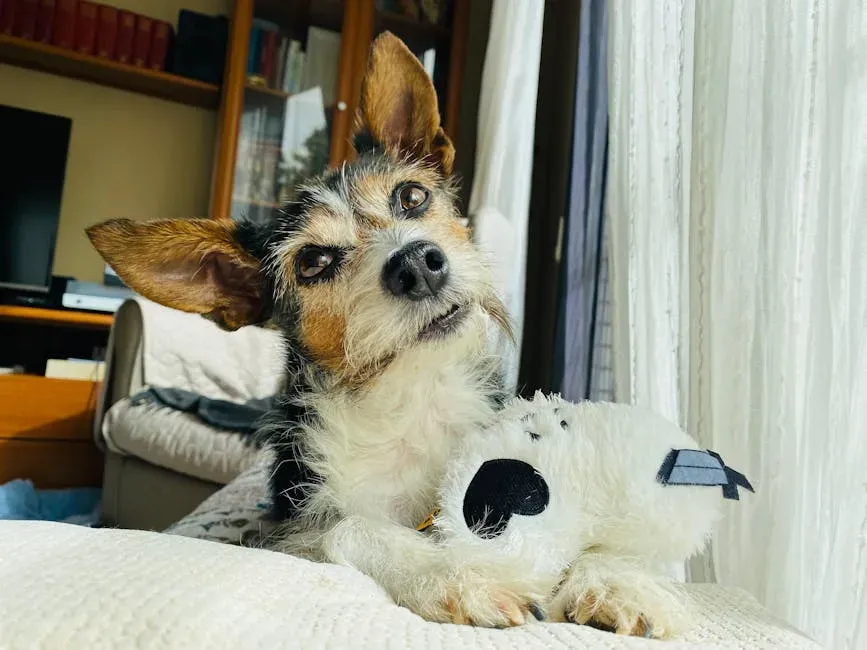
1980s families largely vacationed regionally, and when they went somewhere a dog couldn’t follow, the dog stayed with a neighbor or relative who lived nearby – a familiar-smelling person in a familiar neighborhood who walked the same streets. The dog’s world stayed legible even when the primary owner was absent. Disorientation – one of the most reliable anxiety triggers in dogs – was simply rare.
Today’s dogs are boarding-facility regulars by age two, some logging multi-week stays in facilities staffed by rotating shifts of strangers. Others are being transported across time zones in cargo holds. The emotional dislocation that follows isn’t always obvious on return, but experienced trainers describe a resettling period after boarding that can take days – and in highly bonded dogs, weeks. What the 1980s dog had wasn’t just stability at home. It was the near-certainty that home, or something close to it, was where he would always be.
#9 – Consistent Local Wisdom Beat Conflicting Internet Advice
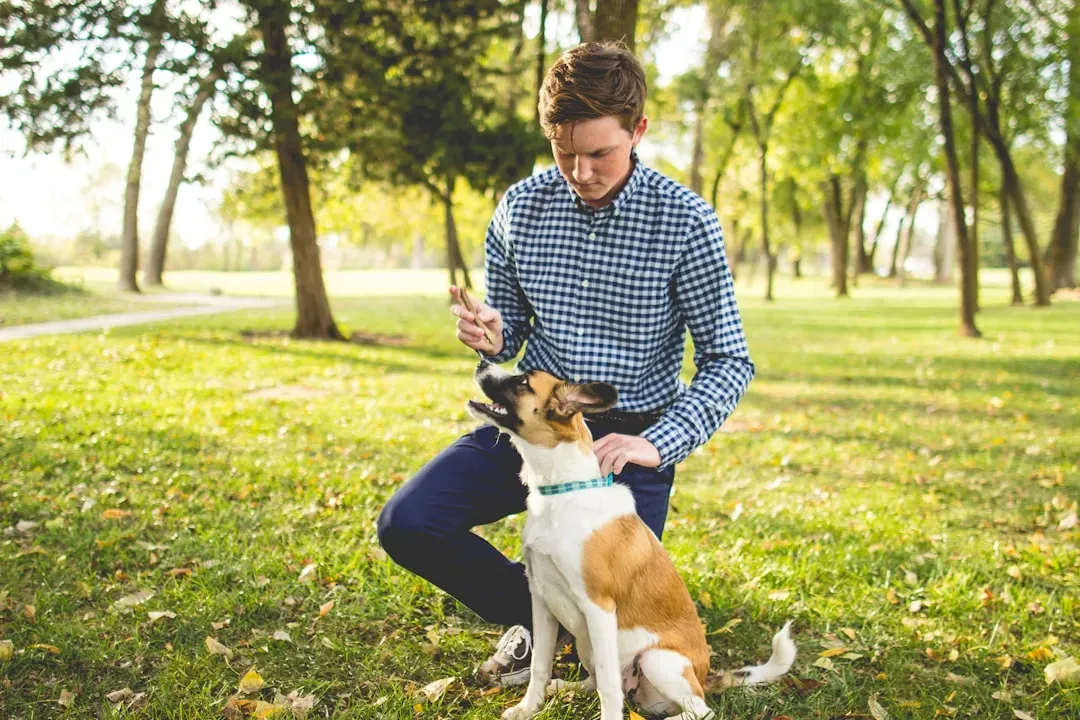
When a 1980s dog started showing odd behavior, his owner walked next door and asked the neighbor who’d had dogs for twenty years. Or they called the family vet who knew the dog by name and had watched him grow up. Advice was consistent, practical, field-tested, and delivered by someone who could look at the actual animal. Solutions were usually simple – more exercise, a schedule adjustment, a dietary change – and they were followed with commitment rather than abandoned after a week.
Modern owners have instant access to a thousand contradictory opinions and the constant suggestion that their dog’s behavior is complex enough to require a specialist. This isn’t always wrong – genuinely serious behavioral issues benefit from professional help. But the online ecosystem also creates anxiety in owners who might otherwise have solved a simple problem with confidence. And anxious owners produce anxious dogs. The 1980s model – trust a few reliable sources, implement consistently, stay patient – was quieter, slower, and remarkably effective.
#8 – Basic Grooming Became Bonding, Not a Source of Stress
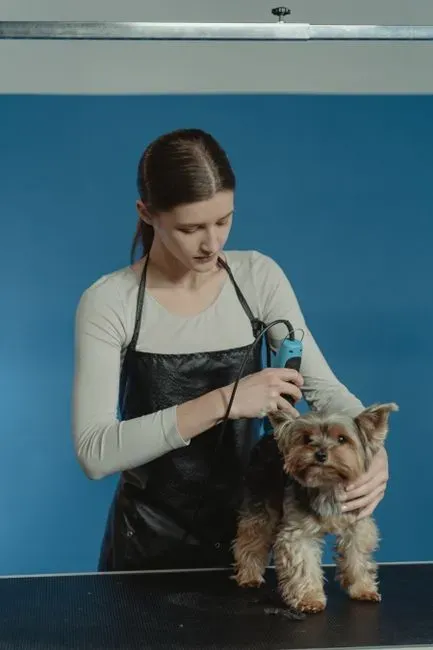
Grooming in the 1980s meant a brush, some water, and a bar of dog soap used once a month if the dog got into something questionable. It happened at home, usually in the backyard, and it was done by someone the dog knew and trusted. The process was unremarkable precisely because it was so familiar – no new smells, no new handling, no new location, no stranger’s hands. Dogs tolerated it easily because it had never been a source of stress in the first place.
Professional grooming visits today involve unfamiliar facilities, high-velocity dryers that can reach alarming noise levels, handling by different groomers each visit, and the accumulated anxiety of the other dogs in the building. For dogs already prone to sensitivity, regular grooming appointments can become a reliable source of stress that colors the days surrounding each visit. What was once a quiet bonding ritual between owner and dog became, somewhere along the way, an industry – and the dog’s emotional experience of it changed accordingly.
#7 – Having a Purpose Kept the Mind Quiet

A remarkable number of 1980s dogs had something to do. Farm dogs worked. Suburban dogs alerted to the mail carrier and the kids coming home from school. Even the most domestic of them had informal jobs: meet the kids at the bus, patrol the yard perimeter, be present at the dinner table. Purpose doesn’t require herding sheep. It requires a consistent role with a consistent expectation – and dogs with roles behave differently than dogs without them.
The modern dog is often a beloved companion with no function whatsoever, surrounded by stimulation specifically designed to keep him occupied because his natural outlets have been removed. Puzzle feeders and snuffle mats are creative solutions to a real problem – but they’re solutions to a problem the 1980s dog didn’t have. A dog who alerts, assists, accompanies, or contributes – even in small ways – carries himself with a settled confidence that a dog waiting to be entertained simply does not.
A tired dog is a good dog.
Old trainer’s proverb, repeated in every kennel club handbook from the 1970s onward
#6 – Quieter Neighborhoods Meant Real Rest Between Activities

The ambient noise floor of an American suburb in 1985 was categorically lower than it is today. Fewer delivery vehicles, fewer overhead flights on tighter commercial routes, no leaf blowers running six days a week, fewer car alarms. Dogs living in that quieter world could slip into genuine rest between activities – actual deep sleep, not just horizontal vigilance. The nervous system needs silence the way muscles need recovery days, and the 1980s soundscape provided it naturally.
Today’s dogs in suburban and urban environments face a noise landscape that rarely drops to genuine quiet. Research on noise pollution and stress in dogs consistently shows elevated cortisol in animals with chronic low-level sound exposure – even at decibel levels that humans have long since stopped consciously registering. The dog sleeping in the corner of the 1980s living room wasn’t just well-exercised. He was living in an acoustic environment that actually let him switch off – something increasingly difficult for modern dogs to find.
#5 – One Primary Caregiver Built Unambiguous Security

In most 1980s households, one person was the dog’s person. Not officially, not by training philosophy – just by the simple math of who was home during the day, who filled the bowl every morning, who gave the walk signal. The dog knew that person’s schedule, moods, and movements in fine-grained detail. That knowledge was the foundation of his security. He wasn’t waiting to figure out who was in charge. He already knew, and that settled something deep.
Today’s dogs often move between multiple caregivers – owners with mismatched rules, dog walkers mid-week, a sitter on weekends – and navigate different expectations with each one. This isn’t inherently damaging, but it raises the dog’s cognitive and emotional workload. Security for a dog doesn’t come from luxury or abundance. It comes from predictability – knowing who leads, what comes next, and that the person they trust most will actually show up. The 1980s one-person bond wasn’t sentimental. It was structurally sound.
Why It Stands Out: The Single-Caregiver Advantage
- A dog anchored to one consistent person builds a precise internal map of that human’s schedule, moods, and signals – reducing daily uncertainty dramatically.
- Multiple caregivers with mismatched rules raise a dog’s cognitive load: every transition requires recalibrating what is expected and who is in charge.
- Separation anxiety rates between 13% and 28% in clinically diagnosed dogs – a figure that climbs in households with fragmented, unpredictable caregiver rotations.
- The 1980s “one person” model wasn’t about control. It was about the dog having a reliable north star – and that compass kept the nervous system quiet.
#4 – Seasonal Eating Matched Natural Metabolic Rhythms

Dogs in the 1980s ate what was around, and what was around changed with the seasons. Summer meant garden vegetables and lighter proteins. Winter meant heartier scraps from heavier family meals. This wasn’t nutritional strategy – it was just how households worked – but it produced a natural variation in intake that mirrored what working dogs historically experienced and what metabolic research increasingly suggests supports better gut microbiome diversity.
The modern approach – same bag, same cup, same time, 365 days a year – is convenient and consistent, but it’s also monotonous in a way that may not serve the dog’s biology as well as we assume. Gut health and mood are linked in dogs as they are in humans, through what researchers now call the gut-brain axis. The accidental dietary variety of the 1980s may have been doing something beneficial that we’ve quietly eliminated in the name of standardization.
#3 – Vet Visits That Were Actually About Something

1980s dogs went to the vet when something was wrong. Limping, vomiting, a wound that needed stitching. The vet was a problem-solver the dog encountered rarely – and because visits were infrequent, they didn’t carry the learned dread that builds in dogs who visit every six weeks for wellness panels, dental cleanings, follow-ups, and rechecks. The handling was real, sometimes uncomfortable, but it wasn’t recurring enough to become a conditioned fear response.
Preventive medicine has genuine, documented value, and this isn’t an argument against seeing a veterinarian regularly. It’s an observation about cumulative experience. Dogs who visit the vet four times a year for years on end – especially dogs already prone to sensitivity – often develop anticipatory anxiety that begins in the car and doesn’t fully resolve until they’re home. The 1980s dog rarely had that association. The clinic was associated with relief from pain, not with routine handling stress, and that single distinction changed how he felt about leaving the house.
#2 – Community Life Distributed the Social Load

The 1980s neighborhood was a genuinely social organism. Families knew each other. Kids circulated freely between houses. The family dog, by extension, knew five households the way he knew his own. He received scratches from the man next door every morning, got walked an extra block by the teenager up the street on slow afternoons, and was casually included in neighborhood gatherings without ceremony. His social world was broad, low-stakes, and reliable – the precise combination that prevents the one-person dependency that defines separation anxiety.
The modern dog often has one person, one apartment, and one walk. Everything else is a stranger. That concentration of attachment – all emotional need funneled through a single human who leaves for eight hours a day – creates a pressure that the relationship was never designed to bear. Community didn’t just make the 1980s dog better socialized. It made him more emotionally self-sufficient, because he didn’t need any one person to be everything. The village raised the child and, quietly, it raised the dog.
#1 – Predictable Human Routines Anchored Everything

Everything on this list ultimately feeds into this one. Dogs are not built for novelty – they are built for pattern. They track the angle of morning light, the sound of keys, the smell of a coat being put on, and use these micro-signals to construct a reliable map of what the day will hold. In the 1980s, that map was accurate. Work started at the same time. Dinner appeared at the same hour. Evenings had a shape. Weekends were actually different from weekdays. The dog’s internal clock synchronized with the household rhythm, and that synchronization is, more than any food or toy or training method, what produces genuine calm.
Modern life has fractured that rhythm almost completely. Remote work scrambles the departure signals dogs used to rely on. Late-night scrolling pushes the household’s wind-down hours later and later. Weekend schedules are indistinguishable from weekday chaos. Dogs living in this environment must stay partially alert all the time, because the next event is genuinely unpredictable. That low-level vigilance is exhausting, and exhausted-but-unresolved tension is the engine behind most of what we now label as behavioral problems. The 1980s dog wasn’t calmer because life was simpler in some vague, nostalgic sense. He was calmer because he always knew what came next, and that certainty was the deepest rest of all.
The Honest Takeaway

None of this is an argument for going back to a decade that had its own real blind spots – less veterinary knowledge, fewer safety standards, attitudes toward dog welfare that have genuinely improved. But the behavioral picture that emerges from comparing 1980s dogs to today’s is too consistent to dismiss as nostalgia. Simpler food. Quieter environments. Steadier human presence. Clear expectations. Community that spread the social load. These weren’t luxuries or philosophies – they were just conditions of ordinary life that happened to produce remarkably well-adjusted dogs.
The expensive anxiety supplements, the calming coats, the behavioral medication – they exist because modern life created problems that previous generations never had to solve. That’s worth sitting with. The most important thing you could probably do for a dog today doesn’t require a credit card. It requires putting the phone down, walking the same route at the same time, being predictably, boringly, reliably present. Your dog doesn’t need your best self. He just needs to know you’re going to show up – and that tomorrow will look a lot like today.

- The 6 Zodiac Signs Whose Spirit Animals Reveal Their Darkest Secrets - August 15, 2026
- 10 Things You Should Never Do Around Cats (Even If You Think They Like It) - August 15, 2026
- What Legendary Animal Are You According to Your Zodiac Sign - August 15, 2026