
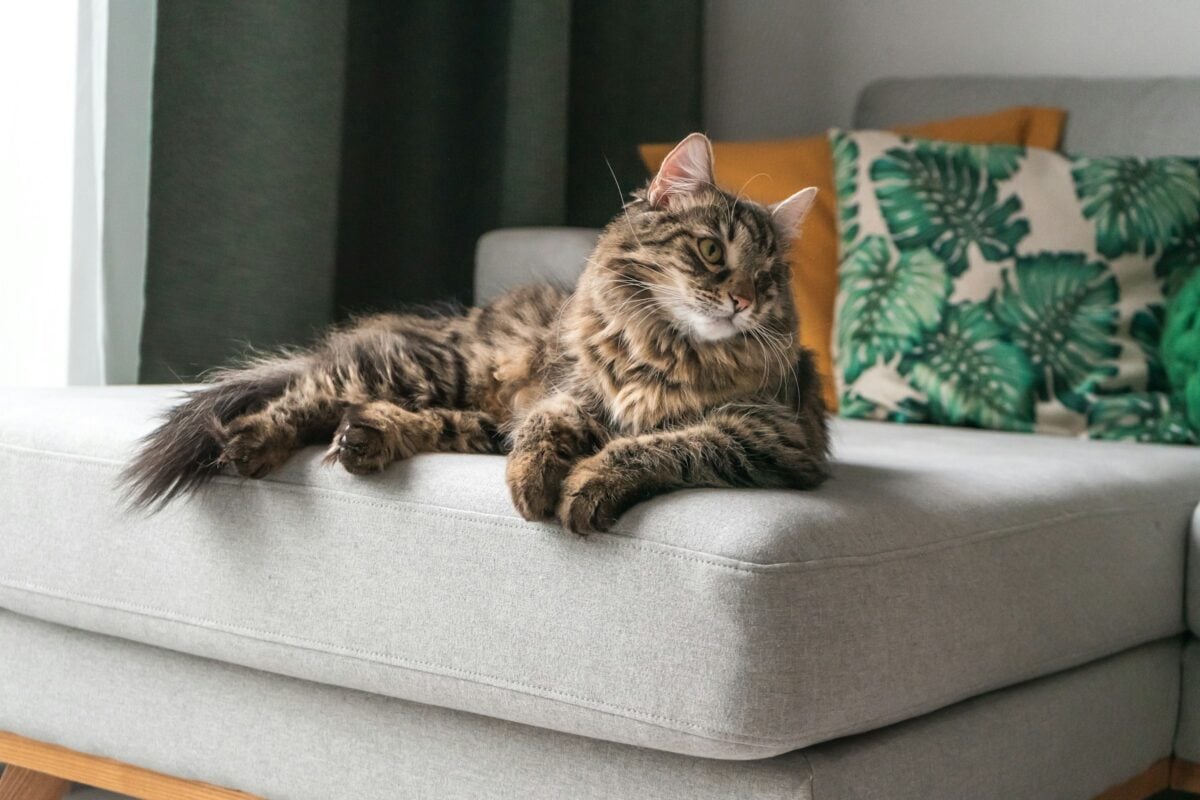
You probably think you own your house. The deed says so. The mortgage says so. Your cat disagrees, and honestly, they’ve got a stronger case than you’d like to admit.
Forget scratched couches and knocked-over cups – those are just the crimes you can see. The real takeover happens in silence: invisible scent trails, micro-rituals, and positioning games that quietly convert every room into cat-controlled territory. Behaviorists have been tracking this for years, and once you see the pattern, you can’t unsee it. Here are 25 ways your cat has already signed the lease on your life.
#1 – Silent Chin Rubbing on Furniture Edges
🔥 Would you like to save this?
We'll email this post to you, so you can come back to it later!
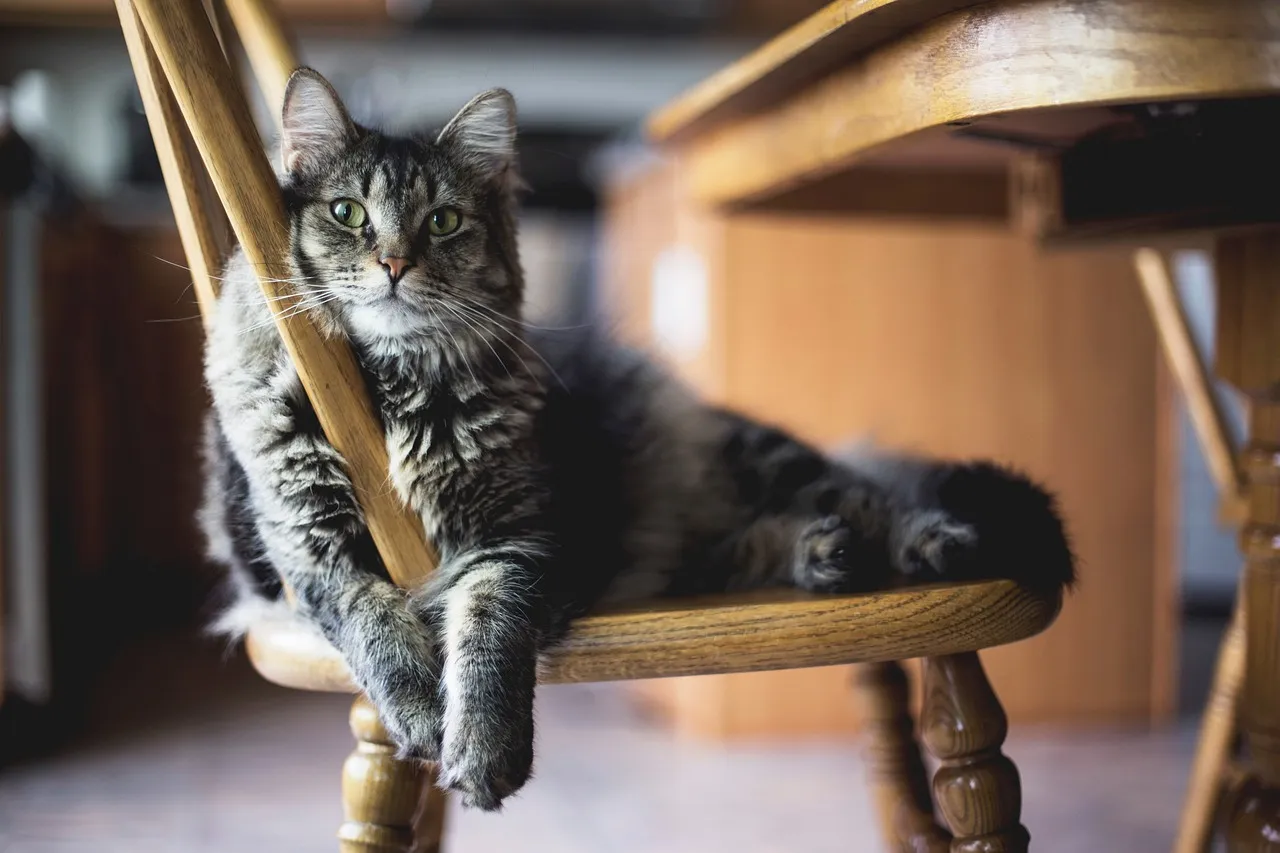
Your cat glides past the coffee table, barely brushing it with their chin. Looks like nothing. It’s not nothing – it’s a deliberate deposit from the scent glands packed along the cheeks and chin. To you, the table is just a table. To your cat, it’s now wearing an ID badge that reads “mine, and I feel safe here.”
Behaviorists call this bunting, and it’s how cats quietly build a scent-map that keeps their whole world feeling under control. Watch closely and you’ll notice they hit the same chair legs, table corners, and couch edges on a loop, refreshing these “scent beacons” throughout the day. It looks like affection toward furniture, but it’s closer to soft graffiti – and once you spot it, you’ll see it everywhere, which is nothing compared to what’s happening at your doorways.
#2 – The Weird Obsession with Door Frames
🔥 Would you like to save this?
We'll email this post to you, so you can come back to it later!
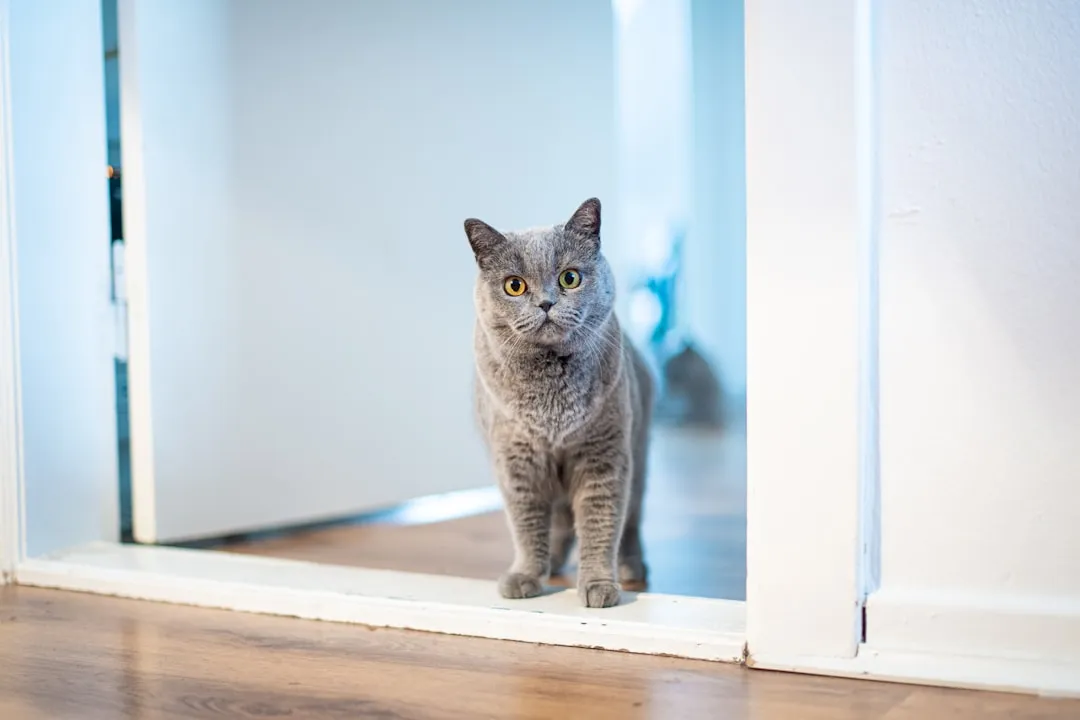
Ever notice your cat squeezing between you and a doorway, or pausing to rub the frame every single time they walk through? That’s not clumsiness. Door frames are high-traffic scent highways, and your cat knows exactly what they’re doing when they drag their cheek and shoulder along that wood – they’re installing a “Welcome to My Territory” sign at the busiest checkpoint in the house.
Some cats even have a favorite side of the frame and repeat the same route like a ritual. It looks quirky, but it’s territorial engineering: vertical surfaces hold scent well at nose height, and since doorways connect zones – kitchen to hallway, hallway to bedroom – your cat is essentially drawing borders you’ll never see. That’s why some doorways get guarded harder than others. But door frames are amateur hour compared to what’s happening under your feet.
#3 – Paw Pad Scent on Frequently Walked Paths
🔥 Would you like to save this?
We'll email this post to you, so you can come back to it later!
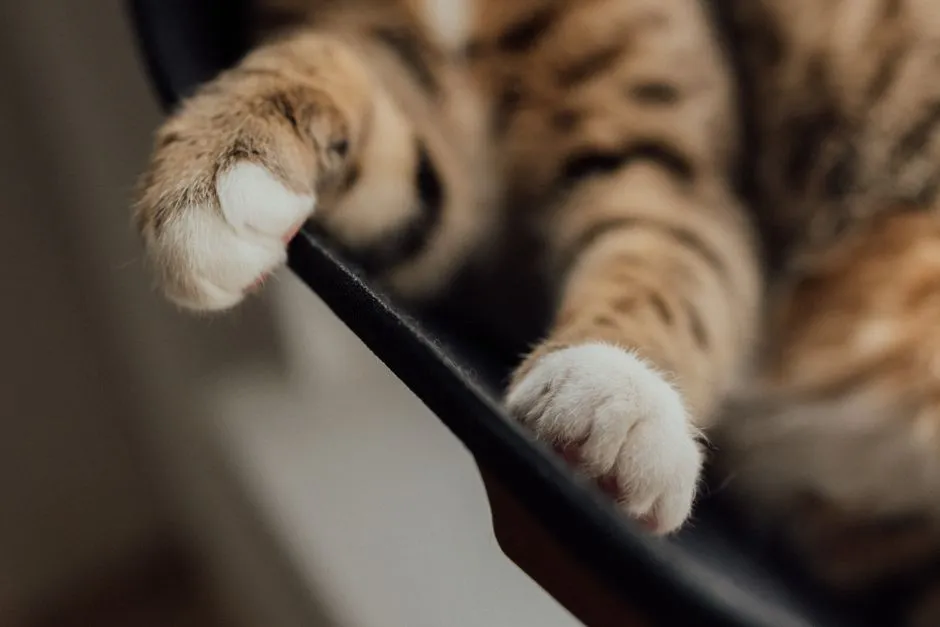
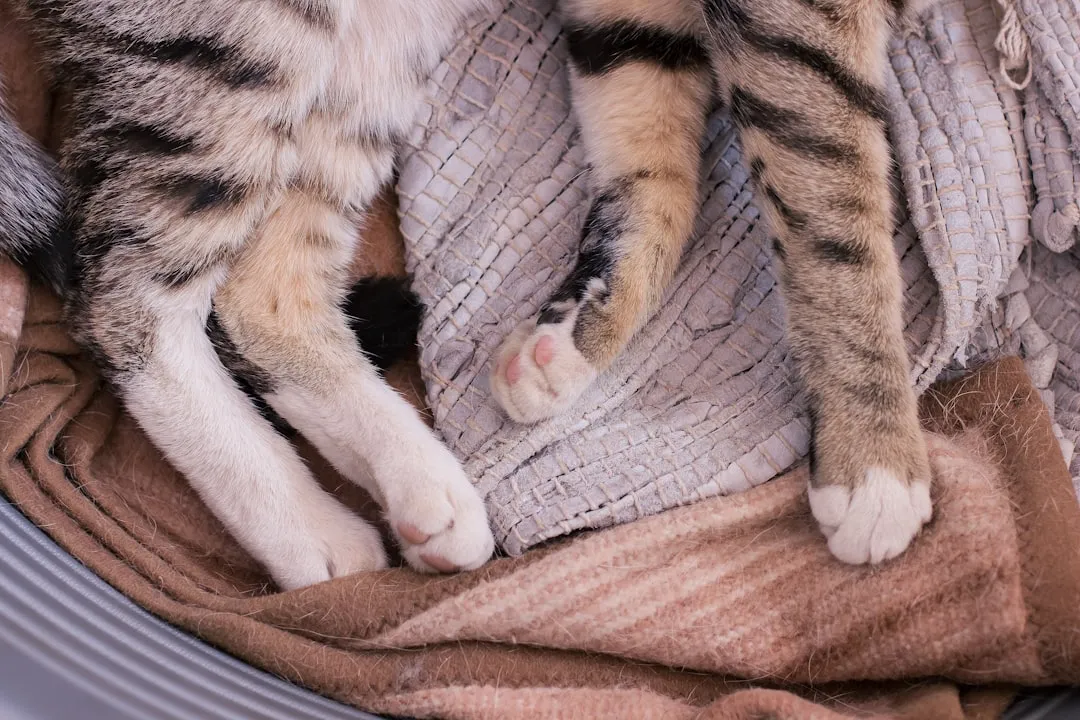
Everyone knows about the cheek and tail glands. Almost nobody thinks about the paws. Tucked inside those soft toe beans are glands that release a faint scent with every step, which means every lap your cat makes across the couch, the windowsill, or the stairs is quietly overwriting the house with their signature.
You just see a cute daily patrol. Other animals see runway lights. This is also why cats melt down when furniture gets rearranged – it wipes out an invisible map they’ve spent weeks building, and they hate having to start over. If you think that’s subtle, wait until you see what’s happening on your couch cushions.
Fast Facts
- Cats carry scent glands in the cheeks, chin, forehead, and at the base of the tail.
- Paw pads contain interdigital glands that deposit scent with every step.
- Facial pheromone marking (bunting) is generally associated with comfort, not anxiety.
- These layered scent signals are almost entirely undetectable to the human nose.
#4 – “Just Stretching” on the Couch (It’s Not Just Stretching)
🔥 Would you like to save this?
We'll email this post to you, so you can come back to it later!
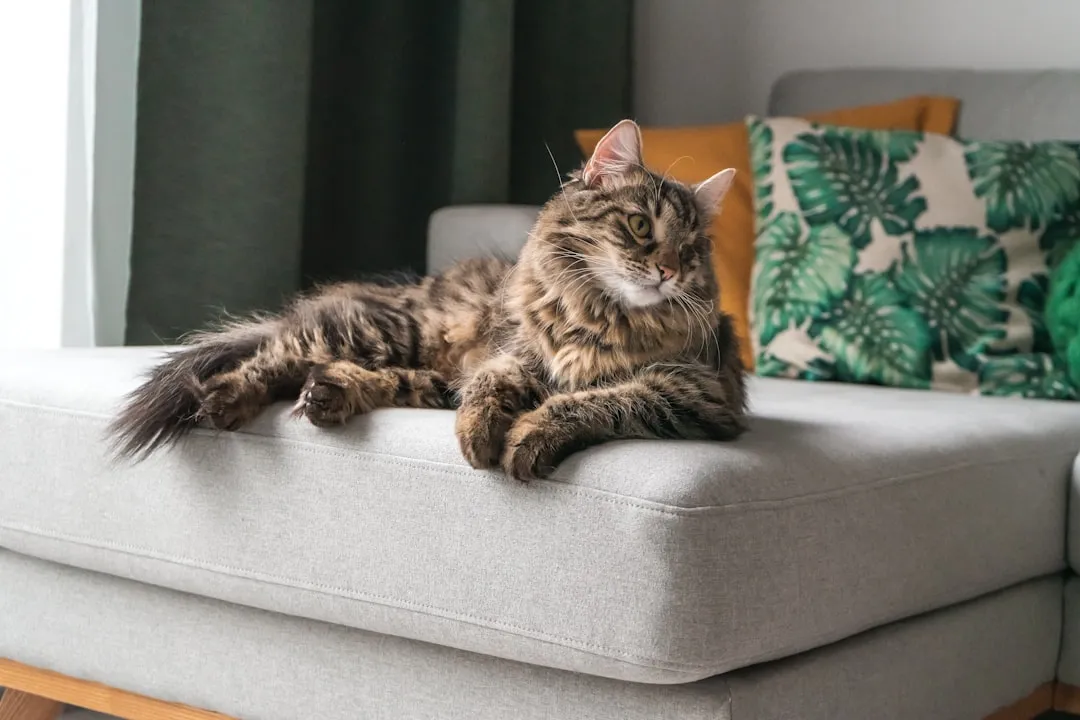
That long, dramatic stretch where your cat digs their claws into the couch, pulls forward, then drops like nothing happened? That’s not just a muscle thing. The motion activates glands between the toes, leaving faint scent behind along with microscopic scratch marks – even on fabric that never shows visible damage.
To your cat, the couch becomes a personalized lounge stamped with their own ownership code. That’s why they keep returning to the same armrest or the same end of the sofa – they’ve already invested scent there. Owners who swear “my cat never marks anything” usually just can’t see the quiet empire being built cushion by cushion. What happens on your bed is even more personal.
#5 – Sleeping in the Same Exact Spot on Your Bed
🔥 Would you like to save this?
We'll email this post to you, so you can come back to it later!
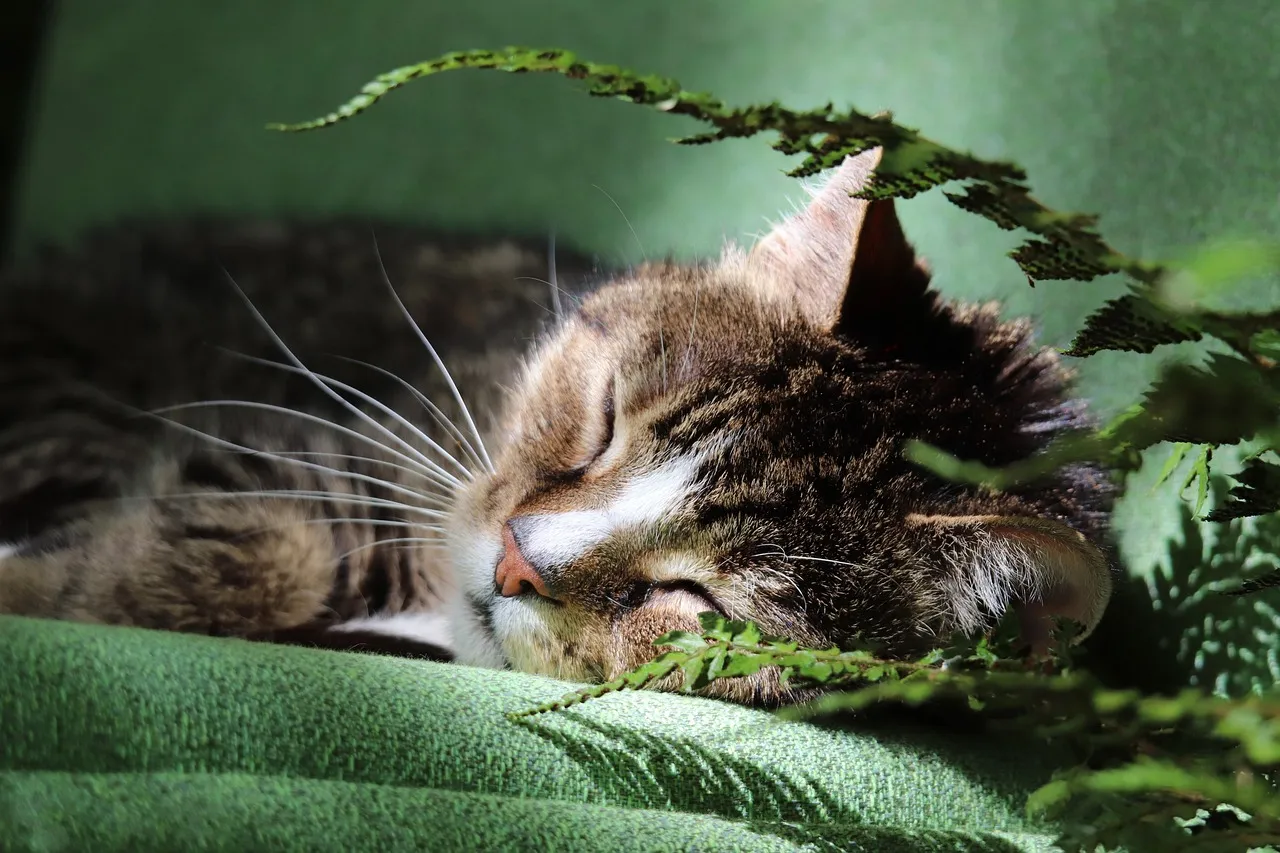
Night after night, your cat somehow lands on the same corner, the same pillow, the same folded blanket. That’s not coincidence – hours of uninterrupted contact between their fur and your bedding basically marinates that patch of fabric in their scent, turning it into prime real estate.
Sure, warmth and closeness to you play a role. But sleeping is when animals are most vulnerable, so cats instinctively guard rest zones hard. By claiming the same spot every night, they’re quietly saying, “this is my safe base.” It’s affectionate and territorial in the same breath – and it’s about to get a little uncomfortable when you realize what they do to your freshly washed sheets.
#6 – Immediate “Inspection” of Anything Freshly Washed
🔥 Would you like to save this?
We'll email this post to you, so you can come back to it later!
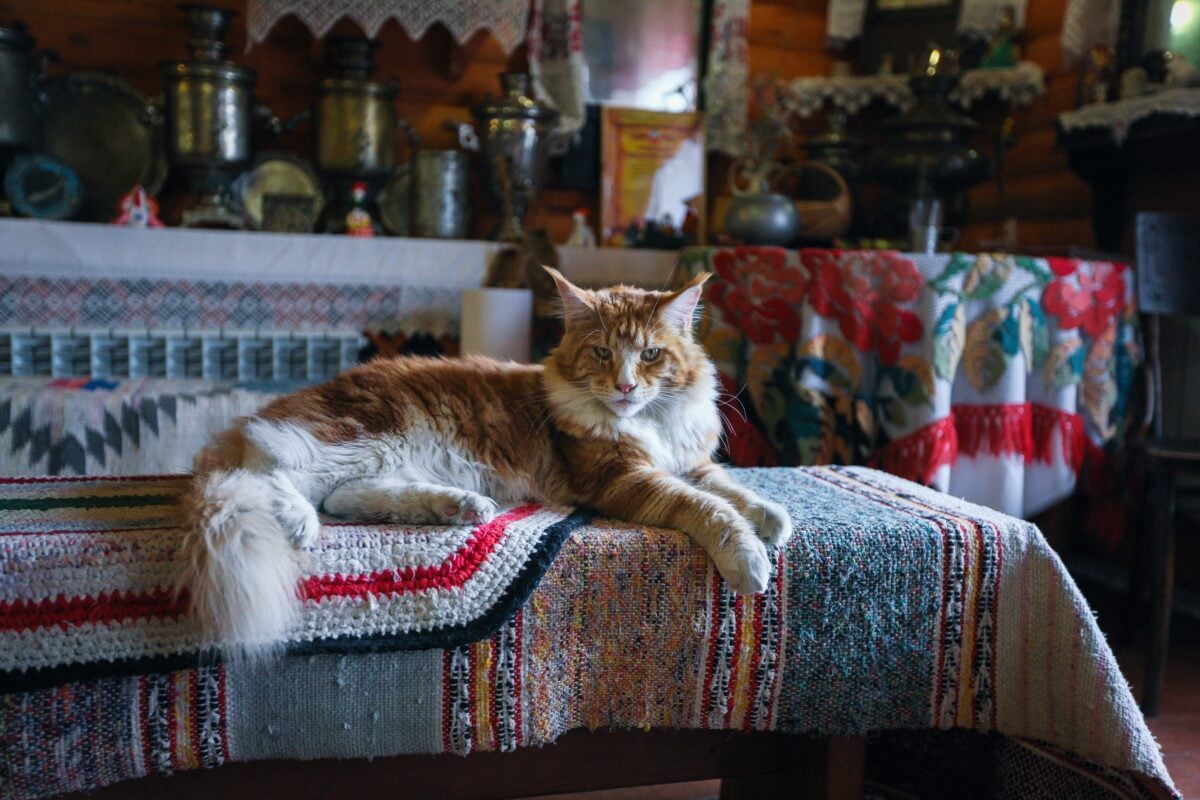
Fresh laundry out of the dryer. Clean sheets. A new throw blanket. Within minutes, your cat is rolling on it like they’ve claimed a throne. It looks like they just love warm fabric, but washing strips away every familiar scent – and to a cat, that can make a favorite item feel suddenly foreign.
Their fix is fast: bury their face in the pile, knead the duvet, push their scent right back into the fibers to rebuild the “group smell” that says home is stable. In multi-cat households, you’ll often watch each cat take a turn on the same clean surface, quietly negotiating shared ownership. Some behaviorists think this is exactly why certain cats act wound-up on laundry day – it’s a full territory reset. Still, none of that compares to what happens around your ankles.
#7 – Figure-Eighting Around Your Legs
🔥 Would you like to save this?
We'll email this post to you, so you can come back to it later!
Your cat weaves a tight figure-eight around your ankles the second you walk in the door. It feels affectionate, and it is – but look at what’s actually touching you: sides, cheeks, sometimes tail, all major scent zones. Every loop around your legs is a low-key branding ritual. You smell like theirs now, whether you notice it or not.
This is where territory and social bonding blur completely – you’re not just a roommate, you’re mobile real estate. It’s also why some cats turn frantic when you come home smelling like another animal. That’s not jealousy exactly; it’s damage control, correcting a foreign scent that just walked through the door. But the real power move happens up high.
#8 – Parking Themselves in Strategic “Guard Posts”
🔥 Would you like to save this?
We'll email this post to you, so you can come back to it later!
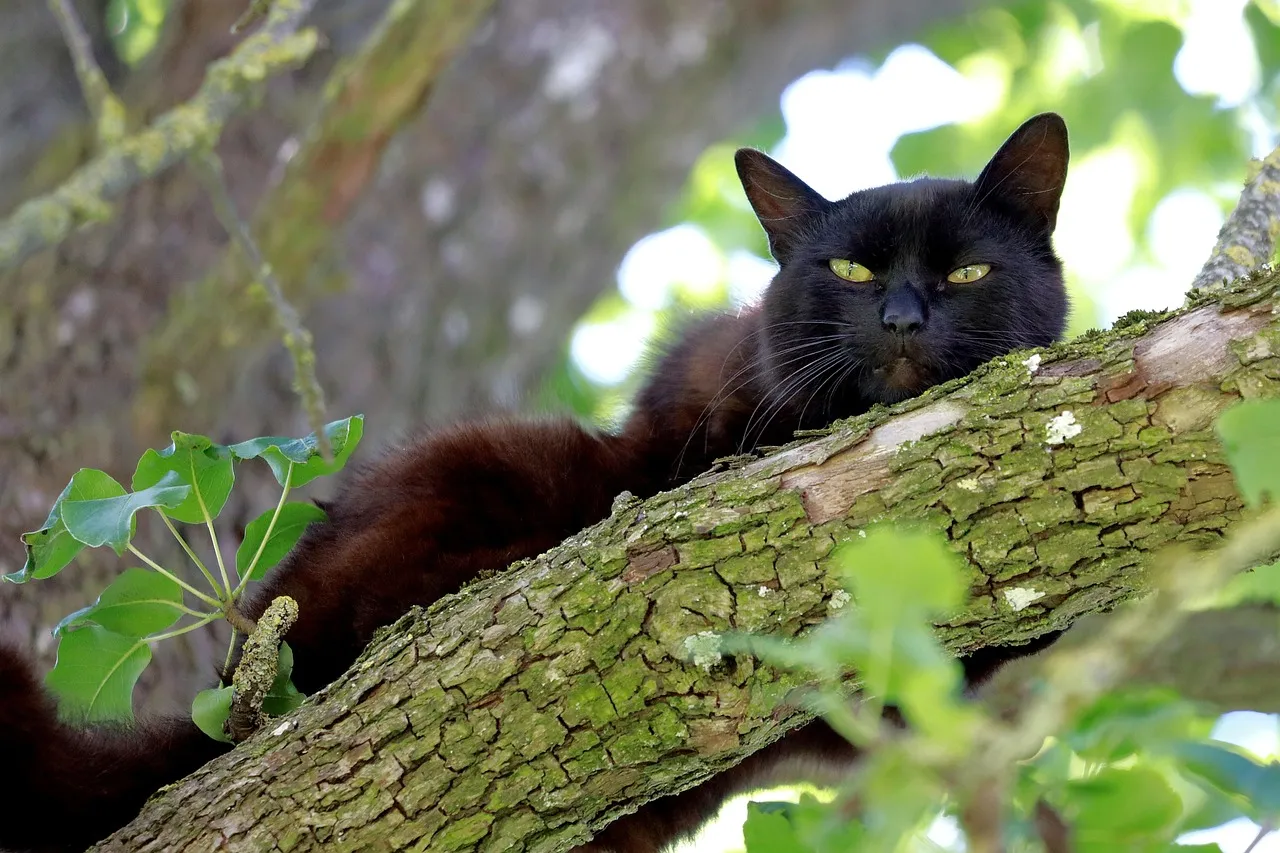
The window ledge facing the street. The top of the stairs. The chair back with a clear sightline down the hallway. These aren’t just comfy spots – they’re guard posts, chosen specifically because outside smells drift through windows and doors, or because other bodies must pass through stairs and hall junctions.
Sitting there for hours does two jobs at once: watching and re-marking, since fur constantly sheds scent onto ledges and rails. It’s territorial surveillance disguised as napping. That’s also why some cats get weirdly tense if you move the chair they’ve claimed as a lookout – you didn’t just rearrange furniture, you shut down a control tower. Rugs, somehow, are just as serious.
#9 – The Mysterious Love of Specific Rugs and Mats
🔥 Would you like to save this?
We'll email this post to you, so you can come back to it later!
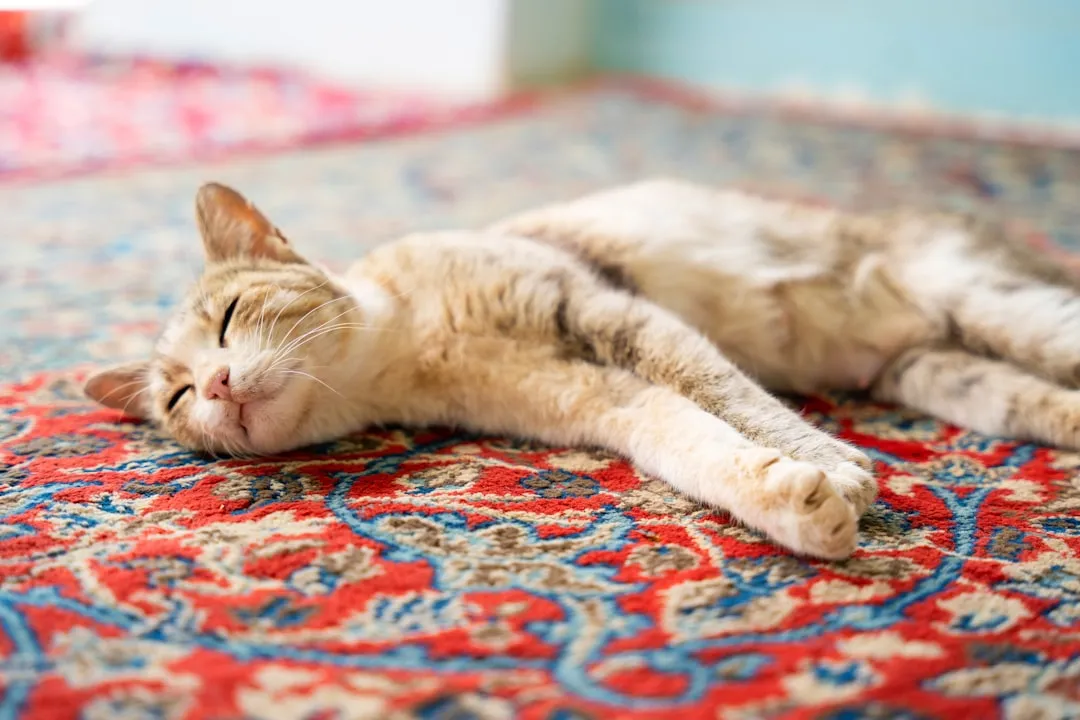
A random bath mat. One cheap kitchen rug. The hallway runner nobody thinks twice about. Your cat treats it like sacred ground – flopping, rolling, and loafing on it constantly. Rugs make perfect scent traps: low to the ground, fibrous, and usually sitting right at a threshold, like a bathroom door or kitchen entrance.
Repeated rolling and napping layers the rug with dense, long-lasting scent, which is why some cats will actually swat other pets who cross “their” mat. Doormats get the same treatment for a sharper reason – everything entering the house steps there first, so it becomes a border checkpoint drenched in personal signature. To you, it’s a $15 Target rug. To your cat, it’s a checkpoint. Somehow your laptop gets even more attention.
#10 – Sitting Directly on Your Laptop or Keyboard
🔥 Would you like to save this?
We'll email this post to you, so you can come back to it later!
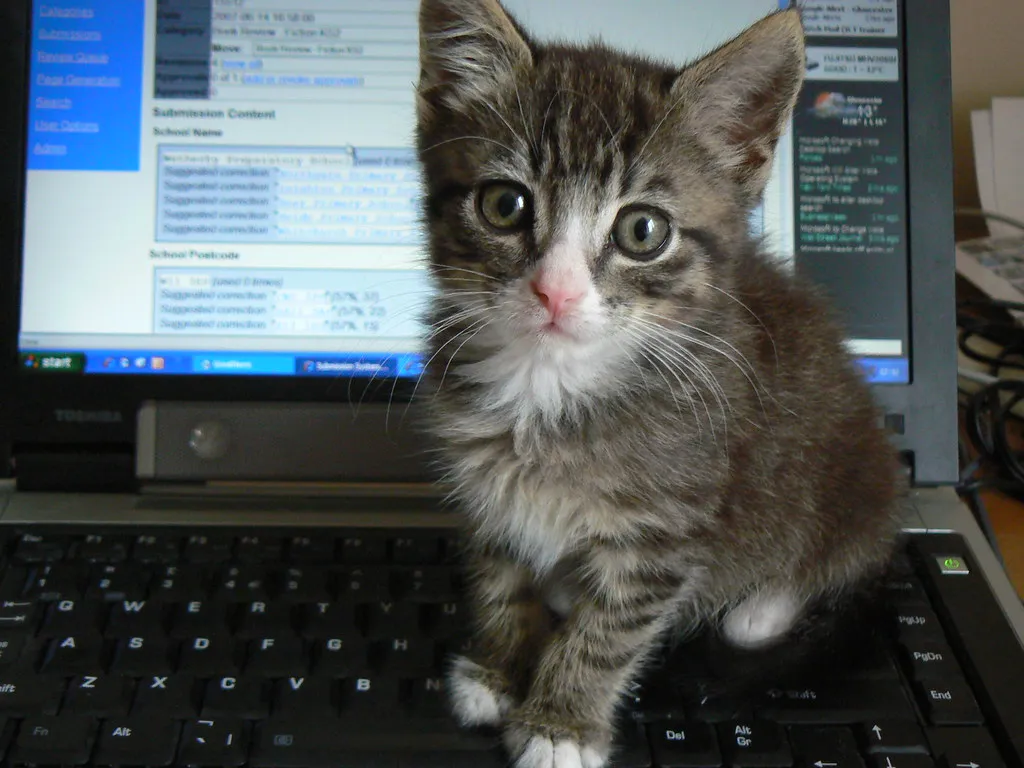
Everyone jokes that cats sit on keyboards because they’re warm, or because cats despise productivity. Both are partly true, but there’s a sharper reason underneath: your laptop smells strongly like you, it’s where your attention lives, and it usually sits dead center in the room. Planting themselves on it is a quiet power move – “if this thing gets you so focused, it needs to smell like me too.”
Their fur, paw pads, and cheeks all press scent into the plastic and metal. It’s also why they smack your hands mid-typing – they’re redirecting your attention back into their scent bubble. Owners chalk this up to neediness, but it’s closer to territorial co-ownership of your workspace. The nighttime version of this behavior is even bolder, and you sleep right through it.
#11 – Nighttime Patrols You Never See
🔥 Would you like to save this?
We'll email this post to you, so you can come back to it later!
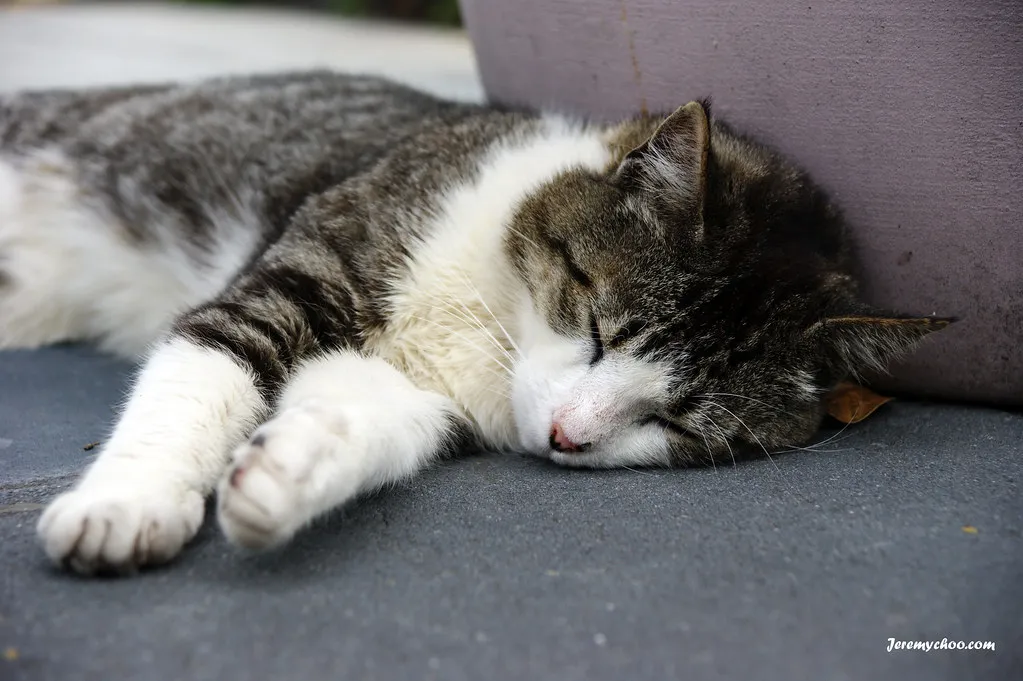
While you sleep, your cat is often wide awake doing quiet rounds – the same hallway laps, a stop at the windowsill, a check of the doors, a revisit of key scent points. This isn’t restlessness. It’s maintenance, reinforcing the home’s scent landscape during the quietest, safest hours when it’s easiest to detect change.
Every step reactivates paw scent, every brush against furniture refreshes cheek markings. If a window was cracked earlier or a strange draft carried unfamiliar odor in, they’ll find it and mark around it. In the morning, you just see a sleepy cat curled in a sunbeam. Overnight, they’ve stamped “approved” on your entire airspace – which is exactly why they lose it over closed doors.
#12 – Freaking Out When Doors Inside the House Are Closed
🔥 Would you like to save this?
We'll email this post to you, so you can come back to it later!
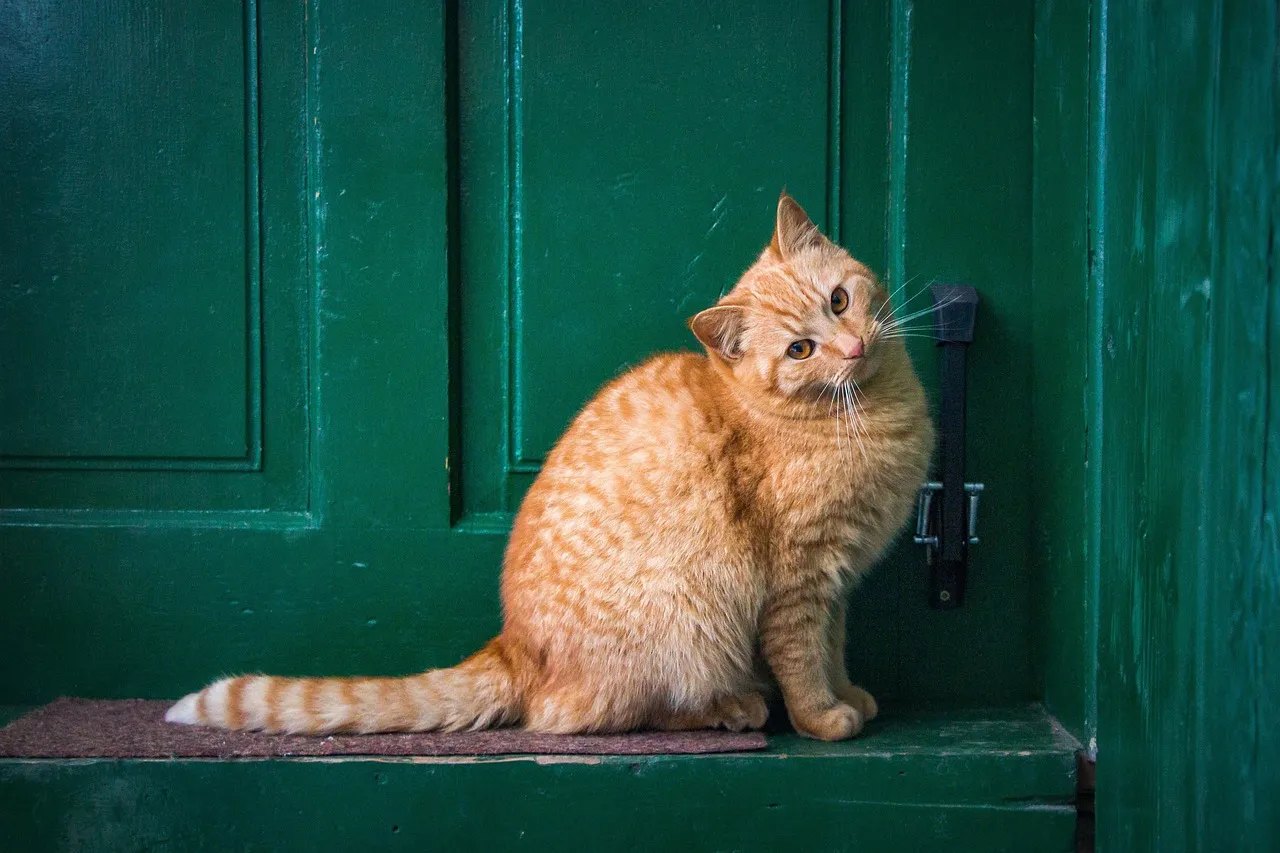
Some cats absolutely lose their minds when an interior door shuts – pawing, meowing, pacing like it’s an emergency. It looks dramatic, but there’s a real reason: a closed door cuts off part of their scent map, and a room they can’t inspect or refresh reads as a gap in their own territory.
That’s why the second the door reopens, they do a fast scent sweep – rubbing furniture, jumping on the bed, sniffing corners to check what changed, then re-stamping it back into the whole-home network. People call these cats clingy or dramatic. Really, they’re just border patrol. And that same instinct is exactly why they ambush your shoes the moment you walk in.
Quick Compare
- Bunting (cheek rubbing): Calm, affiliative marking that signals comfort and familiarity.
- Scratching: Combines a visual mark with scent from paw glands, usually on vertical surfaces.
- Urine spraying: A stronger, more anxious signal typically tied to stress or perceived threats.
- Rubbing on people or objects: Social bonding and territory-building happening in the same motion.
#13 – Investigating and Rubbing on Your Shoes
🔥 Would you like to save this?
We'll email this post to you, so you can come back to it later!
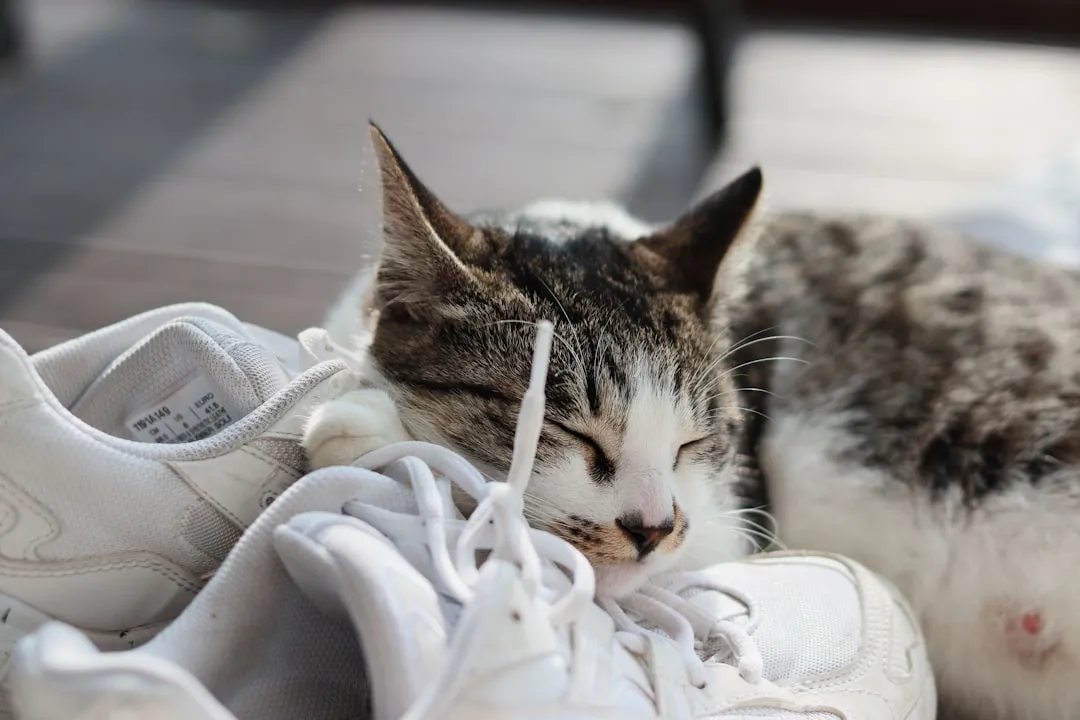
You kick off your shoes and before your bag even hits the floor, your cat is on them – sniffing, pawing, sometimes curling up right beside them. Shoes are odor goldmines soaked in outside smells, and cats use them as information hubs first, then quickly overwrite them with cheek and chin rubs.
From a territorial standpoint, this is damage control – you just dragged foreign scent onto home turf, and your cat is racing to neutralize it. In multi-cat homes, you’ll sometimes see each cat take a turn with the same pair of shoes: part investigation, part social scent-sharing. It’s one of the clearest windows into the “collect and cover” pattern in action. Their slow blinks, though, might be the sneakiest claim of all.
#14 – Slow Blinks as Social “Claiming”
🔥 Would you like to save this?
We'll email this post to you, so you can come back to it later!
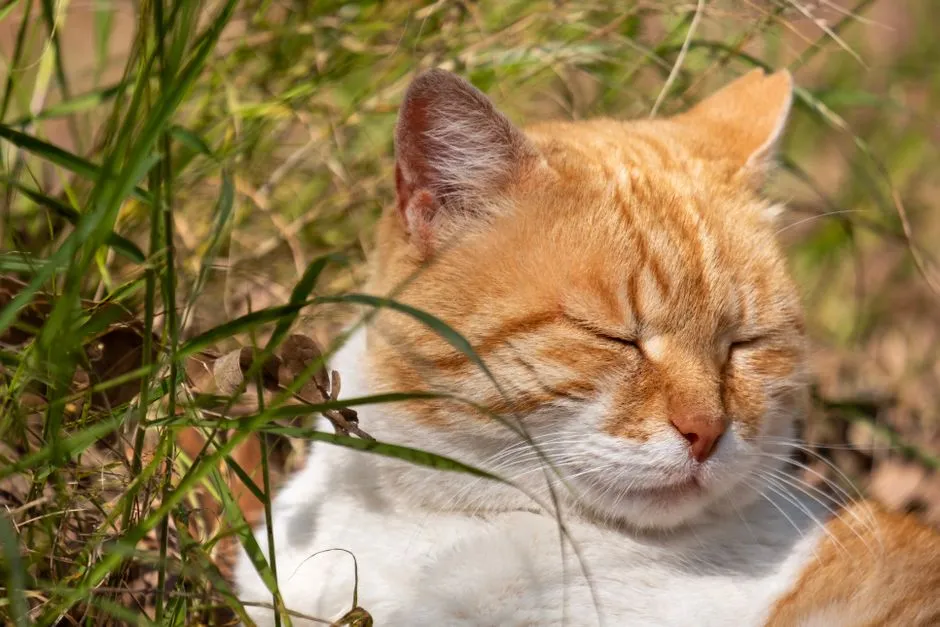
Everyone knows the slow blink means trust. What most people miss is the territorial layer underneath it. When your cat locks eyes with you across the room and gives that soft, extended blink, they’re doing more than saying “I love you” – they’re marking you, and the whole shared moment, as part of their claimed, safe environment.
It’s not scent-based like the others, but the effect is the same. Cats don’t separate social territory from physical territory the way we do; feeling safe with you in a room quietly reinforces that room as “secured.” That’s why the couch you always cuddle on becomes emotionally marked as “our spot,” while other rooms never quite get that treatment. Sound plays into this too, and it gets a little controversial.
#15 – Meowing Only in Certain Rooms
🔥 Would you like to save this?
We'll email this post to you, so you can come back to it later!
Some cats are basically silent – until they hit one specific room and suddenly won’t stop talking. Owners blame acoustics or assume the cat “just likes it in here,” but there’s a deeper pattern: vocalizing in a particular space can function as acoustic territory-marking, almost like verbal graffiti.
The echo, your response, and the routines tied to that spot – feeding, play, bedtime – all reinforce it as socially charged ground. If your cat only “talks” in the kitchen or bedroom, that’s usually exactly where the major resources live: food, water, beds, litter. Some experts note cats barely vocalize with each other as adults but ramp it up with humans because it works – and wherever it works best becomes theirs. Their water bowl habits might be even more revealing.
#16 – Pawing Around the Water Bowl or Moving It
🔥 Would you like to save this?
We'll email this post to you, so you can come back to it later!
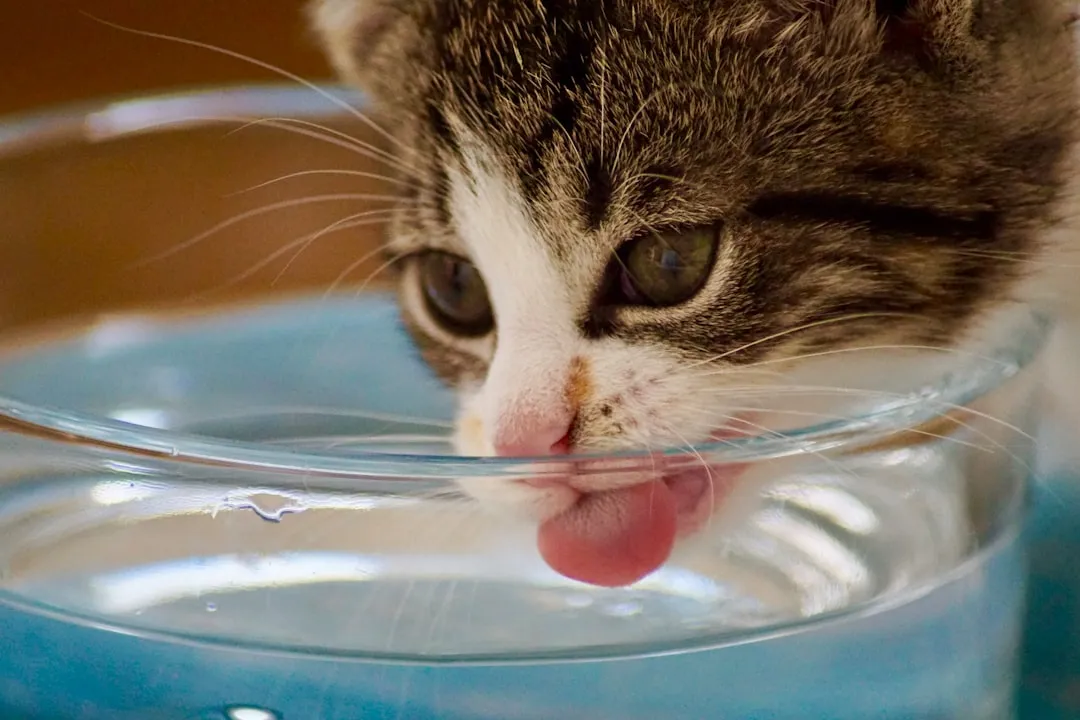
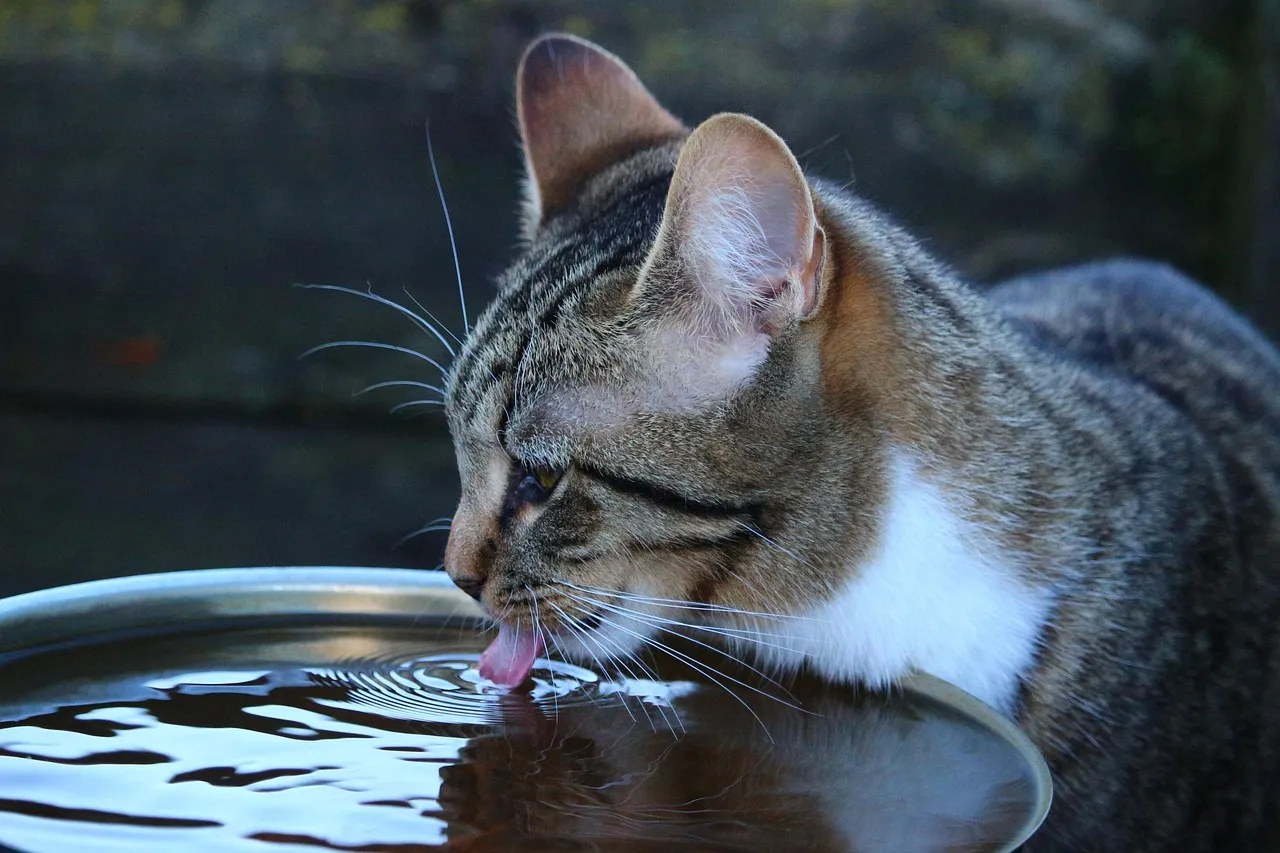
Cats that paw at their water bowl, try to drag it, or insist on one specific side aren’t just being weird. In the wild, water sources are risky – shared with other animals, exposed to predators, easily contaminated. Pawing, circling, or nudging the bowl slightly is your cat subtly adjusting and marking the surrounding area as checked and safe.
Their paws leave scent on the mat, the floor, and the bowl’s edges. Many cats prefer water in elevated or slightly hidden spots rather than dead center in a room, aligning a crucial resource with territory they already trust. Move their water without warning and don’t be surprised if they treat it with suspicion for a while – it has to be re-marked before it feels theirs again. What happens near the food bowl is even stranger.
#17 – “Burying” or Scratching Around the Food Bowl
🔥 Would you like to save this?
We'll email this post to you, so you can come back to it later!
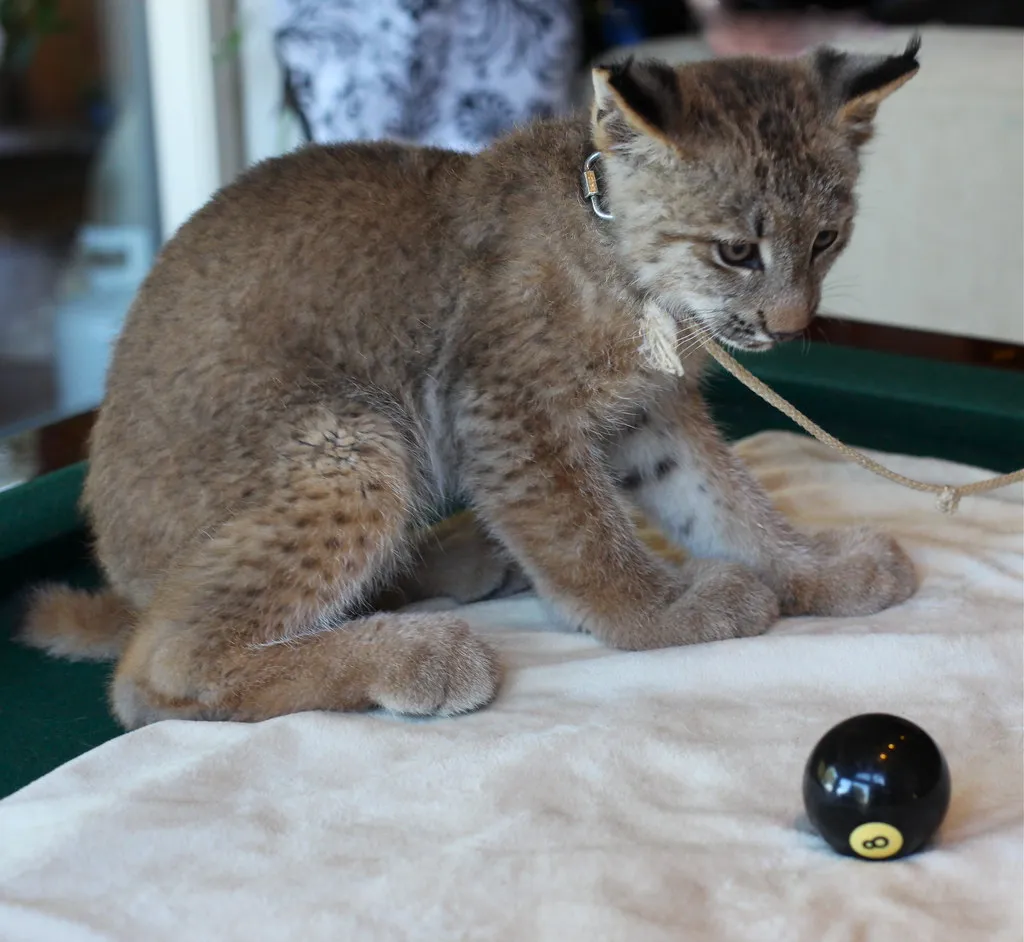
That odd moment where your cat eats half their meal, then starts scratching at the floor or mat like they’re trying to dig? That’s not random. In the wild, covering leftovers cuts down the scent trail that might attract bigger predators or competitors, and it survives in your kitchen as a strange hybrid ritual – part security instinct, part active scent-marking.
Their paws leave fresh scent all around a high-value resource every single time. Over time, the feeding area becomes so heavily imprinted with their smell that moving the bowl even a few feet can trigger a reaction, like you rearranged their entire dining district overnight. But nothing exposes their private power games like where they choose to sit.
#18 – Taking the Highest Spot in the Room
🔥 Would you like to save this?
We'll email this post to you, so you can come back to it later!
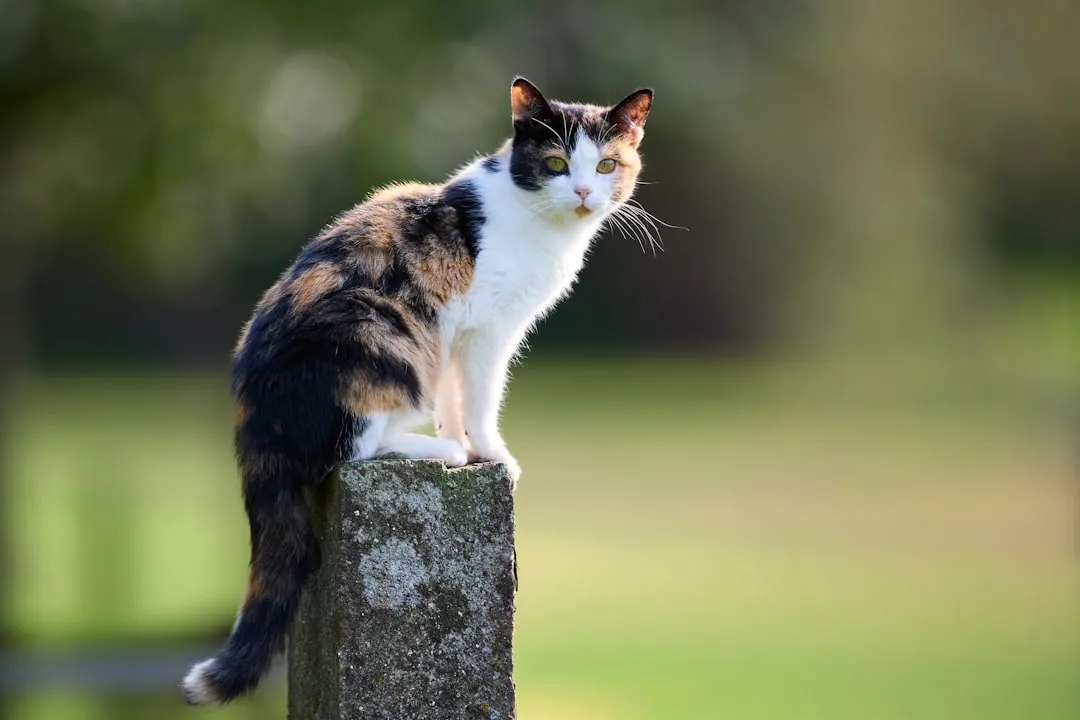
Cat trees, fridge tops, bookshelves, the back of the couch – anything higher than everything else gets claimed. This isn’t purely about safety or sightlines. In feline society, height equals status, and by repeatedly holding the highest perch, your cat is quietly asserting rank over that entire slice of the room.
Fur drops down, scent settles on the surface, and a psychological edge comes with it. In multi-pet homes, watch who ends up on top consistently – that’s usually the one quietly running the show, watching traffic and deciding when to step in. Owners joke, “my cat thinks they’re king of the world.” Behaviorally? That’s not far off. Being chosen as a pillow is its own kind of claim.
Why It Stands Out
- Height gives cats a wider visual range to monitor doors, hallways, and other pets.
- In multi-cat households, the highest perch is often held by the most confident cat.
- Elevated resting spots reduce exposure to foot traffic and sudden disturbances.
- Scent left on high surfaces tends to linger longer, away from cleaning and floor-level airflow.
#19 – Using You as a Preferred Perch
🔥 Would you like to save this?
We'll email this post to you, so you can come back to it later!
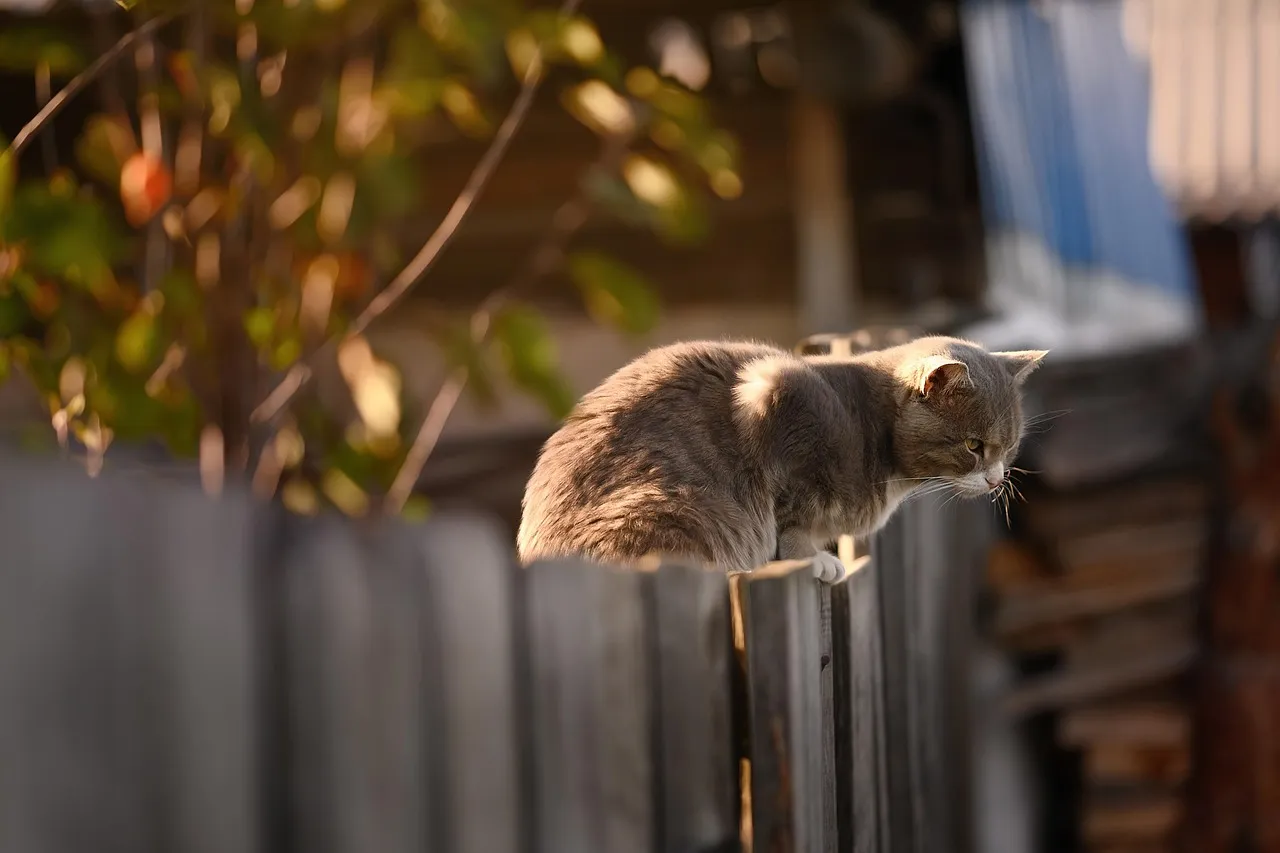
When your cat picks your shoulder, chest, or head over every other available surface, that’s not random clinginess. You’re both a social partner and a mobile piece of territory, and repeatedly perching on you reinforces you as a safe, owned platform inside their broader domain.
Your clothes, hair, and skin absorb their scent, and then you carry it around the house for them. In multi-pet homes, whichever cat spends the most time literally on you often holds a quiet ownership claim – over you, and by extension your lap, your bed, your desk chair. That’s why some cats get visibly jealous when another animal approaches while they’re perched on you; they’re guarding a stacked resource. It’s genuinely loving, but it’s also strategic. Their tail takes that same strategy mobile.
#20 – Tail Wraps and Tail Flicks Against Objects
🔥 Would you like to save this?
We'll email this post to you, so you can come back to it later!
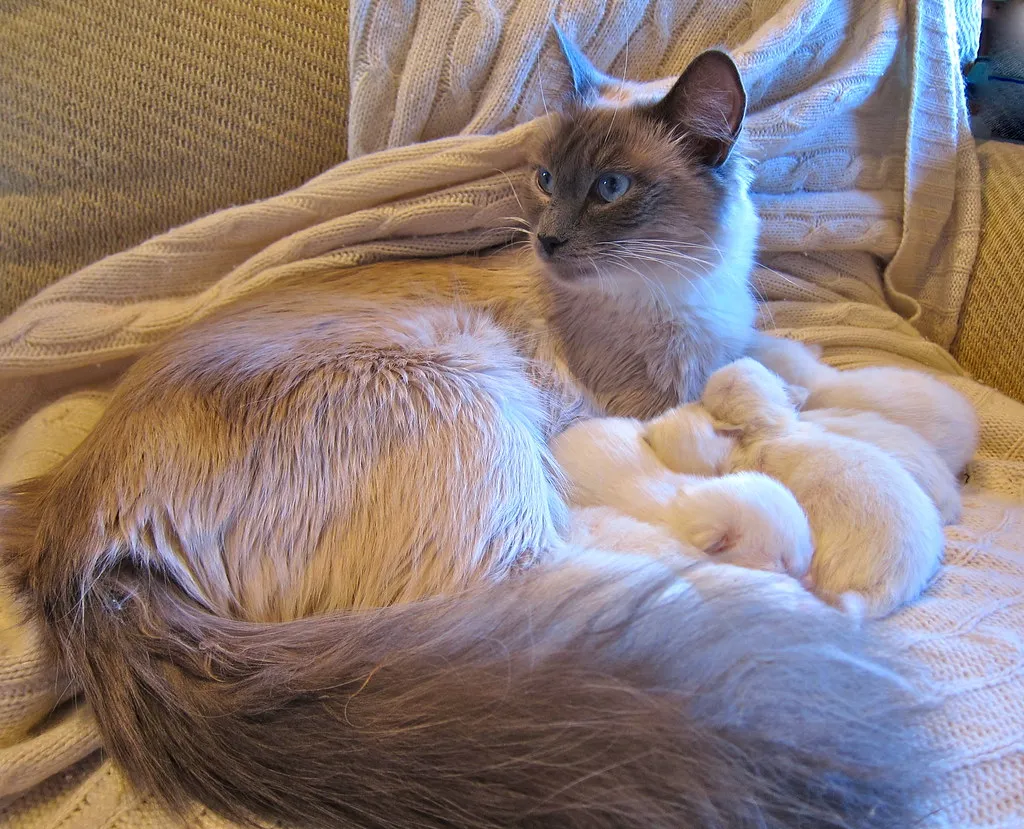
We treat the tail as a mood gauge – up for happy, puffed for scared. But the base of the tail, and sometimes its length, carries scent too. When your cat brushes past a chair, a wall, or your leg and flicks their tail against it deliberately, they’re layering another faint highlight onto their invisible map.
Tail wrapping – curling their tail around your arm or leg – is a double play, combining contact with scent in one smooth motion. It’s nearly impossible to notice unless you know to look for it. If cheeks and paws are spray paint, tail contact is the highlighter pen, quietly underlining what’s already claimed. But the boldest claiming move involves other pets entirely.
#21 – Grooming Other Pets to Fold Them into “Their” Territory
🔥 Would you like to save this?
We'll email this post to you, so you can come back to it later!
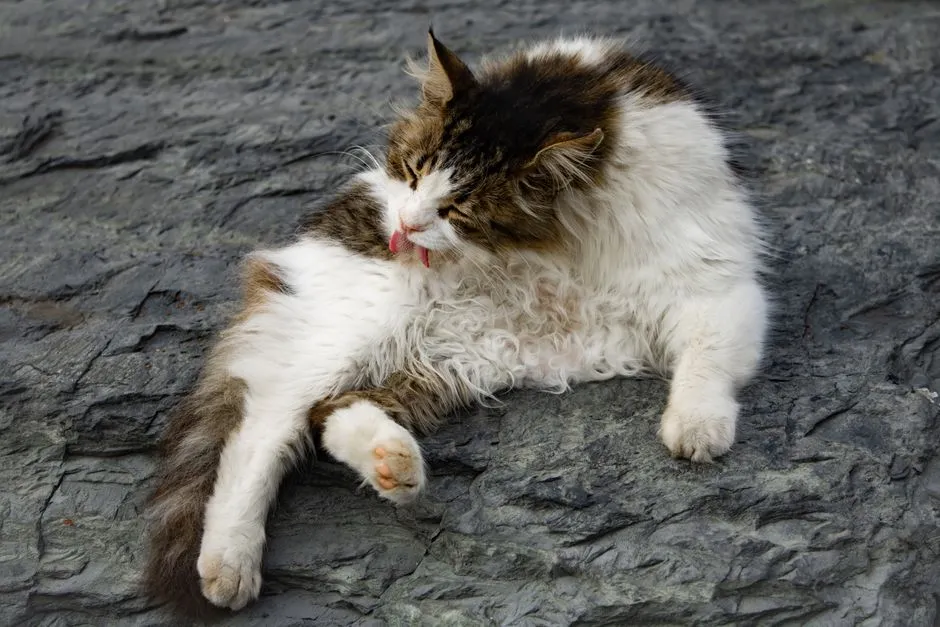
When your cat licks the dog’s face or gives another cat a thorough ear wash, it looks purely sweet. Social grooming, or allogrooming, is also a territorial maneuver – spreading their own saliva and scent over another animal effectively drafts that creature into their olfactory family unit.
It’s rarely random which cat does most of the grooming. Usually it’s the more confident, more dominant one, deciding who gets cleaned and when, until everyone in the house smells a little more like them. It’s a quiet power statement dressed up as affection. If the same cat grooms an animal and then swats it away from certain spots later, that’s not mixed signals – that’s control. Litter box behavior gets even more political.
#22 – Strategic Use (and Avoidance) of Litter Boxes
🔥 Would you like to save this?
We'll email this post to you, so you can come back to it later!
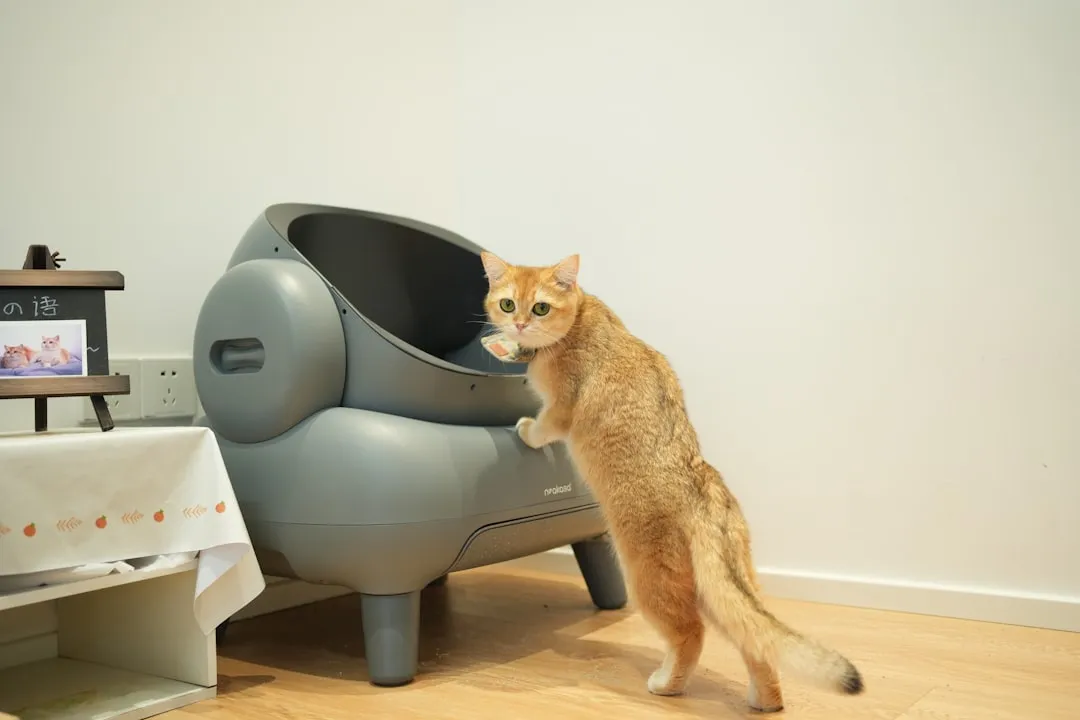
To you, a litter box is just a bathroom. To your cat, it’s a concentrated territorial message center. Where the box sits, how eagerly they use it, and how they handle sharing it with other cats all reveal how they perceive the home’s borders.
Some cats prefer boxes tucked into corners or low-traffic rooms, where they can leave strong scent marks without interruption. A sudden avoidance of a box that used to be fine often means they no longer feel that area is secure. In multi-cat homes, whichever cat controls the path to the preferred box quietly wields real power – this is bathroom geopolitics, not random drama. Let scooping slide too long and a crucial territory hub turns into a stressor that pushes marking somewhere far less acceptable. But nothing about this list gets more heartbreakingly human than what happens after a loss.
Worth Knowing
- Cats generally prefer litter boxes placed away from high-traffic areas.
- Sudden avoidance of a previously reliable box often signals a change in perceived safety, not just cleanliness.
- Many veterinary behaviorists recommend one litter box per cat, plus one extra, in multi-cat homes.
- Relocating a box can temporarily disrupt a cat’s sense of territorial control.
#23 – Reclaiming Items After a Loss or Big Life Change
🔥 Would you like to save this?
We'll email this post to you, so you can come back to it later!
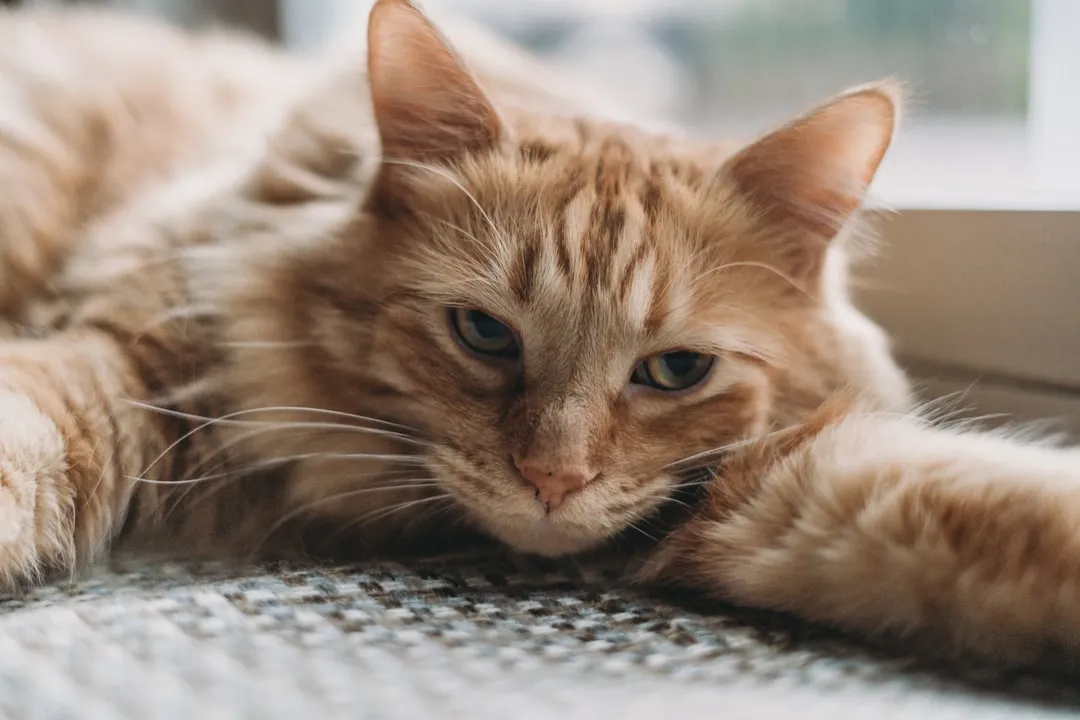
After a breakup, a death, or someone moving out, plenty of owners notice their cat suddenly sleeping in that person’s old spot, lingering near their leftover belongings, or rubbing intensely on furniture they barely touched before. That’s not coincidence – cats are acutely sensitive to shifts in a home’s scent and social fabric.
Their response is to re-mark the vacated areas to stabilize what feels like a sudden hole in their territory. They may seem clingier, follow you more, or camp out in certain rooms. Behaviorists read this as both grief and coping – thickening their own scent in emptied spaces to patch over the smell that used to live there. Most people misread it as a random mood swing instead of what it really is. Bring a new cat into that same mix, and things get even more political.
#24 – Slow, Strategic Expansion into New Rooms
🔥 Would you like to save this?
We'll email this post to you, so you can come back to it later!
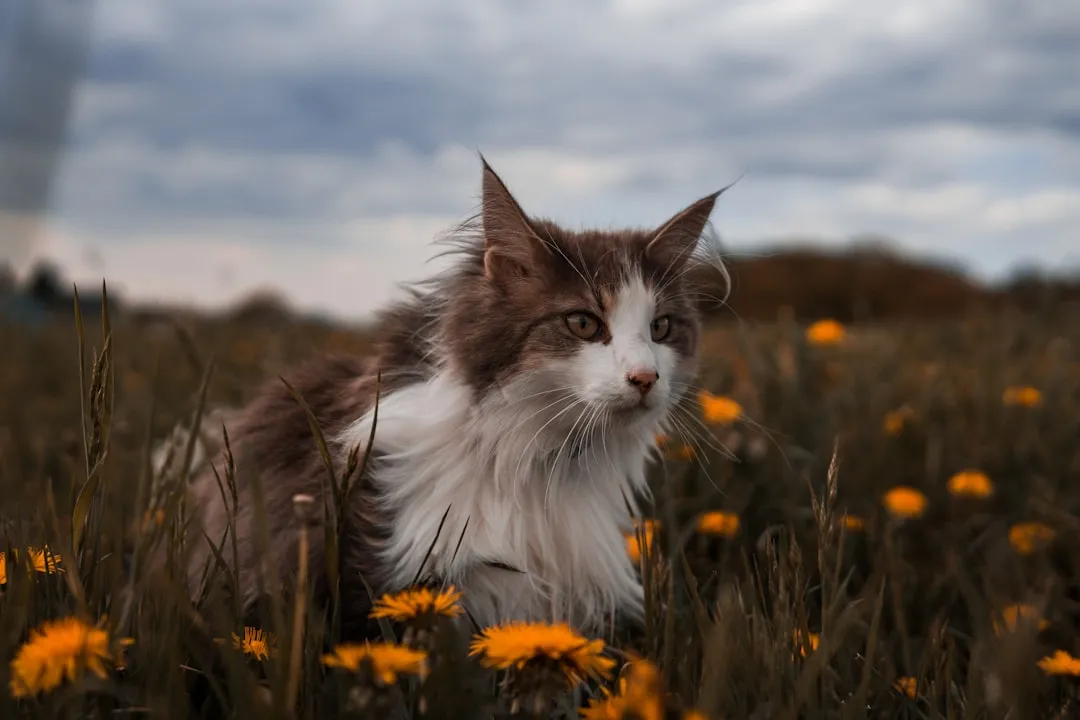
When a cat enters a new home, or finally gets access to a room that used to be off-limits, they don’t just stroll in and act like they own it. Not at first. They move low and slow, sniffing corners, skirting the walls, testing the edges of a space that still feels foreign.
That cautious, looping exploration is exactly how they layer scent and confidence onto unfamiliar territory, one pass at a time. It can take days, sometimes weeks, before a room fully becomes theirs – repeated routes, the same chair leg getting cheek-rubbed over and over, a first tentative nap on a newly “approved” surface. Owners who rush this, forcing full access all at once, often end up with a stressed cat and behavior problems nobody can explain. For cats, territory is built in loops, never a straight line. And once the map is finally complete, the last sign is the most telling one of all.
#25 – Acting Completely Relaxed in the Most Vulnerable Spots
🔥 Would you like to save this?
We'll email this post to you, so you can come back to it later!
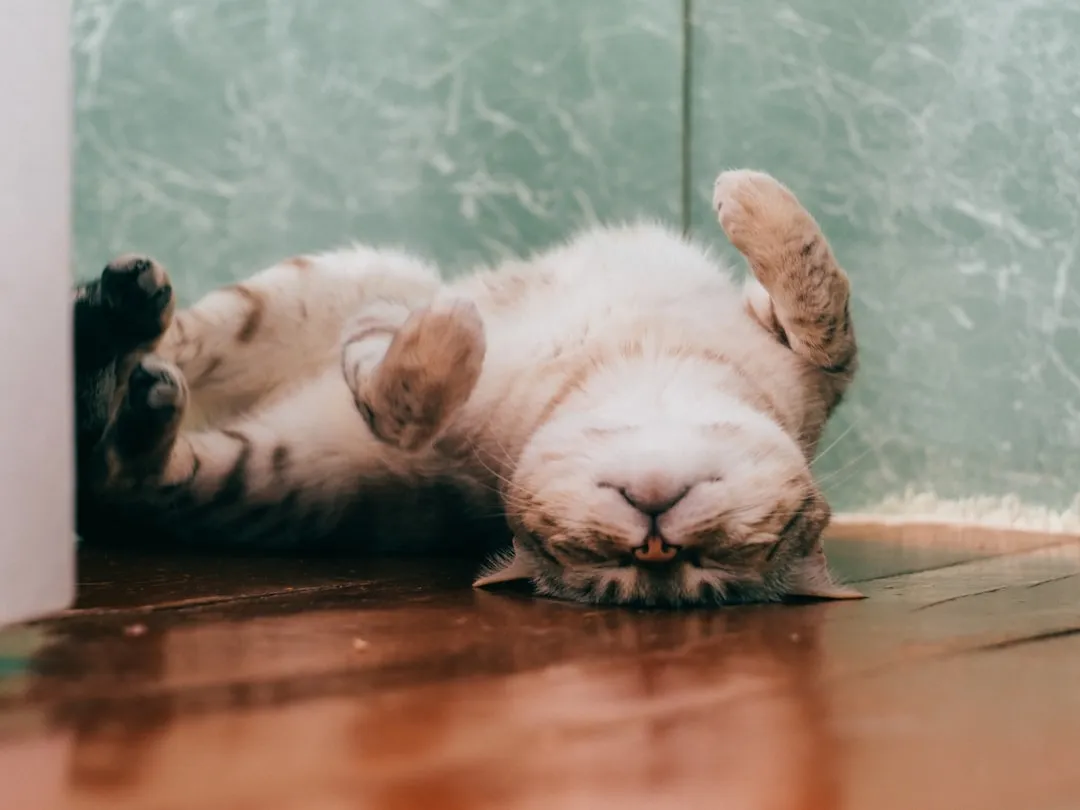
Here’s the real proof that a cat has fully claimed your house: total, unguarded vulnerability, everywhere. Belly-up in the middle of the hallway floor. Deep sleep smack in the center of the living room. Slow grooming in an open doorway, back turned to the world. Cats only do this when the environment feels secure on every sensory level – visual, auditory, and above all, scent.
This is the endgame of every chin rub, every paw pad, every midnight patrol you never saw happen. Most owners read this moment as “my cat finally trusts me,” and that’s true – but it’s bigger than trust. It means your once-neutral building has become a territory web where every path, perch, and doorway smells exactly right to them. They’re not just living in your home. In their mind, they built it.
The Bottom Line
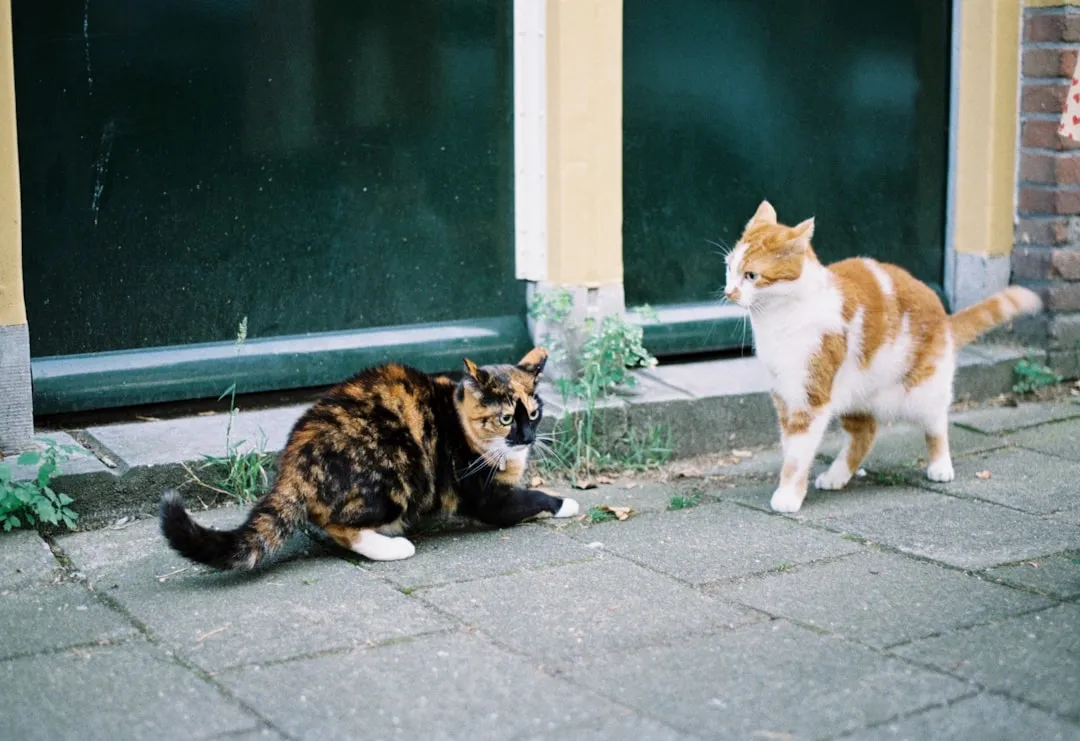
Once you know what to look for, it’s a little unsettling: your cat has been quietly redrawing the boundaries of your home since the day they moved in, using marks and rituals so small you never noticed the paperwork being filed. Chin rubs, midnight patrols, rug obsessions, door meltdowns – none of it was ever random.
Cats have taken advantage of us, exploiting our love for cuteness.
John Bradshaw, anthrozoologist and author of Cat Sense
It’s a deliberate, layered system that makes total sense to a scent-driven predator stuck living inside a human rectangle of drywall and Wi-Fi. We like to think we own the house and the cat is our guest. The truth runs the other way: most cats treat us as beloved, slightly clumsy roommates living inside their mapped territory, and letting their guard down around us is the closest thing to a compliment they know how to give. So the real question isn’t whether your cat has claimed the house. It’s whether you’re finally willing to admit you’ve been paying rent the whole time.

- 7 Everyday Habits That Can Make Your Senior Dog Happier - November 5, 2026
- 10 Enigmatic Structures That Continue to Puzzle Scientists Today - November 5, 2026
- 10 Strange Ruins in the Americas That Challenge What We Know About Early History - November 5, 2026