


Welcome to 30 Reasons Why Rhino Poaching Is Still a Major Threat.
High Demand for Rhino Horn
🔥 Would you like to save this?
We'll email this post to you, so you can come back to it later!
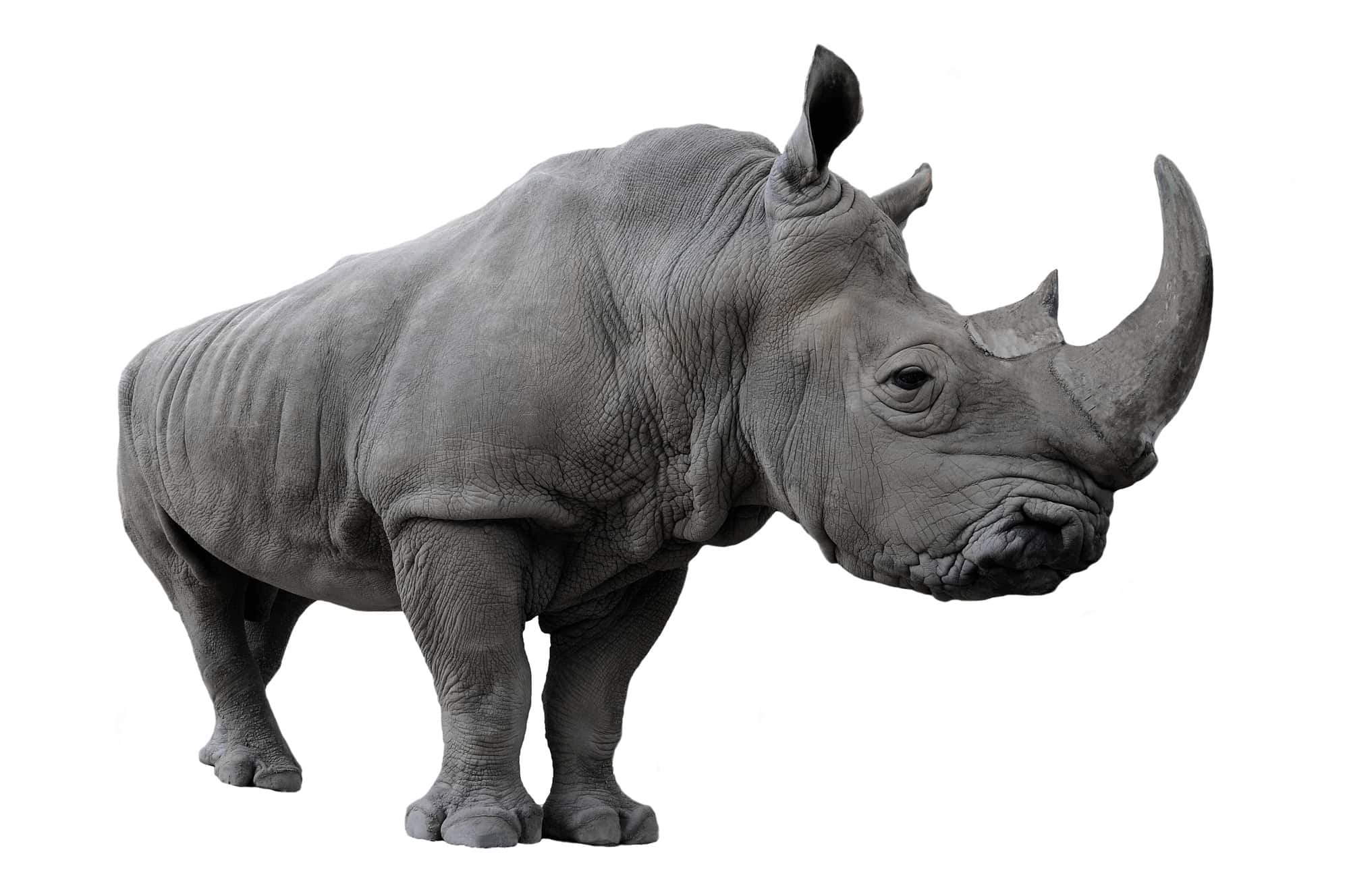
The demand for rhino horn, particularly in traditional Asian medicine, continues to drive poaching. Despite scientific evidence disproving its medicinal value, rhino horn remains highly sought after.
Black Market Value
🔥 Would you like to save this?
We'll email this post to you, so you can come back to it later!
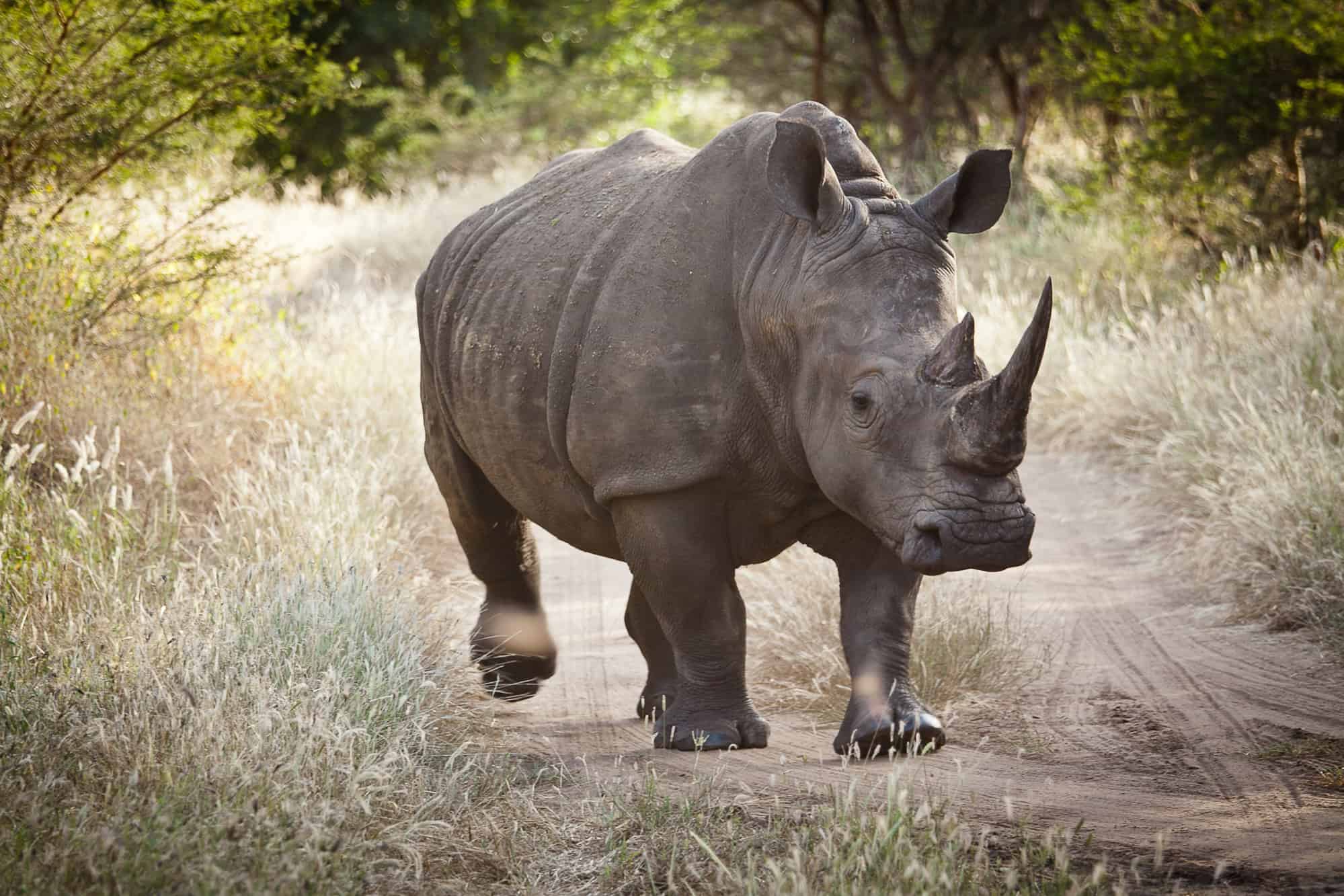
Rhino horn is one of the most valuable illegal commodities, often fetching prices higher than gold or cocaine on the black market. This high value incentivizes poachers to take significant risks.
Sophisticated Poaching Networks
🔥 Would you like to save this?
We'll email this post to you, so you can come back to it later!
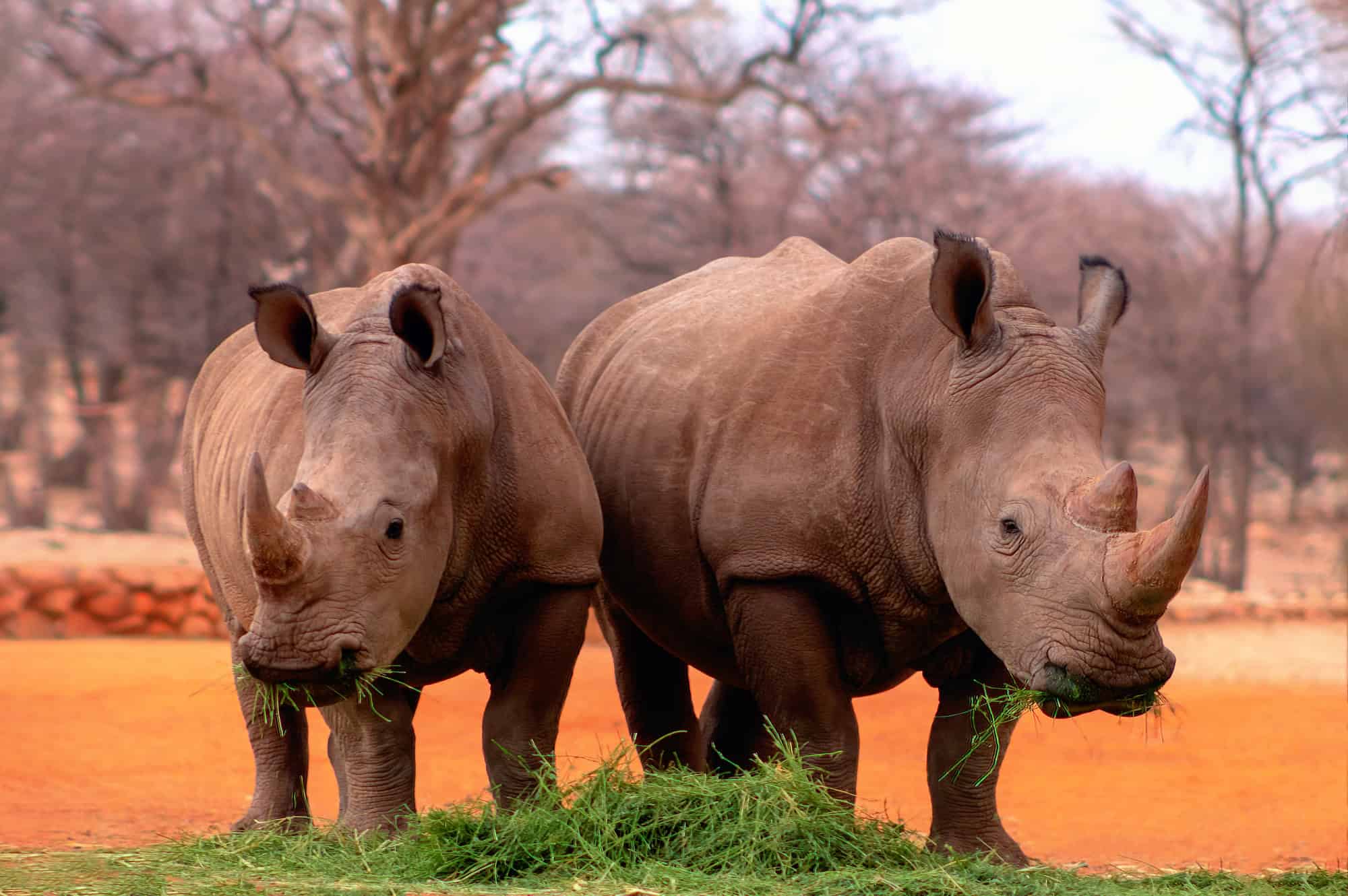
Poaching operations have become highly sophisticated, with well-organized networks involving local poachers, middlemen, and international traffickers.
Corruption

🔥 Would you like to save this?
We'll email this post to you, so you can come back to it later!
Corruption among law enforcement and wildlife protection agencies in some regions facilitates poaching by allowing illegal activities to go unchecked.
Poverty and Unemployment

🔥 Would you like to save this?
We'll email this post to you, so you can come back to it later!
In many rhino range countries, poverty and unemployment drive individuals to participate in poaching as a means of income.
Limited Resources for Conservation

🔥 Would you like to save this?
We'll email this post to you, so you can come back to it later!
Conservation efforts are often hampered by limited funding and resources, making it difficult to effectively protect rhino populations.
Insufficient Anti-Poaching Measures

🔥 Would you like to save this?
We'll email this post to you, so you can come back to it later!
Anti-poaching measures, such as ranger patrols and surveillance, are often inadequate due to lack of funding, training, and equipment.
Political Instability

🔥 Would you like to save this?
We'll email this post to you, so you can come back to it later!
Political instability and conflict in some rhino range countries create environments where poaching can flourish with little oversight.
Weak Legal Frameworks

🔥 Would you like to save this?
We'll email this post to you, so you can come back to it later!
In some regions, weak legal frameworks and lenient penalties for poaching fail to deter criminals from targeting rhinos.
Lack of International Cooperation

🔥 Would you like to save this?
We'll email this post to you, so you can come back to it later!
Insufficient international cooperation and coordination hinder efforts to combat rhino poaching across borders.
Habitat Loss

🔥 Would you like to save this?
We'll email this post to you, so you can come back to it later!
Rhino habitats are increasingly threatened by agricultural expansion, urbanization, and infrastructure development, making it easier for poachers to access rhino populations.
High Profit Margins

🔥 Would you like to save this?
We'll email this post to you, so you can come back to it later!
The high profit margins associated with rhino horn trafficking make it an attractive venture for organized crime syndicates.
Cultural Beliefs

🔥 Would you like to save this?
We'll email this post to you, so you can come back to it later!
Deep-rooted cultural beliefs in the medicinal and status-symbol value of rhino horn perpetuate demand in certain regions.
Emerging Markets

🔥 Would you like to save this?
We'll email this post to you, so you can come back to it later!
New markets for rhino horn are emerging, particularly in countries where economic growth has led to increased disposable incomes.
Online Black Market

🔥 Would you like to save this?
We'll email this post to you, so you can come back to it later!
The internet and dark web facilitate the illegal trade of rhino horn, making it easier for buyers and sellers to connect.
Inadequate Law Enforcement

🔥 Would you like to save this?
We'll email this post to you, so you can come back to it later!
Inadequate law enforcement capabilities and resources in many rhino range countries allow poachers to operate with impunity.
Ineffective Border Controls

🔥 Would you like to save this?
We'll email this post to you, so you can come back to it later!
Weak border controls and porous borders enable the smuggling of rhino horn between countries.
Lack of Awareness
🔥 Would you like to save this?
We'll email this post to you, so you can come back to it later!
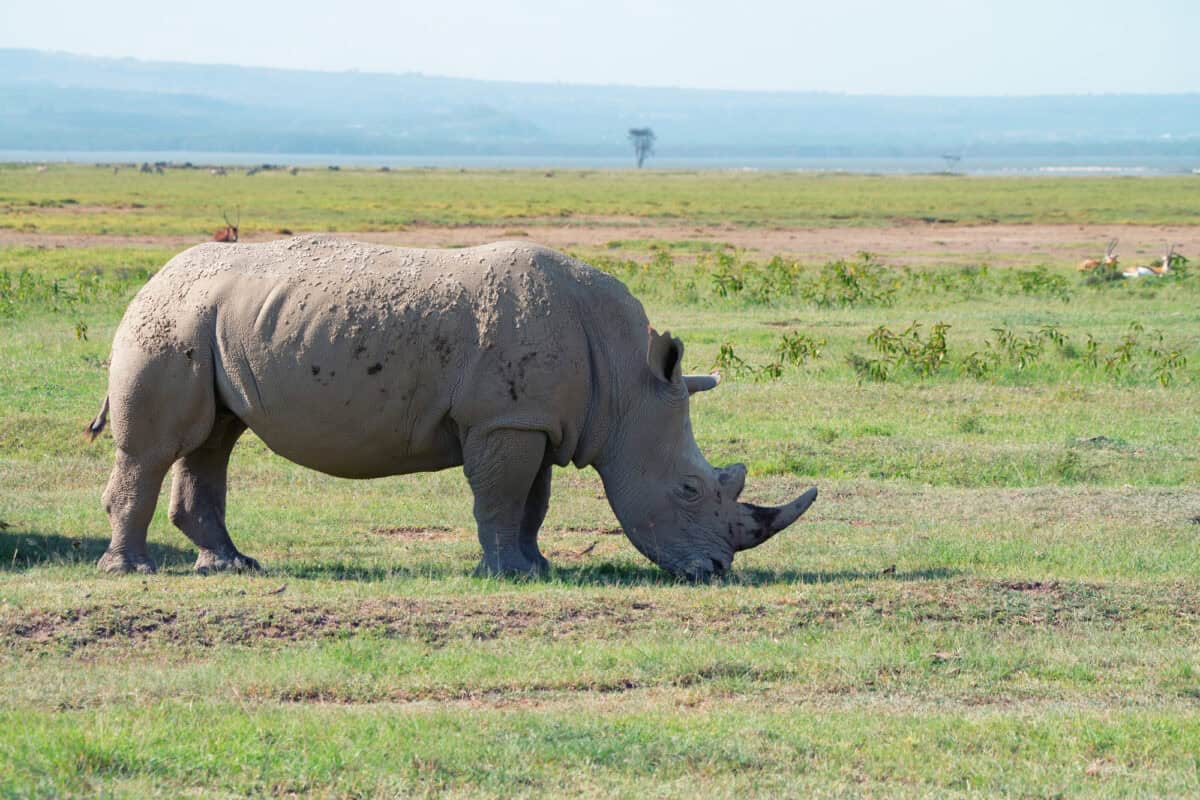
A lack of awareness about the consequences of rhino poaching and the importance of rhino conservation contributes to ongoing demand.
Limited Community Involvement

🔥 Would you like to save this?
We'll email this post to you, so you can come back to it later!
Limited involvement of local communities in conservation efforts can lead to a lack of support for anti-poaching initiatives.
Trophy Hunting

🔥 Would you like to save this?
We'll email this post to you, so you can come back to it later!
Legal trophy hunting can sometimes be used as a cover for illegal poaching, complicating conservation efforts.
Climate Change

🔥 Would you like to save this?
We'll email this post to you, so you can come back to it later!
Climate change impacts rhino habitats and food sources, adding stress to already vulnerable populations and making them more susceptible to poaching.
Genetic Diversity

🔥 Would you like to save this?
We'll email this post to you, so you can come back to it later!
The loss of rhinos due to poaching reduces genetic diversity, which is crucial for the long-term survival and adaptability of rhino populations.
Slow Reproduction Rates

🔥 Would you like to save this?
We'll email this post to you, so you can come back to it later!
Rhinos have slow reproduction rates, making it difficult for populations to recover from poaching losses.
Lack of Strong Deterrents

🔥 Would you like to save this?
We'll email this post to you, so you can come back to it later!
The lack of strong deterrents, such as severe penalties and effective law enforcement, fails to dissuade poachers.
Wildlife Trafficking Syndicates
🔥 Would you like to save this?
We'll email this post to you, so you can come back to it later!
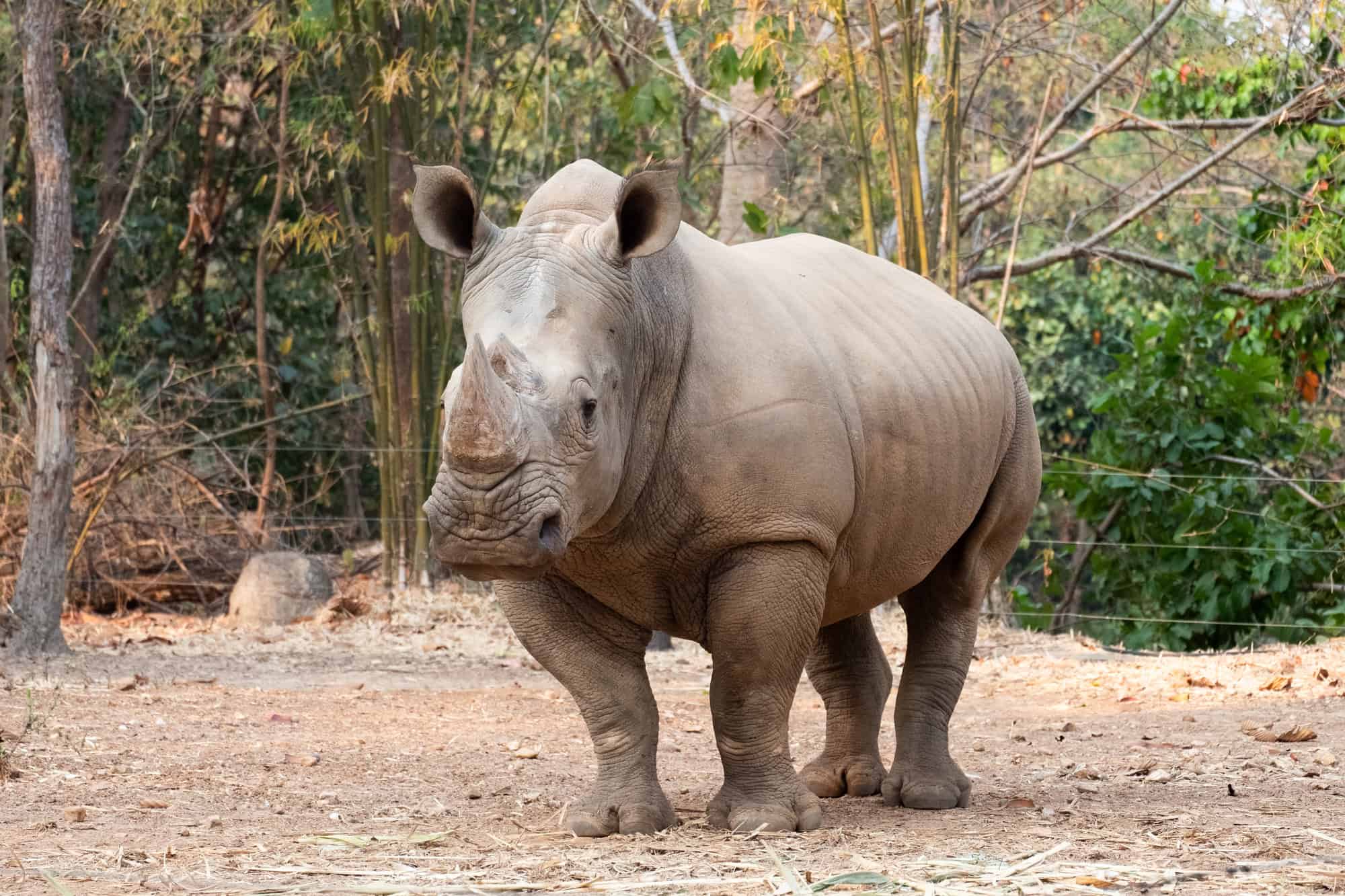
International wildlife trafficking syndicates are increasingly involved in rhino poaching, bringing more resources and expertise to the illegal trade.
Inadequate Monitoring Technology
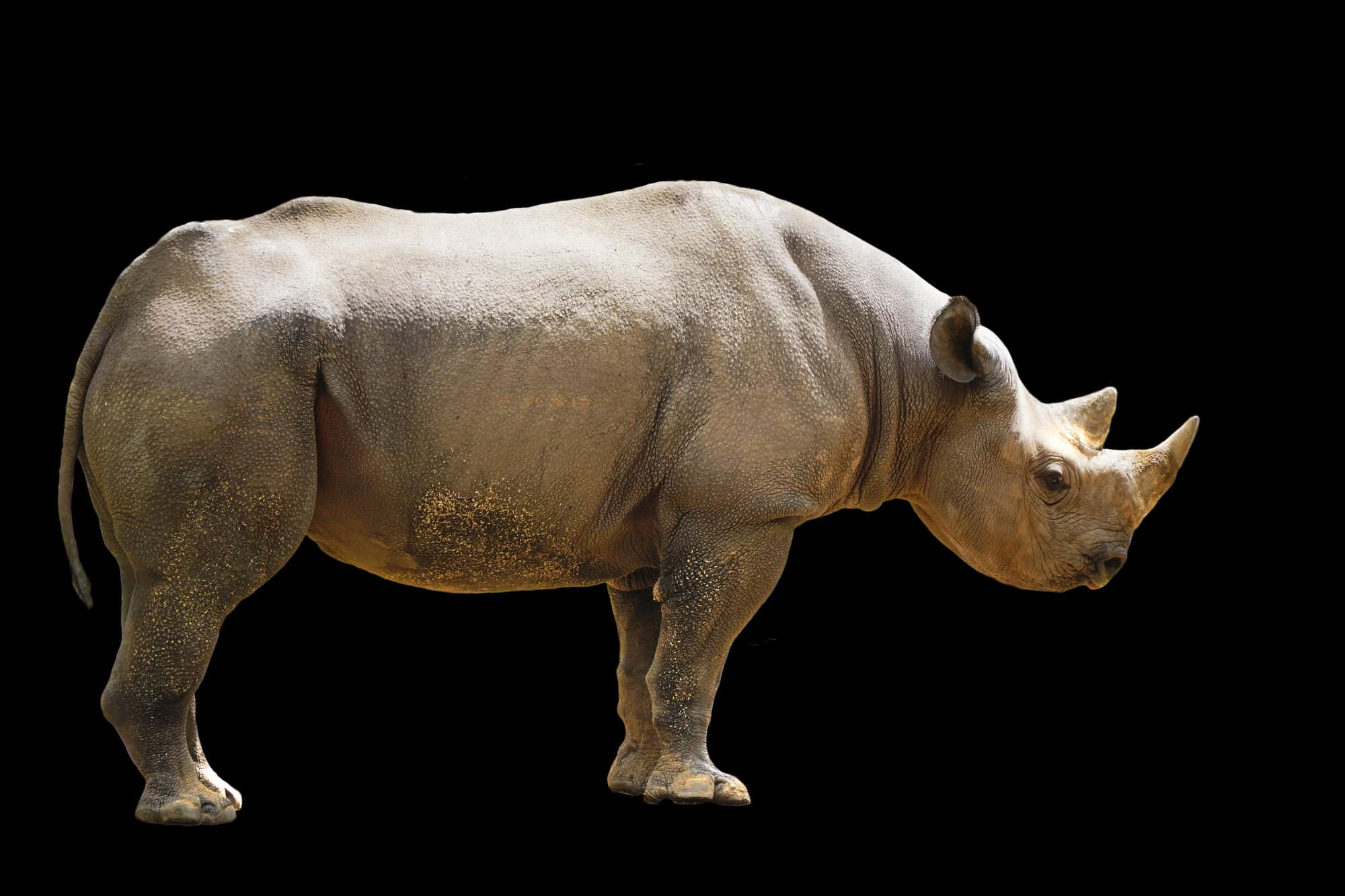
Limited use of advanced monitoring technology, such as drones and satellite tracking, hampers efforts to detect and prevent poaching activities.
Economic Pressures

Economic pressures, including the need for land and resources, drive communities to support or participate in poaching.
Global Trade Routes
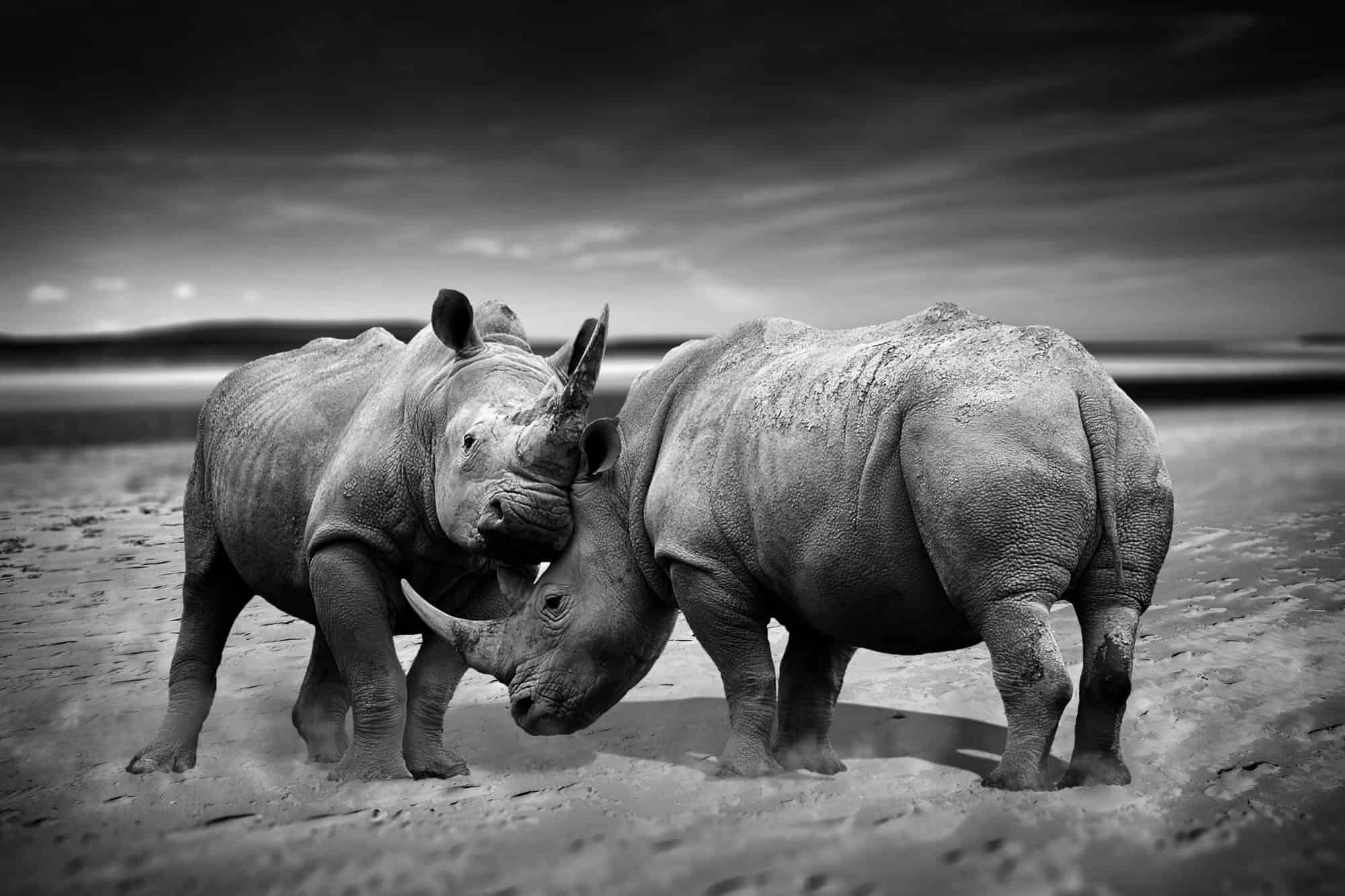
Established global trade routes for other illegal goods, such as drugs and weapons, are also used to smuggle rhino horn.
Lack of Public Engagement

Insufficient public engagement and awareness campaigns fail to mobilize the broader community to support rhino conservation efforts.
International Demand

Persistent international demand for rhino horn, especially in countries with growing economies, continues to fuel poaching activities.
Addressing the complex issue of rhino poaching requires a multifaceted approach, involving stronger law enforcement, international cooperation, community engagement, and increased funding for conservation efforts.

As a little kid, I fell in love with nature, wildlife, and animals. Living in the USA, South Africa, Italy, China and Germany gave me the opportunity to discover the world's Wildlife. My favorite animals are Mountain Gorillas, Siberian Tigers, and Great White Sharks.
I'm a certified PADI Open Water Diver, went to Everest Base Camp and Trekked Gorillas in Uganda. I hold a Master of Science in Economics and Finance.
Please send any feedback to feedback@animalsaroundtheglobe.com
- 18 Powerful Lessons We Can Learn from Orca Social Structure - November 5, 2026
- 10 Incredible Migration Journeys in the Animal Kingdom - November 5, 2026
- 10 Sounds Dogs React To And 3 That Annoy Them - November 5, 2026