

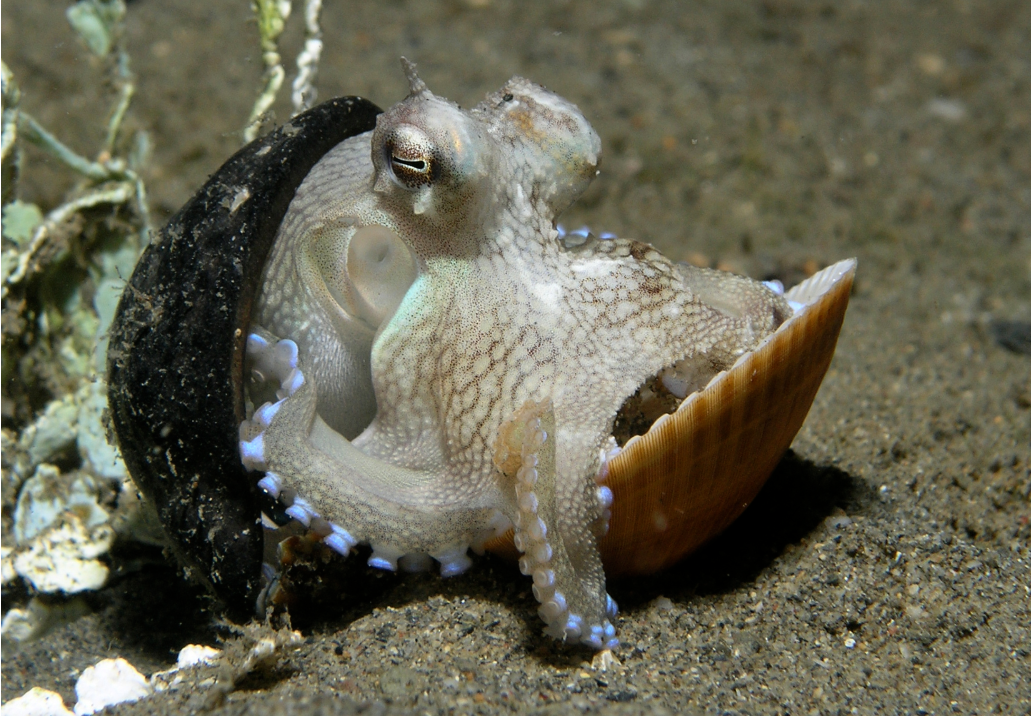
Most people believe humans are the only species capable of complex culture, strategic deceit, and long-term planning, but the biological breakthroughs of 2026 have officially shattered that illusion. While we once viewed animal behavior as simple instinct, recent breakthroughs in AI-driven bioacoustics and neural mapping have revealed a world of calculated intelligence that borders on the eerie. From “neighborhood” gossip among birds to the disturbing reason why certain mammals “gift” items to rivals, nature is far more calculated than we were ever taught in school. Here’s what the data actually says about the hidden lives of the creatures around us.
#1 — The Great Crow Trials

Crows don’t just remember faces; they hold formal “courts” to punish individuals that violate group social contracts. Recent 2026 studies show that crows can communicate the specific “crime” of a peer to up to three generations of offspring, ensuring that “dishonest” birds are ostracized and denied food for years. Scientists previously thought this was simple mobbing behavior, but it turns out to be a sophisticated system of judicial social hierarchy. You might find their cawing annoying, but they’re likely debating the moral failings of a neighbor. But that’s nothing compared to what we found about #2…
#2 — The Honeybee “Stock Market”
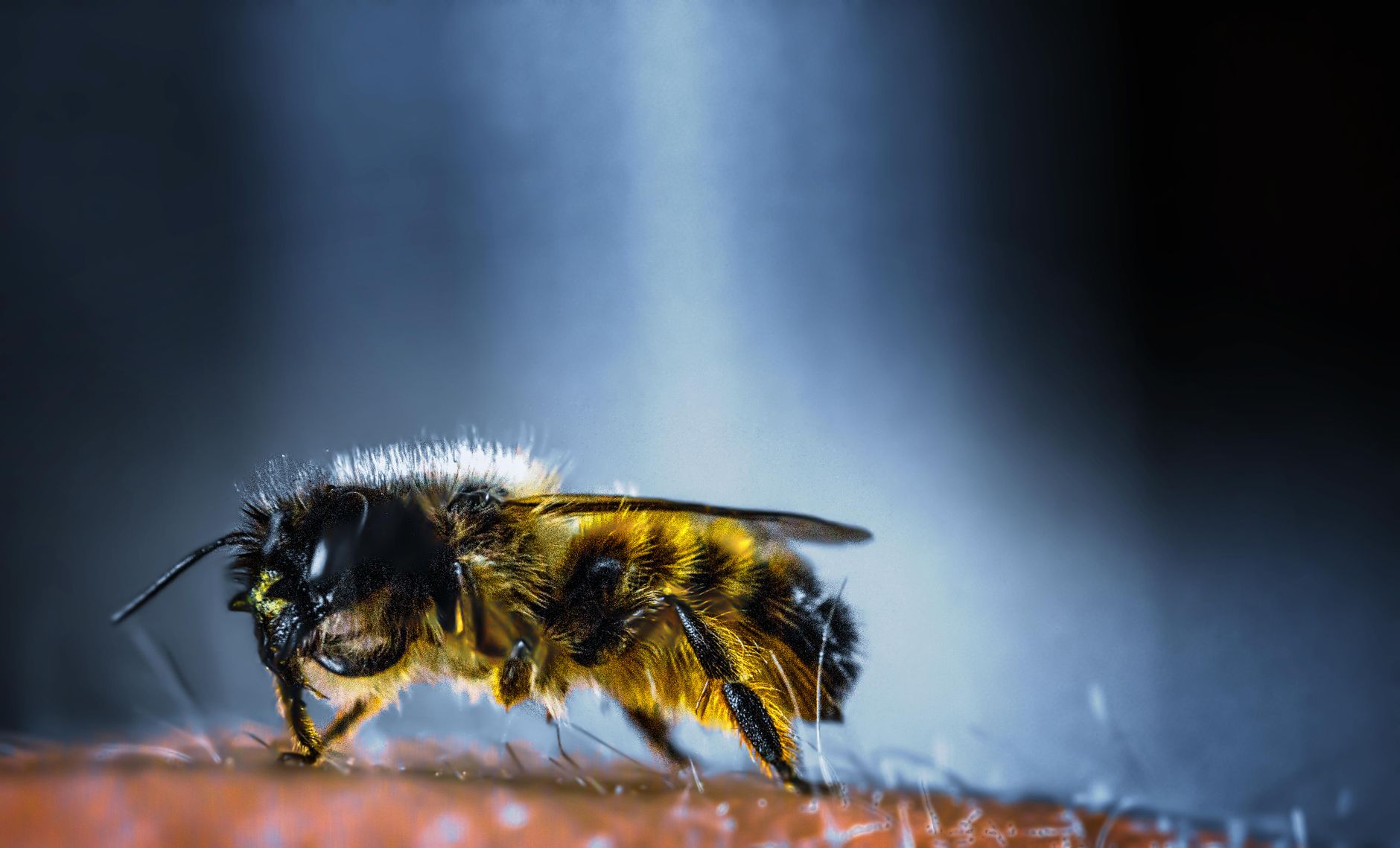
We’ve long known about the waggle dance, but new data reveals that honeybees actually engage in a form of “speculative trading.” Scouts will intentionally exaggerate the quality of a nectar source to “compete” for workers, effectively creating a market bubble within the hive. If the nectar doesn’t live up to the hype, the lying scout is physically disciplined and loses her “credibility” rating for future foraging missions. It turns out the hive mind is actually a cutthroat capitalist system where reputation is the only currency. But that’s nothing compared to what we found about #3…
#3 — Octopus “Dream Hunting”
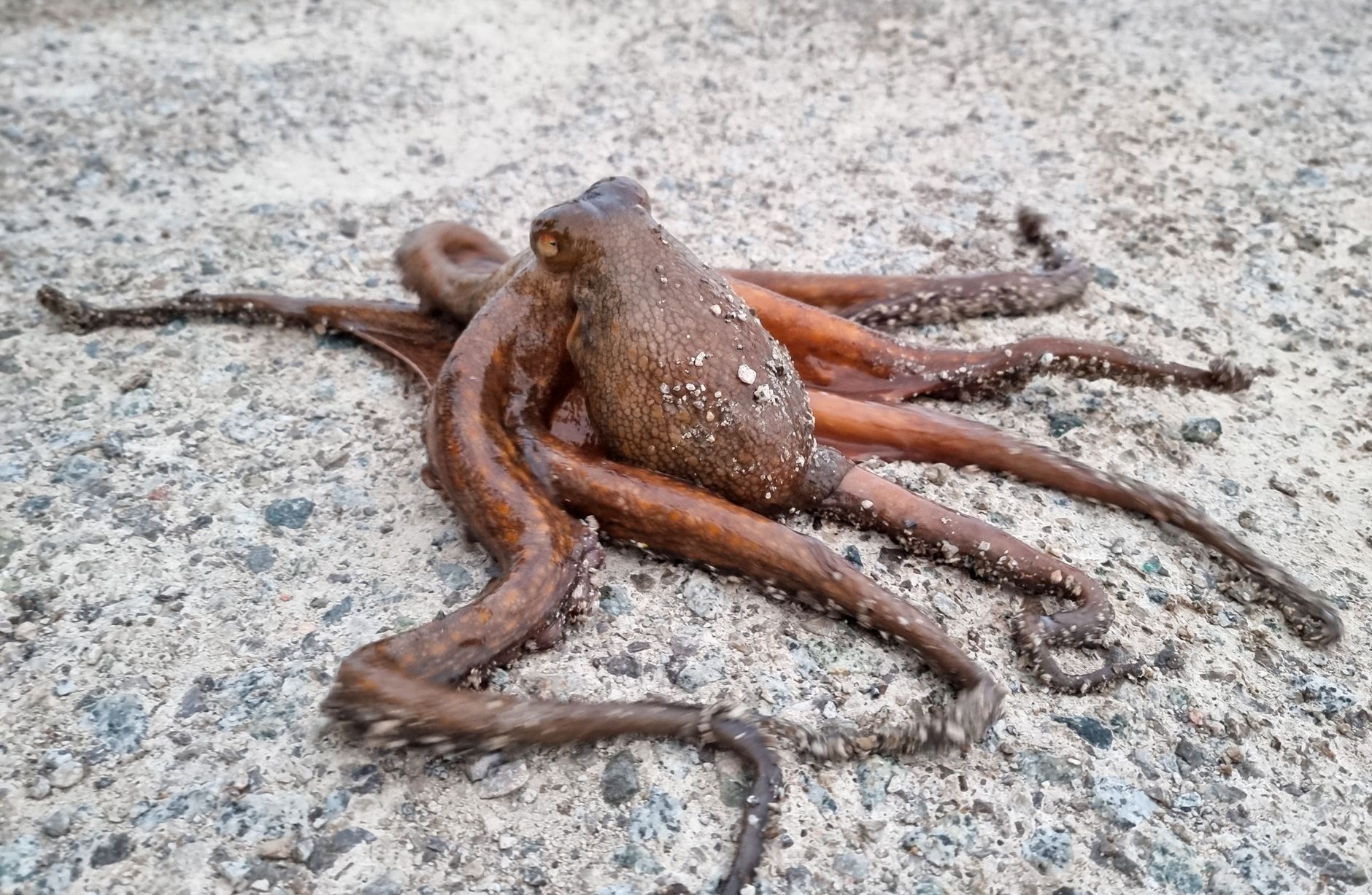
Do octopuses hunt in their sleep? High-resolution thermal imaging captured in 2026 confirms that cephalopods experience REM-like cycles where they change colors rapidly to mimic hunting a specific prey. The most shocking part is that their muscles twitch in the exact sequence required to kill a crab, proving they “practice” kills while dormant. This suggests a level of neural plasticity and conscious “rehearsal” previously thought to be exclusive to apex mammals. They aren’t just sleeping; they are refining their lethality. But that’s nothing compared to what we found about #4…
#4 — Elephant Funerary “Gifting”
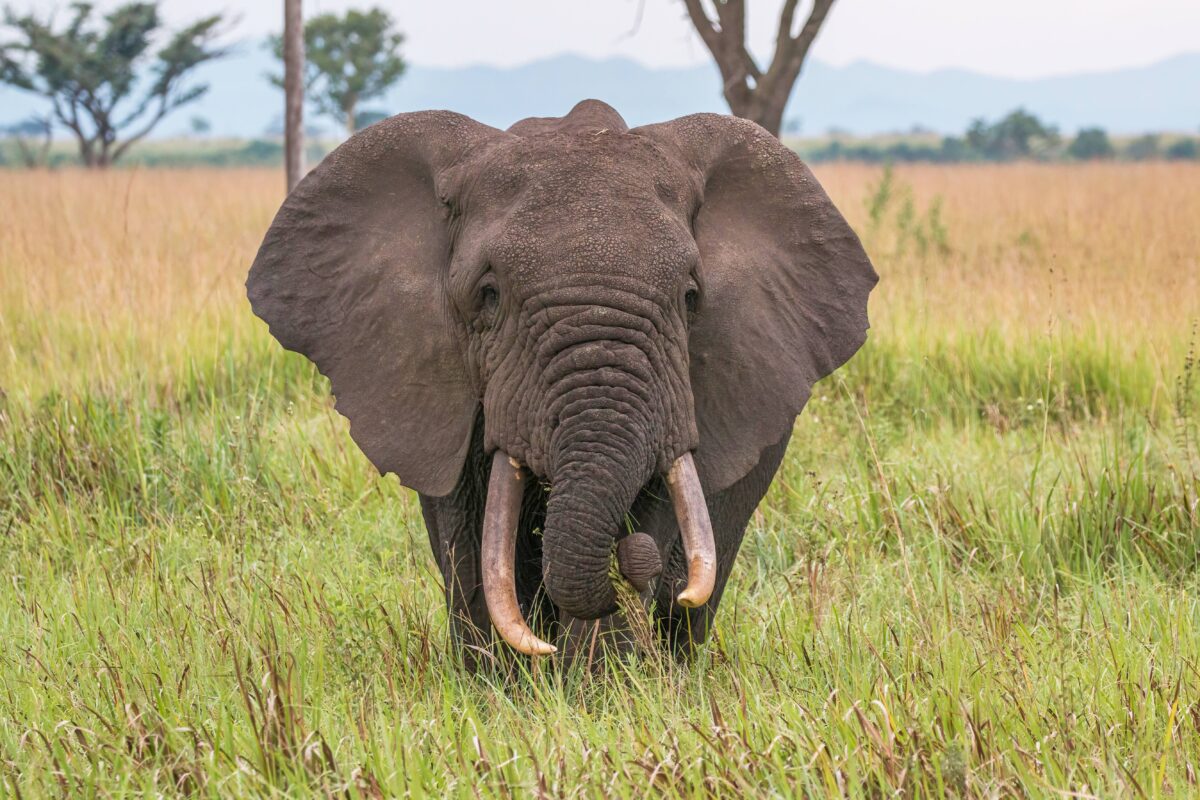
Elephants have long been known to mourn, but recent observations have revealed they carry “mementos” of the deceased. Scientists tracked a matriarch who carried a specific piece of light-colored wood for over 200 miles, placing it specifically at the site where her sister had died three years prior. This isn’t just grief; it’s a geographical and physical marking of history that mimics human memorial services. Experts now argue that elephants possess a concept of “legacy” that defines their migration patterns. But that’s nothing compared to what we found about #5…
#5 — Dolphin “Signature Slurs”
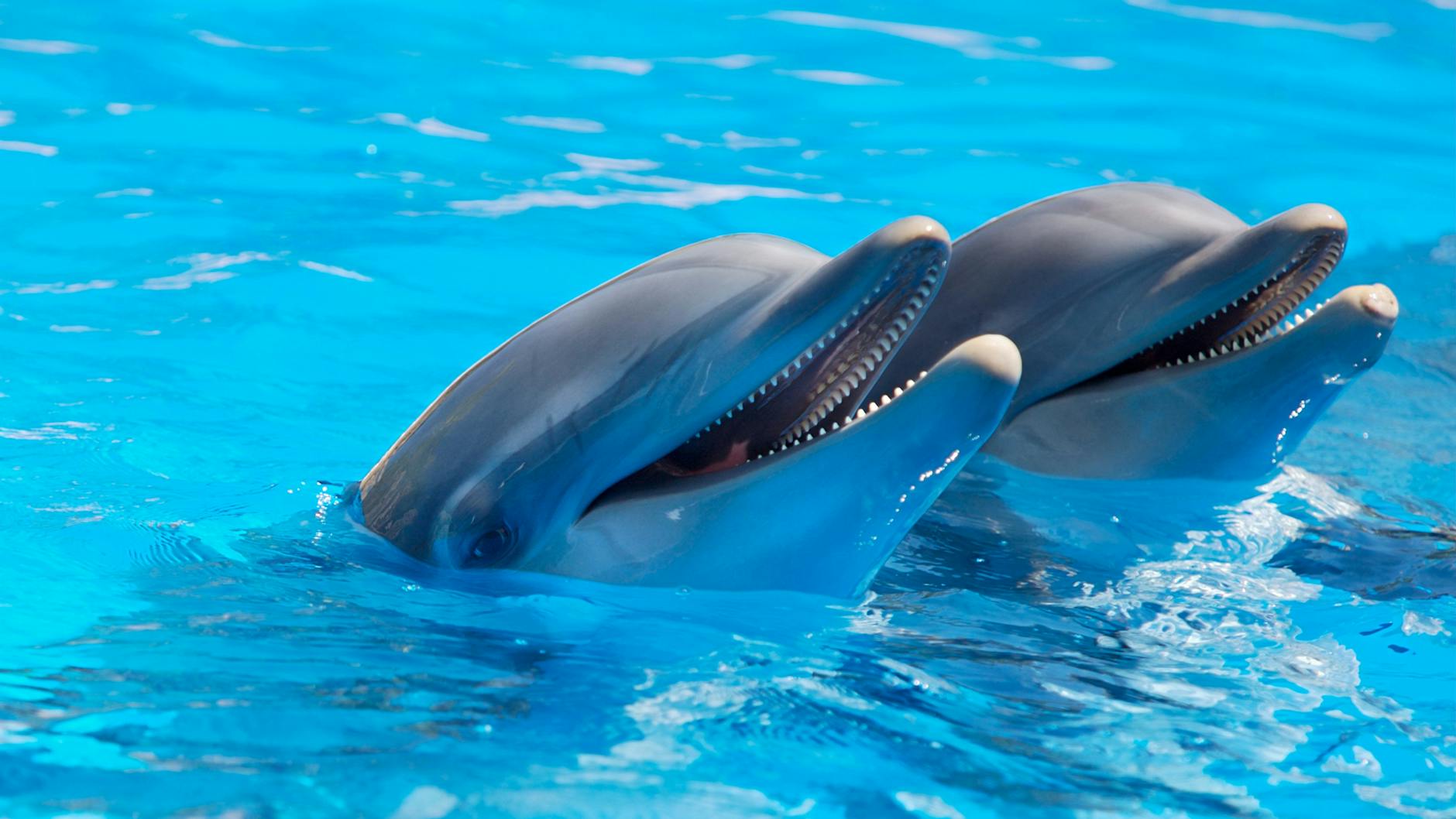
Dolphins identify themselves with signature whistles, but researchers just decoded “modified” whistles used behind a dolphin’s back. When a specific pod member is absent, others will mimic their signature whistle with a “distorted” pitch—a behavior that AI linguistics tools have classified as the first non-human example of social mockery. Essentially, dolphins gossip and use “insult” names for members of the pod they don’t like. It’s a high-intelligence social friction that keeps the pod’s hierarchy in check. But that’s nothing compared to what we found about #6…
#6 — Squirrel “Hacker” Decoys
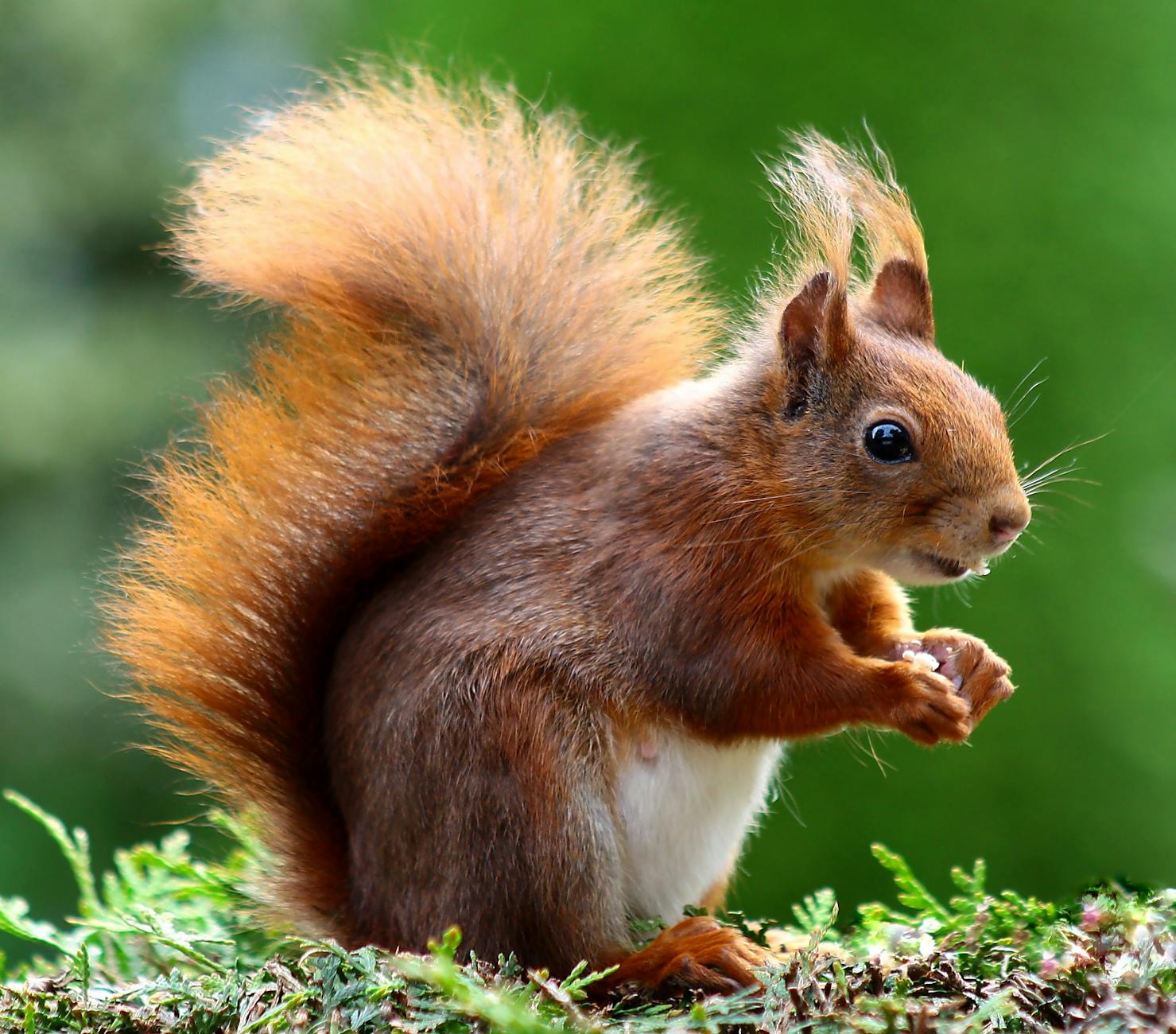
If you see a squirrel burying a nut, there’s a 40% chance the “nut” doesn’t exist. In 2026, researchers proved that squirrels perform elaborate “decoy burials” specifically when they know they are being watched by competitors. They will dig a hole, pat it down, and even “pretend” to tuck a nut in while holding it in their cheek. This level of tactical deception requires “Theory of Mind”—the ability to understand what another individual is thinking. They aren’t just forgetful; they are professional liars. But that’s nothing compared to what we found about #7…
#7 — The Orca “Fashion” Trends
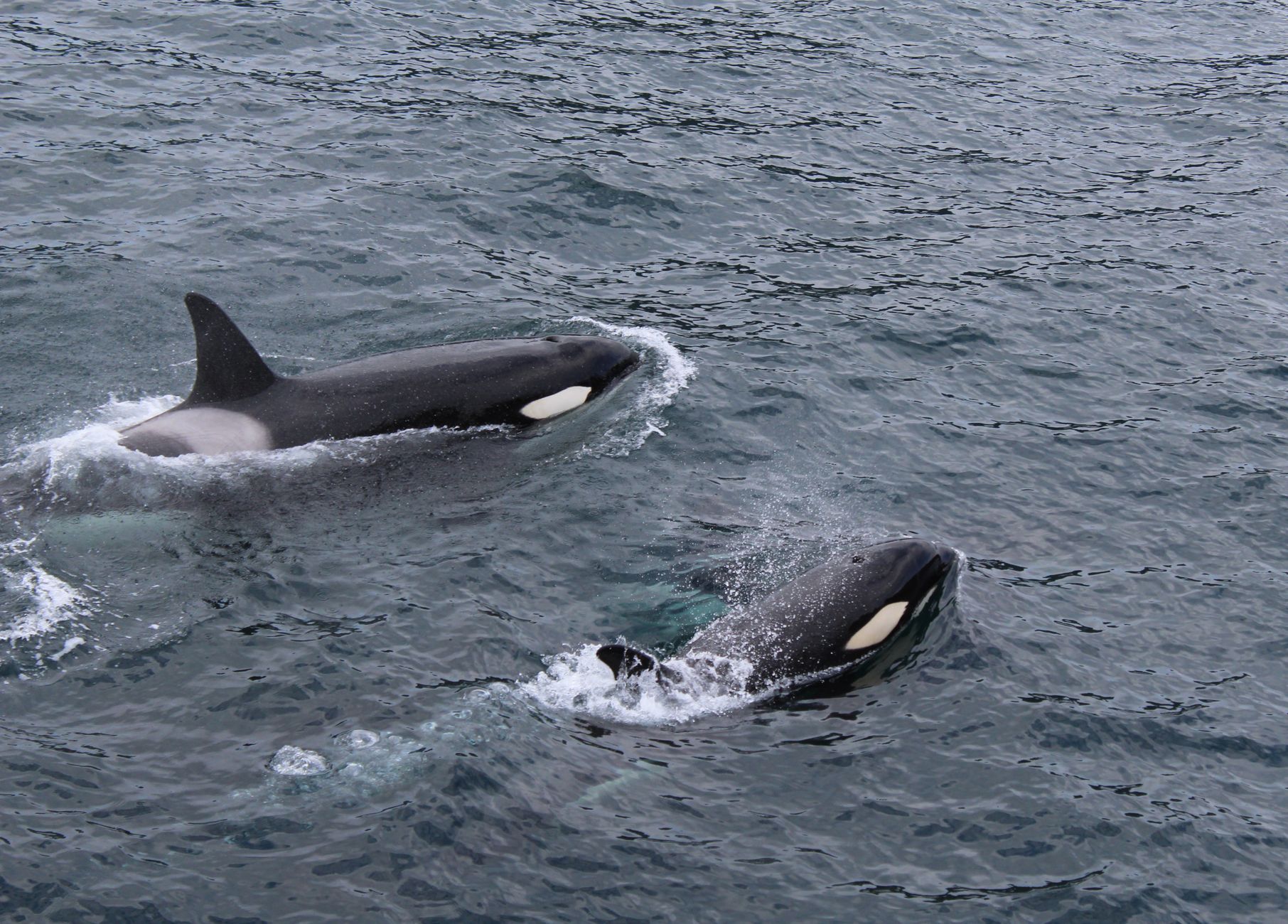
Orcas are known for culture, but 2026 saw the return of “useless” social trends. In one specific pod off the coast of Spain, younger orcas began wearing dead salmon on their heads like hats, purely because a dominant male started doing it. There is no biological or predatory advantage to this; it is a peer-pressured fashion statement that serves no purpose other than signaling “coolness” or status within the group. When the “trend-setter” stopped, the entire pod abandoned the behavior within 48 hours. But that’s nothing compared to what we found about #8…
#8 — Ant “Medical Triage”
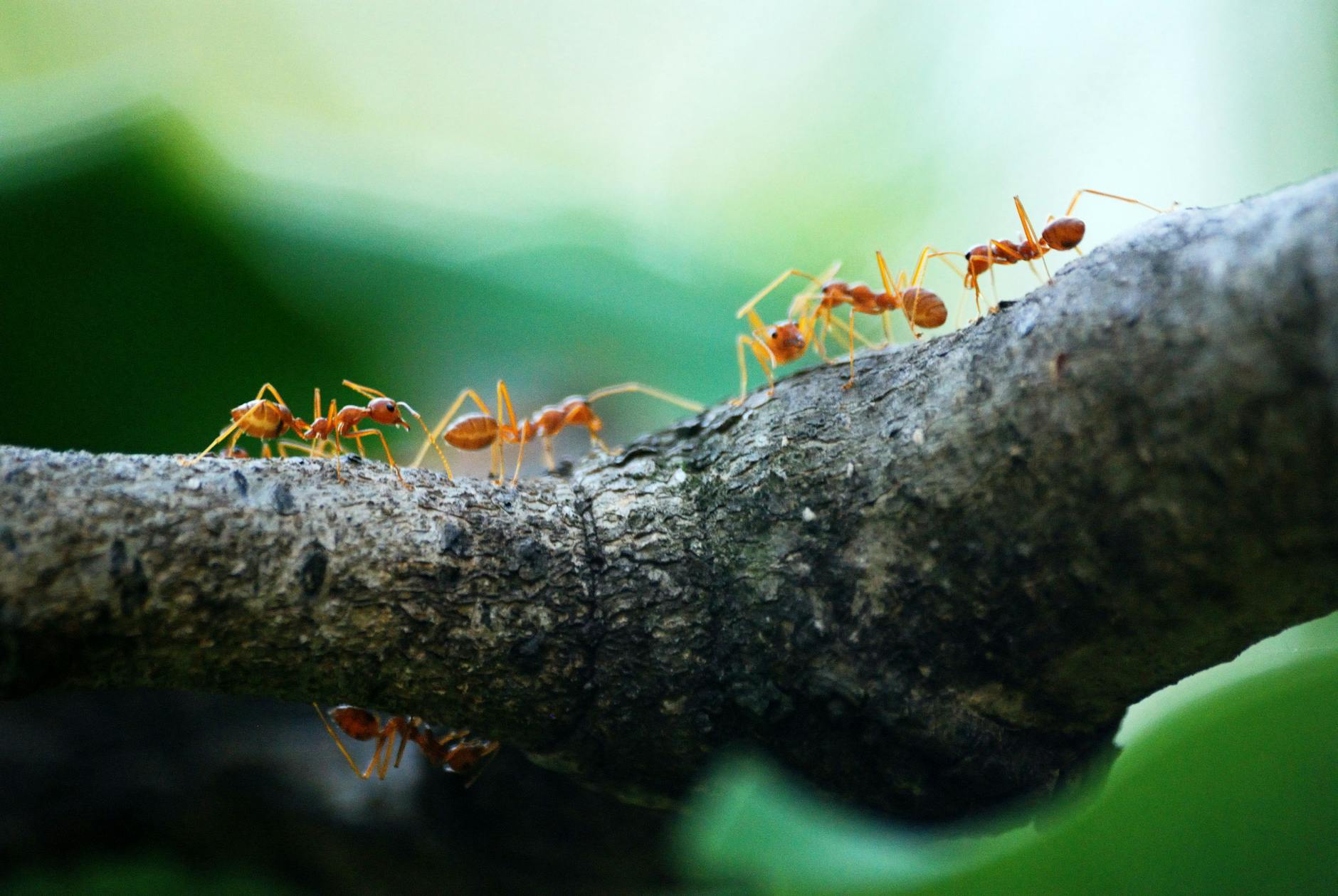
New micro-drone footage has revealed that Matabele ants perform complex surgery on wounded soldiers. Not only do they clean wounds, but they apply antibiotic-laden secretions to prevent infection, successfully saving 90% of “amputee” ants. If an ant is too wounded to be saved, she will refuse treatment to save the colony’s resources—a form of battlefield triage that scientists previously thought required a human brain. They aren’t just drones; they are a highly organized medical corps. But that’s nothing compared to what we found about #9…
#9 — The Whale “Song Charts”

This is the one that shocked the world: Humpback whales follow global “pop charts.” Marine biologists found that a “hit song” composed by whales in Australia will travel across the ocean, being adopted and remixed by pods in French Polynesia within months. By 2026, we’ve mapped how these songs evolve, showing that whales get “bored” of old melodies and demand new rhythmic structures every season. The ocean is essentially a giant, global radio station where only the most “viral” tunes survive the migration. But that’s nothing compared to what we found about #10…
#10 — Chimpanzee “Political Assassinations”
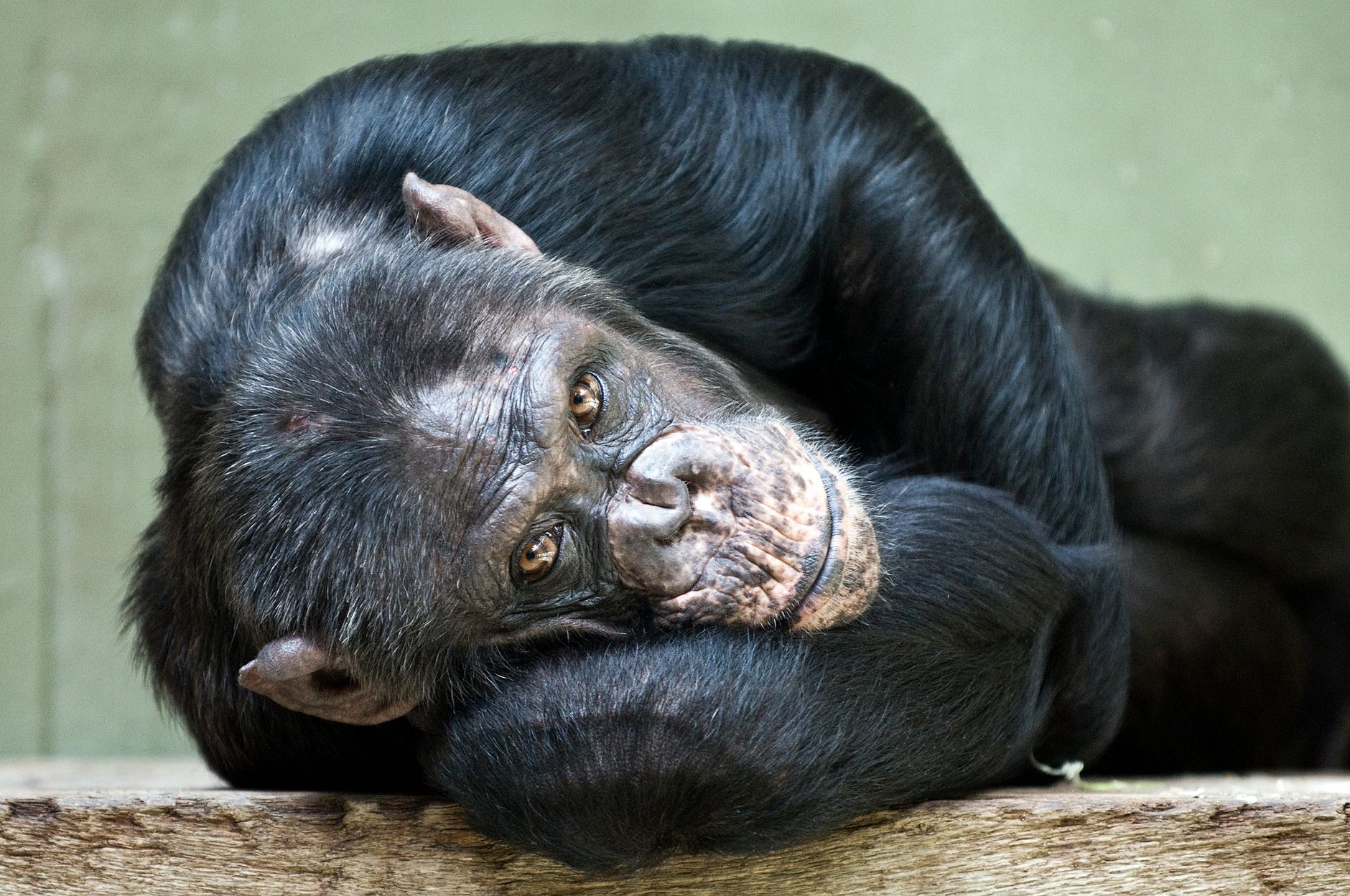
In a 2026 study of a Ugandan troop, scientists witnessed a lower-ranking male systematically “recruit” allies to overthrow a tyrant leader. This wasn’t a spontaneous fight; it was a weeks-long campaign of grooming potential cohorts and isolating the leader’s protectors. The “hit” was carried out with military precision, and the new leader immediately rewarded his “voters” with better food shares. It confirms that chimpanzees don’t just use brawn; they use sophisticated political lobbying. But that’s nothing compared to what we found about #11…
#11 — Penguin “Infidelity”
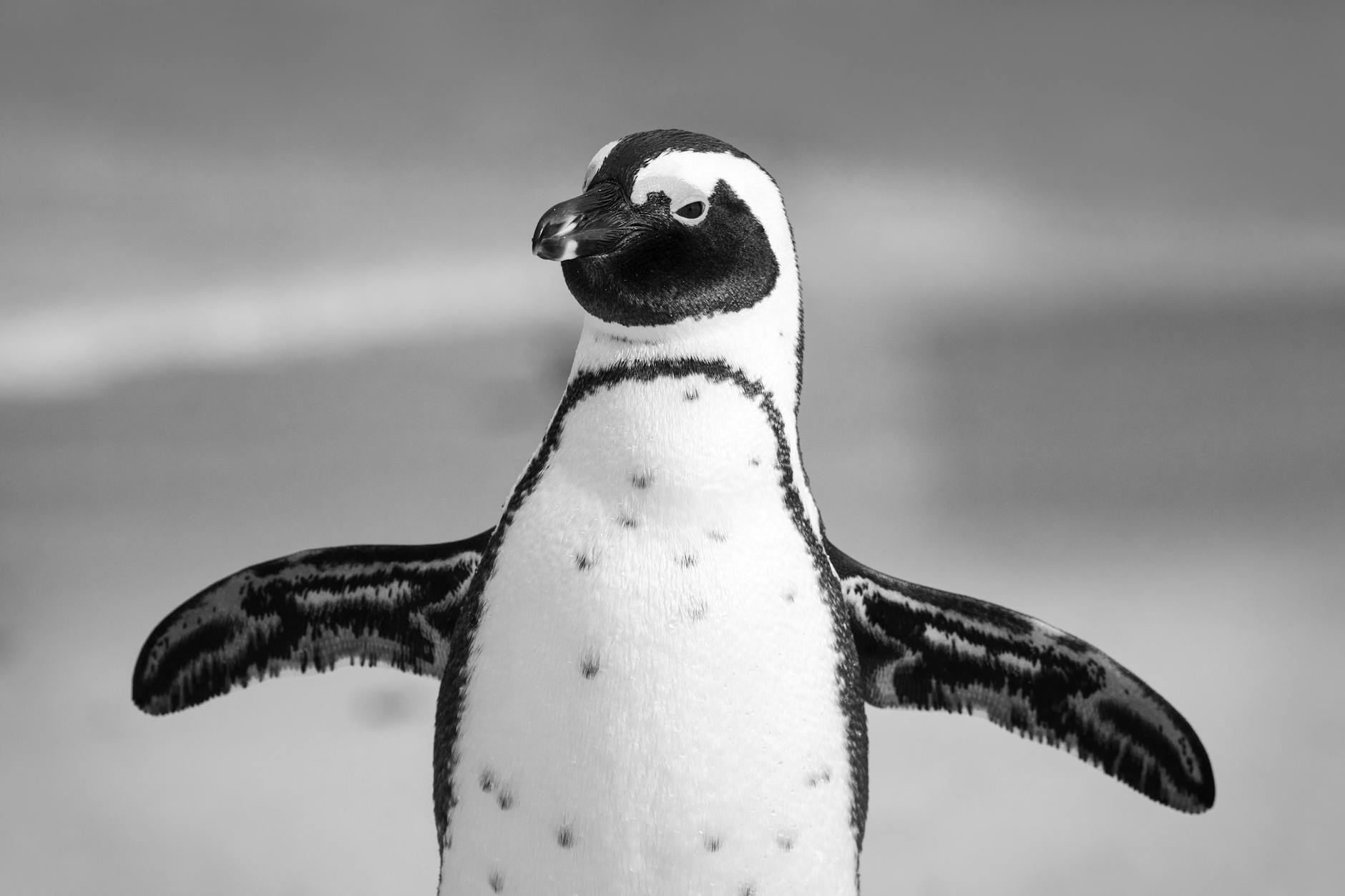
Adélie penguins live in a harsh environment where stones are the only currency for building nests. In a controversial 2026 update, researchers confirmed that female penguins will often engage in “extra-pair copulation” with males purely to steal a single stone from the male’s nest afterward. This isn’t about reproduction; it’s a calculated economic transaction. The females take the stone back to their “official” partner to improve their home, showing a level of pragmatic survivalism that is chillingly human. But that’s nothing compared to what we found about #12…
#12 — Cat “Manipulation Frequency”
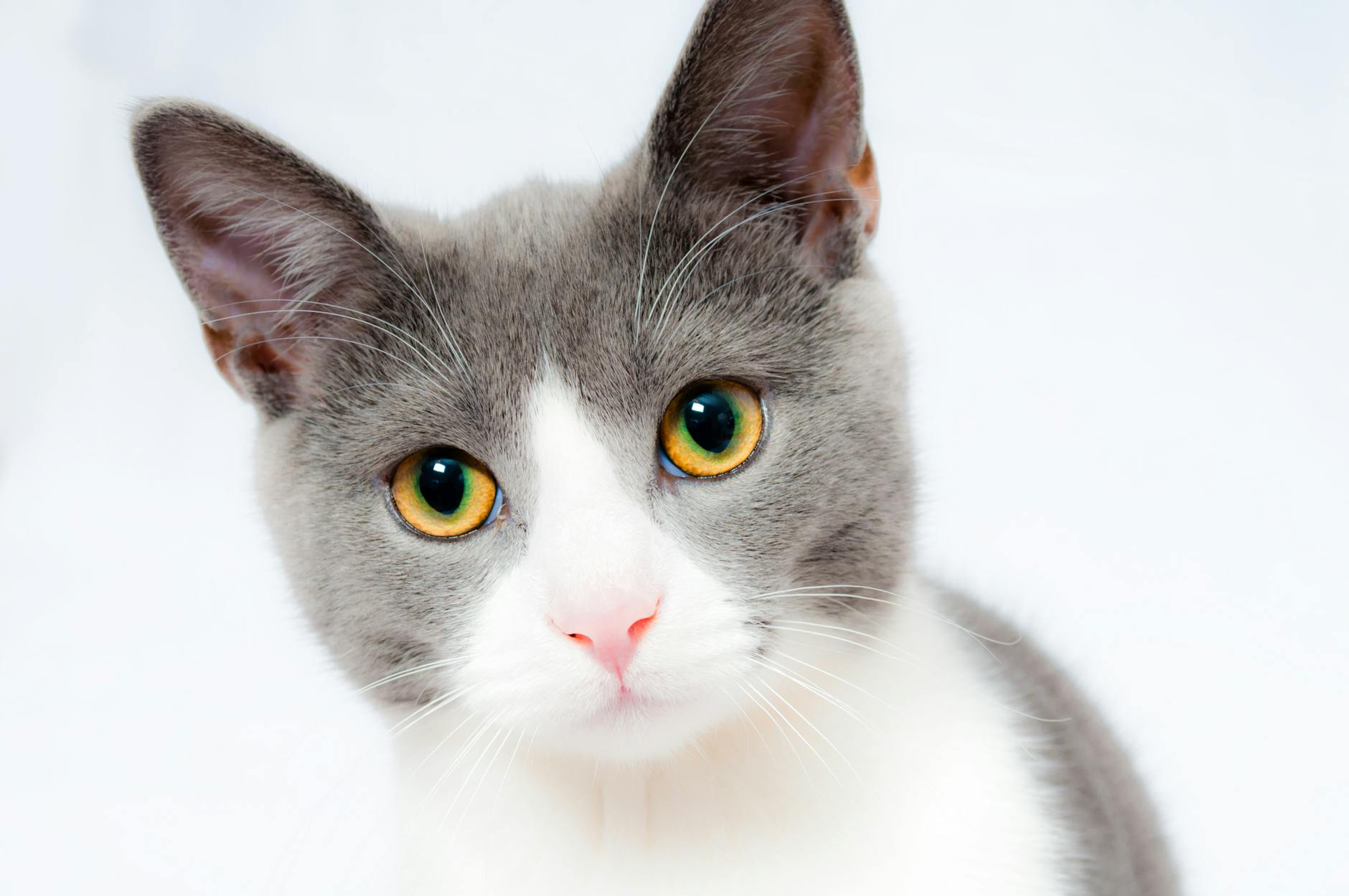
Ever notice your cat’s purr sounds like a crying baby? A 2026 acoustic study proved that cats have evolved a “solicitation purr” that contains a high-frequency sound mimicking a distressed human infant. This sound triggers a “caregiving” instinct in the human brain that is nearly impossible to ignore. They aren’t just happy; they are literally hacking your biological hardware to get fed. Domestic cats are the only felines that do this, showing a specialized evolution for human “servitude.” But that’s nothing compared to what we found about #13…
#13 — The Bird “Sentry” Protection Racket

The Fork-tailed Drongo is the mafia of the savannah. It gives genuine alarm calls to help other animals, but once it gains their trust, it gives a “fake” alarm call to make them drop their food and flee. The drongo then swoops in and steals the meal. In 2026, we learned that these birds can mimic over 50 different species’ alarm calls, specifically targeting the species that has the most food at any given moment. It’s a protection racket where the “protector” is the thief. But that’s nothing compared to what we found about #14…
#14 — Rats Who “Pay It Forward”

Rats are often seen as pests, but they are more altruistic than most humans. Experiments conducted in late 2025 showed that a rat who was previously helped by a stranger is significantly more likely to help another unknown rat in the future. They operate on a “generalized reciprocity” model, meaning they believe in the concept of a “good world.” If you treat a rat well, it doesn’t just remember you—it changes its behavior toward the entire species. But that’s nothing compared to what we found about #15…
#15 — Spider “Artistic Self-Portraits”
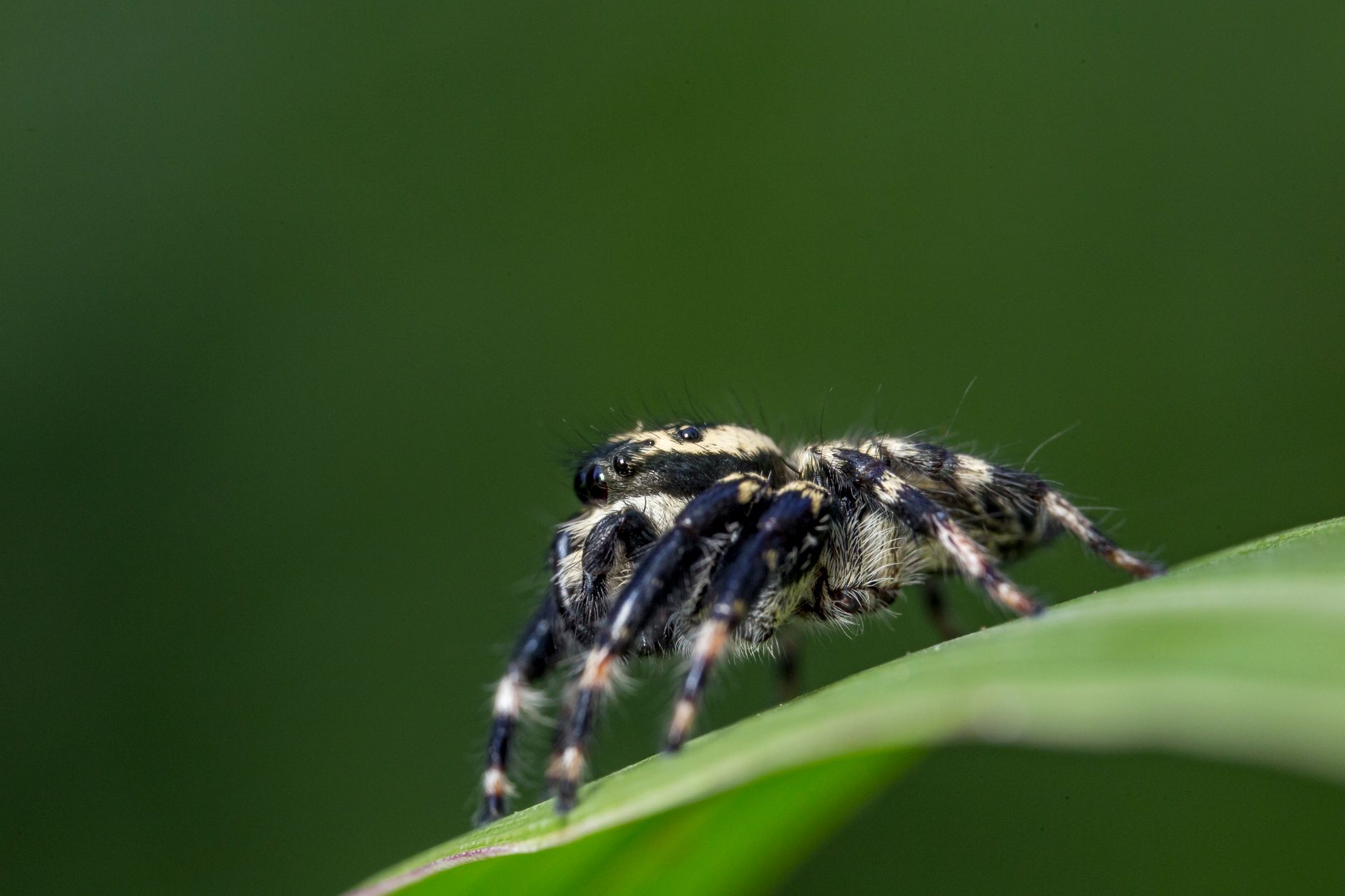
The Cyclosa spider creates decoys of itself in its web using debris and insect corpses. New 2026 macro-photography reveals these decoys are anatomically accurate, even including “legs” made of silk to fool predators into attacking the fake spider. This suggests that a spider—essentially a creature with a brain the size of a pinhead—possesses self-awareness of its own physical form and how it appears to others. It is the only known “artist” that creates sculptures of itself for survival. But that’s nothing compared to what we found about #16…
#16 — Cow “Best Friends”
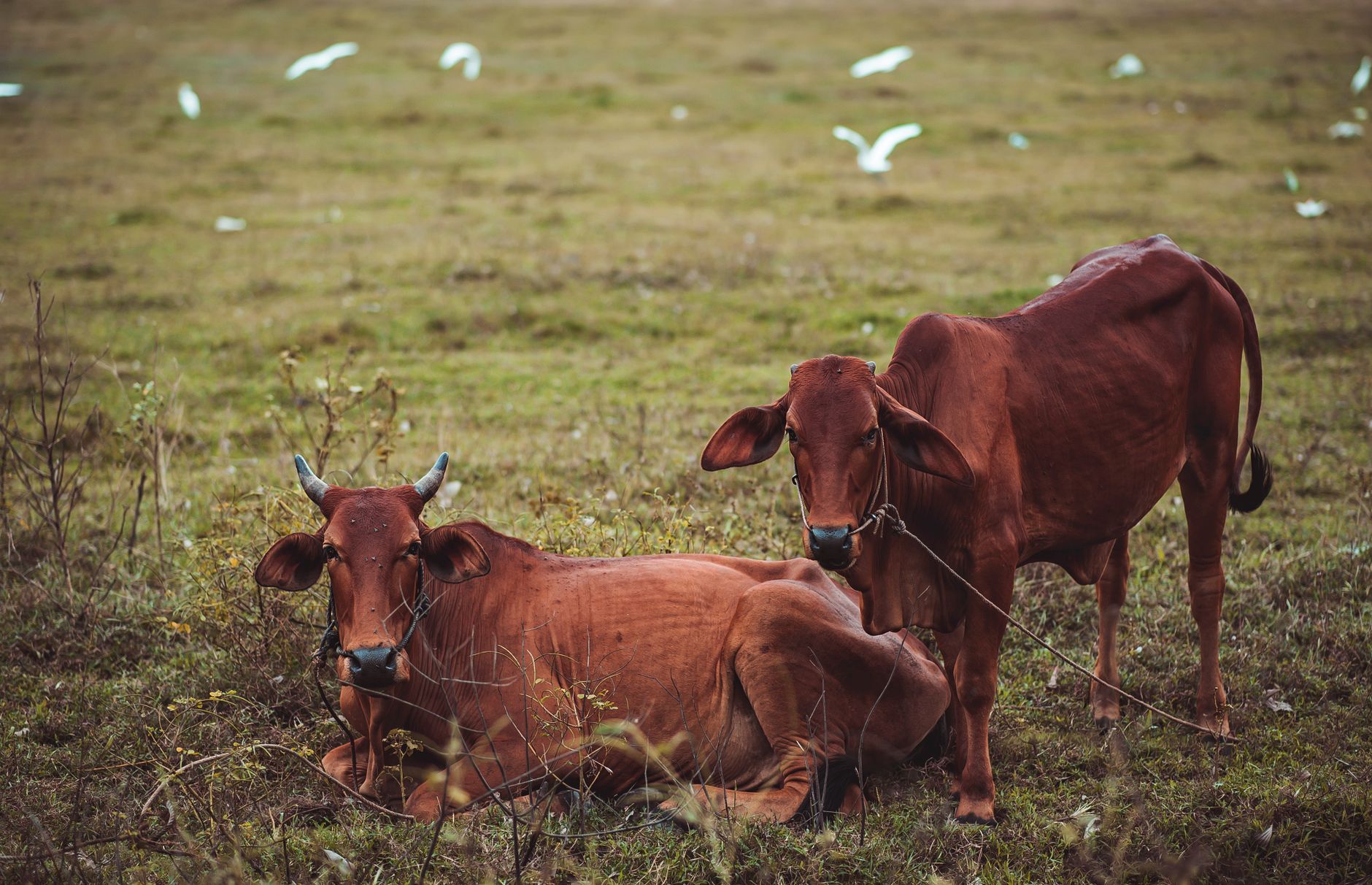
Cows are deeply emotional creatures that experience “social buffering.” When a cow is separated from its specific “best friend,” its heart rate spikes and its cortisol levels resemble those of a creature in physical pain. In 2026, farmers using “cow-fitbits” found that milk production drops by up to 15% when “best friends” are moved to different pens. They don’t just want a herd; they want their person. But that’s nothing compared to what we found about #17…
#17 — Pufferfish “Crop Circles”
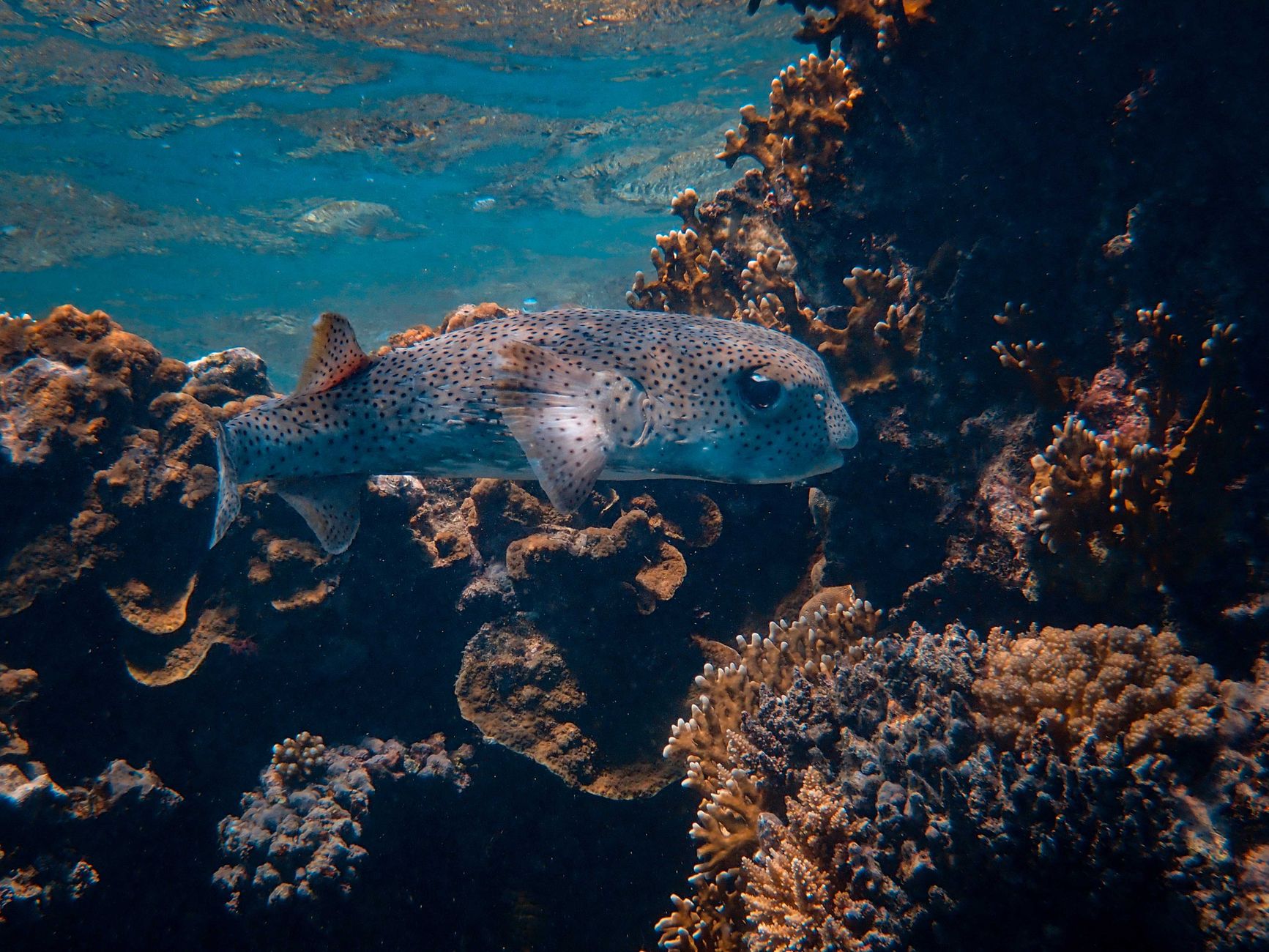
Male white-spotted pufferfish spend days flapping their fins to create 7-foot wide, geometrically perfect circles in the sand. Scientists discovered in 2026 that the complexity of the math involved in these circles is so high that the fish must account for water current and sand grain weight. If the circle isn’t mathematically symmetrical, the female will reject him. They are the architects of the ocean floor, using geometry to prove their genetic fitness. But that’s nothing compared to what we found about #18…
#18 — The Parrot “Naming” Ceremony

Green-rumped parrotlets give their chicks “name” whistles while they are still in the nest. Every chick in a brood receives a unique vocal signature that researchers have confirmed the birds use to refer to each other throughout their lives. This is one of the only known cases outside of humans where a parent “names” their child. They don’t just recognize a voice; they use a specific label for an individual. But that’s nothing compared to what we found about #19…
#19 — Lioness “Strategic Voting”
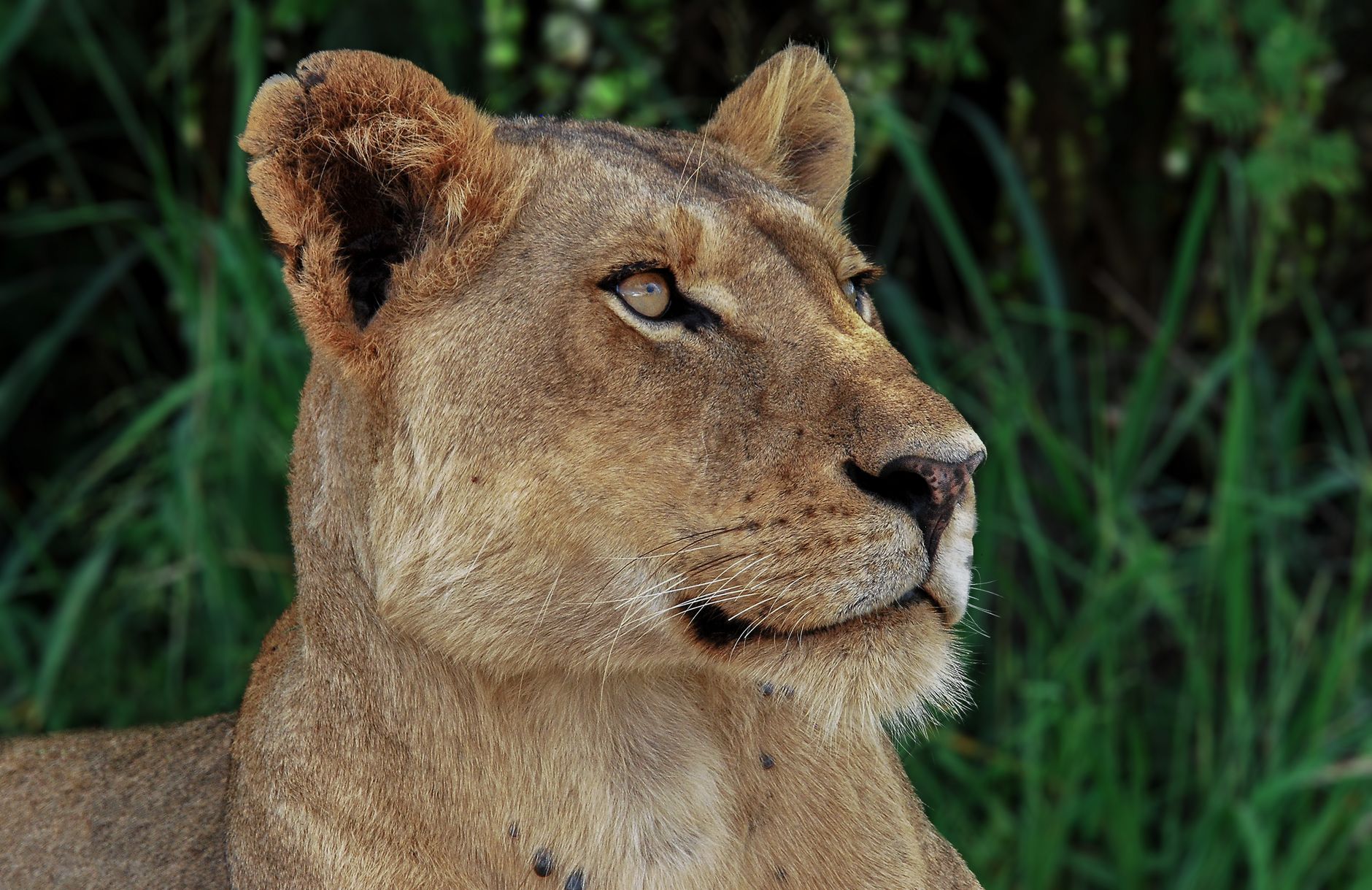
In a pride, the king might look like the boss, but the lionesses run a “democracy.” When deciding where to hunt, the lead females will face a specific direction and “vote” by standing up; the pride only moves once a majority of the lionesses have signaled their agreement. If the males try to lead them elsewhere, the females will simply sit down and refuse to move. It’s a silent, powerful veto system. But that’s nothing compared to what we found about #20…
#20 — Goat “Accent” Mimicry
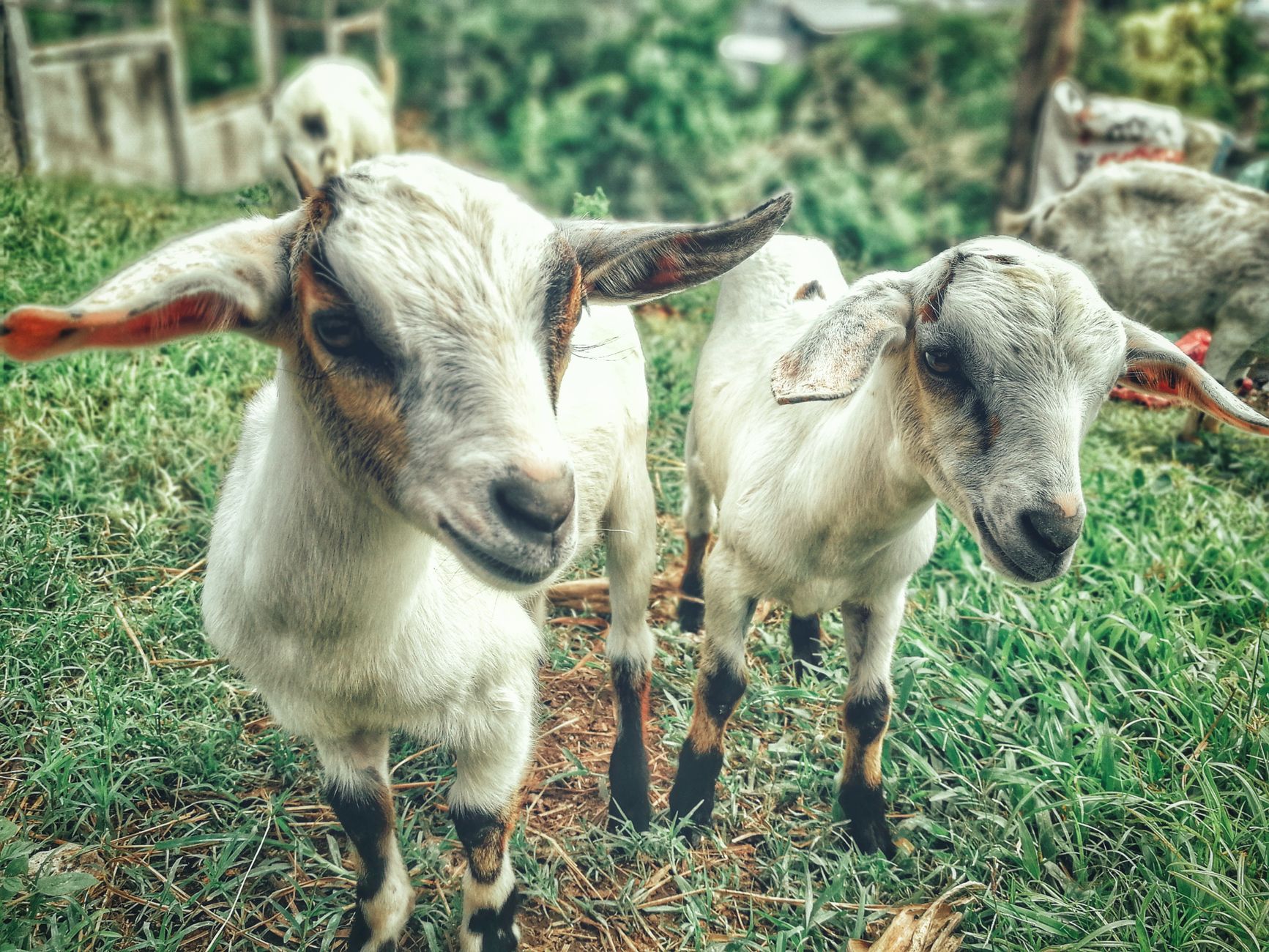
Goats don’t just “bleat”; they develop regional accents. In 2026, bioacousticians found that when a goat moves to a new herd, it will “modify” its call over 4 weeks to match the pitch and rhythm of its new peers. This is a form of “social vocal learning” that helps them integrate and avoid being bullied by the existing herd members. Even in the animal world, fitting in is a matter of changing how you speak. But that’s nothing compared to what we found about #21…
#21 — The Fire-Starting Hawks
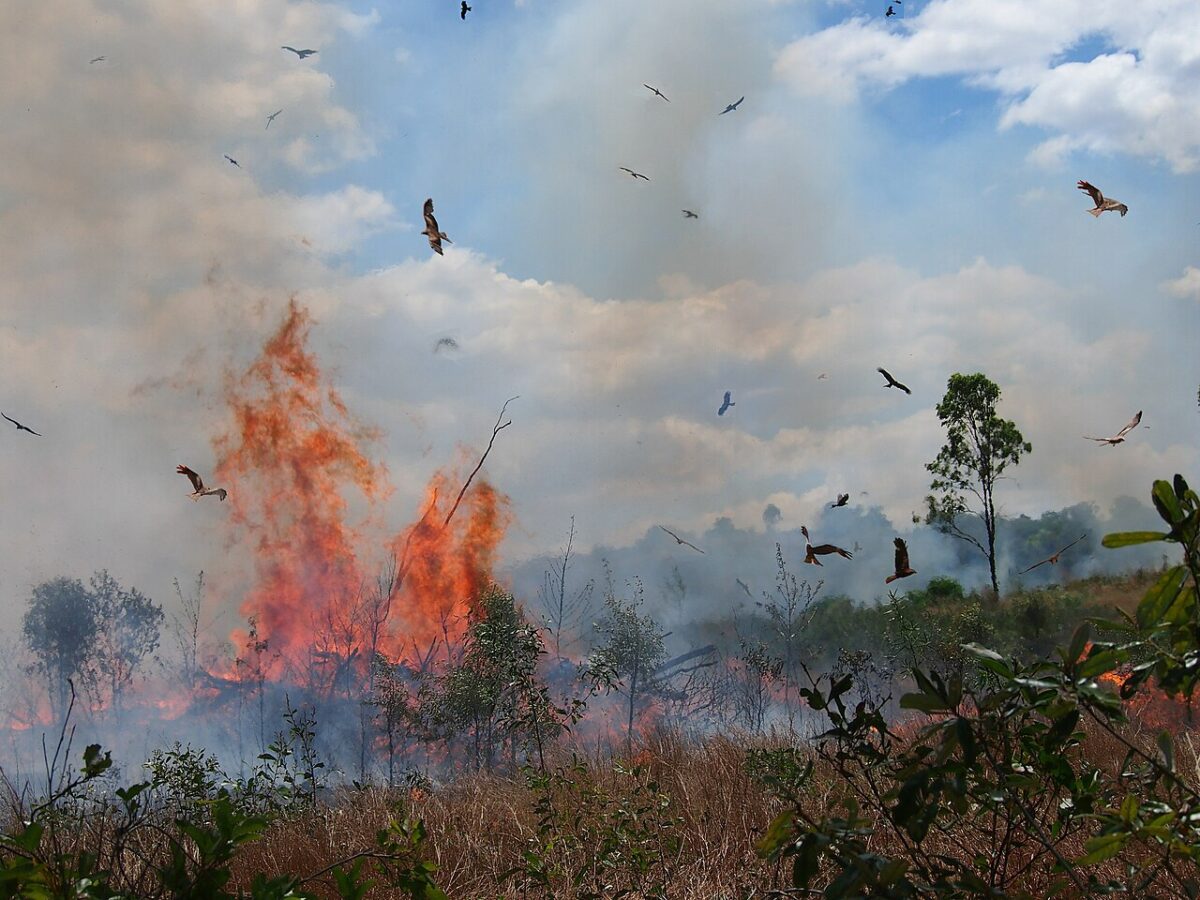
In the Australian Outback, “Firehawks” have been observed intentionally spreading wildfires. These birds of prey will pick up burning sticks from an existing fire and drop them in unburned grass to flush out small rodents and insects. This is the first recorded instance of a non-human species “controlling” fire as a tool for hunting. They aren’t just opportunistic; they are pyromaniacs by design. But that’s nothing compared to what we found about #22…
#22 — Wasp “Face Matching”
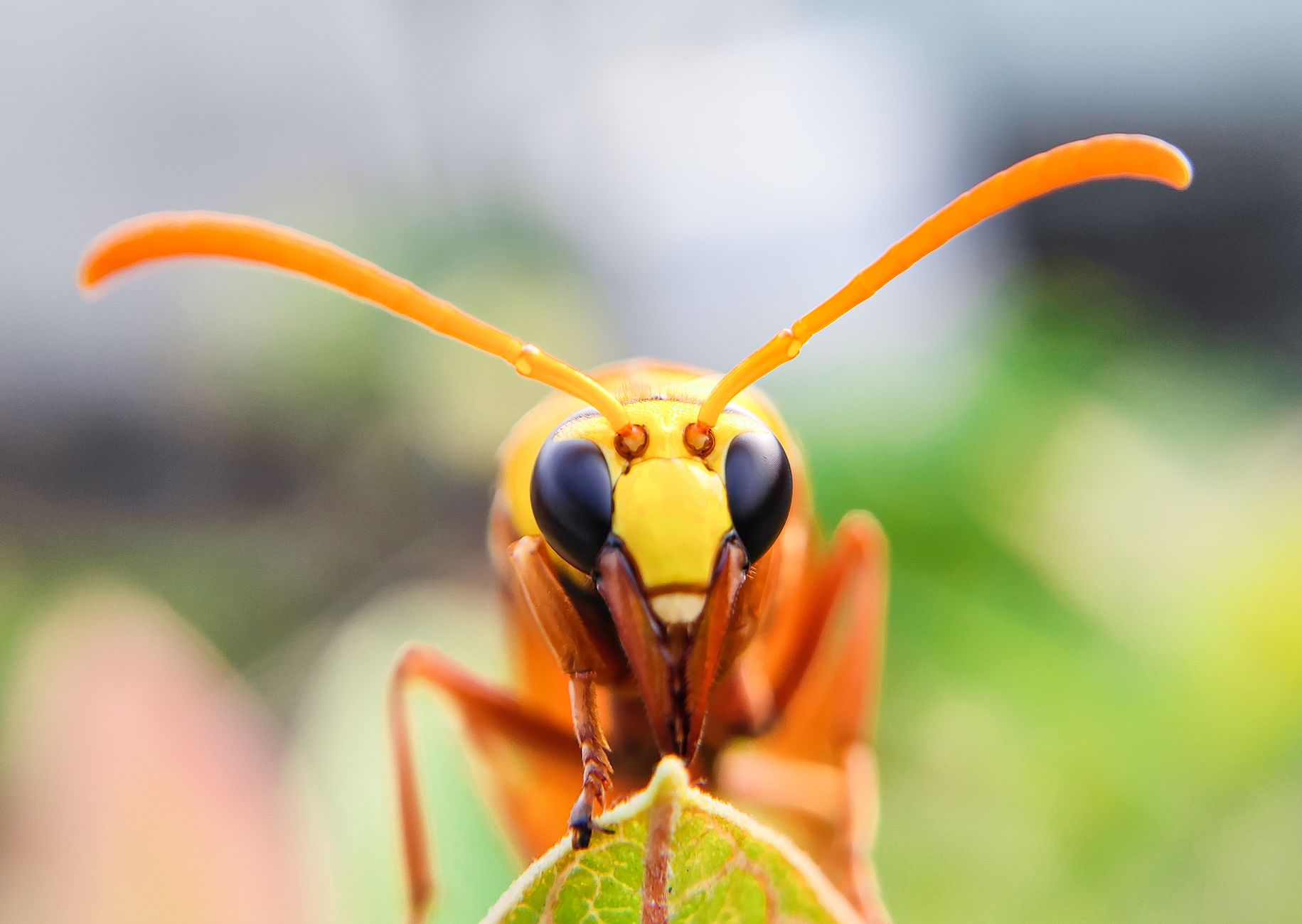
Paper wasps have the neurological capacity to recognize and remember individual faces of their colony mates. A 2026 experiment showed that wasps that had “dishonorable” interactions were avoided for days, even if they changed their behavior. They utilize the same part of the brain for facial recognition that humans do, despite having a brain smaller than a grain of rice. If you swat at a paper wasp, it’s very likely it knows exactly who you are. But that’s nothing compared to what we found about #23…
#23 — The Giraffe “Nanny” System

Giraffes are surprisingly hands-off parents—but they have a plan. When the mothers need to forage at great distances, they leave all the calves with one “nanny” giraffe who stays behind to protect the entire group’s offspring. This nanny is usually an older, non-reproductive female who receives “payment” in the form of grooming and social protection from the other mothers later. It’s a sophisticated daycare system that allows the herd to thrive in resource-scarce environments. But that’s nothing compared to what we found about #24…
#24 — Raven “Gift Economy”
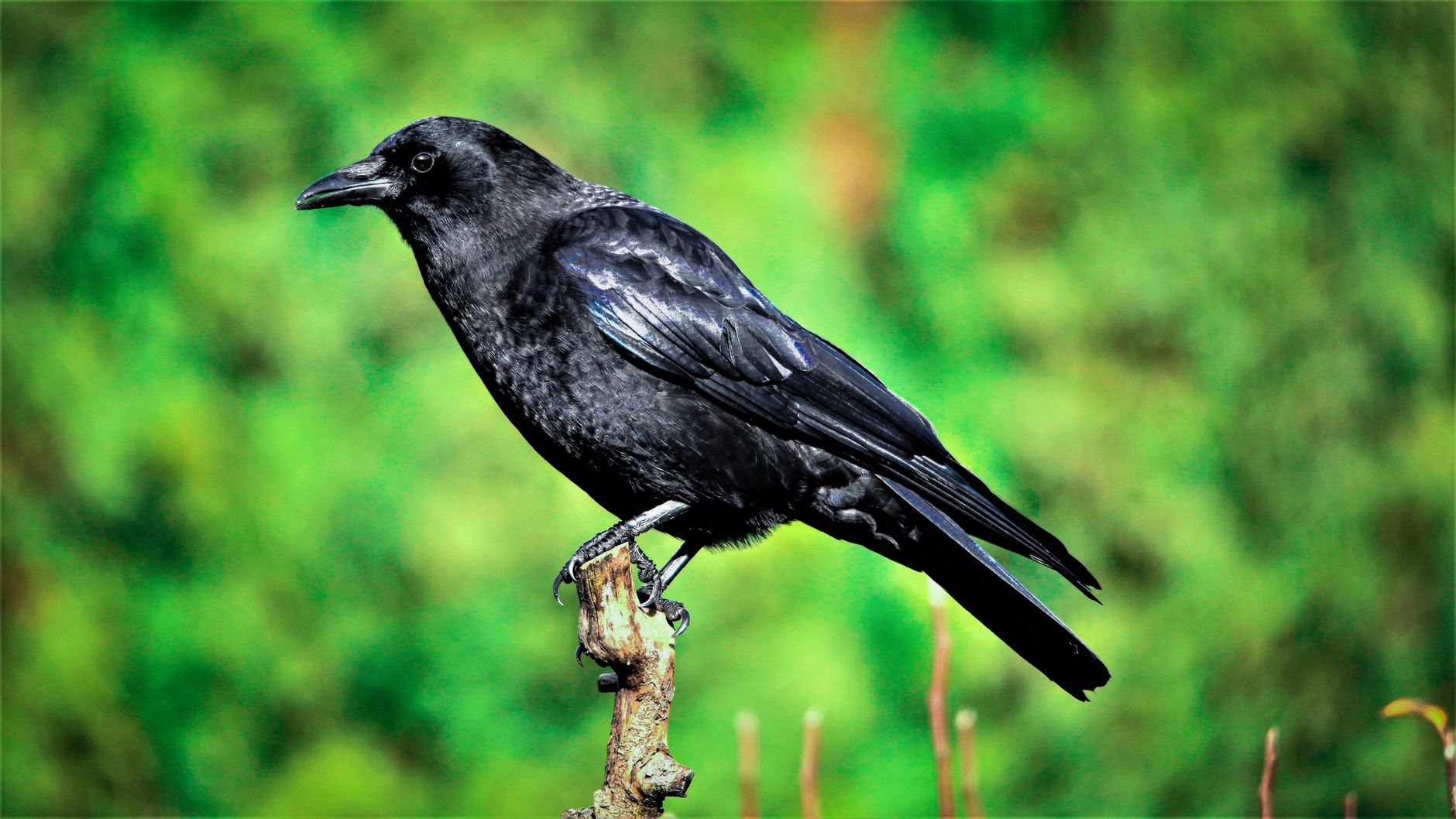
Ravens are known for bringing shiny objects to people who feed them, but it’s not just “thanks.” New research suggests ravens use these gifts as “down payments” to secure future food sources. They have been observed bringing “better” gifts (like silver jewelry) to humans who provide premium food (like meat) compared to humans who only provide crackers. It’s a tiered loyalty program managed entirely by the birds. But that’s nothing compared to what we found about #25…
#25 — Tree-Climbing Alligators
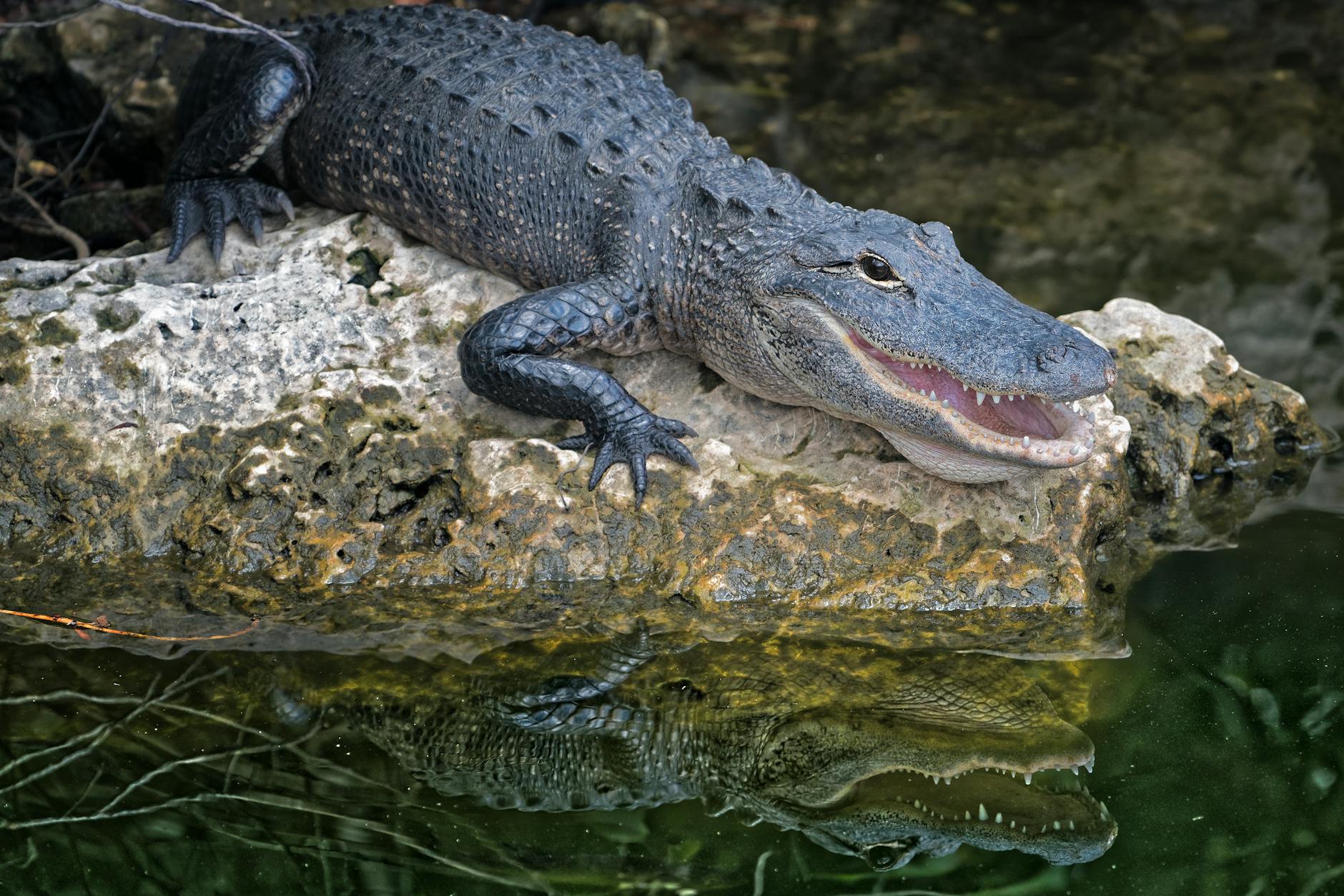
We used to think alligators were bound to the water and flat ground, but 2026 footage proved they can climb trees up to 30 feet high. They do this to gain a better vantage point for regulating body temperature and to survey territory for miles around. This discovery has forced a complete rewrite of “safety zones” in swampy regions. Nowhere is truly “safe” when a 400-pound reptile can climb above you. But that’s nothing compared to what we found about #26…
#26 — Bat “Language” Complexity
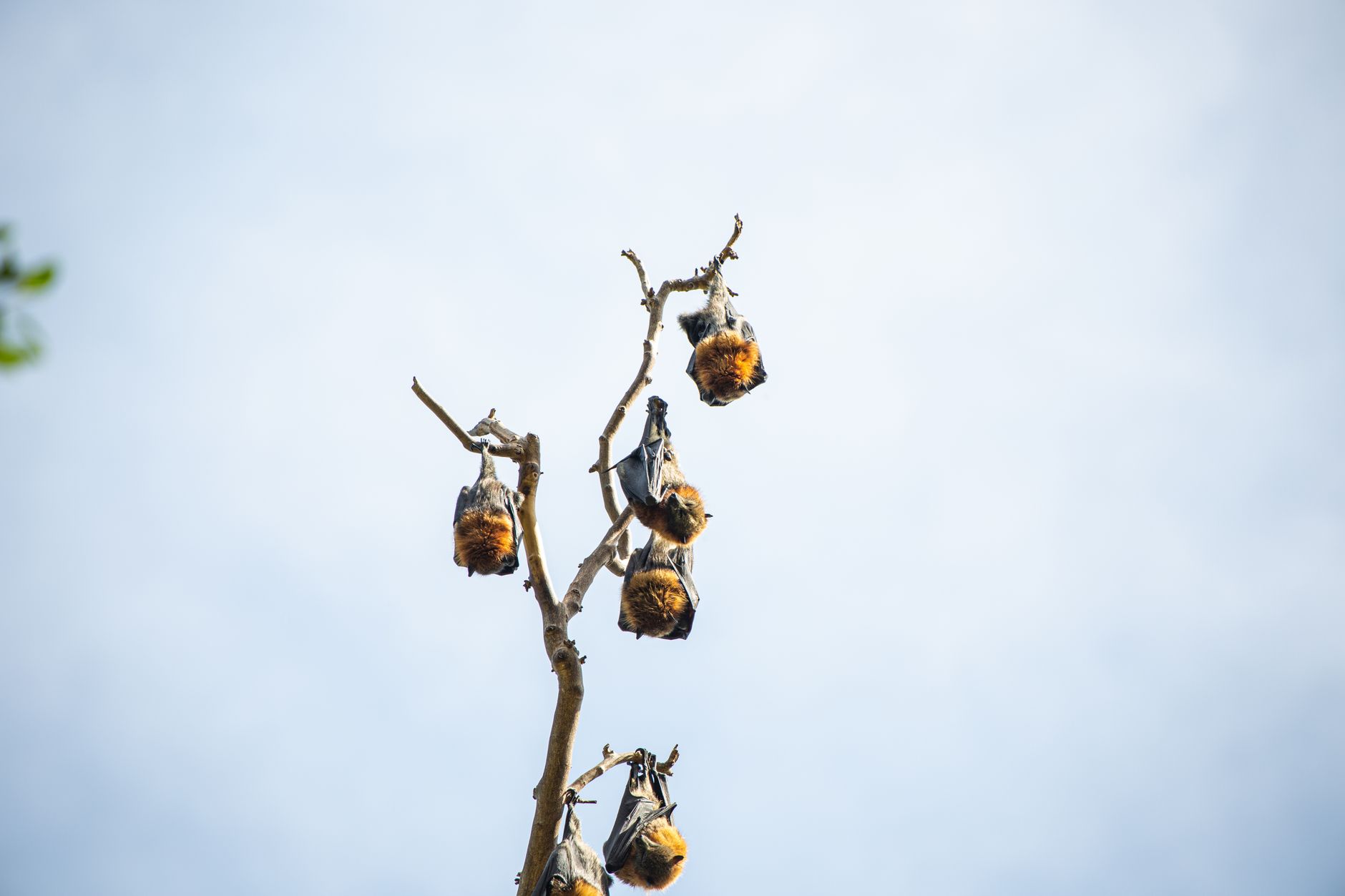
Fruit bats are the loudest animals in the world in terms of social chatter. When researchers translated their vocalizations in 2026, they found that 60% of their “screeching” is actually specific complaints about food, sleeping space, or unwanted mating advances. They don’t just “talk”; they mostly argue. They even address specific individuals when complaining, making their colonies sound remarkably like a heated family reunion. But that’s nothing compared to what we found about #27…
#27 — The Cuckoo “Extortion” Scheme

The Great Spotted Cuckoo is a “brood parasite” that lays its eggs in other birds’ nests. But here’s the decoded secret: if the host bird kicks the cuckoo egg out, the cuckoo mother will return and “raid” the nest, destroying the host’s own eggs. It’s a mafia-style extortion tactic—”raise my baby, or I’ll kill yours.” Host birds have learned to begrudgingly raise the giant cuckoo chick out of fear for their own children’s lives. But that’s nothing compared to what we found about #28…
#28 — Seahorse “Shared Labor”
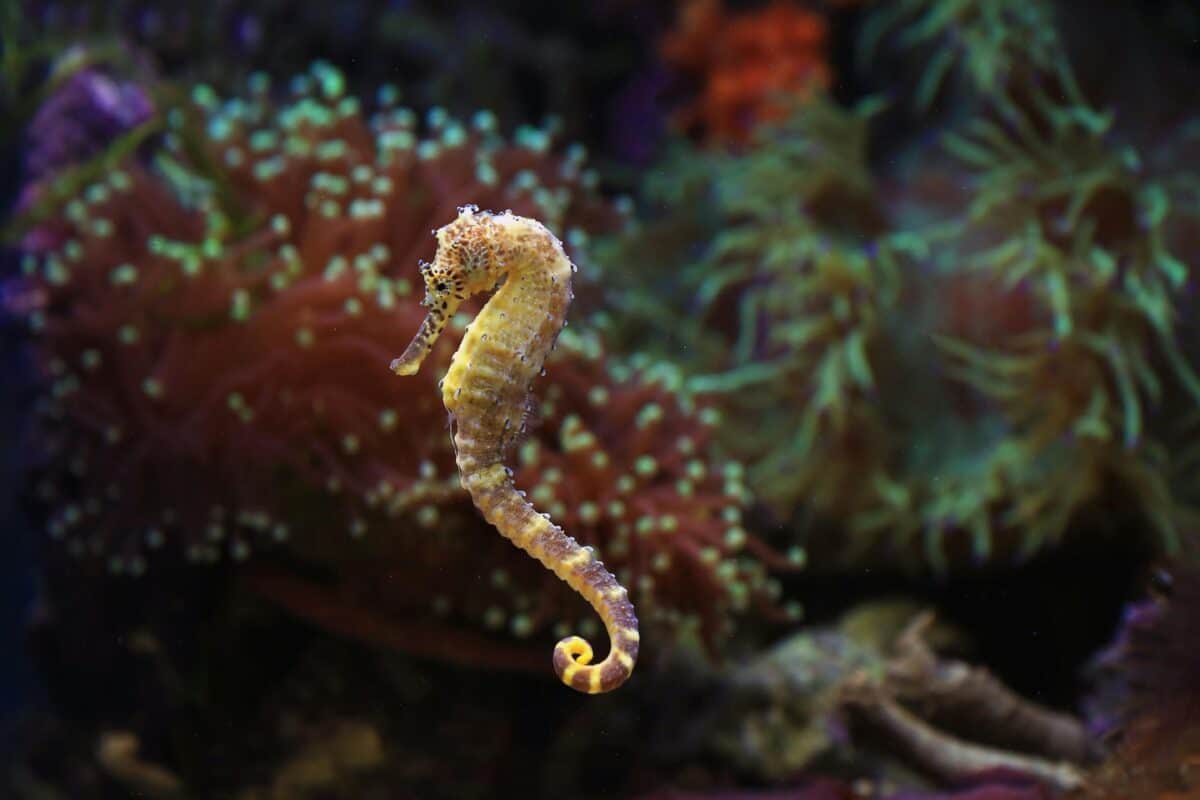
While many know male seahorses give birth, 2026 research shows the “labor” is shared through hormonal synchronization. The female seahorse stays with the male throughout his pregnancy, and her hormone levels mirror his, allowing her to “feel” the stress of the process. This bond ensures she is ready to produce a new batch of eggs the second he gives birth, keeping the cycle going with zero downtime. It’s the ultimate biologized shift-work. But that’s nothing compared to what we found about #29…
#29 — Elephant Shrew “Pathfinding”
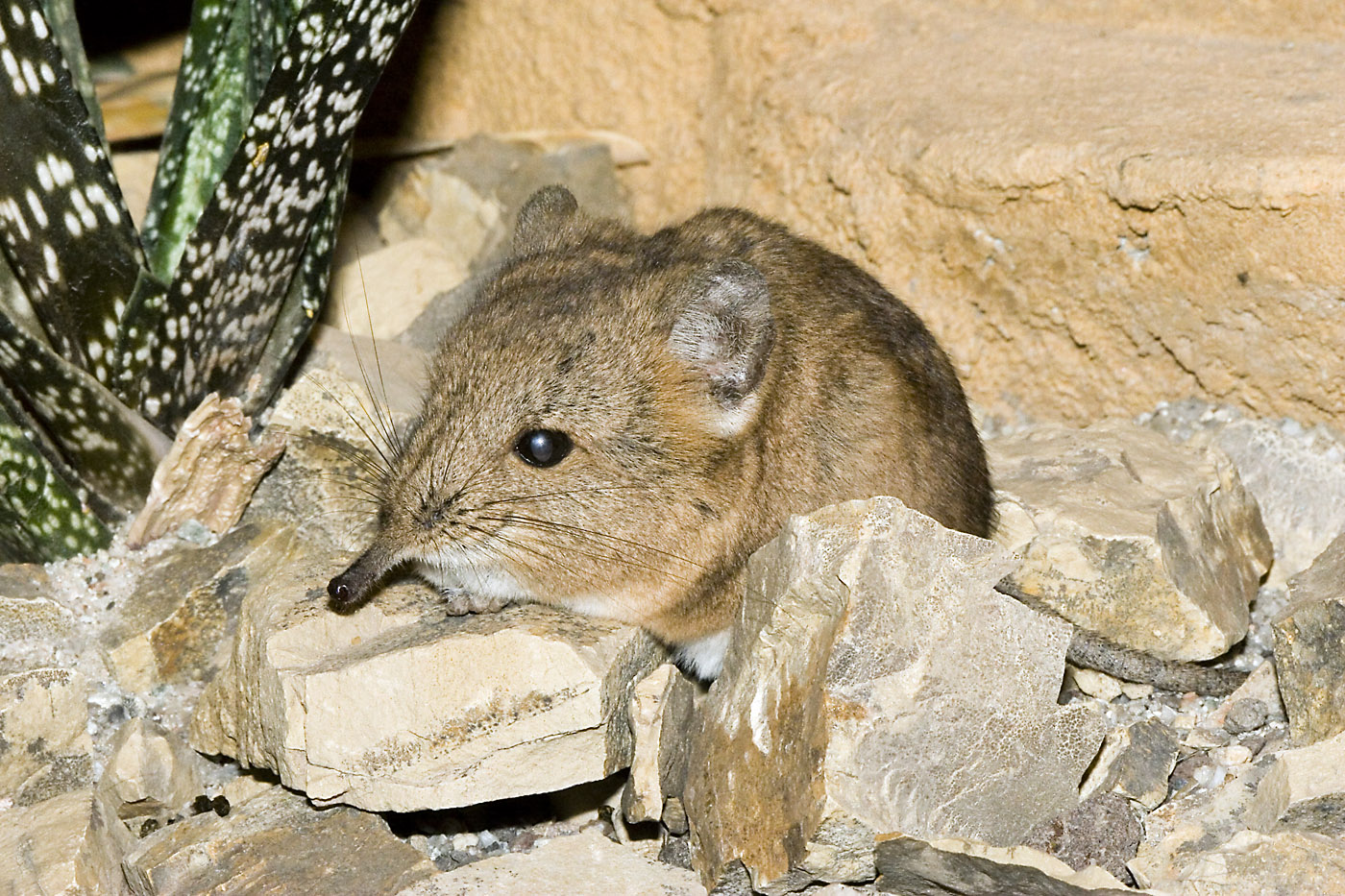
The Elephant Shrew builds “highways” in the forest that it keeps meticulously clean. If a single leaf falls on its path, the shrew will stop everything to remove it, ensuring it has a perfectly smooth “runway” to escape predators. This obsessive-compulsive behavior is actually a life-saving mechanism; one stumble on a leaf means death. They are the only animals that “engineer” their own escape routes through constant maintenance. But that’s nothing compared to what we found about #30…
#30 — Horse “Facial Expression” Library
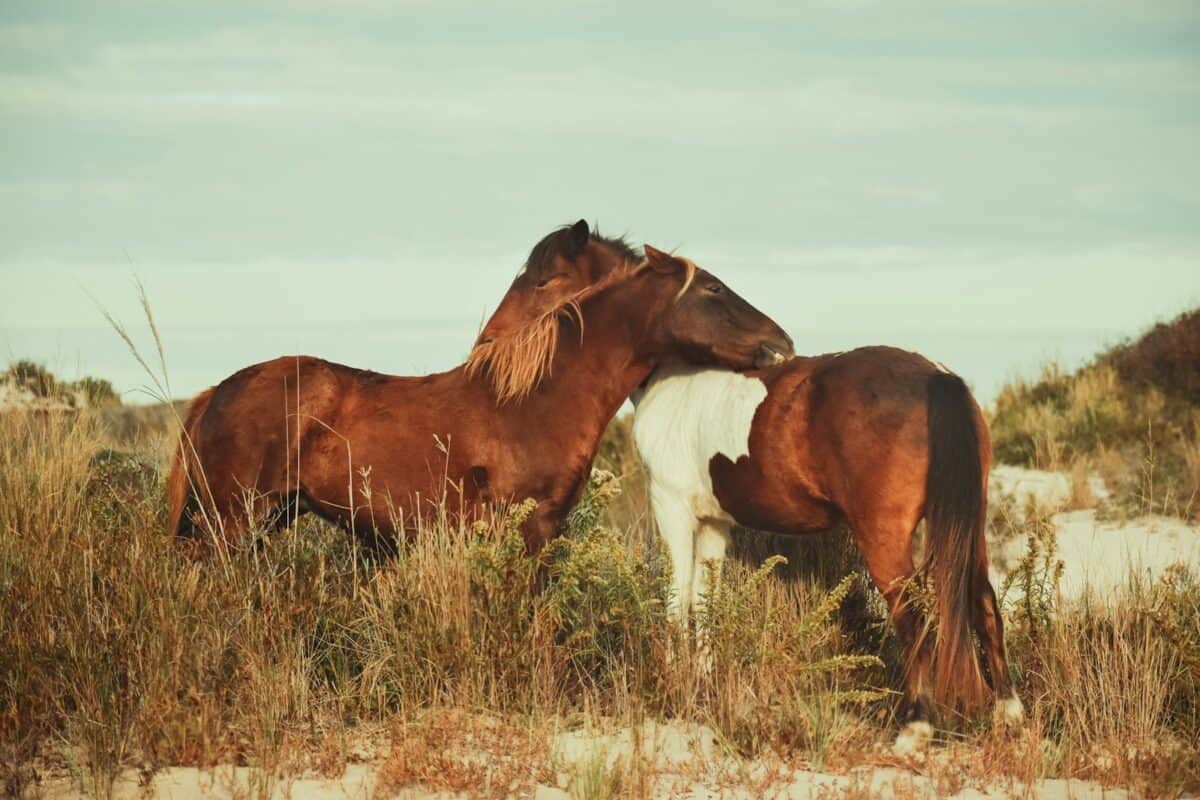
Horses have 17 distinct facial expressions—three more than chimpanzees and only ten fewer than humans. In 2026, AI analysis proved that horses use these expressions to “report” on the emotional state of their human handlers to other horses. If you’re angry, your horse literally tells the other horses in the stable by pulling a specific lip-curl that signals “danger/unstable.” They are constantly reading our faces and “gossiping” about our moods. But that’s nothing compared to what we found about #31…
#31 — The “Democracy” of African Wild Dogs

Before a hunt, African Wild dogs engage in “sneezing” rallies. Researchers found that the number of sneezes in the pack determines whether the hunt proceeds or not. If the dominant pair sneezes, the hunt is on. However, if the “underdogs” want to hunt, they can “overrule” the leaders if they sneeze enough times to reach a “quorum.” It’s an audible voting system that ensures the majority of the pack is energized before they waste calories. But that’s nothing compared to what we found about #32…
#32 — Koala “Friction” and War

Koalas look cuddly, but they are actually territorial warriors. 2026 thermal tracking showed that male koalas use “stink-wars” where they rub their chest glands on trees to create “chemical fences” that cause physical distress to intruders. These chemical markers are so potent they can cause rival koalas to fall out of trees in a “drunken” stupor. They don’t fight with claws; they fight with chemical biological warfare. But that’s nothing compared to what we found about #33…
#33 — Sloth “Green” Camouflage
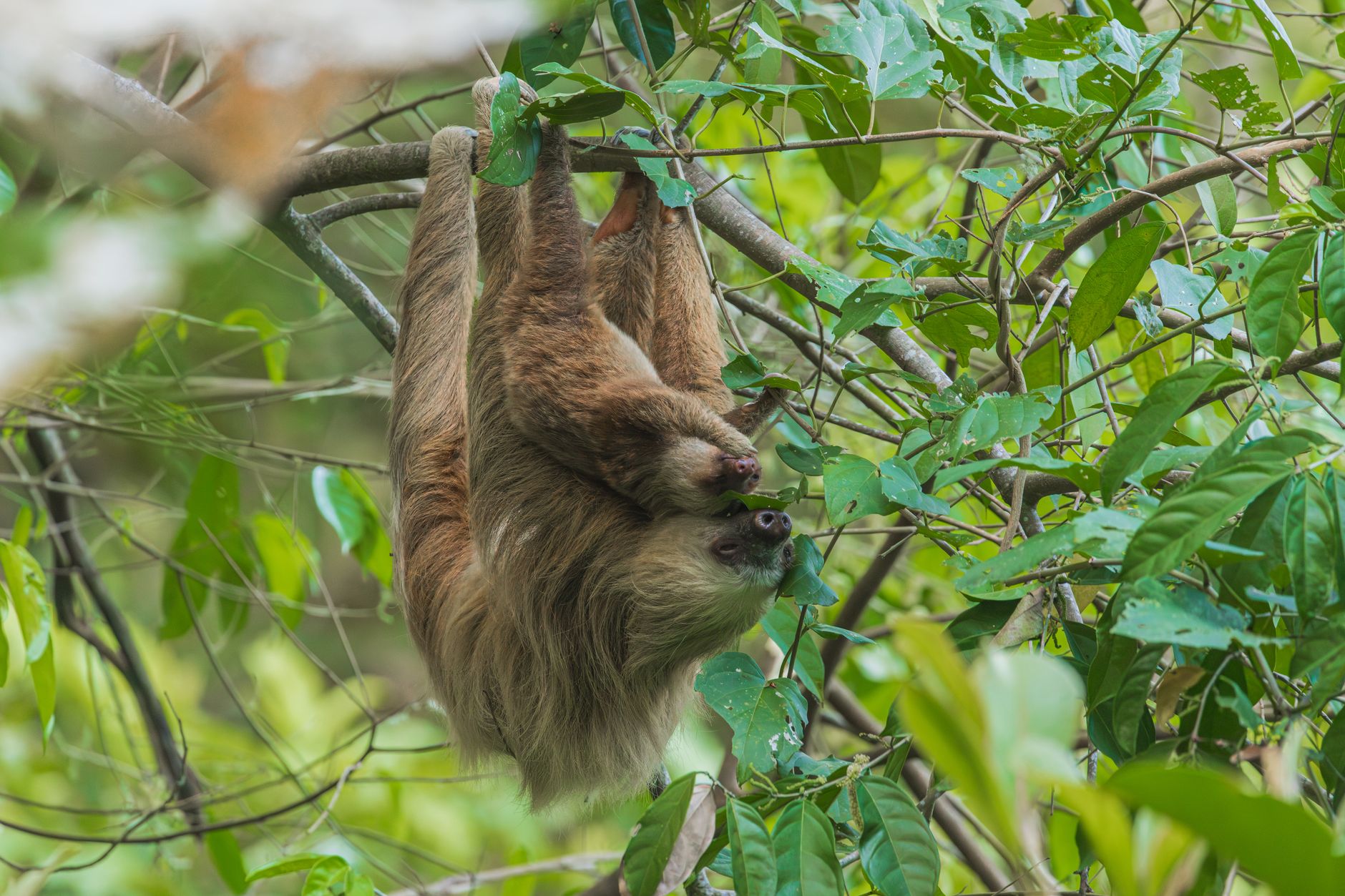
Sloths don’t just grow algae on their fur for fun; it’s a deliberate “farming” operation. The sloth provides a habitat for a specific species of moth that lives in its fur; when the moth dies, it fertilizes the algae, which the sloth then eats for extra nutrients. It is a closed-loop ecosystem. The sloth isn’t “dirty”—it’s a master of sustainable agriculture that literally grows its own snacks on its back. But that’s nothing compared to what we found about #34…
#34 — The Owl “Pet” Snake

Screech owls often catch “blind snakes” and bring them back to their nests—but they don’t eat them. The snakes act as “roomba-like” pets that eat the parasites and larvae that would otherwise harm the owl’s chicks. Studies in 2026 confirmed that owl chicks with “pet” snakes grow 25% faster and have a much higher survival rate than those without. The owl is essentially a domesticator of other species for its own gain. But that’s nothing compared to what we found about #35…
#35 — Tiger “Mimicry”

Tigers have been observed mimicking the calls of their prey to lure them into the deep brush. Hunters in India have long claimed this, but 2026 acoustic traps finally recorded a tiger making a sound nearly identical to a “pook” call of a Sambar deer. This isn’t just stalking; it’s “active deception” hunting. The tiger doesn’t just wait for the deer; it calls the deer to its own death. But that’s nothing compared to what we found about #36…
#36 — The Lemur “Stink Fight”
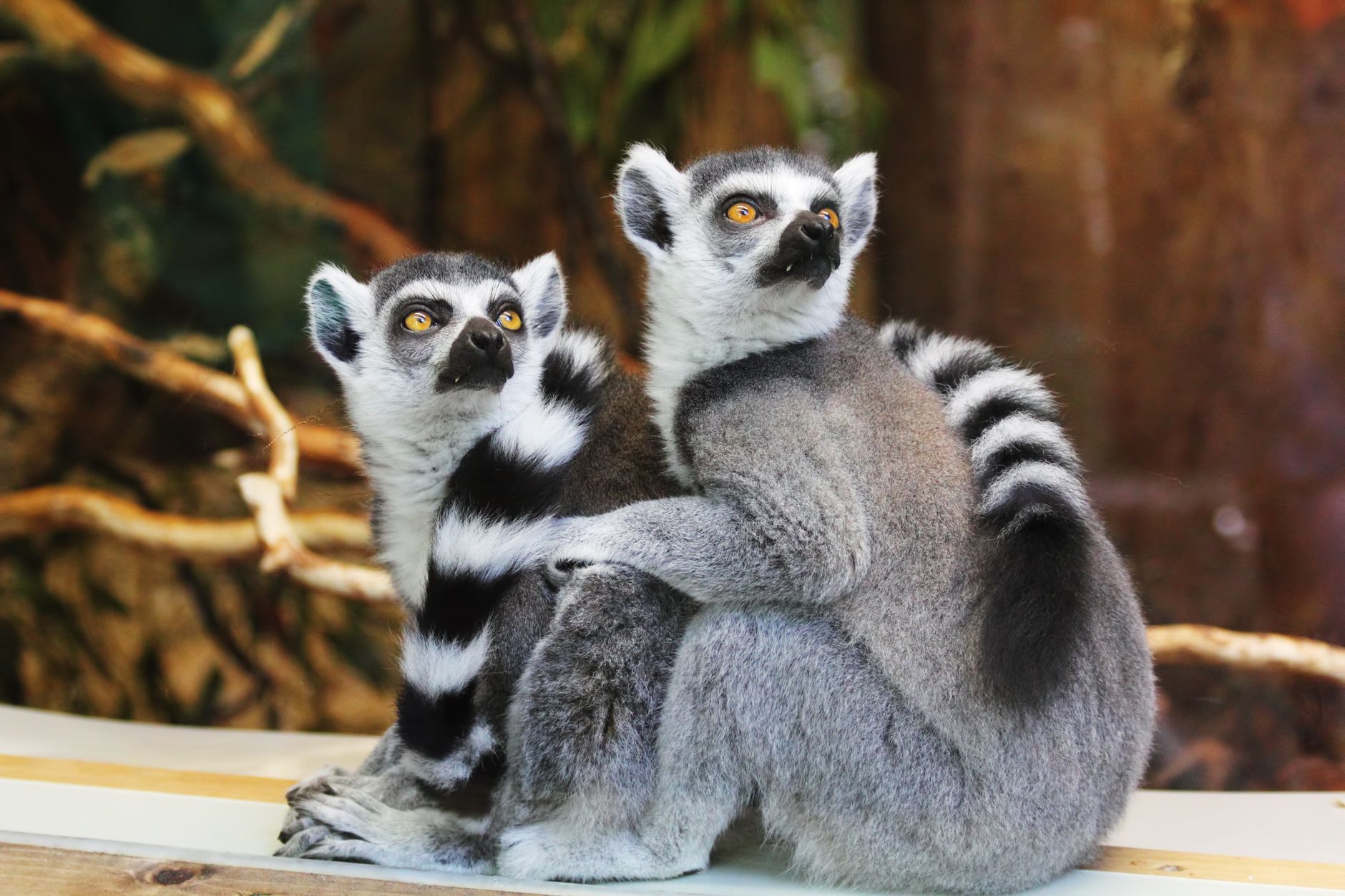
Ring-tailed lemurs resolve disputes not through biting, but through “stink fighting.” Males will rub their tail through scent glands on their wrists and then “waft” the smell at their opponent. The male with the most potent, most repulsive scent wins the argument, and the “loser” retreats in shame. It’s an incredibly civilized way to handle conflict without actually spilling blood. But that’s nothing compared to what we found about #37…
#37 — Hermit Crab “Real Estate” Markets
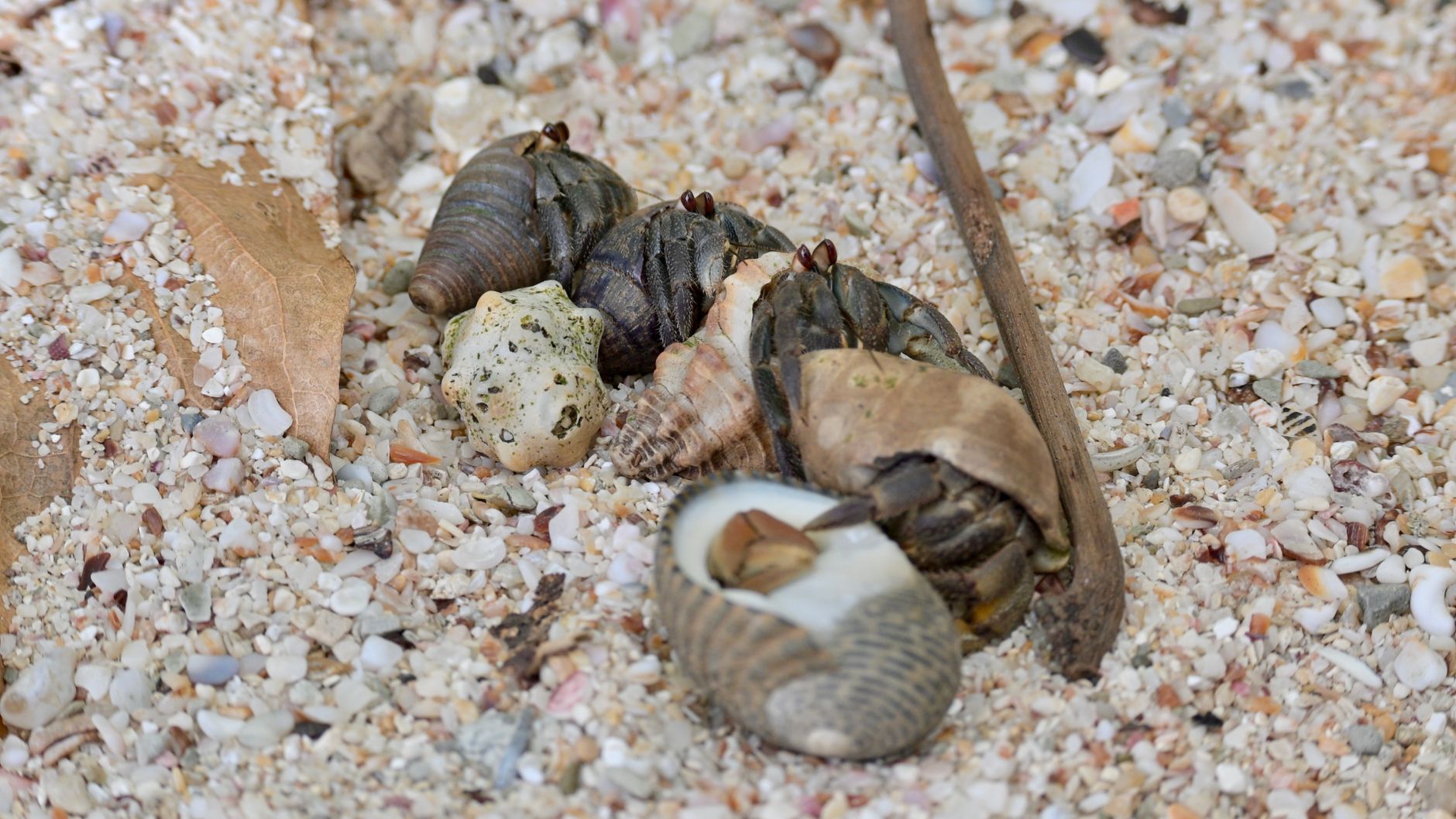
Hermit crabs don’t just find shells; they organize “vacancy chains.” When a new, large shell washes up, crabs will gather in a line from largest to smallest. Once the biggest crab moves into the new shell, the next in line moves into his old one, and so on. It’s a perfectly orchestrated housing market where everyone gets an upgrade. In 2026, we found that crabs who “break the line” are physically attacked by the group for violating the social order. But that’s nothing compared to what we found about #38…
#38 — The “Heroic” Humpback Protection

Humpback whales have been recorded traveling miles to stop Orcas from hunting seals or other small whales. They won’t even eat the animal they save; they simply use their massive bodies to block the Orcas until the prey escapes. Modern researchers believe this is a form of “interspecies altruism” or perhaps a strategic move to weaken their main competitor. Either way, the Humpbacks are the self-appointed “police” of the ocean. But that’s nothing compared to what we found about #39…
#39 — Bonobo “Conflict Resolution” via Intimacy
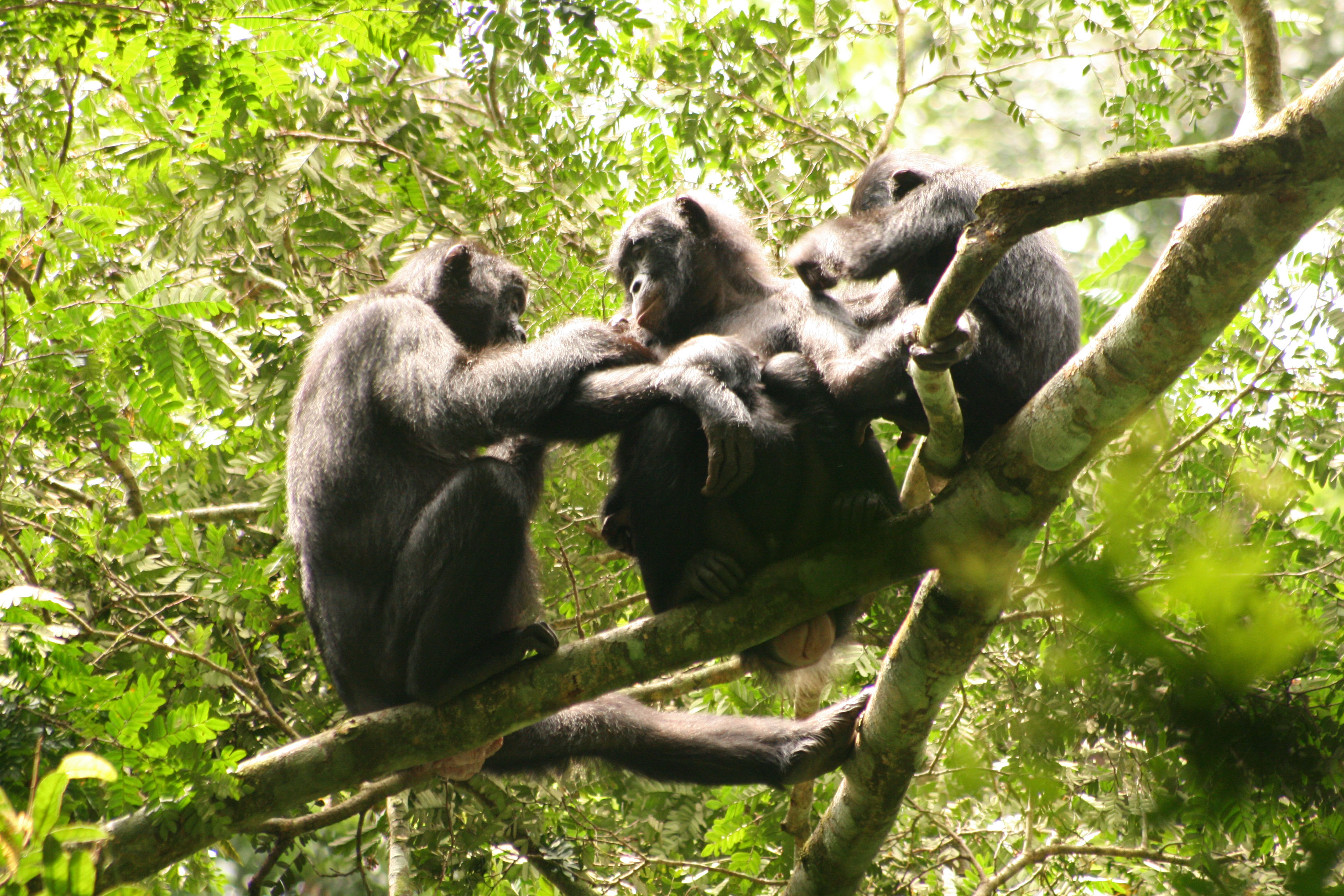
While Chimpanzees use war to solve problems, Bonobos use “tension-release” through physical contact. In 2026, researchers found that Bonobos have zero recorded instances of “war” because they immediately engage in group intimacy the second a conflict arises. This floods their brains with oxytocin, making it impossible to stay angry. They are the only primates that have systematically replaced violence with social bonding. But that’s nothing compared to what we found about #40…
#40 — The Octopus “Punches” Fish

Sometimes, octopuses will punch a fish that is hunting alongside them for no reason at all. 2026 study titled “The Spiteful Punch” confirmed that these hits aren’t accidental; they are “disciplinary” actions taken when a fish isn’t pulling its weight or as a display of dominance. It’s pure, unadulterated saltiness. If you’re a fish and you’re slacking on the job, the octopus will literally “clock” you in the head to remind you who’s boss. But that’s nothing compared to what we found about #41…
#41 — Crow “Vending Machine” Training
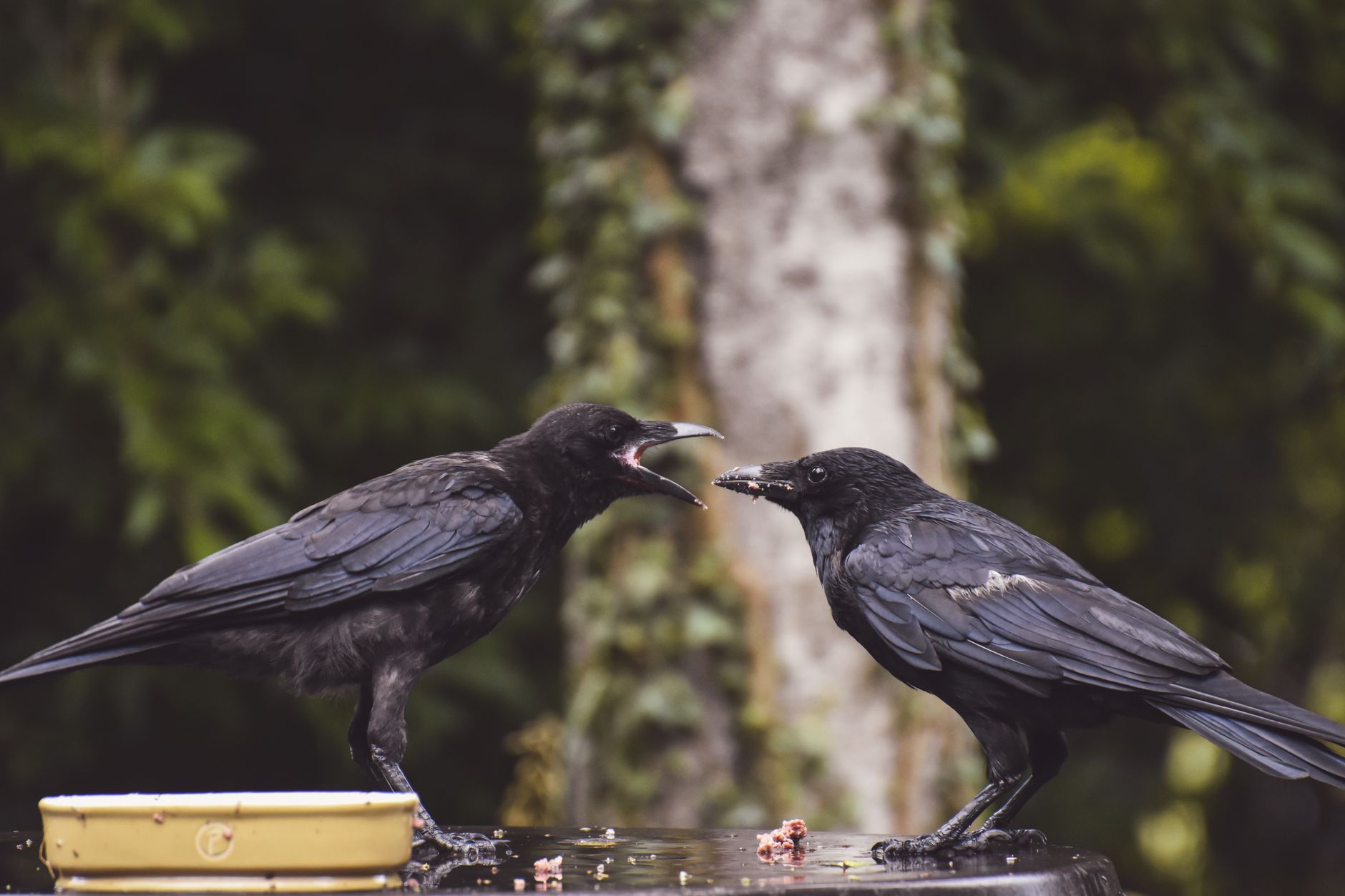
In a 2026 urban experiment, crows were taught to exchange cigarette butts for peanuts using a special vending machine. Within weeks, the crows began “cheating” by breaking a single cigarette butt into three pieces to get three peanuts—showing an advanced understanding of “unit value” and “fraud.” They didn’t just learn the system; they learned how to “hack” the economy for maximum profit. They are officially the smartest urban scavengers on record. But that’s nothing compared to what we found about #42…
#42 — The Woodpecker “Larder” Obsession

Acorn Woodpeckers don’t just store food; they build “granaries” that can hold up to 50,000 acorns in a single tree. The bizarre part found in 2026 is that as the acorns dry and shrink, the woodpeckers move them to slightly smaller holes to ensure a “snug fit” that prevents theft. This requires a constant, 24/7 “inventory management” that makes Amazon’s warehouses look disorganized. They are the obsessive-compulsive hoarders of the forest. But that’s nothing compared to what we found about #43…
#43 — Polar Bear “Calculated Sniping”

Polar bears have been observed using “tools” to kill walruses. Direct observations in 2026 confirmed a bear using a large block of ice to “smash” the head of a sleeping walrus from above. This is a terrifying advancement; it shows that polar bears can calculate gravity, force, and weaponization of their environment. They aren’t just predators; they are engineers of the hunt. But that’s nothing compared to what we found about #44…
#44 — The Butterfly “Drug” Seekers
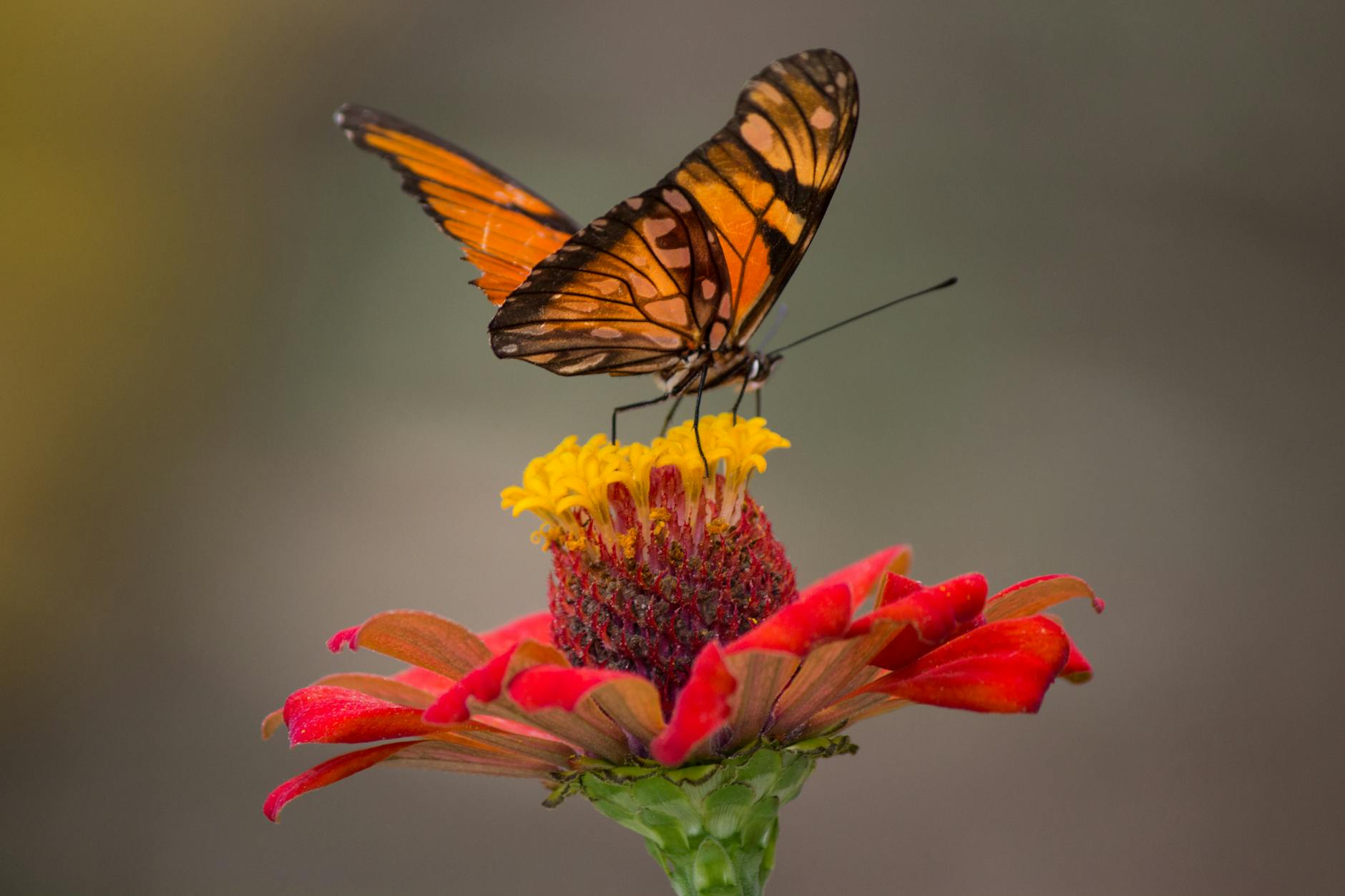
Monarch butterflies are surprisingly “dirty” when it comes to self-medication. When infected by a specific parasite, the butterfly will seek out milkweed with high levels of “cardenolides”—a chemical that is toxic to generalists but kills the butterfly’s parasites. They aren’t just eating; they are “prescribing” themselves medication based on their internal health status. It is a level of biological self-awareness that we previously thought was impossible for an insect.
The Bottom Line
The animal kingdom is far more intelligent, manipulative, and “human” than we ever dared to imagine. From the judicial systems of crows to the fashion trends of orcas, 2026 has proven that “instinct” is just a word we use for biology we don’t yet understand. These 44 behaviors suggest that we are living on a planet filled with sentient, calculating neighbors who are often watching us as closely as we watch them. The line between “human” and “animal” isn’t just blurring—it’s disappearing. Which of these behaviors shocked you the most? Did we miss a bizarre behavior you’ve seen in your own backyard? Drop it in the comments below and let’s discuss!

As a little kid, I fell in love with nature, wildlife, and animals. Living in the USA, South Africa, Italy, China and Germany gave me the opportunity to discover the world's Wildlife. My favorite animals are Mountain Gorillas, Siberian Tigers, and Great White Sharks.
I'm a certified PADI Open Water Diver, went to Everest Base Camp and Trekked Gorillas in Uganda. I hold a Master of Science in Economics and Finance.
Please send any feedback to feedback@animalsaroundtheglobe.com
- 10 Most Unique Reptiles You will See in the US - July 21, 2026
- 3 Dangerous Invasive Species the USA Must Eradicate - July 21, 2026
- 10 Things That Calm Cats And 4 That Make Them Nervous - July 21, 2026