

Godzilla (1998)
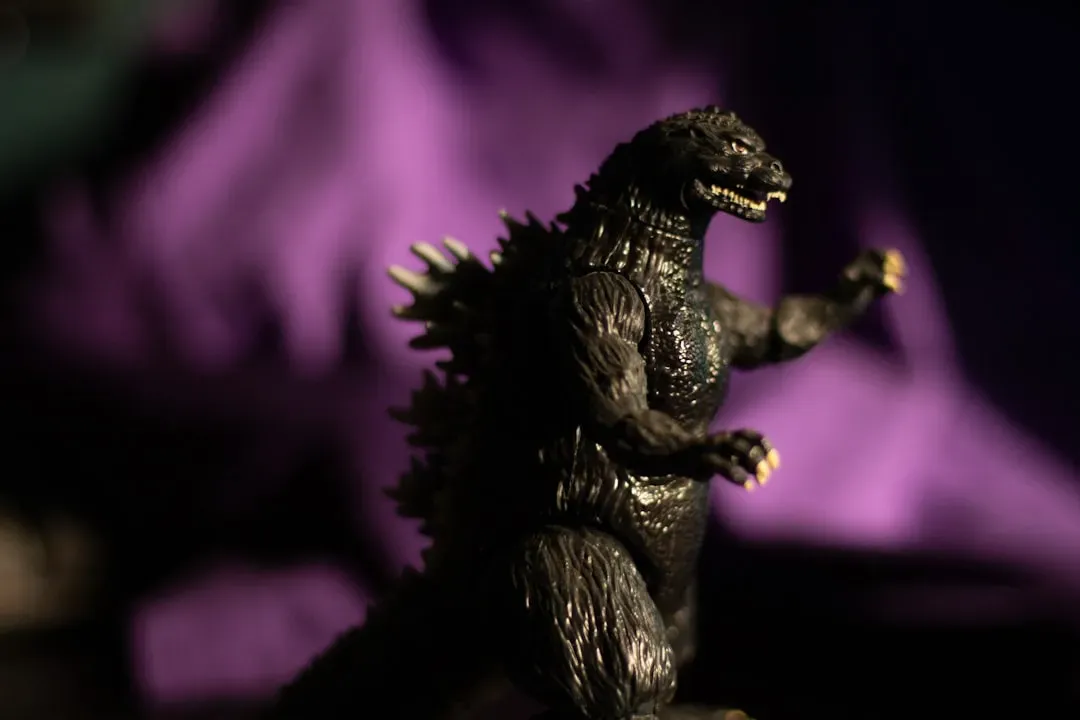
The 1998 American take on the famous monster arrived with massive marketing and high expectations. Critics quickly pointed out the slow pacing and a creature design that felt more like a generic lizard than the iconic kaiju. Audiences still showed up in droves during opening weekend.
Over time the movie found a second life on cable and home video. Viewers began quoting the cheesy dialogue and laughing at the military hardware on display. Its blend of spectacle and unintentional humor kept it circulating in late night rotations long after the initial disappointment faded.
Baby: Secret of the Lost Legend (1985)
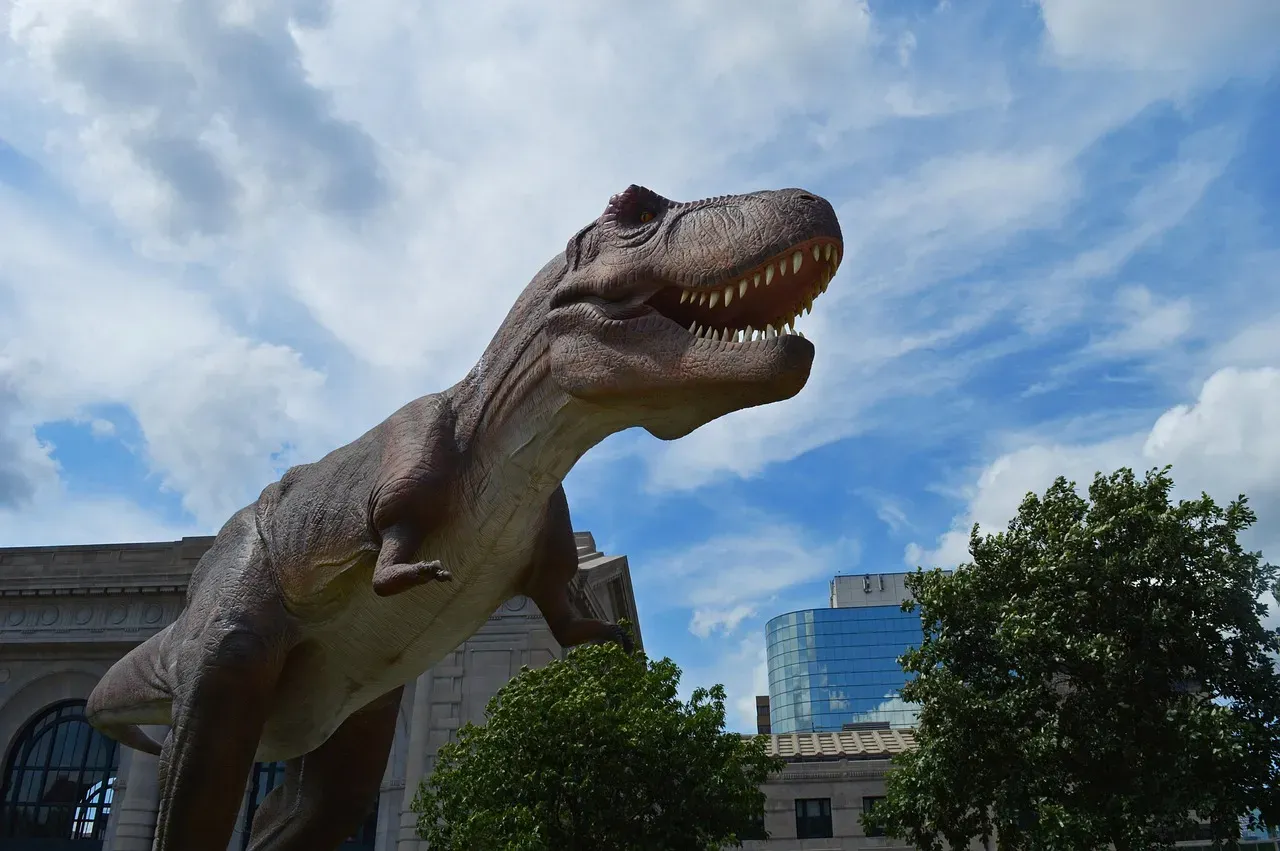
Disney released this adventure about a family discovering living dinosaurs in Africa. The practical effects mixed with early computer graphics produced results that looked dated almost immediately. The story leaned heavily on family friendly sentiment that some found overly sweet.
Despite the mixed reception at the time, the film developed a small following among fans of 1980s family fare. People appreciated the earnest attempt to bring gentle dinosaurs to the screen. Its light tone and occasional moments of genuine wonder made it a nostalgic comfort watch for those who grew up with it.
Theodore Rex (1995)
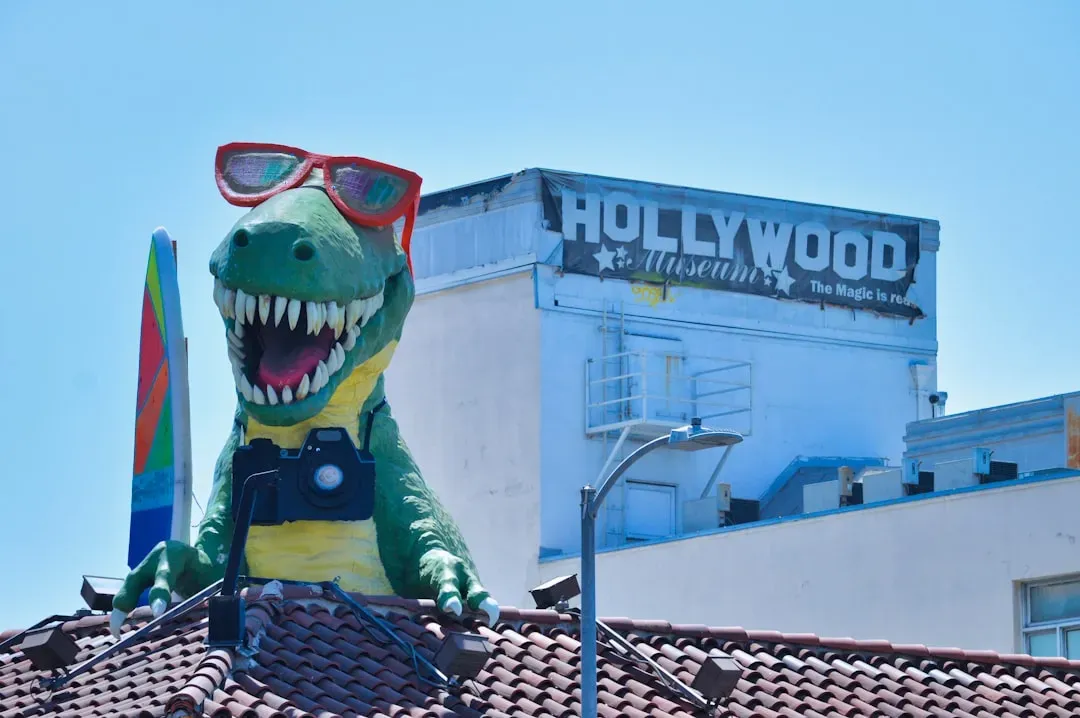
This buddy cop comedy paired a detective with a wisecracking dinosaur in a futuristic setting. The premise alone invited skepticism, and the execution delivered uneven comedy alongside visible budget constraints. Whoopi Goldberg carried much of the load opposite the animated creature.
The movie quickly faded from theaters yet resurfaced in video stores and later streaming libraries. Its sheer oddity became the main draw. Viewers returned for the bizarre pairing and the way the film leaned into its own ridiculousness without apology.
The Valley of Gwangi (1969)
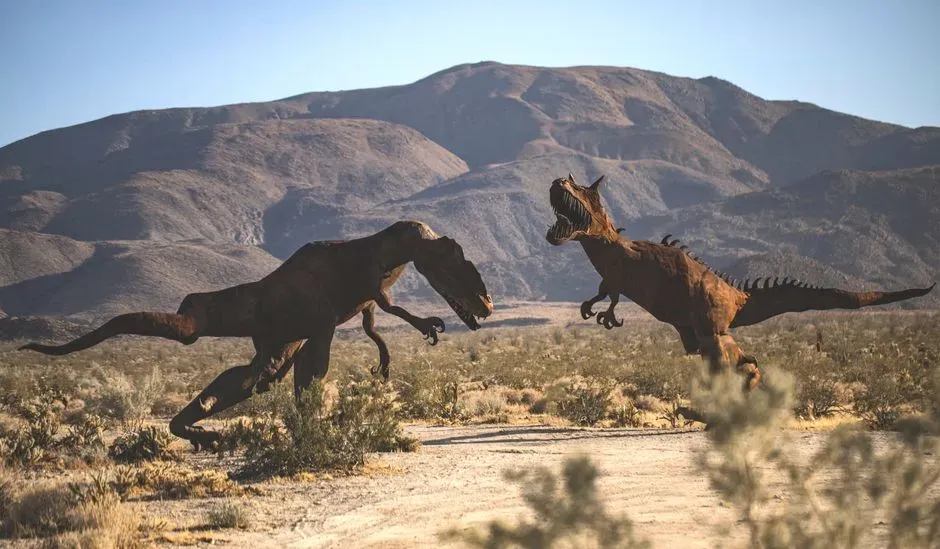
Ray Harryhausen supplied the stop motion dinosaurs for this western set in a hidden valley. The story combined cowboys and prehistoric beasts in a way that felt like two genres awkwardly mashed together. Some sequences showed impressive craft while others revealed the limits of the technique.
Over decades the film earned respect among animation enthusiasts for its technical ambition. Casual viewers discovered it through television broadcasts and appreciated the colorful action. The contrast between the dusty frontier setting and rampaging creatures gave it a unique flavor that lingered in memory.
One Million Years B.C. (1966)
Raquel Welch starred in this prehistoric adventure that relied on Harryhausen creatures and minimal dialogue. The script offered little beyond survival struggles and dramatic encounters with dinosaurs. Production values varied sharply between live action and animated sequences.
The film became known more for its striking poster image than its narrative depth. Later generations watched it for the creature effects and the campy atmosphere. Its straightforward approach to spectacle without modern polish turned it into a reference point for how dinosaur movies once looked and felt.
The enduring appeal of these films lies in their willingness to take big swings even when the results fell short of polished entertainment. They remind viewers that technical shortcomings can sometimes create space for personality and repeat viewings that slicker productions never achieve. In the end the dinosaurs keep coming back because audiences enjoy the ride more than they mind the bumps along the way.
- 12 Dog Breeds That Stay Healthy Well Into Old Age - July 29, 2026
- 11 Incredible Adaptations That Allow Animals to Survive Extreme Cold - July 29, 2026
- 8 Striking Facts About the Oryx: The Desert’s Living Spear - July 29, 2026