


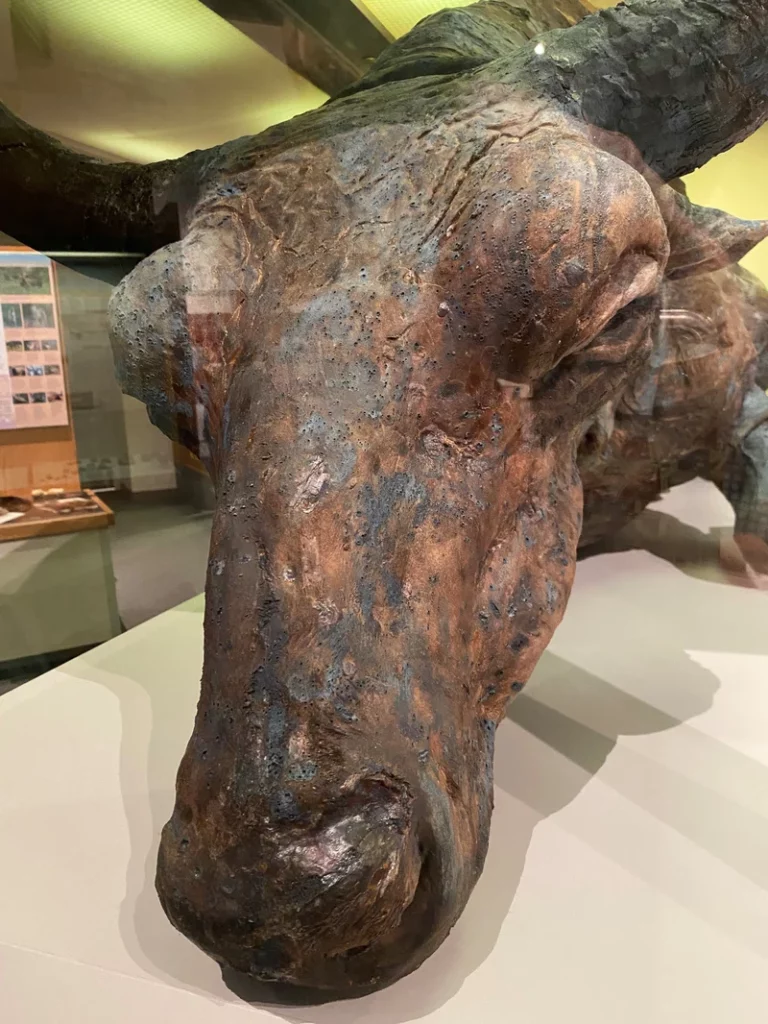
In 1979, two gold miners in Fairbanks, Alaska, made an extraordinary discovery: the frozen carcass of a steppe bison.
The Significance of Blue Babe

🔥 Would you like to save this?
We'll email this post to you, so you can come back to it later!
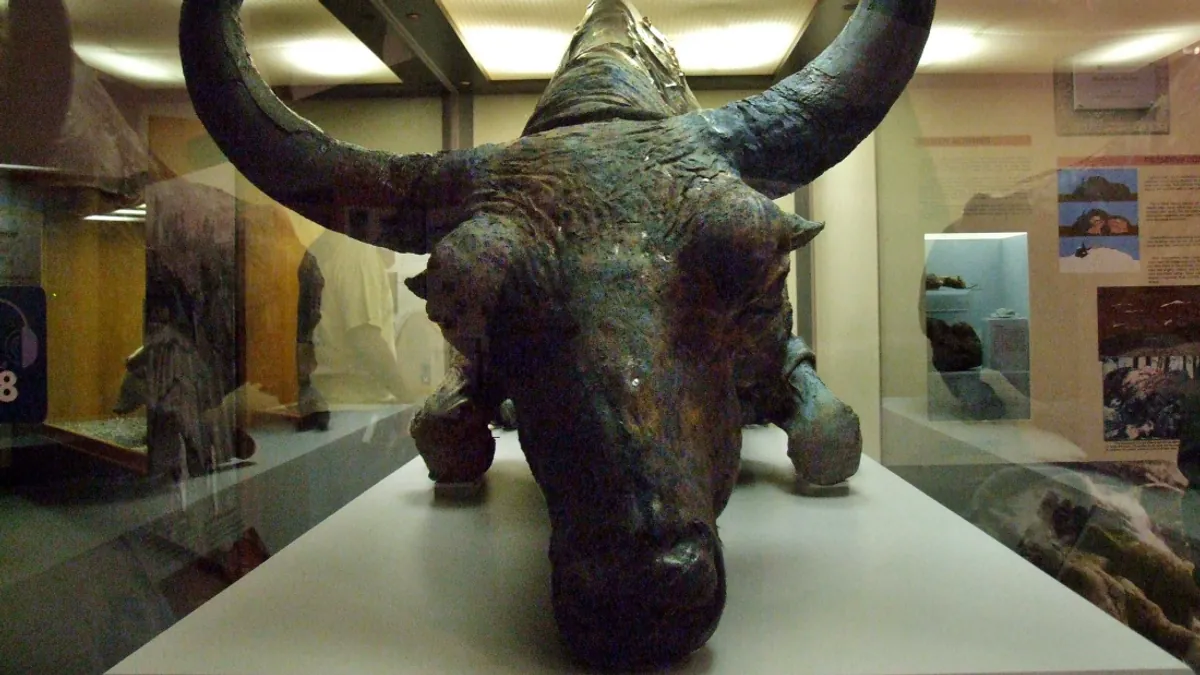
This bison, later named Blue Babe, was identified as a steppe bison from the Pleistocene era, estimated to be 50,000 years old.
The Role of Dale Guthrie

🔥 Would you like to save this?
We'll email this post to you, so you can come back to it later!
Paleontologist Dale Guthrie led the excavation of Blue Babe, taking measures to preserve the carcass until the summer thaw.
The Unusual Culinary Experiment
🔥 Would you like to save this?
We'll email this post to you, so you can come back to it later!
Guthrie used some of the bison’s neck meat to prepare an ancient bison stew, providing a unique connection to the Ice Age.
The Recipe for Blue Babe Stew
🔥 Would you like to save this?
We'll email this post to you, so you can come back to it later!
The stew highlighted the preservation quality of Blue Babe and allowed for an unusual culinary exploration of prehistoric life.
Understanding the Pleistocene Era
🔥 Would you like to save this?
We'll email this post to you, so you can come back to it later!
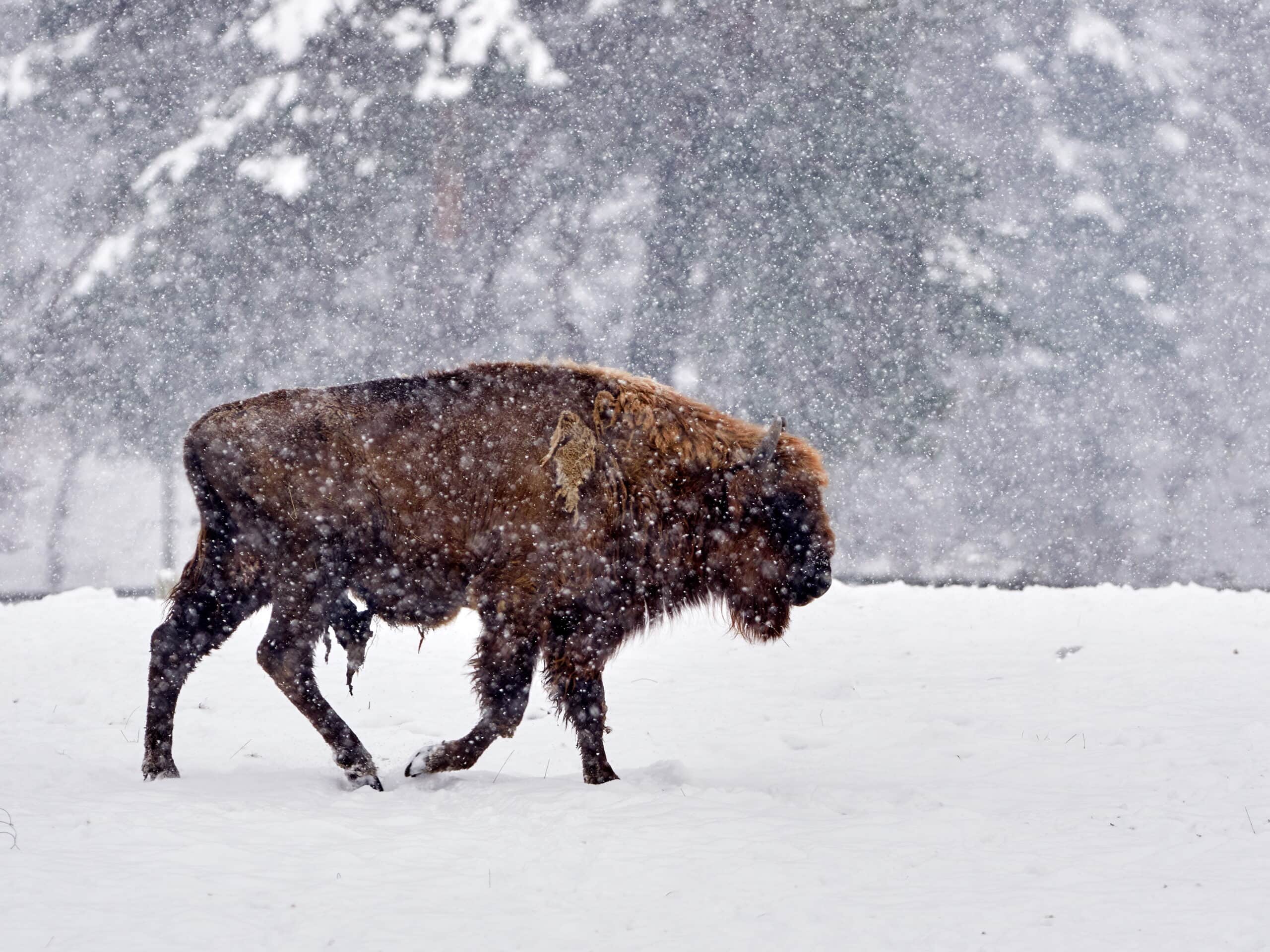
Blue Babe was a steppe bison, a species that thrived during the Ice Age but is now extinct.
The Predator’s Attack

🔥 Would you like to save this?
We'll email this post to you, so you can come back to it later!
Evidence showed that Blue Babe died from an attack by a large predator, possibly an ancestor of the African lion.
Preserving Blue Babe

🔥 Would you like to save this?
We'll email this post to you, so you can come back to it later!
Guthrie’s approach to preserving Blue Babe set a standard for handling similar discoveries in frozen environments.
The Bluish Coating

🔥 Would you like to save this?
We'll email this post to you, so you can come back to it later!
The blue hue of the carcass, caused by vivianite, led scientists to name the bison “Blue Babe.”
Insights into the Ice Age

🔥 Would you like to save this?
We'll email this post to you, so you can come back to it later!
Blue Babe provided detailed insights into the fauna, environment, and predator-prey relationships of the Pleistocene era.
Ongoing Research

🔥 Would you like to save this?
We'll email this post to you, so you can come back to it later!
Blue Babe continues to be a valuable subject of study, contributing to our understanding of ancient ecosystems.
Public Fascination
🔥 Would you like to save this?
We'll email this post to you, so you can come back to it later!
The discovery of Blue Babe captured public imagination and sparked interest in paleontology and ancient life.
Educational Value

🔥 Would you like to save this?
We'll email this post to you, so you can come back to it later!
Exhibits and educational programs featuring Blue Babe help raise awareness about the Ice Age and the importance of preserving such finds.
The Future of Paleontology

🔥 Would you like to save this?
We'll email this post to you, so you can come back to it later!
Ongoing technological advancements promise to uncover even more details about Blue Babe and other ancient creatures.
Conservation Efforts
🔥 Would you like to save this?
We'll email this post to you, so you can come back to it later!
The discovery underscores the importance of conservation efforts in preserving not only current wildlife but also ancient specimens.
Conclusion

🔥 Would you like to save this?
We'll email this post to you, so you can come back to it later!
The story of Blue Babe, the 50,000-year-old bison, is a fascinating journey from its Ice Age existence to its discovery in 1979 and beyond. This remarkable find continues to offer valuable insights and stirs public interest in the ancient world.
Next Up:
One Herd of 170 Bison Could Help Store CO2 Equivalent of 43,000 Cars in Romania

For any feedback please message Feedback@animalsaroundtheglobe.com
- 10 Facts onMiniature Teacup Poodles - November 4, 2026
- The 12 Ugliest-Looking Animals Ever - October 29, 2026
- The Secrets of the Adorable Baby Squirrels - October 14, 2026