

When we think about nature, most of us picture breathtaking landscapes, adorable baby animals, or majestic predators roaming free. We tend to romanticize the animal kingdom as this peaceful, balanced ecosystem where everything just works in harmony. The reality? Nature can be ruthless, shocking, and downright disturbing.
Beneath all the cuteness and beauty lies a world of brutal survival strategies that would make even the most hardened horror fan squirm. From mothers consuming their own babies to violent gang attacks, the animal world operates by rules that can seem cold and merciless. So let’s dive into six unsettling facts that show the darker side of wildlife.
Dolphins Torture Porpoises Just For Fun
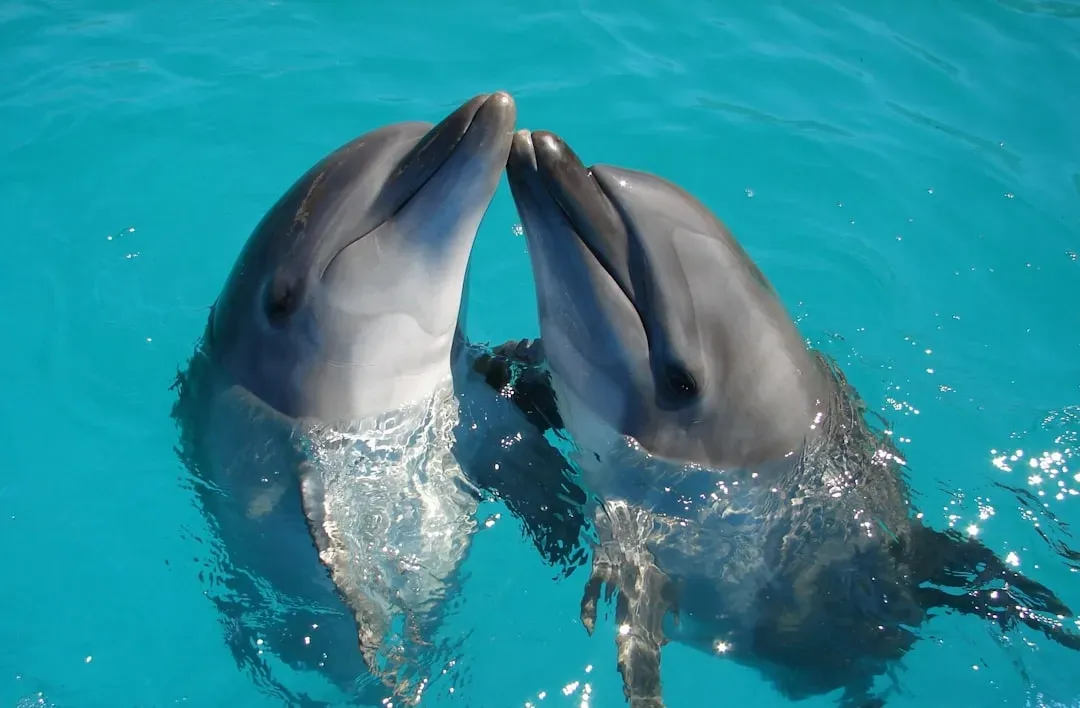
We’ve all been taught that dolphins are intelligent, friendly ocean buddies who supposedly save drowning humans. The truth is far more sinister.
Dolphins have been observed kidnapping porpoises, especially younger ones, and continually torturing them as though the dolphins are a gang, often depriving the porpoises of oxygen until they die and mauling them in the process. Here’s the disturbing part: they don’t do this for food, and they could have driven out the porpoises if this was just about territory.
These marine mammals appear to engage in violent behavior purely for entertainment or sadistic pleasure. Scientists studying these patterns have found evidence suggesting many appear to actively enjoy partaking in hyperviolent patrols. It’s hard to reconcile this image with the smiling, playful creatures we see in aquariums, yet this behavior reveals something deeply unsettling about animal cognition.
Honestly, knowing that dolphins can exhibit what essentially amounts to gang violence makes you reconsider those romantic “swim with dolphins” vacation packages.
Lions Practice Strategic Infanticide and Cannibalism
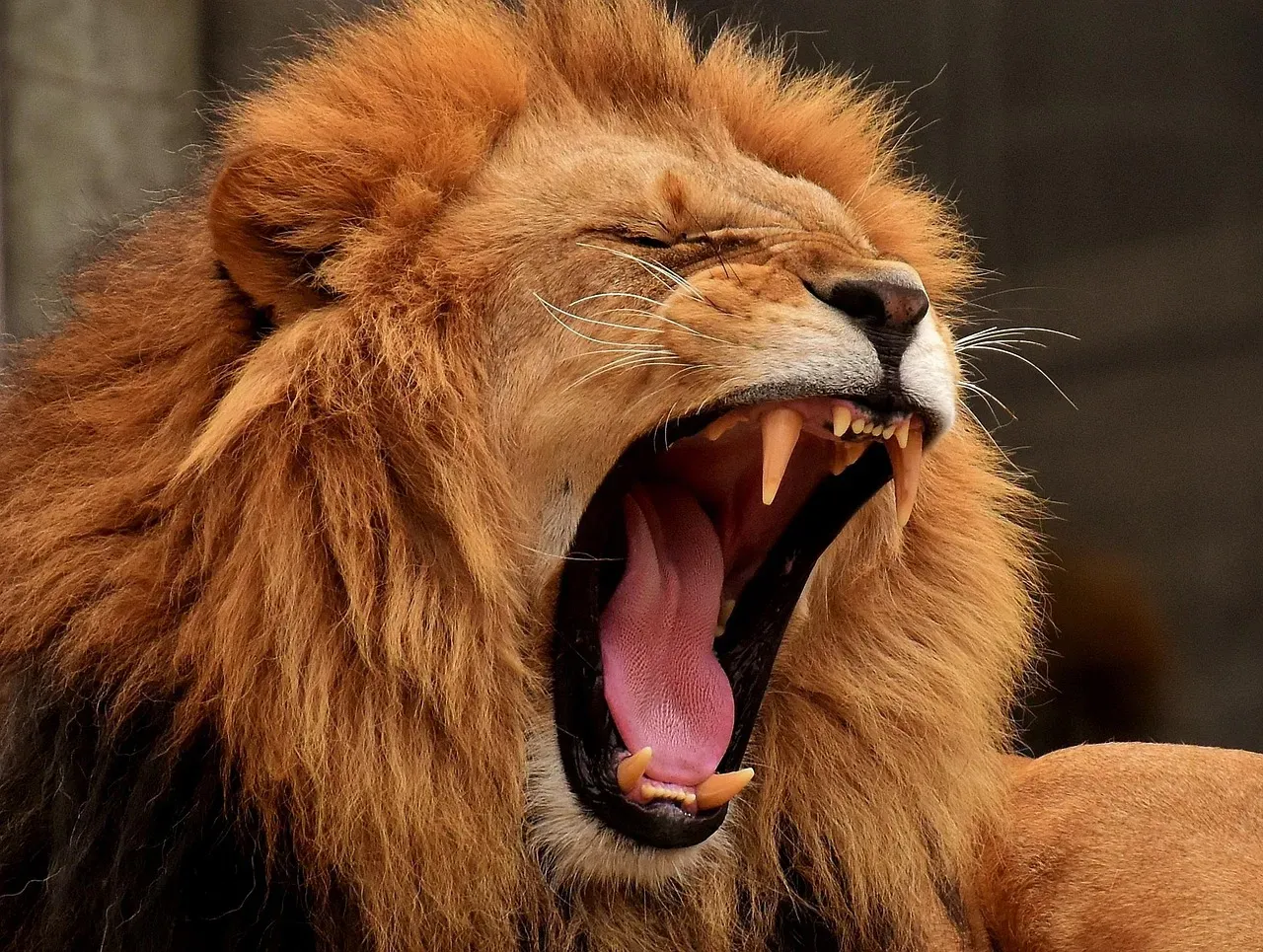
When a new male takes over a pride he will commonly kill any existing cubs, as he doesn’t want to become a step-father, investing resources into young that aren’t his own, and it also means that he can breed with the mothers more quickly. This calculated brutality serves a clear evolutionary purpose, yet it’s chilling in its cold efficiency.
Occasionally, but not always, this will involve cannibalism. Female lions have also been known to do this, sometimes leaving some cubs to starve first and then immediately eating their carcasses.
Lion cubs face a rough time, and if a new male lion takes over a pride, he will almost certainly kill any cubs that aren’t his and then immediately impregnate the females himself. What makes this even more disturbing is the systematic nature of it. This isn’t random violence or accidental harm. It’s a deliberate reproductive strategy that’s been perfected over millions of years of evolution.
The lionesses themselves can’t always protect their young from these takeovers, leading to a brutal cycle that repeats generation after generation.
Hamsters Cannibalize Their Own Babies
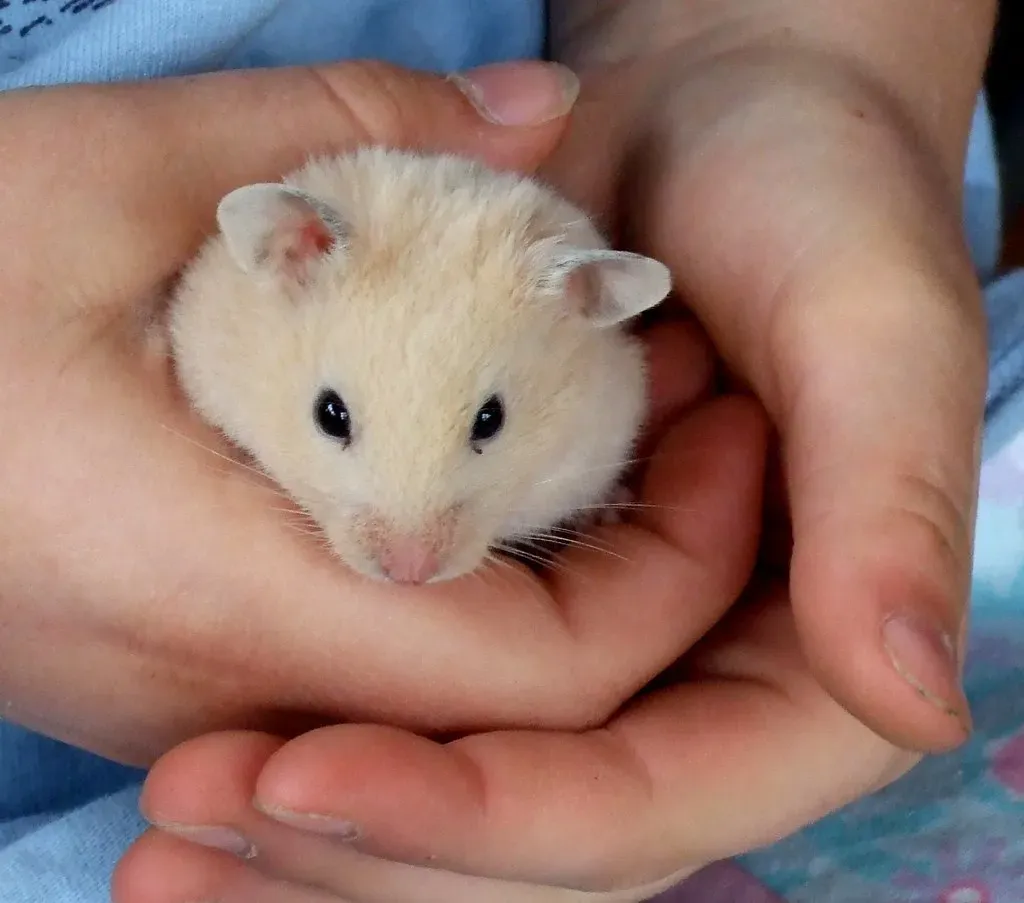
Your child’s adorable pet hamster has a horrifying secret. Cute and cuddly hamsters can turn cannibalistic under stress or lack of food, and they might eat their offspring or weaker cage mates.
Even cute little pet hamsters are capable of cannibalism, as mothers are known to sometimes eat their own newborn babies, both in captivity and the wild. It is thought that they do this only when they are deficient in important vitamins and minerals, as with hippos, it is a gruesome solution to a problem of extreme scarcity.
Let’s be real: discovering that the fluffy creature your kid cuddles at night might devour its own young under stress is genuinely unsettling. Occasionally the costs of damaging your own breeding success are worth the benefits of a meal. This behavior demonstrates that even the most innocent-looking creatures can exhibit shocking survival instincts when pushed to their limits.
Chimpanzees Commit Cannibalism Without Evolutionary Reason
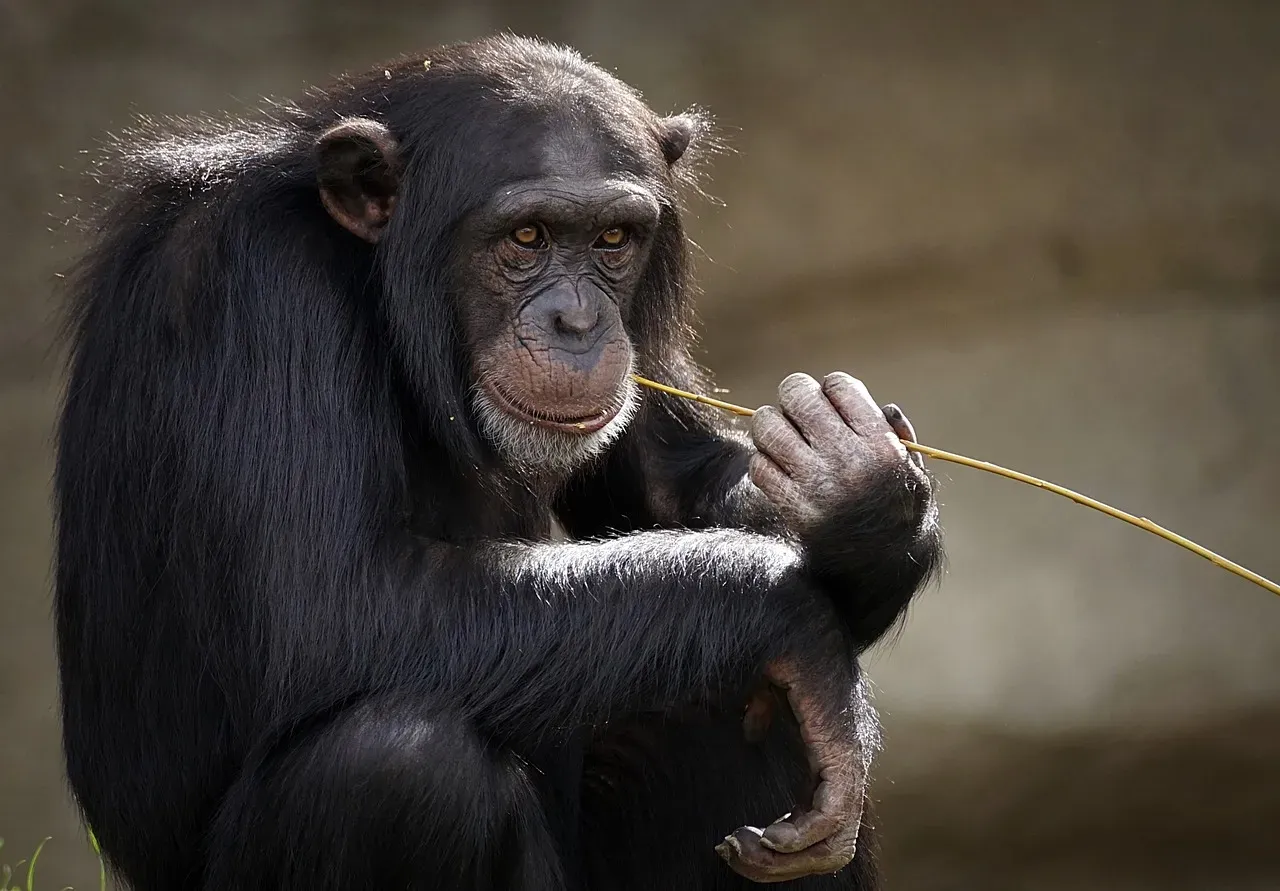
Chimpanzees share roughly 98 percent of their DNA with humans, making their darker behaviors particularly disturbing to witness. After Jane Goodall observed chimpanzees repeatedly cannibalizing infants without an evolutionary reason, some scientists started to suspect that chimpanzees and many similar creatures could perhaps be capable of real psychopathy, and after more studies were conducted, animal behavioral experts and psychologists seemed convinced that there was a possibility of real psychopathy here.
Although primarily herbivorous, chimpanzees do enjoy eating meat occasionally, hunting for monkeys and bush pigs. Yet their infanticide goes beyond simple nutrition. Adults of primate populations often cannibalize the infant they kill, thereby gaining nutritive benefits from the action.
Intelligent animals seem to exhibit the same personality defects as humans when they are not properly socialized. The implications here are genuinely frightening. If our closest evolutionary relatives can develop psychopathic tendencies, it raises uncomfortable questions about the nature of violence and cruelty in all intelligent species.
Sand Tiger Sharks Cannibalize Each Other in the Womb
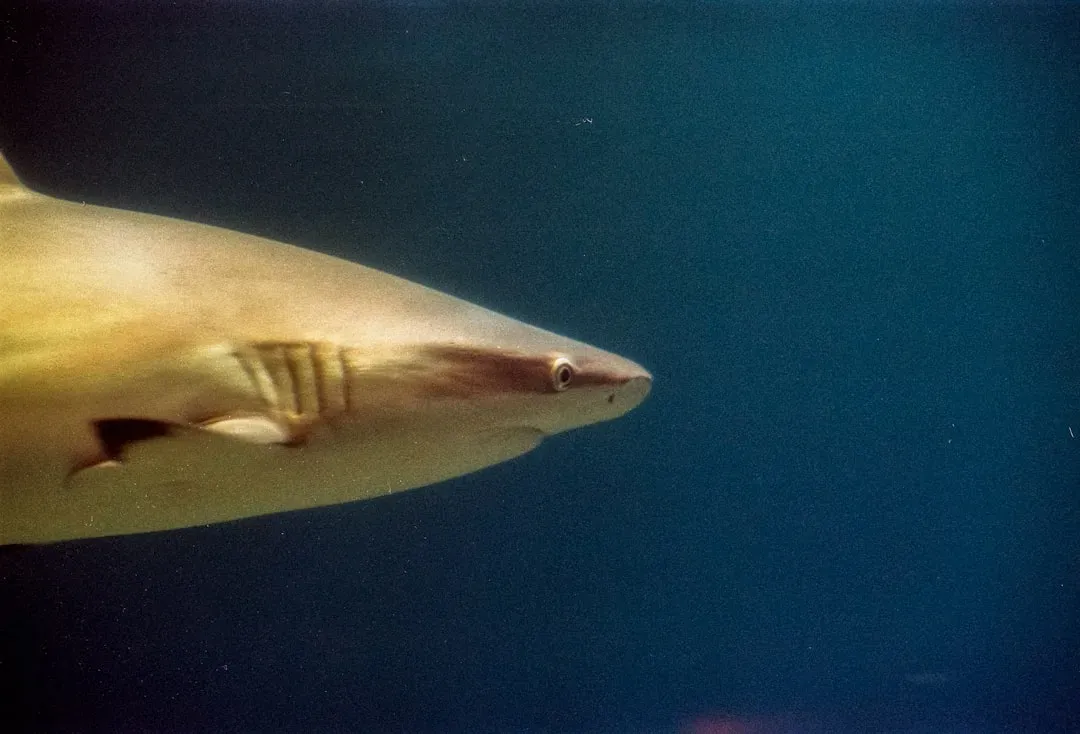
Before they’re even born, sand tiger sharks engage in one of nature’s most brutal survival contests. Sand tiger sharks cannibalize each other before they’ve even left the womb, with researchers having long documented sand tiger shark embryos in the stomachs of other embryos, with pups attacking and eating their womb mates as they develop, and this cannibalism means that only the biggest, strongest offspring survive.
Imagine the ultimate sibling rivalry taken to its most extreme conclusion. The developing embryos literally hunt and consume their brothers and sisters while still inside their mother. The process of cannibalism within the mother’s body ensures a smaller gene pool that prioritizes the strongest, and the nutrients gained through the process also ensures that the sand tiger sharks that are born are stronger and more capable.
I think what makes this particularly shocking is that it happens so early. These aren’t adults competing for mates or territory. These are unborn creatures already locked in mortal combat before they’ve even seen daylight.
Prairie Dogs Kill Their Relatives’ Babies
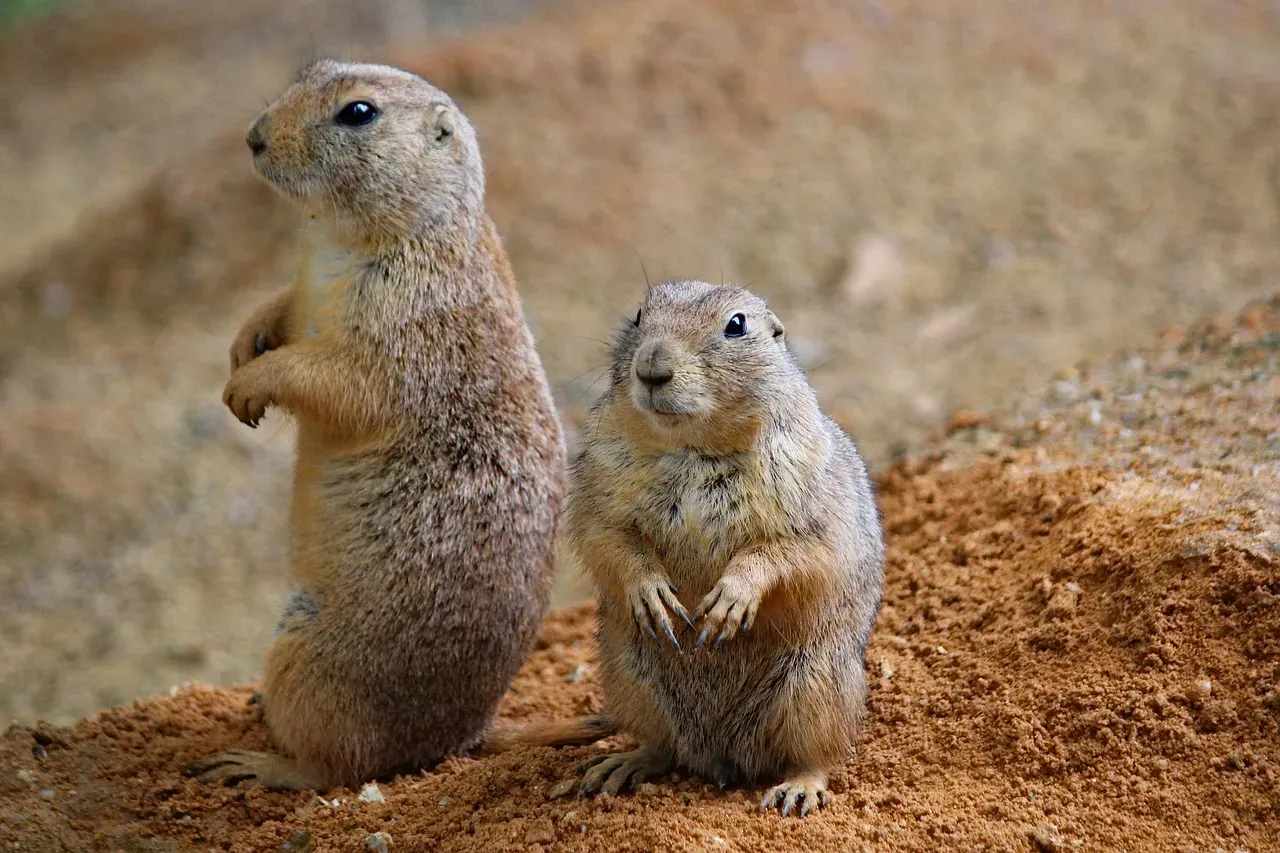
Up to a third of offspring can fall victim to infanticide in black-tailed prairie dog communities, and the issue is most prolific in these communities. What makes this behavior particularly disturbing is who commits the violence.
Normally it’s not the mother, father, or even a competing male that kills the young; instead, female family members of the mother will kill and eat her litter when she leaves for an extended bout of foraging. These aren’t strangers or rivals. These are aunts, sisters, and cousins murdering their own kin.
There are a number of reasons for the commonality of this brutal behavior, including that it leaves more resources for the litter of the prairie dog that committed the crime, and it also means that the grieving mother will have more time to help out raising the extended family once the short grieving process is over. It’s also hypothesized that prairie dog mothers may act in this way preemptively, as a way to prevent a sibling from doing the same to their own litter.
The calculating nature of this violence within family groups reveals how ruthlessly evolution has shaped behavior, even overriding what we might assume are natural familial bonds.
Conclusion
Nature doesn’t operate according to human morality. These six examples barely scratch the surface of the shocking behaviors found throughout the animal kingdom. From in-utero cannibalism to strategic infanticide, the natural world is governed by survival and reproduction above all else.
These behaviors might seem cruel or psychopathic through our human lens, yet they’ve persisted precisely because they work from an evolutionary standpoint. Each horrifying strategy increases an animal’s chances of passing on its genes, even if it means sacrificing others in the process. Perhaps the most unsettling realization is that these dark behaviors aren’t aberrations or malfunctions. They’re features, not bugs, carefully honed over millions of years.
Did you expect nature to be quite this brutal? What do you think about these survival strategies? Share your thoughts in the comments.
