

Most pet owners genuinely love their animals. They buy the good food, schedule the vet visits, and keep the water bowl full. Yet even the most devoted owners can unknowingly introduce stress into their pet’s daily life through perfectly ordinary habits.
As humans, we tend to think about stress as a long day at work or a tense social interaction. Stress in pets, however, is often synonymous with anxiety or fear. The tricky part is that stress in pets can manifest in a variety of ways, often through subtle behavioral or physical changes that may go unnoticed at first. While some signs are obvious, others like changes in appetite, grooming habits, or posture can be more difficult to detect.
Understanding where that stress comes from is the first step toward doing something about it.
1. Leaving Them Alone for Too Long

Separation anxiety is triggered when dogs become upset because of separation from their guardians, the people they’re attached to. It’s one of the most common and least recognized sources of pet stress, and it often develops gradually rather than all at once.
One of the most common complaints of pet parents is that their dogs are disruptive or destructive when left alone. Their dogs might urinate, defecate, bark, howl, chew, dig, or try to escape. Although these problems often indicate that a dog needs to be taught polite house manners, they can also be symptoms of distress.
Cats with separation anxiety can also show inappropriate urination or defecation, excessive vocalization such as loud persistent meowing, eating too fast or not at all, vomiting, excessive grooming, and destructiveness like shredding curtains or furniture.
Moving to a new home, changes in work schedules, the addition or loss of family members, or alterations in daily routines can all contribute to anxiety development. Pets are creatures of habit who thrive on predictability, and significant disruptions to their established patterns can create stress that manifests as separation anxiety.
2. Inconsistent Rules and Mixed Signals
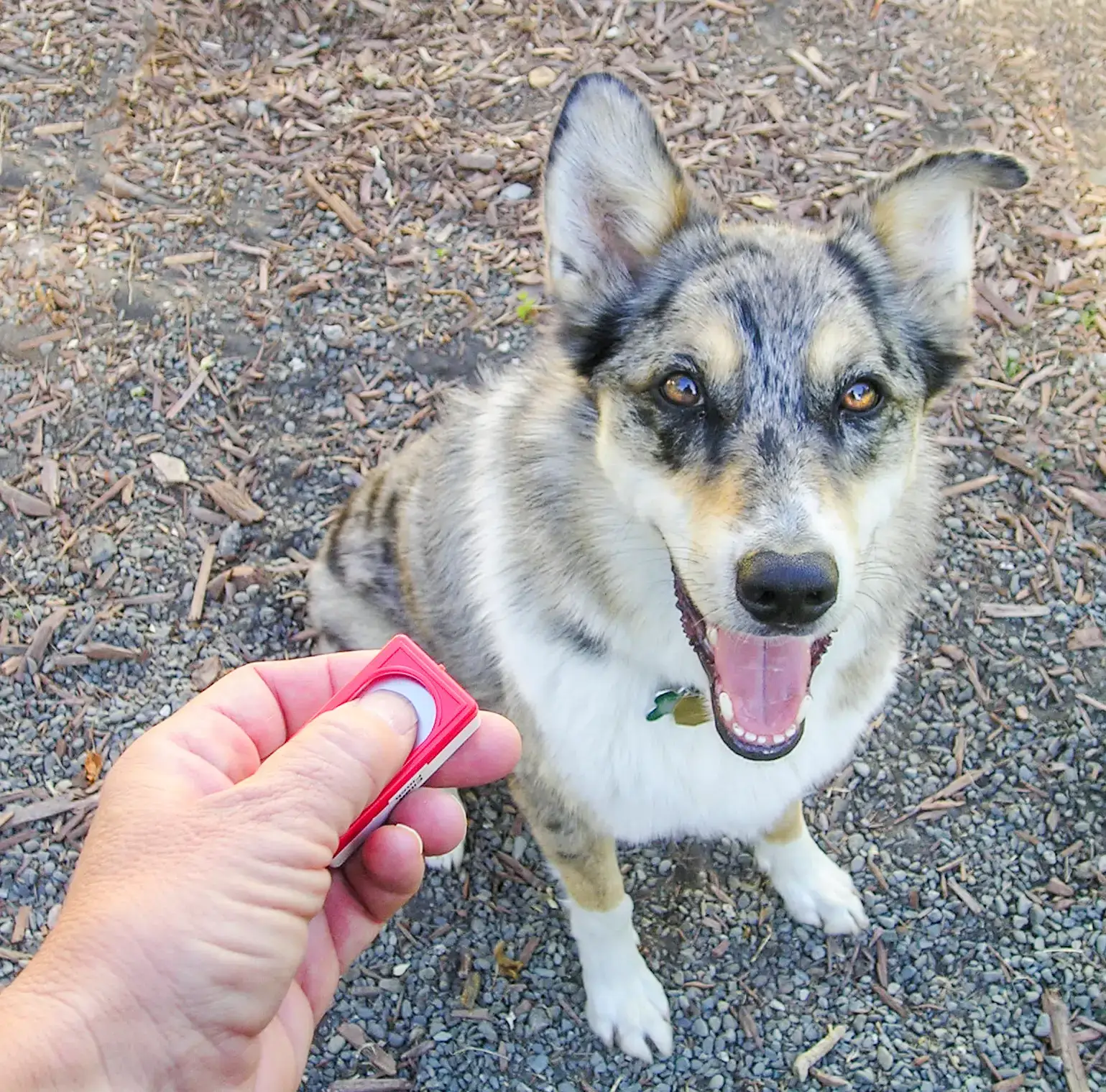
Allowing a dog to jump on guests one day but scolding them for it the next creates confusion. This inconsistency can lead to anxiety and stress, as the dog struggles to understand what is expected of them.
Dogs need consistent and clear guidelines for what is acceptable and desirable behavior. Inconsistent discipline can confuse your dog and cause stress. The same applies to cats, who rely on predictable social signals to feel secure in their environment.
Negative discipline techniques can cause confusion and actually result in new problems. Reinforcing the behavior that is desired versus focusing on the behavior that is not will help your pet understand what is expected consistently.
Yelling, hitting, shocking, and other aggressive training methods can cause and heighten stress as well as negatively impact future behaviors. Calm, reward-based approaches aren’t just kinder. They’re genuinely more effective at preventing anxiety.
3. Disrupting Their Daily Routine
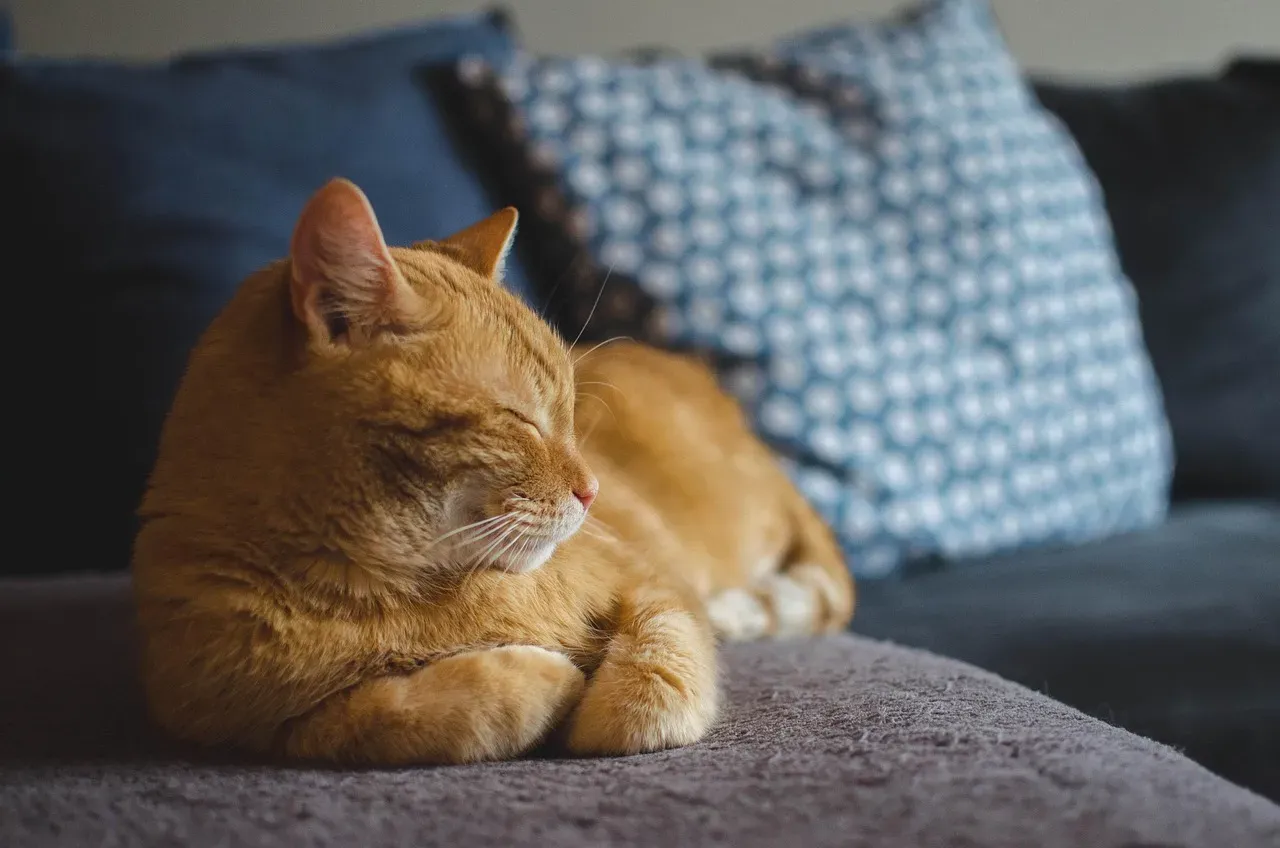
Just like their human counterparts, lack of predictability and scheduling can result in anxiety and undesirable behaviors. Knowing when to expect interaction, activity, and attention can help your pet feel like they are in control of their environment.
Cats are highly sensitive creatures that thrive on routine and stability. Unlike dogs, who often display outward signs of stress, cats tend to internalize their anxiety, making it more challenging to recognize when something is wrong.
Routine creates security. Consistency helps regulate emotional responses and helps a pet relax naturally. Something as seemingly minor as shifting feeding times by an hour or changing the order of a morning walk can create ripple effects in a pet’s sense of safety.
Introductions of new pets or humans into the household, moving residences, illness or trauma, punishment for natural behaviors, or anything that disrupts a pet’s normal routine are all recognized stressors. Whenever a household change is unavoidable, keeping as many other routines intact as possible makes a real difference.
4. Bringing Your Own Stress Into the Room

This one surprises a lot of people. Your stress can directly impact your pets. Cats and dogs can sense human emotions and may show signs of anxiety or behavioral problems when they feel the stress from their owners.
Pets can even catch stress from their super-stressed humans. Research has shown that dogs with chronically stressed humans can also suffer from chronic stress. The emotional connection between pets and their owners runs deeper than most people realize.
When pets pick up on their owner’s stress, it can lead to anxiety that affects their mental wellbeing and physical health. This could result in symptoms like over-grooming or digestive issues for both cats and dogs.
Approaching new and stressful experiences without fear is important. Calm reassurances, happy and cheerful tones, and relaxed posture can all help your pet feel more comfortable in uncomfortable situations. Pets read body language constantly, and a tense household rarely stays a calm one for them.
5. Skipping Mental Stimulation and Physical Exercise
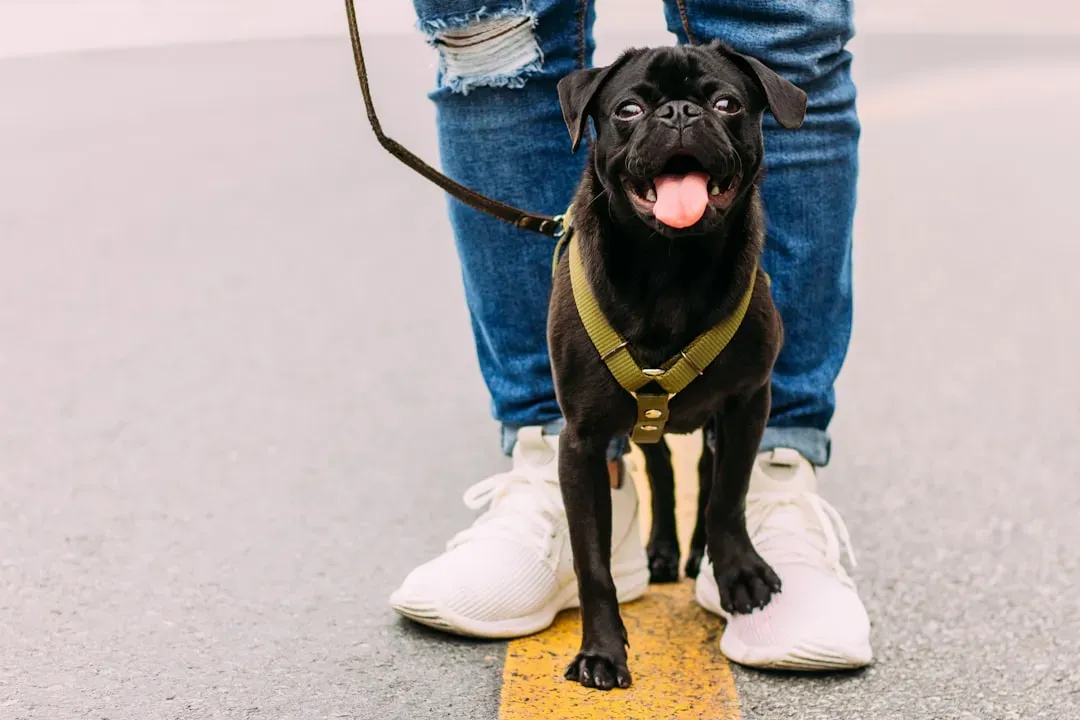
Even though some of them may look like couch potatoes, dogs are natural scavengers and hunters. Without a productive outlet for their energy or enough mental stimulation, anxiety and destructive behaviors can manifest.
Engaging your pet’s mind and body by providing mental and physical stimulation is essential. Interactive toys, puzzle feeders, and regular play sessions help keep them active and mentally sharp.
Most dogs love their walks. Not only are they good for their physical health, but walks will help a dog’s mental wellbeing too, having lots of things to sniff, look at, and enjoy.
Stress can affect pets’ physical wellbeing in addition to their mental wellbeing. At least one study has shown that stress can shorten the lives of dogs and increase instances of illness. Regular exercise and enrichment aren’t just nice extras. They’re protective against the physical toll that chronic stress takes on the body.
6. Ignoring Early Warning Signs of Stress

Commonly, both dogs and cats will yawn or lick their nose and lips as an early sign of discomfort in a situation. If stress increases, physical behaviors may become more noticeable.
Dogs and cats experience and express stress differently, which makes understanding their unique behaviors crucial. Dogs are social animals and often exhibit stress through outward signs like excessive barking, destructive behavior, or restlessness. They may become more reactive, seeking reassurance or even displaying aggression if overwhelmed.
Cats, on the other hand, tend to internalize stress, often retreating to secluded areas, over-grooming, or showing changes in appetite and litter box habits. Unlike dogs, who may seek comfort from their owners, many stressed cats prefer to be left alone, making their stress signals more subtle and easy to miss.
Stress in pets might lead to various health issues such as digestive problems, skin conditions, weakened immune systems, and even an increased risk of certain diseases. Catching these signals early, rather than waiting for the behavior to escalate, is where owners can make the biggest difference.
What You Can Do Starting Today

None of these habits require a major lifestyle overhaul to fix. By noticing what triggers stress and taking some simple steps, we can reduce our pets’ stress and increase their happiness and good health. If you have a stressed pet, experiment with techniques that may relieve them, and talk to your veterinarian.
Pets thrive with predictability. Feeding times, exercise routines, and social interaction should stay as consistent as possible. Try to limit exposure to known stressors when you can, and always give your pet a safe space to retreat to when they’re overwhelmed.
Pets, like humans, experience stress and anxiety, and when left unaddressed, these emotions can impact their health and well-being. Recognizing the subtle and obvious signs of stress and taking proactive steps to manage anxiety can improve quality of life and strengthen the human-animal bond.
Pets don’t ask for much. Consistency, calm, exercise, and presence go a long way. The fact that so many of the habits covered here are fixable with relatively small changes is genuinely good news. Your pet is already paying close attention to you. It’s worth returning the favor.

- 10 Worst US Cities for Major Earthquakes - June 23, 2026
- The Biggest Single Snowstorm to Hit New York City - June 23, 2026
- 7 Facts About Grand Lake O’ the Cherokees - June 23, 2026