
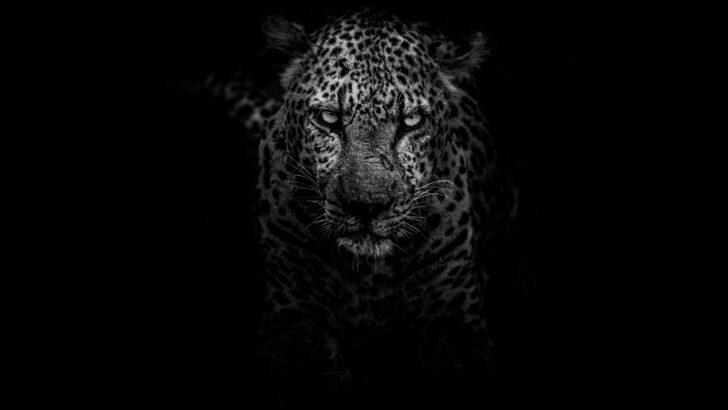
Most people who’ve spent years studying snow leopards have never seen one in the wild. These cats live on steep, cold slopes where they blend into the rock. Even so, they’ve shaped stories, rituals and national identities across a huge part of Asia.
That’s the odd thing about elusive cats. The less we see them, the more meaning we seem to pour into them. Here are six wild cats that carry real symbolic weight in different cultures, along with what science says about the animals behind the myths.
1. The Snow Leopard: Ghost of the Mountains
🔥 Would you like to save this?
We'll email this post to you, so you can come back to it later!
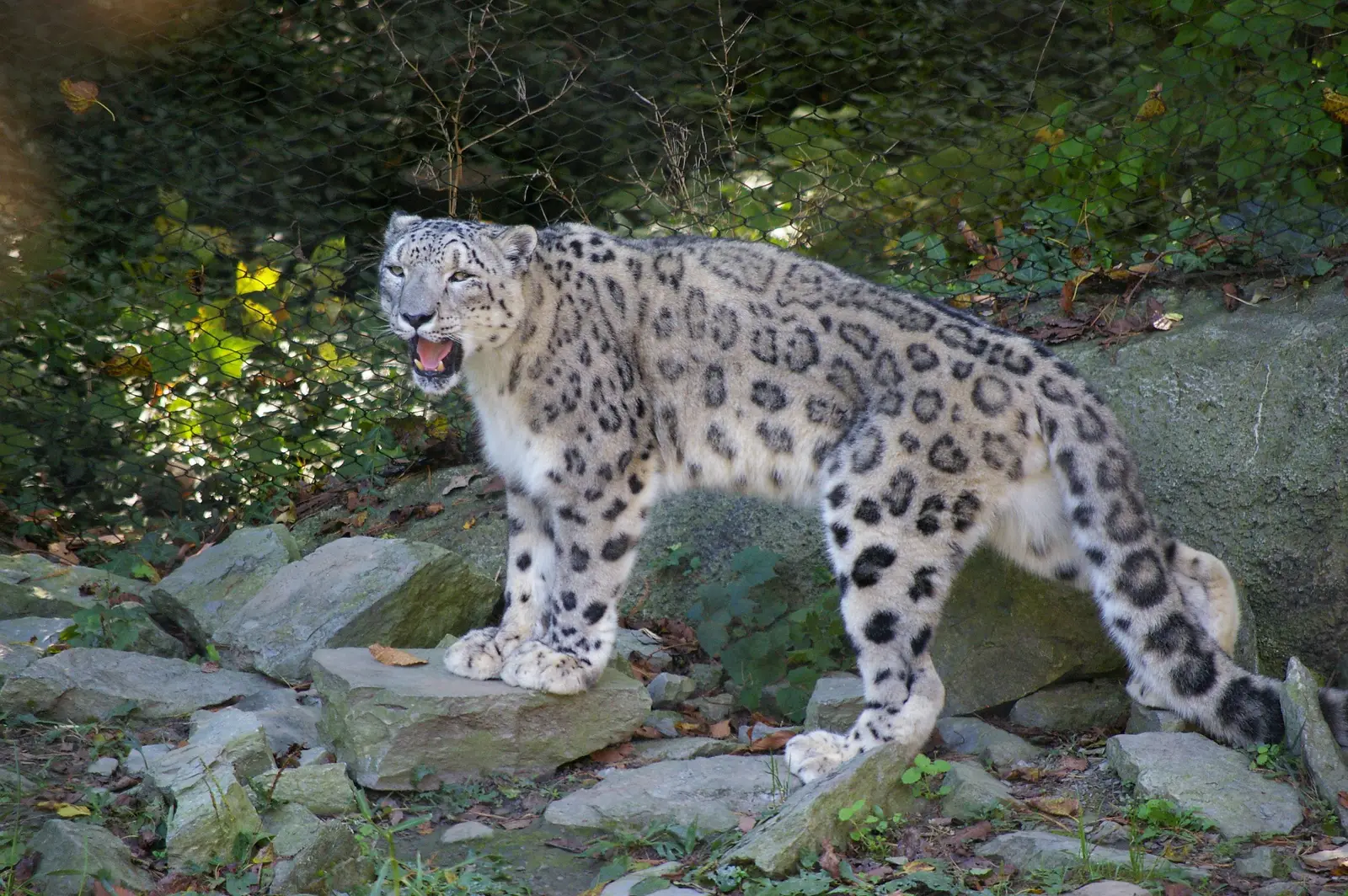
The snow leopard lives in the high mountains of Central and South Asia, across roughly a dozen countries. Its pale gray coat with dark rosettes works as near perfect camouflage on rock and scree. The global population is thought to be only a few thousand animals, and it’s listed as Vulnerable by the IUCN.
Its nickname, the ghost of the mountains, isn’t just poetry. Surveys depend heavily on camera traps and tracking signs such as scrapes and scat, because direct sightings are so rare. Researchers often describe it as one of the hardest large predators in the world to study.
Symbolically, the snow leopard stands for solitude, patience and quiet power. It’s tied to the high Himalayan landscape, where it has long been a part of local folklore and Buddhist influenced cultures. In Russia’s Tatarstan, a winged snow leopard called Ak Bars appears on the regional coat of arms, which shows how far the image has traveled from the cat’s actual habitat.
A few facts help explain why the animal feels so mythic:
- It can’t roar. It communicates with mews, chuffs, growls and wails.
- Its tail is very long, nearly as long as its body, and helps with balance on rough ground.
- It often wraps that thick tail around its face and body like a scarf while resting.
- It’s solitary, and it covers large territories in thin, rugged terrain.
2. The Jaguar: Lord of the Underworld
🔥 Would you like to save this?
We'll email this post to you, so you can come back to it later!
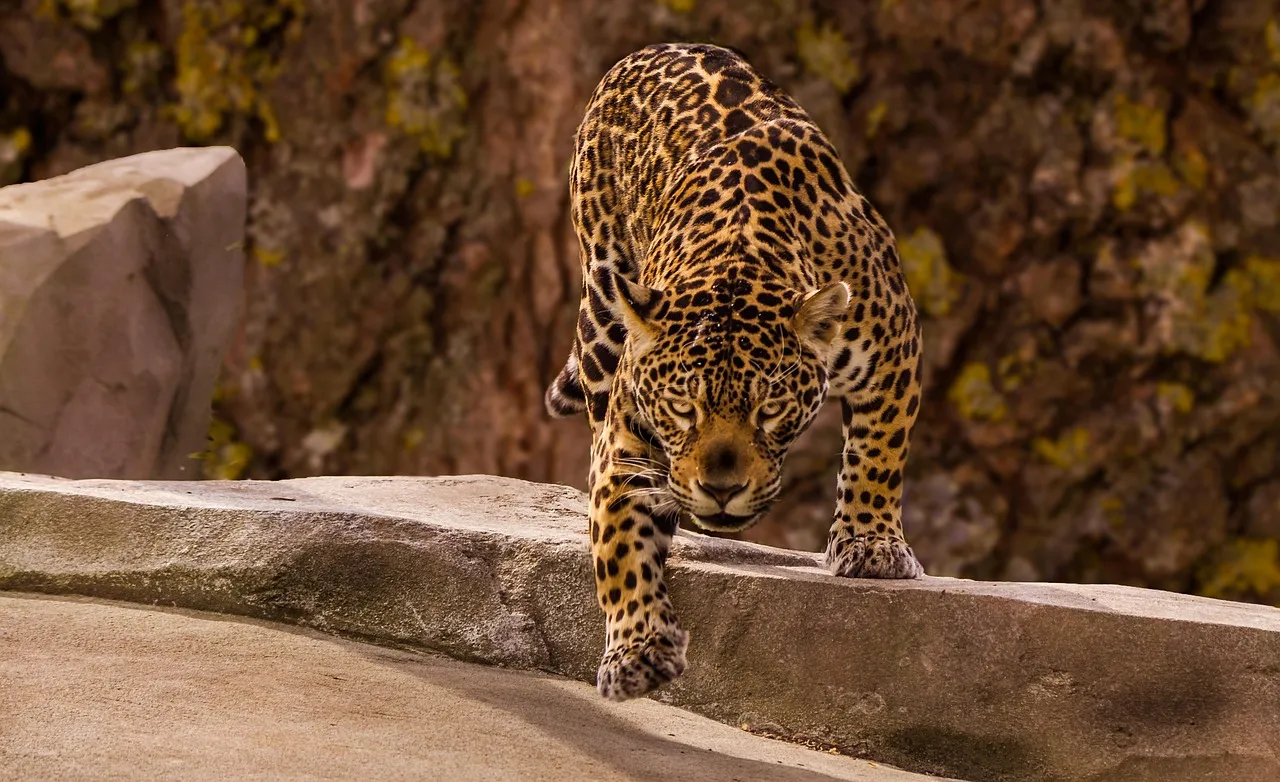
The jaguar is the largest cat in the Americas, and it has been revered for thousands of years. Ancient Mesoamerican cultures linked it with night, the underworld and royal authority. Maya rulers used jaguar imagery on thrones, clothing and titles, and Olmec art shows strange human and jaguar hybrid figures.
Aztec culture honored elite warriors known as jaguar warriors, who wore spotted costumes in battle. The idea was that the wearer took on the cat’s strength and stealth. Because jaguars hunt at night and swim well, people saw them as creatures that crossed boundaries between land and water, day and dark.
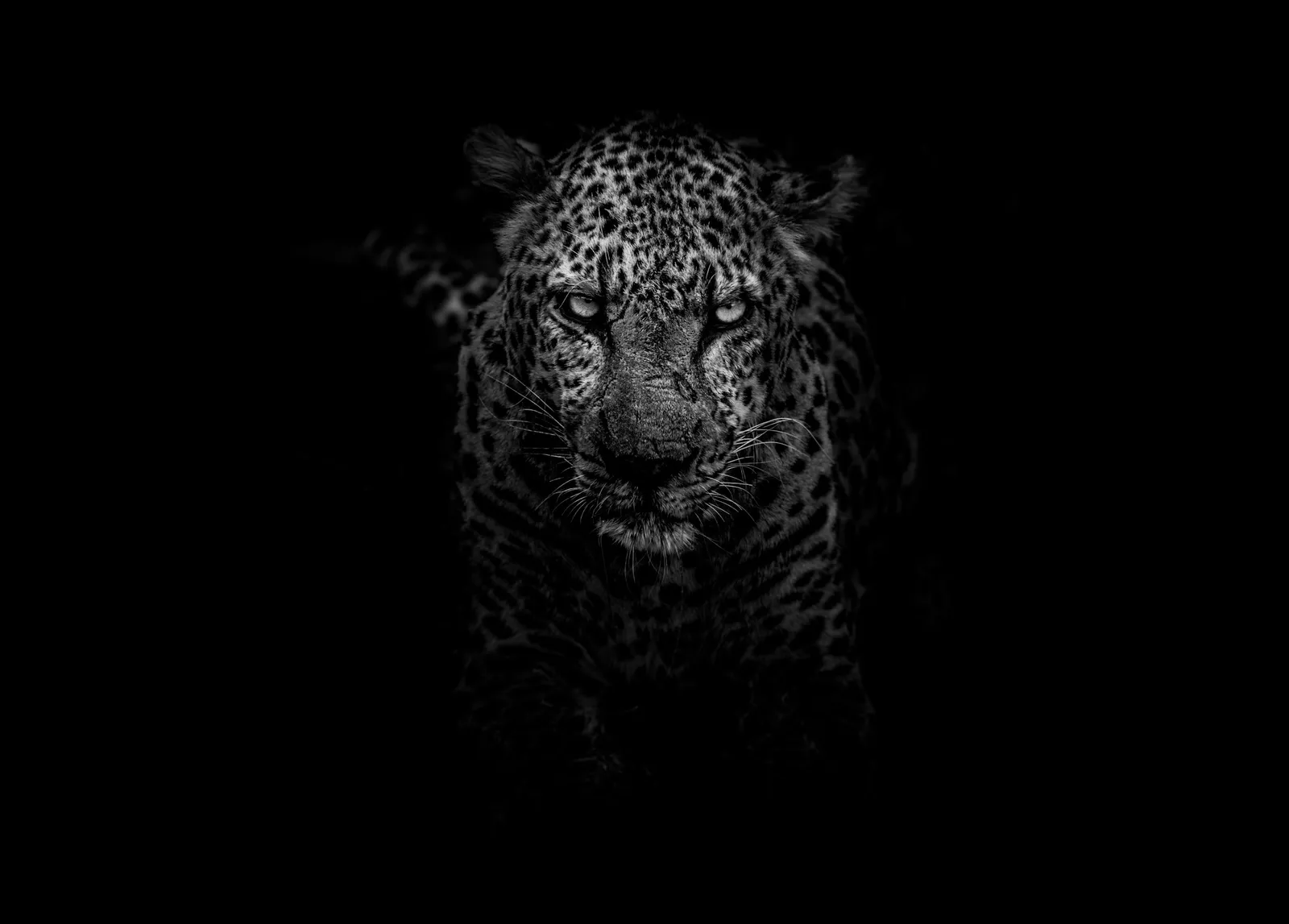
Biology backs up the awe. Jaguars have an exceptionally powerful bite for their size, and they sometimes kill prey by piercing the skull. Dark, melanistic jaguars, often called black panthers, are a natural color variation, and the spots are still visible in the right light.
Quick takeaways on the jaguar:
- Symbol of rulership, night and the spirit world in Mesoamerica.
- Found from Mexico through Central and South America, though its range has shrunk.
- Strongly tied to rainforest and wetland health.
3. The Clouded Leopard: Sacred Ancestor of the Treetops
🔥 Would you like to save this?
We'll email this post to you, so you can come back to it later!
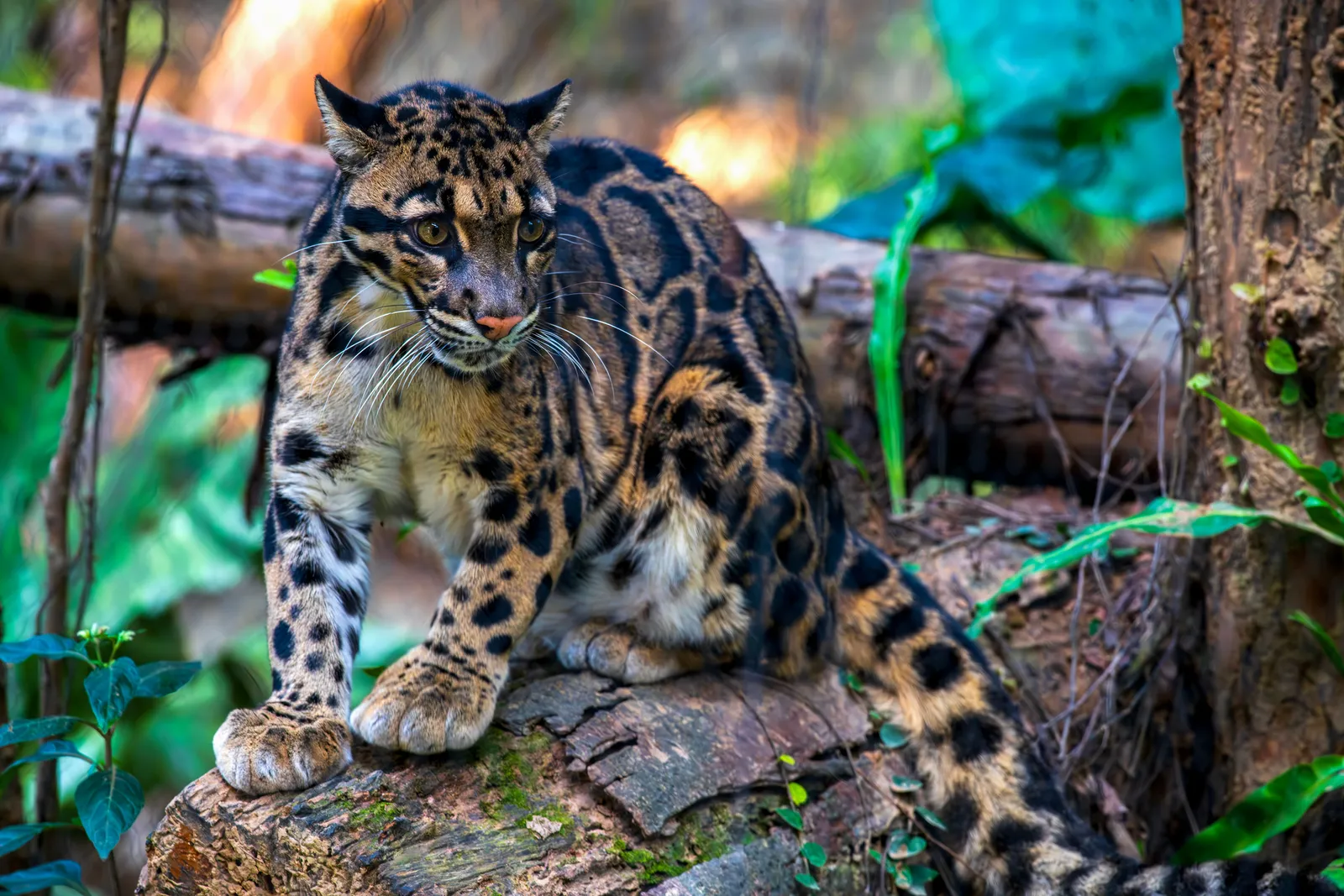
The clouded leopard is a medium sized cat of Southeast Asian forests and the Himalayan foothills. Its coat has large cloud shaped markings, and it spends a lot of time in the trees. It’s classed as Vulnerable, and forest loss is a major threat.
Its body is built for climbing. It can move down tree trunks headfirst and hang from branches by its back feet, which few cats can do. It also has unusually long canine teeth for its size, which helps explain comparisons to prehistoric saber toothed cats, though it isn’t closely related to them.
In Taiwan, the Formosan clouded leopard holds special meaning for the Rukai and Paiwan peoples, who have traditionally regarded it as sacred and tied to ancestry. The Taiwanese subspecies was declared extinct in 2013 after years of failed searches. That makes its symbolism a bit heavier, a reminder that cultural meaning can outlast the animal itself.
4. The Eurasian Lynx: Keeper of Secrets and Sharp Sight
🔥 Would you like to save this?
We'll email this post to you, so you can come back to it later!
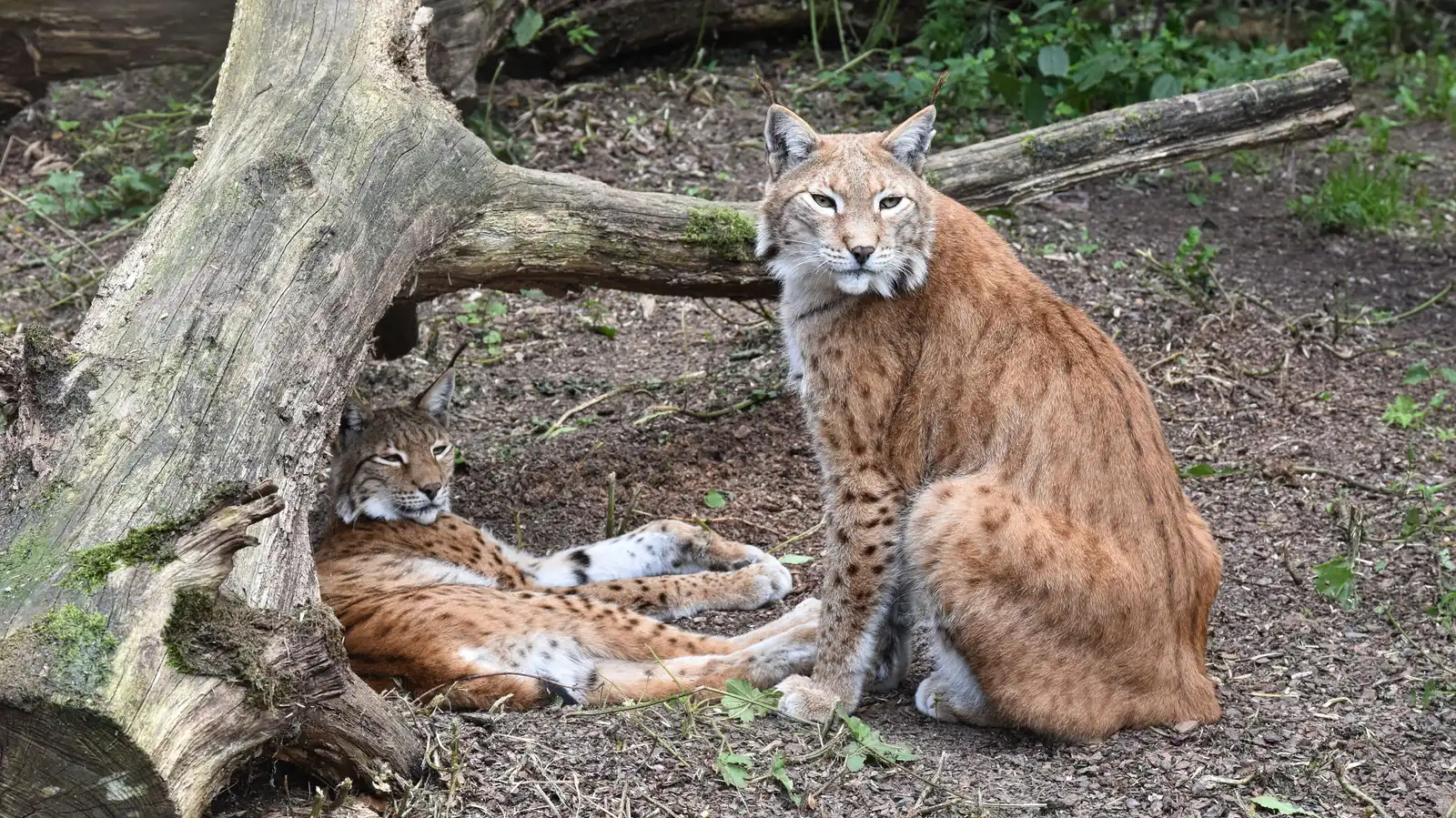
The Eurasian lynx is the largest of the lynx species, and it ranges from parts of Europe across northern Asia. It has tufted ears, a short tail and thick paws that act like snowshoes. It’s secretive and mostly active at dawn and dusk, so even people living in lynx country rarely see one.
Its symbolism leans toward vision and hidden knowledge. In classical antiquity, writers repeated the belief that lynxes could see through solid objects, and the name still lives on in the phrase lynx eyed. Another old tale claimed that lynx urine hardened into a precious gem, a story with no basis in fact but one that stuck around for centuries.
Today the lynx has become a symbol of rewilding. Several European countries have reintroduced or supported lynx populations, and the debates about it are lively, involving farmers, hunters and conservationists. The cat mostly hunts roe deer and other small ungulates, and its return tends to spark both pride and worry.
5. The Puma: The Shapeshifter With a Hundred Names
🔥 Would you like to save this?
We'll email this post to you, so you can come back to it later!
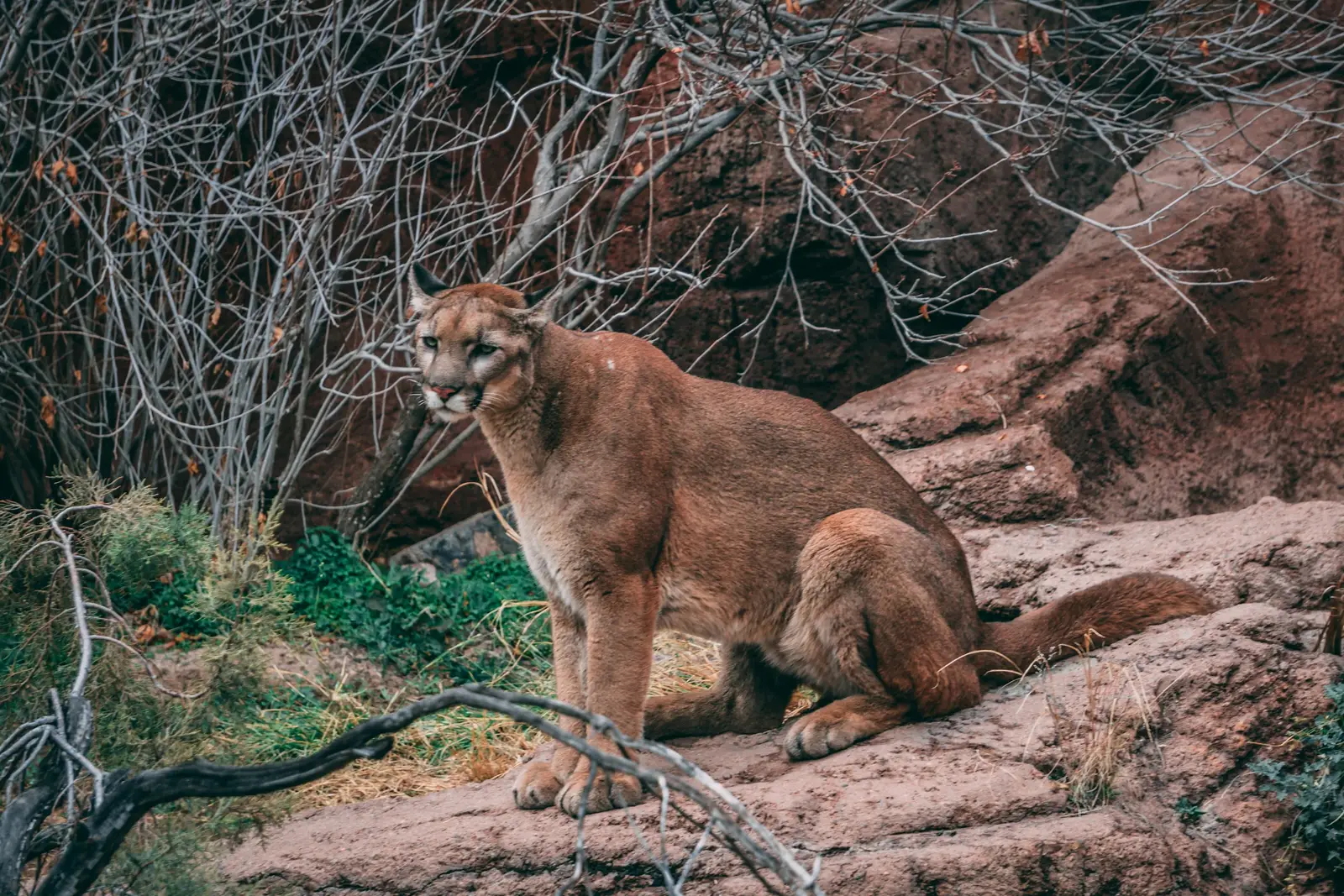
The puma, also called cougar or mountain lion, has one of the widest ranges of any land mammal in the Western Hemisphere. It lives from the Canadian Yukon down to the southern Andes. That adaptability gave it an enormous number of local names, and it holds a record for having more names than almost any other animal.
In Andean tradition, the puma represents the earthly world, alongside the condor for the sky and the serpent for the underworld. A popular story says the Inca capital, Cusco, was laid out in the shape of a puma. Historians debate how literal that was, but the idea shows how central the cat was to Inca imagery.
Many Indigenous North American nations also have stories about the puma, often tied to leadership, strength and stealth. Biologically, it’s a master ambusher that can leap impressive distances and doesn’t roar. It purrs, screams and chirps instead, which may be part of why it seems so strange and uncanny in folklore.
6. The Leopard: Emblem of Royal Power
🔥 Would you like to save this?
We'll email this post to you, so you can come back to it later!
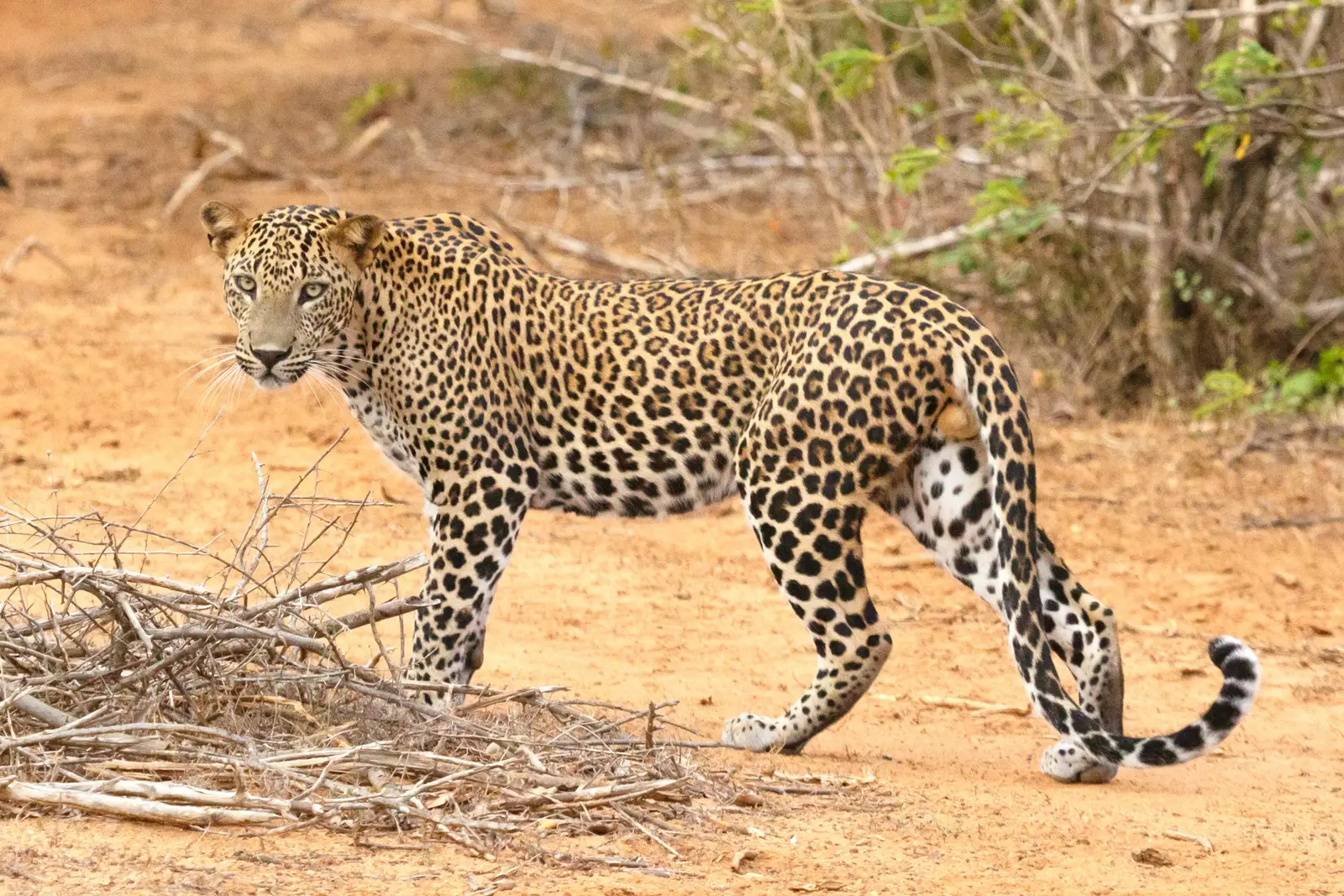
The leopard is the most widespread of the big cats, found across parts of Africa and Asia. It can live in forests, savannas, mountains and even near cities. That flexibility makes it successful, yet it’s still pushed out of many areas by habitat loss and conflict with people.
Leopards are famous for hauling kills into trees to keep them from lions and hyenas. Their stealth and strength shaped their symbolism as royal and warrior animals. In the Kingdom of Benin, in present day Nigeria, the leopard was associated with the king, or Oba, and appears in the famous brass and bronze plaques and sculptures.
In ancient Egypt, priests in certain ceremonies wore leopard skins, a sign of status and sacred duty. Across many African societies, leopard pelts and imagery have marked chiefs and leaders. The cat’s spots, a pattern of rosettes, add to the sense that it carries a kind of coded authority on its body.
Final Thoughts
🔥 Would you like to save this?
We'll email this post to you, so you can come back to it later!
My own view is that the snow leopard deserves the top spot, not because it’s the most powerful, but because its meaning is so unusual. It stands for restraint and endurance rather than dominance, and that’s a rare thing to admire in a predator. In a loud era, a cat that survives by being unseen feels strangely modern.
I also think we should be honest about the pattern here. We love these cats most in symbols, on flags, in myths and on merchandise, while their real populations are shrinking. If the symbolism doesn’t translate into protecting habitat and living alongside them, it’s just decoration.

- 7 Everyday Habits That Can Make Your Senior Dog Happier - November 5, 2026
- 10 Enigmatic Structures That Continue to Puzzle Scientists Today - November 5, 2026
- 10 Strange Ruins in the Americas That Challenge What We Know About Early History - November 5, 2026