
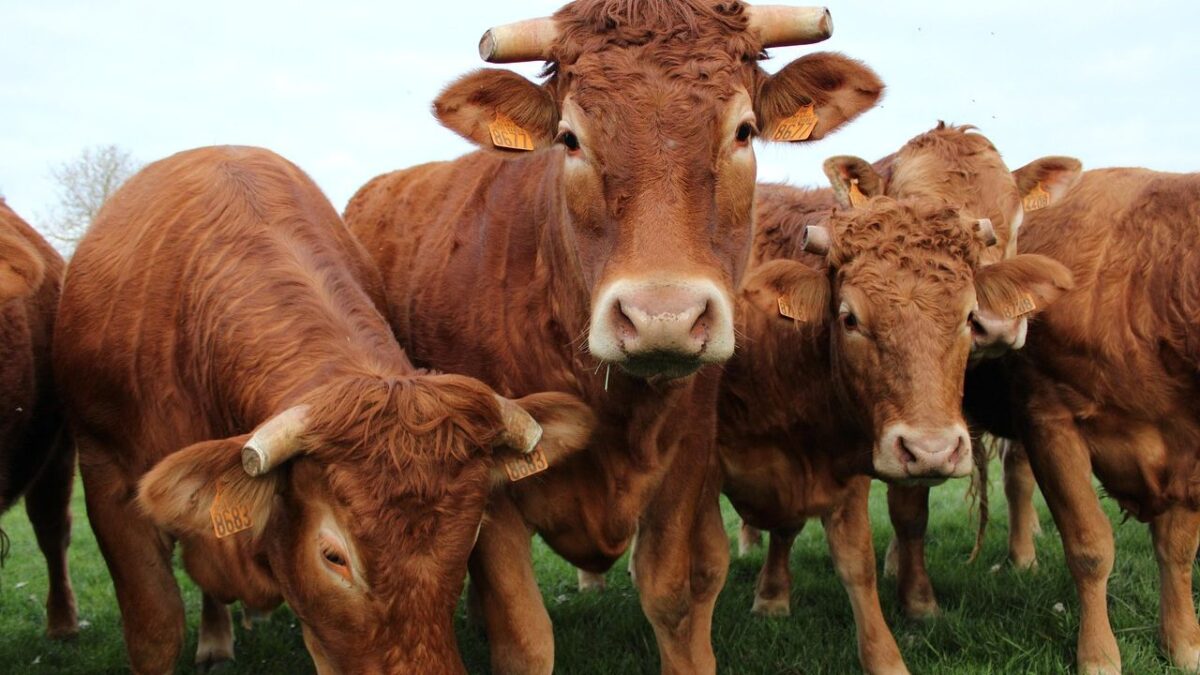
We often picture farm animals as creatures existing somewhere on the spectrum between simple and plain dim-witted. There’s the dopey chicken pecking at the ground. The docile cow standing in the field, chewing its cud with that vacant stare. Surely these creatures can’t possess anything resembling real intelligence, right?
Wrong. Here’s the thing: science has been quietly dismantling these stereotypes for years now. The animals living on farms around the world possess cognitive abilities that would astonish most people. Some can solve puzzles that stump dogs. Others remember faces for years or communicate in surprisingly complex ways. Let’s dive into the fascinating world of farm animal intelligence and discover six creatures whose mental prowess might just change how you see them forever.
Pigs: The Masterminds of the Barnyard
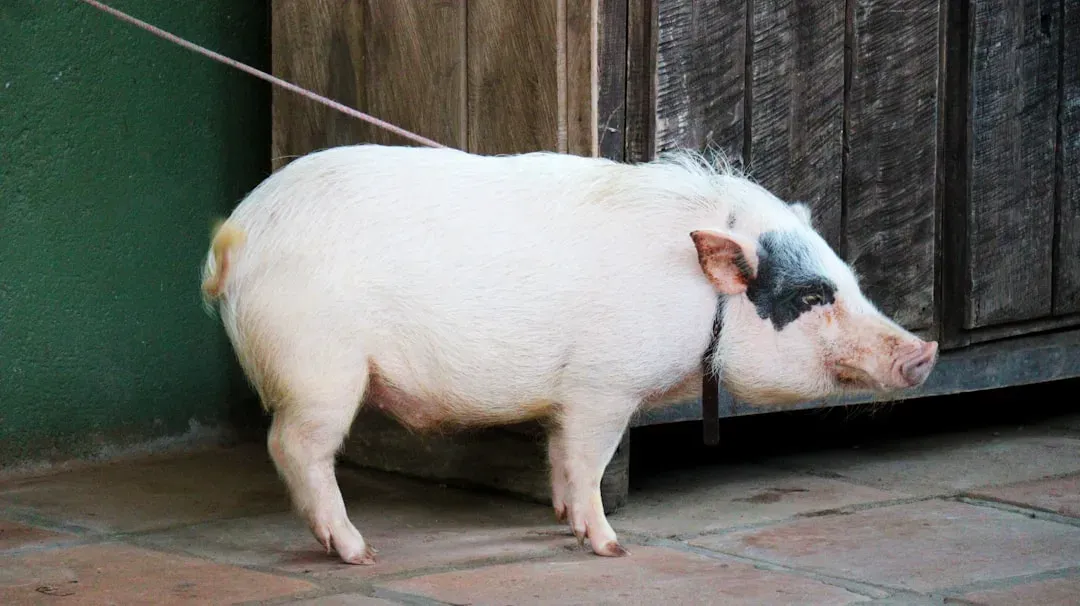
Pigs have consistently been recognized as one of the most intelligent farm animals, demonstrating advanced problem-solving skills, tool use, and self-awareness. Studies have shown that pigs can navigate mazes, recognize themselves in mirrors, and even play video games – activities that require complex thinking and decision-making. Researchers have actually placed joysticks in front of pigs and watched them learn to manipulate cursors on computer screens. Think about that for a second. These are the same animals many people associate with mud and bacon.
Neuroscientist Lori Marino believes a pig’s cognitive abilities are not altogether different from a dog’s or a chimpanzee’s, particularly impressed by their long-term memories and spatial skills. While baby pigs quickly learn how to use mirrors to find food, human toddlers struggle for months to understand the concept. It’s hard to say for sure, but pigs might actually be outsmarting us in certain tasks. They live in intricate social groups, display empathy toward one another, and can even be deceptive when it benefits them.
Chickens: Far From Bird-Brained
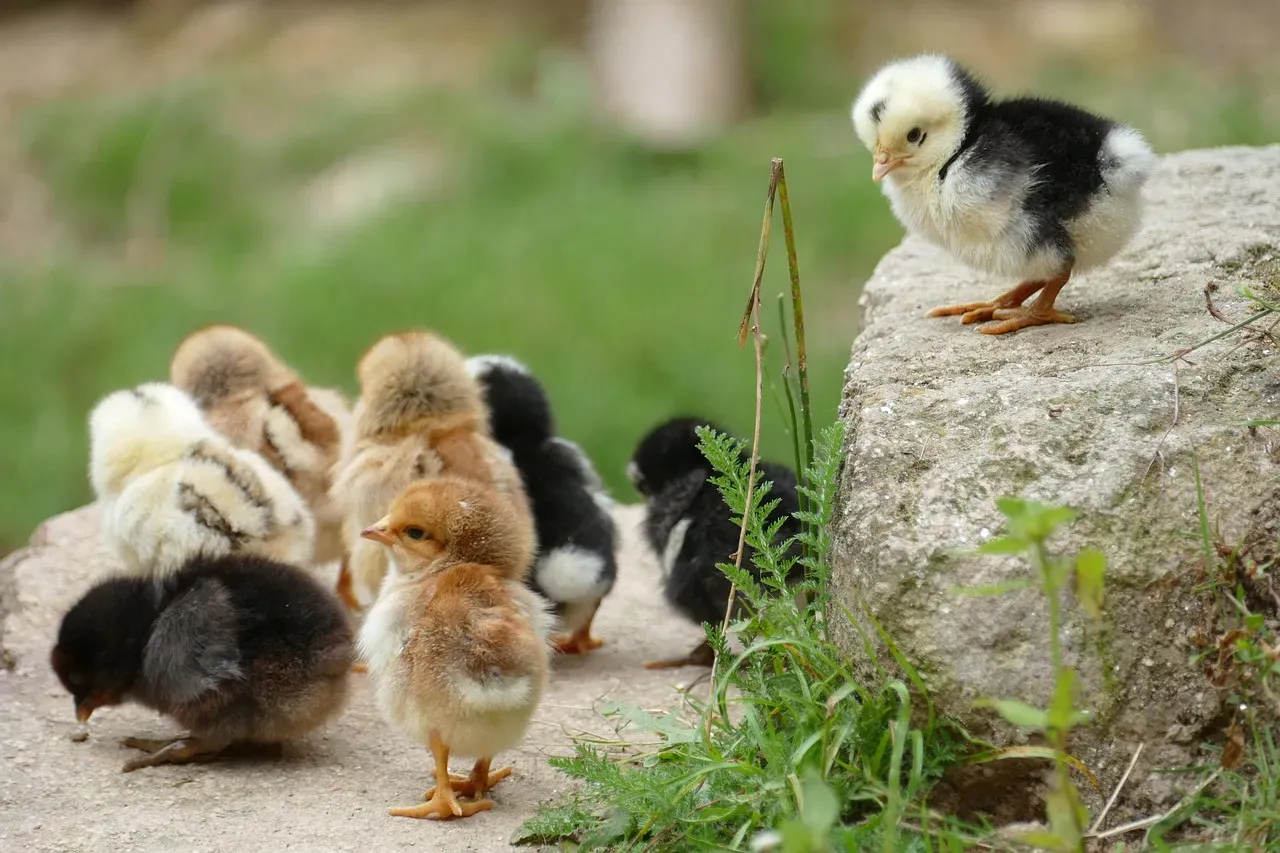
Chickens are often seen as simple creatures, but they are capable of understanding complex concepts, including object permanence – the understanding that objects continue to exist even when they are out of sight, a cognitive skill considered an important milestone in the development of intelligence. This means chickens possess a mental capacity that some people might not expect from a farmyard bird.
Research from the University of Oxford reveals that chickens have impressive cognitive skills, including the ability to plan ahead, understand cause and effect, and even exercise self-control. Not only can chickens talk to each other, but they even use 24 or more vocalizations to deliver a wide range of messages, with communication beginning before hatching when mother hens chirp to their young, and they peep back. Mother hens teach their chicks which foods to eat and which to avoid, demonstrating a form of social learning that rivals many mammals. They form friendships, recognize over a hundred different faces, and can even deceive others to protect their resources.
Cows: Emotionally Complex and Surprisingly Clever
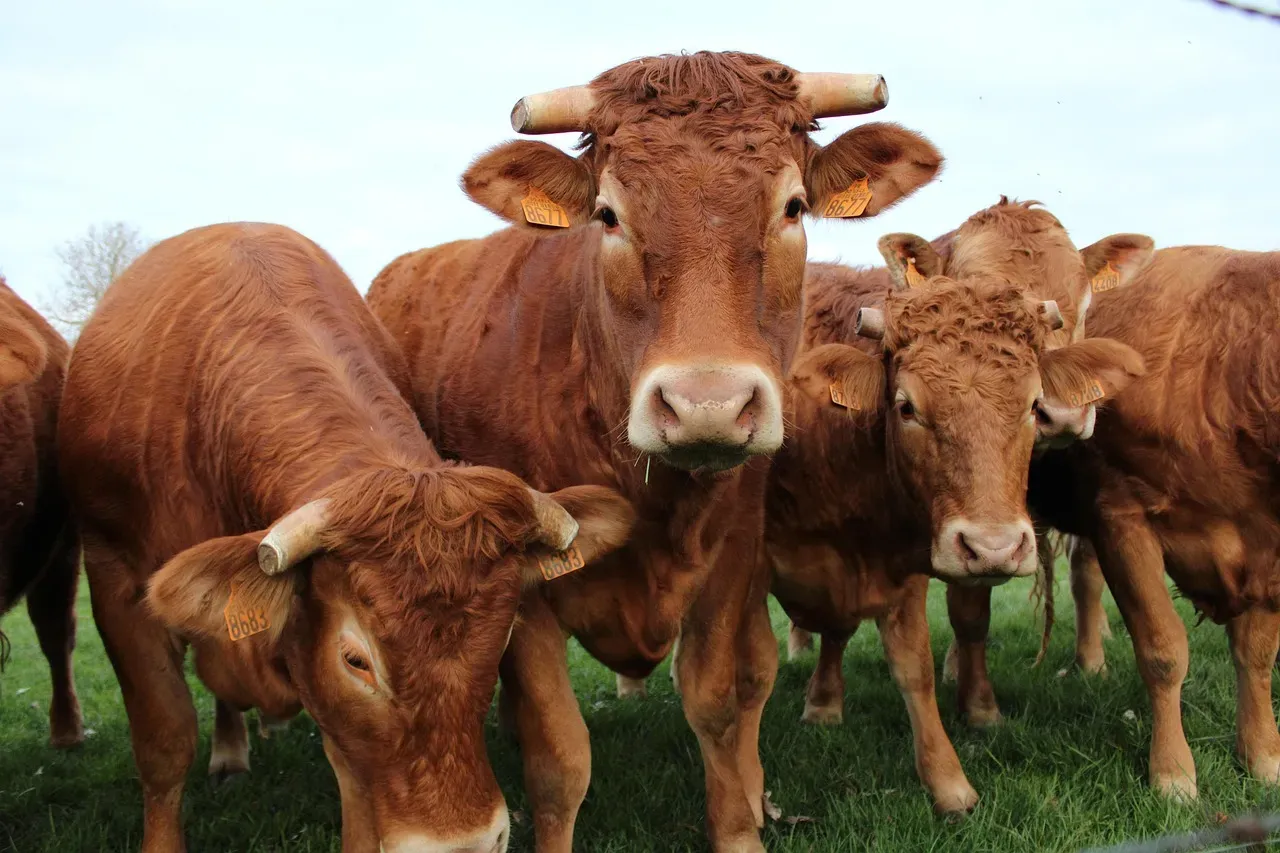
Cows exhibit a wide range of emotions, from joy to stress, and they form deep bonds with other cows, learning from each other through social learning by observing behaviors and copying them to adapt to new environments or tasks. Their social structures are remarkably sophisticated. They form best friendships within their herds that can last for years.
Cows have been known to form lifelong friendships, and one study found that they actually show excitement when they’ve learned something new. Cows have excellent problem-solving skills and capacities for logic, and once they master how to solve a problem, they celebrate by jumping, wagging their tails, and prancing happily. They remember individuals who have mistreated them and become visibly uneasy in their presence. Some dairy cows in large herds know exactly where their place is in the milking line, never forgetting their position among hundreds of other animals.
Sheep: Memory Masters With Surprising Individuality
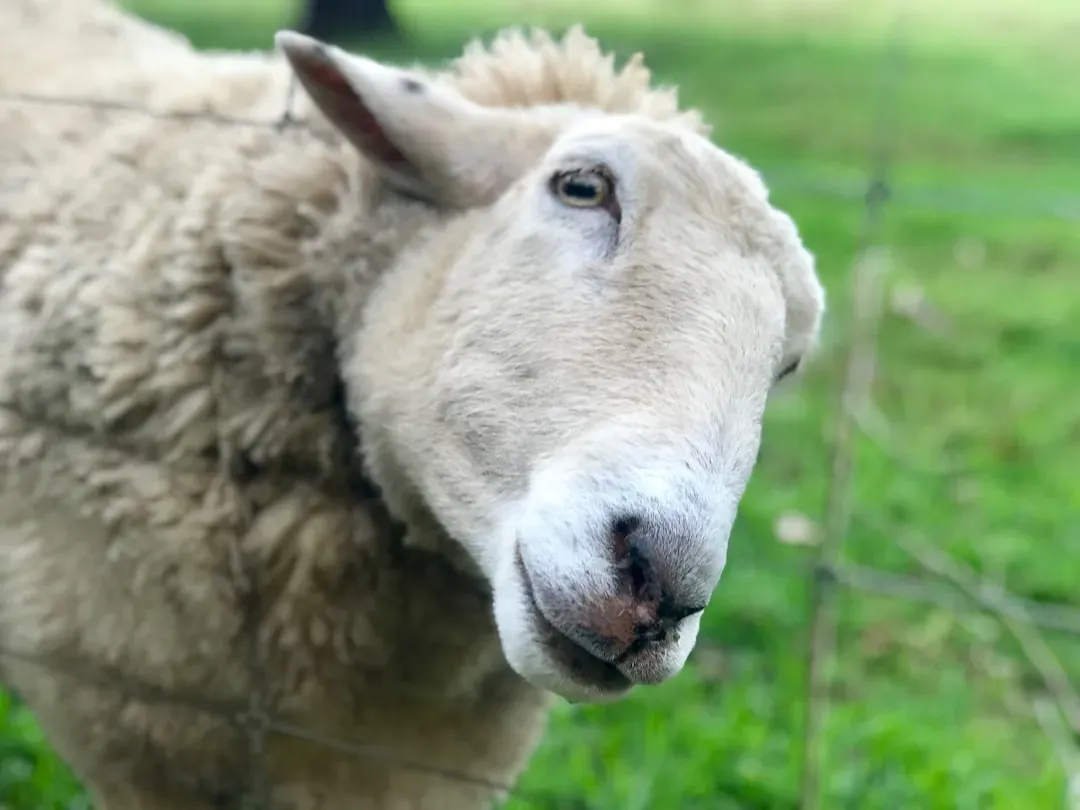
Sheep, often thought of as simple, docile creatures, possess remarkable memory and facial recognition skills, with studies showing that sheep can remember the faces of other sheep and even human faces for years, an ability that is a sign of advanced memory and social intelligence. Forget the stereotype of mindless followers. Real sheep are individuals with distinct personalities.
Some sheep are bold and adventurous, while others prefer staying close to the flock. They can distinguish and identify faces of other sheep, humans, and members of other species on a par with primates, even when presented with photographs of individuals at different ages and in different orientations. They experience a range of emotions from basic feelings to complex states like pessimism and optimism. Honestly, if sheep had a social media platform, they’d probably recognize their friends’ profile pictures from years ago better than most of us do.
Goats: Curious Problem-Solvers With Personality
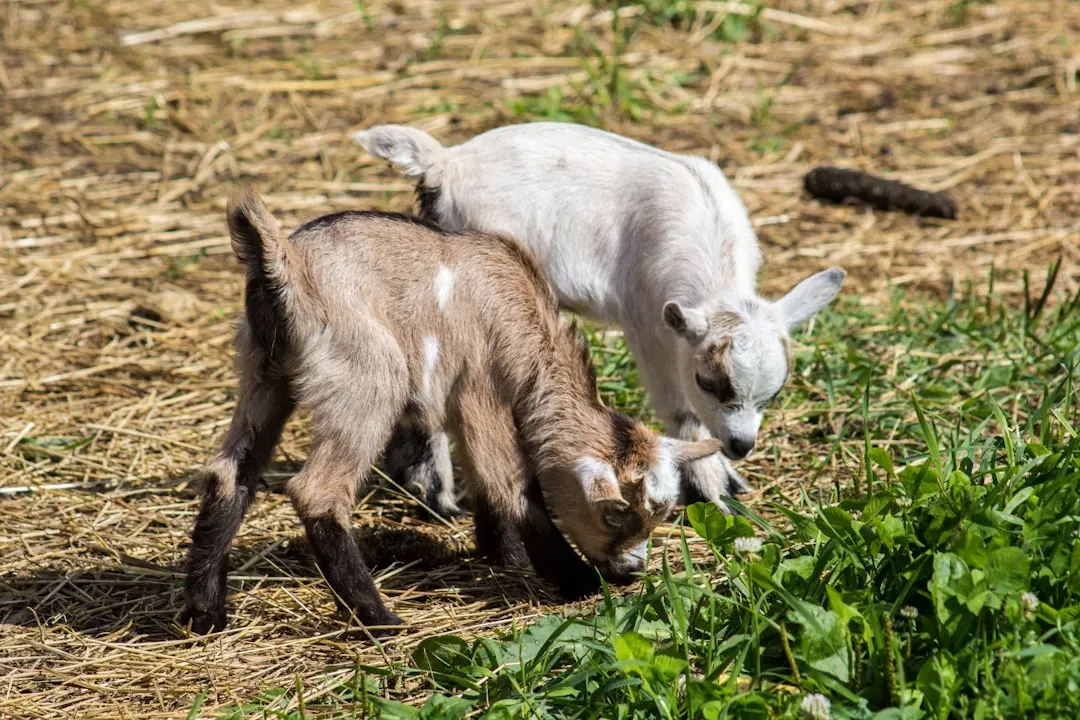
Goats are known for their curiosity and problem-solving abilities, learning to open latches and gates, and exhibiting remarkable adaptability to new environments. Anyone who’s spent time around goats knows they’re escape artists extraordinaire. They calculate angles and trajectories like little furry mathematicians, figuring out exactly how to use a doghouse as a launching pad to clear a fence.
Goats did the same as dogs in an experiment known as the “impossible task,” where animals confronted with a food bowl they can’t access turn to humans for help – the first time the experiment had been tried with a food animal, with some of them starting to hoof the experimenter, as if they were begging for help. They recognize their friends by voice alone and become stressed when separated from their social groups. They’re picky eaters who’ve evolved to explore their surroundings thoroughly to find exactly what they need. Watching a goat solve a puzzle is genuinely entertaining; you can almost see the wheels turning behind those rectangular pupils.
Horses: Emotionally Intelligent and Remarkably Perceptive
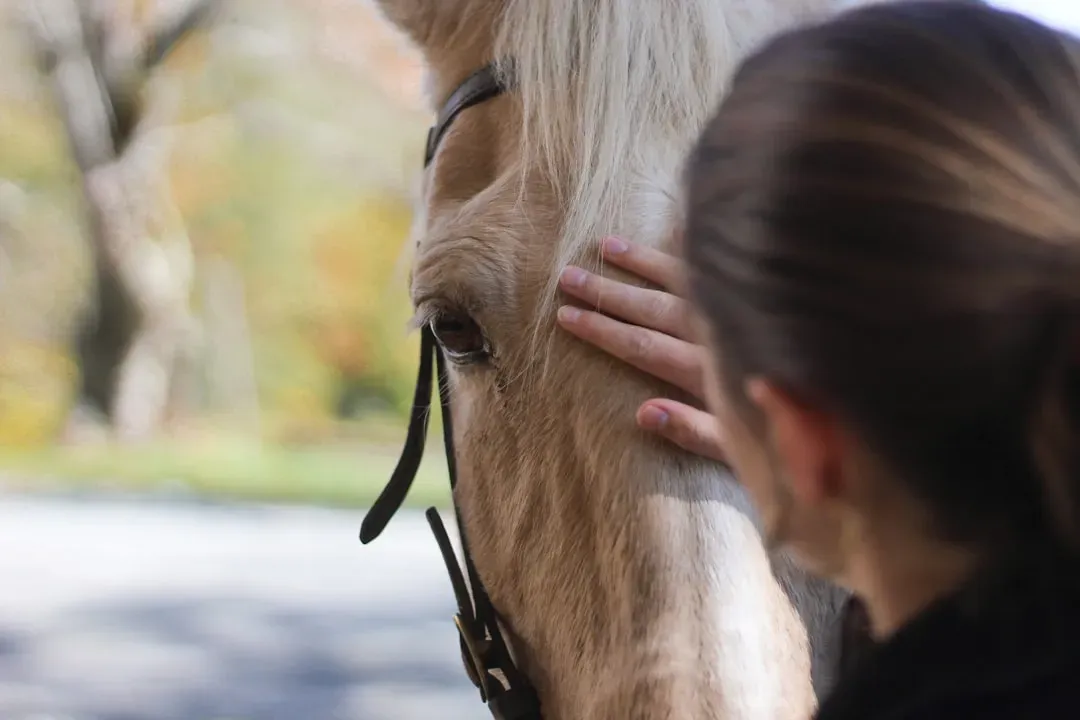
Horses are highly attuned to the emotional states of humans and other animals, communicating with one another through a range of body language cues and interpreting these cues from humans as well, making them incredibly intuitive and capable of forming strong emotional connections with their owners. Horses have been shown to pick up on human emotions, reacting differently to happy or sad faces, and they also communicate their own emotions through body language, using gestures like ear position and facial expressions.
Their ability to read subtle social cues rivals that of dogs. They remember past experiences with specific people and adjust their behavior accordingly. Horses demonstrate split-second decision-making in competitive events like cutting or roping, showing an understanding of spatial relationships and movement prediction that’s frankly impressive. They possess excellent long-term memory and can recall training techniques, routes, and individual people years after their last encounter. The emotional depth horses display when bonding with humans or other horses suggests a level of sentience that demands our respect.
Conclusion
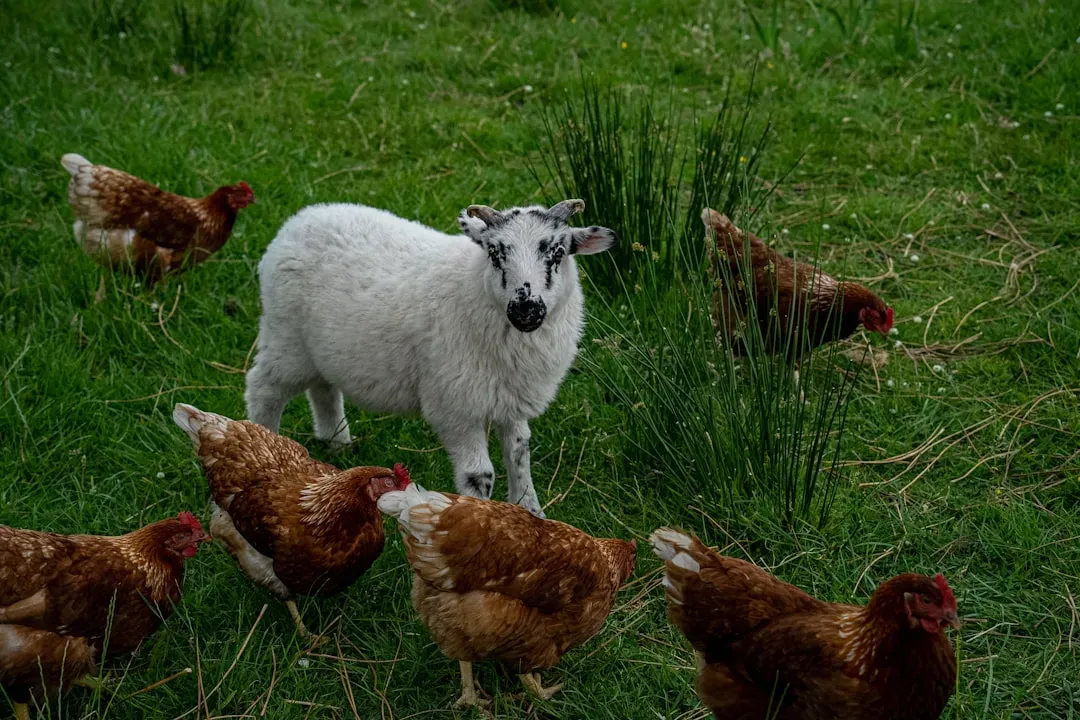
The evidence is pretty clear at this point. Farm animals possess cognitive abilities, emotional complexity, and individual personalities that challenge every outdated stereotype we’ve held about them. From pigs playing video games to sheep remembering faces for years, these creatures demonstrate intelligence that often rivals our beloved pets.
The intelligence of farm animals is far more complex than many people realize, with animals from pigs solving problems to horses reading human emotions displaying a range of cognitive abilities that challenge the traditional view of them as simple creatures. Understanding their mental capacities isn’t just an academic exercise. It has real implications for how we treat them, house them, and think about our relationship with them. So, which of these six surprised you the most? Share your thoughts in the comments below.
