

There’s something profoundly captivating about horses. Perhaps it’s their sheer power combined with surprising gentleness, or maybe it’s the way they seem to understand us without speaking a single word. Whatever draws you to these magnificent animals, prepare to discover aspects of their nature that might completely shift how you see them.
From remarkable physical traits to astonishing mental capabilities, horses continue to surprise researchers and enthusiasts alike. Some of these facts may challenge what you thought you knew about these creatures. Let’s dive into the world of equine wonders and explore what makes horses truly extraordinary.
Horses Have the Largest Eyes of Any Land Mammal
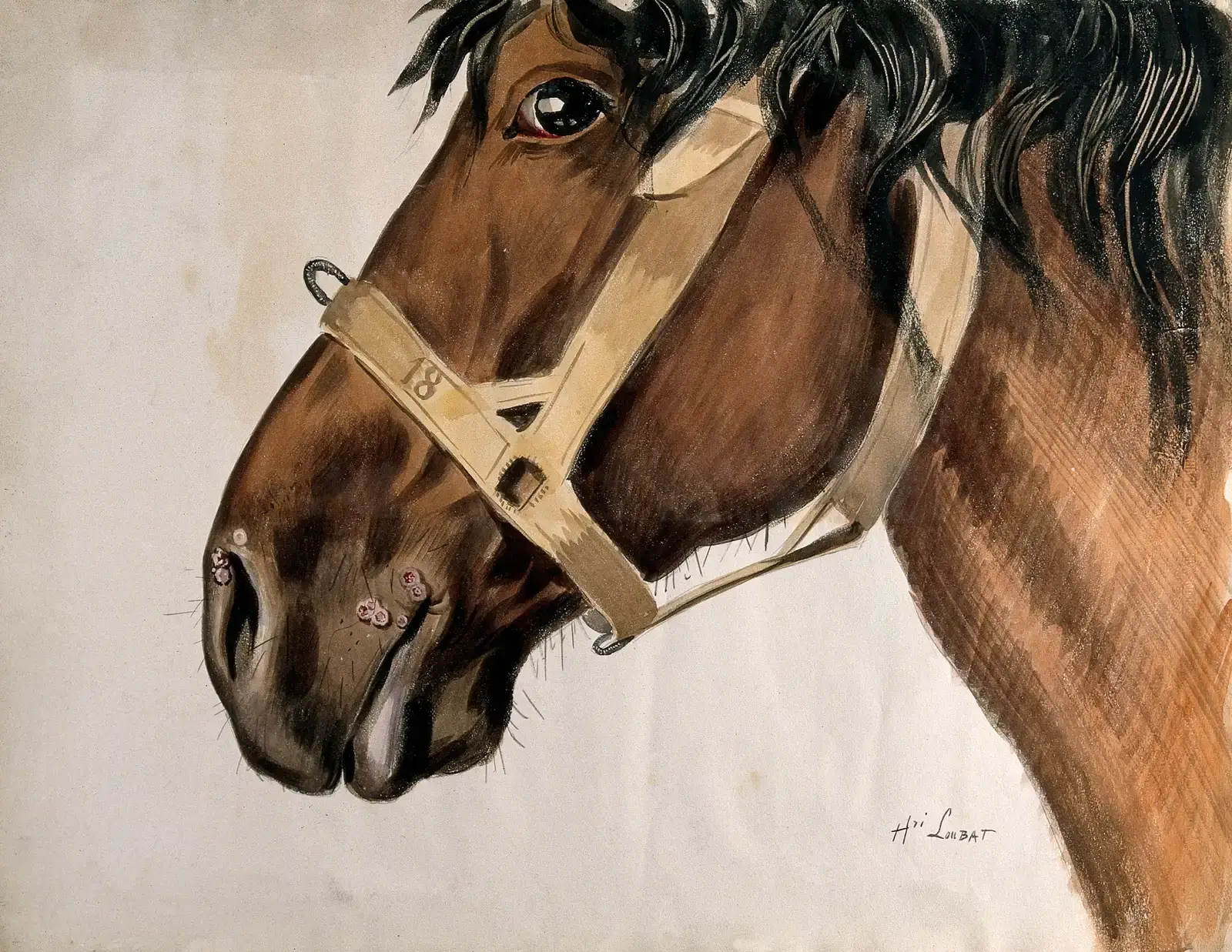
Horses have bigger eyes than any other land mammal, which gives them extraordinary visual capabilities that once helped them survive as prey animals in the wild. Their eye placement on the sides of their heads allows them to see nearly everything around them simultaneously.
Thanks to their eyes being positioned on the sides of their faces, horses have nearly 360 degrees of vision, allowing horses to detect movement from nearly every direction, with only a small blind spot directly behind their tail, and another just in front of their nose. This means a horse can spot a potential predator or threat long before most other animals would notice danger approaching.
What’s even more remarkable is that they also have a third eyelid which lies on the inside of the eye and closes diagonally over it for added protection. This anatomical feature offers extra shielding against dust, debris, and injury. When you realize how vital vision is to a horse’s survival instincts, their expansive field of view suddenly makes perfect sense.
Their Intelligence May Rival Problem-Solving Abilities We Never Expected

Let’s be real, many people underestimate just how clever horses truly are. Horses are a lot smarter than previously believed, researchers argue, after a study revealed how they cleverly adapted their approach to a game in order to get the most treats for the least effort. Recent scientific findings suggest these animals might be using complex cognitive strategies once thought beyond their capabilities.
Researchers now think that horses may be able to use a form of learning called ‘model-based learning’ which was thought to be too complex for them, and it’s fascinating because they have a very underdeveloped pre-frontal cortex which is what we typically credit with producing that type of thinking in humans. This means horses must be employing different brain regions to achieve similar cognitive results, which teaches us not to make assumptions about animal intelligence based solely on brain structure similarities to humans.
Horses can read human facial expressions and remember a person’s previous emotional state, with their heart rates increasing when presented with a photograph of an angry person. They don’t just react in the moment. The results show that the horses seemed to remember the people and their emotions from the picture even hours later. Honestly, how many animals can claim that level of emotional memory and recognition?
Horses Physically Cannot Vomit

Here’s something that sounds almost impossible but is absolutely true. Horses can’t vomit due to them having a strong band of muscles around their oesophagus, and this band is so strong that a horse’s stomach would burst before the animal would vomit. This anatomical quirk makes digestive issues particularly dangerous for horses.
The inability to vomit means that horses are extremely vulnerable to colic and other gastrointestinal problems. What might be a simple case of an upset stomach for other animals can become life-threatening for a horse. Their digestive system evolved for constant grazing on grass, processing small amounts of food continuously throughout the day.
This is precisely why horse owners must be incredibly careful about what their animals eat and how quickly dietary changes are introduced. There’s no “purge and recover” option available if something disagreeable gets into a horse’s stomach. The stakes are simply higher when it comes to equine digestion.
They Sleep Standing Up Thanks to a Special Locking Mechanism

Horses can sleep both lying down and standing up thanks to a special locking system in their legs, but they can only achieve REM sleep when lying down. This remarkable adaptation allowed wild horses to rest while remaining ready to flee from predators at a moment’s notice.
When they sleep standing, horses lock their legs to avoid collapsing, which is called the stay apparatus. The mechanism works by allowing tendons and ligaments to essentially “lock” the joints in place without requiring continuous muscle effort. It’s hard to say for sure, but this might be one of nature’s most ingenious energy-saving designs.
Still, horses need to lie down periodically to enter deeper sleep stages. Without sufficient REM sleep, horses can actually become sleep-deprived and suffer health consequences. Watching a horse comfortably dozing on its feet is witnessing millions of years of evolutionary adaptation at work.
Newborn Foals Can Stand and Run Within Hours of Birth
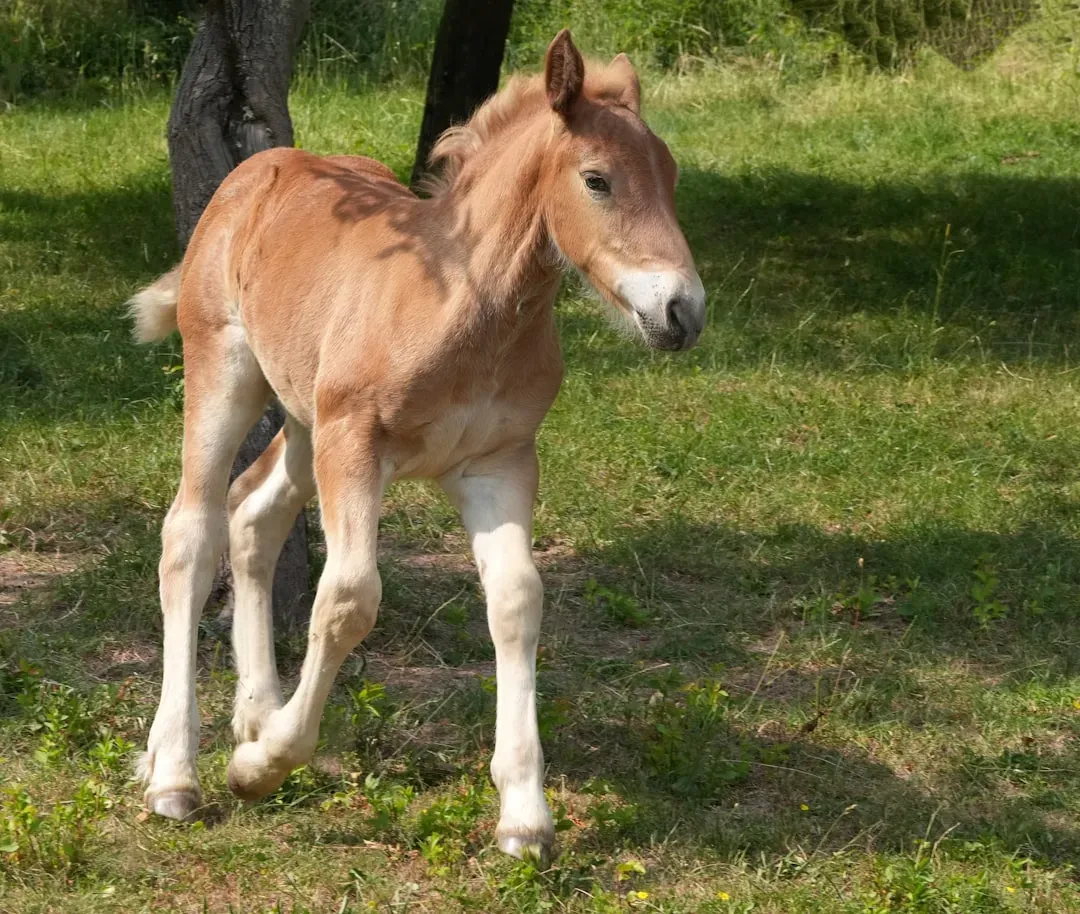
Foals can stand within 2 to 6 hours after birth and can gallop within 24 hours. For prey animals like horses, this rapid development isn’t just impressive – it’s absolutely essential for survival in the wild. A foal unable to quickly join the herd would become easy prey.
Horses can stand within minutes of being born, and as prey animals, it is imperative they are able to get onto their feet within minutes and able to run with the herd within hours. Compare that timeline to human babies, who take roughly a year before they can even walk, and the difference is staggering. The evolutionary pressure on horses to develop this capability must have been intense.
What makes this even more remarkable is that foals are not just standing shakily on wobbly legs. They’re coordinating complex movements, processing sensory information, and bonding with their mothers almost immediately. Nature equipped these animals with an accelerated development program that continues to amaze veterinarians and researchers studying equine biology.
Horses Possess Emotional Intelligence and Grieve Losses

The horse is very emotional; it can feel happiness, fear, love, trust, distrust, success, boredom, stress, frustration, curiosity, and jealousy. Anyone who’s spent significant time around horses knows they’re far more than simple creatures of instinct. Their emotional range rivals that of many species we consider highly intelligent.
Horses can mourn a loss and may need up to months to recover (the loss of a friendly horse can mean months of sadness). This capacity for grief demonstrates a depth of feeling that demands our respect and consideration. Horses form deep bonds not only with other horses but also with humans and even other species.
Horses’ emotional intelligence is closely connected with their need for survival and safety, and because there’s safety in working together, cooperation is essential to horses’ survival. Their social nature isn’t merely about companionship. It’s woven into their evolutionary blueprint. Isolated horses can become depressed, anxious, and develop behavioral problems. Perhaps this reminds us that connection isn’t just a human need – it’s fundamental to many thinking, feeling creatures.
Conclusion

Horses are far more complex and remarkable than many people realize. From their massive eyes granting near-panoramic vision to their surprising cognitive abilities, these animals continue to reveal new depths the more we study them. Their unique anatomical features like the inability to vomit or the leg-locking sleep mechanism showcase millions of years of specialized evolution.
Perhaps most importantly, understanding their emotional capacity and intelligence should fundamentally change how we interact with and care for horses. They’re not merely beautiful animals or useful companions – they’re sentient beings with rich inner lives, capable of memory, problem-solving, and genuine emotional connection. What surprised you most about these equine facts?

- 7 Surprising Benefits of Spending Time Outdoors With Your Dog Every Day - July 10, 2026
- 7 Costly Mistakes When Starting a Hobby Farm - July 10, 2026
- 9 Animals Making a Comeback Across Missouri - July 10, 2026