
Ever wonder what it really takes to live in a place where temperatures plunge so low that frostbite can strike in minutes? For polar bears, that’s just another day at the office. The Arctic is merciless, unforgiving, and absolutely brutal. Yet these magnificent creatures don’t just survive there – they actually thrive.
What makes polar bears so perfectly built for this frozen world goes way beyond what most people realize. It’s hard to say for sure, but their adaptations might be some of the most remarkable in the entire animal kingdom. Let’s dive into the fascinating world of polar bear survival and discover what truly sets them apart.
Their Fur Isn’t Actually White
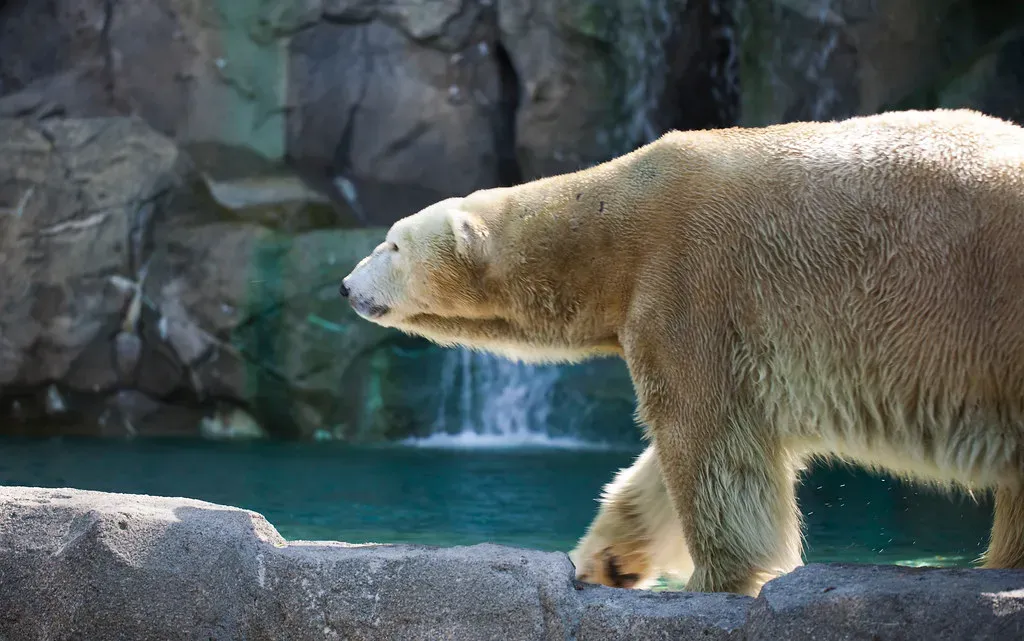
Here’s something that’ll surprise you. Polar bear fur isn’t actually white – each hair shaft is pigment-free and transparent with a hollow core that scatters and reflects visible light. It’s basically an optical illusion that nature perfected over thousands of years. This transparent fur works like fiber optics, bouncing light around while providing incredible insulation.
Polar bears have two layers of fur that prevent almost all heat loss, and the fur keeps them so warm that adult males can quickly overheat when they run. Think about that for a moment. These animals are more likely to suffer from heat exhaustion than hypothermia in the Arctic. Underneath all that white fur is black skin, which absorbs any available solar radiation. It’s like they’re wearing the world’s most advanced winter coat – one that scientists still study to this day.
They Can Survive Freezing Temperatures But Struggle in Mild Weather
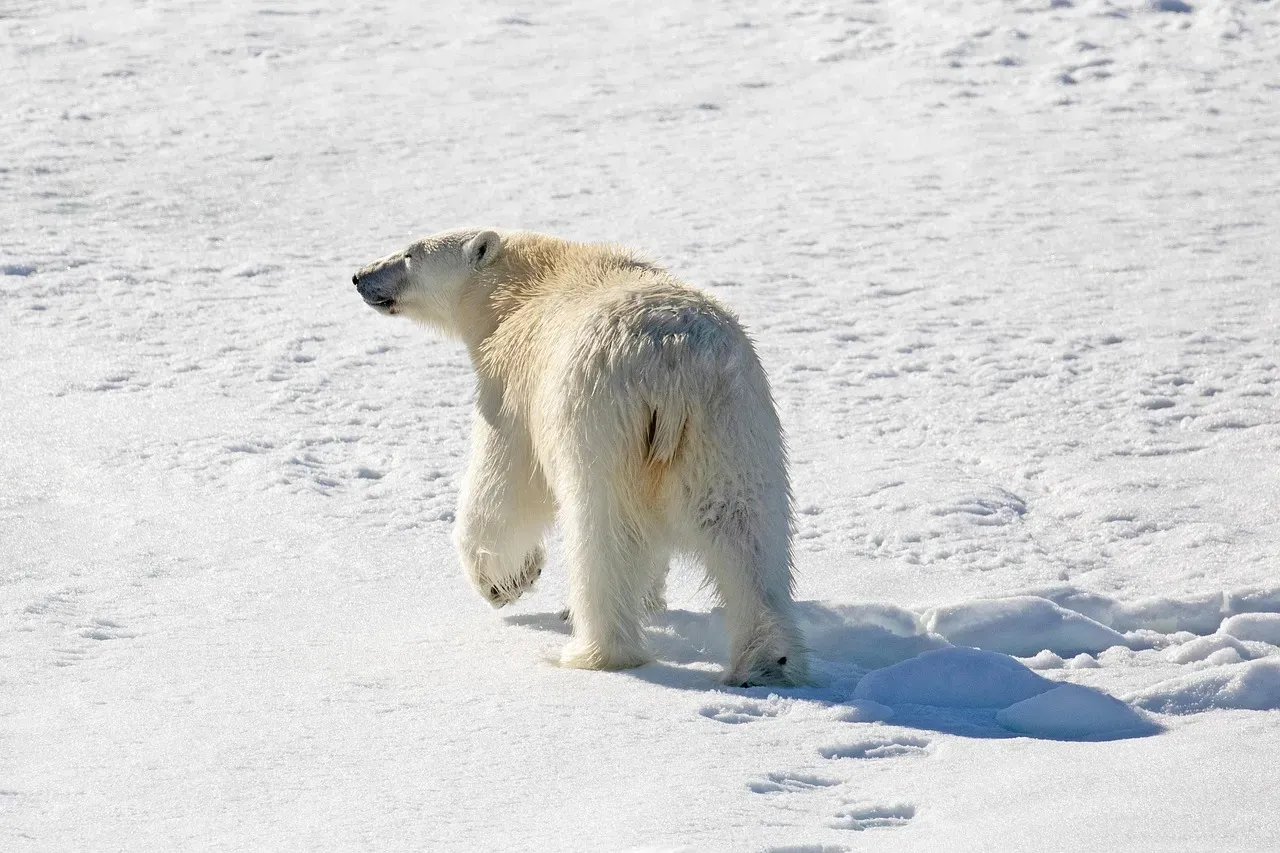
In the Arctic, temperatures can plunge to minus 40 degrees Celsius in winter and stay that way for days or weeks, but polar bears are built for those conditions. Honestly, their tolerance for extreme cold is almost scary. They’ll sleep right on the ice without even flinching. What’s more interesting is what happens when things warm up.
When the temperature rises above 10 degrees Celsius, polar bears struggle to cope and can overheat, with scientific observations indicating that polar bears begin to experience heat stress at temperatures exceeding 50 degrees Fahrenheit. I know it sounds crazy, but temperatures that we’d consider cool autumn weather can actually be dangerous for them. A thick layer of fat helps keep the bears warm, and a polar bear’s body fat can measure up to 11.4 centimeters thick.
Their entire physiology is calibrated for subzero survival. When conditions shift even moderately warmer, that same insulation becomes a liability rather than an advantage.
They’re Among the Best Swimmers in the Mammal World
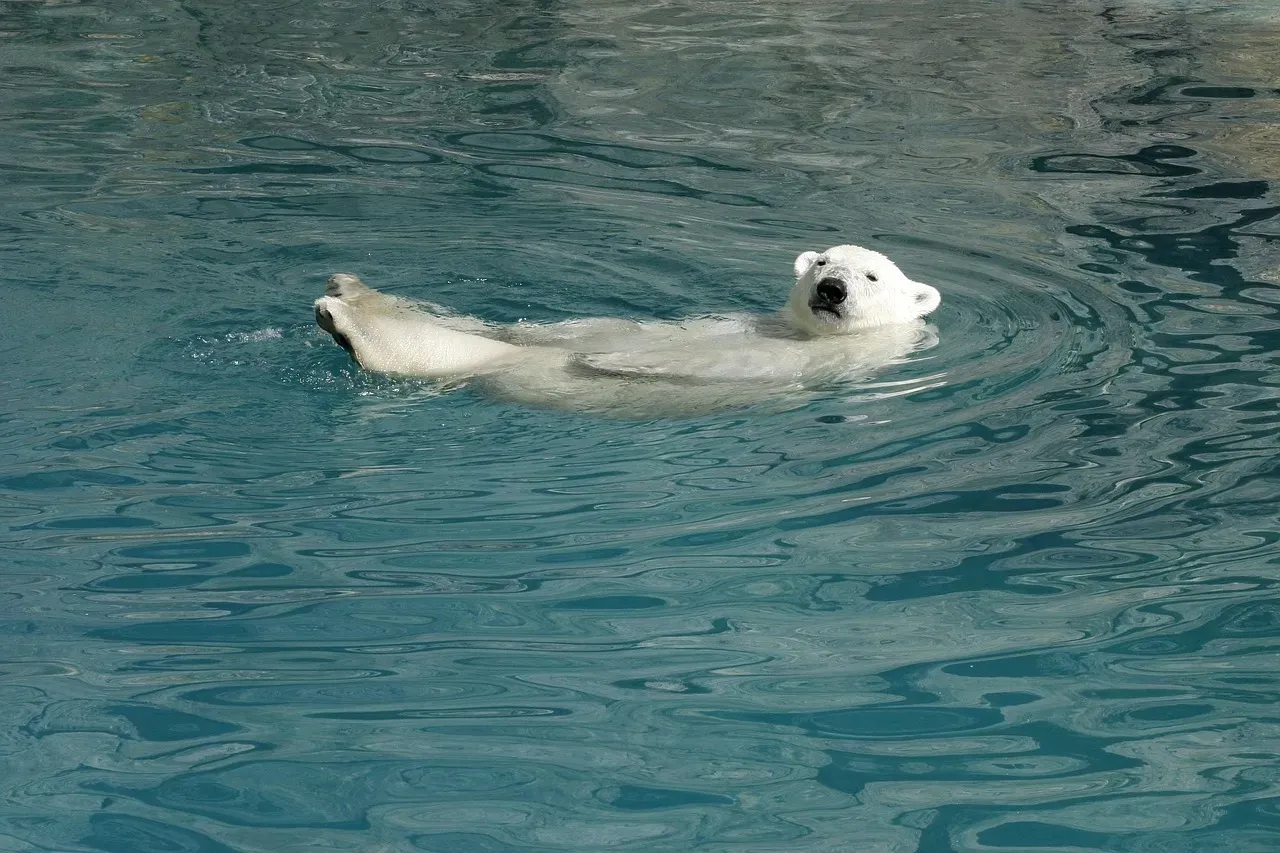
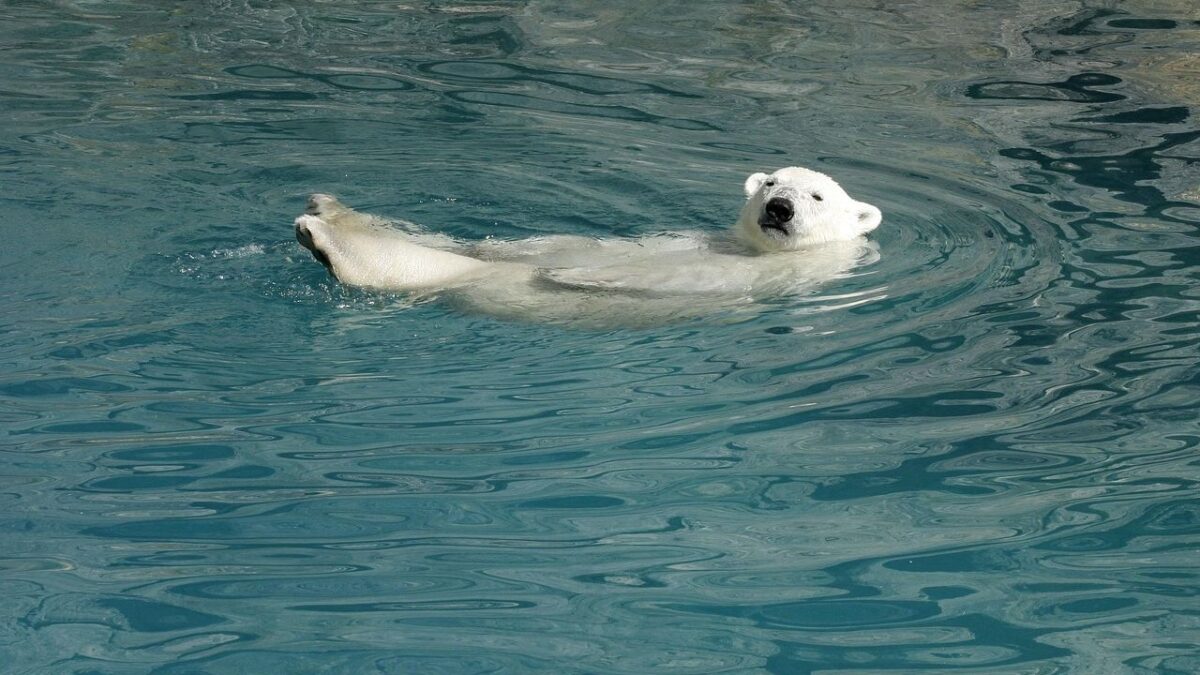
Let’s be real – when you picture a polar bear, you probably imagine it lumbering across ice, not gliding through water. They are very strong swimmers, and their large front paws, which they use to paddle, are slightly webbed, with some polar bears having been seen swimming hundreds of miles from land. That’s roughly the distance from one city to another across open ocean.
Studies have shown that polar bears can swim from 51 kilometers to 404 kilometers, with the average swim lasting about 3.4 days, and in some extreme cases, they’ve been seen swimming as far as 687.1 kilometers over almost 10 days. These aren’t just casual dips – they’re marathon swims that would kill most other land mammals. There were marked seasonal patterns in aquatic behaviour, with more time spent in the water during summer, when 75% of polar bears swam daily.
Their paws work like webbed paddles, propelling them through frigid waters where hypothermia would quickly claim other creatures. Swimming comes at a cost, though – it burns roughly five times more energy than walking.
Their Sense of Smell Is Unnervingly Accurate
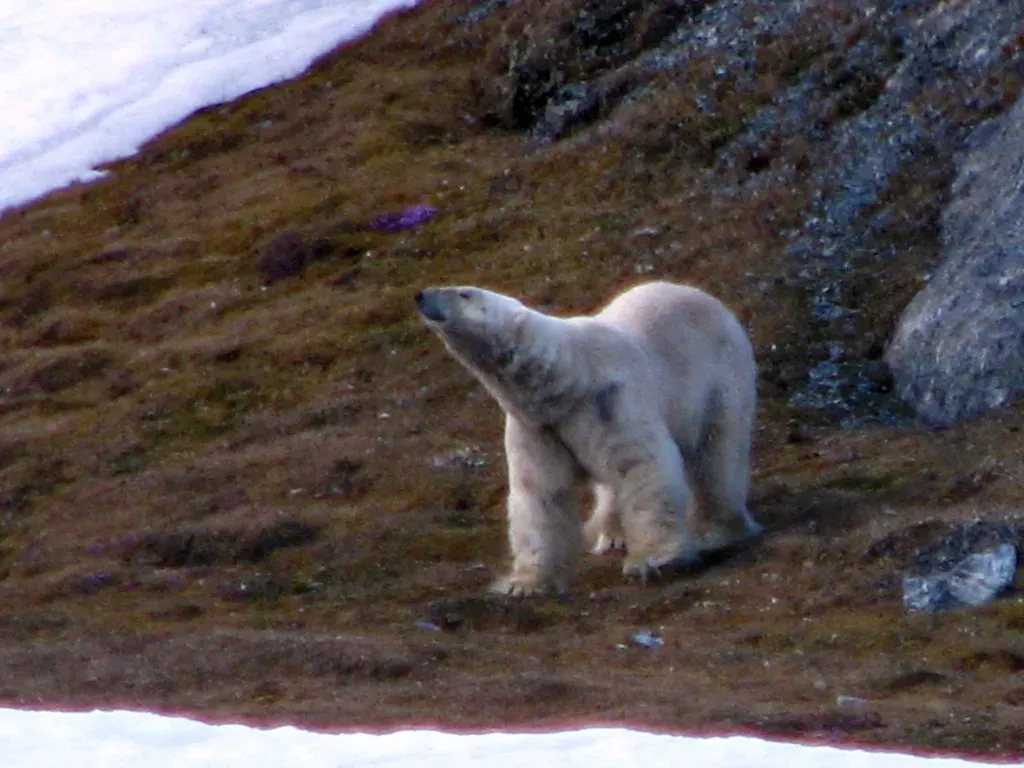
Polar bears have an exceptional sense of smell, which, combined with their long snouts, allows them to detect seals under several feet of compacted snow. Imagine smelling your dinner from over a mile away while standing in a blizzard. That’s essentially what polar bears do every single day. This olfactory superpower is probably their most critical hunting tool.
Their acute olfactory abilities help them find breathing holes in the ice, seal birthing lairs, and even carrion from great distances, making them efficient hunters. A seal hiding beneath thick ice and snow might think it’s completely concealed, but to a polar bear, it might as well be ringing a dinner bell. Their noses can pick up scent trails that have been left behind for miles.
This adaptation becomes even more impressive when you consider the Arctic environment. Wind, snow, and extreme cold should theoretically interfere with scent detection, yet polar bears navigate this challenge effortlessly.
They Have Extreme Patience When Hunting
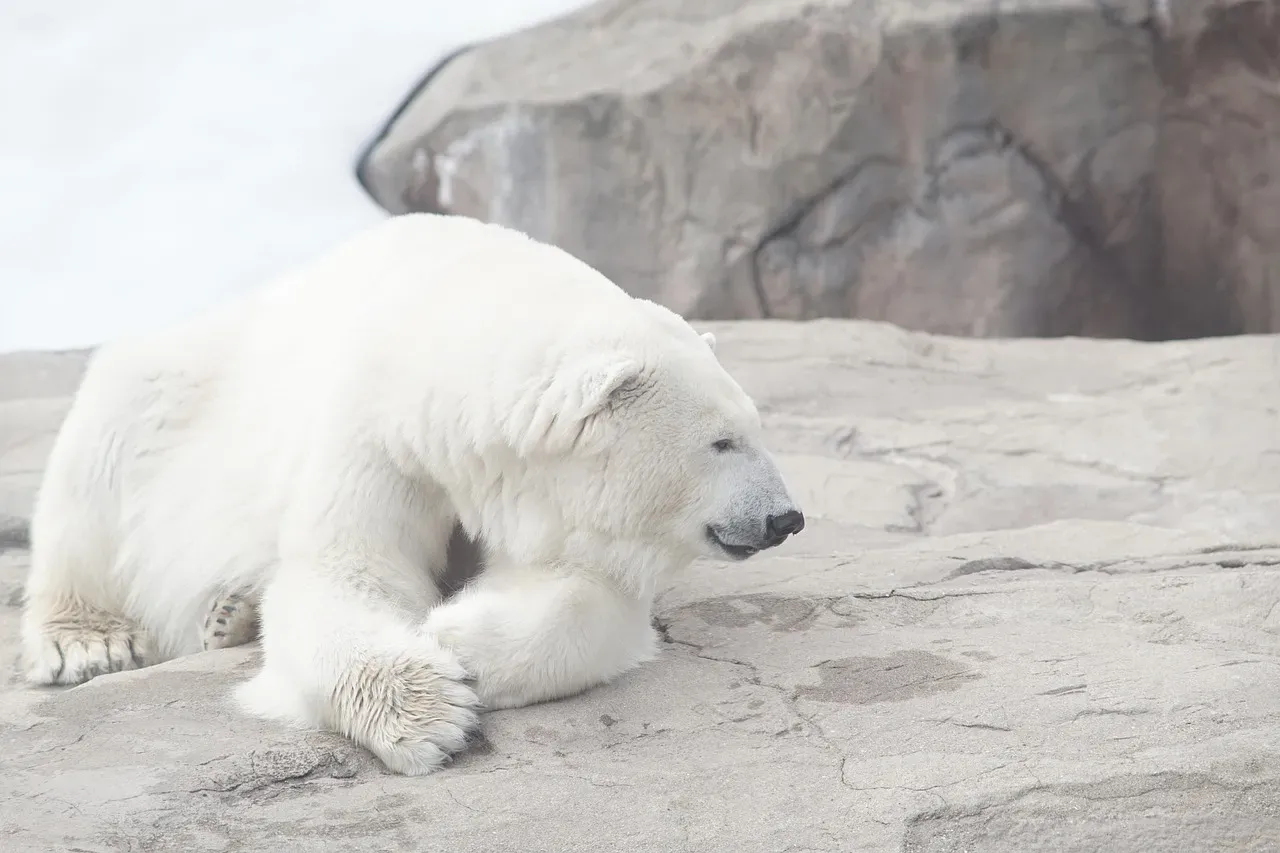
A common hunting technique for polar bears is to wait patiently by a seal’s breathing hole in the ice, with bears having been seen waiting motionless by a hole for up to 14 hours. Fourteen hours. Without moving. In temperatures that would freeze most creatures solid. Let that sink in for a moment.
When the seal sticks its nose through the hole for a breath of air, the waiting bear springs forward and grabs the animal’s head in its jaws, killing it, and in a show of incredible strength, the bear will stand up with the seal’s head still firmly clamped in its jaws, and pull the seal out of the water through its small breathing hole. The precision and power required for this maneuver is absolutely staggering. One mistake and the seal escapes, leaving the bear with nothing after hours of waiting.
These predators are known for their patience when hunting, often sitting silently by seals’ breathing holes for hours or even days, just waiting for their moment to strike. It’s this combination of patience and explosive power that makes them such effective apex predators.
They Can Process Extreme Amounts of Fat Without Health Issues
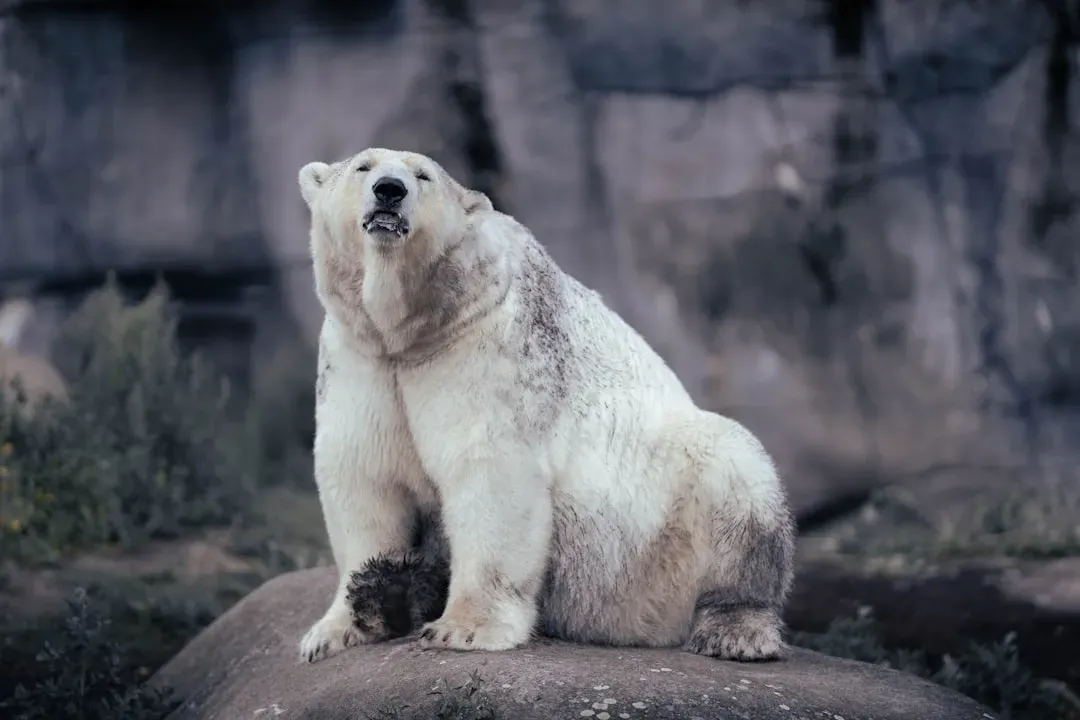
Polar bears eat a very high fat diet and have adaptations to allow them to process this food – this is possibly the key adaptation that polar bears have, enabling them to eat the blubber of seals that they catch which is the most energy rich and abundant part of the seal. Most mammals would develop severe cardiovascular problems on such a diet. Other animals could simply not survive if they ate so much fat in their diet.
One of the most important genes in the speciation of polar bears has been one known as APOB, which makes a protein that is part of a molecule called Low Density Lipoprotein, and is important to the process of transporting lipids in the blood and in the uptake by body cells. Essentially, polar bears have evolved a genetic solution to what would be a death sentence for nearly any other creature. They’ve cracked the code on processing massive amounts of fat without suffering heart disease or arterial blockages.
A large stomach capacity (around 10 to 20 percent of their body weight) and excellent digestion efficiency (they use 84% of protein and 97% of fat) allow polar bears to rapidly put on weight. When food is available, they gorge themselves, storing energy for the lean times. This ability to rapidly gain and then live off stored fat is what allows them to survive months without eating.
Conclusion
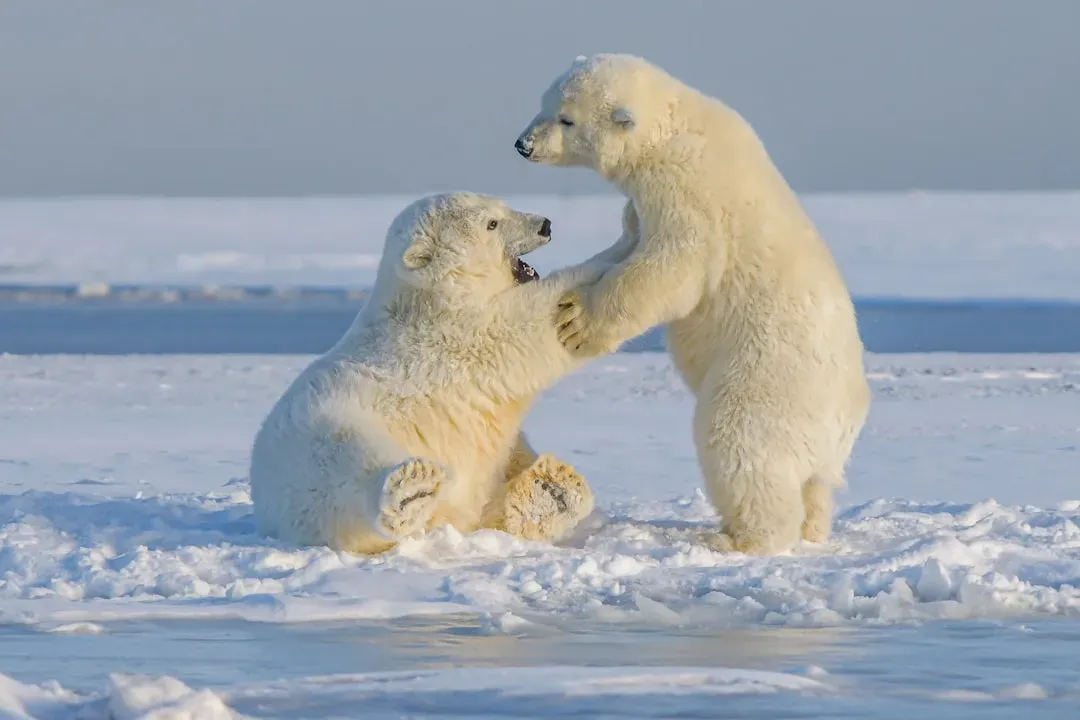
Polar bears represent one of nature’s most perfectly engineered survivors. From transparent fur that tricks the eye to genetic modifications that process fat like fuel, every aspect of their biology screams adaptation. They can smell prey from impossible distances, swim for days without rest, and wait motionless in brutal cold for half a day just for a chance at a meal.
These aren’t just cool party facts – they’re survival mechanisms refined over hundreds of thousands of years. The challenge now is whether these incredible adaptations will be enough as their icy world continues to change. What’s your take on these remarkable creatures? Drop your thoughts in the comments below.

- 7 Greatest Cosmic Threats to Life on Earth - July 23, 2026
- Abandoned and Unwanted This Dog Has Been Chained Up For 8 Years With No Socialization - July 23, 2026
- The Cheetah: The Speed King of the Animal Kingdom - July 23, 2026