

Have you ever watched your dog pace around the living room for no apparent reason? Or maybe you came home to find your favorite pair of shoes completely destroyed. These behaviors might seem random or frustrating, yet they could be your dog’s way of telling you something important. Canine anxiety is far more common than most people realize, affecting a significant portion of dogs worldwide. The tricky part is recognizing the signs early enough to help.
Dogs communicate their emotional distress differently than we do. They can’t exactly tap you on the shoulder and say they’re feeling overwhelmed. Instead, they show us through their behavior and body language. Learning to spot these warning signs can make all the difference for your furry companion’s wellbeing. Let’s explore what to watch for when your dog might be struggling with anxiety right under your own roof.
Excessive Panting and Drooling When There’s No Reason
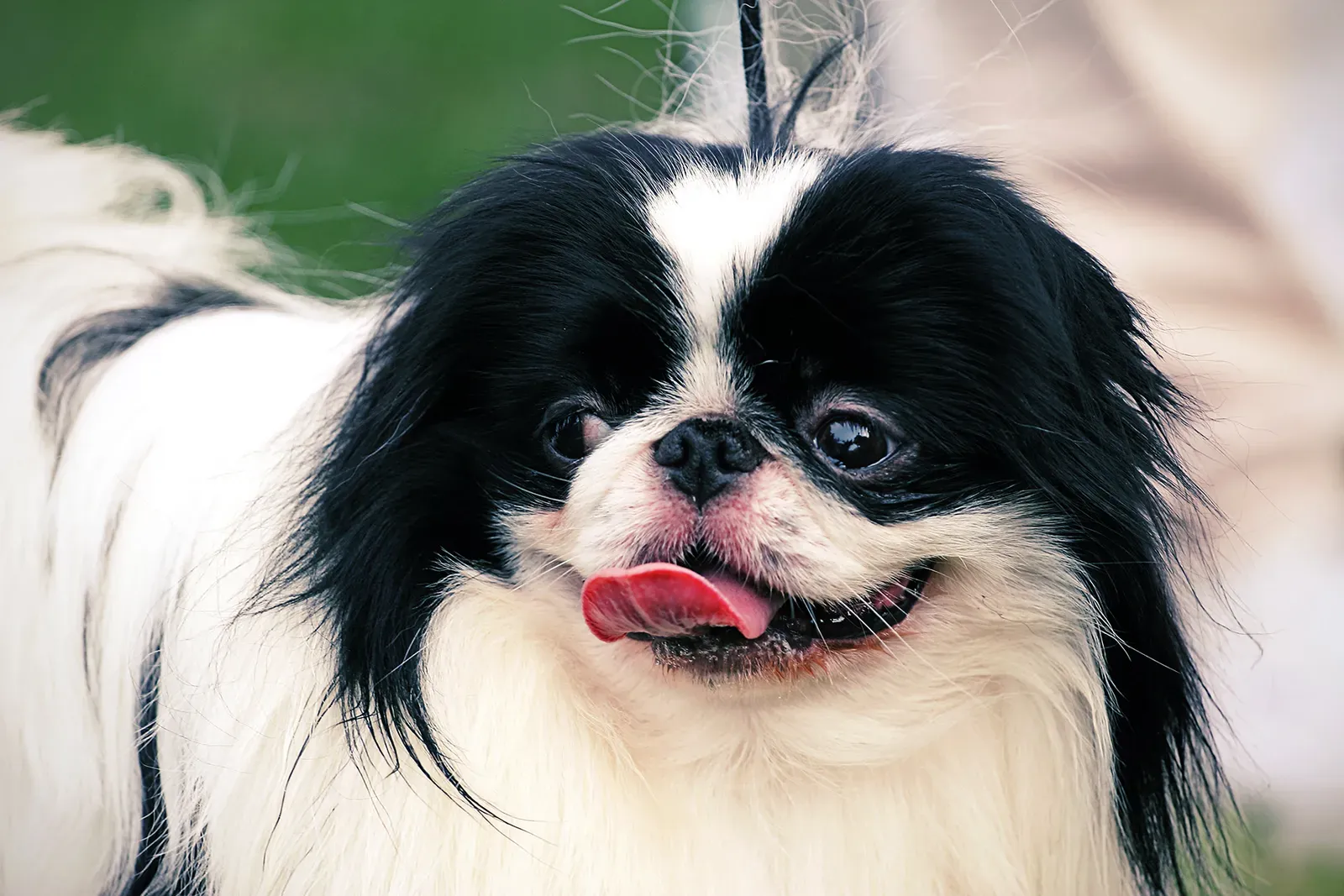
Dogs naturally pant to cool themselves off during heat or exercise, yet they may also pant when anxious, such as during vet visits or thunderstorms. If your dog is sitting calmly on the couch but suddenly starts panting heavily without any physical exertion, that’s a red flag.
Similarly, excessive drooling beyond normal slobbering could indicate anxiety. Sure, some breeds drool more than others naturally. However, if you notice your dog suddenly drooling far more than usual in specific situations or environments, anxiety might be the culprit. Maybe it happens when visitors arrive, or perhaps when you grab your car keys.
The key here is context. A little drool after a vigorous play session is normal. Excessive drooling paired with other nervous behaviors while lounging at home? That’s worth paying attention to.
Destructive Behavior That Seems Out of Character
Destructive behavior is common with separation anxiety, and damage is usually located around entry and exit points like doorways and windows. Think about it: your dog isn’t destroying your belongings out of spite. They’re often trying to cope with overwhelming emotions they don’t understand.
Some dogs may become very destructive and chew up furniture or items in the home when left alone as a symptom of separation anxiety. This can range from scratching at doors to completely tearing apart cushions or drapes. The damage tends to focus on areas where you typically enter or leave, which speaks volumes about what’s triggering the anxiety.
Here’s the thing: destruction isn’t always about boredom. An anxious dog might feel genuine panic when left alone, and chewing or scratching becomes their outlet. Attempts to break out of crates, windows, and doors can result in painful injuries and expensive veterinary treatments.
House Training Accidents in Previously Trained Dogs

Urinating and defecating in the house is a common symptom of separation anxiety. Let’s be real, this one is particularly frustrating for pet parents. You’ve spent months house training your dog, and suddenly they’re having accidents indoors again.
Anxious dogs often work themselves up to the point that they pee or poop in the house, even if they are housebroken. It’s not that they’ve forgotten their training or that they’re being defiant. The anxiety literally overwhelms their ability to hold it.
Urination in the house is a sign of anxiety, not resentment or anger, which is a common misconception among dog owners. This distinction matters because punishing your dog for these accidents will only increase their anxiety. They’re already stressed, and adding punishment to the mix creates a vicious cycle that makes everything worse.
Constant Pacing and Restless Movement
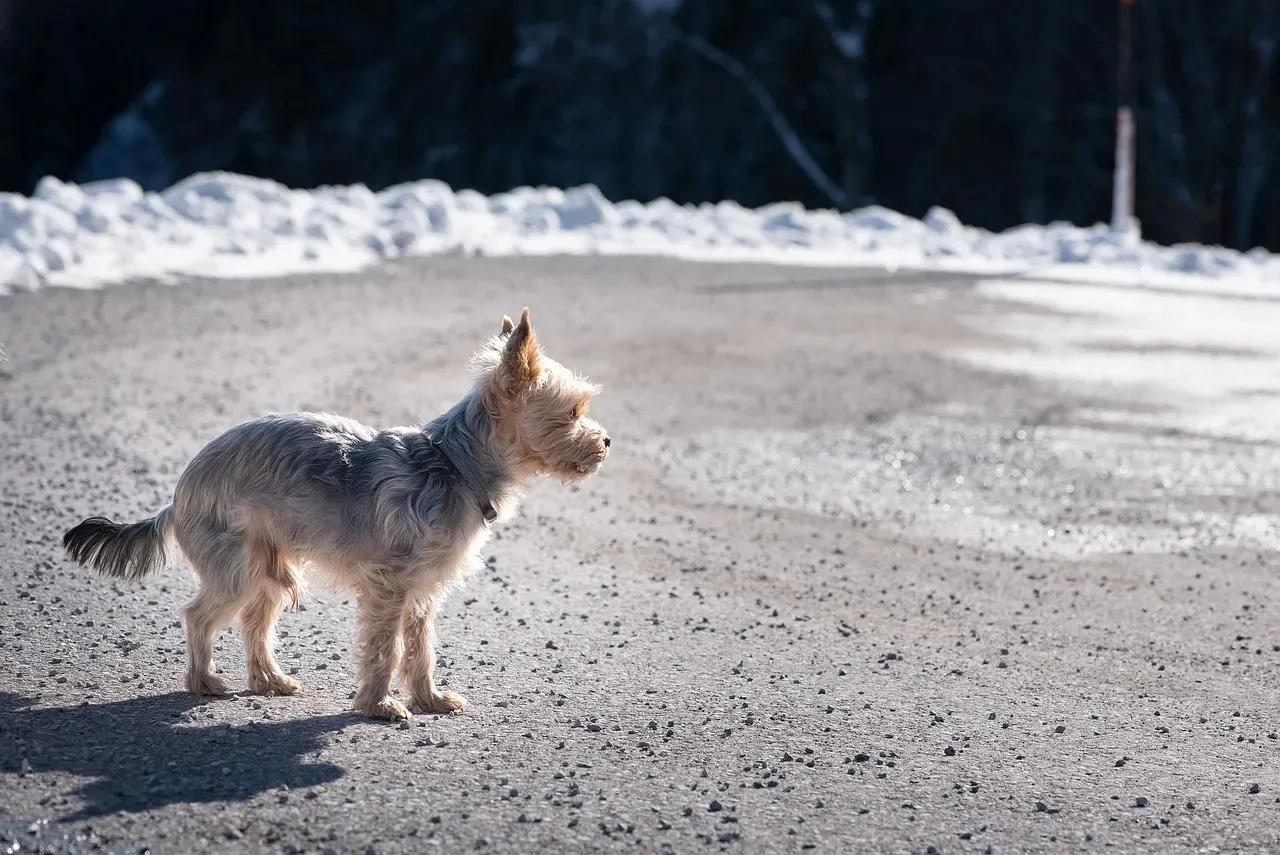
Pacing is usually a sign that something’s wrong, and your pup might walk back and forth in place or walk aimlessly around the house if they’re worried. Picture this: instead of settling down for the evening, your dog keeps walking repeated paths through your home. Living room to kitchen, kitchen to hallway, back to living room.
Some dogs pace when they are agitated or frightened, walking a repeated path while anxious. The movement itself becomes almost compulsive. They can’t seem to find a comfortable spot or relax into their usual sleeping position.
Sometimes pacing happens alongside other symptoms like whining or excessive licking. Pacing often indicates anxiety in dogs and may occur during or shortly after an event that causes the dog to feel anxious. The behavior typically stops once the trigger passes, but for dogs with chronic anxiety, the pacing might continue for extended periods. If you notice this happening frequently, especially in older dogs, it’s worth a conversation with your vet.
Changes in Body Language and Posture

Stressed dogs may have dilated pupils and blink rapidly, opening their eyes wide and showing more white than usual, giving them a startled appearance. The eyes really are windows to your dog’s emotional state. When you see those whale eyes, the whites showing around the edges, your dog is signaling discomfort.
If a healthy dog shifts their weight to the rear legs or cowers, they may be exhibiting stress, and when scared, dogs may also tuck their tails or become rigid. A relaxed dog stands balanced on all four paws with a loose, wiggly body. An anxious dog? Their whole body tells a different story.
Watch for pinned back ears, a tucked tail, or a lowered body posture. Dogs may also drool and lick excessively when nervous. These physical signals often appear before more obvious behaviors like aggression or destruction. Learning to read your dog’s body language gives you the chance to intervene early, removing them from stressful situations before things escalate.
Excessive Vocalization and Unusual Barking Patterns

Vocalization is normal self expression in dogs but may be intensified when they are under stress. Your normally quiet dog suddenly won’t stop barking. Or maybe they’re whining continuously even though all their basic needs are met.
A dog who barks nonstop may be trying to tell you they’re stressed out, and anxiety related barking typically occurs along with other behaviors such as pacing. The barking might seem to come from nowhere, triggered by things that never bothered them before. A car passing outside, footsteps in the hallway, even shadows moving across the wall.
Whining can also mean your pup is feeling anxious, especially if they’re pacing or trembling at the same time. Sometimes it’s not about volume but persistence. That constant low whine or repetitive bark becomes their way of expressing internal turmoil. They’re essentially saying “something isn’t right” in the only language they have available.
Conclusion
Recognizing anxiety in your dog isn’t always straightforward. These red flags often overlap and vary depending on your individual dog’s personality and past experiences. Severe stress in dogs can become long term, intense anxiety or fear that affects their quality of life.
The good news is that once you identify the signs, you can take action. If your dog becomes stressed often or in response to many triggers, see your veterinarian who may refer you to a trainer or veterinary behaviorist for further assessment. Treatment options range from environmental modifications and training techniques to medications that can help ease your dog’s emotional burden.
Your dog relies on you to advocate for their mental health just as much as their physical health. Paying attention to these warning signs shows that you’re tuned into their needs. Have you noticed any of these behaviors in your own dog? What changes have you made to help them feel more secure at home?
