
Late autumn has always felt like a waiting room. The leaves are down, the garden is finished, and winter hasn’t made its move yet. For generations of Americans, that uneasy gap was a time to squint at the sky, the animals, and even the kitchen pantry for hints about what was coming.
Most of these signs belong to folklore, not forecasting. Still, they tell us a lot about how people lived when a bad winter could be a real threat. Here are six that people watched between Halloween and Thanksgiving, and what we can fairly say about each.
Woolly Bear Caterpillar Stripes
🔥 Would you like to save this?
We'll email this post to you, so you can come back to it later!
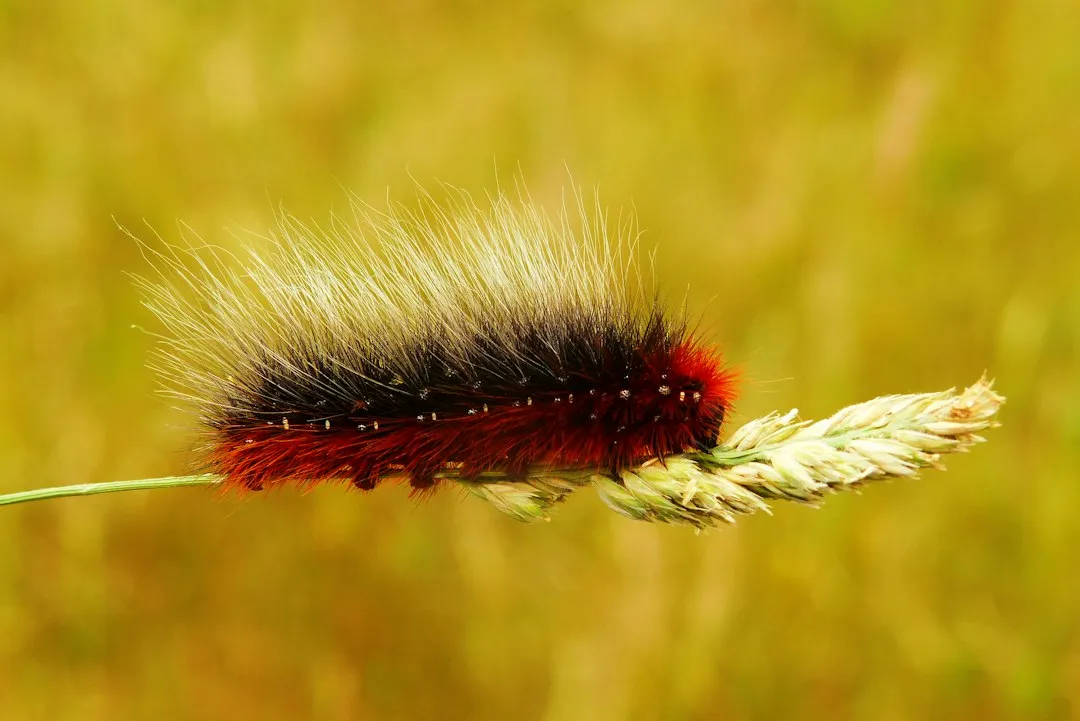
This is probably the best known of the bunch. The woolly bear caterpillar has a rusty band in the middle and black at both ends. Folk wisdom says a wide rusty band means a mild winter, while more black means a harsh one.
The tradition is kept alive each year at festivals, including a well known one in Vermilion, Ohio. Scientists generally say the stripes reflect the caterpillar’s age, its diet, and the conditions during its growth, not the winter ahead. It’s a charming custom, just not a reliable one.
Thick Corn Husks and Heavy Squirrel Stores
🔥 Would you like to save this?
We'll email this post to you, so you can come back to it later!
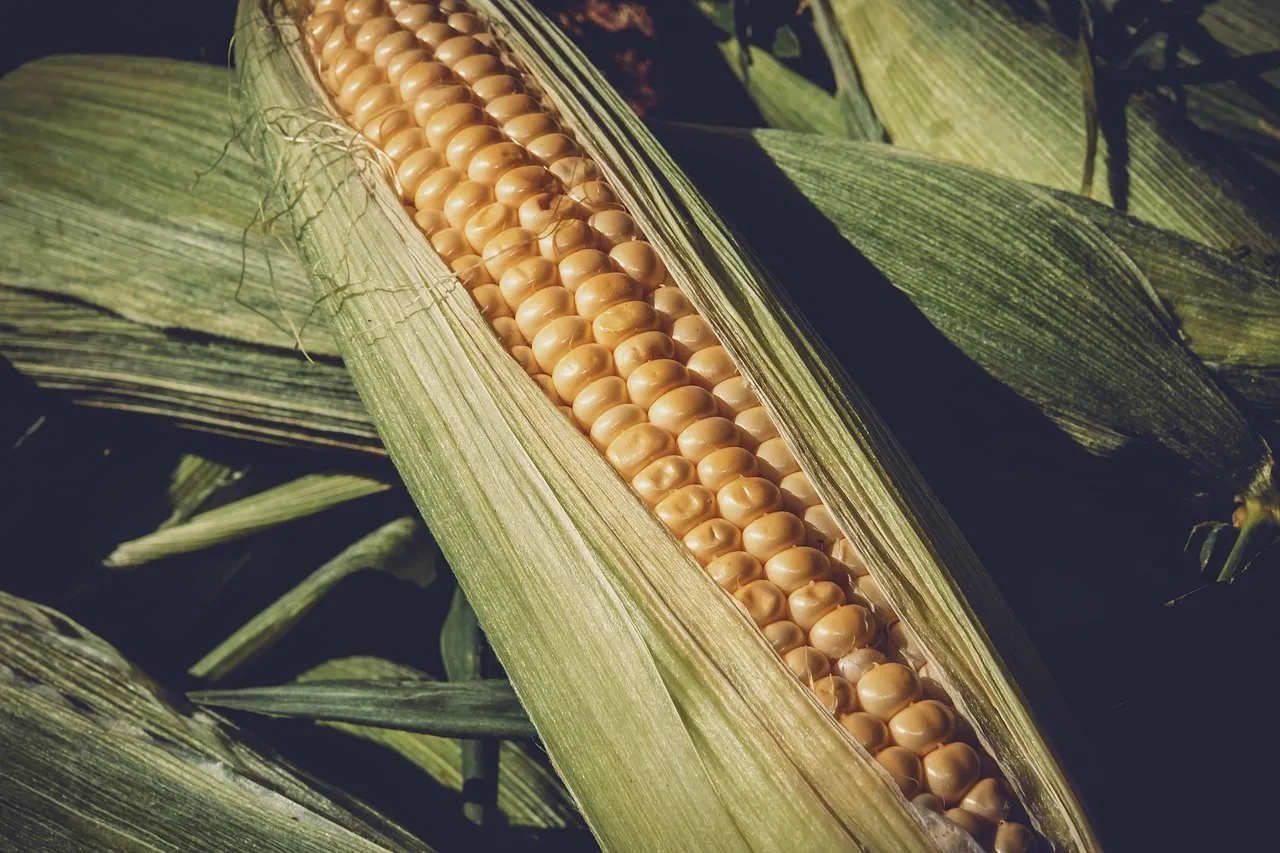
Farm families used to study the corn husks at harvest. Thicker, tighter husks were supposed to mean a bitter winter, and thin ones suggested an easy season. People applied the same logic to squirrels, reading busy nut gathering as a warning.
The trouble is that these signs mostly reflect the past growing season. Rainfall, heat, and food supply shape husks and animal behavior far more than any peek at future snow. Squirrels are simply doing what they do every fall, and a good acorn year makes them look extra industrious.
Persimmon Seed Splitting
🔥 Would you like to save this?
We'll email this post to you, so you can come back to it later!
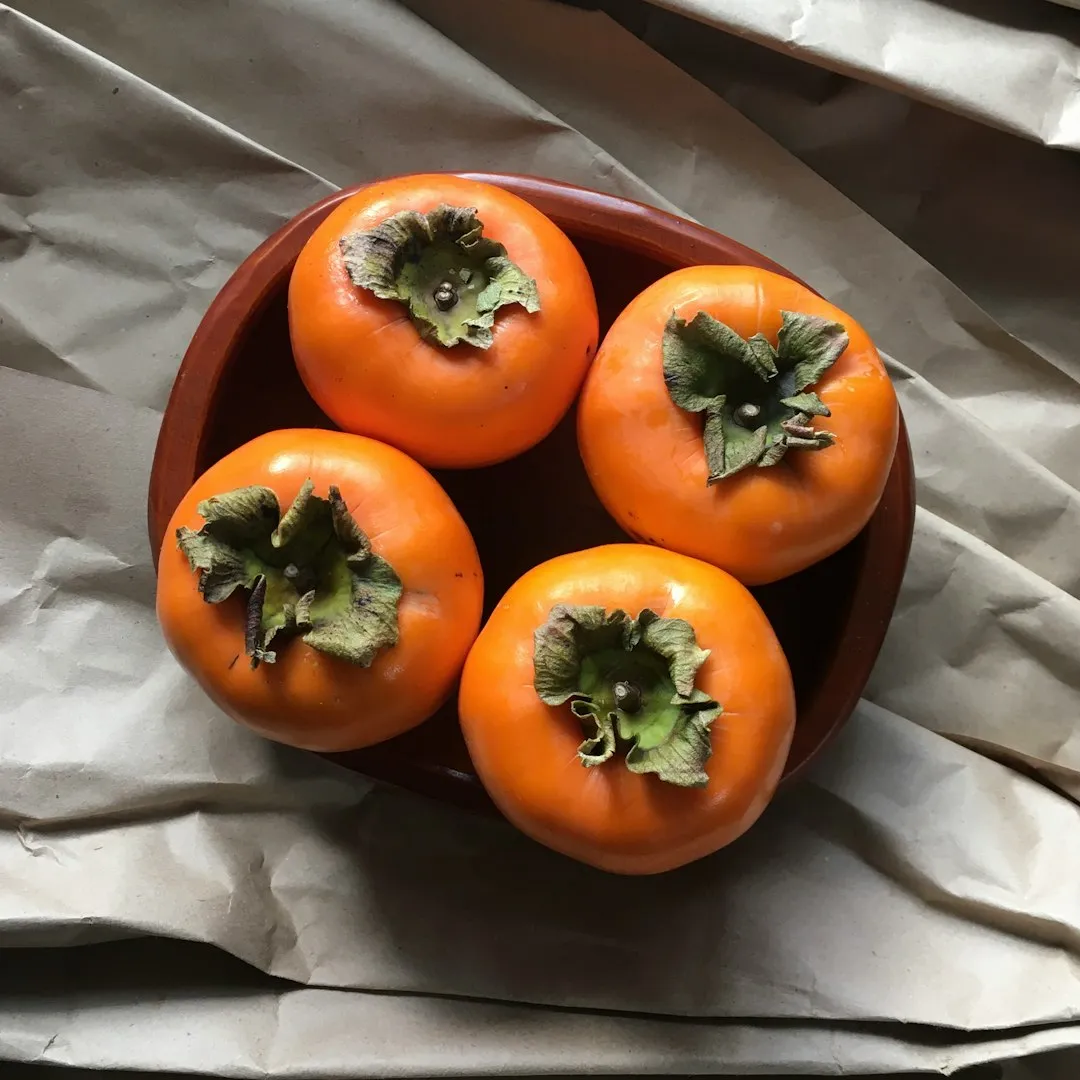
In parts of the Midwest and South, people cut open persimmon seeds in late fall and looked at the shape inside. A spoon shape meant plenty of snow to shovel, a knife meant cutting cold winds, and a fork pointed to a mild winter. It became a kitchen table ritual, and some communities still do it for fun.
Studies of the practice have not shown it to be dependable. Even so, there’s something appealing about a prediction that needs nothing more than a fruit, a knife, and a bit of patience. It works better as a conversation starter than a forecast.
A Ring Around the Moon
🔥 Would you like to save this?
We'll email this post to you, so you can come back to it later!
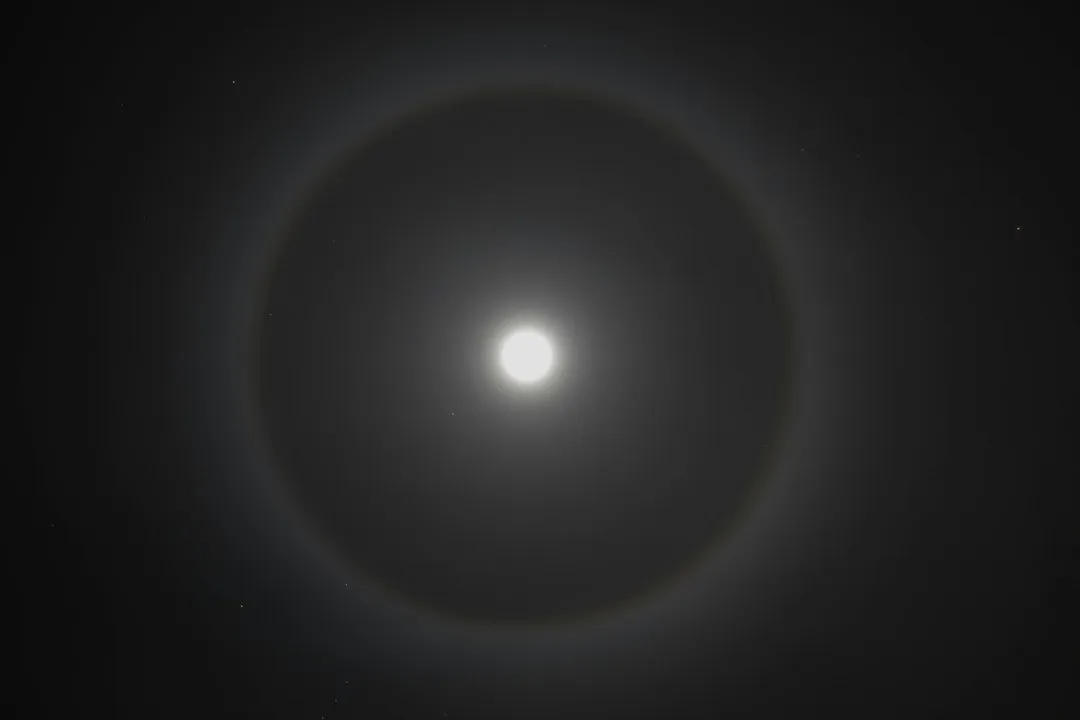
A halo around the moon was an old favorite for guessing the next day’s weather. Rural folk often counted the stars inside the ring and treated the number as a sign of how soon a storm would arrive. Many saw it as a warning of rain or snow.
This one has a real basis. Halos form when moonlight passes through thin, high ice crystal clouds, which often come ahead of an approaching system. It doesn’t predict a whole winter, but as a short term hint it has more going for it than most folk signs.
Sky Colors and Sundown Sayings
🔥 Would you like to save this?
We'll email this post to you, so you can come back to it later!
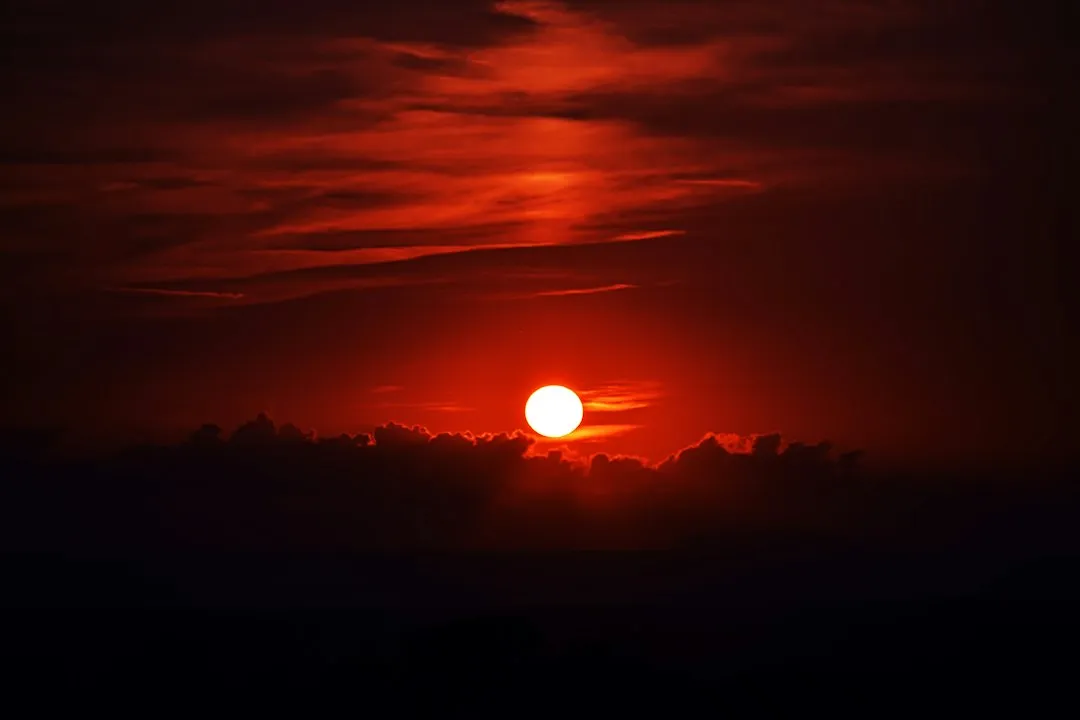
The rhyme about red skies at night and red skies in morning is still repeated across the country. In the fall, people watched sunsets closely, hoping a rosy glow meant calm weather. A fiery red sunrise was taken as a caution.
In the mid latitudes, weather generally moves from west to east, so a clear western sky at sunset can mean fair conditions are on their way. That gives the saying some logic, though it fails often enough that nobody should cancel plans over it. Think of it as a rough rule of thumb, not a promise.
Animal Behavior and Early Migrations
🔥 Would you like to save this?
We'll email this post to you, so you can come back to it later!
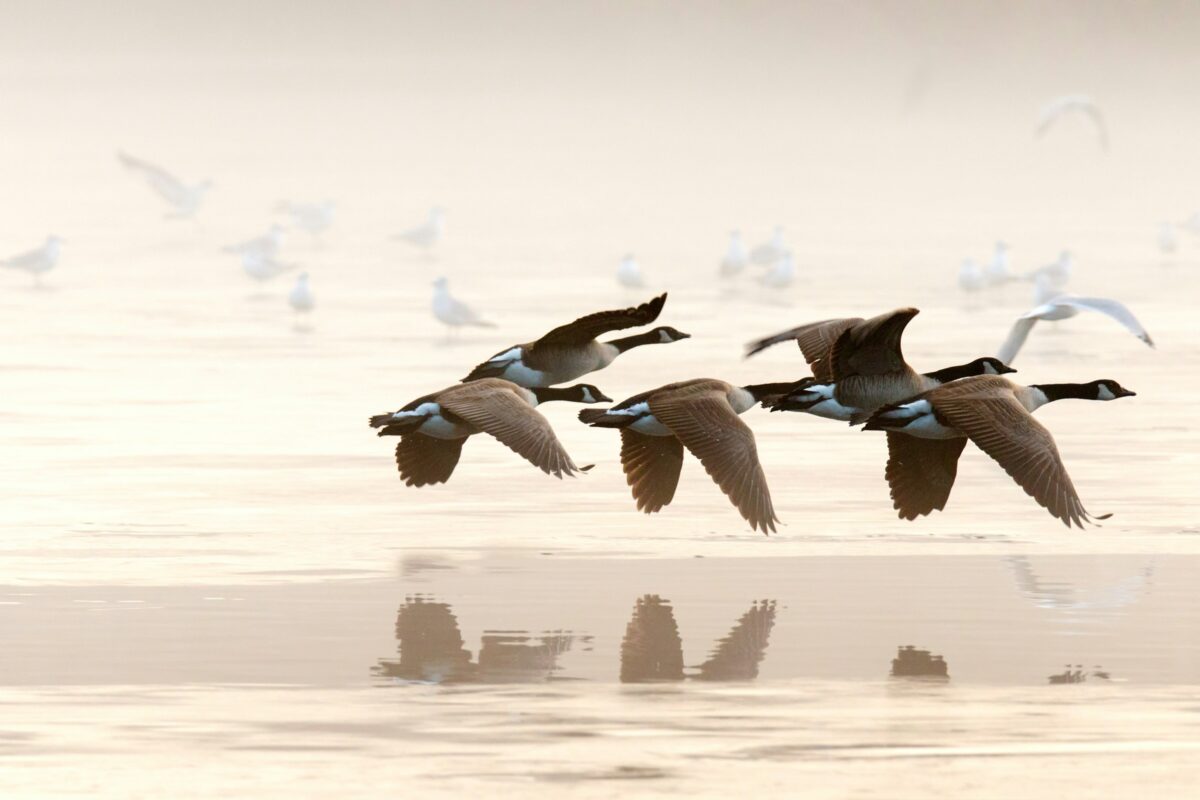
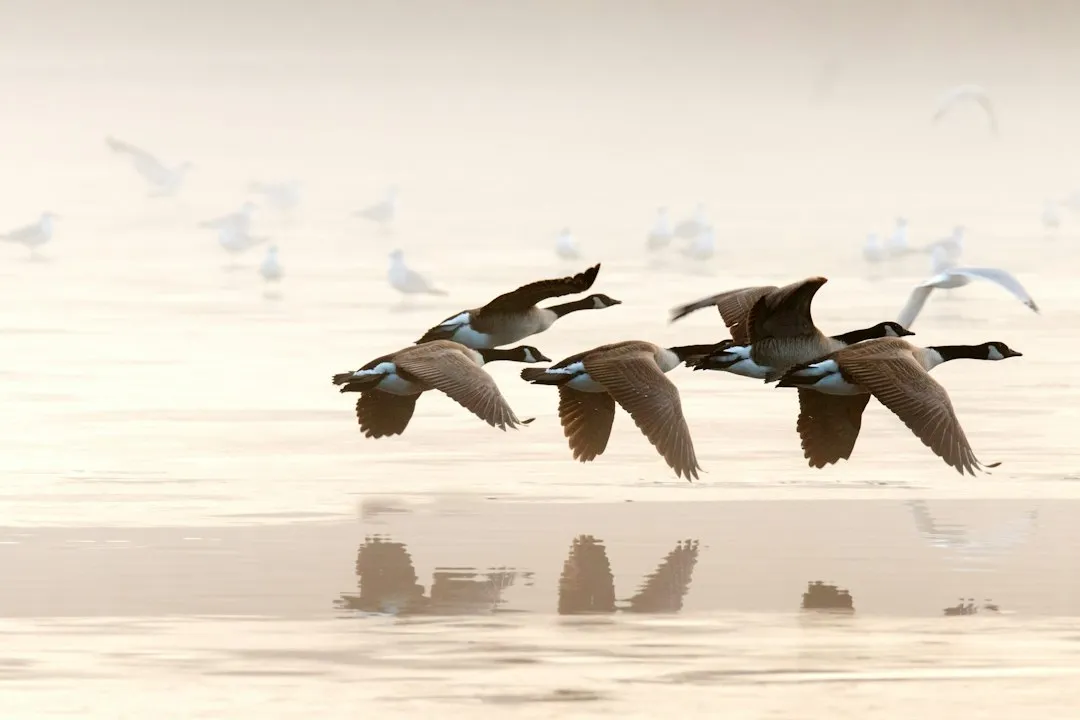
Early geese heading south, thick coats on horses, and birds crowding feeders were all taken as signs that winter would arrive hard. Families watched the flocks overhead and talked about it at the dinner table. It made the season feel like something you could read.
Migration is mostly driven by daylight length, temperature changes, and food, so it tells us more about the present than the future. Animals respond to conditions they’re already experiencing. That’s useful for understanding the current season, but it can’t see months ahead.
Final Thoughts
🔥 Would you like to save this?
We'll email this post to you, so you can come back to it later!
I’d argue these signs deserve to stick around, just not as forecasts. Check a modern outlook if you need to plan for snow, and use the caterpillars, persimmons, and moon halos for what they do best, which is making you look up and pay attention.
There’s a quiet pleasure in noticing a season instead of just scrolling past it. Folk weather lore may be bad meteorology, yet it’s very good at connecting people to the world outside their window. That’s worth keeping, even if the winter ends up doing whatever it wants.

- 7 Everyday Habits That Can Make Your Senior Dog Happier - November 5, 2026
- 10 Enigmatic Structures That Continue to Puzzle Scientists Today - November 5, 2026
- 10 Strange Ruins in the Americas That Challenge What We Know About Early History - November 5, 2026