
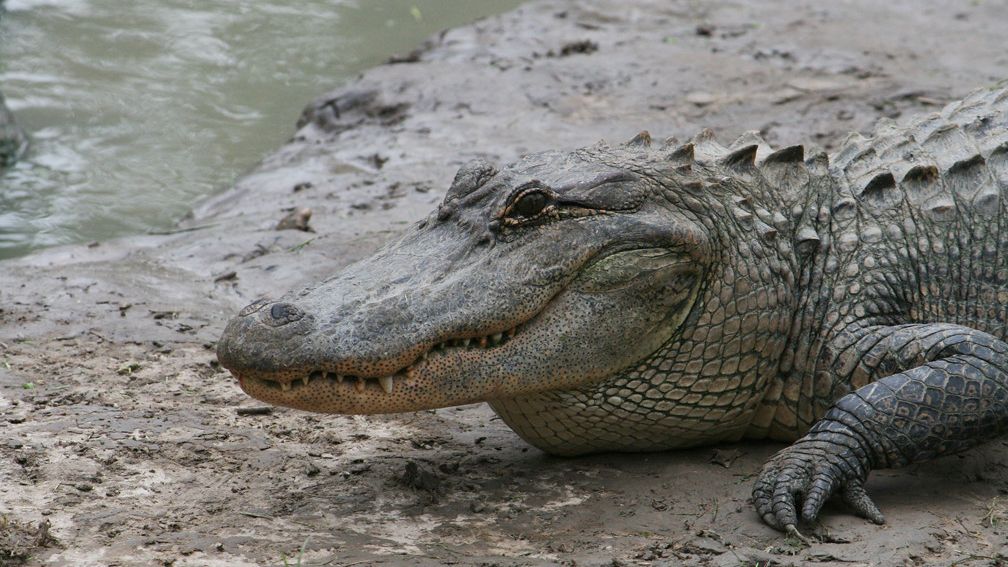
Think about the American Southeast for a moment. Swamps stretch endlessly under a blanket of humid air, cypress trees rise from murky waters, and somewhere beneath the surface, ancient eyes are watching. Most people picture Florida when they imagine alligators, but the reality is far more surprising. Several states harbor massive populations of these prehistoric reptiles, and some of them might not be on your radar at all.
Nearly five million alligators live in the wild across the southeastern United States. These cold-blooded survivors have rebounded spectacularly since being listed as endangered decades ago, thanks to conservation efforts and careful management. Let’s be real, spotting one of these creatures in the wild is both thrilling and terrifying. So which states truly dominate when it comes to alligator numbers? Let’s dive in.
Louisiana: The Undisputed Alligator Capital
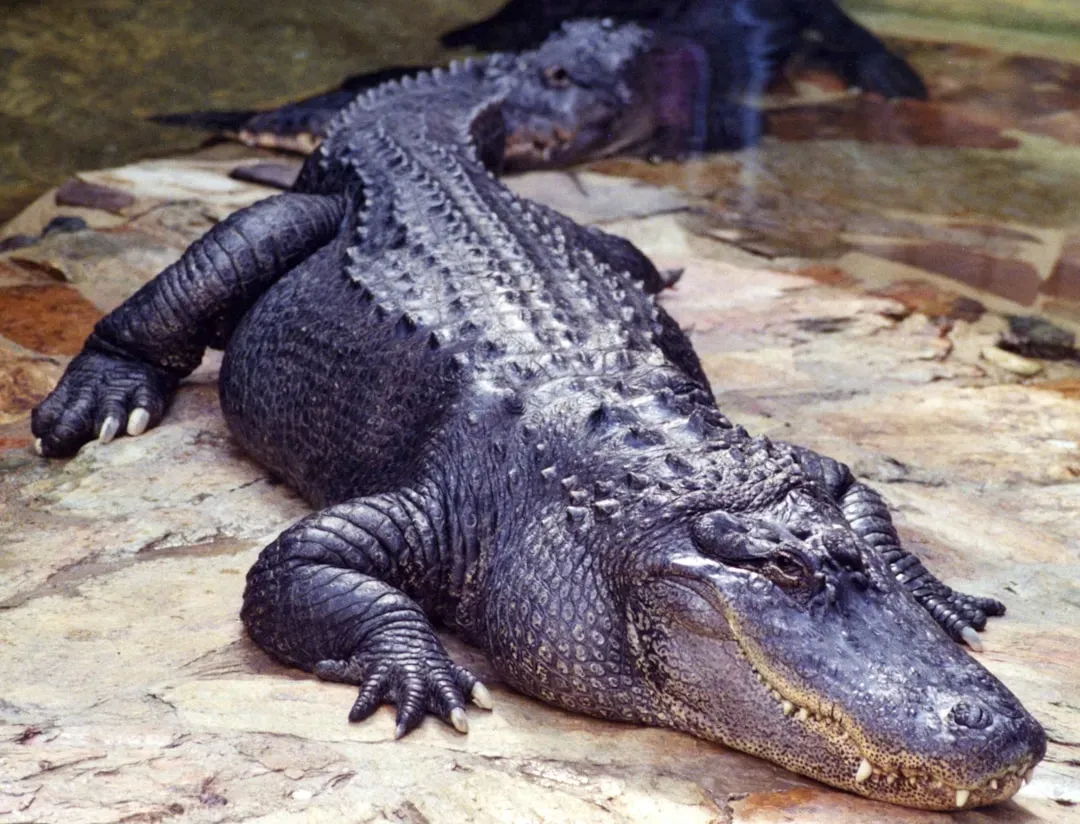
Louisiana’s wild alligator population has increased from less than 100,000 to more than 3 million in the past 50 years. That’s not a typo. This state genuinely has more alligators than people in some parishes, especially across the swampy coastal regions. Notable areas in Louisiana with dense alligator populations include Lake Martin, Caddo Lake, and Cross Lake.
It’s hard to say for sure, but the state’s extensive wetlands and bayous create perfect conditions for these reptiles to thrive. Louisiana’s alligator farming industry also contributes to the count, with nearly 1 million alligators on farms. The economic impact of alligators here is staggering, generating hundreds of millions through leather, meat, and tourism. Walking through certain parts of Louisiana, you’re honestly more likely to encounter a gator than not.
Florida: The Tourist Favorite
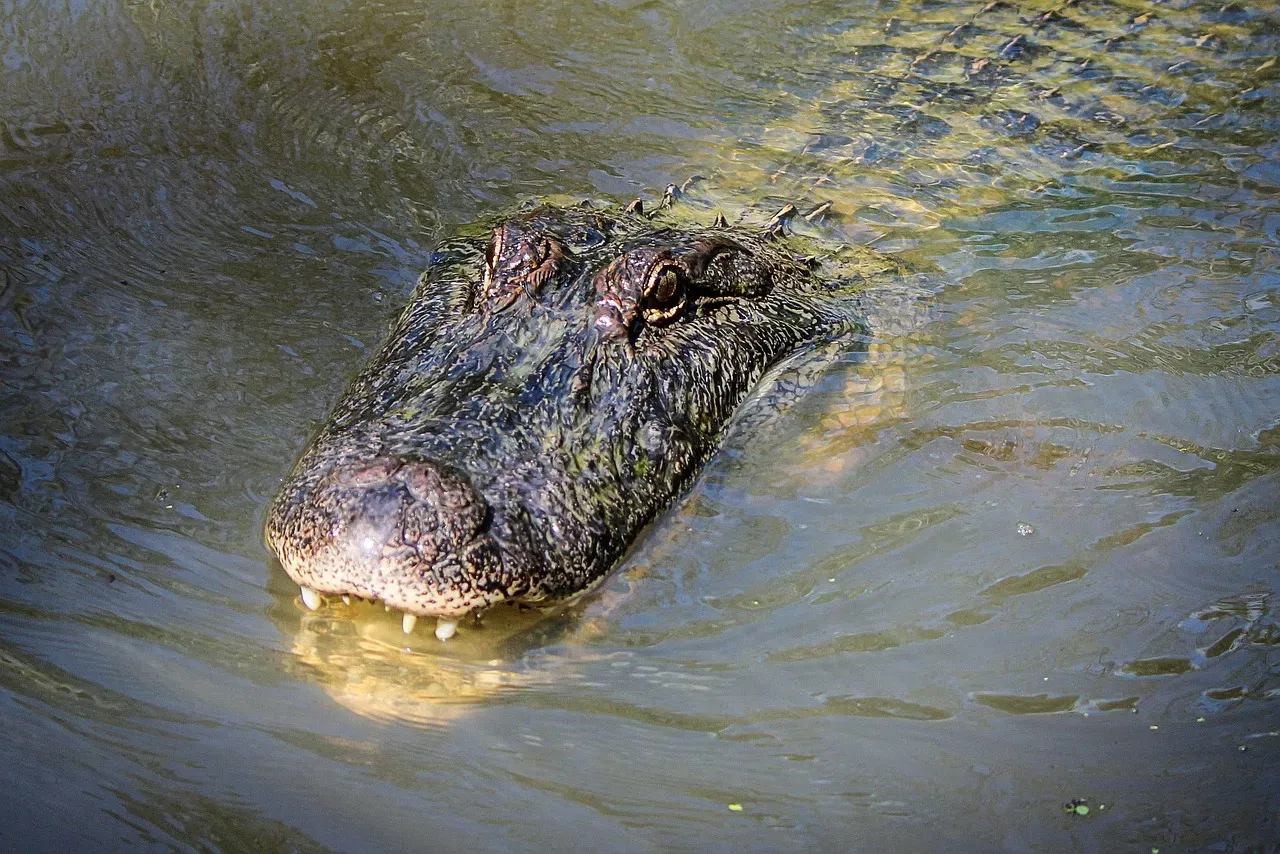
Florida is another state with a substantial alligator population, numbering over 1.25 million. From the Everglades to suburban retention ponds, these reptiles have learned to coexist with humans in ways that constantly make headlines. Florida is also home to Gainesville, the most gator-populated city in the U.S.
These alligators inhabit natural springs, rivers, lakes, ponds, swamps, and wetlands, and while they are typically found in freshwater, it’s not uncommon to spot a Florida alligator in brackish or saltwater. The state’s year-round warmth and abundance of water bodies make it ideal habitat. Floridians develop a sixth sense about water safety, knowing that virtually any standing body of water could potentially house a gator. The University of Florida even embraced the reptile as its mascot, celebrating these ancient creatures rather than fearing them.
Texas: Everything’s Bigger, Including the Gator Count
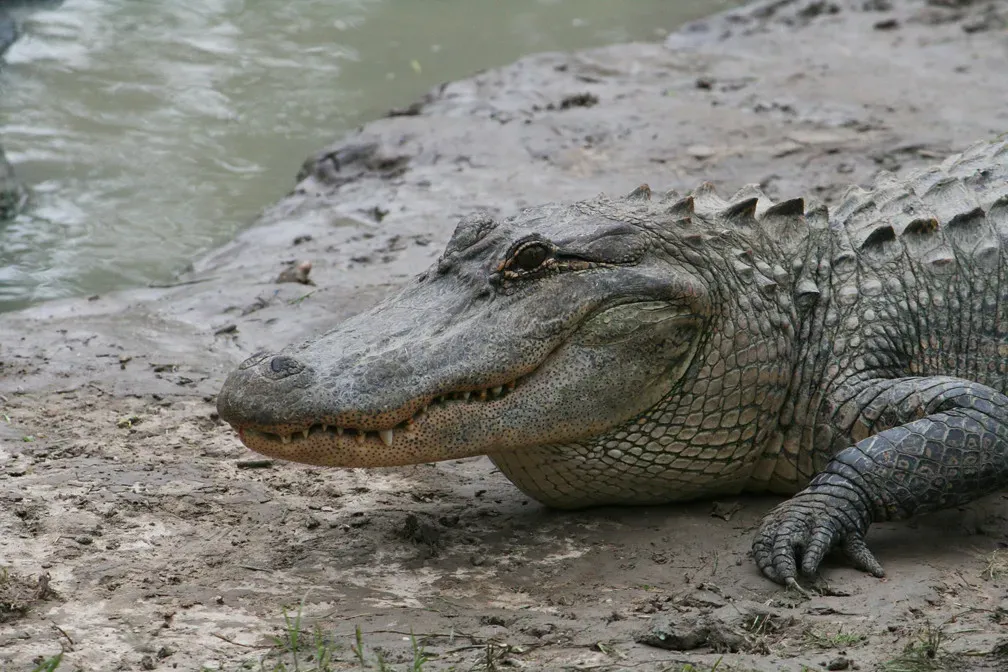
Texas has 400,000-500,000 alligators within its borders. That’s a staggering number for a state many people don’t immediately associate with these reptiles. These reptiles can be found from the Sabine River to the Gulf of Mexico and the coastal marshes near the Rio Grande, and of the 254 counties in the state, 120 have gators.
In Northern Texas, alligators are commonly found in lakes, but the highest concentrations reside along the Gulf Coastal Plains, and Texas alligators generally prefer freshwaters such as swamps, rivers, bayous, and marshes, but they may also venture into brackish waters. The Lone Star State takes its alligator management seriously, with Texas Parks and Wildlife carefully monitoring populations. Honestly, most Texans outside the eastern regions have no idea just how many alligators call their state home.
Georgia: The Hidden Gator Haven
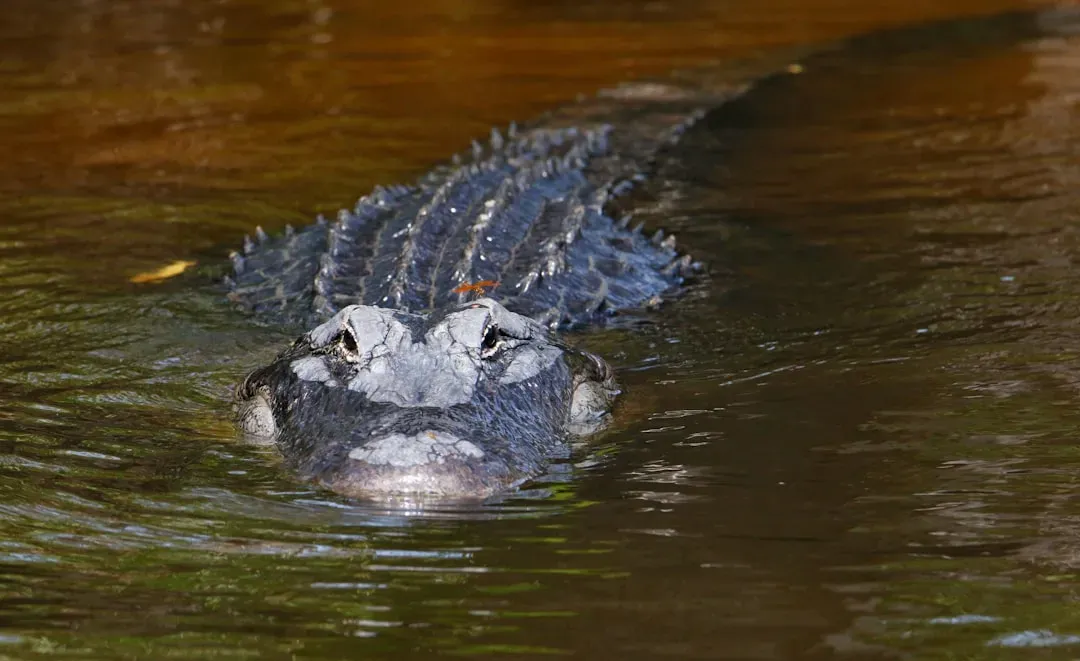
Georgia hosts a population of 200,000 to 250,000 alligators, predominantly in wetland areas south of the fall line, which extends from Columbus through Macon to Augusta. When you think of Georgia, peaches and Atlanta probably come to mind before alligators. Yet the state harbors an impressive population of these reptiles.
The climate further north is too cold for alligators. This geographical limitation concentrates gators in the southern third of the state, where coastal marshes, rivers, and swamps provide ideal habitat. Georgia’s alligator hunting is regulated and carefully managed, ensuring sustainable populations. The state might not advertise its gator credentials like Florida or Louisiana, but residents in the southern counties know better than to dismiss the toothy neighbors lurking in nearby waters.
South Carolina: Coastal Concentration
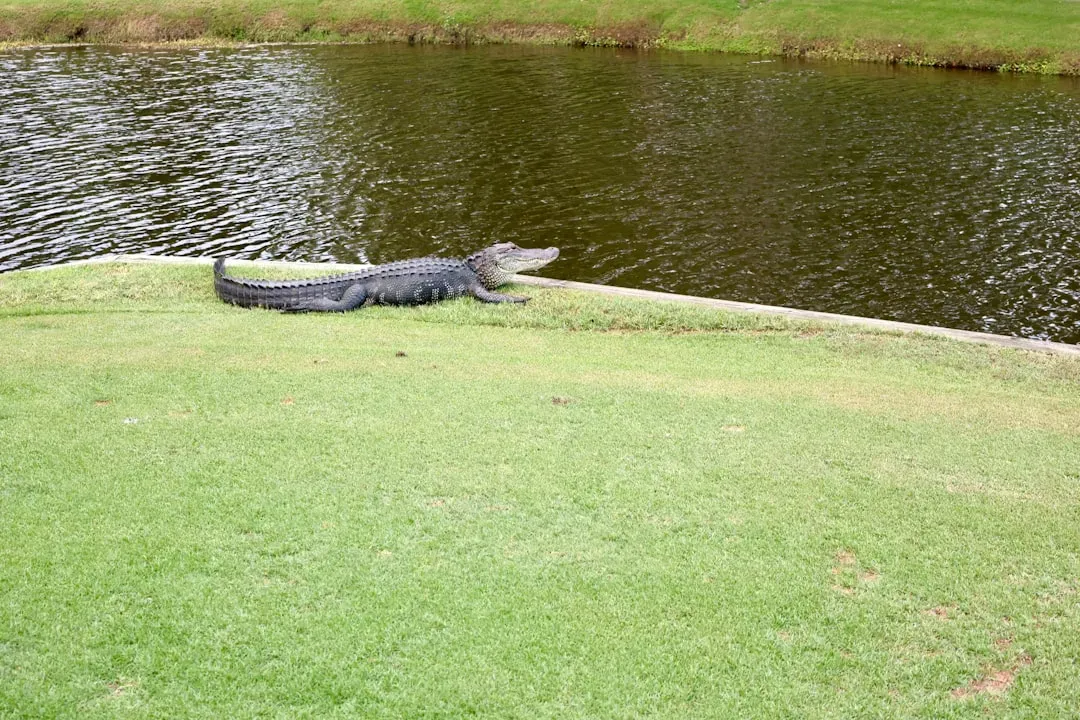
South Carolina has roughly 100,000 gators, with populations densest in the southern and coastal regions. The Palmetto State’s alligator population is significant, though smaller than its neighbors to the south and west. Colder winters limit their northern range in the state, and coastal marshes are critical for breeding and nesting.
These marshlands along South Carolina’s beautiful coastline serve as nurseries for young alligators, providing protection and abundant food sources. The state’s gator population tends to surprise visitors who arrive expecting pristine beaches without considering what might be lurking in nearby tidal creeks and freshwater ponds. South Carolina strikes a balance between preserving alligator habitat and managing human-wildlife interactions, recognizing these reptiles as an important part of the state’s ecological heritage.
Alabama: The Gulf Coast Surprise
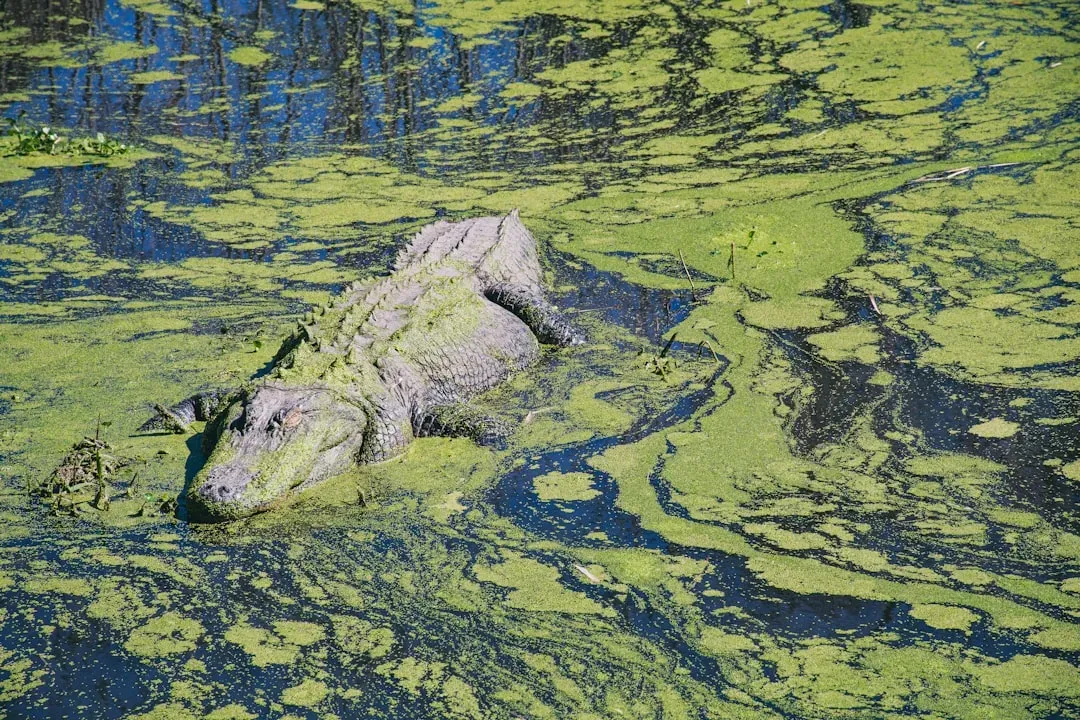
Alabama’s alligators are mostly in the southern half of the state, with wetlands, rivers, and even some reservoirs home to gators. Alabama isn’t well-known for its gators, but they have a total population of around 70,000 individuals!
Northern regions are generally too cold for them to thrive. The Mobile-Tensaw River Delta stands out as prime alligator territory, offering an expansive wetland ecosystem where these reptiles flourish. Alabama’s alligators benefit from the state’s Gulf Coast proximity and abundant river systems. Visitors to coastal Alabama often underestimate the alligator presence, focusing instead on beaches and seafood. Local residents, however, know to exercise caution around freshwater areas, especially during warmer months when gators are most active.
Conclusion
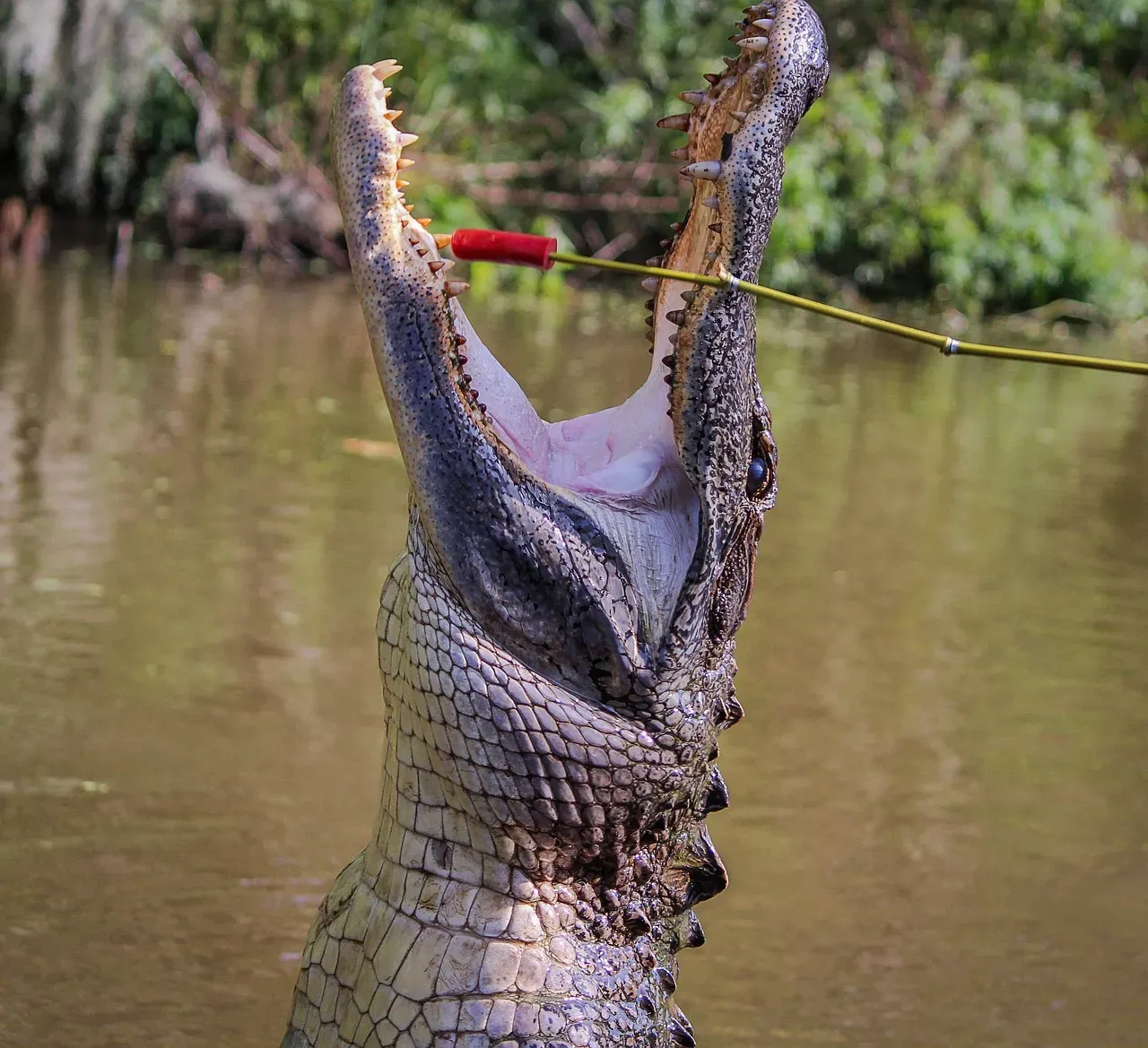
The American alligator’s recovery from near extinction represents one of conservation’s greatest success stories. These six states harbor the overwhelming majority of the country’s alligator population, each offering unique habitats that sustain these remarkable reptiles. From Louisiana’s dominance with over three million gators to Alabama’s lesser-known but substantial population, the Southeast remains true alligator country.
In the United States, only 10 states out of 50 have a native alligator population. The concentration in these six states demonstrates how specific environmental conditions dictate where these ancient reptiles can survive and thrive. Climate change may gradually shift these boundaries northward, but for now, if you’re visiting the Southeast, respect the water and remember you’re in gator territory. Did you expect Louisiana to have more alligators than Florida?

- 10 Amazing Facts About The Wolverine You Did Not Know - June 24, 2026
- The Most Rodent Infested Cities in The US - June 24, 2026
- 10 Unique Birds That Build the Most Incredible Nests - June 24, 2026