
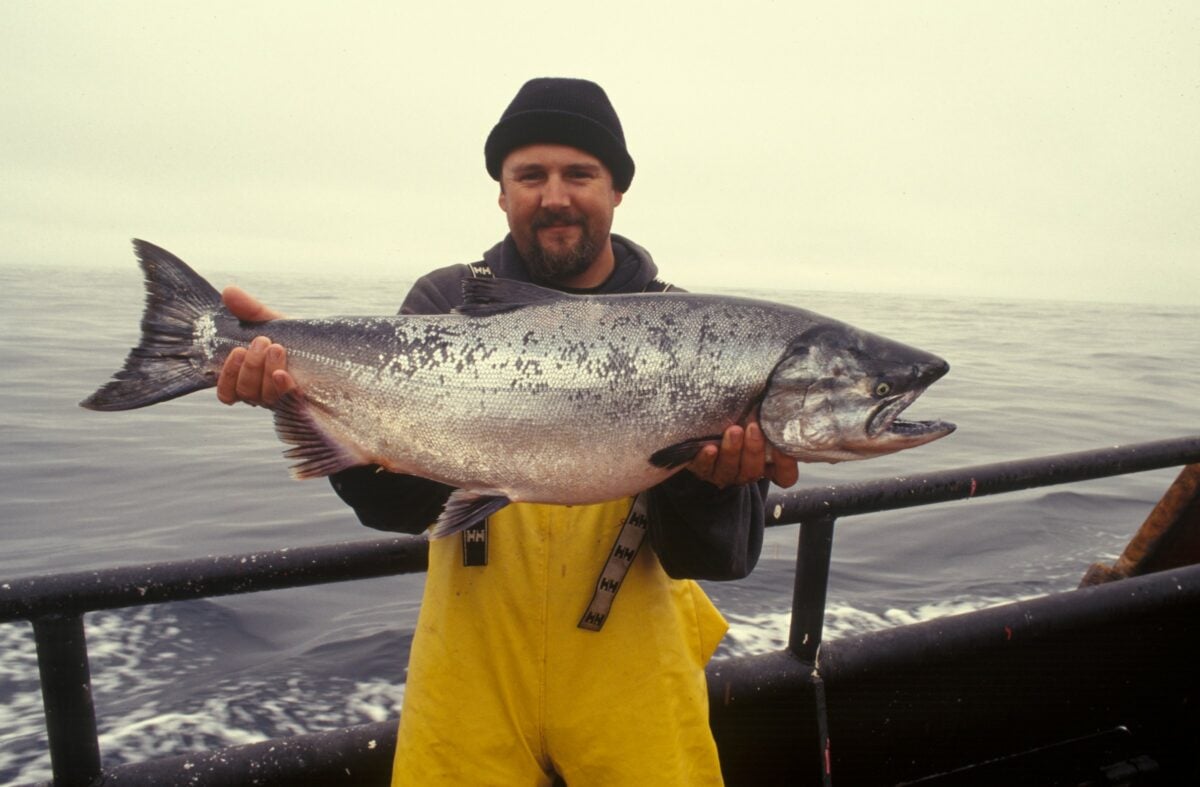
Ask ten anglers where to find the best salmon fishing in America and you’ll probably get ten different answers. Some will point north toward glacier-fed rivers, while others will talk about a quiet tributary near a Great Lakes harbor. The answer depends on which salmon you’re after, and it also depends on what kind of trip you want.
Pacific salmon and Atlantic salmon live very different lives in the US. Some runs are enormous and well documented, and others have been trimmed down by dams, habitat loss, and changing conditions. Here are six states that stand out for the sheer number of places where you can chase salmon, with a few honest caveats along the way.
Alaska
🔥 Would you like to save this?
We'll email this post to you, so you can come back to it later!
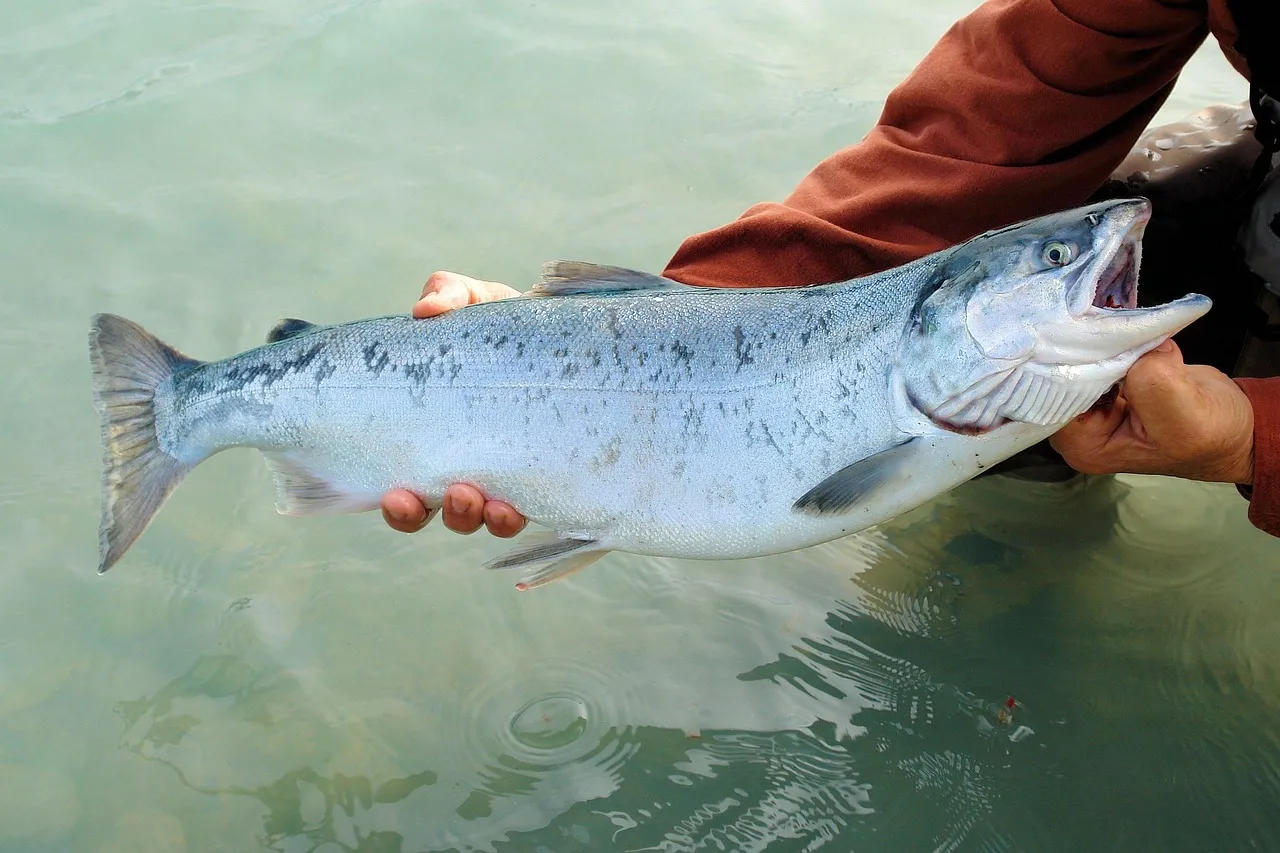
Alaska is the obvious starting point, and it earns that spot. The state has all five Pacific salmon species found in North America: Chinook (king), sockeye (red), coho (silver), pink, and chum. Rivers like the Kenai, the Kasilof, and countless streams across Southcentral and Southeast Alaska draw anglers every summer.
Access is the real variable. Some spots sit right off the road system, while others need a floatplane or a guided boat. Rules shift by river and by season, and emergency orders can close or restrict fishing on short notice, so check the Alaska Department of Fish and Game before you book anything.
Washington
🔥 Would you like to save this?
We'll email this post to you, so you can come back to it later!
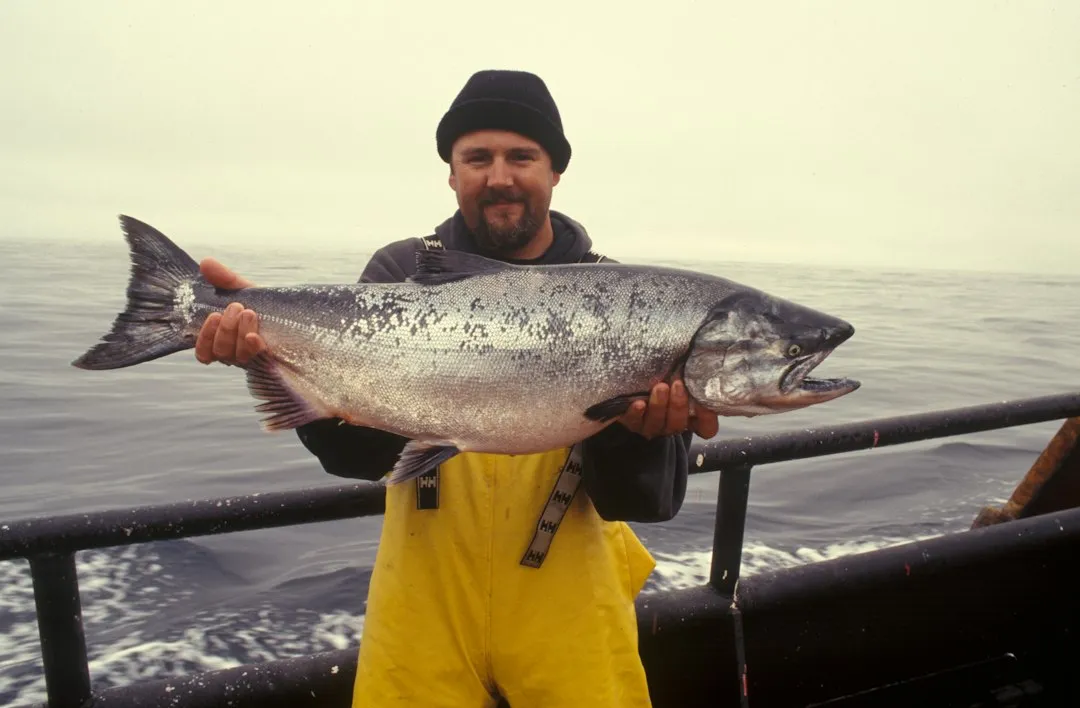
Washington packs an impressive range of salmon water into one state. Puget Sound, the Columbia River system, the Olympic Peninsula, and the coast all offer fishing for Chinook, coho, sockeye, pink, and chum at different times of year. Pink salmon tend to show up in odd numbered years, which is a quirk locals plan around.
Regulations here are layered and can be confusing. Many areas have specific seasons, catch limits, and rules around wild fish versus hatchery fish marked by a clipped fin. Spend a little time with the state fishing rules pamphlet or the Washington Department of Fish and Wildlife site, since it saves real frustration on the water.
Oregon

🔥 Would you like to save this?
We'll email this post to you, so you can come back to it later!
Oregon’s coastal rivers and the mighty Columbia give it plenty of variety. Chinook and coho are the main targets, with fishing in places like the Columbia, the Willamette system, and numerous coastal bays and estuaries. Ocean trips out of ports along the coast add another way to get after them.
Runs can swing from year to year, and some seasons are tightly restricted to protect struggling stocks. That unpredictability is part of the deal. Hatchery programs support a lot of the sport fishing, so the experience can be strong even when wild fish need protection.
California
🔥 Would you like to save this?
We'll email this post to you, so you can come back to it later!
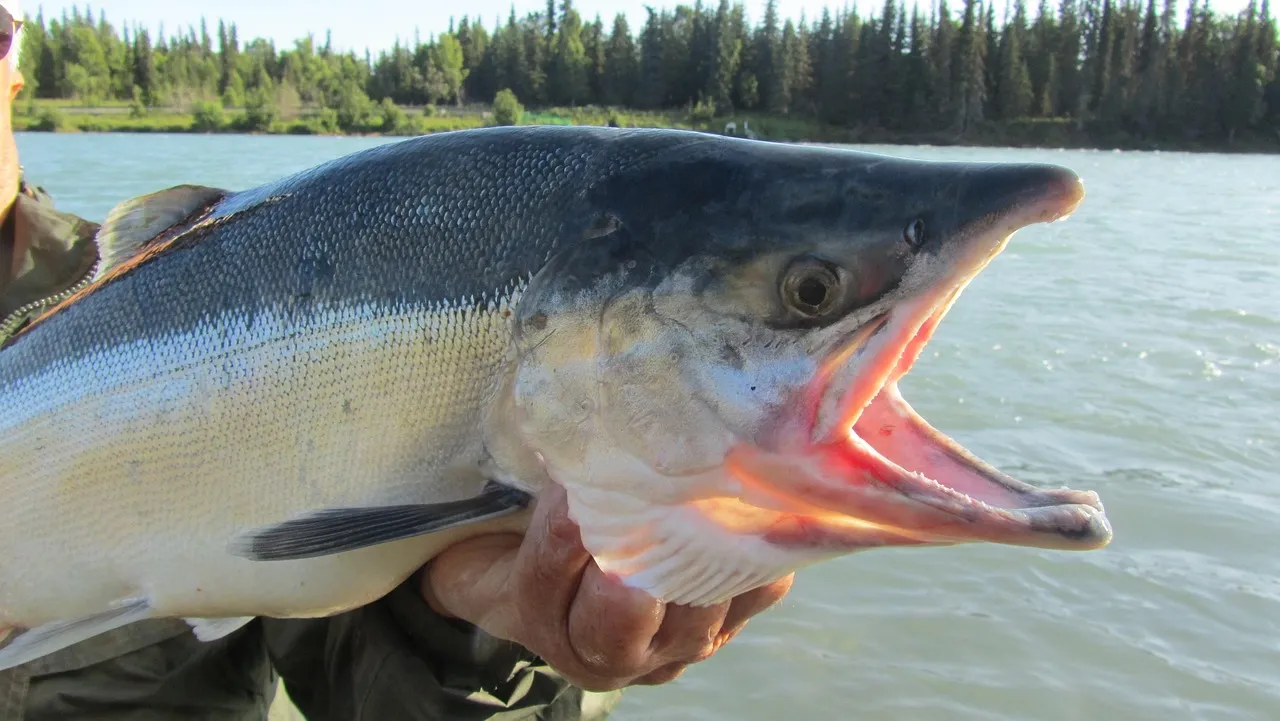
California may not be the first state people link with salmon, yet it has real history here. Chinook salmon run in the Sacramento and San Joaquin river systems, and coho once ranged widely along the northern coast. Ocean fishing out of ports like Bodega Bay and San Francisco has traditionally been a big draw.
Be careful with expectations, though. Salmon seasons in California have been sharply limited or closed in recent years because of low returns, so there’s no guarantee you’ll get a season in any given year. Look up current ocean and river rules before planning, and treat the state as a place with potential rather than a sure bet.
Michigan
🔥 Would you like to save this?
We'll email this post to you, so you can come back to it later!
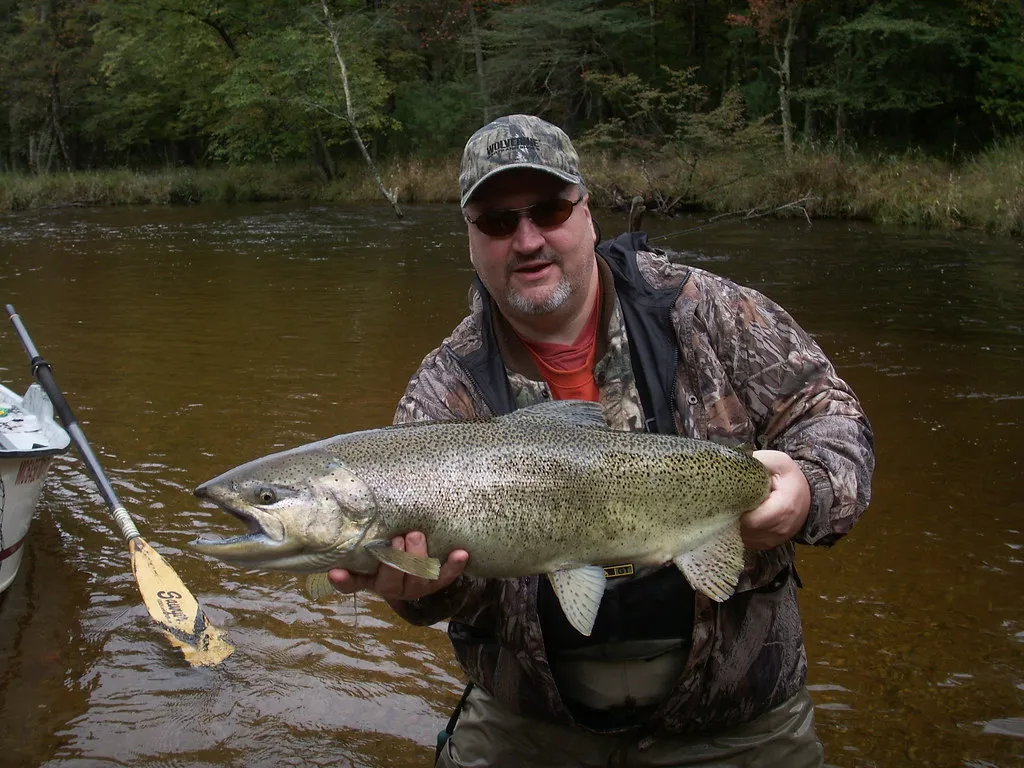
Here’s a surprise for many people: some of the best salmon fishing in the country isn’t on the Pacific at all. Chinook and coho were introduced to the Great Lakes decades ago, and Michigan’s long shoreline and many rivers keep them accessible. Harbors and river mouths along Lake Michigan and Lake Huron are classic spots, especially in late summer and fall when fish gather to run upstream.
The fishery relies heavily on stocking, which means it’s managed rather than wild in the way Alaska’s is. Still, it’s convenient and relatively affordable, with piers, charter boats, and river access in many towns. The Michigan Department of Natural Resources publishes stocking and regulation details worth reading first.
New York
🔥 Would you like to save this?
We'll email this post to you, so you can come back to it later!
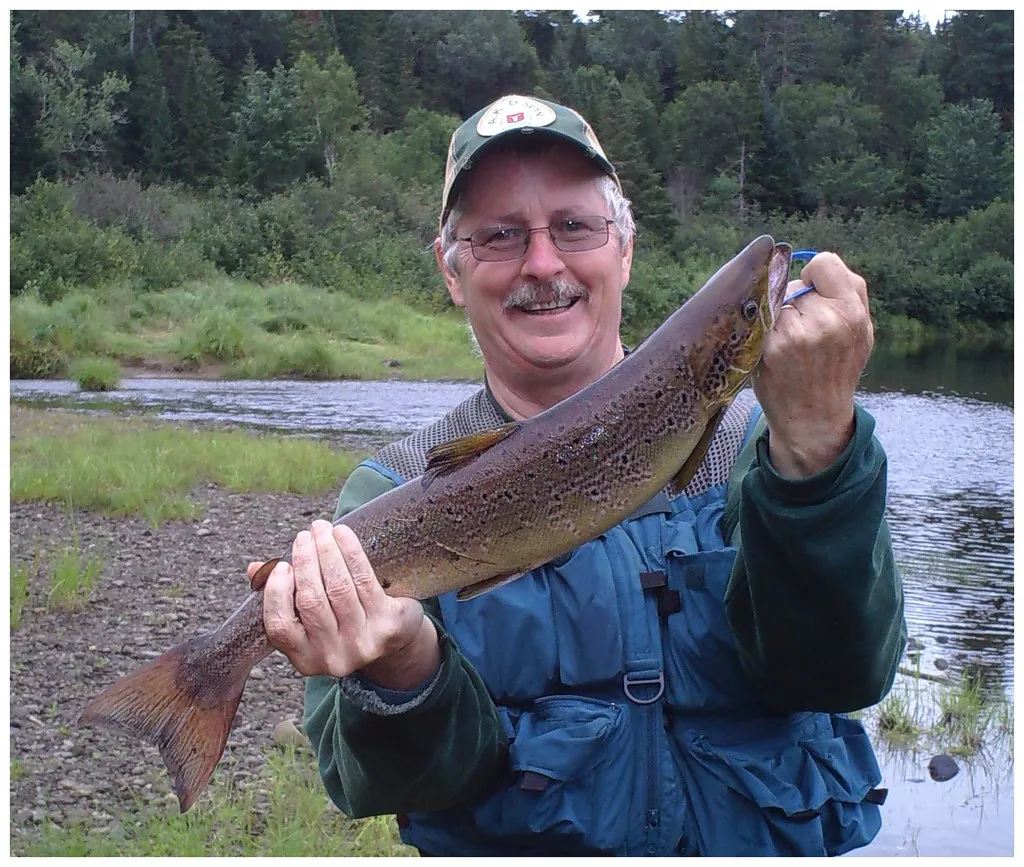
New York offers a different flavor, with Pacific salmon in the Great Lakes region and landlocked Atlantic salmon in some waters. Lake Ontario and its tributaries, including the well known Salmon River in Oswego County, bring anglers in each fall for Chinook and coho runs. The name alone tells you how central the fish are to the area’s identity.
Like Michigan, much of this fishing is supported by stocking programs. Crowds can be thick during peak weeks, so patience and a bit of river etiquette go a long way. Check state rules on seasons, tackle, and size or creel limits before you wade in.
Final Thoughts
🔥 Would you like to save this?
We'll email this post to you, so you can come back to it later!
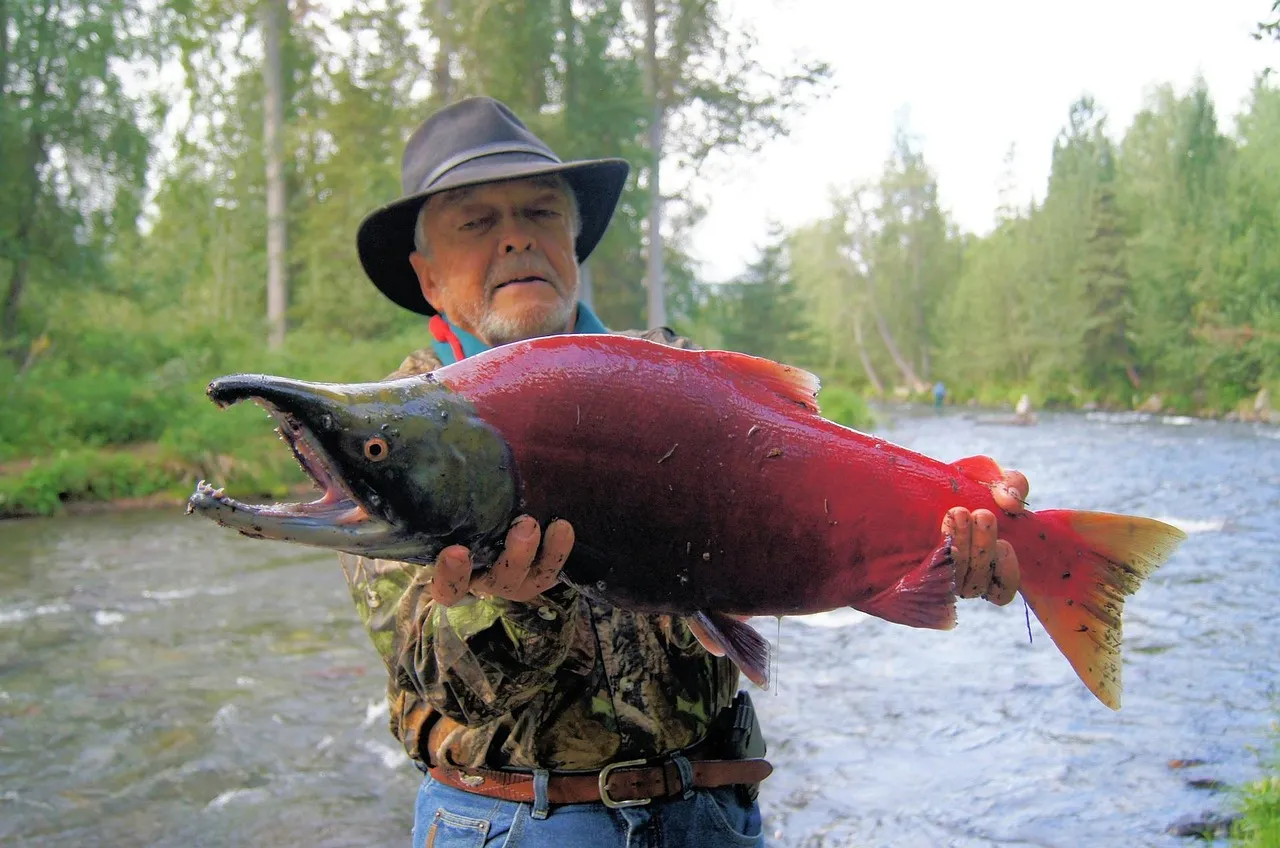
If I had to pick, I’d tell a first timer to start with Alaska for the full experience, then explore Washington or Oregon when they want something closer to the lower 48. Michigan and New York deserve more respect than they get, since they make salmon fishing realistic for people who’ll never make the trip north.
California is the one I’d watch from a distance for now. Whichever state you choose, the best habit is simple: check current regulations, respect closures, and treat every run as something worth protecting. The fish have a long way to travel, and so do we.

- 7 Everyday Habits That Can Make Your Senior Dog Happier - November 5, 2026
- 10 Enigmatic Structures That Continue to Puzzle Scientists Today - November 5, 2026
- 10 Strange Ruins in the Americas That Challenge What We Know About Early History - November 5, 2026