
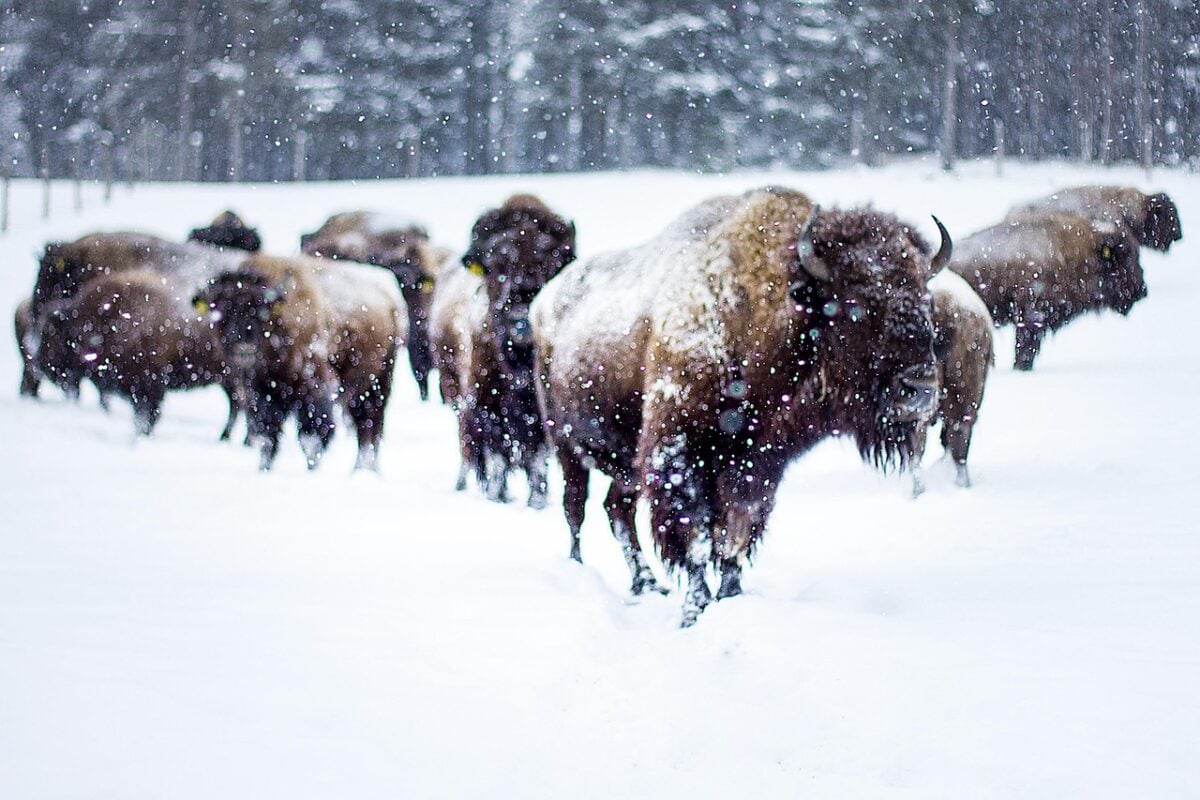
Most people walk into Yellowstone convinced bison are basically slow, furry cows with a bad attitude – harmless as long as you don’t try to ride one for Instagram. That comfortable little myth is exactly why the park keeps producing viral “touron” videos of grown adults getting launched ten feet through the air like a lawn dart.
Rangers will tell you, if you ask nicely, that bison have injured more visitors in Yellowstone than any other animal in the park – more than bears, more than wolves, more than anything with claws or fangs. The unsettling part is that these animals almost never attack without warning. They broadcast their intentions loud and clear, long before the charge. Most people just never learn the signals until it’s too late.
#6 – The Tail Goes Up Like a Warning Flag
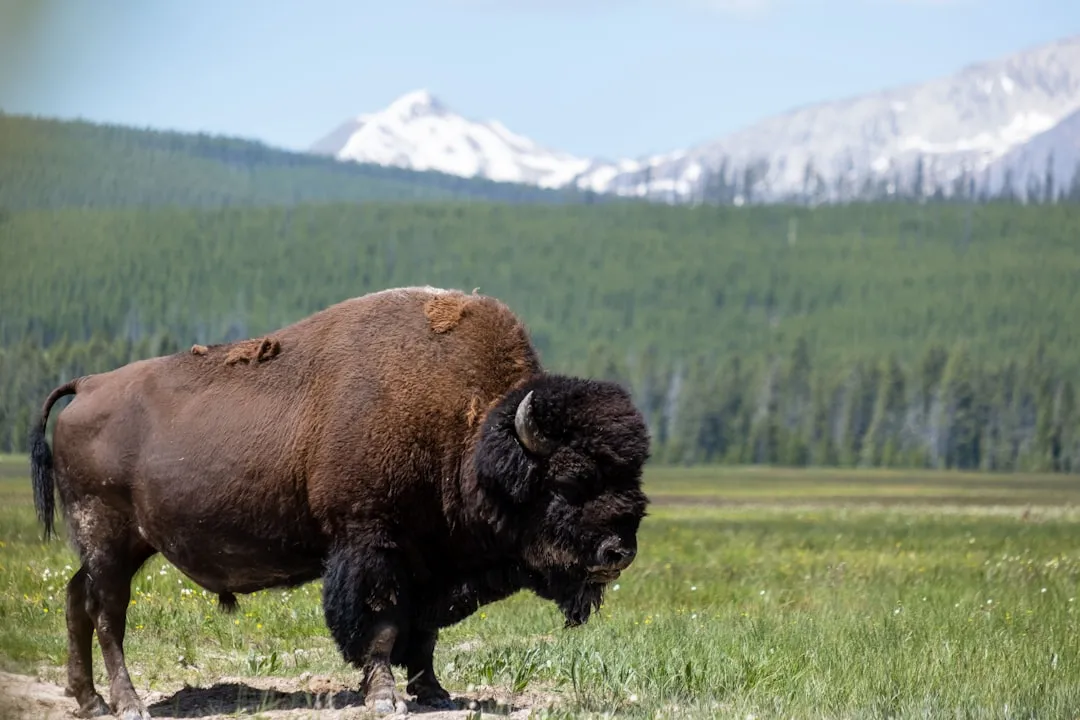
Forget the horns for a second. If a bison’s tail lifts, your danger level just spiked – full stop. Most visitors are too busy staring at the horns to notice the back end, but experienced guides watch the tail first.
A bison with its tail hanging loose and relaxed is usually just grazing, minding its own business. The moment that tail shoots straight out or curls upright, you’ve stepped out of the “safe photo” zone and into the “possible charge” zone.
- Tail down: feeding, resting, generally unbothered.
- Tail halfway or fully up: agitated, alert, possibly seconds from charging.
People love to insist online that “the bison was calm until it suddenly attacked.” That’s almost never the full story – the tail already gave the warning. If that tail is high and rigid, you’re too close, whether you’re standing 10 feet away or 50.
#5 – Head Lowered and Staring Straight Through You
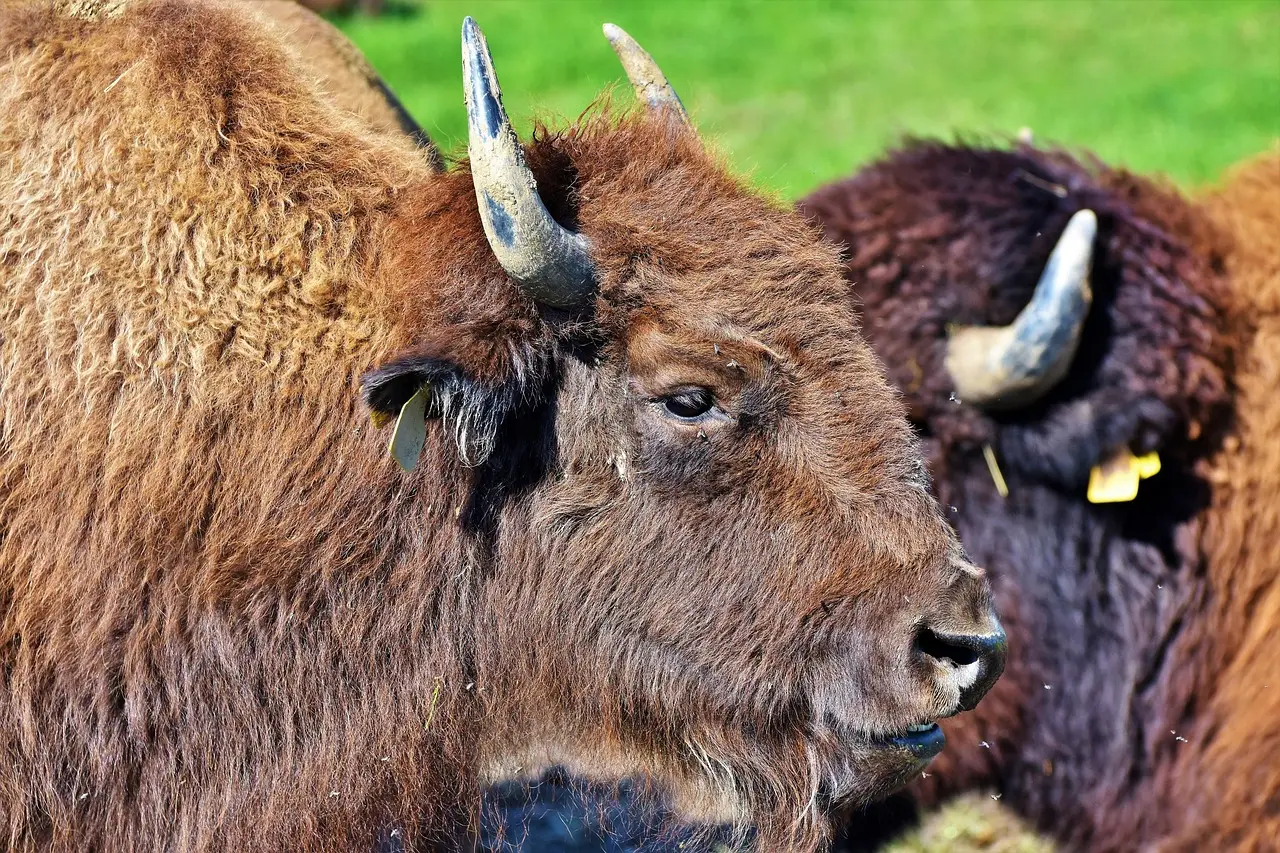
When a 1,500-pound animal locks eyes on you like a laser sight, you’ve stopped being “just a tourist” and started being a decision the bison is making. Steady eye contact plus a lowered head isn’t a magical wildlife moment – it’s a pre-attack assessment.
The animal is measuring distance, weighing risk, and deciding whether you’re a problem worth solving. A relaxed bison grazes with its head drifting along the ground, glancing up now and then without much interest.
Fast Facts
- Bull bison can weigh up to 2,000 pounds and stand around 6 feet tall at the shoulder, while cows typically weigh up to 1,000 pounds.
- Despite that bulk, bison can run as much as three-times the speed of an average human.
- That combination of mass and speed is exactly why a “pre-attack stare” is worth taking seriously the moment you spot it.
A stressed one does the opposite: it stops moving, plants its feet, drops its head slightly, and stares. Watch the angle of the horns – if they’re pointed more toward your body than the grass, you’ve already crossed a line most people never see coming.
Plenty of visitors wave this off with “it’s just posing for my picture,” right up until the animal rushes them. That intense stare is really the bison asking one question: are you backing off, or is it going to make you back off?
#4 – Pawing the Ground and Swinging Its Head
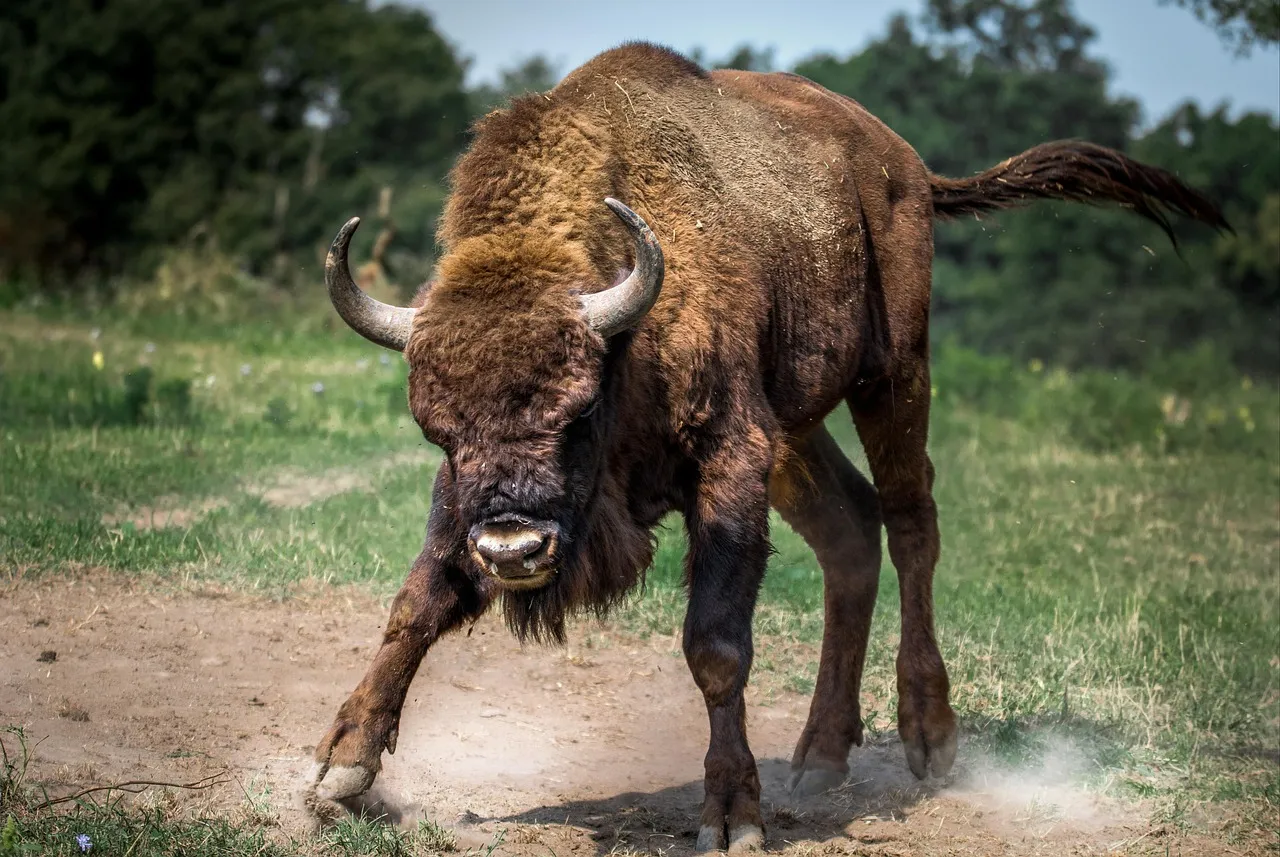
Once a bison starts digging into the dirt like it’s got something to prove, you’re on borrowed time. Guides call this a “display” behavior, and it means exactly what it looks like.
A comfortable bison never wastes energy tearing up the ground. When you see hooves scraping, dust flying, or clumps of earth and snow kicked into the air, the animal is telling you, in giant capital letters, to back off now.
This often comes paired with the head swinging side to side, horns raking through the air or the dirt, weight shifting like a sprinter in the blocks. People still stand there filming it like entertainment instead of a countdown.
- Pawing and head-swinging = the practice charge.
- What comes next is often the real one.
Worth Knowing
- Since 1980, bison have injured more pedestrian visitors to Yellowstone than any other animal.
- Nearly half of the 25 injuries from 2000–2015 occurred when people approached bison too closely while taking photographs of them.
- The majority (80%) of people hurt by bison in Yellowstone actively approached the bison leading up to the event despite knowing the rules.
Rangers treat this as a hard threshold – once they see it, they start shouting at the humans, not the bison. If you can hear hooves scraping or watch dirt clods flying, you are too close, no matter how “safe” the distance feels.
#3 – Short, Explosive Movements Instead of Slow Grazing
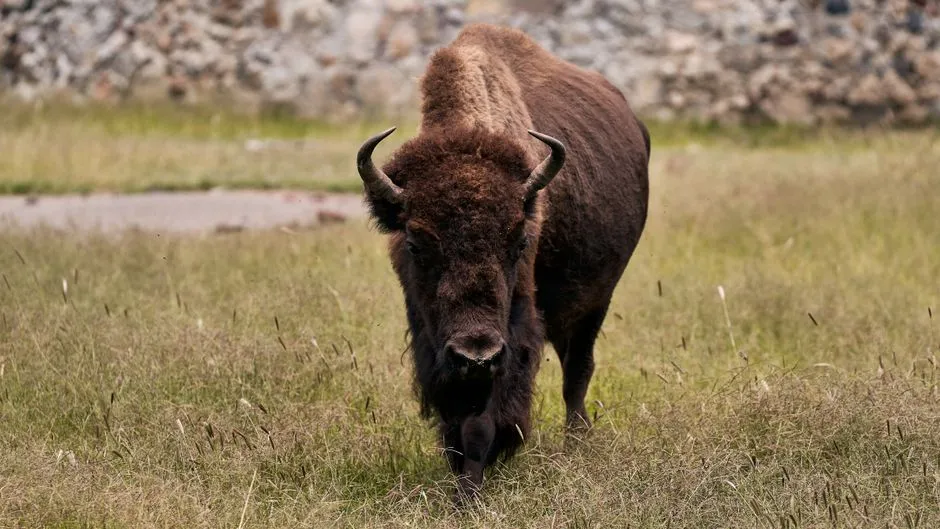
Bison look like slow-moving boulders, and that illusion gets people hurt every single year. A relaxed animal takes slow, deliberate steps, head down, chewing, in no hurry to be anywhere.
Once that same animal starts jerking forward in short bursts – sudden steps, sharp turns, abrupt stops – it has moved into a higher alert state. It’s rehearsing the first seconds of a real charge, and most people don’t recognize the audition for what it is.
The bison might lunge a few rapid strides toward you, then freeze. Plenty of tourists laugh it off as a “fake charge” and stay right where they are. Wildlife professionals see it as the clearest warning an animal can give.
Here’s the detail most visitors underestimate: bison can hit 35 mph, faster than a horse and nowhere close to a fair race for a human on foot. If you’re close enough to see the whites of its eyes during one of those sudden lunges, your realistic escape window is already gone. The “I’ll just duck behind the car” plan sounds a lot less comforting once you’ve seen how fast 2,000 pounds can move.
#2 – Heavy Snorting, Huffing, and Loud Exhaling
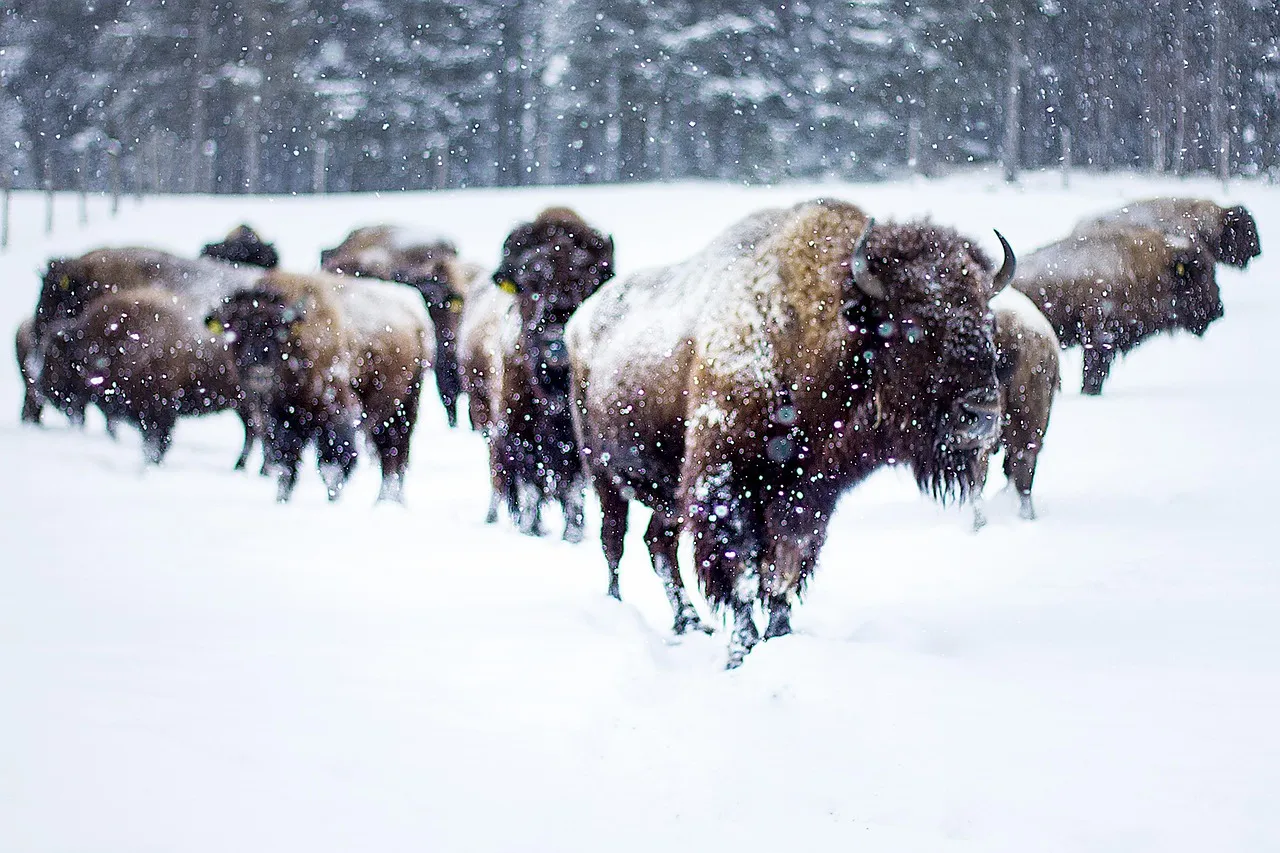
If you can hear a bison breathing, the danger has stopped being theoretical. Relaxed bison are surprisingly quiet – mostly soft grunts and the sound of chewing.
When things escalate, the volume goes up: deep huffs, forceful snorts, long blasting exhalations. That heavy breathing isn’t just noise. It’s the animal’s engine revving, adrenaline climbing, lungs prepping for a sprint it hasn’t decided to take yet.
- Calm: mostly silent munching, an occasional grunt.
- Agitated: repeated snorts, sharp exhale blasts, sometimes visible as steam in cool weather.
At a Glance
- Visitors are responsible for staying at least 25 yards away from all large animals, including bison, elk, bighorn sheep, deer, moose and coyotes, and at least 100 yards away from bears, wolves and cougars.
- Twenty-five yards works out to roughly two school bus lengths – closer than that, and you’re already breaking the rule that keeps both you and the bison safe.
- That buffer isn’t a suggestion; it’s the line rangers use to decide whether a citation – or worse – is coming your way.
Most people, raised on nature documentaries, find the sound “majestic” and move closer for a better video. Rangers hear the exact same sound and immediately start scanning for the tourists about to make a bad decision.
If the huffing feels like it’s vibrating in your chest, or you can watch that massive ribcage heaving, you’re standing in the red zone. You’ve become part of whatever is stressing the animal out – and its fastest fix might be removing you from the equation at 30-plus miles an hour.
#1 – Other People Are Taking Photos of YOU, Not the Bison
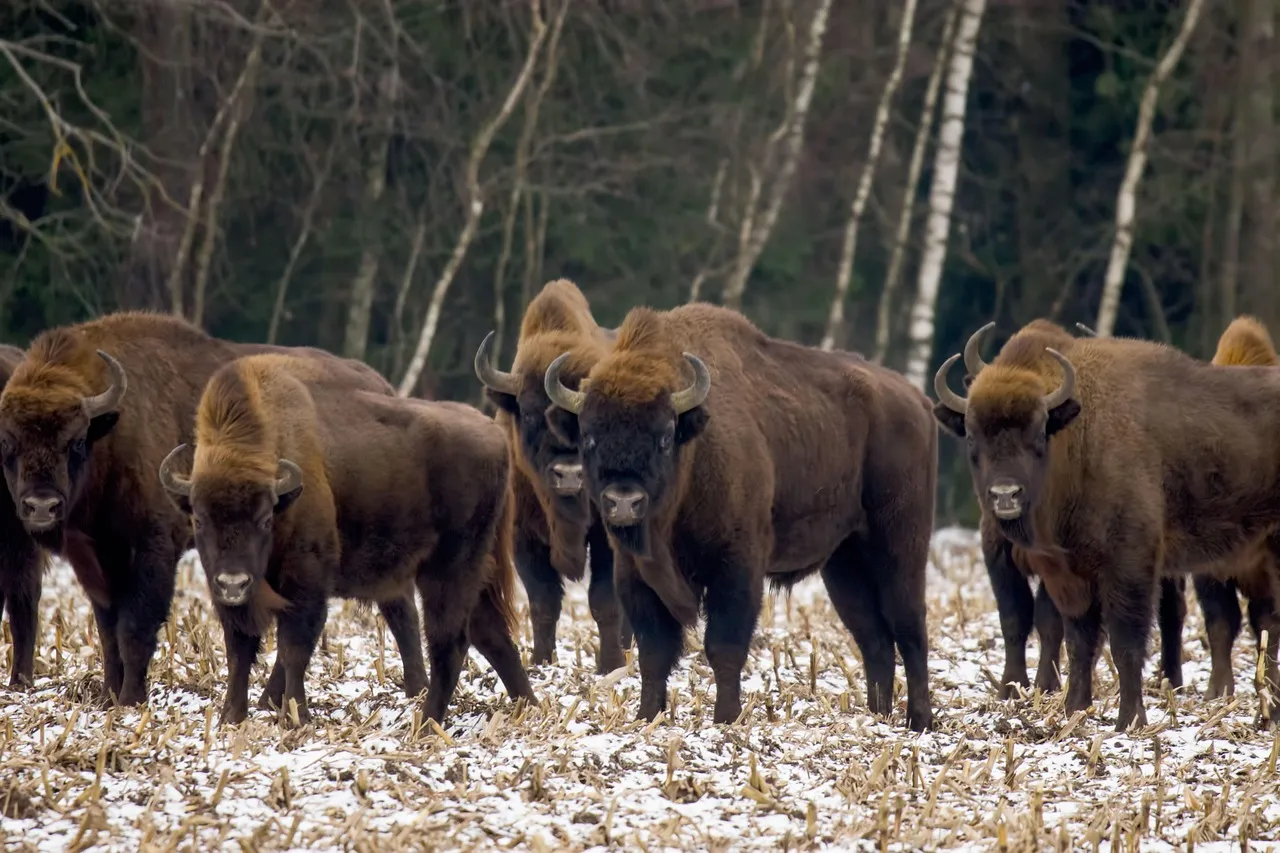
The most brutal sign that you’re too close? The crowd has already stopped watching the bison and started watching you – like you’re the trailer for a disaster they don’t want to miss.
Bison don’t carry tape measures, so rangers use one simple rule instead: stay at least 25 yards away, roughly two school bus lengths. And yet, every single season, someone strolls in for a selfie, fully convinced they’re the main character in their own nature documentary.
The bison never agreed to that script.
- Nervous laughter or a muttered “oh no” from the crowd is a red flag.
- Cameras pointed at you instead of the animal means people are already bracing for the moment it goes wrong.
This is the social proof nobody actually wants: becoming “that person” in a viral clip, tumbling through the air while strangers narrate it in real time. The second you notice the crowd’s attention shifting from the bison to your body position, that’s your cue to calmly – but quickly – put real distance back between you and a very large, very unimpressed animal.
The Bottom Line
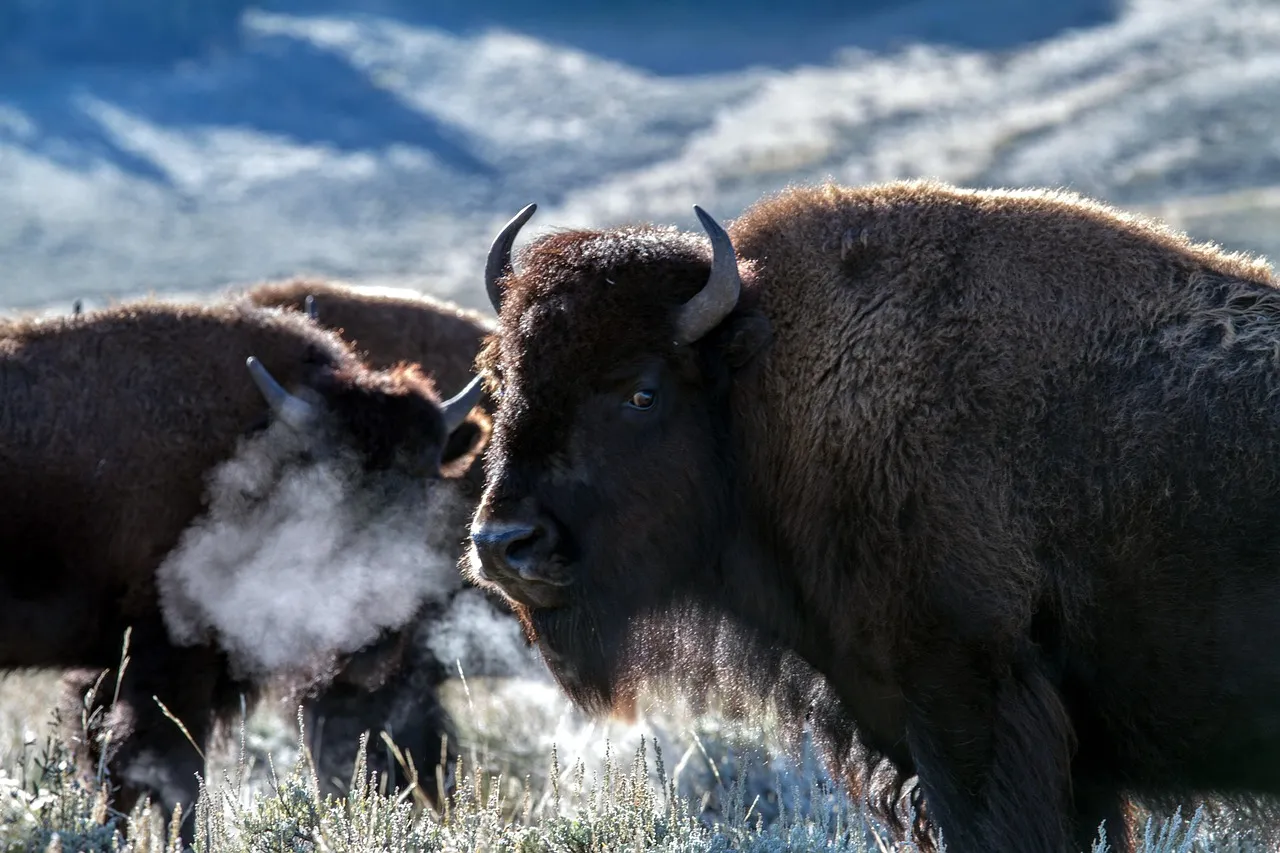
Yellowstone’s bison almost never “come out of nowhere.” They telegraph their stress in order: tails shooting up, heads dropping into a hard stare, hooves ripping at the ground, bodies twitching into short sprints, chests heaving with loud snorts – and finally, other humans quietly filming your impending mistake.
The uncomfortable truth is that people don’t get hurt because bison are unpredictable. They get hurt because they ignore signs that were never subtle to begin with.
Bison will defend their space when threatened and have injured more people in Yellowstone than any other animal.
National Park Service
Honestly, the fines feel too small for what’s actually at stake. A few hundred dollars is a rounding error next to a gored tourist and a bison that might get put down because someone wanted a closer selfie. If getting escorted straight out of the park for a first offense sounds harsh, ask yourself which lesson actually sticks – a fine you can shrug off, or a ranger walking you to your car in front of everyone while the bison goes back to grazing, completely unbothered by how close it just came to changing your life.

- 6 Ways Bison In Yellowstone Signal That You Are Standing Too Close - August 6, 2026
- The Wild Animal Each Zodiac Sign Would Become Under Pressure - August 5, 2026
- The Desert Town in Nevada Slowly Being Buried by Moving Sand - August 5, 2026