
Worried about unexpected vet bills?
Pet insurance can cover thousands in unexpected vet costs. Get a free quote from Lemonade in under 2 minutes.
Get My Free Quote →Sponsored · Opens Lemonade.com
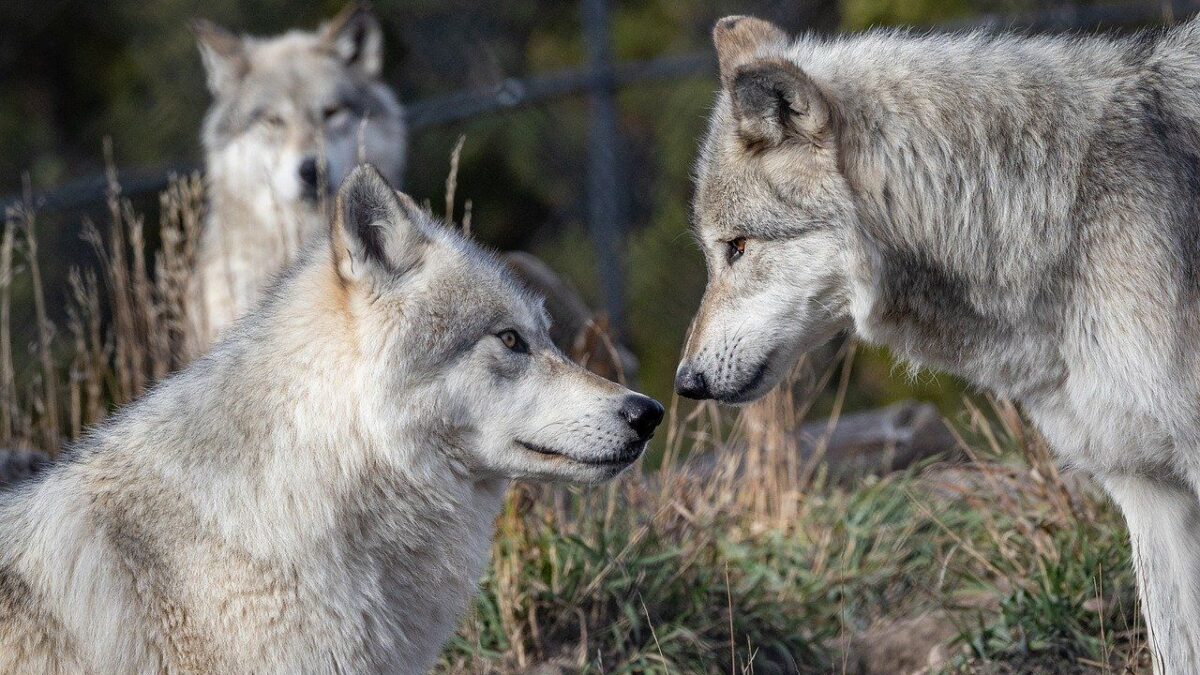
Ever watched a nature documentary and wondered what’s really going on behind those piercing amber eyes? Wolves have captivated us for centuries with their haunting howls and mysterious behaviors. Yet most people still think of them as mere instinct-driven predators roaming through the wilderness.
Here’s the thing though: recent research reveals something far more astonishing. These apex predators possess cognitive abilities that challenge everything we thought we knew about wild canines. From intricate social dynamics to sophisticated problem-solving, wolves demonstrate intelligence that rivals some of our closest primate relatives. Let’s dive into six remarkable facts that expose just how brilliant these creatures truly are.
They Can Master Complex Problem Solving Better Than Your Pet Dog
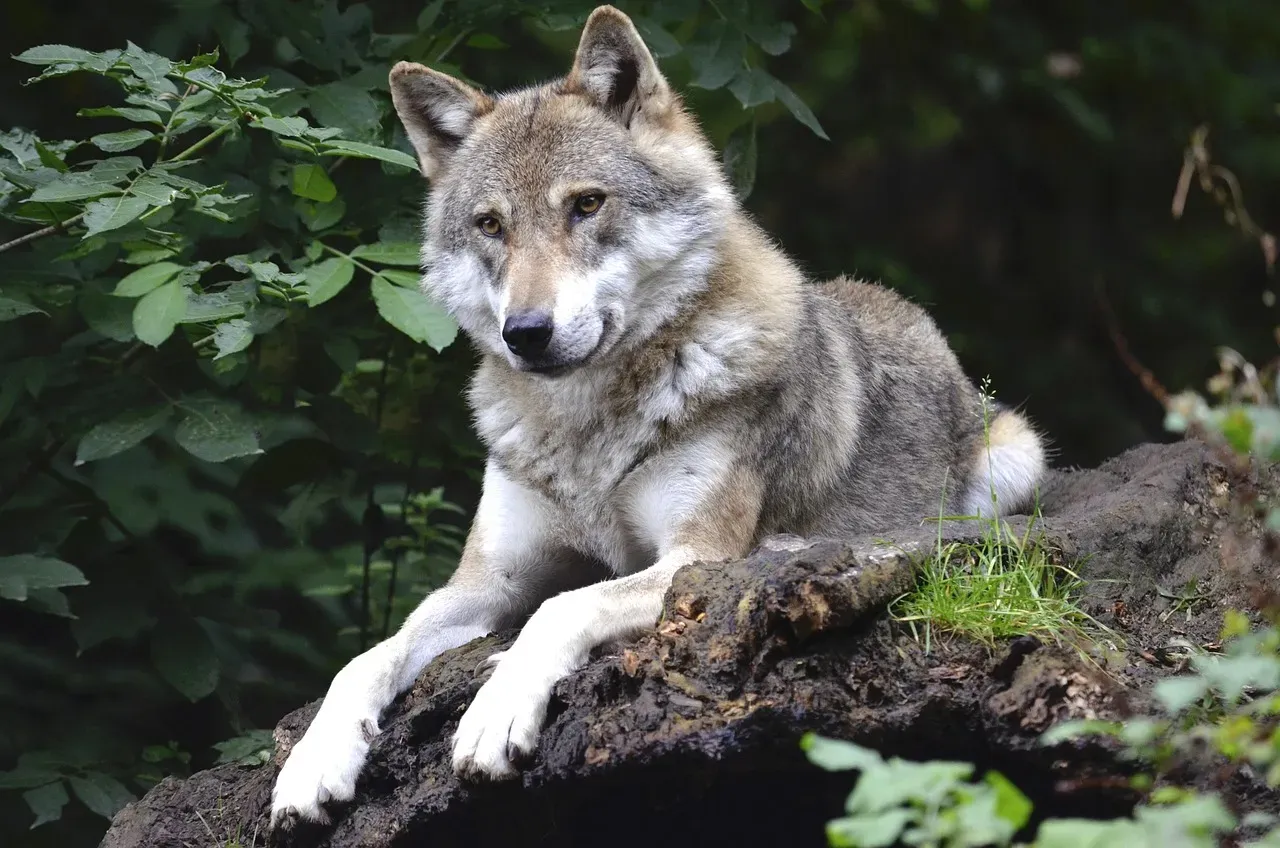
Research comparing wolves to domesticated dogs shows that wolves are more successful in problem-solving tasks both as puppies and adults. Think about that for a moment. Your beloved family dog descended from wolves, yet somewhere along the way during domestication, something shifted.
Studies published in Scientific Reports compared wolves and dogs in near-identical environments and showed wolves were better at making causal inferences about where food was hidden. Results showed that wolves were more persistent in exploring both the environment and objects than dogs, at all ages. It’s not that dogs became less intelligent exactly. Rather, they developed a different strategy for survival: relying on humans.
When confronted with difficult tasks, wolves persist while dogs look to humans for help. This persistence isn’t stubbornness. It’s a refined cognitive ability honed through millennia of having to survive independently in harsh environments. Wolves need to figure things out on their own because nobody’s going to open a can of food for them at dinnertime.
Pack Cooperation Surpasses What Most Dogs Can Achieve
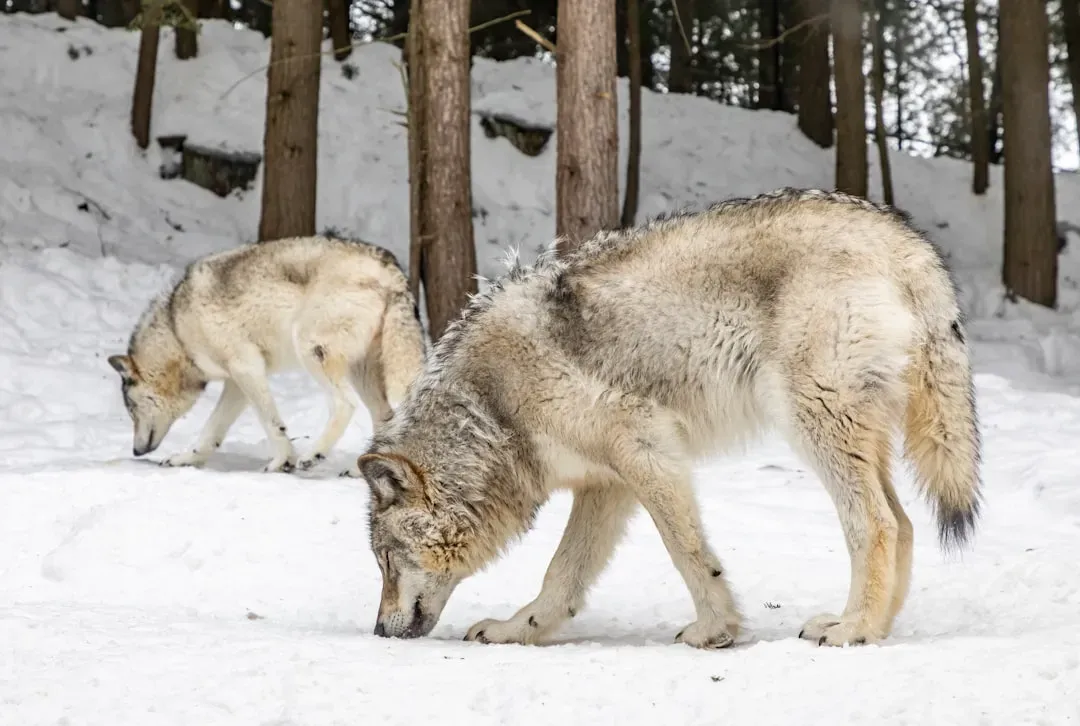
Let’s be real: the way wolves work together is nothing short of extraordinary. Researchers found that wolves work together better than dogs do. In fascinating experiments at the Wolf Science Center outside Vienna, scientists observed something remarkable about food-sharing behaviors.
Although there was more aggression among wolves from muzzle-nipping to growling, every wolf even the lowest ranked was able to negotiate a share of food. Compare that to dogs, where the dominant individual simply monopolizes the food source and lower-ranked dogs stay away. Wolves have developed a sophisticated negotiation system that ensures everyone eats.
In touchscreen-based tasks that allowed individual animals to provide food to others, wolves behaved more prosocially toward their fellow pack members than pack dogs. This means wolves actively choose to help their packmates, demonstrating a level of cooperative intelligence that’s crucial for their survival. When solving cooperative problems, the wolves’ bond with each other matters most, rather than either individual’s mental abilities.
Every member contributes, and the pack functions as a unified problem-solving machine.
Their Social Communication System Rivals Human Complexity
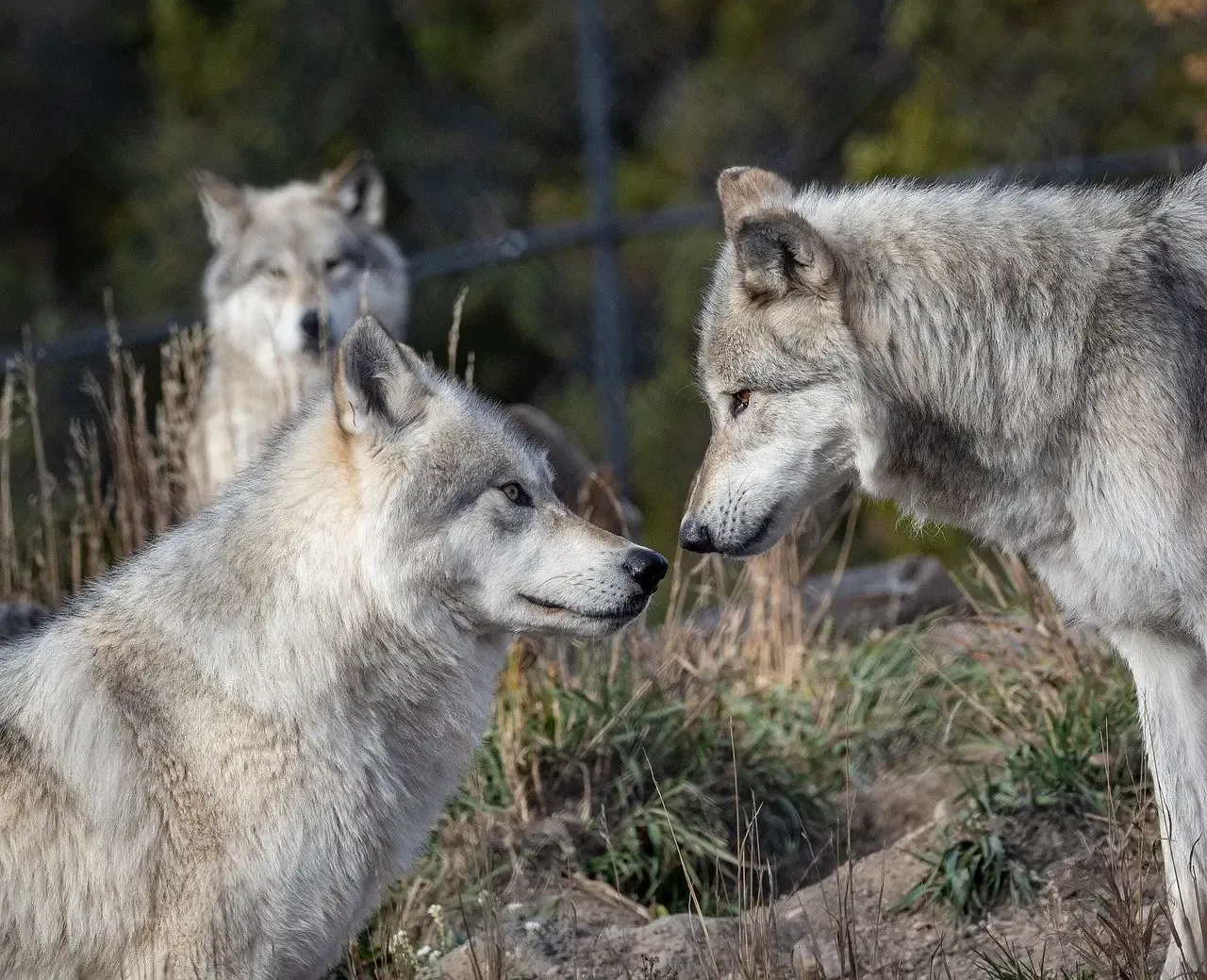
Wolves have elaborate ways of communicating that help maintain hierarchy and reinforce relationships among pack mates. I think what’s truly fascinating is how wolves prevent violence before it erupts. A subordinate wolf might spontaneously lie on its back with its tail tucked between its legs, exposing its stomach and throat to a more dominant wolf, acknowledging their relationship and maintaining order.
Here’s where it gets even more interesting. After a fight, subordinate wolves actually attempt to reconcile with their more dominant packmates, often touching noses and licking them immediately after a conflict. Researchers interpret this nose-touching behavior as apologizing and asking for forgiveness. It’s their method of conflict resolution to reduce tension and prevent further violence.
Wolves can negotiate commodities when subjects occupy different ranking positions by bargaining social tolerance with helping and support, and they manage group disruption by engaging in sophisticated post-conflict maneuvers. There exists a culture within wolf packs that is passed on to offspring by elders, and pups learn from each member of the pack, attaining vital social skills required to create powerful bonds. This isn’t just instinct; it’s learned social intelligence transmitted across generations.
Recent Evidence Shows Potential Tool Use in the Wild
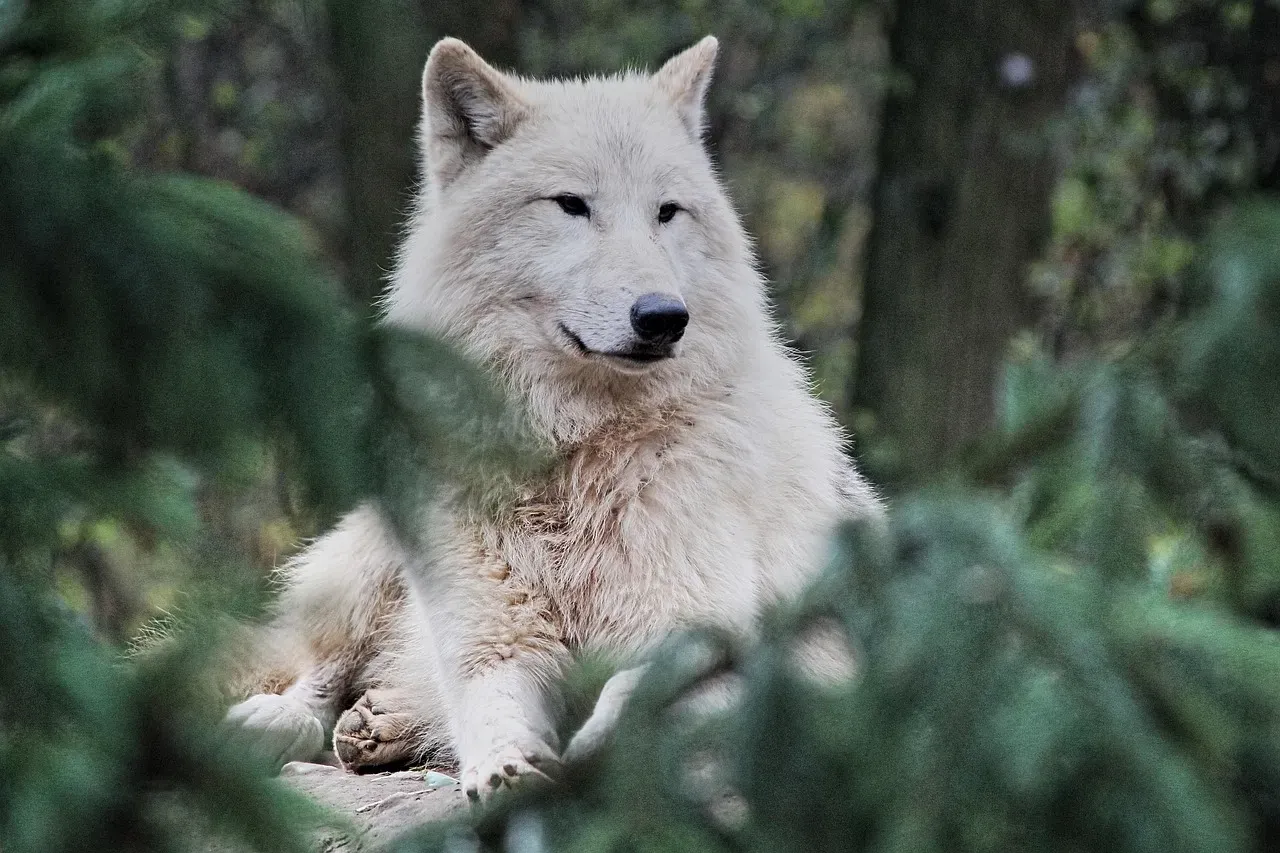
This one honestly blew my mind when I first heard about it. Footage from a remote camera captured a female wolf emerging from the water with a buoy in her mouth, expertly pulling the attached line to retrieve a crab trap, then eating the bait inside. This unexpected discovery could potentially represent the first known example of tool use in wild wolves.
The wolf’s ability to identify a crab trap as a potential food source and determine an effective method to retrieve it from underwater showcases sophisticated problem-solving capabilities, recognizing the connection between the buoy, the attached line, and the submerged trap. Think about the mental steps required: spotting a floating buoy, understanding it’s connected to something underwater, and executing a multi-step plan to access hidden food.
The wolf’s actions appear purposeful and efficient, suggesting she understood there was food beneath the water and what steps she needed to access it. It’s possible she figured it out incrementally, initially targeting exposed traps and gradually working her way up through trial and error to those submerged in deep water. This demonstrates not just intelligence but behavioral flexibility and innovation. This behavior expands understanding of wolf cognition beyond what has traditionally been assumed for wild canids, suggesting wolves possess a higher degree of behavioral flexibility, creativity, and environmental awareness.
They Understand Cause and Effect More Deeply Than Dogs
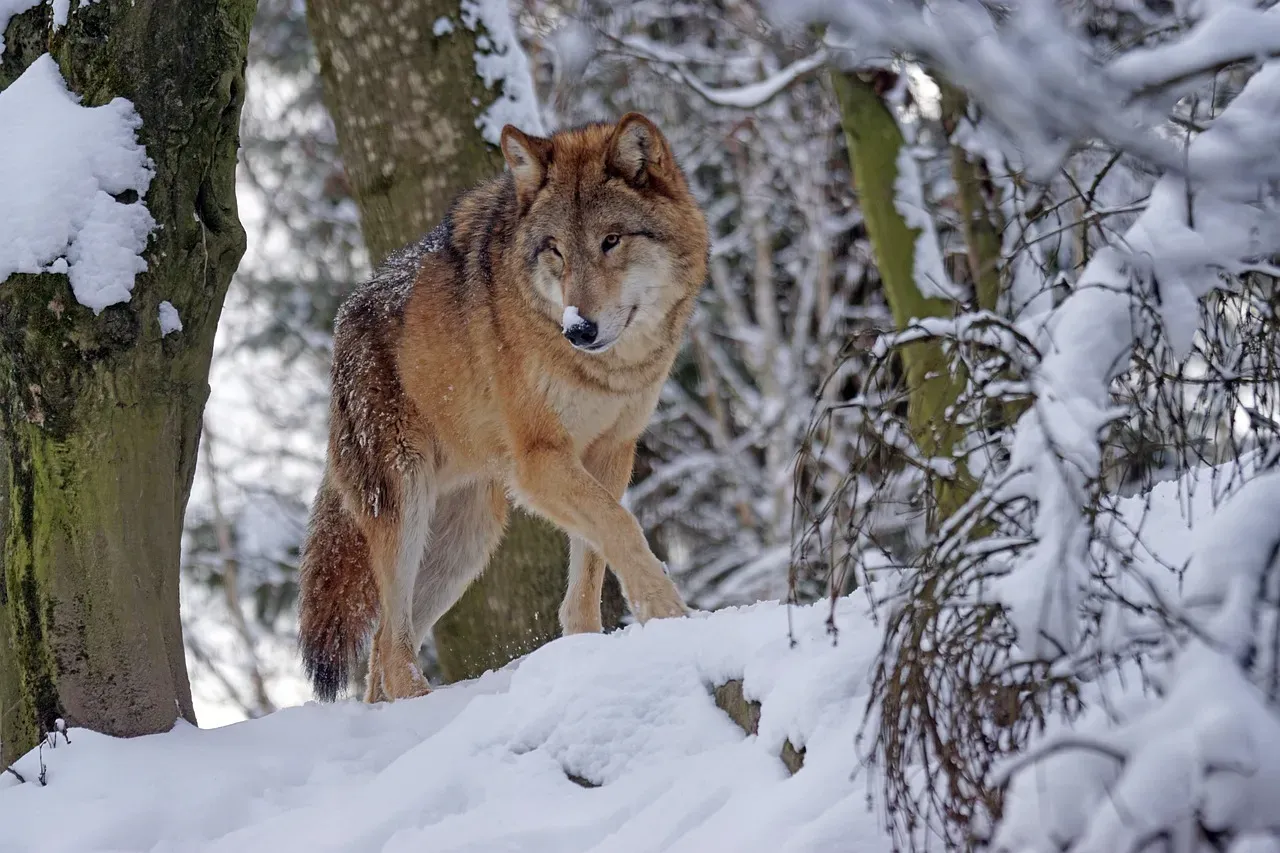
Children learn the principle of cause and effect early on, and studies have shown that the wolf understands such connections better than domesticated dogs. This isn’t about wolves being smarter in every possible way. It’s about how their brains have remained sharp for independent survival.
Wolves are known to change their hunting strategies based on the type of prey and environmental conditions, and if a direct chase isn’t feasible, they may employ ambush techniques or use the terrain to their advantage. Wolves demonstrate the ability to anticipate the movements of their prey, and by studying behavior and patterns of potential targets, they can predict and counteract escape routes effectively.
The late biologist Gordon Haber observed wolves changing their hunting strategy based on weather, terrain, and prey behavior. This adaptive flexibility requires understanding complex relationships between multiple variables. Wolves assess conditions, predict outcomes, and adjust their tactics accordingly. That’s not just hunting; that’s strategic thinking in real time. I know it sounds crazy, but wolves essentially run mental simulations before executing their plans.
Memory and Cultural Learning Shape Pack Knowledge
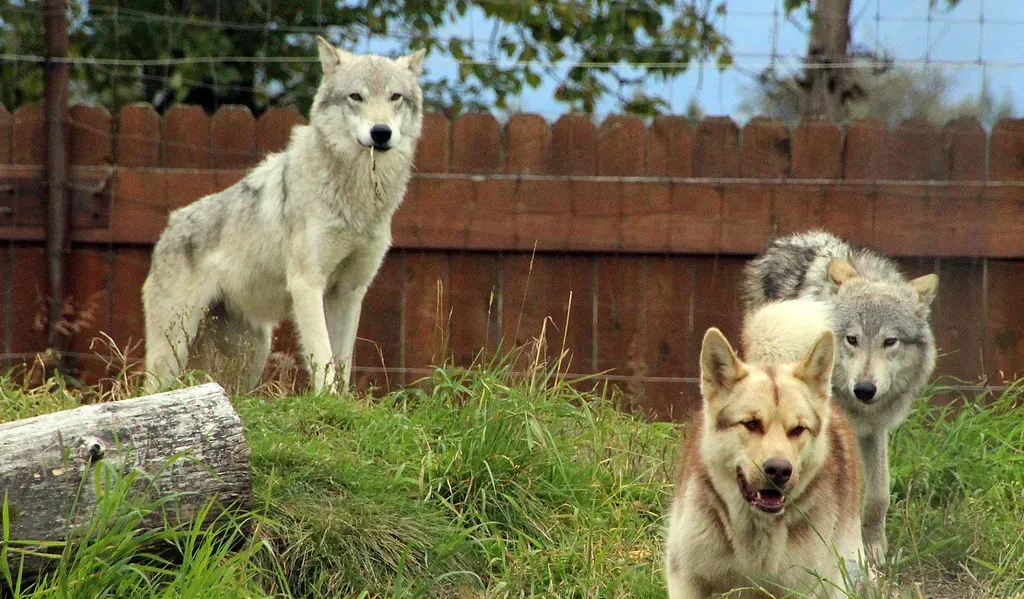
Wolves don’t just solve problems individually; they pass knowledge through generations. Questions remain about whether trap-pulling behavior was learned through trial-and-error or by watching guardians service the traps, and whether individual wolves pass this knowledge to pack members, highlighting how much remains uncovered about wolf cognition and cultural learning.
According to studies in the Journal of Mammalogy, wolves’ cooperative hunting is a sophisticated blend of planning, communication, and role distribution, honed through years of social and environmental learning. In the wolf pack, cultural transmission is crucial to maintaining hierarchy, as each generation reinforces the social structure proven essential for survival, fostering respect and adherence to rank while reducing conflict.
Older wolves teach younger ones not just what to do but how to think about problems. Younger wolves naturally defer to older members during feeding, hunting, and critical decision-making scenarios, ensuring pack activities proceed with minimal friction and conserving energy. This intergenerational transfer of knowledge creates a cumulative intelligence that builds over time. Each pack essentially develops its own problem-solving culture, with techniques and strategies refined and passed down like family recipes.
It’s reasonable to suspect that wild wolves regularly engage in similar problem-solving activities within their natural environments that often go unnoticed by humans, as these activities occur within an ecological context unfamiliar to us. We’re only just beginning to glimpse the full extent of their cognitive capabilities.
Conclusion
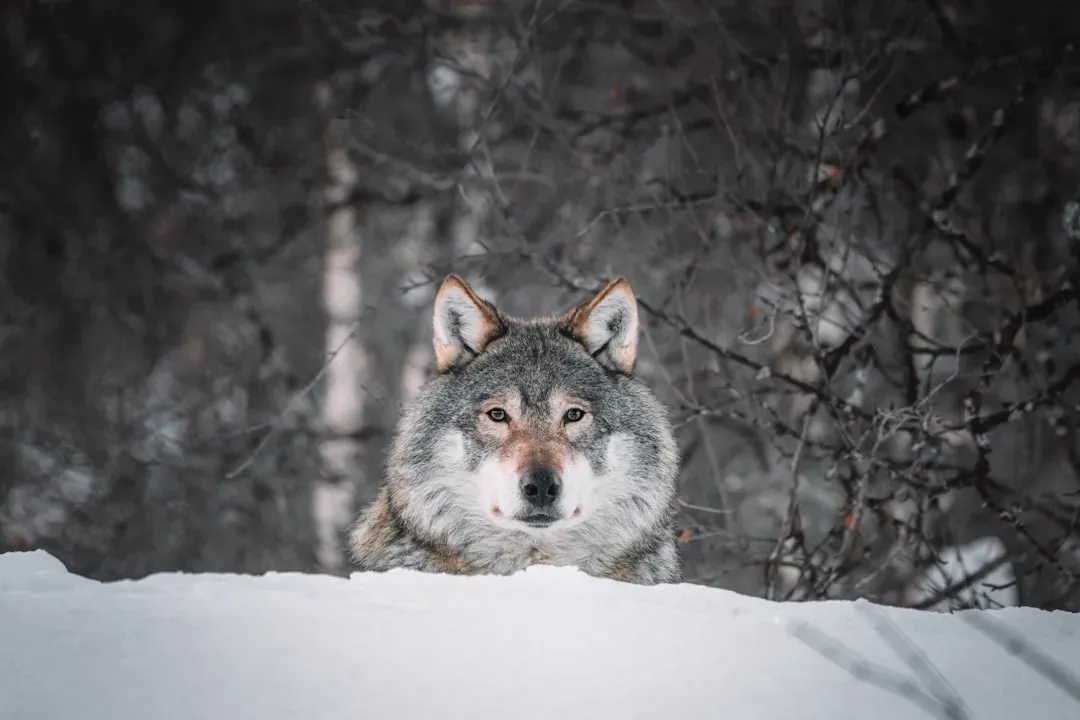
Through studies and research, wolves are smarter than dogs and are considered the most intelligent predators on the planet. Studies underscore just how complex and intelligent wolves really are. From their superior problem-solving abilities to their intricate social systems, wolves challenge our assumptions about animal intelligence.
These aren’t the mindless beasts of fairy tales. They’re strategic thinkers, cooperative partners, and innovative problem solvers who’ve mastered survival in some of Earth’s harshest environments. The more we study them, the more we realize how much we’ve underestimated these remarkable animals. Perhaps it’s time we looked at wolves not as threats lurking in the shadows but as fellow intelligent beings navigating a complex world.
What surprises you most about wolf intelligence? Does it change how you think about these magnificent predators?
Worried about unexpected vet bills?
Pet insurance can cover thousands in unexpected vet costs. Get a free quote from Lemonade in under 2 minutes.
Get My Free Quote →Sponsored · Opens Lemonade.com

- Which Zodiac Signs Would Bond Best With Wild Horses - June 8, 2026
- 10 Rare Desert Flowers That Bloom Only Under Perfect Conditions - June 8, 2026
- Did You Know Tigers Mimic The Calls of Their Prey - June 7, 2026