
When you think about what keeps our planet running smoothly, you probably picture forests, oceans, or maybe the air we breathe. Yet lurking behind these grand visions are creatures that might not get the spotlight but hold everything together. Some are tiny, others surprisingly adorable, and a few have been misunderstood for centuries.
These animals are often called keystone species. The name comes from architecture, where a keystone sits at the top of an arch, holding all the other stones in place. Remove it, and the whole structure crumbles. Same principle in nature. I think it’s fascinating how a single species can shape entire landscapes, control populations, and even influence climate patterns. Let’s dive in and meet seven animals that prove nature’s balance hinges on more than we ever realized.
Beavers: Nature’s Master Architects
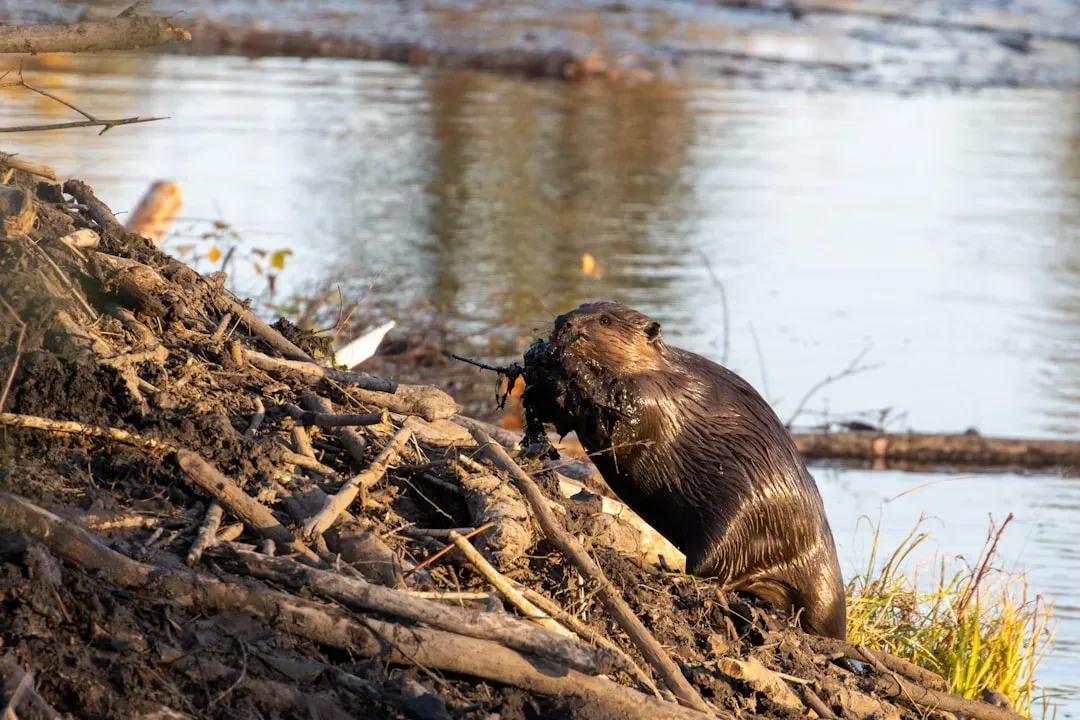
Here’s the thing about beavers. They’re not just building dams for fun or to show off their carpentry skills. These industrious rodents have earned the title of ecosystem engineers because their dams create cascading influence over how their habitats look and function. When a beaver constructs a dam, it slows down water flow, creating wetlands that didn’t exist before.
The altered water path creates additional wetlands where other species thrive, with important plants increasing over 33 percent in beaver wetlands while birds nest and fish swim in these natural havens. In fact, roughly one quarter of species living in these wetlands fully depend on beaver activity for survival. Think about that for a second.
Beyond habitat creation, wetlands surrounding beaver dams act like kidneys by removing pollutants from water, with nutrient-rich sediment collecting on the bottom and breaking down harmful materials like pesticides. Beaver activity can also hold devastating wildfires at bay, as wetlands made by beaver dams concentrate water and moisturize the landscape, making it harder for fires to spread. They’re essentially firefighters and water purifiers rolled into one furry package.
Sea Otters: The Adorable Kelp Guardians
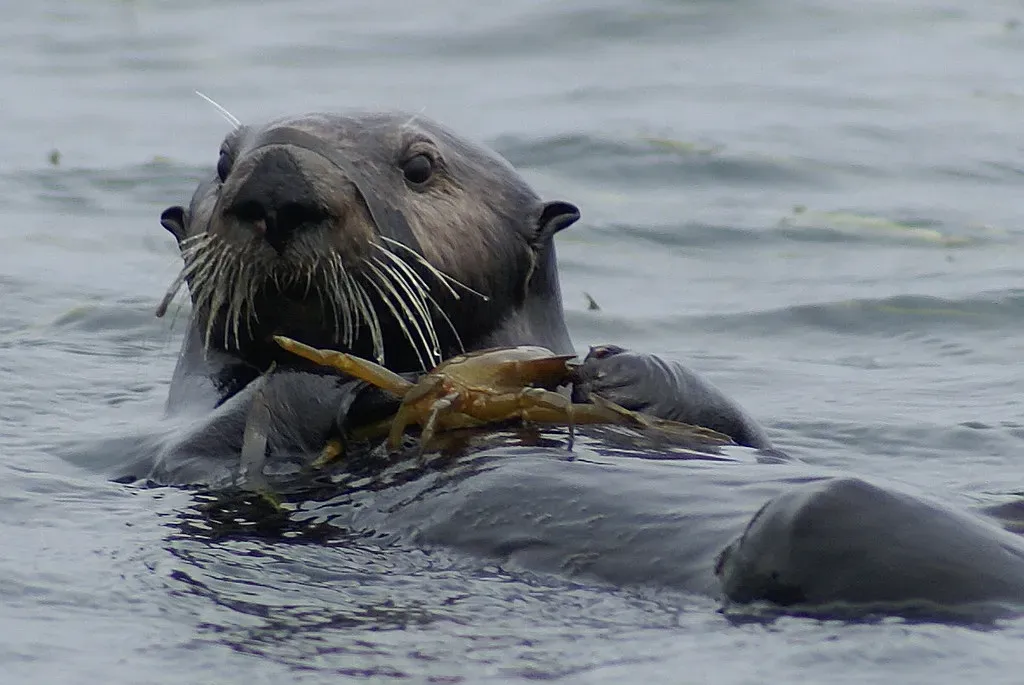
One look at a sea otter floating on its back, cracking open a shellfish, and it’s easy to see why people adore them. But more than their apparent cuteness, sea otters are critical players in marine ecosystems and a keystone species, meaning they have a profound effect on their ecosystem. Their voracious appetite turns out to be a superpower for ocean health.
Sea otters have high metabolisms requiring as much as 25 to 30 percent of their body weight in daily food, with some of their favorite foods including clams, mussels, crab, and sea urchins. When left unchecked, creatures like sea urchins can grow exponentially, devouring the kelp before it can replenish. Without otters keeping them in line, urchin populations explode and transform vibrant underwater forests into barren wastelands.
The climate connection is equally impressive. Healthy kelp can absorb significant amounts of carbon dioxide from the atmosphere, and kelp forests are capable of storing up to 20 times more carbon per acre than forests on land. According to research, kelp forests that are guarded by sea otters can sequester up to 12 times more carbon from the environment. So when you protect sea otters, you’re essentially hiring climate warriors who work for shellfish.
Bees: The Unsung Heroes of Food Production
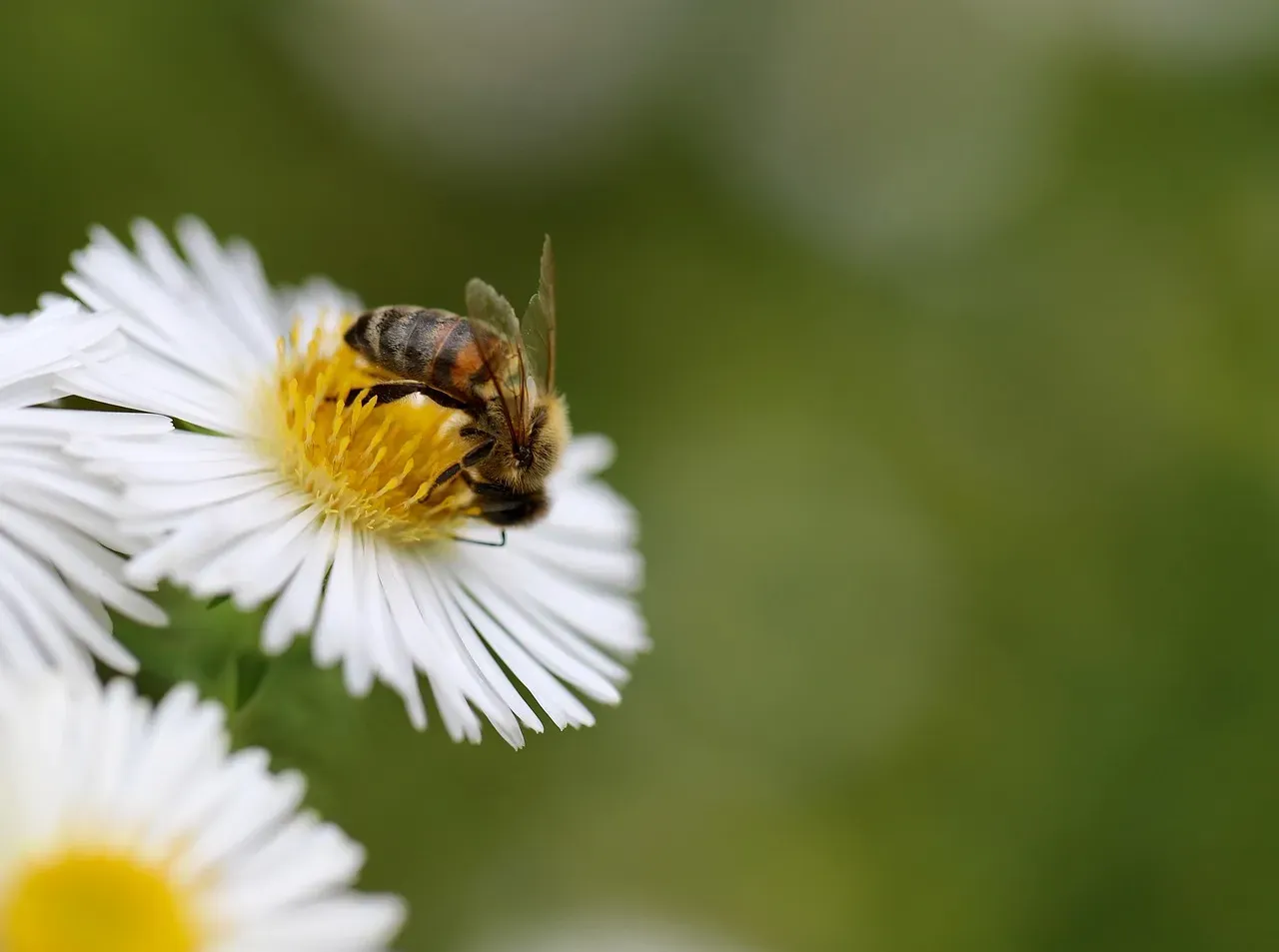
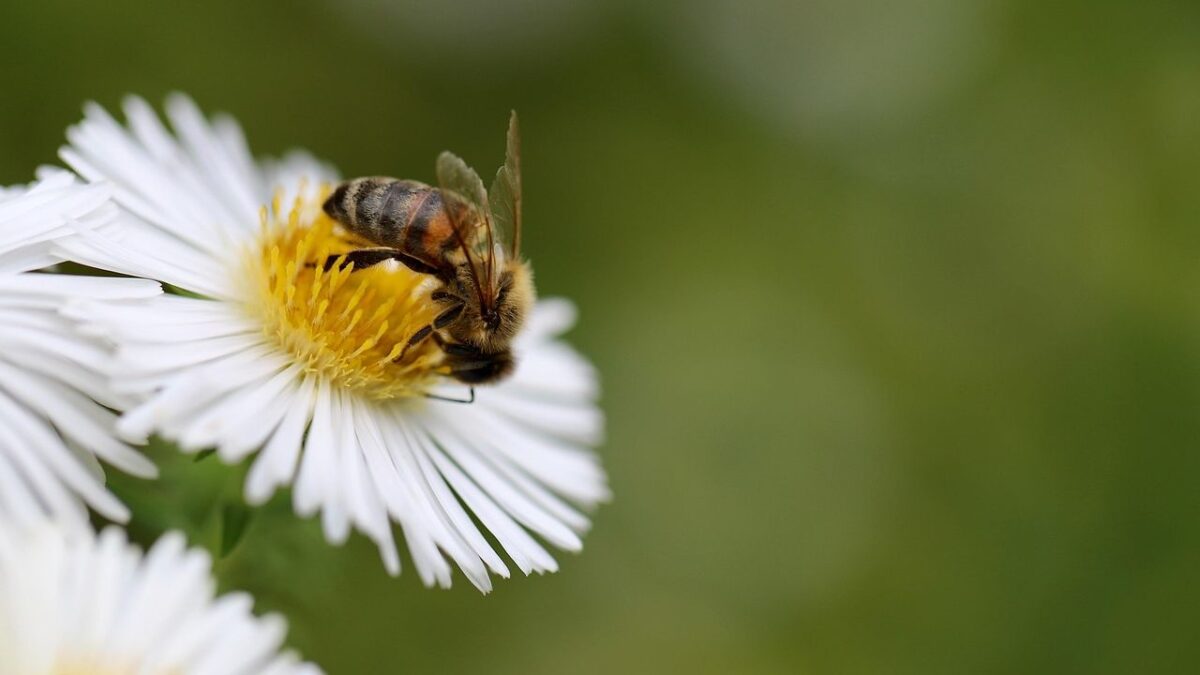
Let’s be real, most people don’t think twice about bees until one buzzes too close at a picnic. Yet three-fourths of the world’s flowering plants and about 35 percent of the world’s food crops depend on animal pollinators to reproduce, with more than 3,500 species of native bees helping increase crop yields. Some scientists estimate that one out of every three bites of food we eat exists because of animal pollinators like bees.
Bees make excellent pollinators because most of their life is spent collecting pollen, and individual bees tend to focus on one kind of flower at a time, which means pollen from one flower will be transferred to another flower of the same species. This specificity makes them incredibly efficient at their job. Beyond crops, bees also pollinate around 80 percent of wildflowers in Europe, so our countryside would be far less interesting and beautiful without them.
The economic impact is staggering. By helping plants reproduce, pollinators like bees contribute more than $200 billion each year in ecological services. Sadly, bees and other pollinators are increasingly under threat from human activities, with bee populations declining globally over recent decades due to habitat loss, intensive farming practices, changes in weather patterns and the excessive use of agrochemicals such as pesticides. Protecting these tiny workers isn’t optional anymore.
Wolves: The Misunderstood Ecosystem Regulators
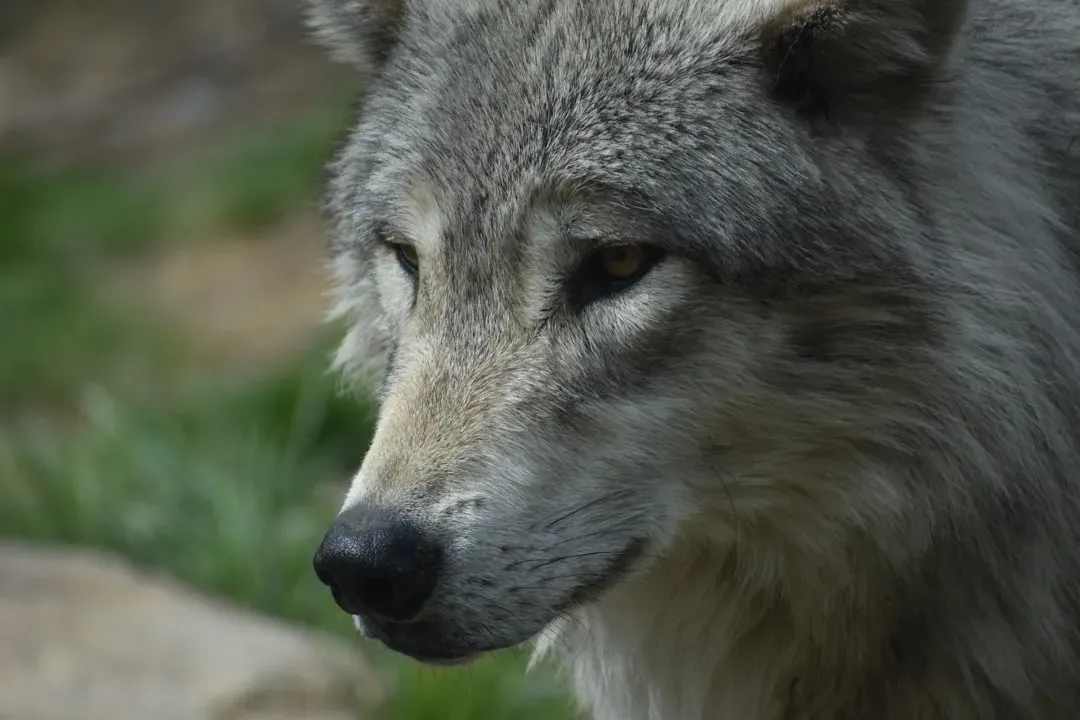
Wolves have gotten a bad reputation for centuries, often portrayed as villains in stories. Reality paints a different picture. Wolves can influence the dynamics of wildlife species across an entire ecosystem, altering predator-prey relationships and even the natural landscape, while also playing an important role in the environment. Their reintroduction to Yellowstone National Park in the mid-1990s proved this beyond doubt.
When wolves returned, the behavior of elk changed as they became more vigilant and were forced to stay on the move, with consumption of vegetation by elk restrained, giving many riparian areas a chance to recover. Aspens, willows, cottonwoods, and other vegetation resumed their natural growth, and when their favorite food and building material reappeared, beavers flourished, engineering broad wetlands that attract frogs, swans, and sandhill cranes. It’s hard to say for sure, but the return of one predator literally reshaped the landscape.
Coyote numbers dropped significantly as they once again share the land with wolves, with the reinstated wolf presence reducing the coyote population of the park by 50 percent in some areas. Once wolves have eaten their fill, the leftovers from their kills provide food for scavengers, including bald and golden eagles, magpies, coyotes, ravens, and bears. Nature’s cleanup crew gets to work thanks to these apex hunters.
African Elephants: The Savanna Sculptors
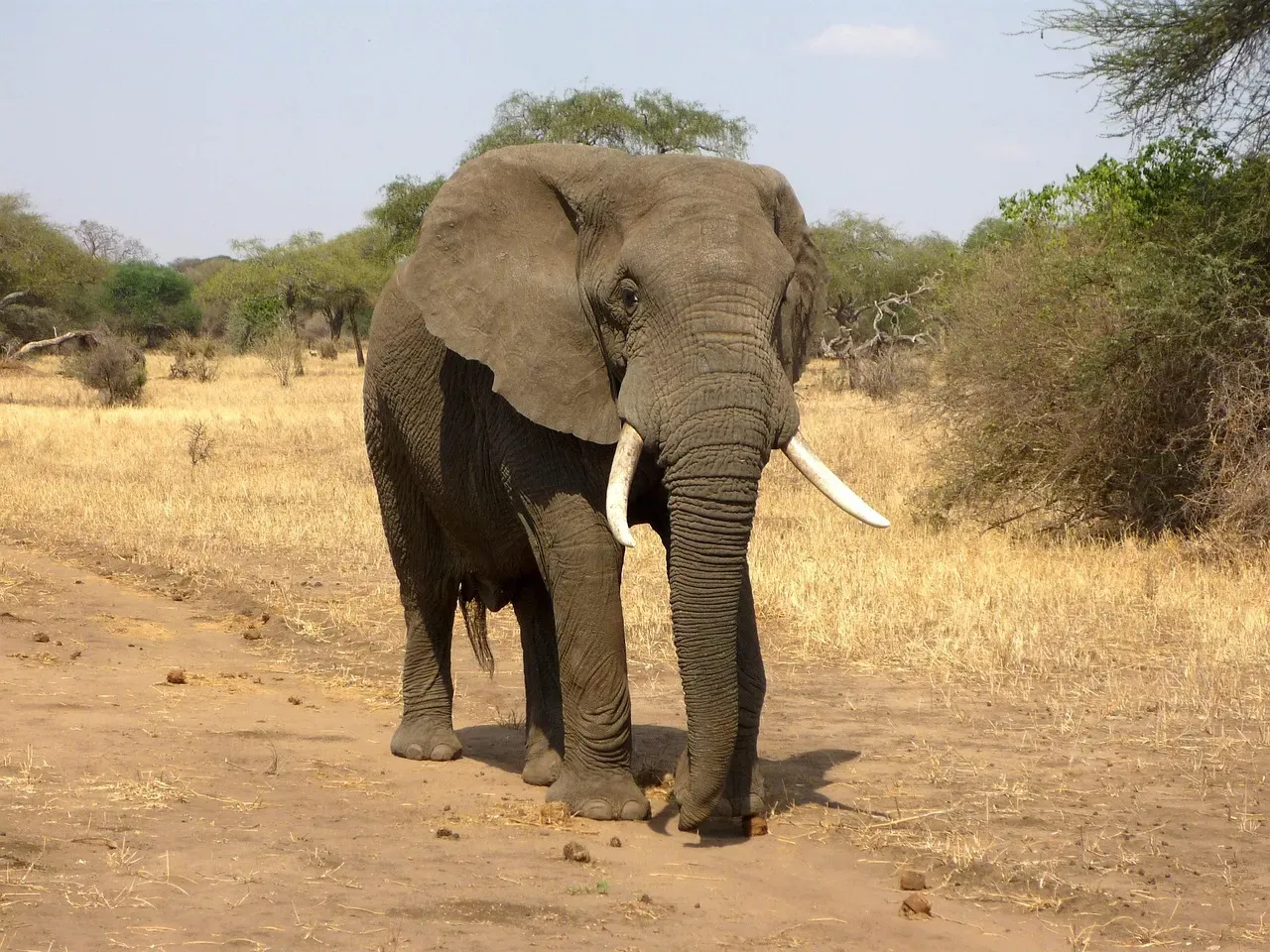
African elephants are keystone species, playing a critical role in the savanna ecosystem by feeding on trees and shrubs, creating openings in the vegetation that allow for the growth of grasses. They’re essentially landscapers with trunks. Their massive size and appetite create a mosaic of different habitats that countless other species depend on.
Elephants are like the gardeners of the savanna, and this increases the biodiversity of the ecosystem, providing habitat for a variety of other species. When elephants knock down trees, they open up the canopy, allowing sunlight to reach the ground. This promotes grass growth, which benefits grazers like zebras and wildebeest. Without elephants doing their thing, the savanna would look completely different.
They also serve as seed dispersers extraordinaire. As elephants roam vast distances, they consume fruits and vegetation, then deposit seeds far from the parent plant through their dung. This helps maintain plant diversity across huge areas and ensures forest regeneration. Their impact extends from the smallest seedling to the largest predator that hunts the herbivores thriving in elephant-modified landscapes.
Sharks: The Ocean’s Health Inspectors
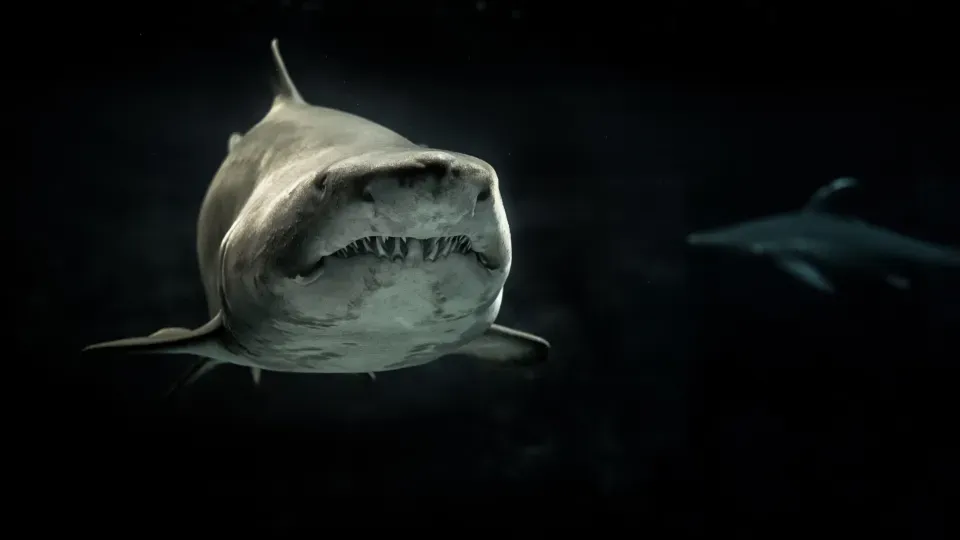
Sharks, as apex predators, regulate their prey populations and maintain the food web’s balance. They’ve been doing this job for hundreds of millions of years, long before humans showed up. Their role goes far beyond what most people imagine when they picture these often-feared creatures.
Sharks typically prey on the sick, weak, or injured fish, which keeps prey populations healthy and genetically strong. This natural selection process prevents disease from spreading through fish populations. When shark numbers decline, the effects ripple downward through the entire marine food chain. Mid-level predators can explode in number, which then decimates smaller fish and disrupts coral reef ecosystems.
Research from various marine environments shows that healthy shark populations correlate with healthier ocean ecosystems overall. Coral reefs with robust shark populations tend to be more resilient and diverse. The economic value of sharks through ecotourism also far exceeds their value in fisheries, making their conservation both ecologically and economically sound. Yet many shark species face severe threats from overfishing and habitat loss.
Prairie Dogs: The Underground Engineers
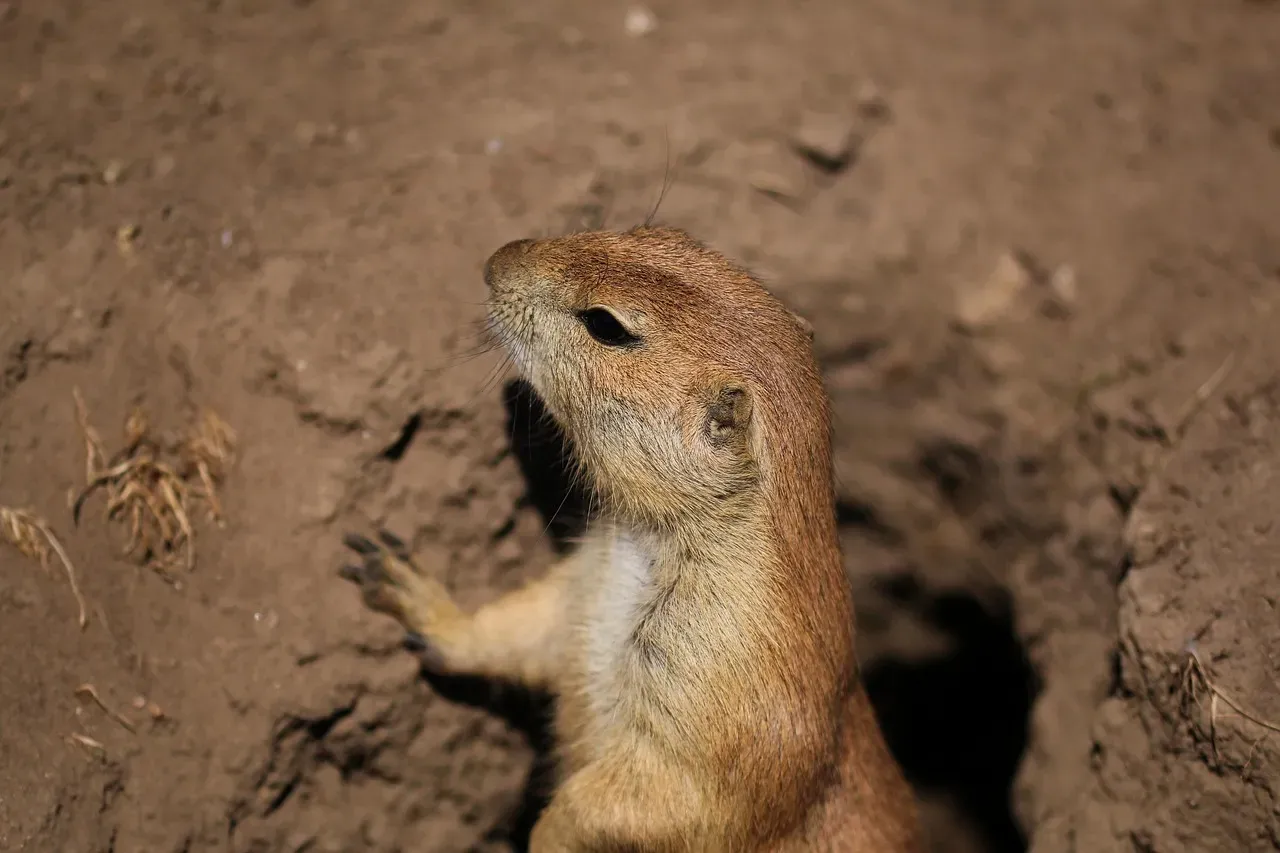
A term used alongside keystone is ecosystem engineer, and in North America, the prairie dog is an ecosystem engineer. These social rodents might seem like pests to some, but their underground burrow systems create benefits that extend far beyond their own colonies.
Prairie dog burrows aerate the soil, increase water infiltration, and create microclimates that numerous other species exploit. Burrowing owls nest in abandoned prairie dog tunnels. Black-footed ferrets, one of North America’s most endangered mammals, depend almost entirely on prairie dogs for food and shelter. Even bison benefit, as the areas around prairie dog colonies often have more nutritious vegetation.
Their grazing patterns also influence plant diversity. By clipping vegetation around their colonies, prairie dogs create a patchy landscape that supports different plant communities. This heterogeneity provides habitat for a greater variety of insects, birds, and small mammals. When prairie dog colonies are removed, grassland ecosystems lose complexity and resilience. The underground network these creatures maintain supports an entire web of life above and below ground.
Conclusion: Protecting the Architects of Nature
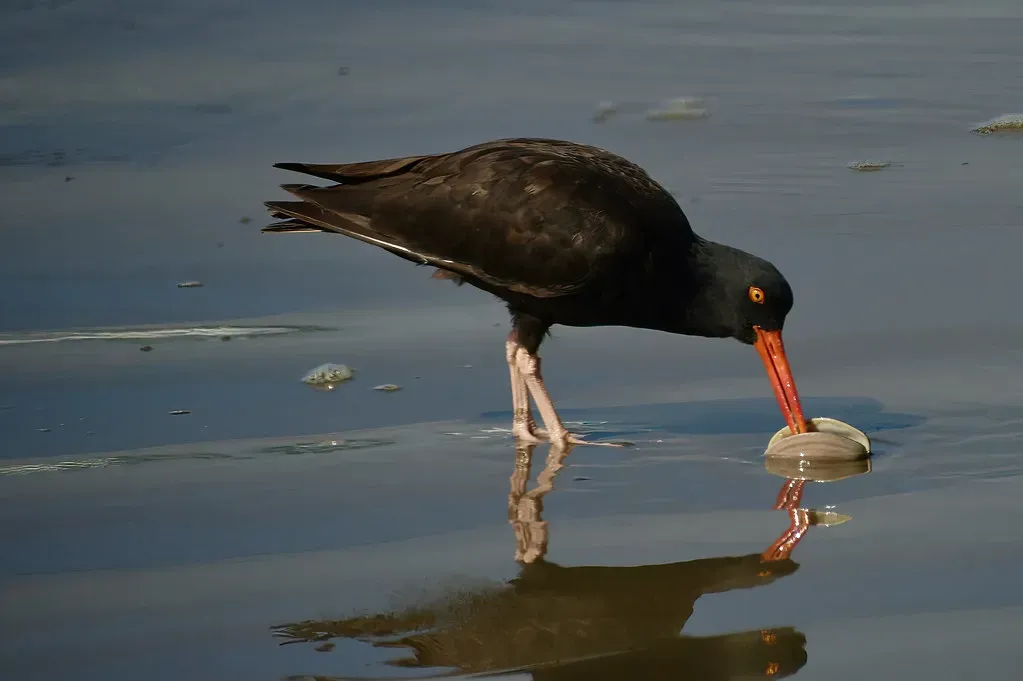
The loss or decline of keystone species can lead to profound ecological consequences, triggering disruptions in trophic cascades, altering species composition, and compromising the overall health of ecosystems, with impacts extending beyond ecological realms to influence ecosystem services crucial for human well-being, such as pollination, pest control, and climate regulation. Each of the seven animals we’ve explored proves that nature operates through intricate connections we’re only beginning to understand.
Conservation of these species isn’t just about saving individual animals. It’s about preserving the complex systems that sustain all life, including our own. From beavers purifying water to bees pollinating our crops, from wolves shaping forests to elephants sculpting savannas, these creatures perform services worth billions of dollars annually. Perhaps more importantly, they maintain the ecological balance that makes Earth habitable.
The good news? Protecting keystone species creates benefits that cascade throughout entire ecosystems. The challenge lies in recognizing their value before it’s too late. What do you think about these ecosystem engineers? Which animal surprised you most with its hidden superpowers?

- Snake vs. Mongoose: What Evolution Teaches Us About Fear - June 17, 2026
- 10 US Coastal Towns So Charming, You’ll Want to Move There - June 17, 2026
- 12 Dog Breeds That Are Known for Their Incredible Stamina - June 17, 2026