
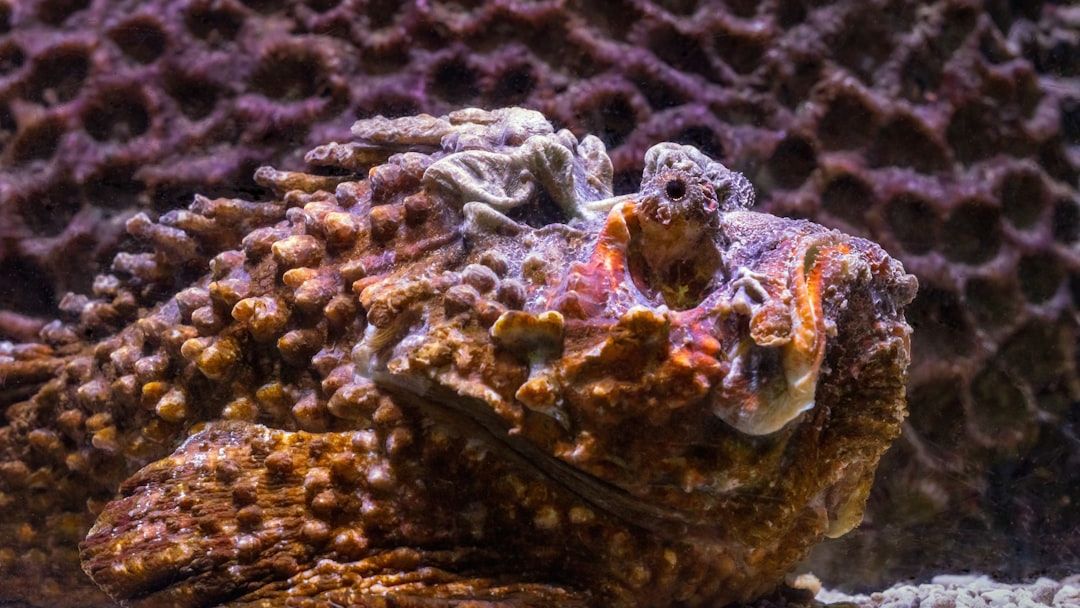
Think you have a sharp eye? Think again. In the wild, nature has crafted creatures so masterfully disguised that they practically disappear before your eyes. These aren’t magic tricks or digital illusions.
They’re living, breathing animals with survival skills that put any Hollywood special effect to shame. From the ocean floor to the forest canopy, these remarkable beings have evolved strategies that make them nearly impossible to spot, even when you’re staring right at them.
Let’s dive into the hidden world of nature’s most skilled camouflage artists.
1. The Mimic Octopus: Nature’s Ultimate Shape Shifter
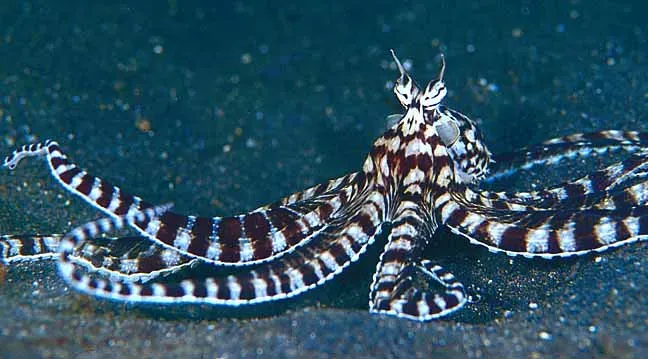
Native to the Indo-Pacific region, the mimic octopus has a unique ability to imitate the appearance and movements of other sea creatures, changing its color, shape, and texture to appear like animals such as lionfish, flatfish, and sea snakes. Honestly, this is where things get a bit wild.
Researchers note that it can select which creature to impersonate based on local threats or opportunities, suggesting a high degree of perceptual awareness, advanced neural control and memory. Let’s be real here – this creature is basically a marine genius with a costume closet.
What makes the mimic octopus particularly jaw-dropping is its strategic thinking. It must recall multiple disguises and apply the right one in real time, which is evidence of its intelligence.
Imagine having the ability to transform yourself into something completely different within seconds. That’s not just camouflage – that’s a survival superpower.
This cephalopod doesn’t just blend in. It actively decides which disguise will work best in a given situation, whether that means scaring off predators or sneaking up on prey.
2. Leafy Sea Dragon: The Floating Garden
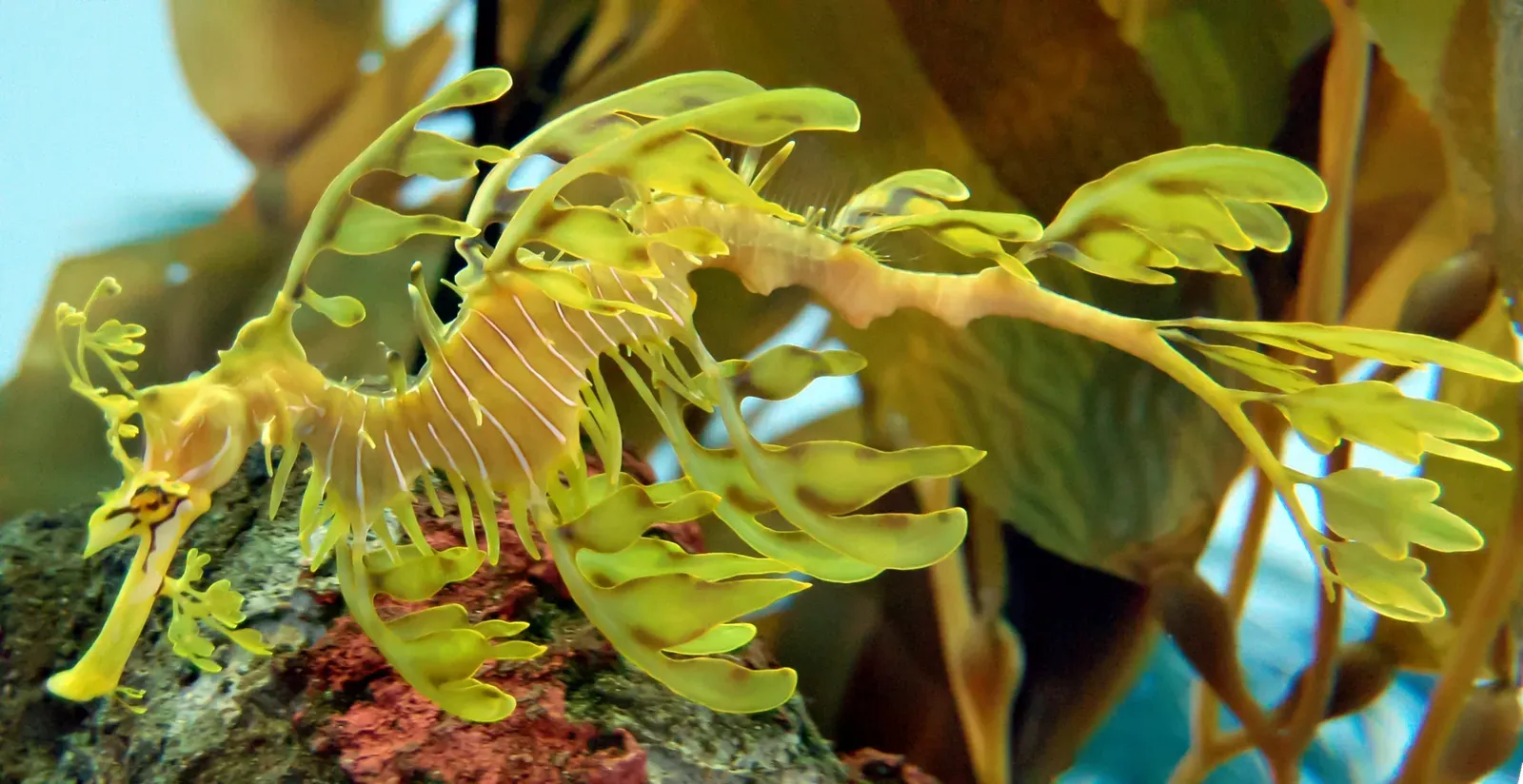
Leafy sea dragons are enchanting marine creatures that resemble floating seaweed, a perfect adaptation for their life among seaweed beds and kelp forests. Here’s the thing – when you first encounter one, you might genuinely believe you’re looking at drifting vegetation.
Their bodies are covered with leaf-like appendages that move with ocean currents. The level of detail in their disguise is almost absurd when you think about it. Every protrusion serves a purpose.
This disguise allows leafy sea dragons to navigate with grace and stealth, avoiding detection while searching for plankton and small crustaceans to eat. They’re essentially living underwater gardens that hunt.
Their vibrant colors and delicate structures make them one of the most visually stunning camouflaged animals in the ocean. Beauty and functionality combined in one extraordinary package.
Watching one glide through kelp is like witnessing nature’s artwork in motion. They prove that camouflage doesn’t have to be dull – sometimes it can be absolutely breathtaking.
3. Leaf-Tailed Gecko: The Vanishing Act
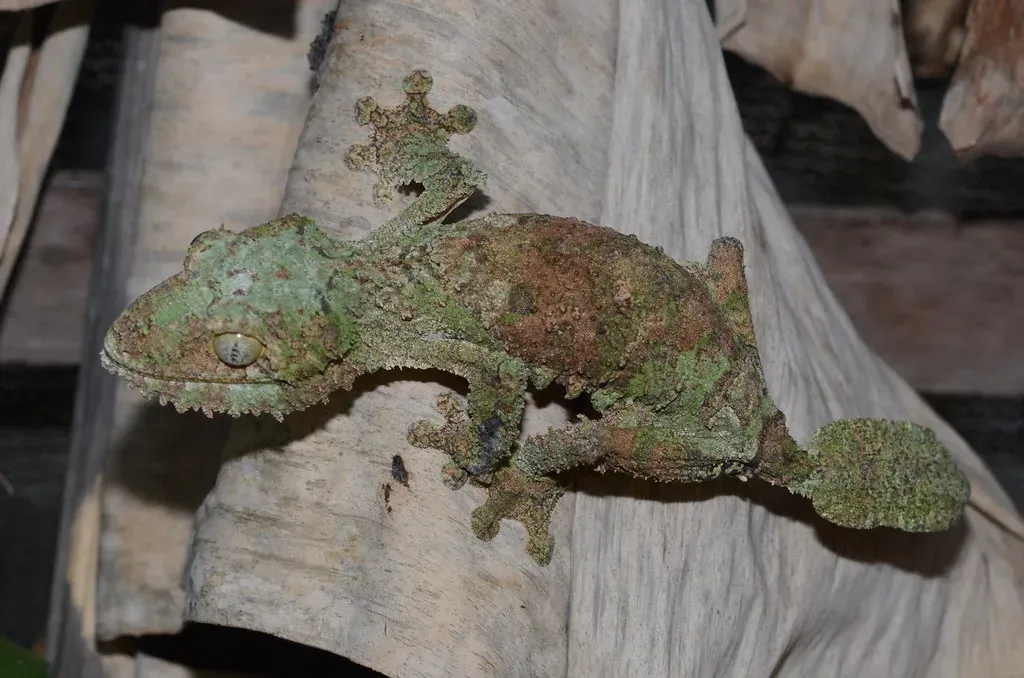
Native to Madagascar, the leaf-tailed gecko has mastered its disguise within the leaves. This reptile takes botanical mimicry to a whole new level, and I mean that literally.
When in the presence of predators, the gecko is even able to flatten its body against a tree to hide its shadow, becoming virtually invisible. It’s hard to say for sure, but that might be the most clever trick in the entire animal kingdom.
This gecko’s body perfectly mimics a dead leaf, and it can remain motionless for hours. The dedication is remarkable – imagine staying completely still for that long just to avoid being eaten.
Leaf-tailed geckos blend into their arboreal environments so effectively that researchers sometimes struggle to spot them even when they know exactly where to look. Their tail resembles a decaying leaf, complete with imperfections and irregular edges.
The texture, the color variation, the shape – every detail has been honed by evolution to create the perfect illusion. This gecko doesn’t just look like a leaf; it becomes one.
4. Orchid Mantis: The Floral Predator
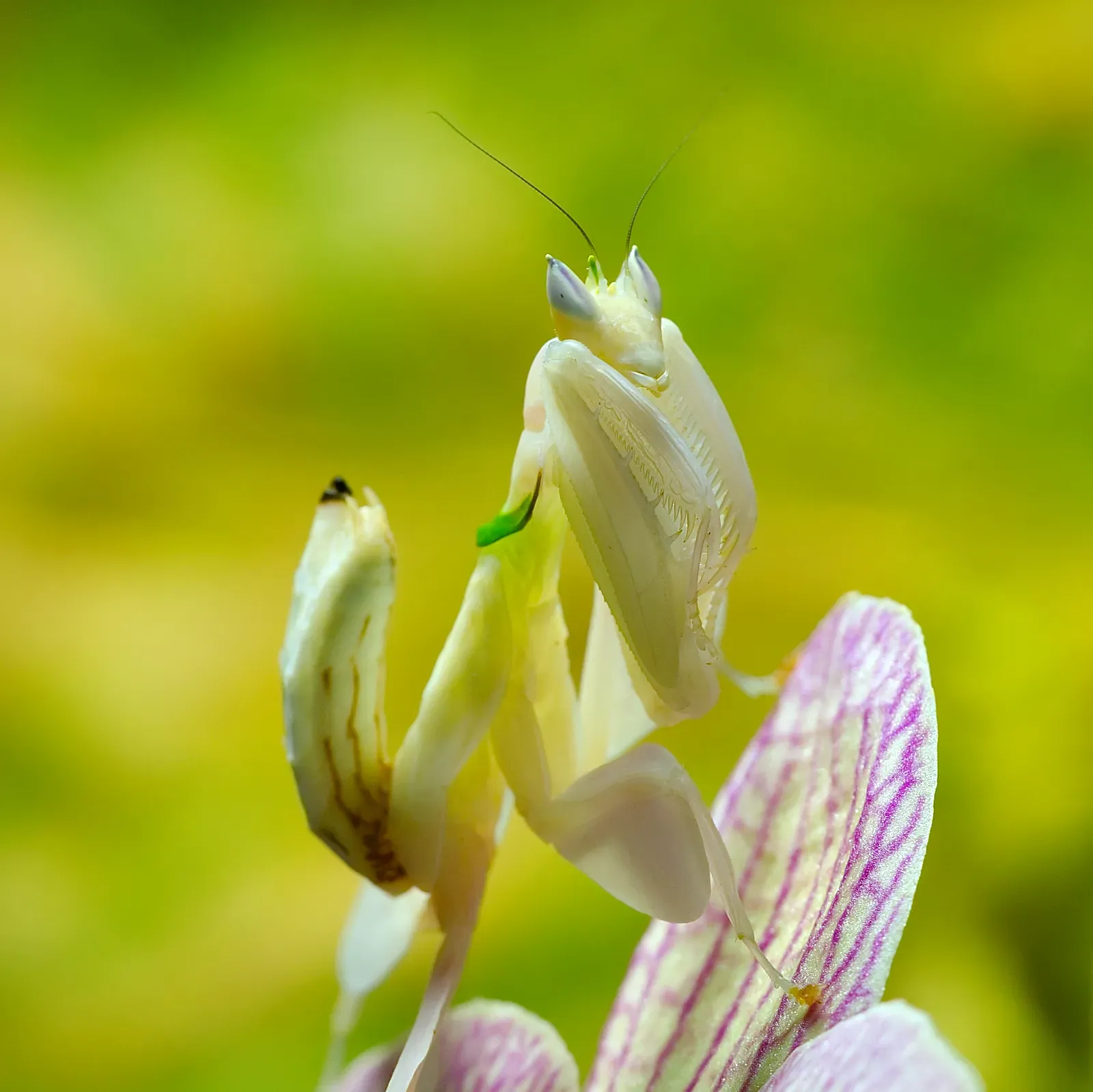
The orchid mantis, Hymenopus coronatus, would appear to be the master of mimicry, using it as an aggressive tactic to lure pollinators as prey and at the same time camouflage itself from predators such as birds. Here’s where nature gets particularly sneaky.
New research has revealed that the mantis is not trying to copy orchids specifically; to its insect prey, it looks like a number of flowers. The genius behind this strategy is almost unbelievable.
Imperfect mimicry is actually a clever strategy – by copying several flower species at once, the mantis can attract a greater variety of prey. Why commit to one flower when you can be all flowers?
That flower you’re thinking about smelling might have a flower mantis hiding inside, using colorful, pistil-and-stamen-like camouflage to trick smaller insects. The unsuspecting pollinators approach thinking they’ve found nectar, only to become lunch instead.
This is predatory camouflage at its finest – not just hiding, but actively luring prey into a fatal trap. Nature’s version of a venus flytrap with legs.
5. Pygmy Seahorse: The Coral Twin
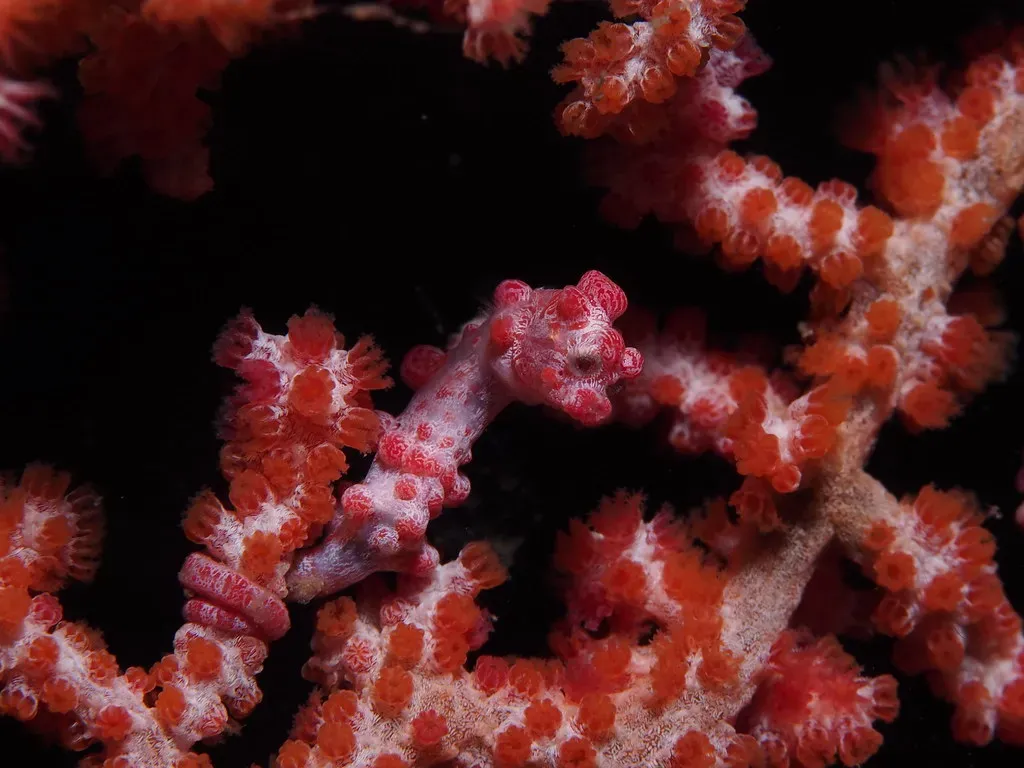
Pygmy seahorses are tiny creatures that measure about one inch (2.5 cm) in length and live on sea fans and soft corals across the Indo-Pacific. When I say tiny, I mean you could easily miss one even if it’s right in front of you.
Their skin sports tiny bumps and colorations that match the coral’s form and shade. The attention to detail is extraordinary – these little creatures don’t just match colors; they replicate texture.
Pygmy seahorses stay camouflaged among coral polyps, leaving them nearly invisible on a busy reef. Scientists have reported finding them only by accident, often while examining coral samples.
The pygmy seahorse may be small, but its background matching skills are among the best, with pink camouflage making it indistinguishable from aquatic life in the coral reef. Their commitment to invisibility is total.
Different species have evolved to match different coral varieties, meaning each population is uniquely adapted to its specific home. Talk about personalized camouflage.
6. Stonefish: The Ocean Floor Impersonator
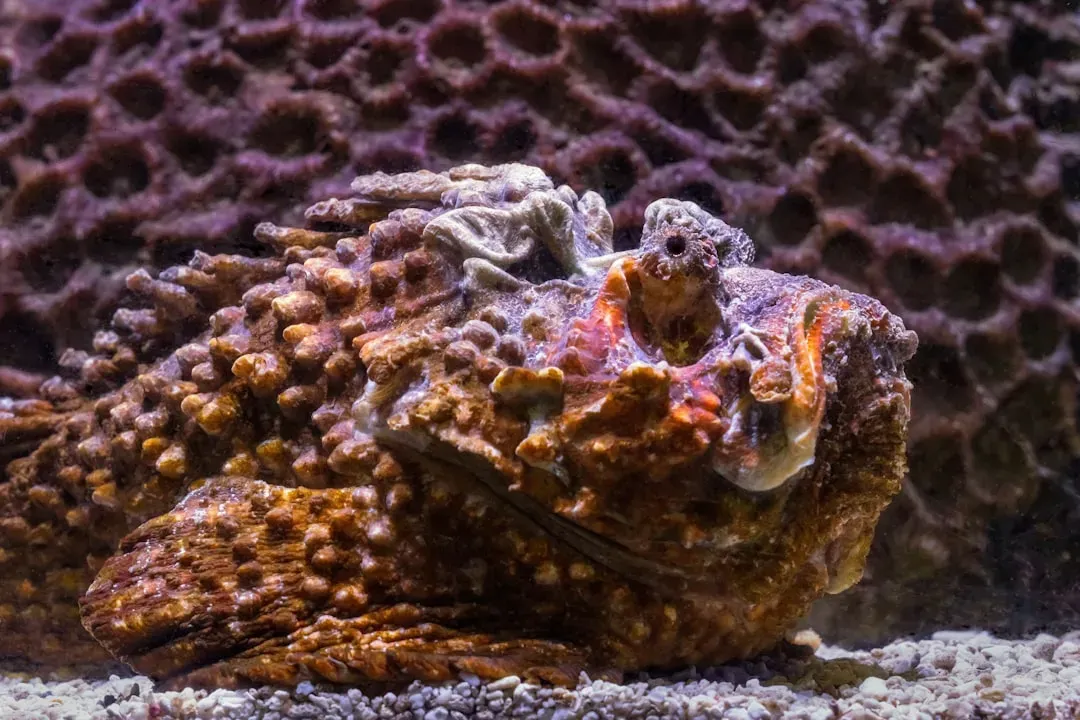
The false stonefish, Scorpaenopsis diabolus, employs several camouflage tactics to hide from its prey and strike unexpectedly. This is where camouflage becomes genuinely dangerous.
It is the color and texture of the sand and rocks at the sea bed, and it partially buries itself in the sand as an extra measure. Multiple layers of deception make detection nearly impossible.
As its name says, it resembles a stone lying on the floor of the sea. Swimmers have been known to step on stonefish without realizing they’re there until it’s too late.
Scorpionfish are not only masters of animal camouflage but are among the most venomous fish in the world. Their camouflage serves double duty – protecting them from larger predators while allowing them to ambush prey.
The bumpy, mottled appearance perfectly mimics encrusted rocks or coral debris. Honestly, if you’re snorkeling in tropical waters, this is one disguise artist you definitely don’t want to encounter unexpectedly.
7. Walking Stick Insect: The Living Twig
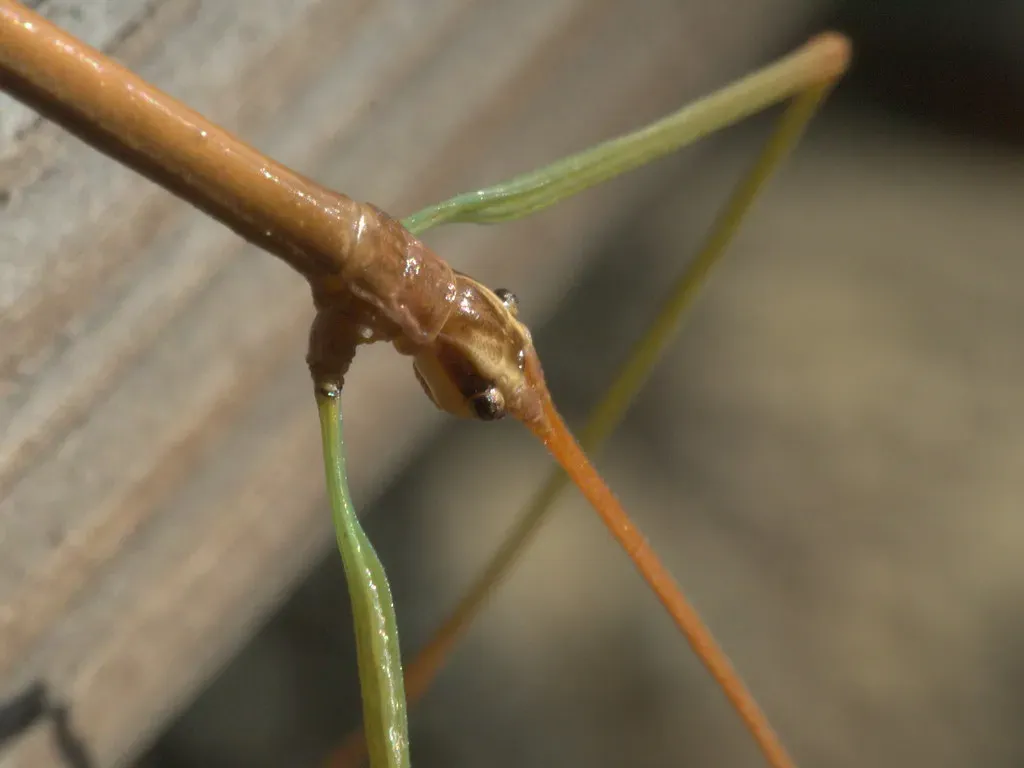
Walking stick insects epitomize botanical mimicry in the insect realm, with their slender, elongated bodies and twig-like appearance allowing them to blend into the branches and stems of trees. Their dedication to the stick lifestyle is admirable.
They sometimes remain motionless, but also sway like twigs in the breeze. This behavioral camouflage enhances the visual illusion – movement that mimics wind-blown branches rather than living creatures.
When they sense a predator nearby, they are almost impossible to see. Their freeze response is so effective that birds and other predators will often look right past them.
Some species can grow up to 20 inches long, which means you could have a stick insect nearly two feet in length perfectly camouflaged on a branch. That’s genuinely impressive.
This impressive camouflage deters predators by making them look like inanimate plant parts. Sometimes the simplest disguises are the most effective – just ask the walking stick, which has been perfecting this act for millions of years.
Conclusion
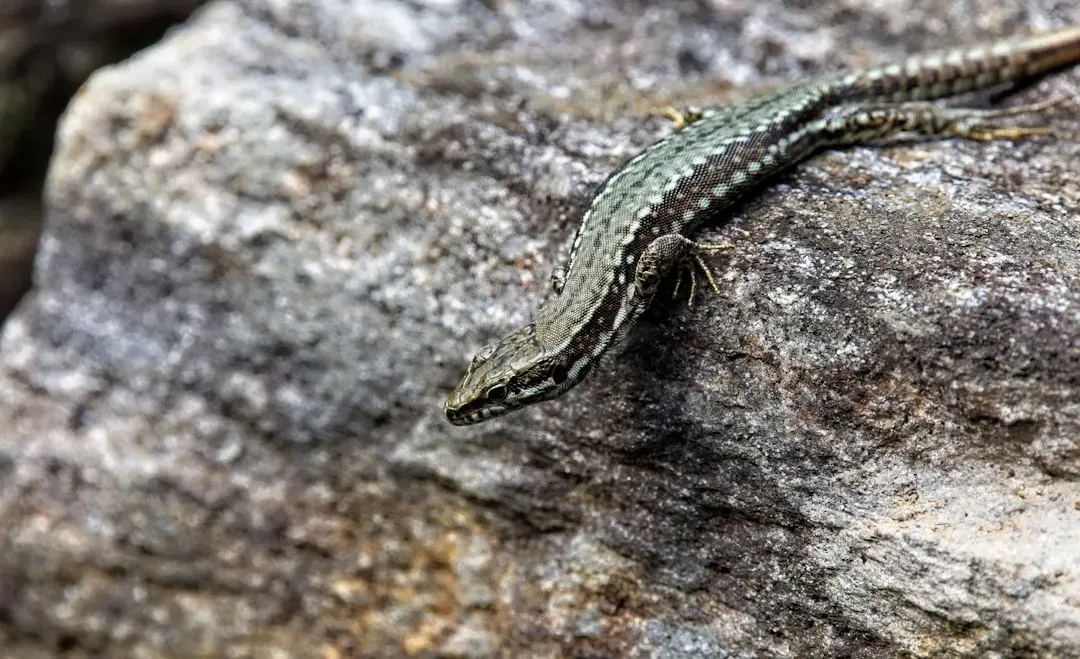
The animal kingdom’s camouflage masters reveal just how remarkable evolution can be. These seven creatures represent only a fraction of nature’s disguise artists, yet each demonstrates survival strategies refined across countless generations.
From octopuses that impersonate multiple species to insects that become indistinguishable from the plants they inhabit, these animals prove that sometimes the best defense is simply disappearing. Their techniques remind us that there’s an entire hidden world existing right alongside us, filled with creatures we’ll never spot unless we learn to truly see.
Next time you’re in nature, take a closer look at that twig, that leaf, or that rock. It might just be watching you back. What’s your take on nature’s incredible disguise artists?

- Why Veterinarians Say If Your Cat Sleeps With Their Back to You, It's the Highest Form of Trust in Feline Behavior - July 20, 2026
- The Zodiac Signs That Owls Avoid Completely (And What Folklore Says It Means About Your Energy) - July 20, 2026
- How Nepal’s Mountain Region Just Cannot Do Without The Indomitable Yak - July 20, 2026