
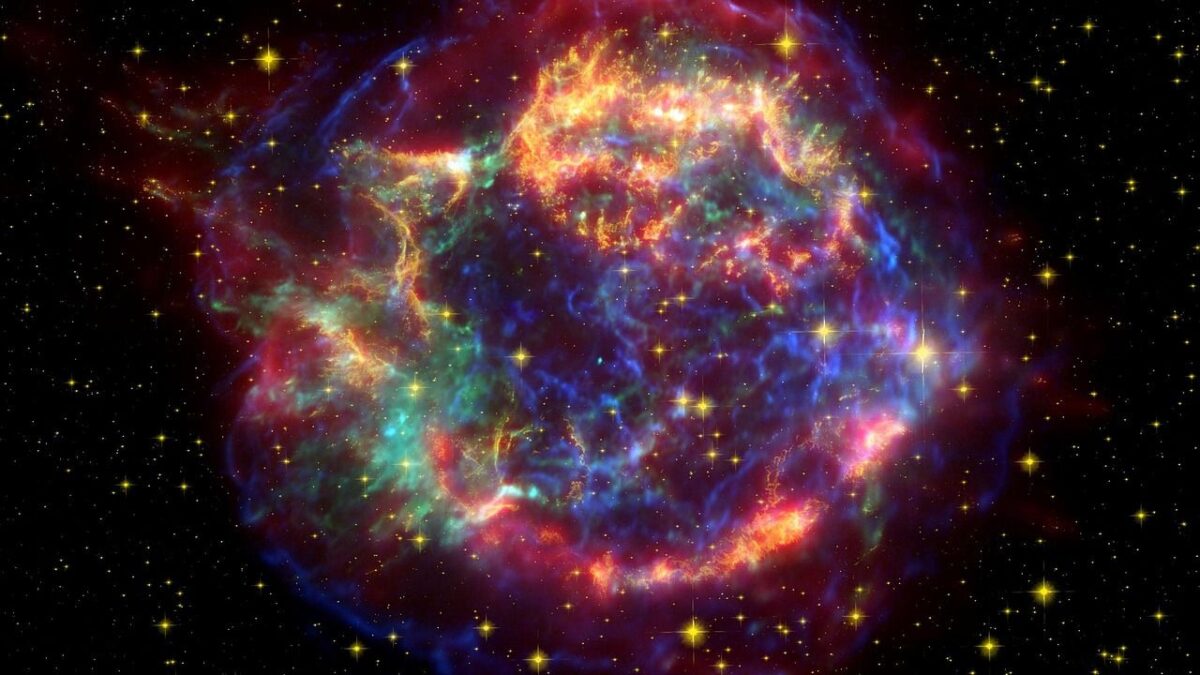
Picture this: a serene night sky overhead, stars twinkling like distant promises of peace. Yet hidden in that vast darkness lurk forces capable of unraveling life as we know it. From fiery blasts closer than you think to cataclysms spanning galaxies, these threats remind us how fragile our blue marble truly is.
Ranked by their chilling likelihood, here’s a countdown that might just keep you up at night. Ready to face the cosmos head-on?
1. Extreme Solar Events
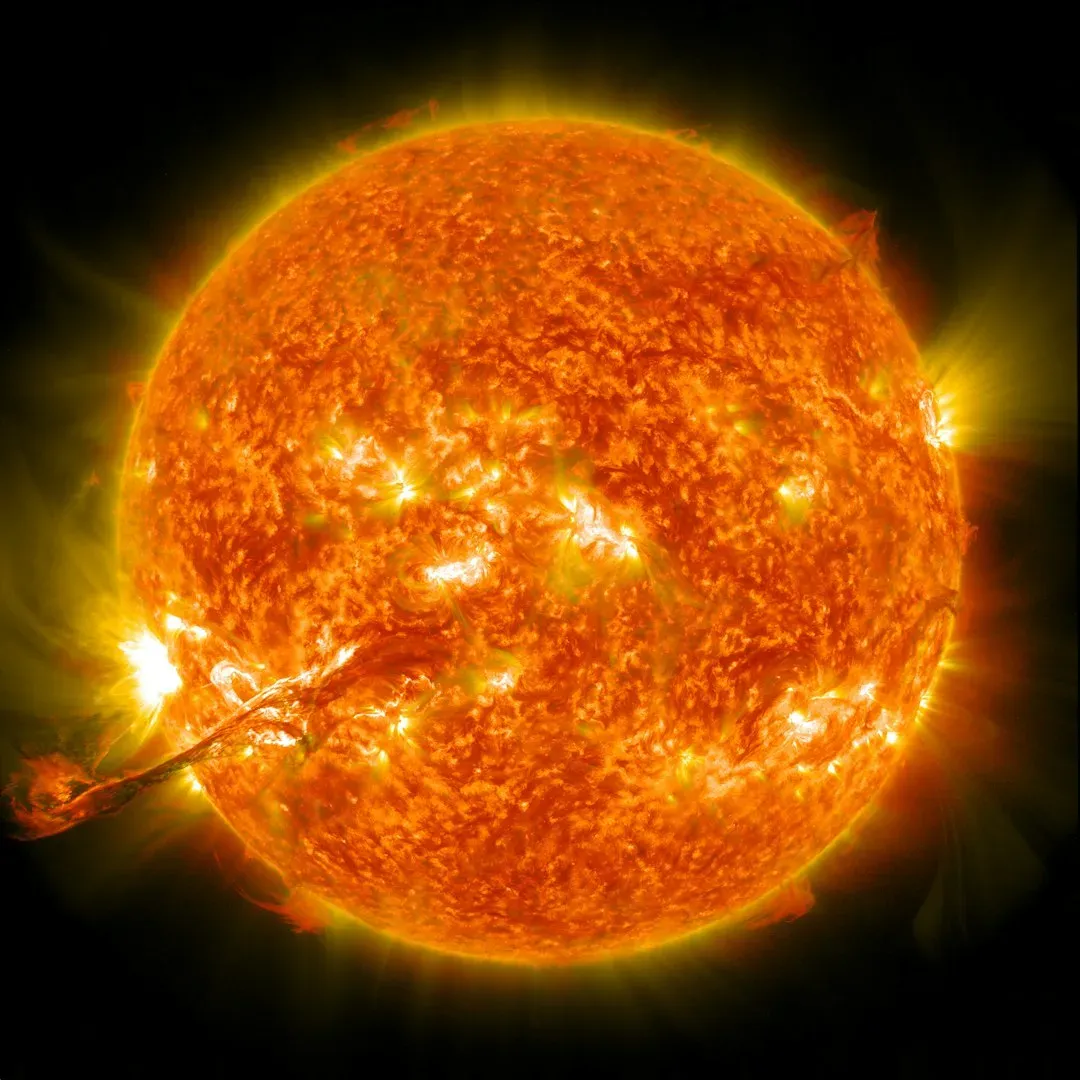
Our own sun could turn traitor in a heartbeat. Massive coronal mass ejections, like the infamous Carrington Event of 1859, hurl charged particles at Earth, sparking geomagnetic storms that fry electronics worldwide.[1] Imagine power grids collapsing, satellites blinded, and communications silenced, all from a solar tantrum happening roughly every century.
Tree rings reveal even deadlier flares in our past, thousands of times stronger, scorching the atmosphere. Honestly, in our tech-dependent age, this feels scarily plausible. We monitor it, but one super-event could plunge us into darkness.[1]
2. Small Asteroids
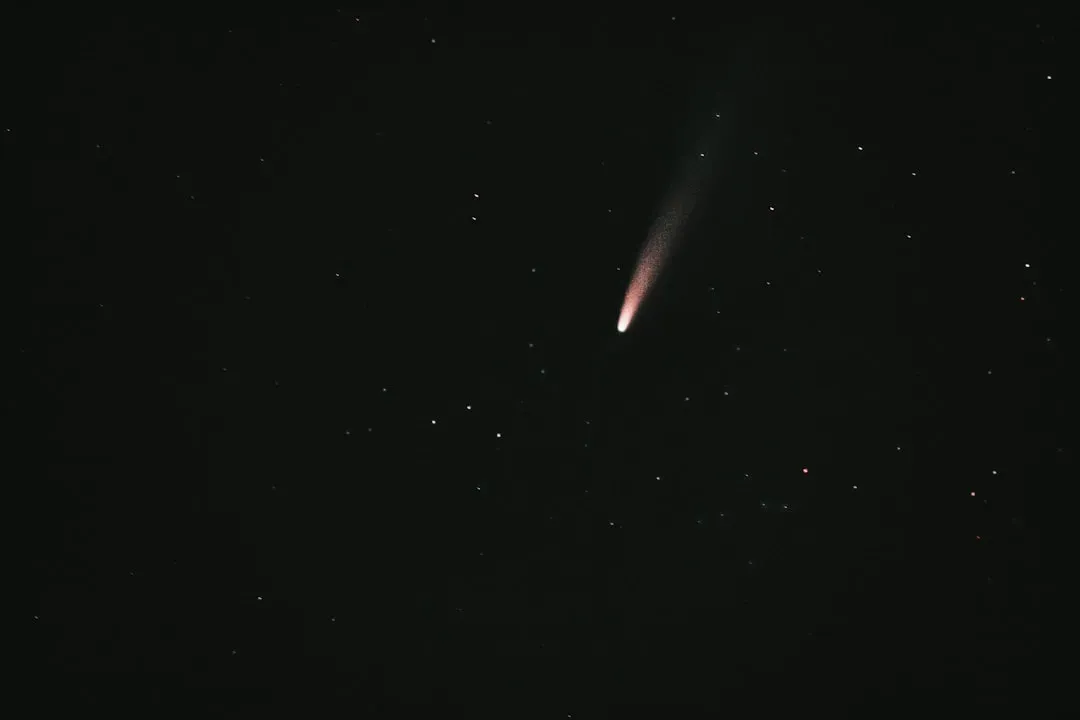
Bus-sized rocks scream in at 70,000 miles per hour, exploding like nukes high in the sky. These airbursts level cities if they hit land, though most fizzle over oceans. Every thousand years or so, one reminds us we’re not invincible.[1]
Think Chelyabinsk in 2013, shattering windows for miles without warning. NASA’s deflection tests offer hope, yet luck has carried us this far. Here’s the kicker: we spot most big ones, but these sneaky small fries slip through.
3. Natural, Long-Term Climate Change

Earth’s climate swings wildly over millennia, driven by solar wobbles and orbital dances. Ice ages encase continents; hothouse eras melt poles without a trace of human fingerprints. Our stable weather? A fleeting blip in cosmic time.[1]
Picture adapting to endless droughts or floods as seasons warp. Civilizations crumble under such shifts, no matter our gadgets. It’s inevitable, forcing evolution or extinction on geological timescales.
4. Large Asteroids
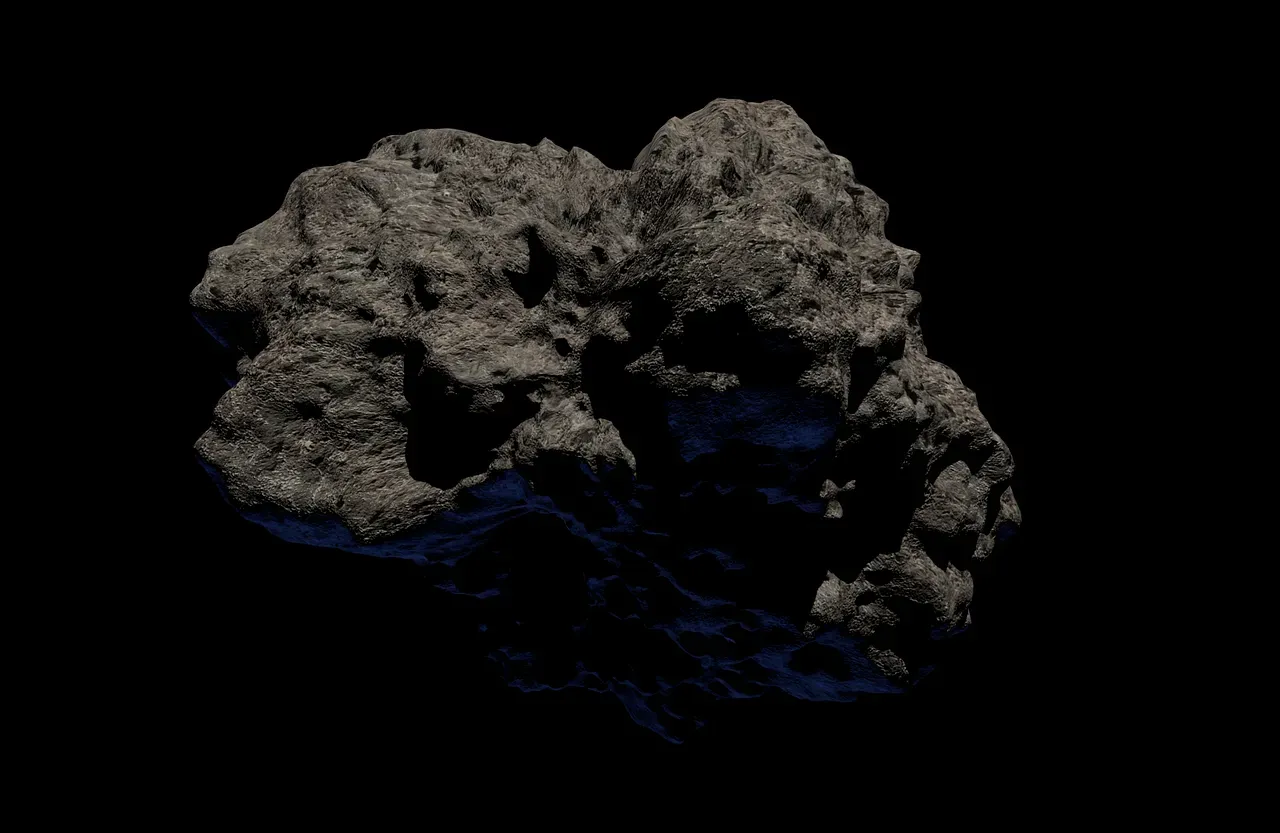
Monster rocks miles wide slam Earth every million years, triggering global firestorms and impact winters. Dinosaurs vanished this way 66 million years ago, buried in fallout for millennia. The planet rings like a bell from the shock.[1]
No dodging these behemoths easily; they’d spawn tsunamis taller than skyscrapers. Vigilance via telescopes buys time, but one rogue wanderer changes everything. I shudder thinking how close we skate to that edge.
5. Gamma-Ray Bursts
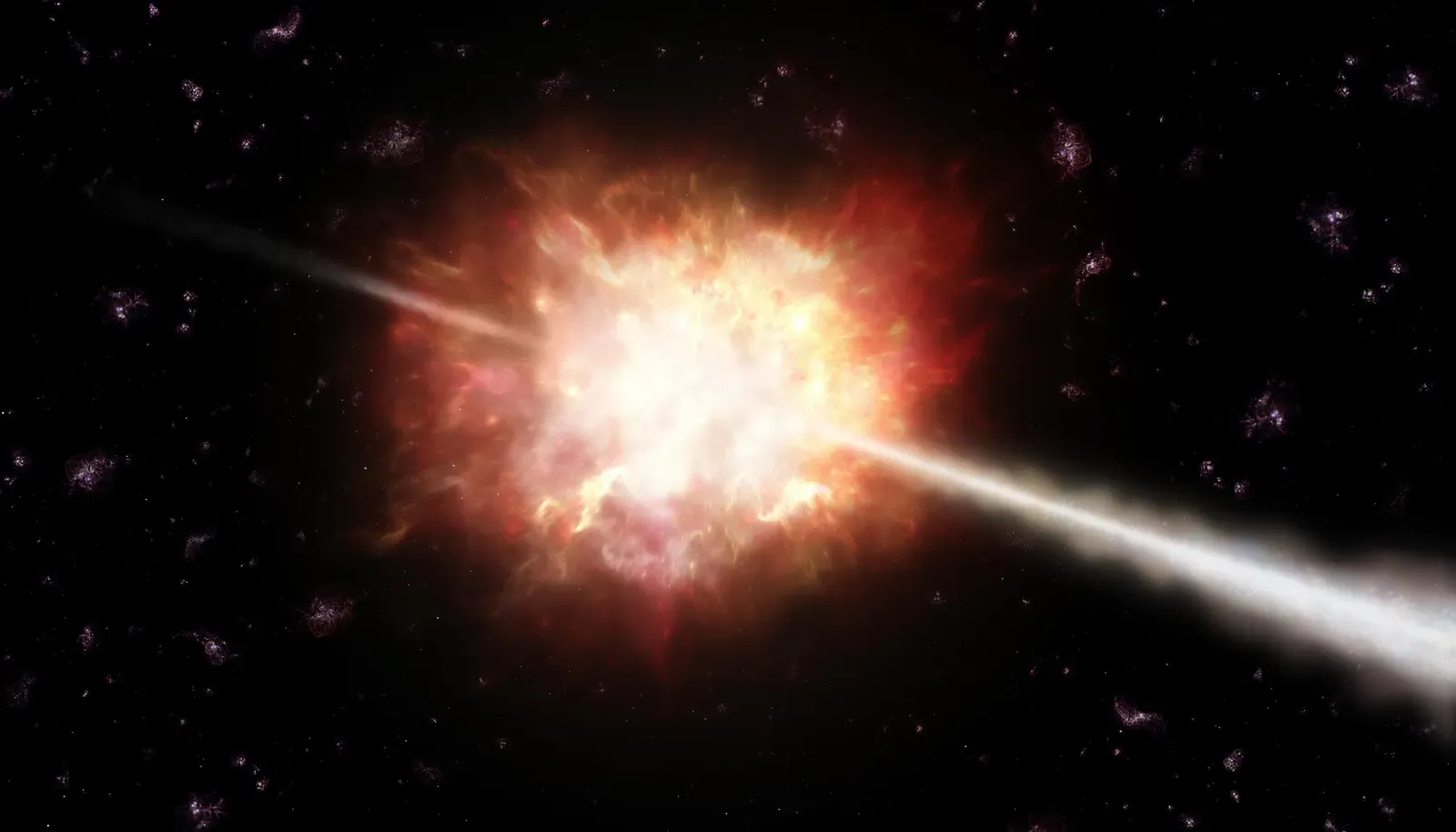
The universe’s deadliest fireworks: collapsing stars beam gamma rays across space. If aimed at us from 10,000 light-years, they shred our ozone, bathing life in lethal UV for years. Mass extinctions bear their scars.[1]
These jets outshine galaxies briefly, no warning till too late. Mapping threats helps, yet the cosmos hides countless snipers. It’s like playing Russian roulette with the stars.
6. Supernovas and Kilonovas
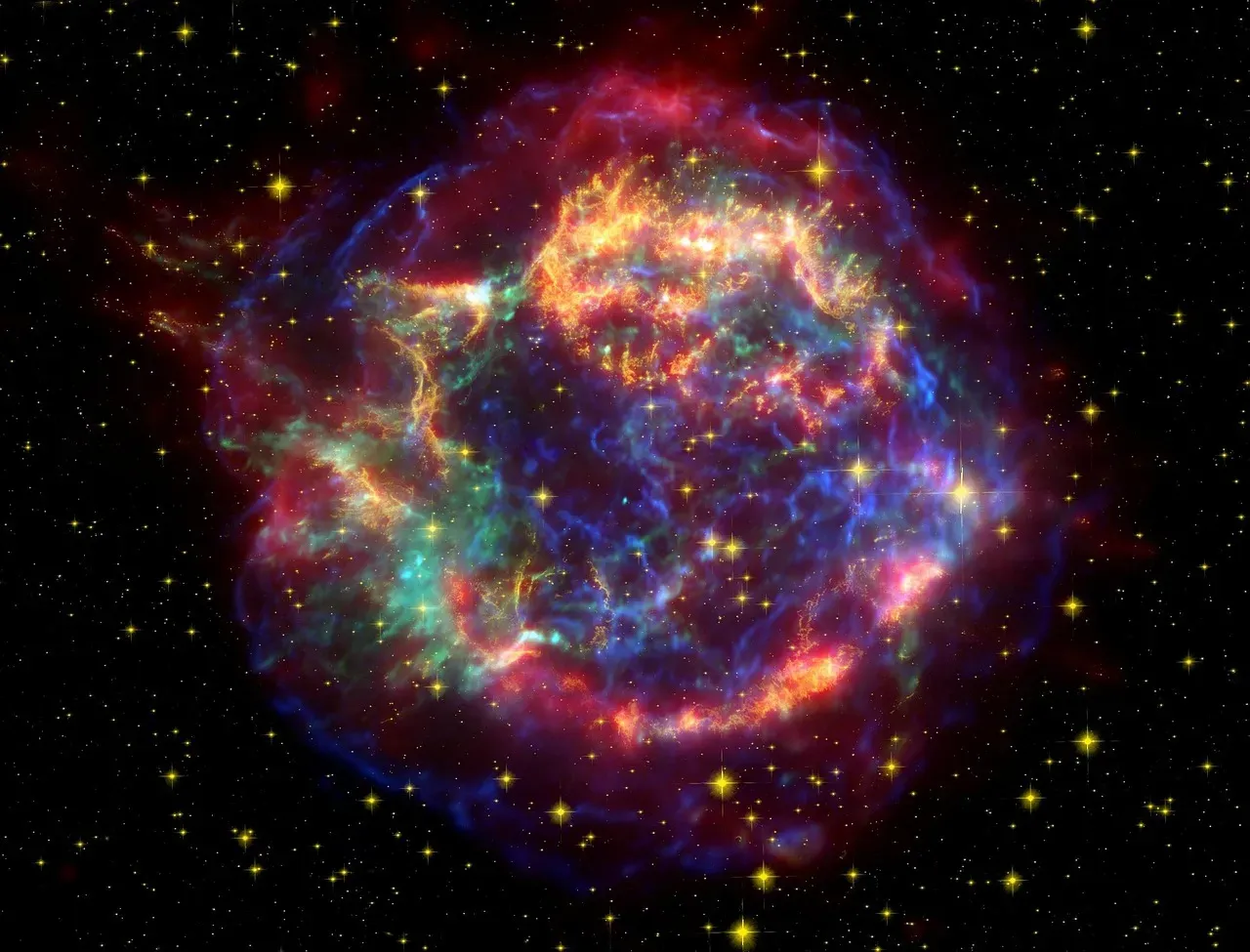
Stars die explosively, neutron star crashes even sneakier. Within 100 light-years, radiation strips atmospheres, dooming surface life. No nearby culprits now, but orbits shift relentlessly.[1]
Kilonovas glow briefly, hard to spot amid the stellar crowd. Past blasts scarred Earth subtly; future ones won’t ask permission. The galaxy’s a minefield we drift through blindly.
7. Hostile Aliens
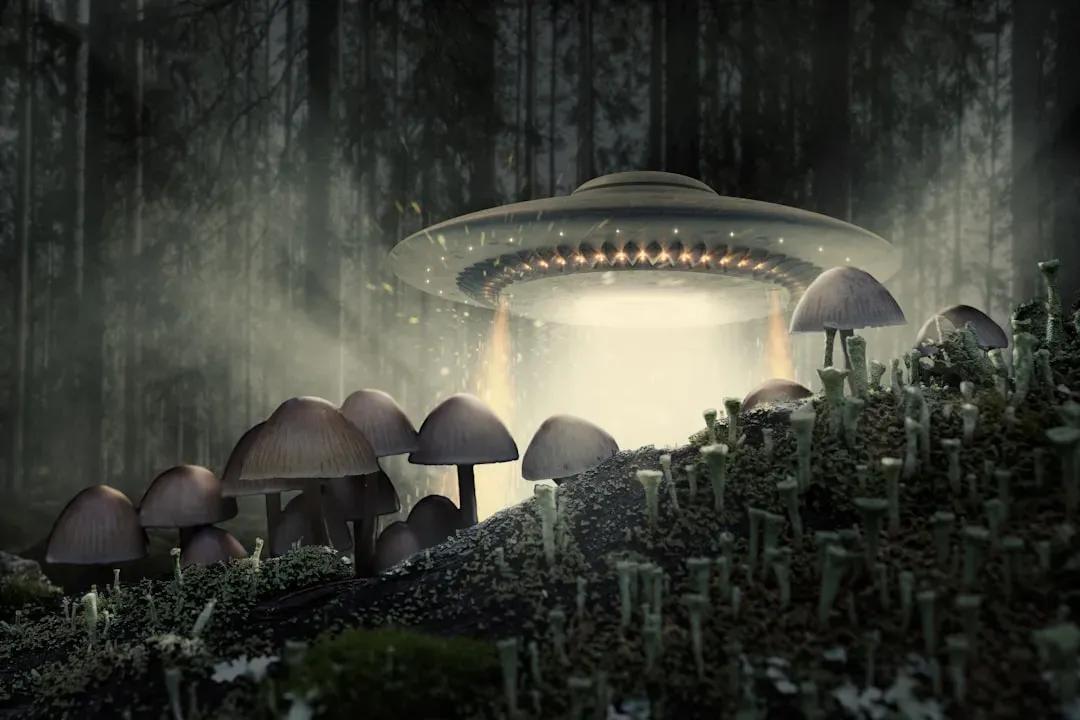
Fermi’s paradox whispers: where is everybody? Intelligent invaders might spot us as pests, zapping from afar. Vast distances shield us, but a billion-year clock ticks slow.[1]
No signals, no megastructures found, yet the universe teems with possibilities. Let’s be real, this ranks low, more sci-fi than science. Still, it chills: are we alone, or just ignored?
These cosmic shadows loom, from solar whims to stellar apocalypses, underscoring our precarious perch. Awareness and tech like NASA’s watchers give us fighting odds. What threat keeps you glancing skyward? Share below.

- 10 Fierce Facts About Jaguars - July 22, 2026
- 7 Cosmic Mysteries Astronomers Still Can’t Solve - July 22, 2026
- 11 Signs Your Pet Dog Is Truly Happy and Feeling Loved in Your Home - July 22, 2026