

When you think of proficient swimmers in the animal kingdom, aquatic creatures like fish, dolphins, and seals typically come to mind. However, there are several land-dwelling animals that have also developed unique swimming techniques to navigate aquatic environments. From unexpected adaptations to extraordinary behaviors, these seven land animals showcase surprising skills in the water. Join us as we explore the fascinating swimming techniques of these terrestrial creatures.
1. Elephants

Weighing in as the largest land animals on Earth, elephants are surprisingly adept swimmers. These gentle giants use their trunks as snorkels, allowing them to breathe while submerged. Elephants swim by moving all four legs in synchronous motion, much like a dog paddle. Their considerable buoyancy aids them in staying afloat, enabling them to swim for miles when necessary. Elephants frequently swim across rivers and lakes to access fresh grazing grounds, showcasing their surprising agility in water.
2. Tigers
Known for their ferocity and strength on land, tigers are also skilled swimmers. Unlike most cats, tigers appear to enjoy water and seek it out for cooling off and hunting purposes. Their swimming technique involves powerful strokes with their limbs, allowing them to glide through water with grace and stealth. Tigers often use water bodies to ambush prey, showcasing their adaptability and prowess as both terrestrial and aquatic hunters.
3. Hippopotamuses
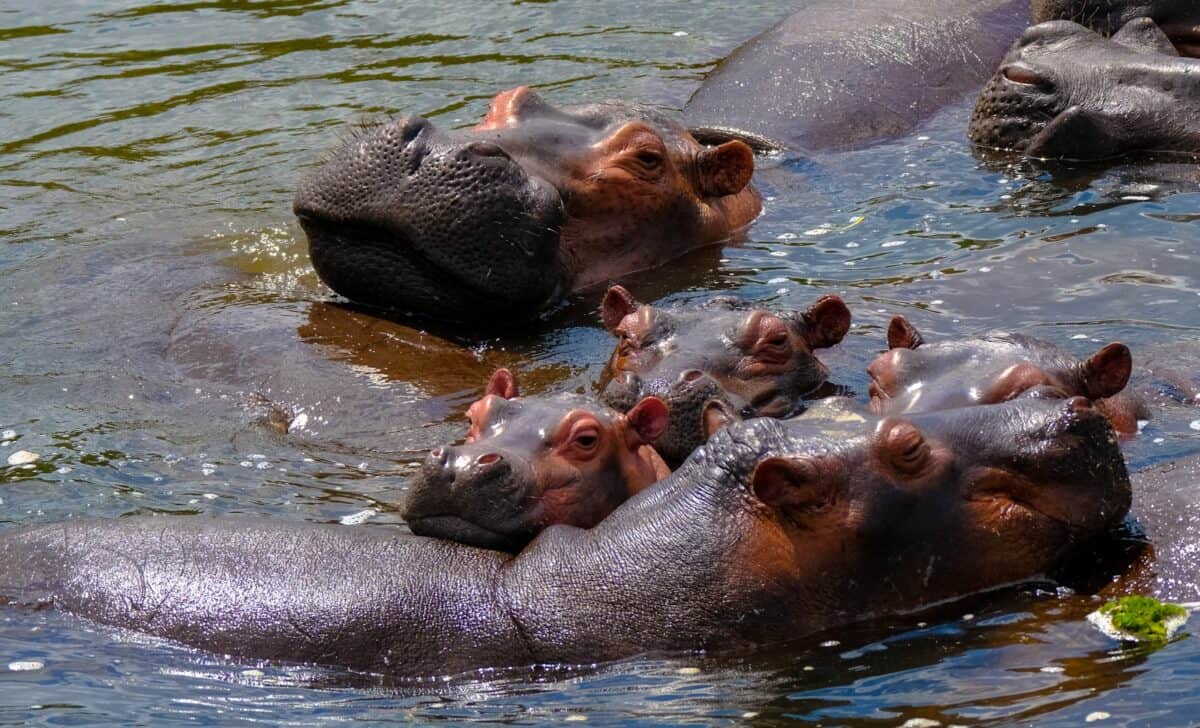
Despite their bulky frames, hippos are exceptional swimmers. They prefer to spend much of their time submerged in rivers and lakes to keep cool and protect their sensitive skin from the sun. Hippos don’t actually swim in the traditional sense; instead, they propel themselves off the riverbed with powerful pushes from their legs, striking a balance between floating and walking underwater. Their ability to hold their breath for extended periods allows them to navigate complex aquatic environments with ease.
4. Sloths
Although sloths are best known for their slow and deliberate movements in the treetops, they are surprisingly proficient swimmers. Sloths use a breaststroke-like movement, propelling themselves with their long limbs through water with surprising speed. Swimming provides sloths with an efficient means of travel when searching for food or crossing streams. Their natural buoyancy and ability to slow their metabolic rate allow them to conserve energy and hold their breath for long periods, making water navigation an essential part of their lifestyle.
5. Pigs
Pigs are known for their intelligence, but their swimming ability is often overlooked. When they take to the water, pigs use a dog-paddle technique to move efficiently. Their strong leg muscles and buoyant bodies help them stay afloat without much effort. Pigs are particularly good at navigating water in search of food or when their habitat is flooded, proving that these savvy animals can adapt to various environments with relative ease.
6. Bears
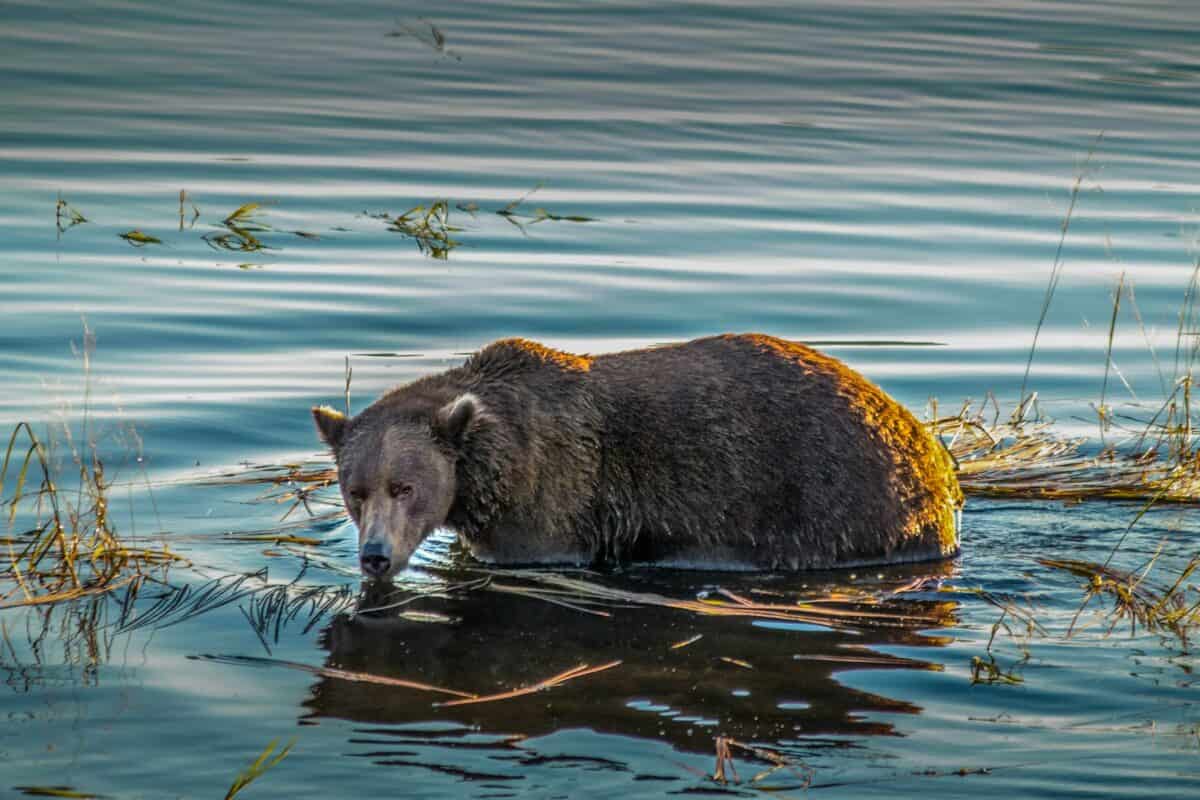
Bears are versatile swimmers, with different species displaying unique water skills. Polar bears, in particular, rely heavily on swimming for survival, using their strong forelimbs to propel themselves across vast distances in icy waters in search of seals. Brown bears also exhibit adept swimming abilities, often wading into rivers to catch fish during salmon spawning seasons. Their thick fur and layer of fat provide buoyancy and insulation, making them well-suited for aquatic foraging.
7. Buffaloes
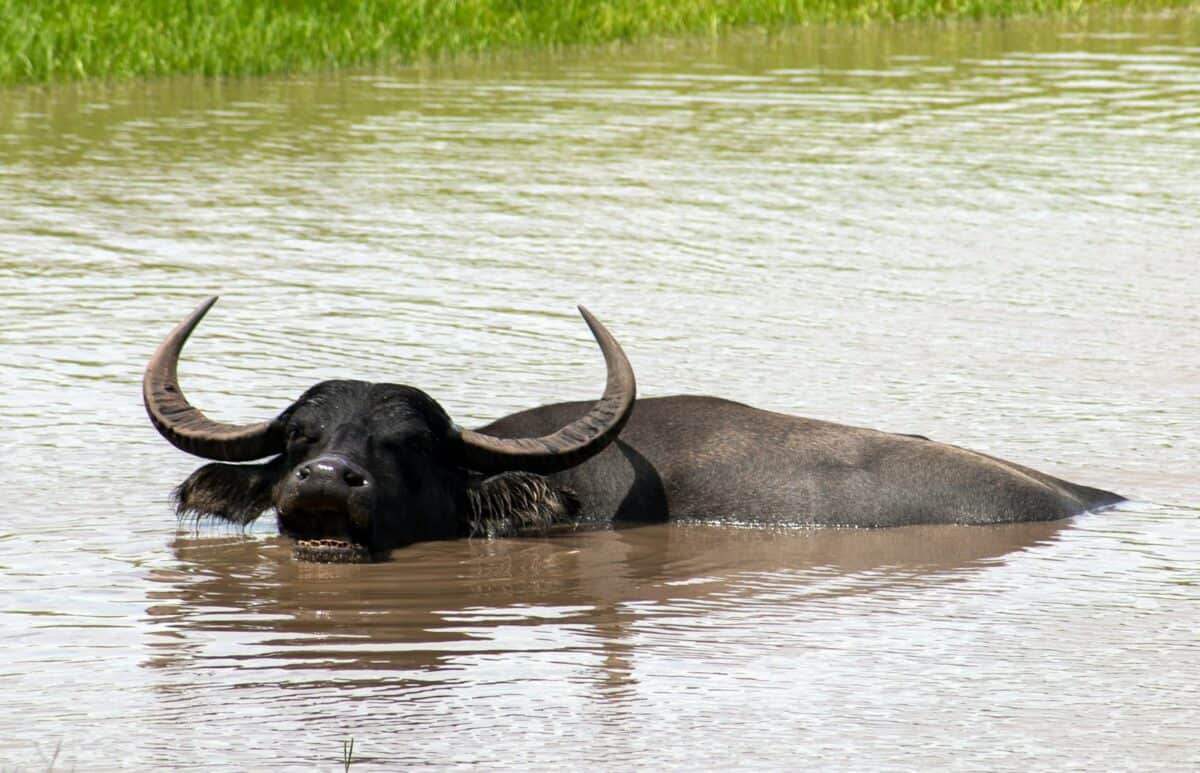
Despite their hefty build, buffaloes are excellent swimmers. They routinely cross rivers and other bodies of water in search of better grazing areas. Using a steady, powerful motion, buffaloes paddle through the water with ease, their large lung capacity enabling them to take long, deep breaths that support them during lengthy swims. This ability ensures their survival in diverse environments, showcasing their adaptability and resilience.
Conclusion
The swimming techniques of these land animals illustrate the incredible adaptability and resourcefulness of species across the globe. Each of these creatures has evolved to incorporate swimming into their repertoire of survival skills, despite primarily inhabiting terrestrial environments. By understanding these unique swimming methods, we can gain deeper insight into the complex behaviors and ecological roles of these fascinating animals.

- The Most Powerful Earthquake Ever Felt in the U.S. - July 19, 2026
- How Rhinoceros Males Compete for Mating Rights in the Wild - July 18, 2026
- 13 Spider Species Thriving in Changing Environments - July 18, 2026