

The ocean isn’t just water and fish. More than 95 percent of Earth’s underwater realm remains unexplored, a fact that’s honestly hard to wrap your head around when you consider we’ve mapped the surface of Mars in better detail than our own ocean floor. What lies beneath is a world so alien, so utterly bizarre, that the creatures inhabiting it seem ripped from the pages of science fiction. Yet they’re real, thriving in conditions that should theoretically be impossible for life.
These aren’t your typical sea dwellers. We’re talking about animals that live where sunlight never reaches, where pressure could crush a submarine, and where temperatures hover just above freezing. Let’s be real, the deep sea is extreme in every sense of the word. What scientists keep discovering down there forces us to rethink the very boundaries of life itself.
The Pompeii Worm: Living on the Edge of Hell
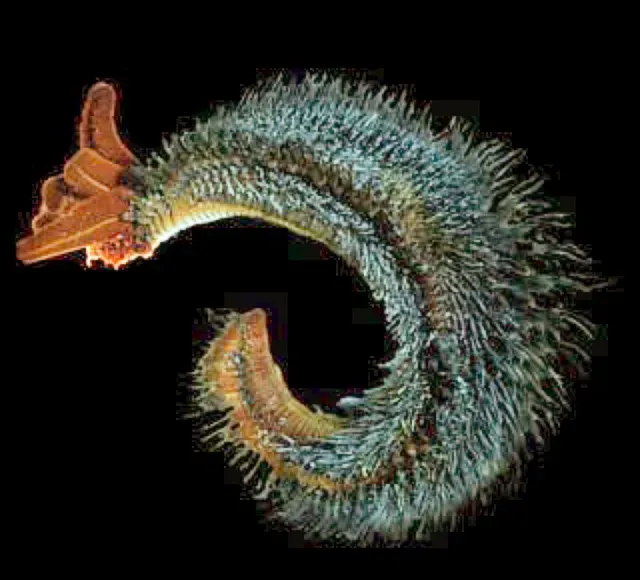
Pompeii worms are among the most heat-tolerant animal species on Earth, surviving temperatures of around 120 degrees Celsius. Think about that for a second. Most animals can’t survive anything over 40 degrees Celsius, yet these remarkable creatures set up shop right next to deep-sea hydrothermal vents where fluids can exceed 400 degrees.
The worms live in tubes on the ocean floor around hydrothermal vents, which occur as tectonic plates move apart and expel superheated fluid. Here’s the thing that really gets me though: they’re not just enduring this inferno.
They’ve developed a fuzzy, fleece-like covering that’s actually a layer of bacteria. These worms reach up to 13 centimeters long, and the bacterial layer is thought to provide protective insulation from the heat. It’s hard to say for sure, but scientists believe this symbiotic relationship might be one of nature’s most ingenious survival tactics.
The Pompeii worm essentially wears a living heat shield. In an environment where every other known multicellular organism would cook alive, this tiny creature has found not just a way to survive, but to thrive. That completely reshapes our understanding of life’s thermal limits.
Giant Isopods: Deep-Sea Scavengers That Defy Starvation
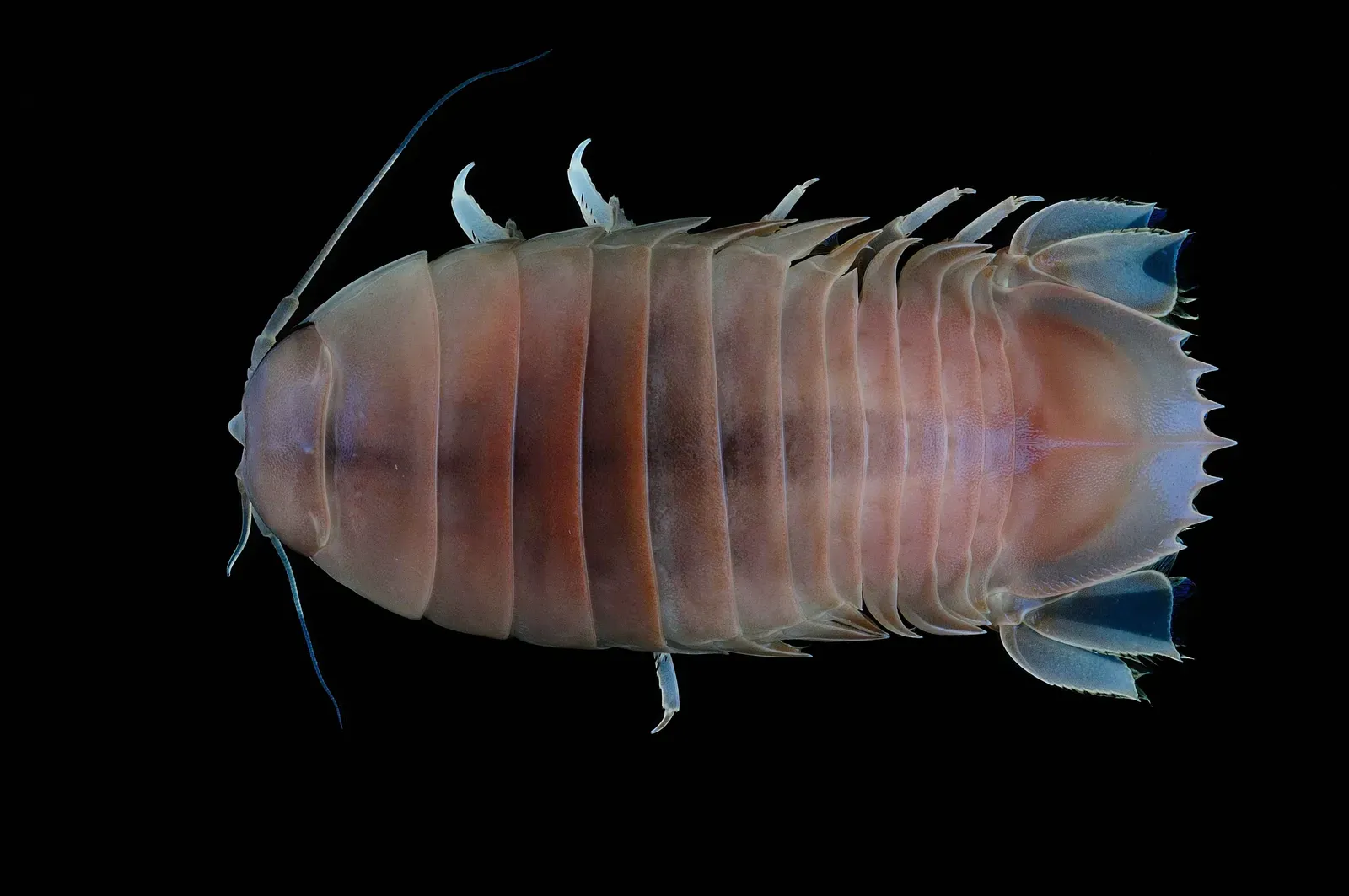
Imagine a pillbug the size of a small cat lurking on the ocean floor. That’s essentially what giant isopods are. These deep-sea creatures scavenge the ocean floor for food, consuming squid, fish, crabs, sea sponges, and more.
Food is incredibly scarce down there. I mean, we’re talking about an environment where organic material drifts down like rare snowflakes from the surface. Giant isopods have evolved to endure long periods without food, with some surviving over five years in captivity. Five years without eating. Let that sink in.
When frightened, they can roll into a ball to protect their inner organs, made possible by their lack of a spine, while their tough exterior shell protects them from threats. They’re basically armored tanks with the metabolic patience of a monk.
Their existence challenges conventional wisdom about energy requirements for complex animals. Most creatures need regular food intake to fuel their bodies, yet giant isopods have mastered the art of extreme fasting. This adaptation raises fascinating questions about metabolic flexibility and survival strategies in extreme environments.
Deep-Sea Anglerfish: Masters of the Abyss
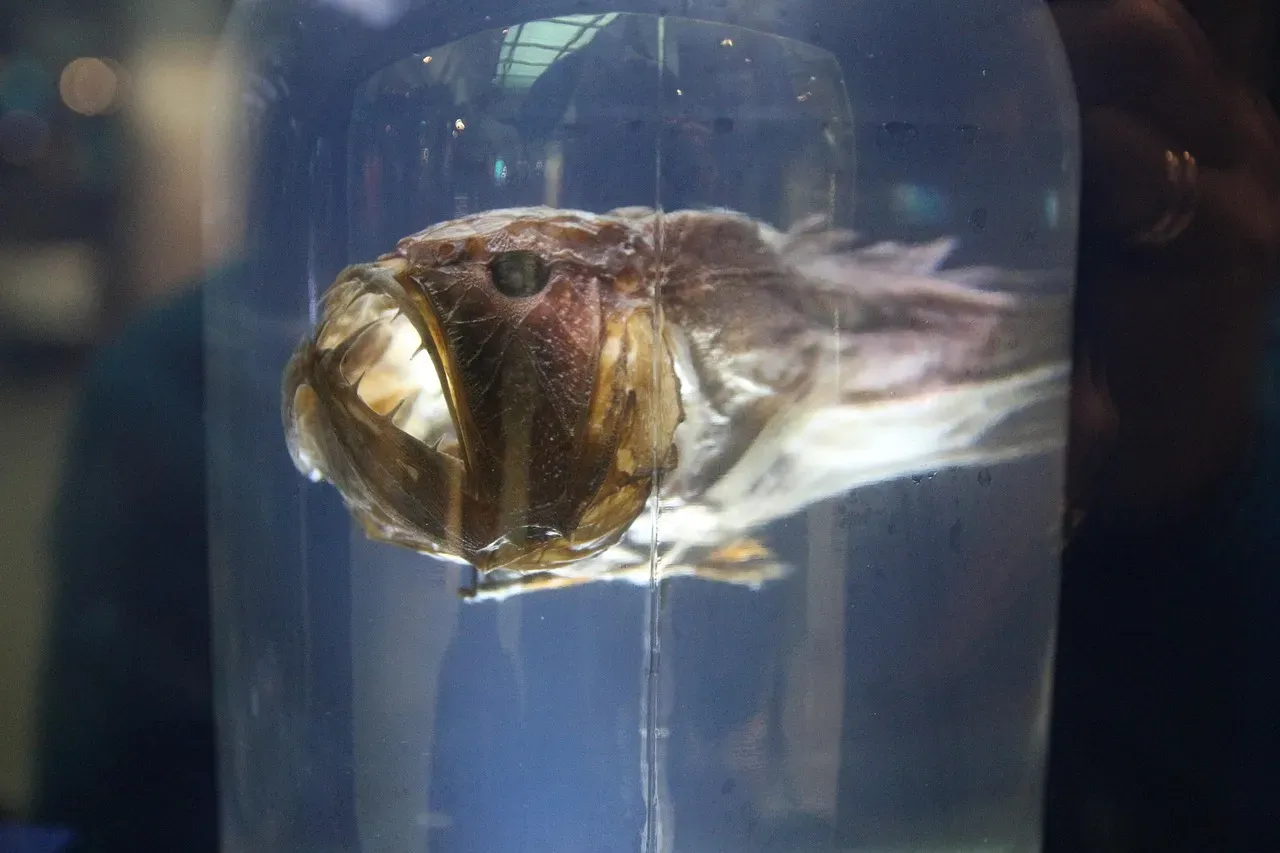
Few deep-sea creatures capture the imagination quite like anglerfish. Found in every ocean, baby anglerfish start life near the surface in plankton before descending into the depths, often more than a kilometer below. Down there, everything changes.
The female anglerfish possesses one of nature’s most recognizable features. Many deep-sea creatures have evolved bioluminescence, and the anglerfish’s lure serves multiple purposes, including attracting prey, confusing predators, and facilitating communication in pitch-black depths. It’s literally a living fishing rod with a glowing tip.
Males attach themselves to females in a very effective way of keeping a mate in this vast environment, with females sometimes ending up with several males attached. This isn’t just weird, it’s one of the strangest reproductive strategies in the animal kingdom.
The male essentially fuses to the female, becoming a parasitic appendage that exists solely to provide sperm when needed. His organs degenerate, he loses his eyes, and he becomes entirely dependent on her bloodstream for nutrients. In the crushing darkness where finding a mate is nearly impossible, this extreme adaptation makes brutal sense.
Chemosynthetic Communities: Life Without Sunlight
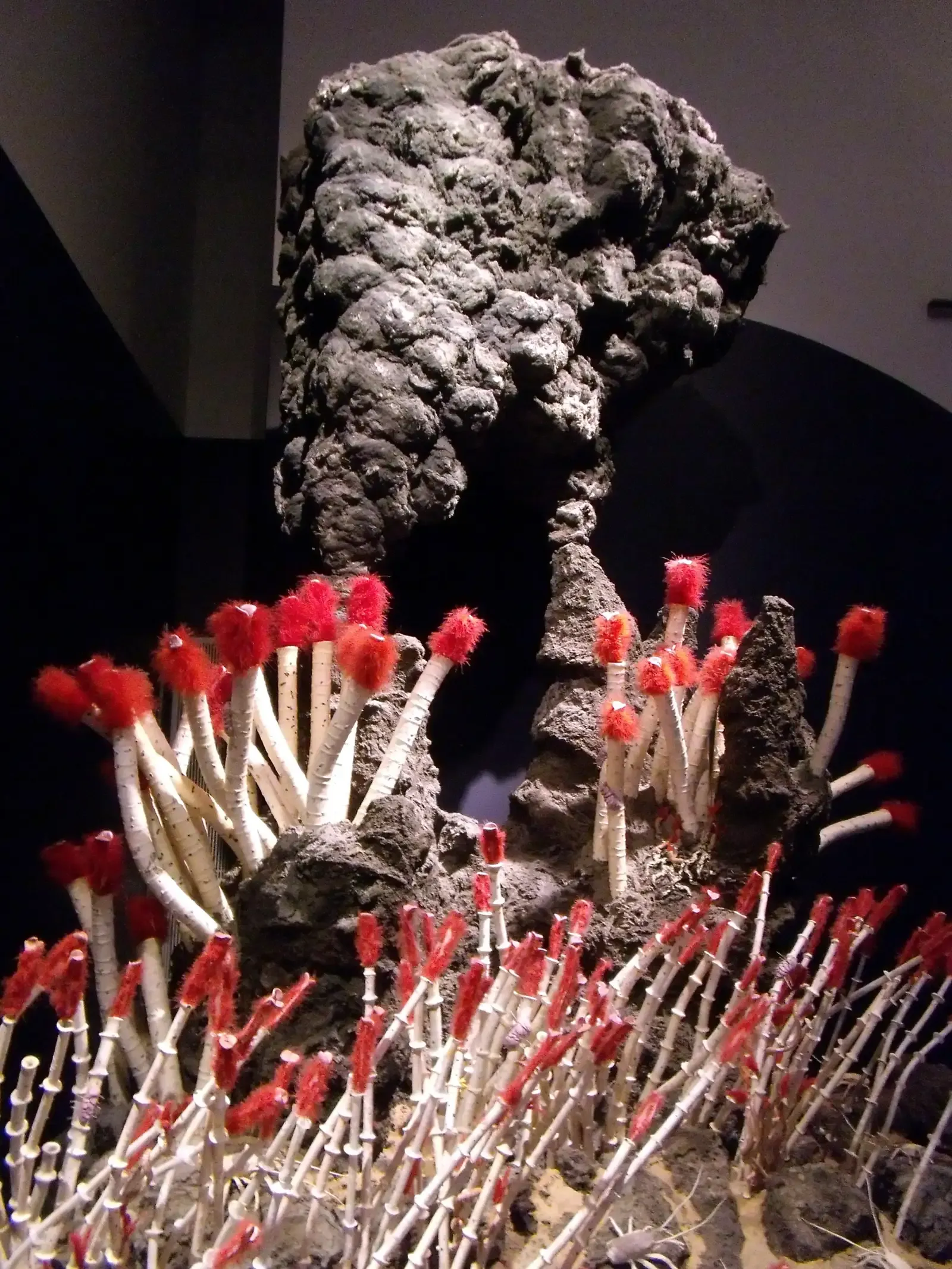
Scientists found entire communities of animals at extreme depths, deriving energy not from sunlight but from chemical reactions through chemosynthesis, where microbes turn compounds like methane and hydrogen sulfide into organic compounds. This discovery fundamentally altered our understanding of where life can exist.
This was the deepest community of chemosynthetic life ever discovered, with researchers encountering abundant wildlife communities including fields of marine tube worms peppered with white marine snails. Looking out from the Fendouzhe submersible more than nine kilometers below the ocean surface, researchers saw ghostly bristleworms swimming among fields of blood-red tubeworms.
The tube worms have a symbiotic relationship with chemosynthetic bacteria living in their bodies, which provide them with nutrients in exchange for a stable place to live. No photosynthesis needed.
The presence of these chemosynthetic ecosystems challenges long-standing assumptions about life’s potential at extreme depths. For decades, scientists assumed that all complex life ultimately depended on energy from the sun. These communities prove that assumption wrong. Life found another way, tapping into Earth’s geothermal energy instead. What else might be possible?
Snailfish: The Ultimate Depth Champions
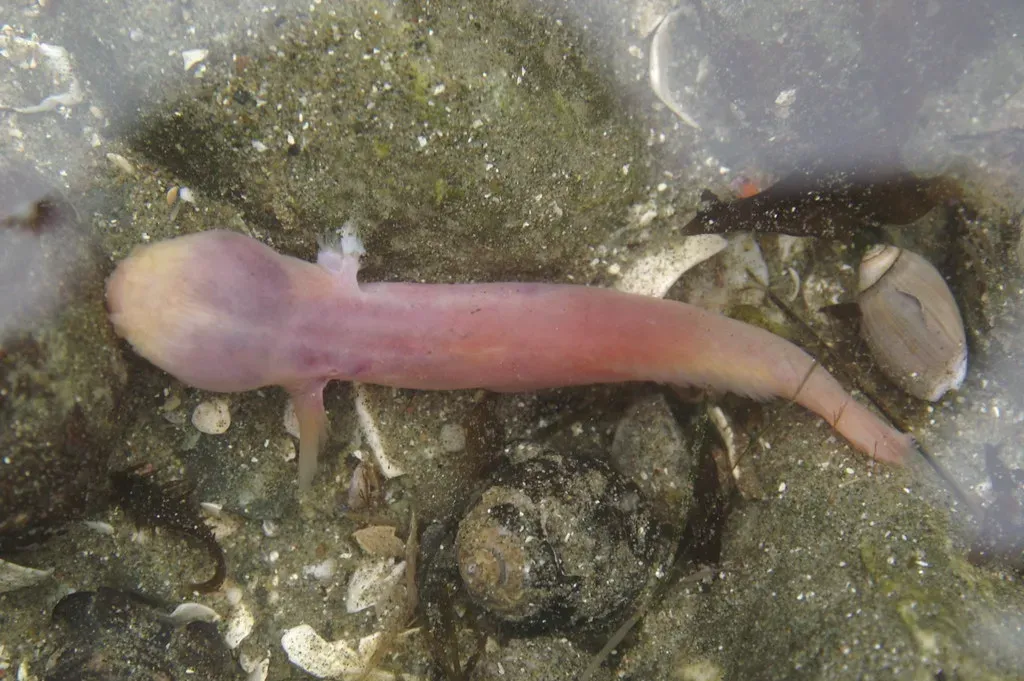
Nearly 11,000 feet into the deep sea, scientists discovered a new species called the bumpy snailfish with big eyes, feathery fins, and a mouth bearing the suggestion of a smile. Snailfish can survive abyssal ocean depths because they have gelatinous bodies and lack swim bladders.
Here’s what makes them truly remarkable. Snailfish bodies contain a fluid called osmolyte, which helps protect tissues and cells from crushing pressure. At the depths they inhabit, the pressure would instantly kill most organisms, collapsing cellular structures and denaturing proteins.
Researchers identified multiple snailfish species, highlighting how much there still is to learn about the deep sea, which plays hugely important roles in ecosystems. Each new discovery reveals adaptations we never imagined possible.
The snailfish’s gelatinous body is essentially pressure-neutral. There are no air pockets to compress, no rigid structures to implode. It’s a masterclass in biological engineering for extreme environments. Honestly, the fact that vertebrates can survive at such depths was once considered impossible.
Carnivorous Sponges and Death-Ball Hunters
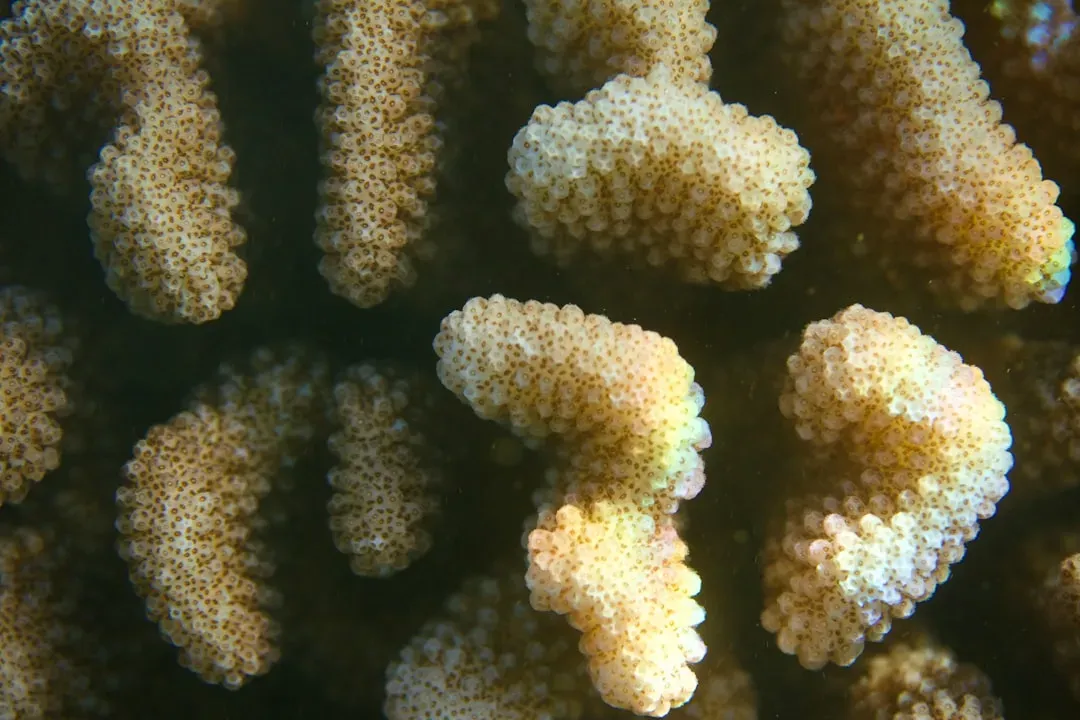
One of the oddest species discovered is a meat-eating sea sponge with a ball-like shape that has tiny hooks to help catch other animals to eat. Sponges are supposed to be passive filter feeders, yet evolution had other ideas.
Scientists called it a “death-ball” sponge, found 2.25 miles below the ocean’s surface. The carnivorous bivalve Myonera aleutiana represents only the second bivalve species documented in detail using solely non-invasive micro-CT scanning, with the process generating over 2,000 tomographic images.
Recent findings include a carnivorous bivalve and a popcorn-like parasitic isopod. These aren’t just weird variations on familiar themes. They represent entirely unexpected evolutionary pathways.
In the nutrient-poor deep sea, some organisms abandoned traditional feeding methods altogether. The death-ball sponge actively hunts, using those tiny hooks to snag passing prey. It’s a reminder that evolution doesn’t follow rules we expect, especially in environments we barely understand.
The Record-Breaking Mollusk From the Abyss
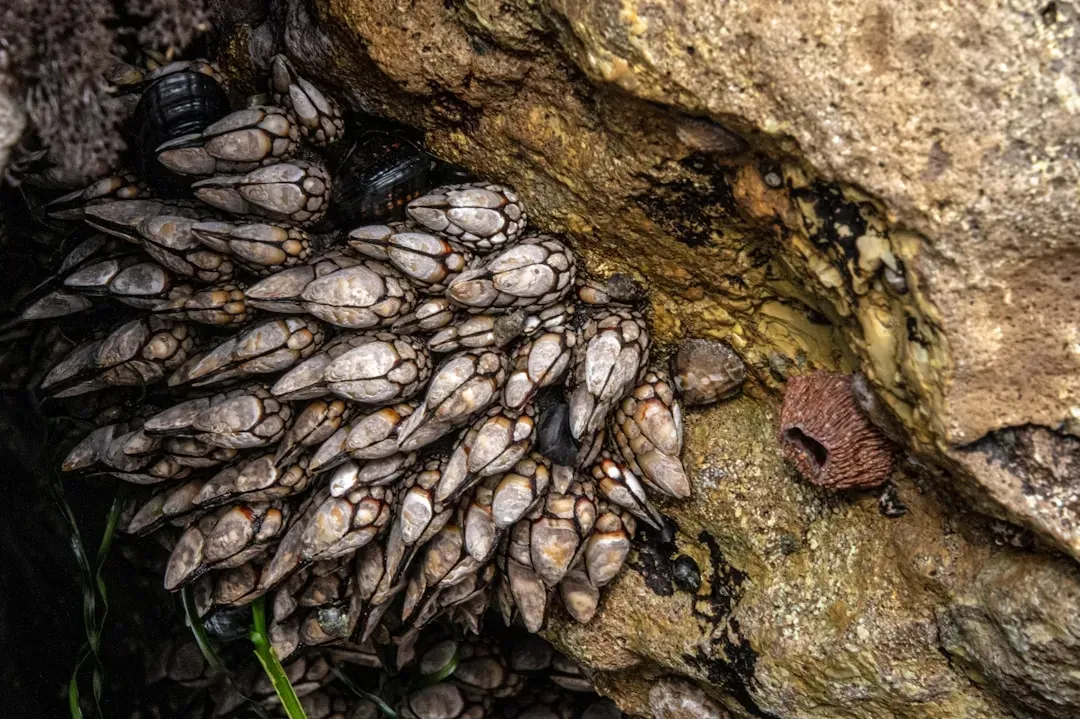
The deepest-living animal researchers explored is Veleropilina gretchenae, a new mollusk species recovered from the Aleutian Trench at a depth of 6,465 meters, one of the first in its class to have a high-quality genome published directly from the holotype specimen. That’s roughly four miles down.
The pressure doubles just ten meters below the sea surface, and at 10,000 meters, up to a tonne of weight rests on every square centimeter of a living creature. To prevent being crushed, their bodies have taken on a gel-like consistency with very few bones and muscles and practically no hollow cavities, while increased internal pressure ensures body stability.
If you bring such animals to the surface, they melt or can burst. They’re perfectly adapted to their crushing environment but completely incompatible with ours.
Animals studied in recent deep-sea projects come from ocean depths ranging from 1 to over 6,000 meters, with Veleropilina gretchenae representing an extreme. Every expedition reveals species we never knew existed, living in ways we never imagined possible. It makes you wonder what else is down there, waiting in the darkness.
Conclusion: Redefining Life’s Boundaries
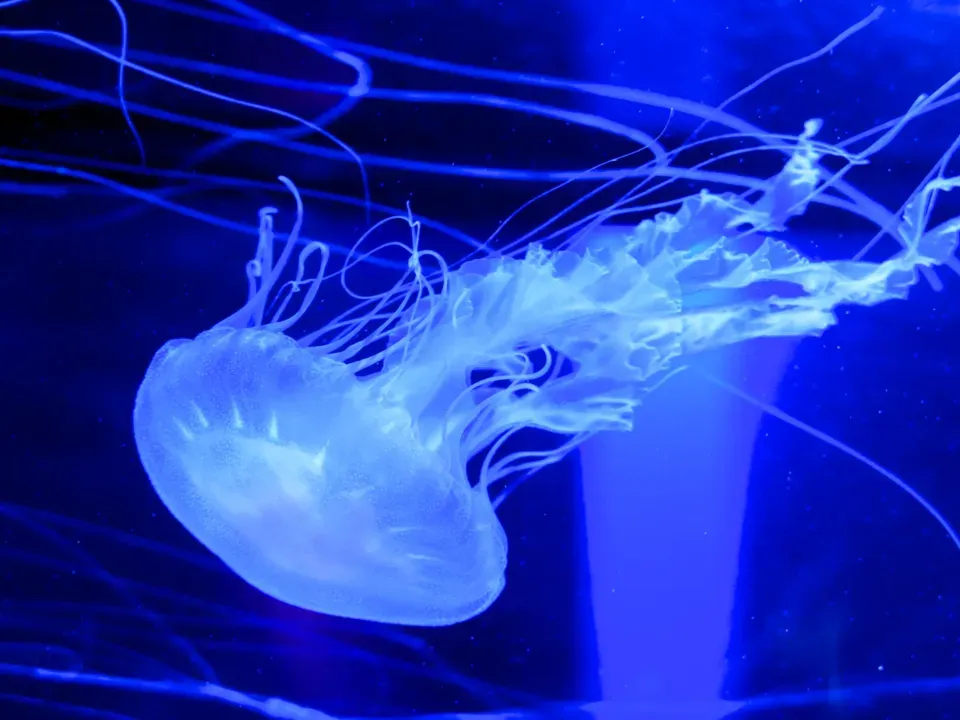
In one of the most inhospitable environments on Earth, life not only exists but thrives in ways that challenge our understanding of biology, adaptation, and survival, in a world that might as well exist on another planet. The deep sea keeps proving that life is far more resilient and creative than we ever expected.
What’s fascinating is that life under extreme conditions such as high pH and low organic carbon is even possible, and researchers suspect primordial life could have originated at precisely such sites. These discoveries aren’t just about cataloging weird animals. They’re rewriting the rulebook on where and how life can exist.
From heat-loving worms to pressure-resistant mollusks, from carnivorous sponges to light-producing anglerfish, the deep sea hosts creatures that expand our concept of biological possibility. Most of the deep ocean remains unexplored, with humans having explored just 0.001 percent of the deep seafloor below 656 feet.
Who knows what else lurks down there in the endless darkness? What do you think we’ll discover next? Tell us in the comments.
