
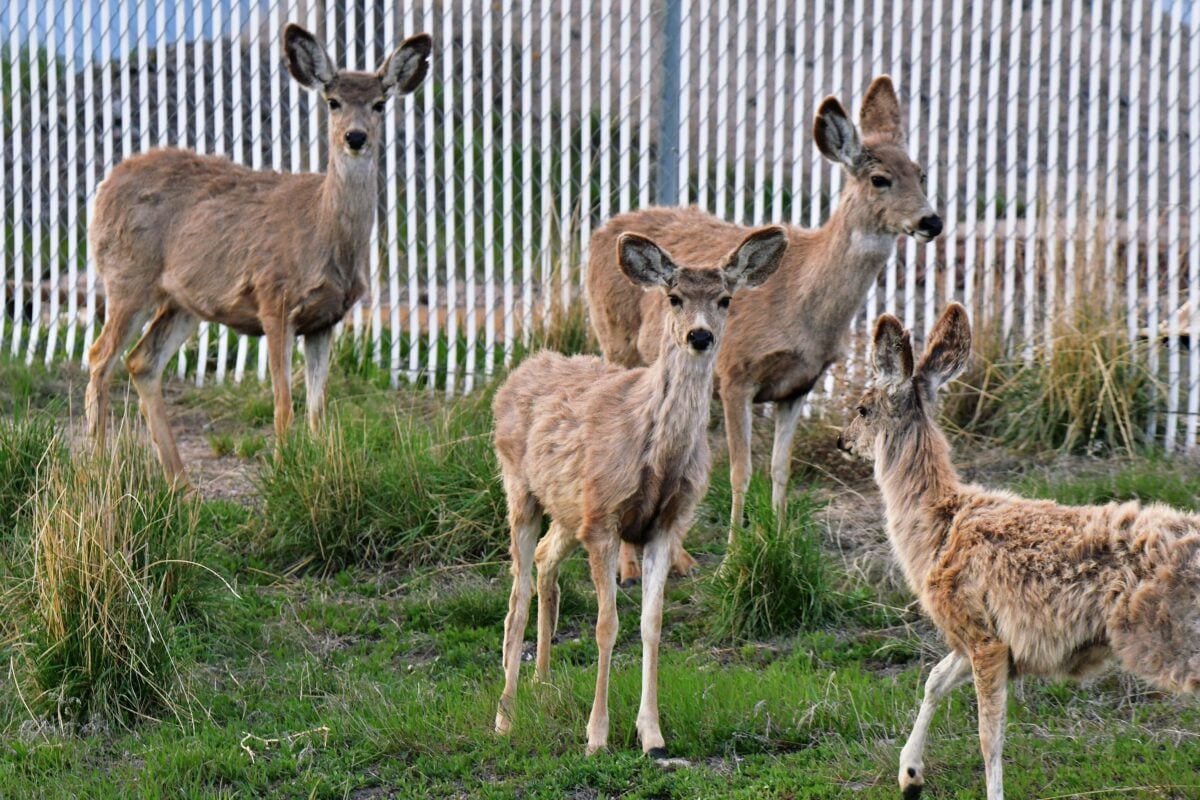
If you’ve ever walked outside to admire your garden and found it mowed down overnight, you know how ruthless deer can be. They move through a yard like a slow‑motion tornado, leaving stems, footprints, and heartbreak behind. But the funny thing is, even the hungriest deer tend to leave certain plants alone, almost like they have a secret “nope” list.
Those are the plants you want more of. Deer are driven by scent, taste, and survival, and some species just do not make the cut in their menu. In this article, we’ll walk through seven plants that right past, why they avoid them, and how you can use them strategically. Think of it as learning the unspoken rules of the deer’s dining habits and turning that knowledge into a quieter, less stressful garden.
Lavender: Beautiful For You, Overwhelming For Them
The smell of lavender is relaxing for most people, but for deer, it’s more like walking into a perfume counter turned up way too high. Lavender’s intense aromatic oils confuse and overwhelm a deer’s sensitive nose, which it relies on for safety and food choices. When they come across a patch of lavender, they usually just keep moving, choosing something milder and easier to assess.
On top of the scent, lavender has a slightly bitter, resinous taste and a somewhat tough texture, which makes it even less appealing as a snack. That combination of strong smell and unappetizing flavor is why lavender borders are a popular trick around veggie beds or roses. You get soft color, pollinator appeal, and that classic fragrance, while the deer look at it like a strongly scented no‑go zone and move on.
Russian Sage: Airy Flowers, Strong Opinions From Deer
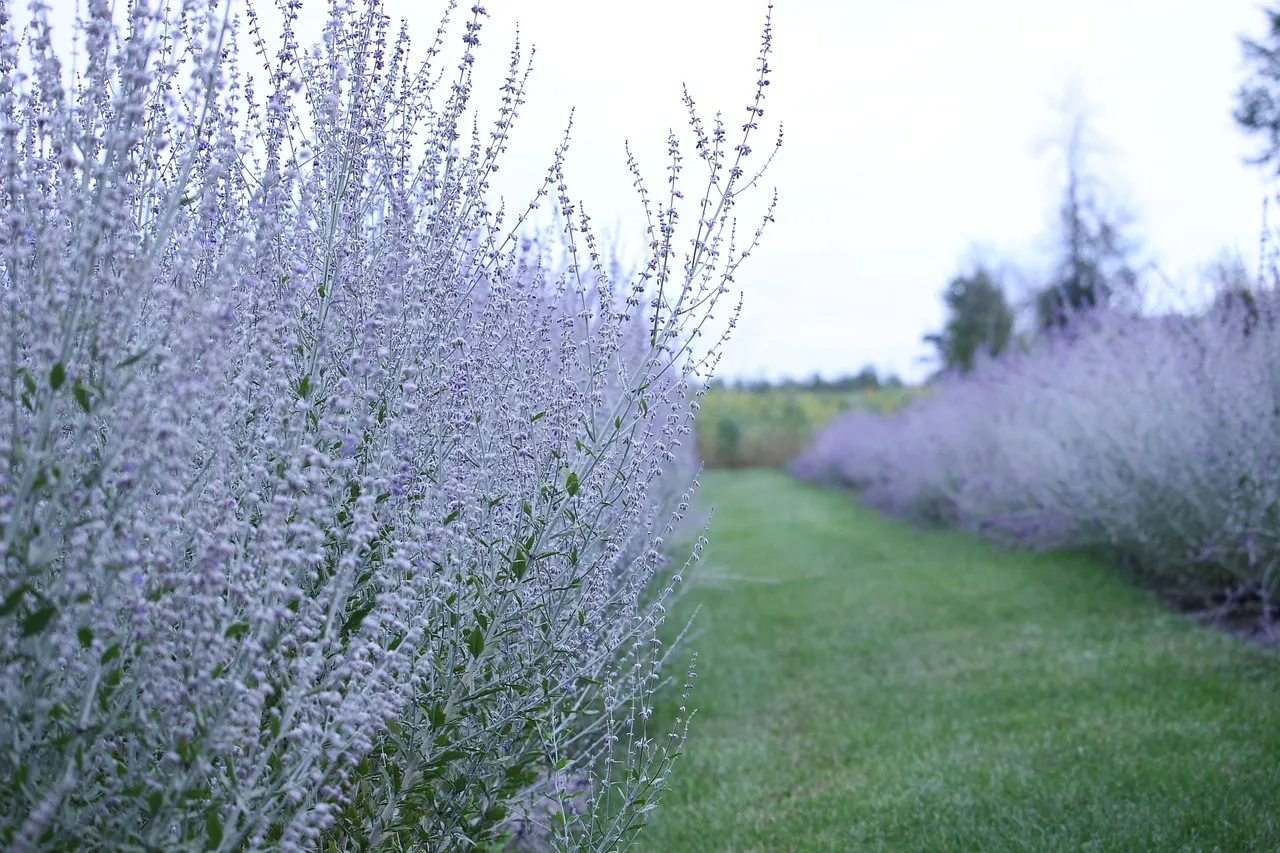
Russian sage has that airy, cloud‑like look with violet‑blue flowers, but beneath the pretty appearance it’s a plant that screams “don’t eat me” to wildlife. The leaves are coated with aromatic oils that give off a sharp, pungent smell when brushed or chewed. Deer have powerful noses, and this kind of smell is like a giant red flag telling them it’s not worth the risk or the aftertaste.
It also has slightly fuzzy, textured foliage that many animals find unpleasant in their mouths. Imagine chewing on a wooly, bitter salad – you’d probably spit it out and remember not to try it again. Over time, deer learn what makes a bad meal, and Russian sage usually lands on that mental blacklist. Gardeners use it as a tall, airy “do not disturb” signal in mixed borders, especially in sunny, dry spots where it thrives with almost no fuss.
Boxwood: The Evergreen Deer Treat Like Plastic
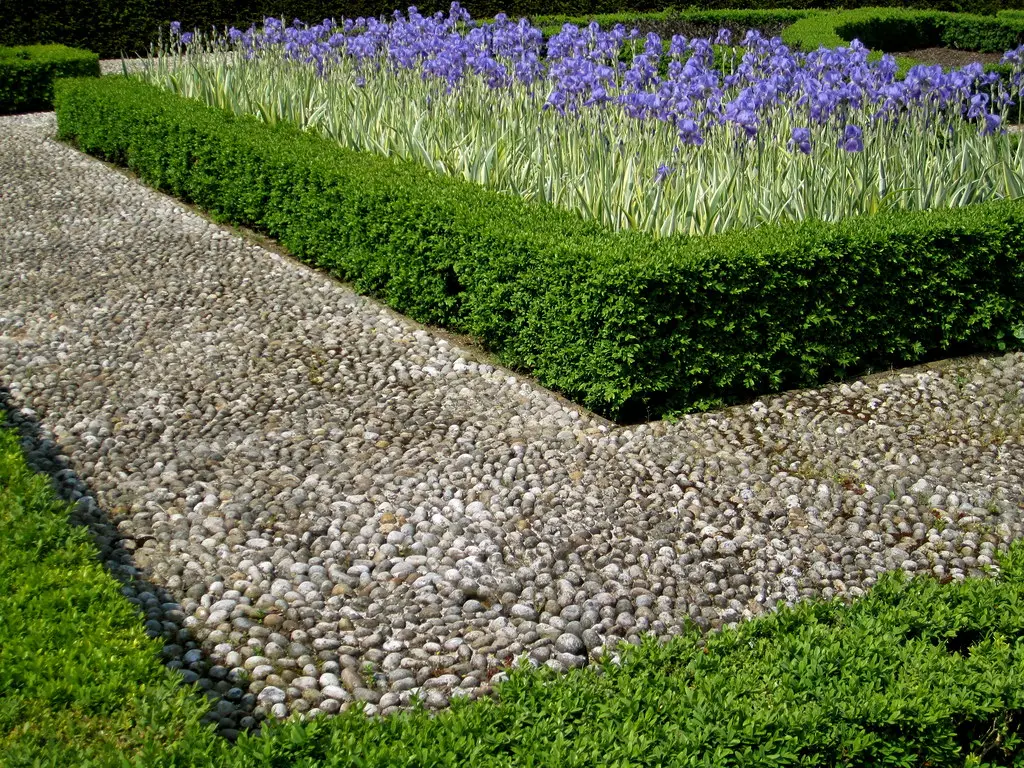
Boxwood is one of those plants that always looks neat and composed, and that’s sort of how deer see it too – like a plastic shrub that might as well be fake. The leaves contain compounds that taste bitter and can be mildly toxic, which deer instinctively avoid. When they sample it once, they typically do not come back for seconds, and many herds simply ignore it altogether.
Because boxwood is evergreen and holds its shape through winter, it’s especially valuable when deer are at their hungriest. While they may strip more tender shrubs down to sticks in late winter, boxwood hedges and globes often remain untouched. You can use them as living structure in the garden, quietly doing double duty as a visual anchor for you and a boring, inedible backdrop for the deer.
Yarrow: Soft To Us, Strong Medicine To Deer
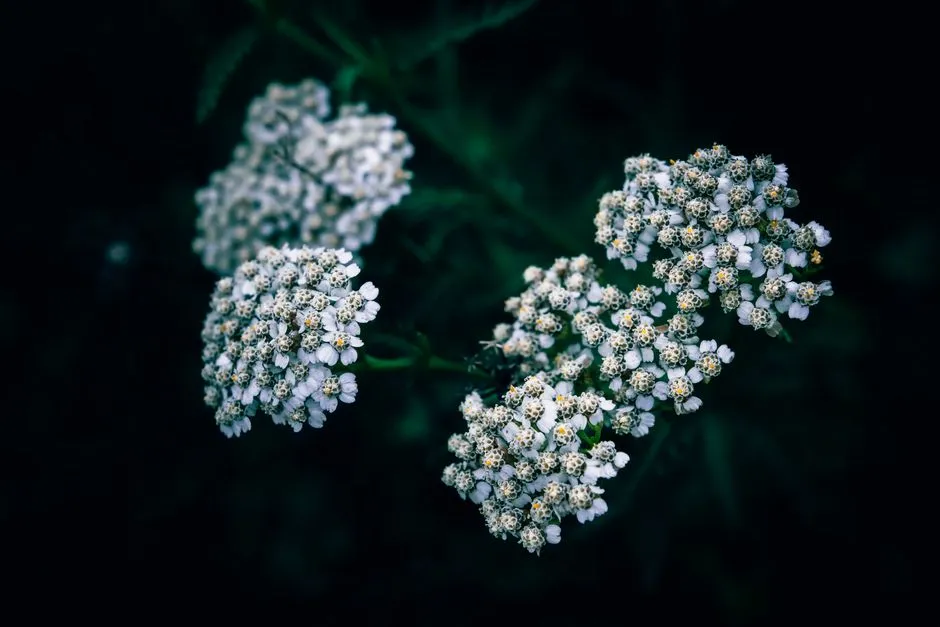
Yarrow looks gentle, with its ferny leaves and flat clusters of flowers, but the plant chemistry is anything but mild. The foliage is packed with aromatic compounds that give it a strong, medicinal smell when crushed. Humans have used yarrow historically in herbal remedies, and that same potency is exactly what makes deer turn their noses up at it.
The taste backs up the scent: yarrow is bitter and slightly astringent, which is not what a browsing deer is after when there are softer, sweeter greens nearby. Once they encounter it a time or two, most deer quickly learn it is not worth the effort. Gardeners can tuck yarrow into sunny, dry beds or meadows, where it brings pollinators and color, while quietly serving as one more line of defense against casual nibbling.
Foxglove: Pretty, Poisonous, And Usually Avoided
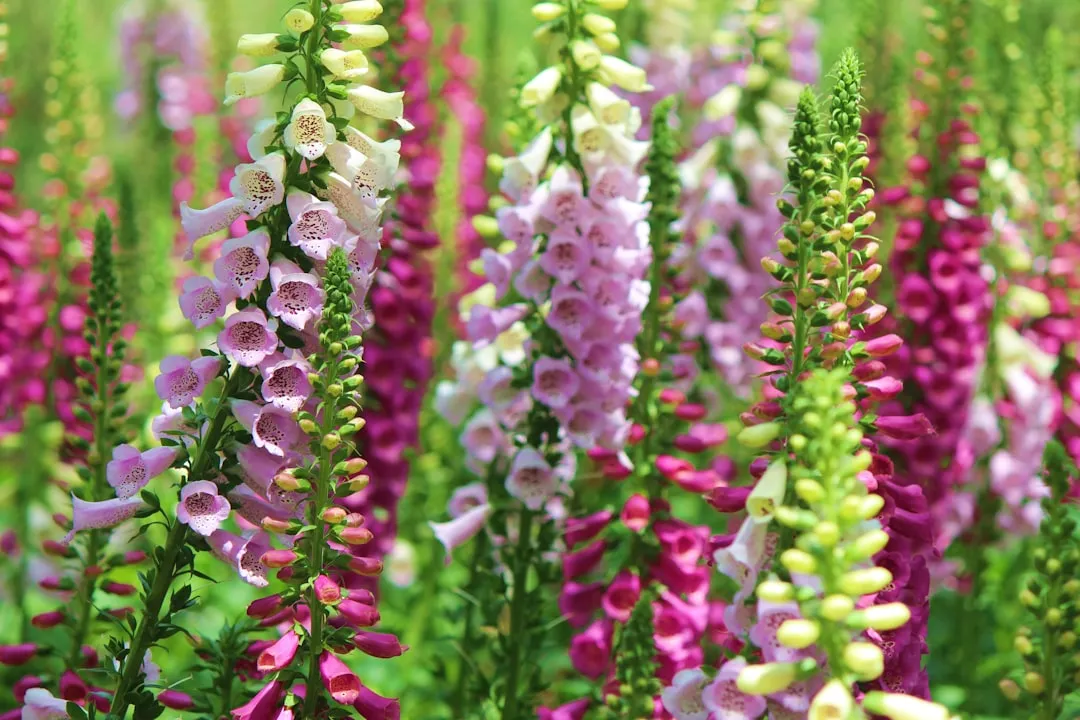
Foxglove looks like something straight out of a storybook, with its tall spires of bell‑shaped flowers, and that fairy‑tale look hides a serious reality: the plant is poisonous if eaten. Deer are surprisingly good at avoiding plants that can harm them, either through instinct or learned behavior within the herd. They tend to steer clear of foxglove, passing by the tall stalks without stopping for a bite.
Every part of the plant contains toxic compounds that affect the heart, and that naturally discourages wildlife browsing. Because of that, foxglove often stands tall and untouched even when other flowers are shredded. Of course, that toxicity also means gardeners need to be careful with children and pets, keeping it where curious hands and mouths will not find it. Used wisely, it’s a dramatic, vertical accent that deer usually respect from a distance.
Lamb’s Ear: A Texture Deer Just Can’t Stand
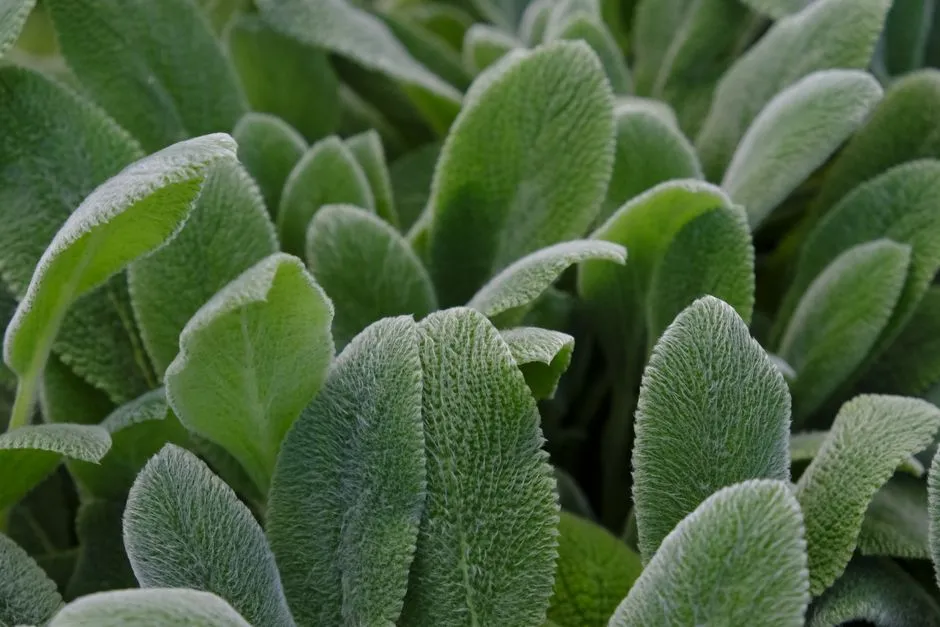
Lamb’s ear feels like a child’s stuffed animal – soft, fuzzy, and oddly comforting – but that same cottony texture is a big turn‑off for deer. Their mouths are sensitive, and plants with thick, felted leaves tend to feel wrong when chewed. Combine that with a slightly bitter, unremarkable flavor, and deer usually decide they have better options elsewhere.
In practice, that makes lamb’s ear a great “edge” plant along paths, beds, and borders. When deer brush past, those soft leaves release a faint, herbal smell and remind them that this is not a tasty spot. I’ve seen entire drifts of lamb’s ear left completely untouched while delicate annuals only a few feet away were eaten down to the soil. It becomes a kind of living carpet that looks charming to humans but feels all wrong to hungry deer.
Bee Balm (Monarda): A Minty Wall They Rarely Cross
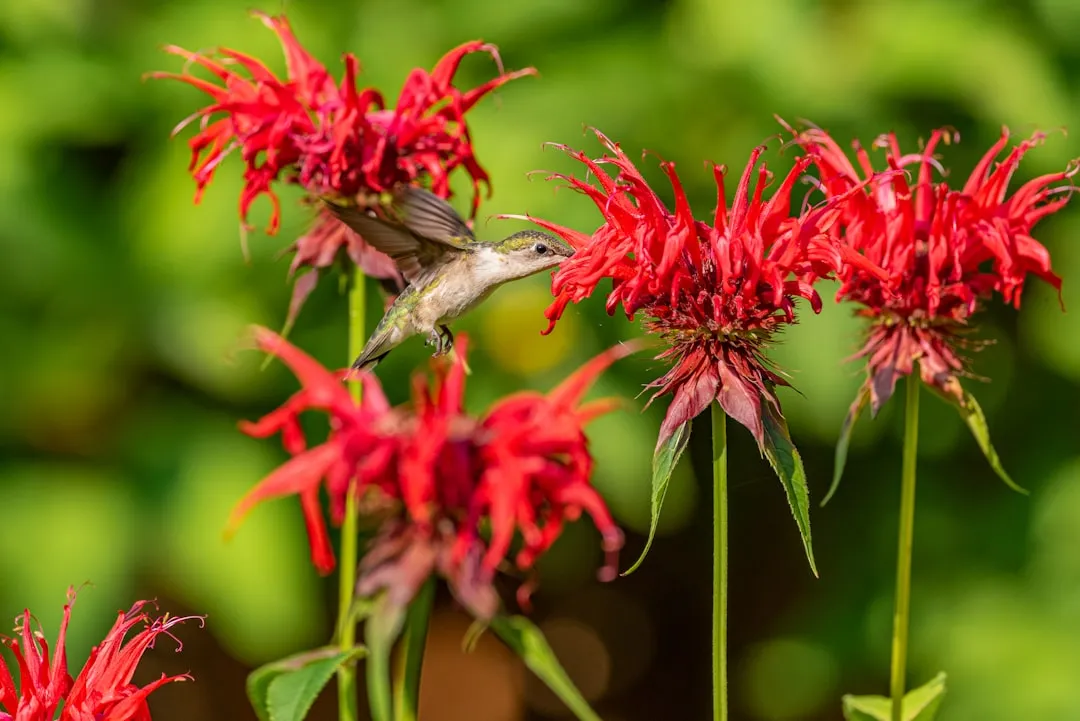
Bee balm is part of the mint family, and it acts exactly like you would expect: fragrant, a bit aggressive in how it spreads, and not very attractive to deer. The leaves have a strong, spicy, almost mint‑meets‑oregano scent that explodes when they are crushed. For us, that means endless teas and aromatic bouquets; for deer, it means a plant that is too intense and unfamiliar to bother with.
The foliage also has a bold, herbal flavor that does not match the mild, watery greens deer usually favor. As a result, bee balm often stands tall and full of pollinators in areas where other perennials are repeatedly chewed back. Many gardeners plant it as a colorful, hummingbird‑magnet ring around more vulnerable plants, turning that minty punch into a soft barrier that discourages casual browsing without looking defensive at all.
Conclusion: Planting With Deer Psychology In Mind
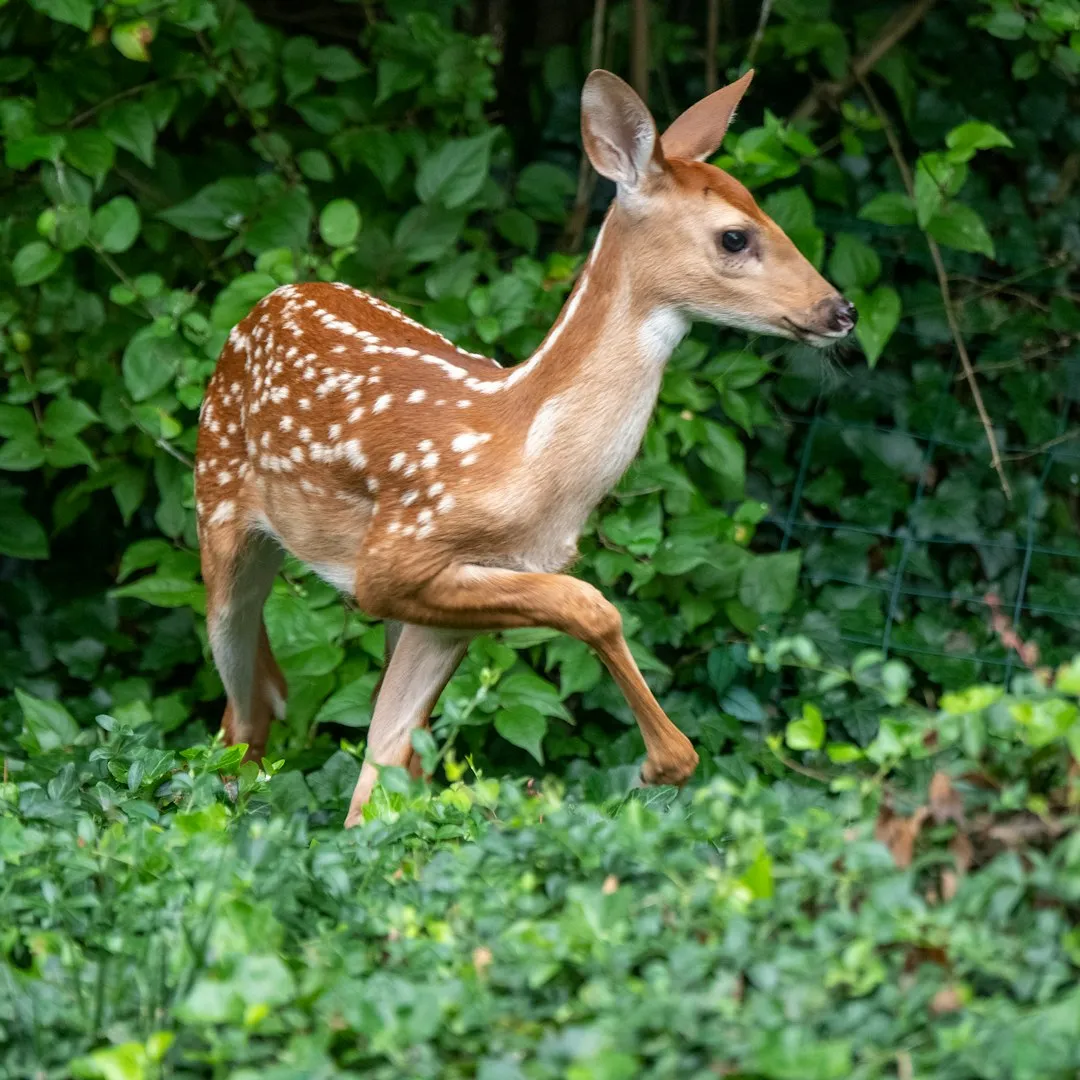
When you start looking at your garden through a deer’s eyes, things get a lot more interesting – and a lot less frustrating. These seven plants are not magic shields, and no plant is absolutely deer‑proof in every situation, but they sit very low on the deer preference list thanks to strong scents, bitter or toxic chemistry, and strange textures. You are not just planting pretty things; you are quietly rewriting the menu so your yard feels like a dull roadside diner instead of an all‑you‑can‑eat buffet.
In my own experience, mixing these “deer‑resistant” choices around the plants I really care about has made a noticeable difference. The damage has not vanished, but it has become manageable instead of heartbreaking. At the end of the day, you are playing a long game with wild animals that will always do what works for them. So the real question is this: if you can nudge their choices with scent, taste, and texture, why not design a garden they happily walk past while you finally get to enjoy it?
