
If you’ve ever walked out to admire your garden only to find it trimmed down like a salad bar, you know how frustrating deer can be. It feels almost personal when a plant you carefully chose and nurtured disappears overnight. The good news is, you don’t have to surround your yard with fencing or give up on having a lush, interesting garden.
Some plants just aren’t worth the trouble for deer, thanks to their scent, texture, or taste. They’re not a perfect guarantee, because hungry wildlife will sample almost anything in a tough season, but these choices tilt the odds strongly in your favor. Let’s walk through seven plants that can bring color and character to your space, without acting like an open buffet for the local deer herd.
1. Lavender: Fragrant Color That Deer Tend To Avoid
🔥 Would you like to save this?
We'll email this post to you, so you can come back to it later!
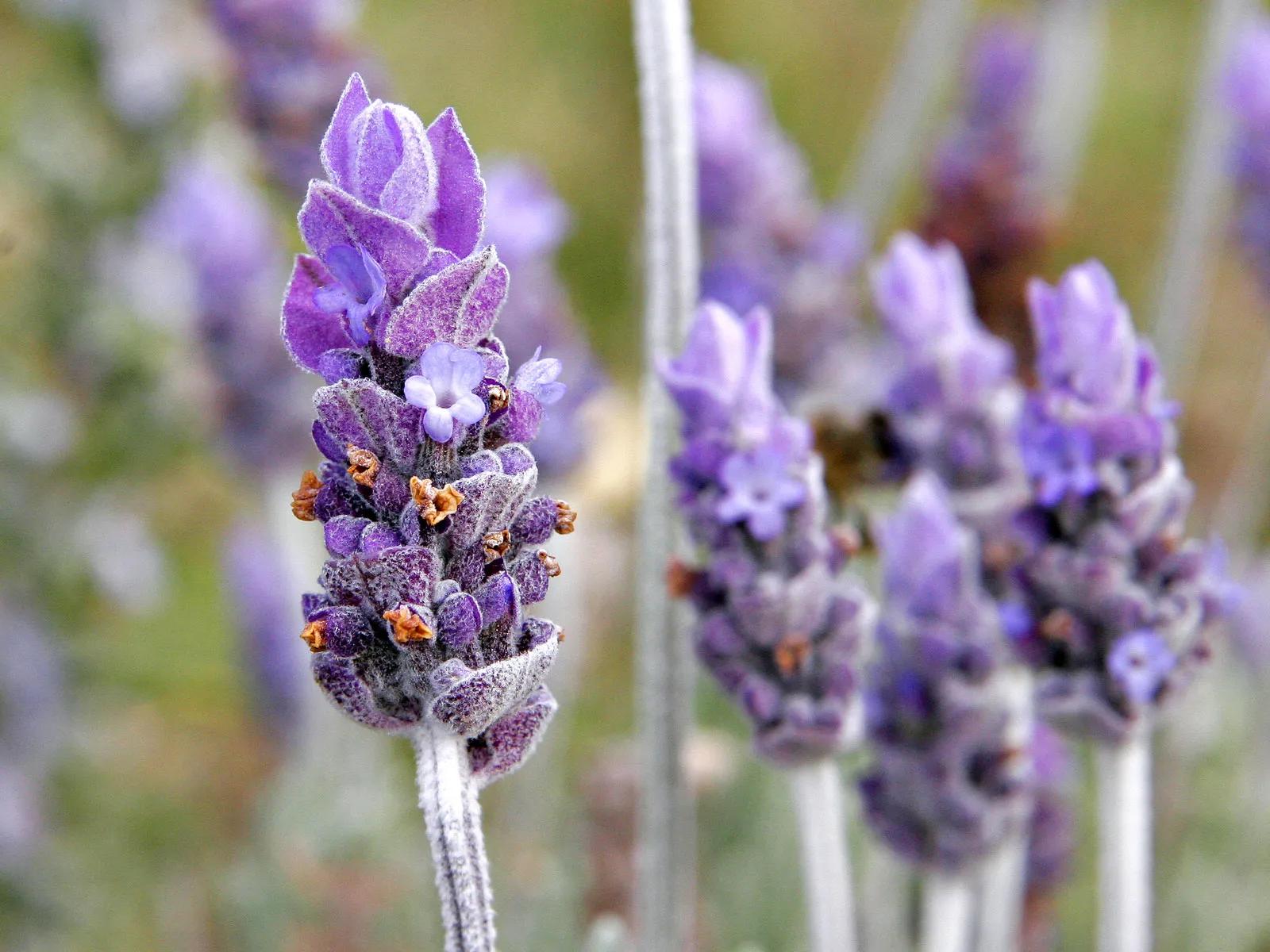
Lavender is one of those rare plants that manages to be both tough and incredibly beautiful. Its strong, resinous scent is wonderful to most people but off-putting to many deer, which makes it a smart choice to tuck along borders or near other plants you want to protect. Most varieties prefer full sun and well-drained soil, and once established, they can handle dry spells far better than many popular flowering plants.
In my own small front-yard garden, I learned fast that deer will nibble roses down to sticks but tend to leave my lavender hedges alone. The silvery foliage and purple spikes also add a soft, dreamy texture that looks good almost year-round, especially if you resist the urge to over-prune. Think of lavender as a scented barrier: not a force field, but a clear signal to browsing animals that they might want to move on.
2. Russian Sage: Airy, Long-Blooming, And Surprisingly Tough
🔥 Would you like to save this?
We'll email this post to you, so you can come back to it later!
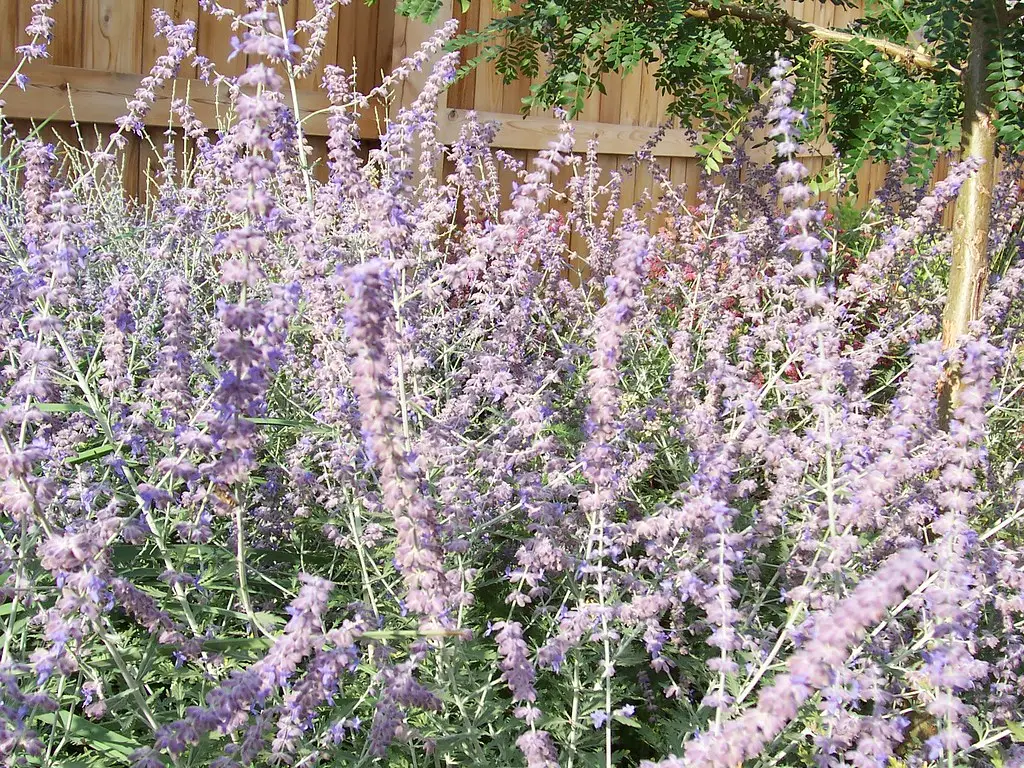
Russian sage brings that hazy, cloud-like wash of blue-purple flowers that makes a garden look instantly more “designed” without much work. The stems and leaves are aromatic when brushed, and like lavender, that smell is a turnoff for many deer. Add in its sturdy nature in hot, dry conditions, and you get a plant that looks delicate but behaves like a survivor.
One thing I love about Russian sage is the way it plays with light and movement. On summer evenings, the fine, lacy foliage glows around the edges and sways in even the slightest breeze, almost like smoke. Deer tend to prefer lush, tender growth they can easily chomp; Russian sage, with its wiry stems and strong scent, just doesn’t rank high on that list. Plant it in drifts behind lower perennials, and suddenly your garden gets depth, height, and a pretty decent chance of staying intact.
3. Yarrow: Pollinator Magnet That Deer Usually Pass By
🔥 Would you like to save this?
We'll email this post to you, so you can come back to it later!
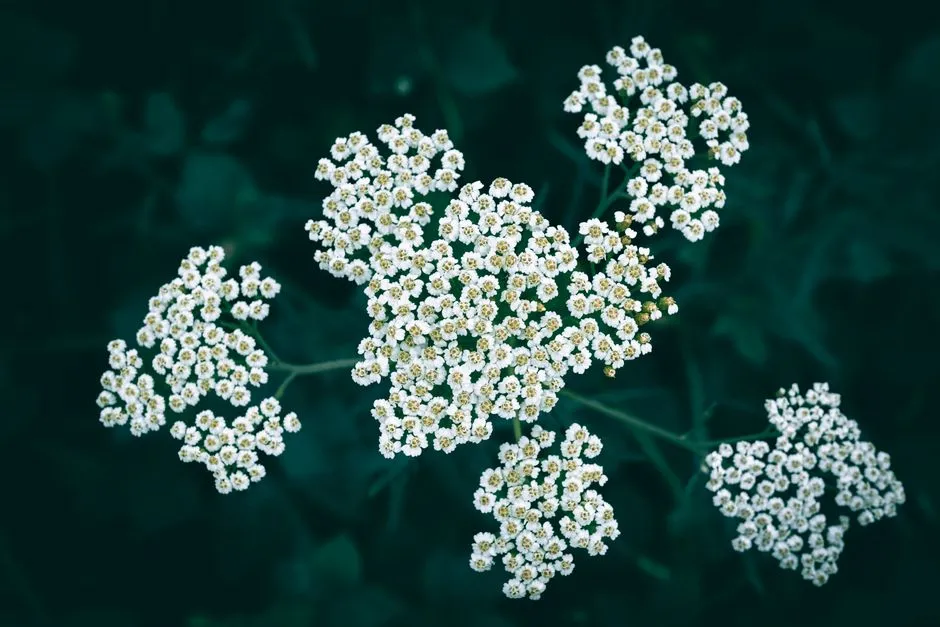
Yarrow looks like a wildflower you might stumble across in a meadow, which is part of its charm. The ferny, feathery foliage is slightly rough and aromatic, and that combination seems to signal to deer that there are easier snacks elsewhere. Meanwhile, the flat-topped clusters of flowers attract bees, butterflies, and other pollinators all summer, giving you a garden that literally buzzes with life while staying relatively low on the deer menu.
Gardeners who want variety will appreciate how many colors yarrow comes in now, from soft creams and blush tones to intense reds and golds. I like using it in spots where I want reliable color without fuss, because it tolerates lean soil and less-than-perfect watering schedules. Deer generally prefer plants that are soft and succulent; yarrow’s tougher texture and strong scent shift it into the “maybe later” category, which is exactly where you want it.
4. Catmint (Nepeta): Soft Mounds Of Color Deer Rarely Bother
🔥 Would you like to save this?
We'll email this post to you, so you can come back to it later!
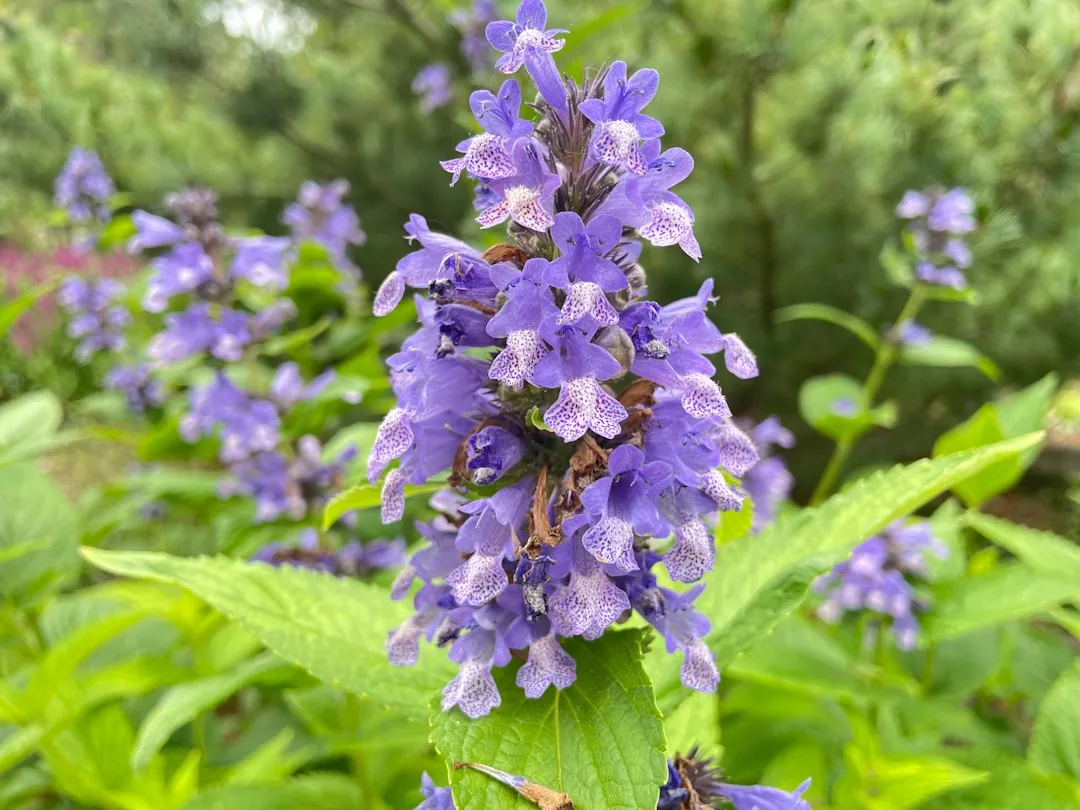
Catmint has that dreamy, slightly wild look that fits perfectly in modern cottage-style gardens. It forms billowy mounds covered in blue to violet flowers for an impressively long season, especially if you shear it back lightly after the first big flush. The foliage has a minty, herbal smell that humans tend to find pleasant, but deer are much less enthusiastic about.
If you’ve ever noticed how deer love to browse tender new shoots, you’ll appreciate catmint’s slightly fuzzy, aromatic leaves. Those two traits together make it a less appealing choice for them, while still being easy and forgiving for you. In my opinion, catmint is one of the best “edge” plants to line paths or beds, because it spills attractively over hard lines and softens everything, all while quietly helping to shield more vulnerable plants tucked behind it.
5. Alliums (Ornamental Onions): Striking Blooms With A Pungent Secret
🔥 Would you like to save this?
We'll email this post to you, so you can come back to it later!
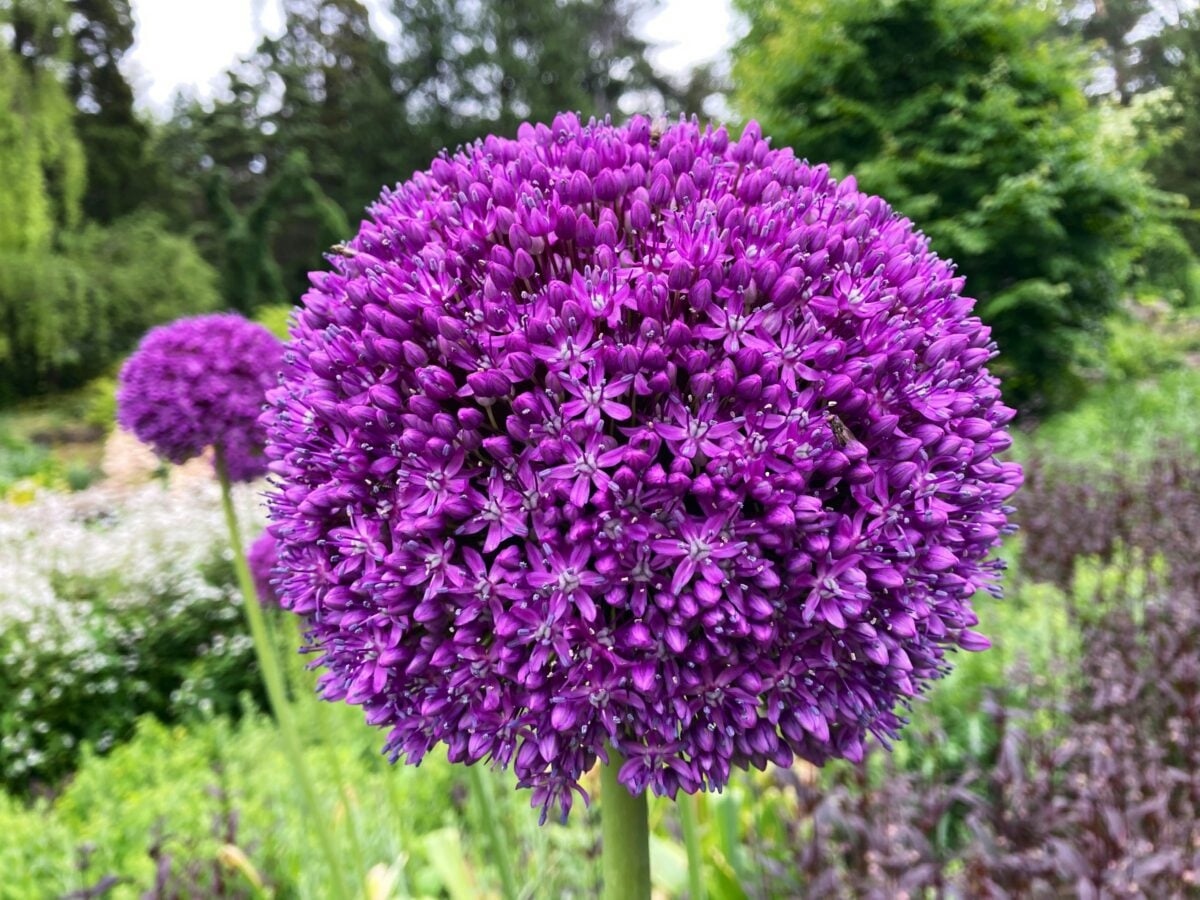
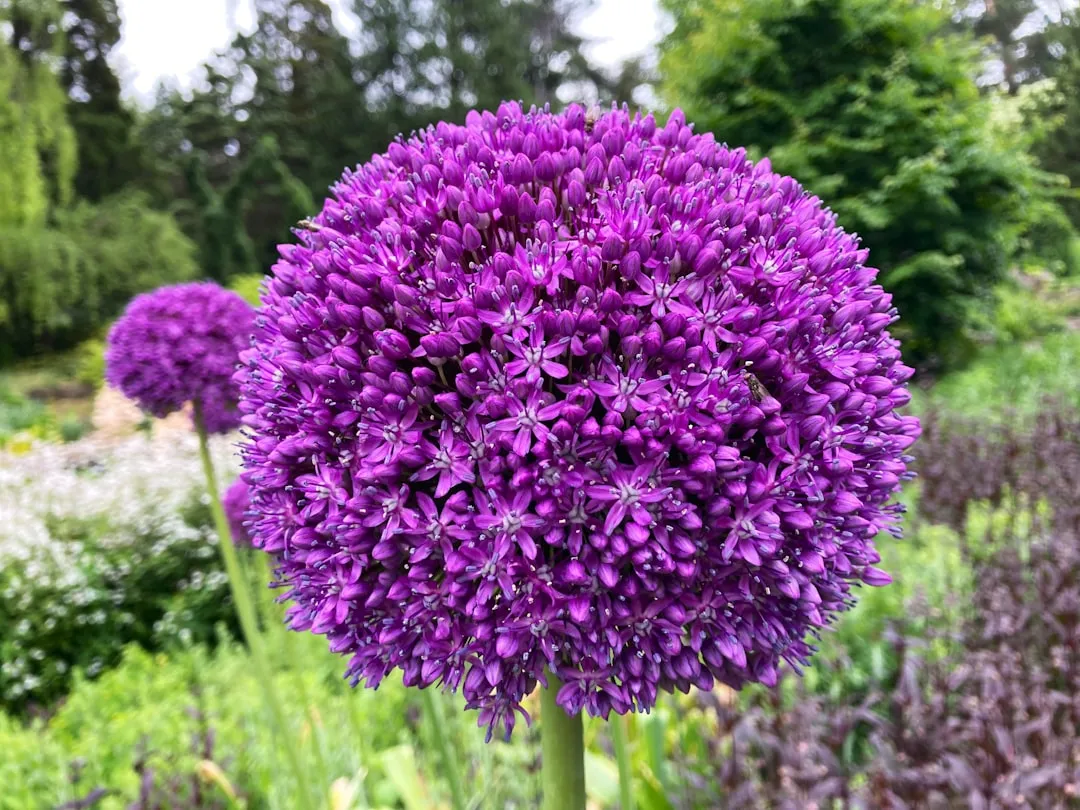
Ornamental alliums are the drama queens of the bulb world, and I mean that in the best possible way. Their globe-shaped flower heads rise on sturdy stems, hovering above the border like little fireworks frozen in midair. Underneath that charm, though, is a strong onion- or garlic-like scent in the foliage and bulbs that most deer would rather not deal with.
Think of them as tiny, built-in bodyguards among your more delicate plants. You can tuck the bulbs in between other perennials, and when they pop up in late spring or early summer, they create vertical interest while quietly broadcasting a smell deer tend to avoid. Are they completely immune to damage? No plant truly is. But when an animal is weighing effort against reward, alliums usually fall into the “too weird, not worth it” column.
6. Foxglove: Bold Spires With A Reputation For Being Left Alone
🔥 Would you like to save this?
We'll email this post to you, so you can come back to it later!
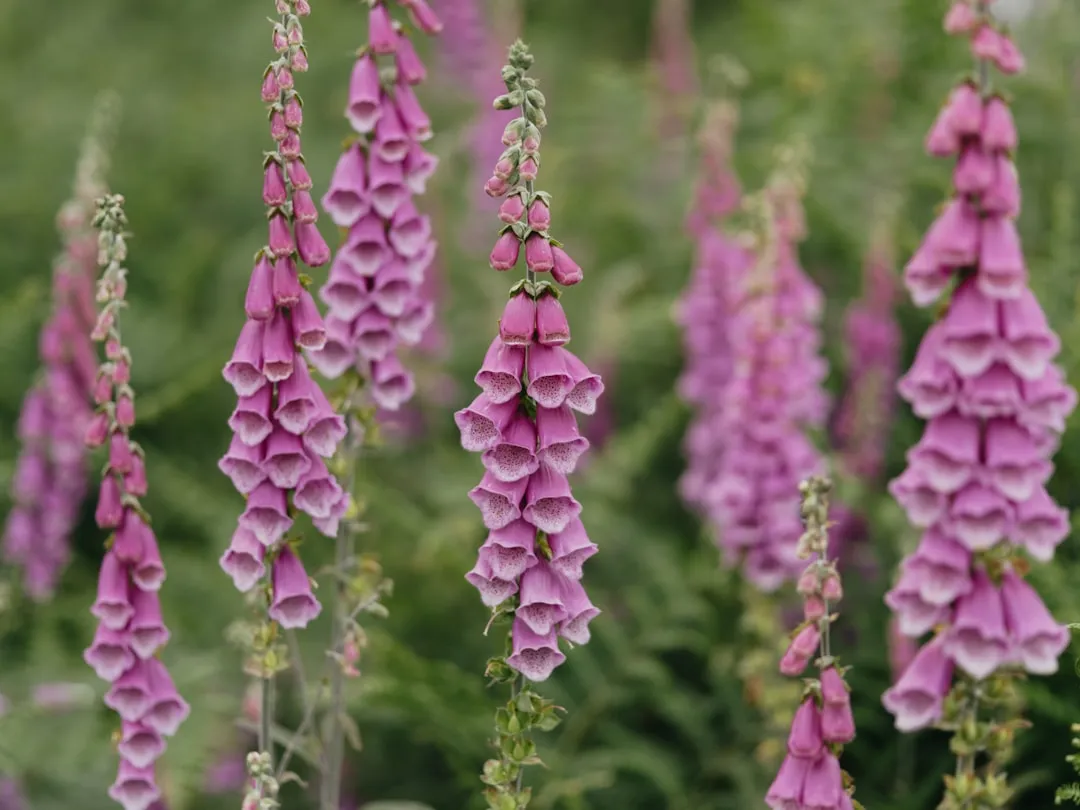
Foxglove delivers that storybook look so many gardeners crave: tall spires of bell-shaped flowers rising through the border like something from an old cottage painting. Part of the reason deer often leave foxglove alone is that the plant is naturally toxic if eaten, which discourages browsing. While that sounds harsh, it is exactly why it has a reputation as a deer-resistant option in many mixed gardens.
Because of its toxicity, foxglove is not a plant for gardens where kids or pets are likely to chew on leaves or flowers, and that’s an important trade-off to acknowledge. But in the right setting, it fills vertical space with very little input from you, and its slightly coarse texture and chemical compounds combine to make it less attractive to curious deer. If you plant it, treat it with respect: enjoy the gorgeous spikes, give it room, and let it stand as one of the bolder, more self-defended characters in your garden cast.
7. Ferns: Textured Green Layers That Rarely Tempt Deer
🔥 Would you like to save this?
We'll email this post to you, so you can come back to it later!
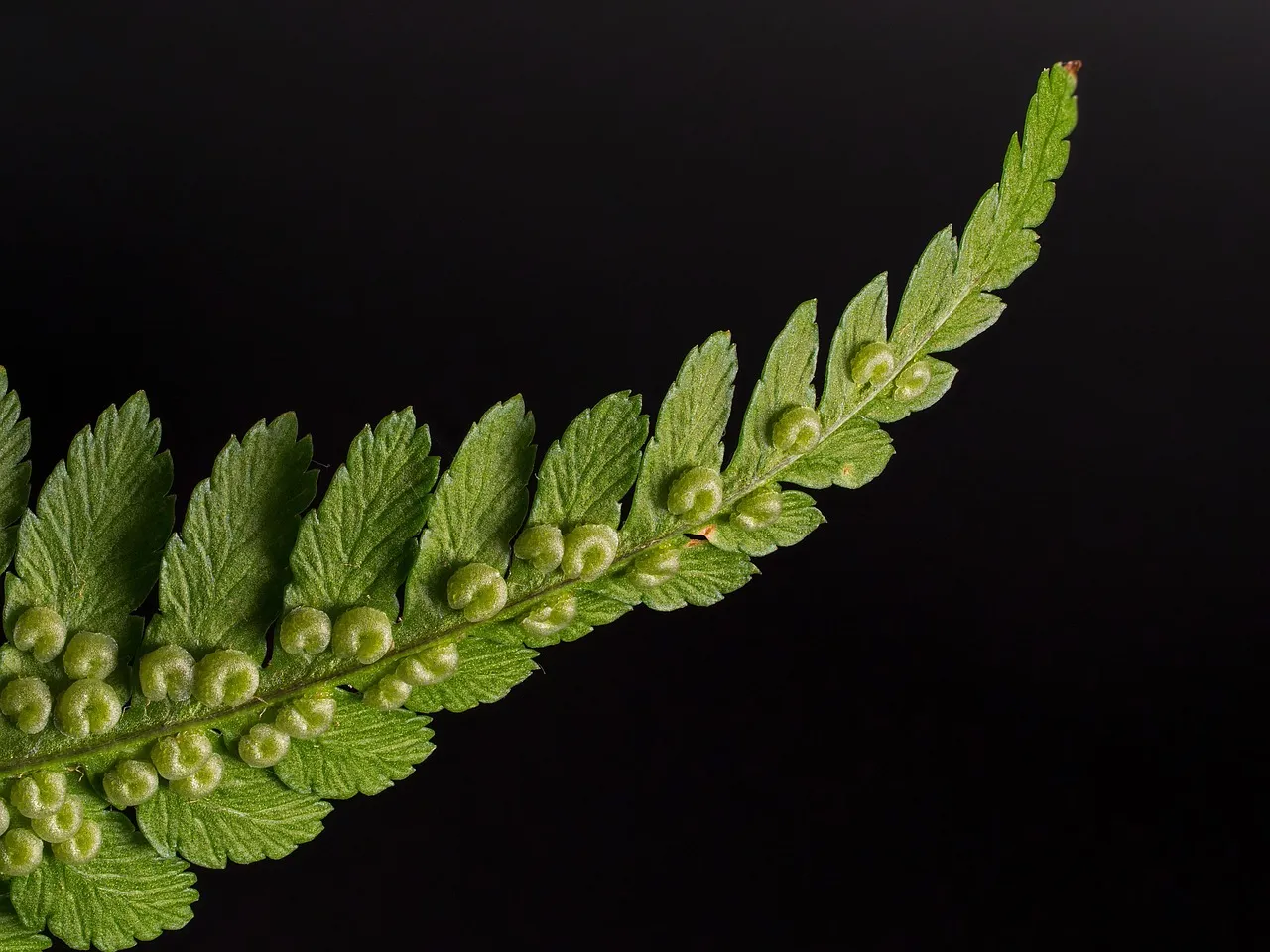
Ferns are the quiet workhorses of shady gardens, layering in texture and depth where flowers might struggle. Most ferns have fronds that are either leathery, fibrous, or simply unappealing to chew, which makes them a fairly low-priority target for deer. Instead of soft, juicy leaves, deer find a lot of structure and not much payoff, so they often move along to something more rewarding.
I think of ferns as the background music that makes everything else in the garden look better. Their arching fronds, from delicate maidenhair types to bolder ostrich and Japan-inspired varieties, turn dark corners into lush little pockets of green. When you combine their shade tolerance with their general status as “not a favorite” for deer, they become an easy choice for anyone tired of watching hostas disappear like salad. Sometimes the most peaceful plants are also the smartest protection.
Conclusion: Layering Beauty With Realistic Expectations
🔥 Would you like to save this?
We'll email this post to you, so you can come back to it later!
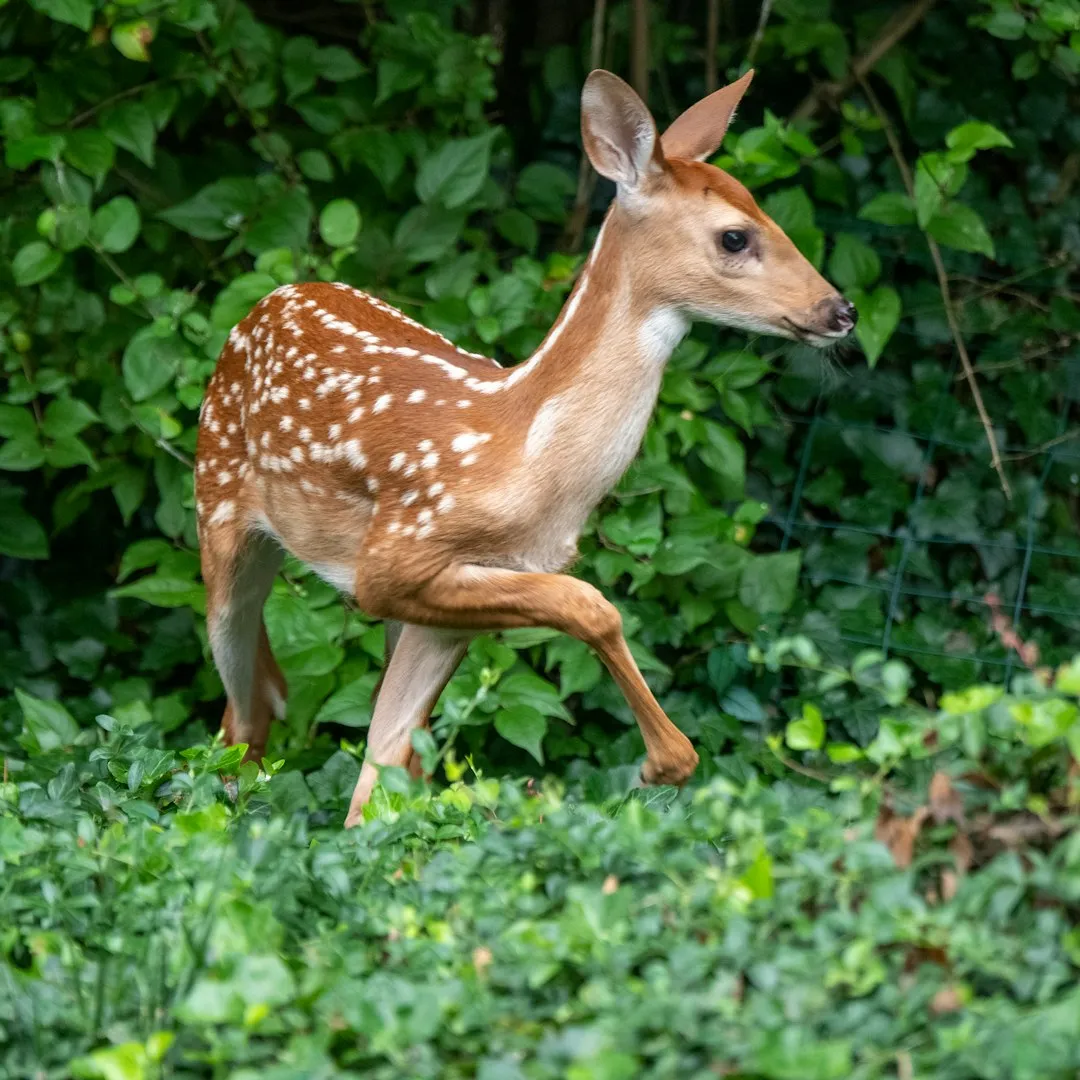
The hard truth is that no plant is absolutely deer proof; when food is scarce enough, even the “bad-tasting” ones get sampled. But by leaning on plants like lavender, Russian sage, yarrow, catmint, alliums, foxglove, and ferns, you’re stacking the deck in your favor instead of gambling on the tastiest, most vulnerable options. You end up with a garden that is not only more resilient, but also more interesting in shape, scent, and color.
My own opinion, after years of watching deer treat my yard like a drive-through, is that smart plant choices beat frustration and anger every single time. You don’t need a fortress; you need a strategy. Mix these less tempting plants throughout your beds, accept that nature will always be a little messy, and enjoy a garden that stands a much better chance of greeting you intact in the morning. Looking out at your beds, which of these quiet, deer-shrugging plants are you most tempted to try first?

- 7 Everyday Habits That Can Make Your Senior Dog Happier - November 5, 2026
- 10 Enigmatic Structures That Continue to Puzzle Scientists Today - November 5, 2026
- 10 Strange Ruins in the Americas That Challenge What We Know About Early History - November 5, 2026