

If you’ve ever checked on your hamster late at night and found them frantically digging, dragging, and fluffing bedding like a tiny interior designer on a deadline, you’re not alone. To us, it can look random or even a bit chaotic. To them, it’s serious business.
Under all that cuteness, your hamster is acting on deep, hard‑wired instincts shaped by life in the wild. Their nightly “home makeover” is about survival, comfort, and control. Once you understand why they do it, their behavior suddenly looks a lot less weird and a lot more impressive.
They’re Building Safe, Hidden Burrows

Imagine living in a world where you’re roughly the size of a snack. For a wild hamster, the safest place is underground, hidden in a maze of tunnels and chambers. Your pet can’t dig several feet into the earth, so they do the next best thing: they turn their cage into a mini burrow system using whatever bedding you give them.
When they drag bedding into corners, pile it against walls, or disappear under a thick mound, they’re mimicking those underground hideouts. This makes them feel protected from predators, sudden movements, and bright lights. A deep, rearranged bedding pile is their “underground bunker,” and they won’t stop fiddling with it until it feels just right.
They’re Regulating Their Body Temperature
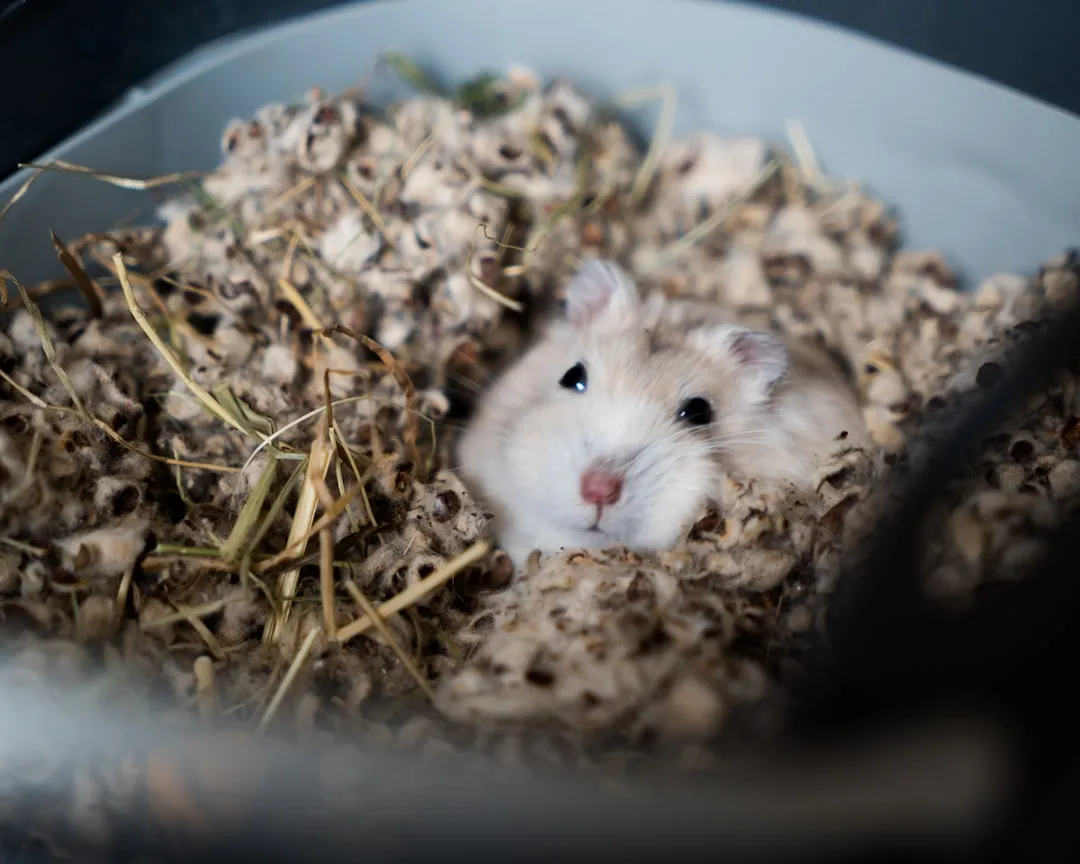
Hamsters are tiny, and tiny bodies lose heat fast. In the wild, deep burrows help keep them warm in cold weather and cooler when it’s hot. In a cage, bedding becomes their insulation system. When your hamster pushes bedding into a huge fluffy mound, they’re basically building a personal sleeping bag and thermostat in one.
If the room feels a bit cooler, they’ll usually pile bedding higher and nest deeper. If it’s warmer, they may spread the bedding out and make shallower nests. That constant rearranging is their way of fine‑tuning the temperature to keep their little body in a safe, comfortable range, long before you notice any change yourself.
They’re Hiding Food and Creating Storage Rooms
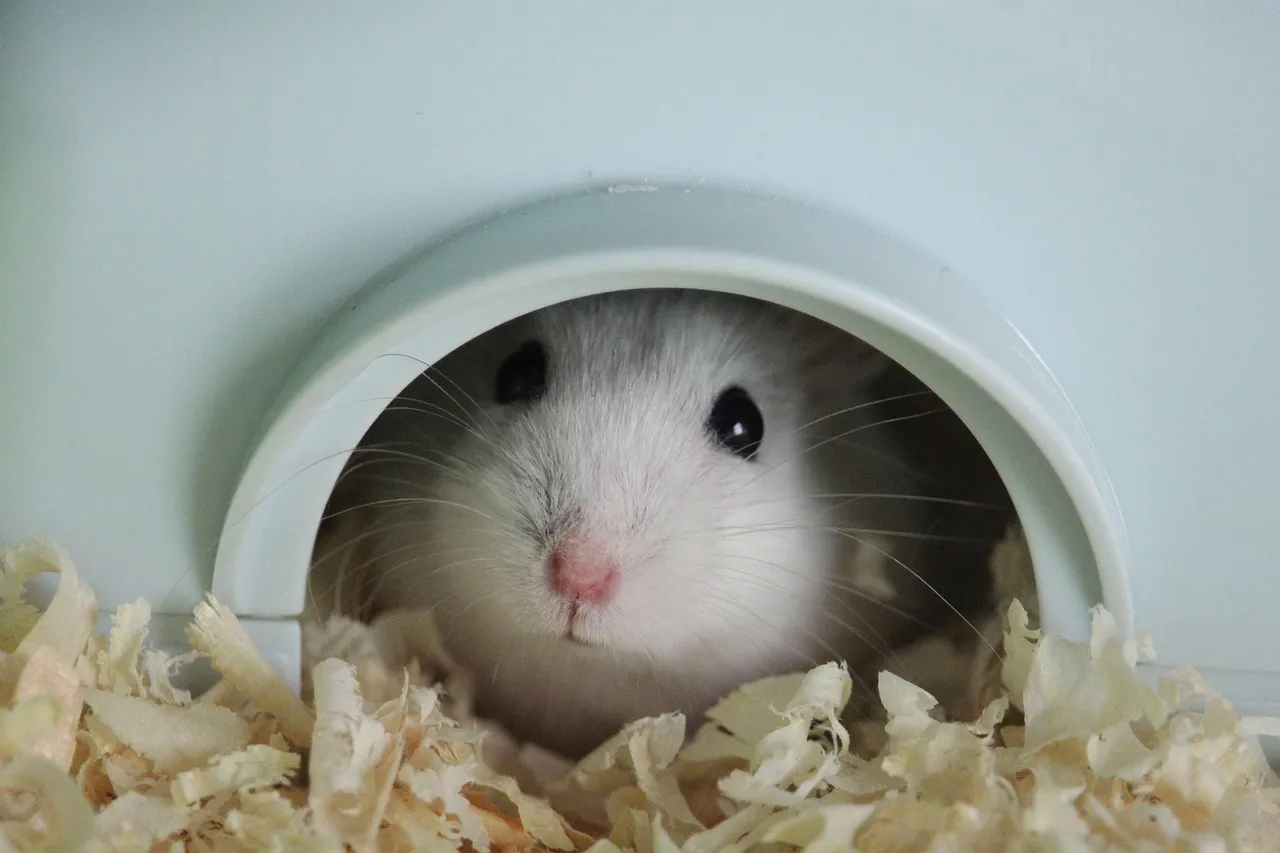
Hamsters are natural hoarders; their instinct is to collect food and stash it in hidden “pantries.” In the wild, this keeps them alive during times when seeds and plants are harder to find. In your home, it means they’ll stuff their cheek pouches, run back to their nest, and tuck food deep into their bedding.
When you see your hamster frantically digging into their bedding and then covering certain spots, they might be creating or reorganizing their food storage. That mountain of bedding in the corner might not just be a bed; it could be a bedroom, pantry, and storage closet all in one. Rearranging the bedding helps keep those food stashes hidden and protected from perceived “thieves,” even if you’re the only other creature in the room.
They’re Marking Territory and Personalizing Their Space
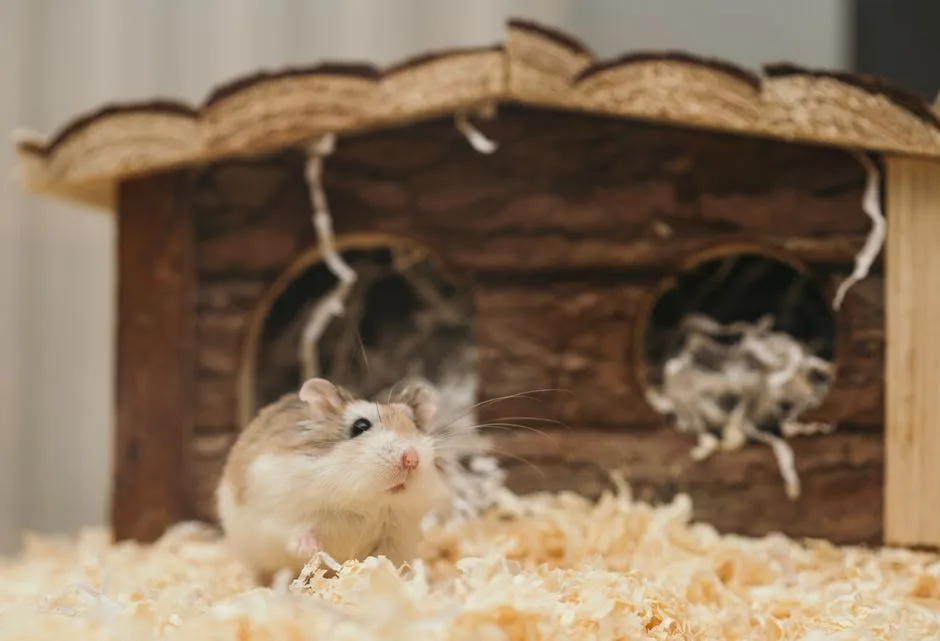
Even though your hamster lives in a cage you paid for, they definitely think of it as their territory. Hamsters have scent glands and use their body odor, urine, and tiny amounts of secretions to mark their environment. When they push bedding around, roll in it, or rub against objects, they’re literally signing the place as theirs.
Rearranging bedding lets them spread their scent throughout the cage, which makes them feel safer and more in control. To us, it looks like random mess. To them, it’s like rearranging furniture and hanging up family photos. It’s a deeply comforting ritual that says, “This is my space. I know every corner of it.”
They’re Reducing Stress and Restoring a Sense of Control
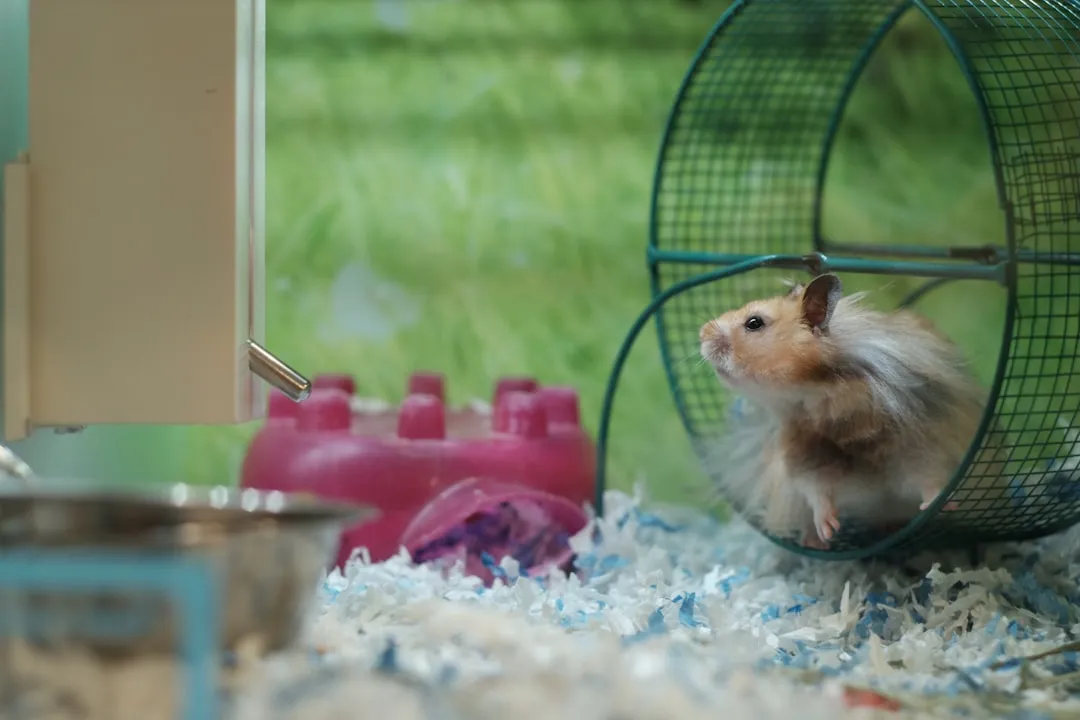
Hamsters are prey animals, easily startled by noise, sudden movement, or changes in their environment. Rearranging bedding can actually be a stress‑relief behavior. Digging, burrowing, and nesting give them something predictable and soothing to focus on when the world feels too loud or unfamiliar.
Think of it like someone tidying their room when they’re anxious or fidgeting with a stress toy. When you clean the cage, move toys, or add new items, your hamster may respond by tearing into the bedding and rebuilding everything. It’s their way of turning chaos back into order, on their terms, so they can relax and sleep.
They’re Satisfying Natural Digging and Nesting Instincts

Hamsters are built to dig. Their claws, powerful little front legs, and compact bodies are all designed for moving soil and creating tunnels. When they don’t get a chance to dig into real earth, bedding becomes the next best outlet for this instinct. They’re not just bored; they’re obeying a behavioral program that has kept their species alive for thousands of years.
If they had no bedding, that energy might come out as stress, bar chewing, or restlessness. When they have a thick layer to throw around, dig into, and rearrange, they can express that buried instinct in a healthy way. In a sense, the nightly bedding reshuffle is their version of “doing what they were born to do.”
They’re Getting Comfortable for the Perfect Night’s Sleep
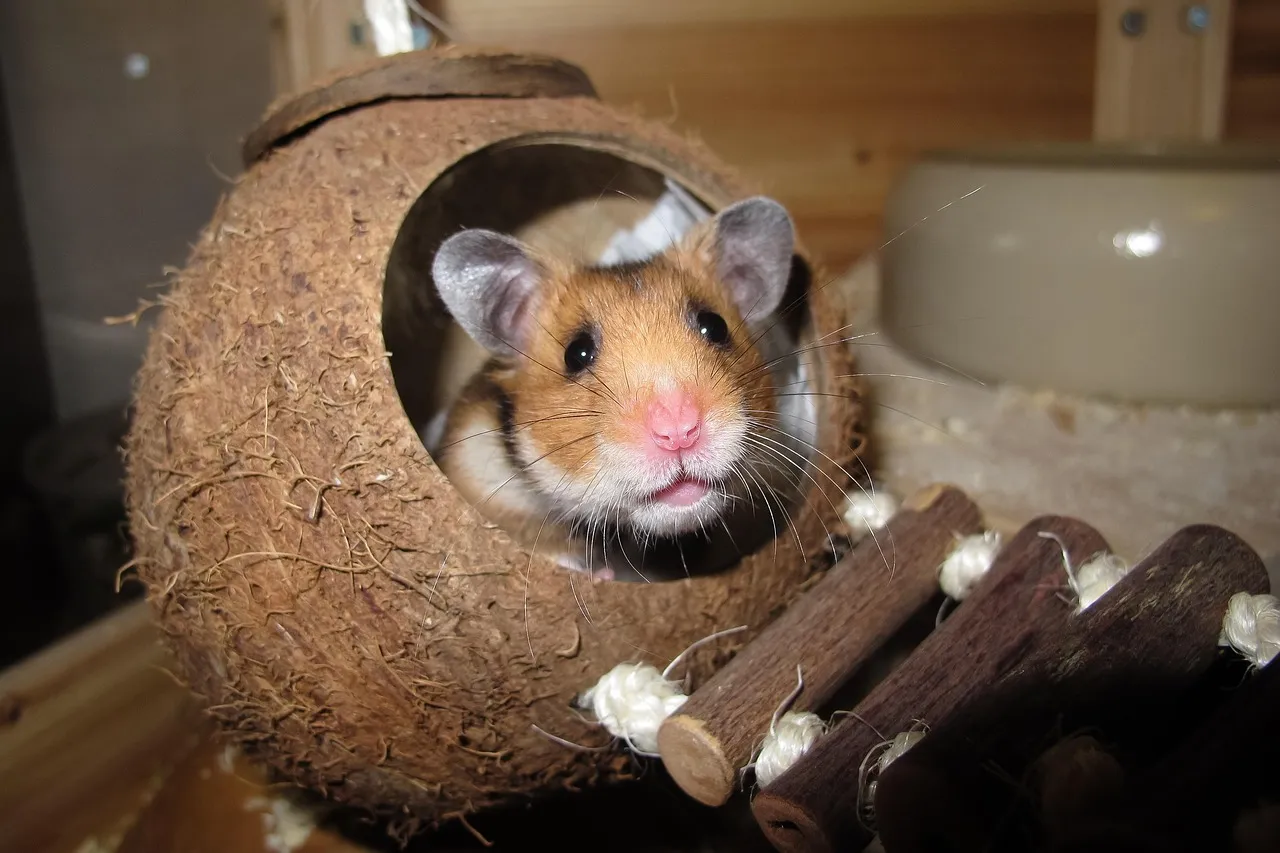
On a basic level, your hamster is doing exactly what you do when you adjust your pillows and blankets at night. They just do it with more intensity and a lot more digging. They want a nest that supports their body, cushions their joints, and lets them curl up in whatever shape feels safest.
They may build multiple layers, create a tunnel entrance, or carve out a small “chamber” in the bedding where they can sleep undisturbed. That constant tweaking and reshaping is all about comfort and security. Once they’re satisfied with the nest’s shape, thickness, and coverage, they finally settle down – at least until the next round of redecorating.
They’re Reacting to Cage Cleanings and Environmental Changes
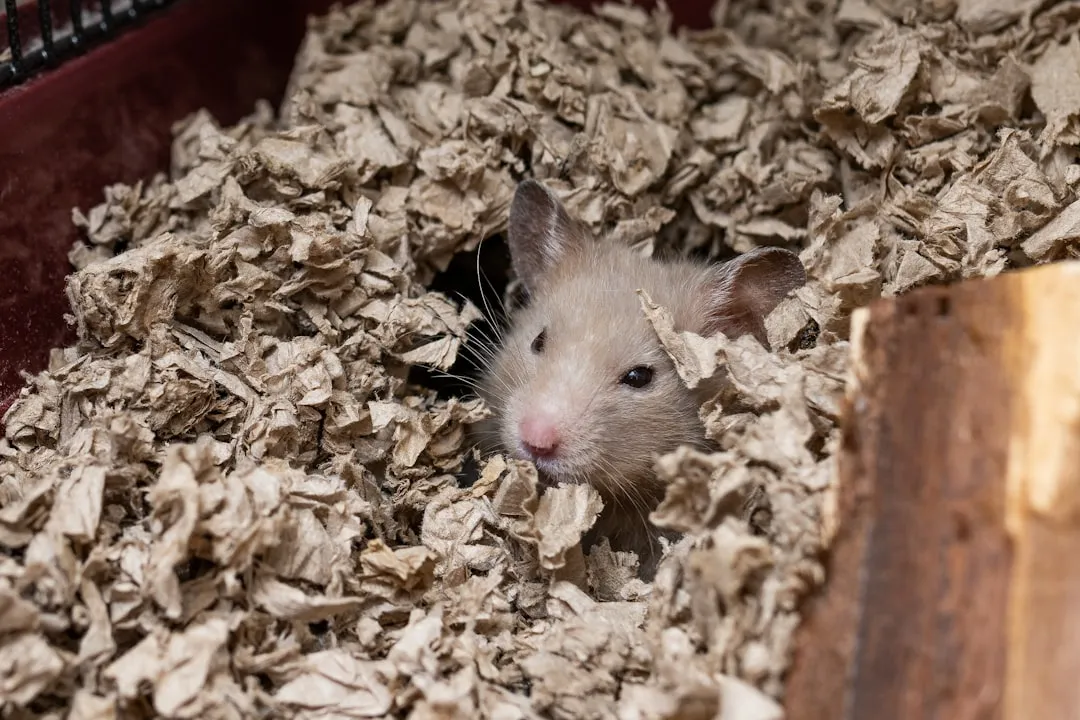
From your hamster’s point of view, a full cage clean is like coming home to find someone has bulldozed your house and rebuilt it from scratch. Even if it smells fresh and looks spotless to you, it feels unfamiliar and exposed to them. Their first instinct is to get to work: drag bedding into new piles, dig new hideouts, and rebuild the nest that was just removed.
Even smaller changes – new toys, a moved wheel, different bedding brand, or a shift in room temperature – can trigger more intense rearranging. They’re constantly updating their environment to fit how things feel right now. It might look obsessively fussy, but it’s actually a smart, adaptive way of staying safe and comfortable in a world they don’t fully control.
Conclusion: Let Them Be the Tiny Architects They Are

Once you see bedding rearranging as a mix of survival instinct, stress relief, temperature control, and pure comfort, it stops being “weird hamster behavior” and starts looking like intelligent adaptation. In my view, a hamster that obsessively digs, piles, and nests is not a problem; it’s a sign of a mentally engaged animal trying its best to turn a cage into a home.
If anything, we should lean into it: give them deep, safe bedding, keep stress low, and accept that their cage will rarely look Instagram‑tidy for more than a few hours. The mess is the point – it means they feel secure enough to act like real hamsters. Next time you catch your little roommate knee‑deep in shavings at midnight, will you still see a chaotic fluff storm, or a tiny architect perfecting their underground dream home?

- 7 Reasons Hamsters Rearrange Their Bedding Every Night - August 6, 2026
- What It Means When a Cat Waits Outside the Bathroom Door - August 6, 2026
- 7 Animals That Changed History Forever - August 6, 2026