
Imagine waking up in the middle of the night, scratching at your arms, only to realize tiny invaders have been feasting on you while you slept. Bed bugs are a nightmare that nobody wants to face. These persistent little pests can turn your sanctuary into a source of stress and sleepless nights.
Let’s be real, nobody wants to drench their bedroom in harsh chemicals. Thankfully, nature has provided us with some powerful weapons in the fight against these bloodsuckers. Certain scents can make your home far less appealing to bed bugs, creating an environment they’d rather avoid. While these natural remedies won’t eliminate a full infestation on their own, they’re excellent tools for prevention and can complement other control methods. So let’s dive into the world of aromas absolutely despise.
Lavender Oil: The Calming Repellent

Lavender oil disrupts bed bugs’ nervous systems with its floral, calming scent. It’s honestly one of the most popular choices for a reason. The compound linalool found in lavender throws off how these pests process smells, making them desperately want to escape.
What I find fascinating is that lavender oil not only repels bed bugs but also destroys their eggs, giving it a double advantage over many other natural solutions. Think about it – you’re getting a pleasant bedroom aroma while simultaneously making life miserable for potential invaders.
the taste and smell of lavender, so they won’t want to stick around if your bedding carries this scent. The best part? While it’s overwhelming for bugs, humans find it incredibly soothing and it can actually improve sleep quality. You can spray diluted lavender oil on your mattress, pillows, and bedding, or use it in a diffuser to spread the scent throughout your room.
You can apply lavender oil directly to bed bug bites to soothe them and prevent yourself from getting bitten again. It’s like getting protection and relief all in one bottle. I know it sounds crazy, but this dual purpose makes lavender oil a must-have in your natural pest control arsenal.
Peppermint Oil: The Menthol Menace
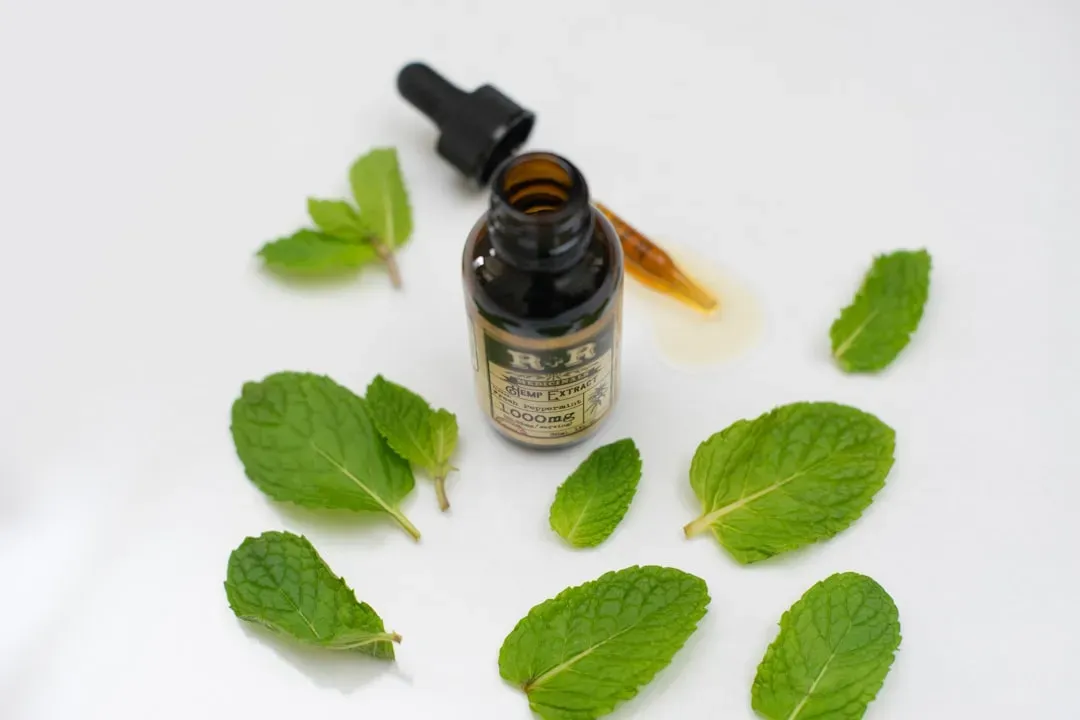
Peppermint’s strong scent, driven by its high menthol content, can temporarily mask the signals bed bugs use to locate hosts. Here’s the thing – bed bugs rely on carbon dioxide and body heat to find their next meal, and peppermint’s powerful aroma throws them completely off track.
Peppermint oil is a potent neurotoxin to bed bugs, and the high menthol content wreaks havoc on the bed bug’s nervous system. That’s not just repelling them, it’s actively attacking their ability to function properly. The sharp menthol scent overwhelms their senses and drives them away from treated areas.
You can create a simple spray by mixing peppermint oil with water in a spray bottle. Apply it around your bed frame, mattress seams, and baseboards where bed bugs typically hide. The refreshing scent is a win for you but an absolute nightmare for these pests.
Peppermint is a refreshing smell and you can pop a few drops into a diffuser to improve your sleep quality, as research has found peppermint has similar sleep-enhancing properties to lavender. Still, remember that the effect fades within a few hours, so you’ll need to reapply regularly for consistent protection.
Tea Tree Oil: The Toxic Deterrent

Tea tree oil has antifungal and insect-repelling properties and is toxic to bed bugs. This essential oil packs a serious punch against these pests. Its sharp, medicinal scent is something bed bugs absolutely cannot tolerate.
Tea tree oil harms bed bugs’ nervous system and their nervous and respiratory systems when they are subjected to the oil. The ingredient terpinen-4-ol found in tea tree oil is particularly effective at eliminating these bugs on contact. It’s basically like kryptonite for bed bugs.
Tea tree oil can kill bed bugs by blocking their breathing pores and suffocating them, just like bug spray does. However, they have to come into direct contact with the oil for this lethal effect to work. You can put a few drops in cracks, walls, and doorframes where you suspect they might be entering.
The smell encourages the pests to leave the area immediately. Tea tree oil also affects their exoskeleton, similar to how rubbing alcohol works. Spray it liberally in areas where bed bugs are actively infesting, and you’ll create an environment that’s downright hostile to their survival. Its antibacterial properties are an added bonus, keeping bite areas clean and reducing infection risk.
Eucalyptus Oil: The Medicinal Barrier

Eucalyptus oil has been used for decades as a natural insect repellent, and it contains eucalyptol, which can be mildly toxic to many critters. This crisp, invigorating scent is another powerful weapon in your anti-bed bug toolkit.
Eucalyptus oil’s strong medicinal scent masks human odors and repels bed bugs naturally. This is crucial because bed bugs track us by our scent and warmth. By masking those attractants, you’re essentially making yourself invisible to these pests.
Eucalyptus oil’s principal component, eucalyptol, serves as a neurotoxin, scrambling the pests’ navigation systems and making it difficult for them to find their next blood meal. It disrupts their feeding patterns, adding another layer of defense to your pest control strategy. The oil also has antimicrobial and antifungal benefits, contributing to a healthier living space overall.
You can spray eucalyptus oil in closets or guest rooms that don’t get used much. Use it with care, especially if you have pets, as it can be harmful to some animals. Mix a few drops with water and apply to mattress seams, bed bases, skirting boards, and curtains for maximum effectiveness.
Lemongrass: The Citrus Powerhouse

Lemongrass has a strong citrus smell that irritates bed bugs’ sensory receptors. This bright, fresh scent is both a natural deodorizer and an effective repellent base. Honestly, it’s one of those scents that makes your home smell amazing while simultaneously repelling pests.
Lemongrass oil works thanks to citral and geraniol, two strong-smelling compounds that bugs hate, and in one study, citral messed with how their bodies worked and they didn’t survive long after. That’s powerful stuff. The compounds don’t just repel – they actually interfere with the pests’ biological functions.
Lemongrass oil is like sunshine in a bottle for us but a storm cloud for bed bugs, and its high citral content causes paralysis and ultimately the death of these pests. You can spray it in corners, cupboards, or directly on bed linen for protection.
When mixed with tea tree or clove oil, it enhances the repellent effect even further. It’s both a natural deodorizer and an effective bed bug spray base. The citrus aroma is pleasant for humans but absolutely intolerable for these bloodsuckers, making it a fantastic choice for bedrooms and living spaces.
Cinnamon: The Spicy Barrier

Cinnamon’s strong spicy scent confuses and repels bed bugs effectively, and you can sprinkle ground cinnamon or use essential oil to guard sleeping zones. I think cinnamon is one of those underrated options that people overlook because they associate it more with baking than pest control.
Cinnamon oil disrupts bed bugs’ pheromone trails, which means they’re less likely to find each other, mate, and lay eggs, ultimately reducing infestation rates, and a few drops in known bed bug paths can serve as an effective deterrent. That’s a game changer when you think about prevention.
The spicy aroma acts as a deterrent, though its effectiveness is enhanced when combined with other methods. You can sprinkle cinnamon powder on your bed or create a spray with cinnamon essential oil mixed with water. The scent lingers nicely, creating an unwelcoming environment for pests.
What’s great about cinnamon is that it’s accessible and affordable. Most households already have it in their spice rack. While it won’t eliminate an existing infestation alone, it’s an excellent addition to your multi-pronged approach against bed bugs. The warm, spicy scent is comforting to humans but absolutely confusing and repellent to these unwanted guests.
Citrus Scents: The Acidic Assault

Citrus scents, especially lemon, are highly effective against bed bugs, and these little bloodsuckers can’t stand the smell, so next time life gives you lemons, use them to keep your home bed bug-free. The smell of lemon is pleasing to most people, but for bed bugs, it’s absolutely repulsive.
Insects absolutely hate the aroma lemon juice gives off and its astringent properties are harmful to most types of bed bugs. Lemon’s acidic smell masks attractants and helps in deterring bed bugs naturally. It’s a pleasant-smelling repellent for furniture and linens that won’t make your home smell like a chemical factory.
You can create a mixture of a small concentration of lemon juice and water and spray it in multiple locations throughout your home. Fresh lemon works better than store-bought lemon juice because it retains more of the natural oils and compounds that bed bugs find so offensive.
Blood orange oil is another citrus option worth mentioning. Blood orange oil is not as well known as other essential oils that repel bed bugs, but studies have shown that blood orange oil is more effective at killing bed bugs than other oils, though it does take some time to work. You can spray it or put it in a diffuser to keep bed bugs at bay.
Conclusion: Building Your Scent Defense Strategy

These seven scents offer a natural, chemical-free approach to making your home less inviting to bed bugs. From the calming floral notes of lavender to the sharp citrus punch of lemon, each scent brings unique properties that these pests find intolerable. The real power comes from understanding that while these natural remedies are valuable tools, they work best as part of a comprehensive prevention strategy.
These natural aromas can deter bed bugs by creating an environment they find unpleasant, though they’re not guaranteed to eliminate an infestation, and these scents are not a standalone solution – for the best results, combine them with thorough cleaning, clutter reduction, and other preventative measures. Think of essential oils as your first line of defense, not your only weapon.
Mix and match these scents to find what works best for your situation. Create sprays, use diffusers, or apply oils directly to problem areas. Remember to dilute essential oils properly and reapply regularly, as the active compounds evaporate quickly. For severe infestations, professional pest control remains the most effective solution.
Have you tried any of these natural scent deterrents in your own home? What worked best for you? Your peaceful, bed bug-free sleep might be just a few drops away.

- 10 Mind Blowing Facts About The Great White Shark - July 26, 2026
- Elephants Communicate With Each Other Using Sounds We Cannot Hear - July 26, 2026
- 10 Surprising Foods That Are Actually Good For Your Dog’s Health - July 26, 2026