
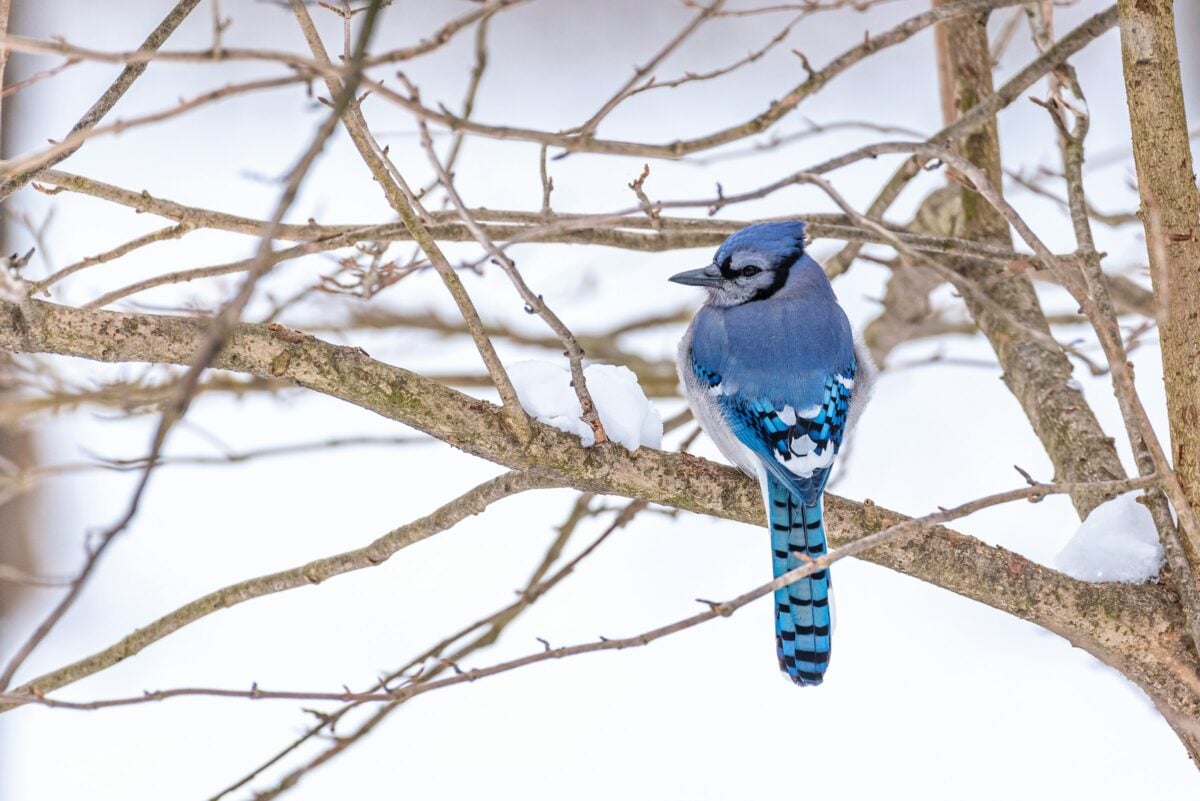
If you have ever looked out the window, spotted a bright blue flash in the trees, and instantly felt like something special was about to happen, you are not alone. Across much of North America, the sudden appearance of a blue jay has long been wrapped in stories, superstition, and quiet, hopeful beliefs. People do not just see a bird; they see a message, a sign, a little nudge from the universe that better days are on the way.
Now, to be clear, science will tell you that blue jays are intelligent, social birds with strong family bonds and loud voices, not supernatural messengers. But folklore is less about proof and more about meaning. It is the stories we tell ourselves when life feels confusing, heavy, or hopeful. And for generations of Americans, the blue jay has perched right at the edge of those stories, hinting at good news to come.
Let’s walk through seven of the most commonly shared signs in American folklore that a blue jay’s visit to your yard is said to bring good news. Whether you take them as spiritual messages, comforting metaphors, or just fun things to notice, you might never look at this bold blue bird the same way again.
7. A Blue Jay Near Your Door Is Seen as a Messenger of Protection
🔥 Would you like to save this?
We'll email this post to you, so you can come back to it later!
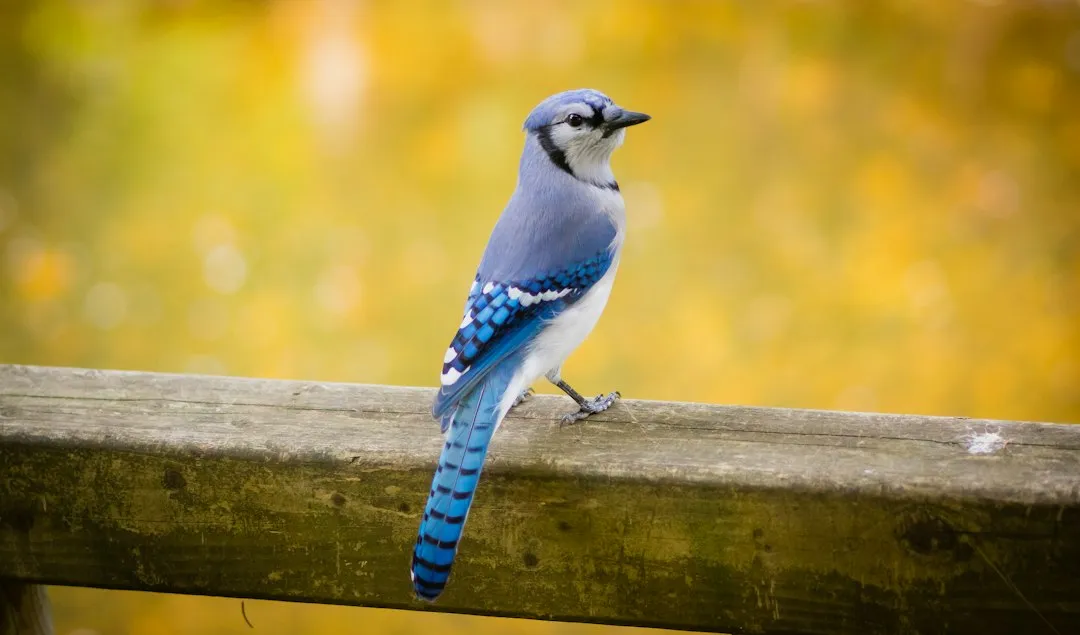
One of the most widespread bits of American folklore says that when a blue jay shows up near your front door, porch, or window, it is a good omen of protection. People have long believed that this noisy, watchful bird is like a small feathered guardian, keeping an eye on your space and warning away negativity. The bird’s boldness, its habit of scolding predators, and its willingness to stand its ground all feed into this image of the blue jay as a natural protector.
From a more practical angle, blue jays are known to mob hawks and other larger birds, calling loudly and drawing attention to danger. In old rural communities, this behavior easily turned into legend. If the blue jay is noisy around your home, folklore says it is not just complaining; it is sounding an alarm so you can rest easier. That sense of being watched over, even by a bird, naturally feels like good news when life feels uncertain.
People who lean into this belief often say that a blue jay near the entry of the house suggests your home is a safe place for upcoming changes. Maybe you are about to start a new job, welcome a baby, or move through a stressful season. The folklore treats the bird like a sign that your “nest” is guarded and strong. It is a reassuring symbol, especially if you have been worrying about your family or your future.
- A blue jay on the porch is often read as a symbol of home protection.
- Its loud calls are seen as alerts, not annoyances.
- Many people take its visit as a sign it is safe to move forward with plans.
6. A Pair of Blue Jays Is Associated With Love and Relationship Breakthroughs
🔥 Would you like to save this?
We'll email this post to you, so you can come back to it later!
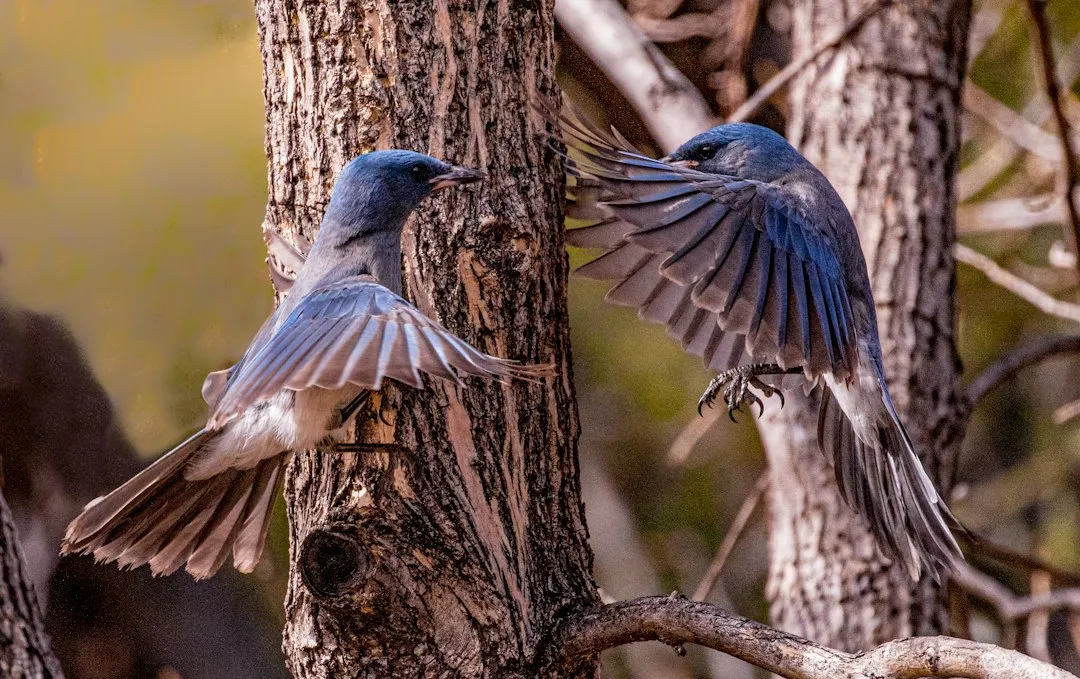
Another popular belief in American folklore is that when you see two blue jays together, particularly close to your home, it can signal good news in love and relationships. Because blue jays often form long-term bonds and show strong family behavior, people have linked them with loyalty, partnership, and emotional commitment. A pair of jays visiting your yard can feel like the universe quietly cheering for your heart life.
In some family traditions, older relatives would point out two jays and say that they meant a quarrel would soon be healed or that a new romance was within reach. Whether or not you believe the prediction, there is something disarming about seeing two bright blue birds moving in sync, calling to one another, and sharing food. It naturally invites thoughts of companionship and teamwork rather than loneliness.
When people are going through relationship struggles, they sometimes latch onto small signs of hope, and blue jays have become one of those emotional anchors. If you are single, folklore frames the sight of a pair of jays as a hint that you are not destined to stay that way forever. If you are coupled, it is framed as a sign of renewal, like a reminder to protect your bond, speak up, and stay loyal when things get tough.
- Two jays together are seen as a symbol of loyalty and partnership.
- Many people associate them with reconciliation or new love.
- Their strong pair bonds mirror the kind of relationships humans long for.
5. A Blue Jay During a Hard Time Is Interpreted as a Sign of Mental Strength
🔥 Would you like to save this?
We'll email this post to you, so you can come back to it later!
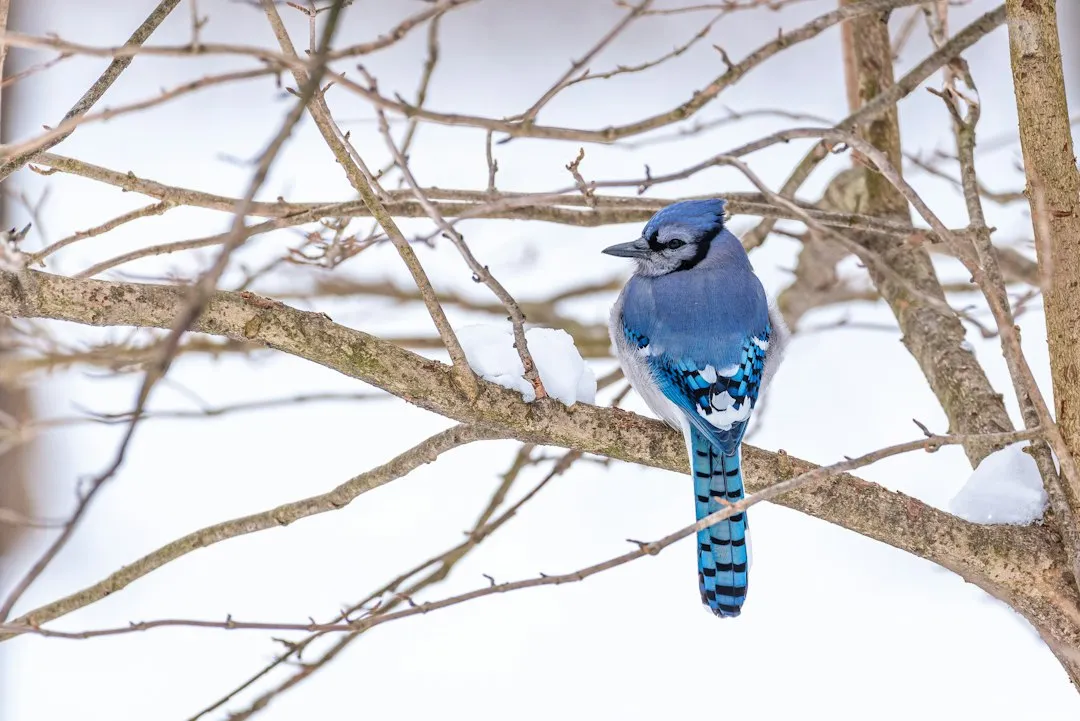
There is a long-standing idea that if a blue jay appears when you are going through a rough patch, it carries a message about inner strength and resilience. Blue jays are tough birds. They defend their nests fiercely, adapt quickly to new food sources, and do not shy away from confrontation. Folklore has taken these traits and turned them into metaphors for human courage during emotional storms.
People who notice a blue jay at a low point often describe it as a weirdly timed reassurance, like a reminder that even a small creature can be bold, loud, and unafraid to take up space. When life has backed you into a corner, seeing that bright blue flash can feel like a nudge to stop shrinking yourself, to speak up for your needs, and to defend your boundaries the way the jay defends its territory.
From a psychological point of view, it makes sense: noticing a strong, assertive animal right when you feel fragile can help you shift your mindset, even just a little. Folklore wraps that mental shift in spiritual language. It says the bird arrives to tell you that you have more grit than you realize, that good news might be less about a sudden miracle and more about your own ability to push through.
- The jay’s bold behavior is linked with human bravery in tough times.
- Seeing one when you feel low is often read as a message to keep going.
- Good news, in this case, is the rediscovery of your own strength.
4. A Blue Jay Feather Is Treated as a Lucky Token of Opportunity
🔥 Would you like to save this?
We'll email this post to you, so you can come back to it later!
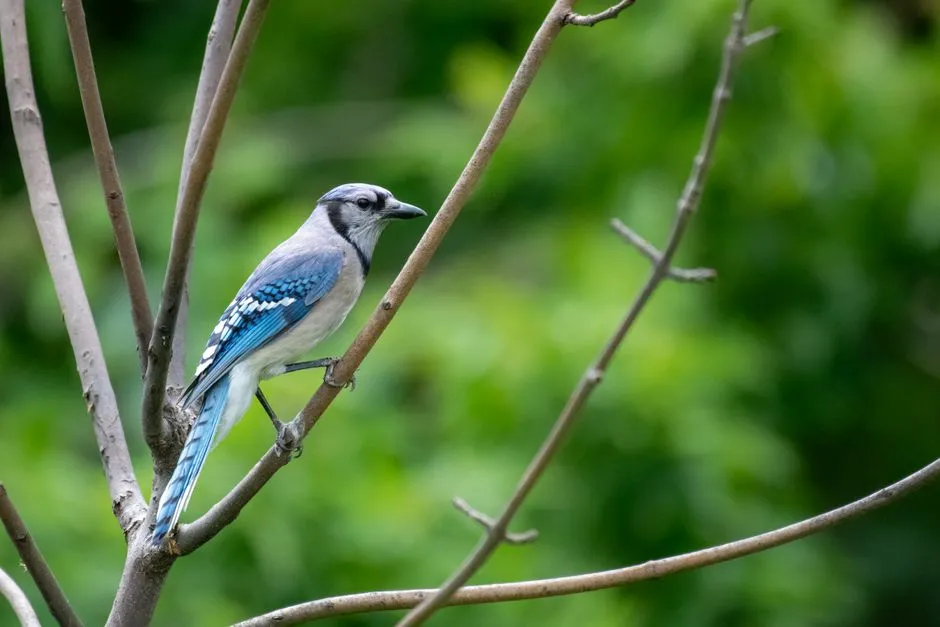
Finding a blue jay feather on your lawn, porch, or path has its own layer of folklore attached to it. Many Americans, especially in rural or nature-connected communities, treat found feathers as subtle spiritual keepsakes. When that feather is bright blue, it often gets labeled a sign of mental clarity, communication, or a fresh opportunity about to arrive. People tuck them into journals, keep them on altars, or place them on shelves like small, personal talismans.
Scientifically, that feather is a product of complex biology. The vivid blue color is not actually from blue pigment, but from light scattering through the feather’s structure. Folklore does not care about the physics, though; it focuses on the feeling. That unexpected pop of color at your feet feels like a gift dropped into your day, and humans are naturally drawn to turn small surprises into meaningful stories about luck and timing.
Some family traditions say that if you pick up a blue jay feather and keep it, you are symbolically accepting new chances and clearer thinking into your life. The good news is not always money or romance; sometimes it is about finally knowing which decision feels right. When people feel stuck between options, finding that feather can feel like a playful cosmic hint that the next step will reveal itself soon.
3. A Blue Jay at the Bird Feeder Is Seen as a Harbinger of Abundance
🔥 Would you like to save this?
We'll email this post to you, so you can come back to it later!
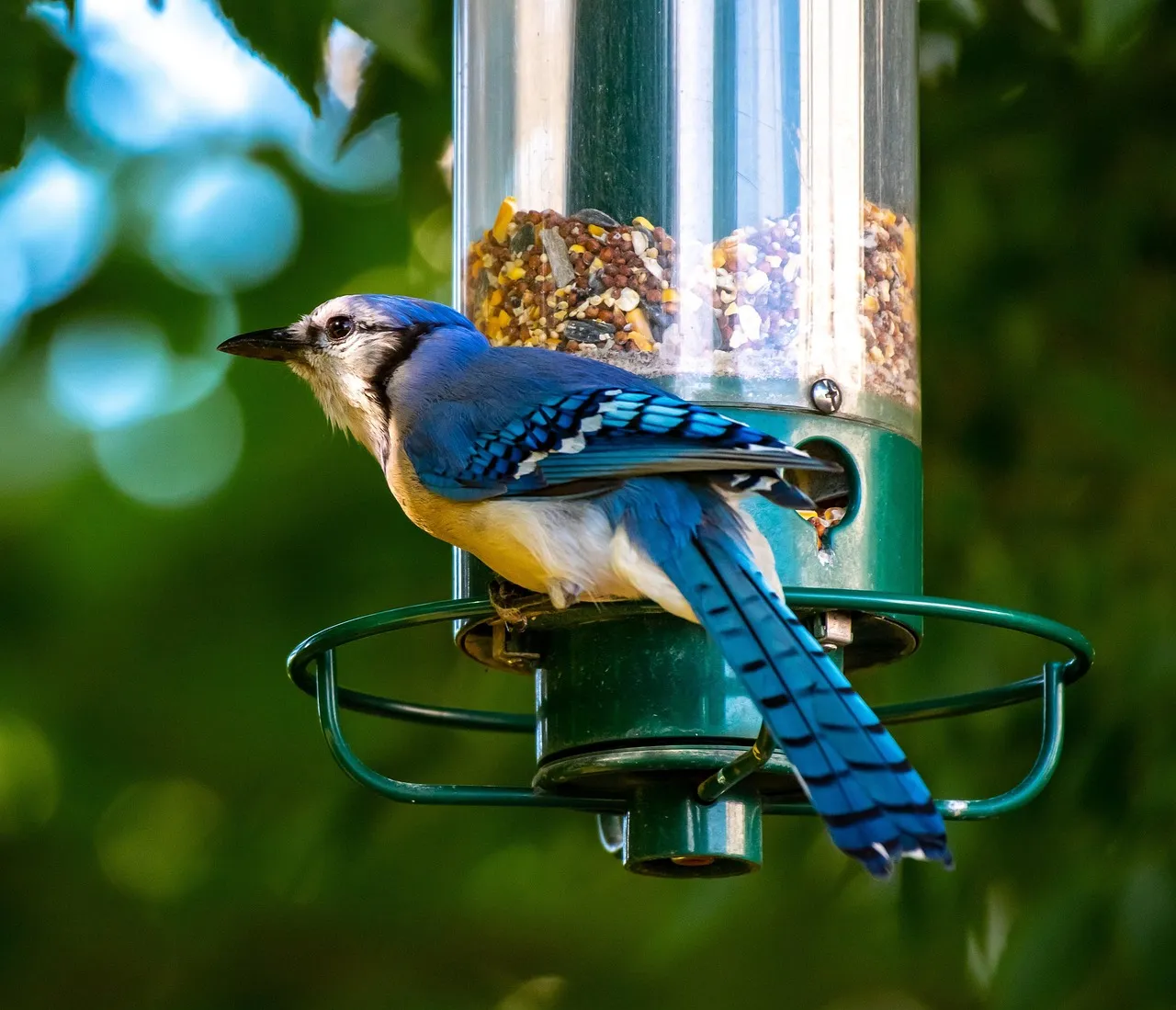
Blue jays are famous for raiding bird feeders with a kind of unapologetic enthusiasm. In American folklore, that appetite has often been translated into a symbol of abundance and material good news. If a blue jay is visiting your feeder, some people say it points toward a season where your home will not lack for basic needs, whether that is food on the table, money coming in, or support from your community.
In real life, jays are opportunistic eaters. They cache food, remember hiding spots, and will take full advantage of easy meals. Watching one bird after another swoop in, call loudly, grab seeds, and dash off can look like a tiny feast in motion. Over time, people started reading that lively activity as a positive sign, almost like a preview of better flow and prosperity in their own lives.
There is also a psychological layer here: putting out food, seeing it accepted and enjoyed, and then watching more birds gather creates a loop of giving and receiving. It is easy to project that feeling onto other areas of life. Folklore leans into this and says the blue jay is a kind of abundance ambassador, suggesting that what you share will come back to you, and that generosity is about to be rewarded in practical ways.
- Jays at feeders symbolize full cupboards and financial steadiness.
- Their habit of storing food is linked with savings and security.
- Feeder activity is read as a preview of a more abundant season ahead.
2. A Blue Jay’s Call Is Taken as a Nudge Toward Honest Communication
🔥 Would you like to save this?
We'll email this post to you, so you can come back to it later!
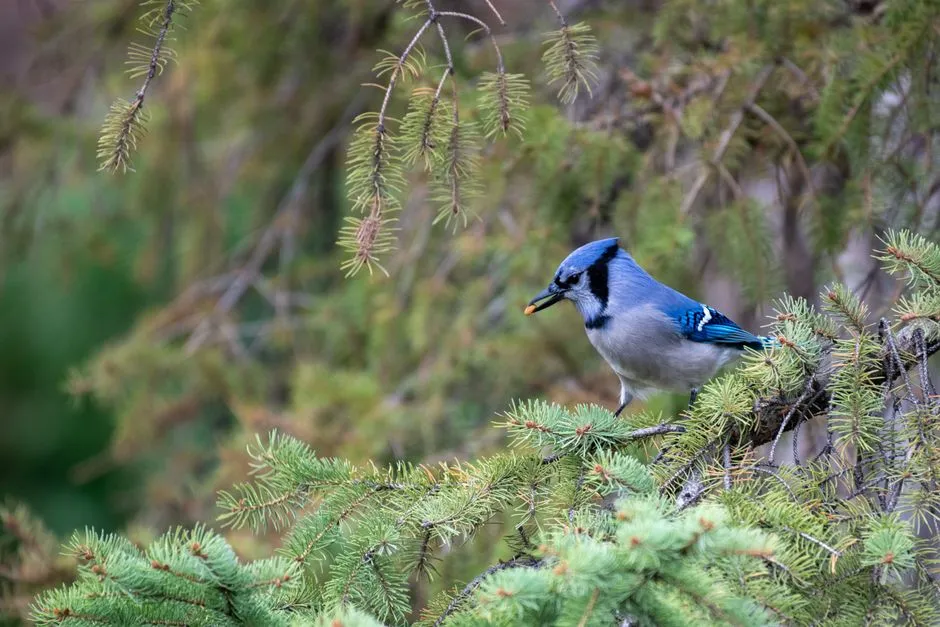
It is impossible to ignore a blue jay once it starts calling. Their voices can be sharp, loud, and persistent, which is exactly why American folklore often connects them with truth-telling and straightforward communication. When a jay shows up and refuses to be quiet, many people interpret that as a sign that something in their life needs to be said clearly, not buried or whispered.
In relationships, secrets and half-spoken feelings tend to cause slow damage. Folklore uses the blue jay’s loud call as a living metaphor for speaking your mind before resentment builds up. If you are thinking about a difficult conversation with a friend, partner, or boss and a blue jay lands nearby and cries out, it is easy to feel like the universe just underlined the importance of being honest.
From a more grounded perspective, the bird is simply doing what it does: warning others, staking its claim, or calling to its group. But humans are story-makers. We see patterns and draw meaning from coincidence. Over time, the jay’s no-nonsense voice became associated with clearing the air, making brave confessions, and finally telling the truth. The supposed good news here is that clarity, while sometimes uncomfortable at first, almost always makes life lighter in the long run.
1. A Blue Jay After a Loss Is Seen as a Symbol of Spiritual Encouragement
🔥 Would you like to save this?
We'll email this post to you, so you can come back to it later!
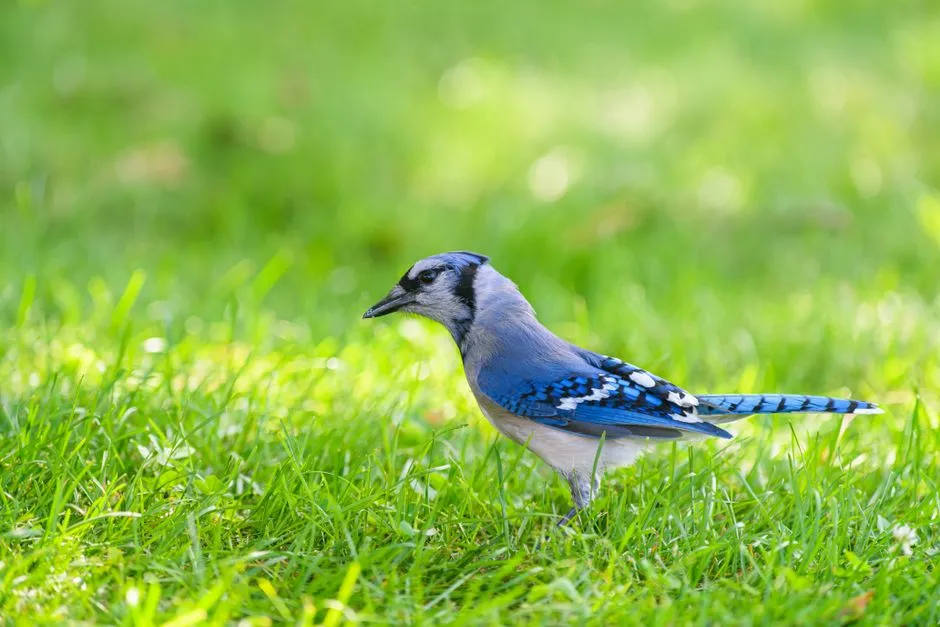
One of the most emotional pieces of American blue jay folklore is the belief that seeing one after a loss or during grief is a spiritual sign of comfort. For some people, it is framed as a loved one sending a hello; for others, it is less specific and more about feeling that the world has not forgotten you. The bright, almost electric blue against a gray mood can feel like a visual reminder that beauty still exists, even when everything hurts.
This belief has grown especially strong in recent years, as more people share personal stories online about birds, butterflies, and other animals appearing during moments of deep sadness. Blue jays stand out more than most backyard birds, so when one appears at just the right moment, it tends to imprint on memory. Folklore absorbs those stories and repeats them, shaping a shared idea that the bird shows up with emotional good news: you are not alone, and your story is not finished.
I have heard more than one person admit that they never paid attention to blue jays until after a loss, and then suddenly every sighting felt strangely meaningful. Whether that is coincidence, pattern recognition, or something beyond what science can measure is up to each person to decide. What matters, in many ways, is that the bird helps them move through grief instead of sinking into it. The good news here is subtle but powerful: hope is still possible, and love does not disappear just because someone is no longer physically present.
Conclusion: What Blue Jay Folklore Really Gives Us
🔥 Would you like to save this?
We'll email this post to you, so you can come back to it later!
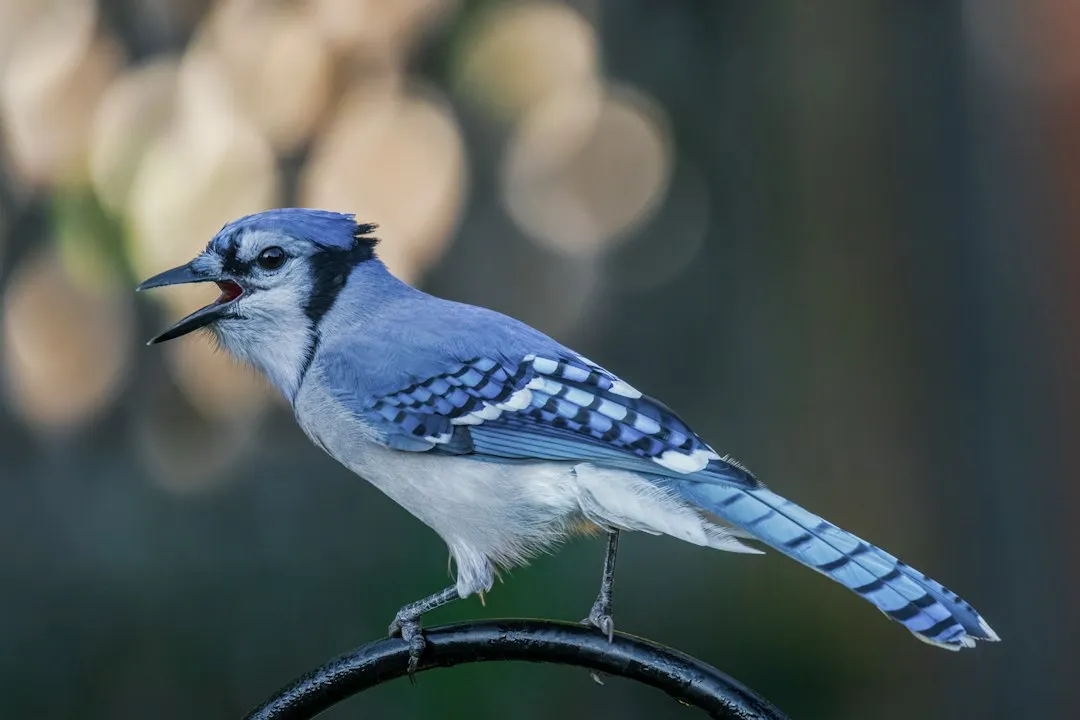
When you strip it down, the blue jay is a highly intelligent, adaptable bird making a living in backyards, forests, and city parks. There is nothing mystical about its biology. Yet American folklore has wrapped this common bird in layer after layer of meaning: protection at your door, loyalty in love, courage in hard times, luck in a fallen feather, abundance at the feeder, honesty in its call, and spiritual encouragement after loss. None of that is provable in a laboratory, but it is deeply real in the emotional lives of the people who believe it.
Personally, I do not think you have to choose between science and story. You can appreciate the blue jay as a noisy, clever creature and still let its appearance nudge you toward hope, clearer communication, or a renewed sense of strength. If a simple visit from a bright blue bird makes you pause, breathe, and feel like maybe good news is closer than you thought, that experience has value, whether or not you frame it as a sign from beyond.
In the end, blue jay folklore says less about magic and more about what we secretly crave: safety, love, courage, enough resources, honest conversations, and reassurance that we are held through grief. The bird just happens to be the messenger we have chosen. So the next time a blue jay lands in your yard and stares you down with that sharp little eye, you might ask yourself: what kind of good news am I hoping it is bringing today?

- 7 Everyday Habits That Can Make Your Senior Dog Happier - November 5, 2026
- 10 Enigmatic Structures That Continue to Puzzle Scientists Today - November 5, 2026
- 10 Strange Ruins in the Americas That Challenge What We Know About Early History - November 5, 2026