
Olympic National Park feels a bit like someone squeezed an entire continent into one peninsula. In a single day you can wander through dripping emerald rainforest, crunch across a stony beach, and end up staring at snow-dusted peaks. Hidden in all that variety are species that exist almost nowhere else, living out these quiet, wild stories most visitors never notice.
Once you start paying attention, though, the park stops being just a pretty backdrop and turns into a living, breathing community. From elk bugling in misty valleys to tiny, high-altitude rodents engineering underground cities, each species here is like a different chapter in the same epic book. Let’s walk that story from low, mossy ravines up to the sharp skyline of the Olympics.
Roosevelt Elk: Ghosts Moving Through the Rainforest
🔥 Would you like to save this?
We'll email this post to you, so you can come back to it later!
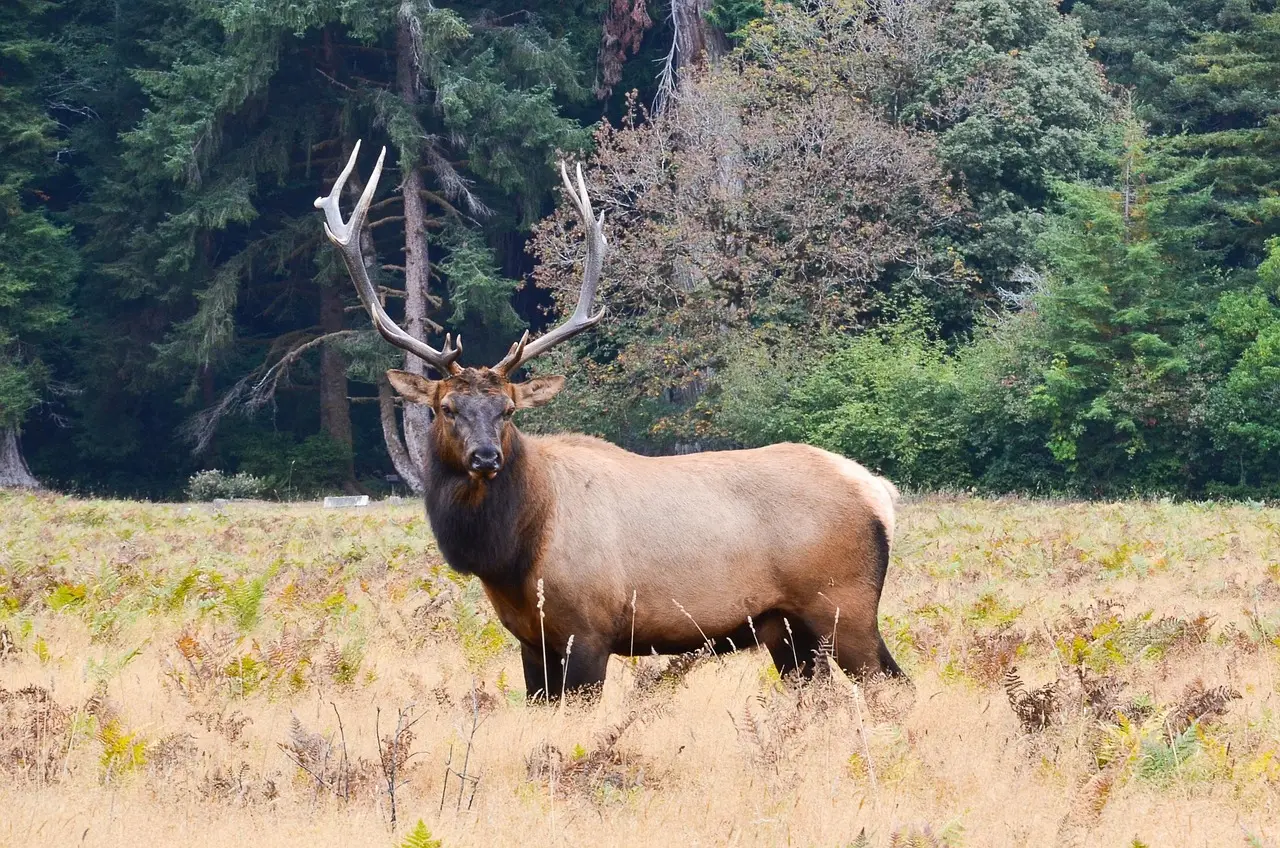
If you have ever heard branches snap in the Hoh Rain Forest and felt your heart race, you probably just met a Roosevelt elk before you even saw it. These are the largest elk in North America by body size, and seeing one step out of the moss-draped trees feels almost unreal, like watching a prehistoric animal wander through a movie set. They thrive in the park’s temperate rainforests, where constant drizzle and deep shade keep the understory lush and endlessly green.
What I love most about them is how quietly they can move for something so huge. One moment the forest is still, the next you catch a flicker of tan hide and antlers sliding between giant ferns. Their grazing shapes entire river valleys, trimming plants, opening spaces, and even influencing where new trees take root. Without them, parts of the rainforest would feel strangely empty, like a cathedral with no choir.
Olympic Marmot: A High-Altitude Original
🔥 Would you like to save this?
We'll email this post to you, so you can come back to it later!
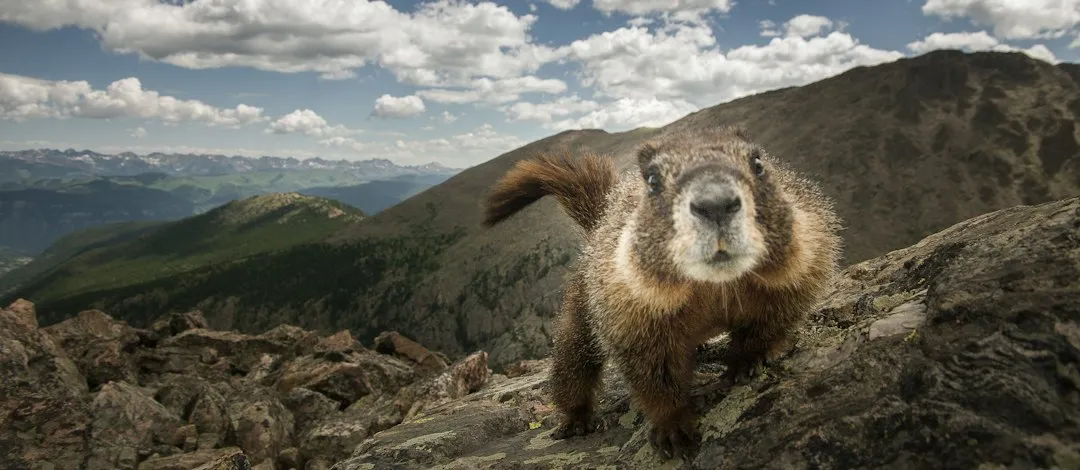
Up in the subalpine meadows, where the air feels thinner and the horizon suddenly opens, a whistle might cut across the wind like a referee’s call in a stadium. That sharp sound usually belongs to the Olympic marmot, a chunky ground squirrel relative found naturally only on the Olympic Peninsula. It is one of the park’s true endemics, a species whose entire wild story is almost completely written on these mountaintops.
Watching them on a summer day is oddly soothing: they waddle between burrow entrances, lounge on sun-warmed rocks, and pop up to scan for predators like little periscopes made of fur. Their burrows help aerate the soil and subtly shape the structure of alpine meadows, affecting which plants grow where. I still remember the first time I saw one at Hurricane Ridge – it looked like a laid-back, mountain version of a prairie dog that somehow won the lottery and retired early.
Banana Slug: The Slow, Slimy Gardener
🔥 Would you like to save this?
We'll email this post to you, so you can come back to it later!
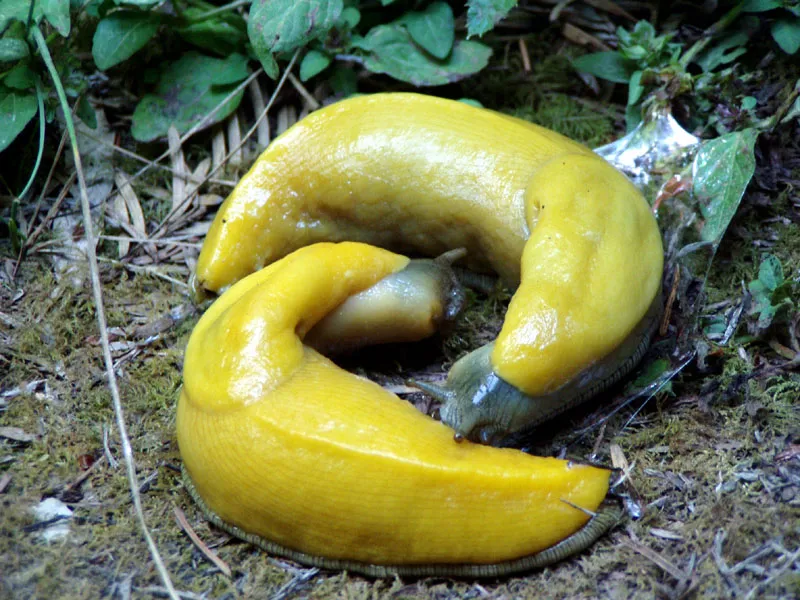
Down in the rainforest, if you look closely at the leaf litter instead of just the towering trees, you might spot a bright yellow shape gliding slowly across the ground. The banana slug is easy to laugh at – its name alone invites jokes – but it quietly keeps the forest running. These slugs feed on fallen leaves, fungi, and decaying matter, recycling nutrients back into the soil like tiny, glistening compost machines.
They are surprisingly tough, able to handle the cool, wet climate that would frustrate many other creatures, and their slime even helps deter predators and keep them from drying out. I still remember stepping carefully on a Hoh River trail, trying not to accidentally test the slipperiness of one with my boot. In a park where everyone rushes to look up at giant trees, banana slugs are a reminder that the real magic often creeps past our ankles, not over our heads.
Marbled Murrelet: The Seabird That Nests in the Canopy
🔥 Would you like to save this?
We'll email this post to you, so you can come back to it later!
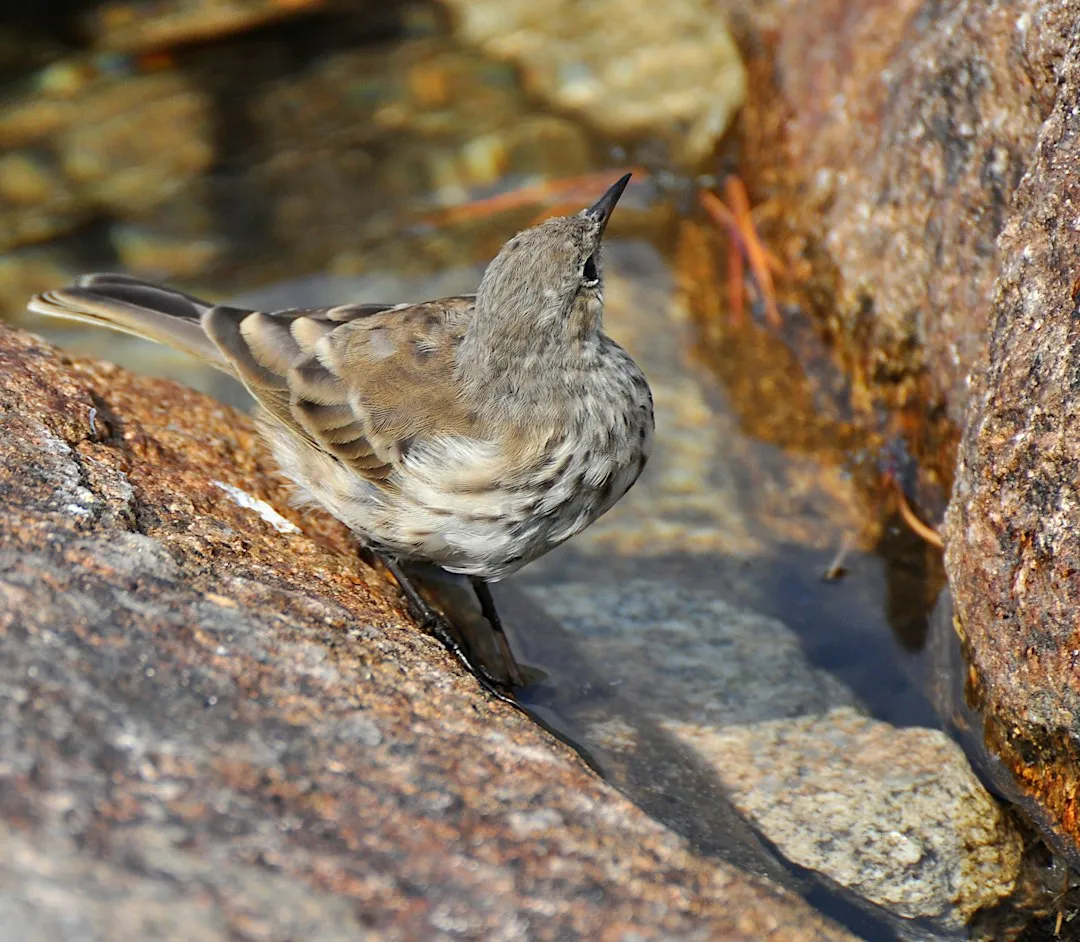
Along the coast and above the crashing surf, you might see a small, fast-flying seabird skimming the water: the marbled murrelet. It spends much of its life at sea, diving for fish, but its nesting habits sound almost like a riddle. Instead of building nests on cliffs or islands like many seabirds, marbled murrelets lay their single egg high up on the broad, moss-covered branches of old-growth conifers deep in the forest.
This double life ties the fate of coastal waters and ancient forests together in a way that feels oddly poetic and a bit fragile. When old trees disappear, so do the secure nesting sites these birds need, and their numbers have struggled because of that across the Pacific Northwest. For me, the marbled murrelet captures something essential about Olympic National Park: the way ocean, forest, and mountain are not separate worlds but overlapping threads in the same tapestry.
Pacific Treefrog: Nighttime Choir of the Lowlands
🔥 Would you like to save this?
We'll email this post to you, so you can come back to it later!
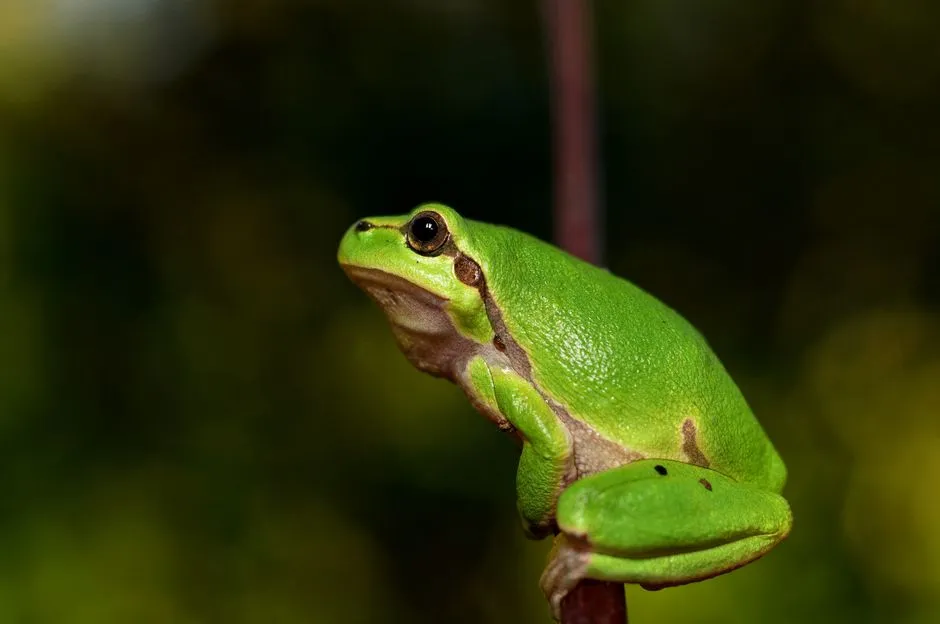
On damp evenings in spring, the park’s lower wetlands and forest edges can sound like a rowdy outdoor concert. That chorus of trills and croaks often comes from the Pacific treefrog, a small amphibian with a voice wildly outsized for its body. These frogs are masters of puddles and ponds, breeding in temporary pools that form after rain and then drying up later in the year.
They might not look as dramatic as an elk or as rare as an Olympic marmot, but their presence tells you that the local wetlands are still functioning. Tadpoles graze on algae, adults snap up insects, and together they help keep energy flowing through the food web. I have had nights camping where their calls were so loud it felt like they were sitting right on the tent fabric, delivering a front-row performance whether I wanted one or not.
Black Bear: The Shape-Shifter of the Forest
🔥 Would you like to save this?
We'll email this post to you, so you can come back to it later!
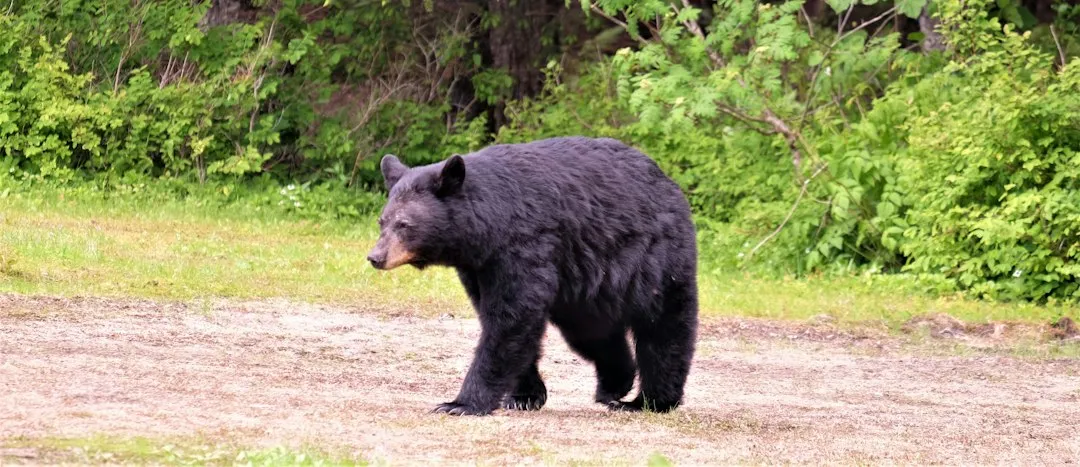
Black bears in Olympic National Park are the quiet powerhouses roaming in the background of so many hikes you take. You might never see one, but overturned logs, scat on the trail, or berry bushes with stripped branches are all little signatures they leave behind. Despite the name, their fur ranges from deep black to rich brown, and each one seems to carry an entire pantry list in its head: berries, insects, roots, carrion, and even the occasional fish.
What fascinates me most is how they connect different layers of the ecosystem. When they tear into rotten logs to reach insects, they help decompose dead wood. When they eat berries and wander, they spread seeds through their droppings, planting future shrubs with every step. Encountering one at a distance is both humbling and grounding – it is a sharp reminder that you are not the main character out here, just another animal passing through someone else’s kitchen.
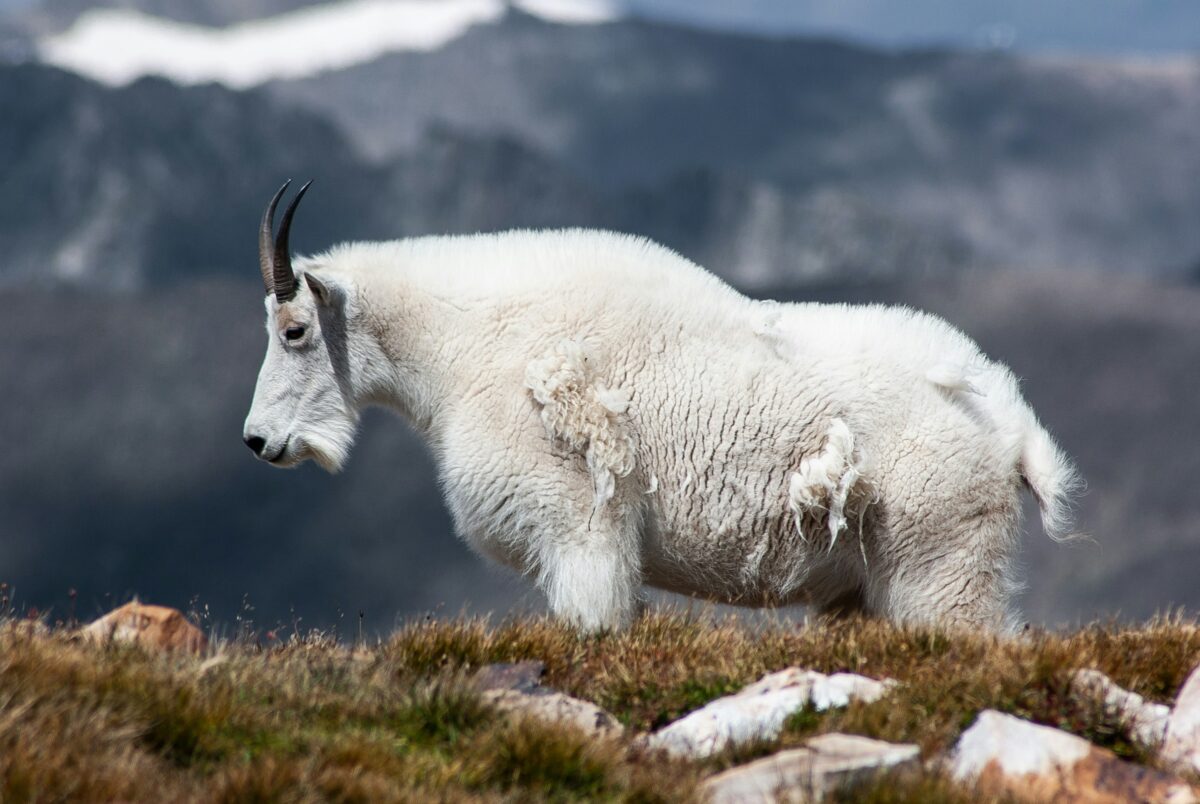
Mountain Goat (Former Resident): A Lesson in Wildness and Belonging
🔥 Would you like to save this?
We'll email this post to you, so you can come back to it later!
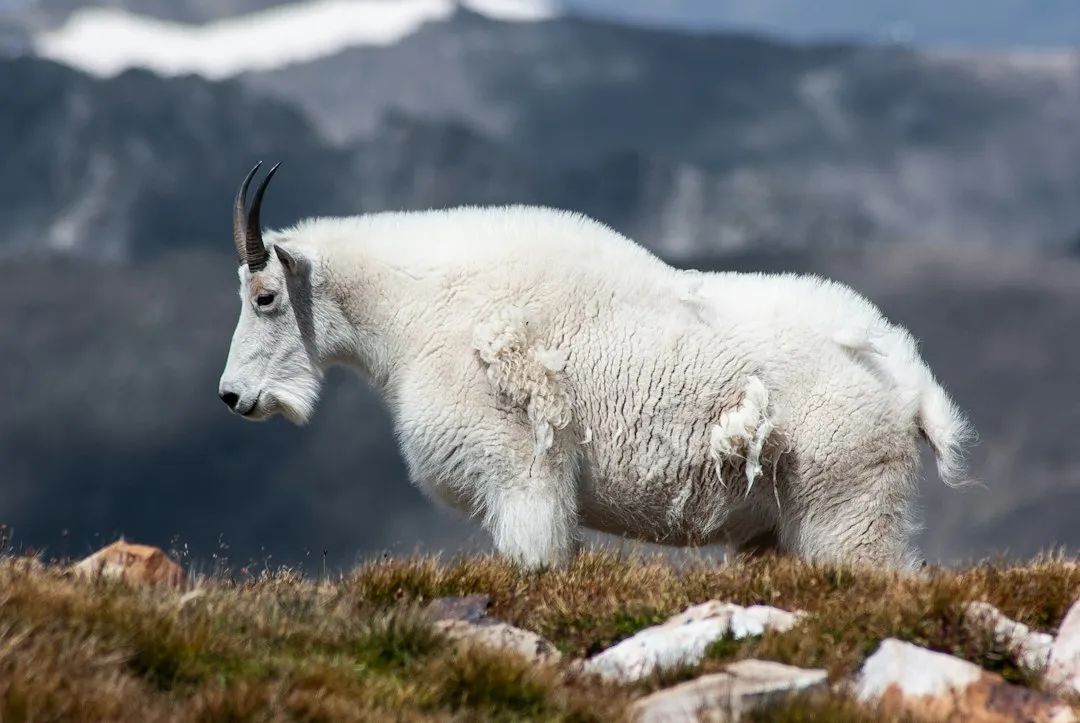
For many years, visitors sometimes spotted mountain goats clinging to cliffs in the higher parts of the park, looking like they belonged there. But they did not – they were introduced decades ago and, over time, began to damage fragile alpine vegetation and even pose risks to hikers. Eventually, wildlife managers made the difficult decision to remove them from the park and relocate many to more suitable, native habitats elsewhere.
I think about that history a lot when I hike the Olympic high country. It is a reminder that wildness is not just about what feels dramatic or photogenic; it is about what truly belongs where. Alpine meadows here now get a chance to heal, and the absence of mountain goats has quietly shifted the story back toward species that evolved in these peaks. It is not as flashy as a reintroduction of wolves or some dramatic movie moment, but it might be even more important for the long, slow health of the place.
Conclusion: A Park Written in Species, Not Just Scenery
🔥 Would you like to save this?
We'll email this post to you, so you can come back to it later!
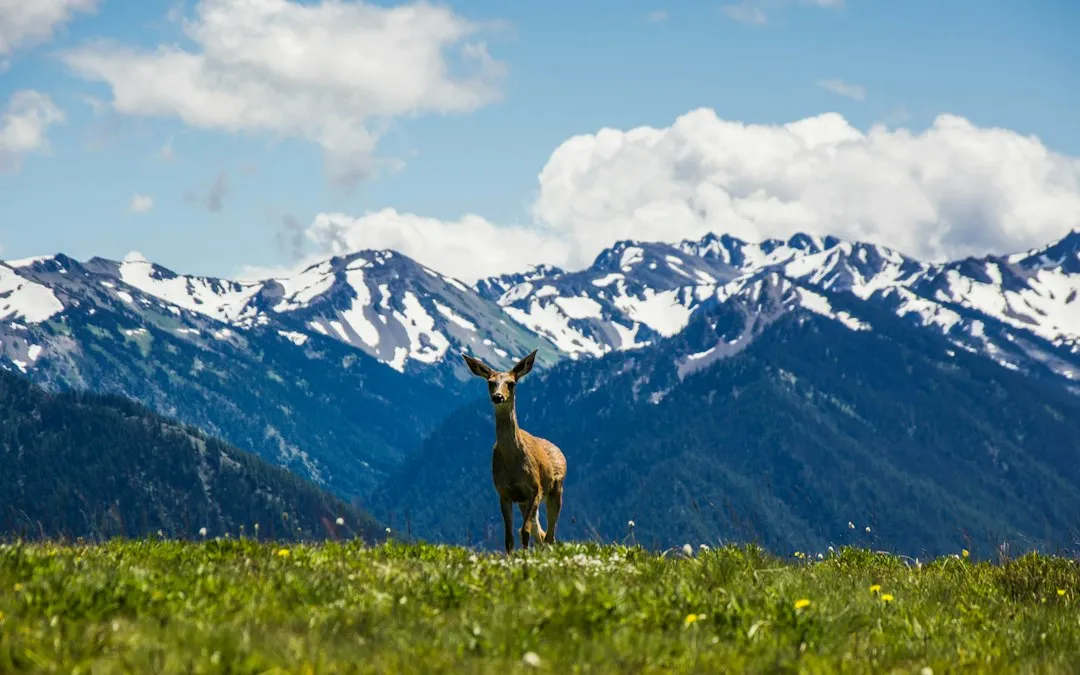
From banana slugs grazing under ferns to elk materializing out of mist, Olympic National Park is less a static postcard and more a constantly shifting cast of characters. Each of these seven species – some common, some rare, one formerly present – helps tell the truth that this landscape is alive and negotiating with itself every day. When you start recognizing them, the park stops being just a backdrop for your hike and becomes a community you are briefly visiting.
My honest opinion? We tend to fall in love with places for their views when we should really be falling in love with their relationships. Olympic’s real magic sits in those relationships between rainforest and alpine, river and sea, banana slug and towering spruce. The more we notice, the harder it becomes to treat the park as a playground and the easier it becomes to see it as a neighbor that needs looking after. Next time you are there, will you just take a picture of the mountains, or will you look for who is actually living in their shadow?

- 7 Everyday Habits That Can Make Your Senior Dog Happier - November 5, 2026
- 10 Enigmatic Structures That Continue to Puzzle Scientists Today - November 5, 2026
- 10 Strange Ruins in the Americas That Challenge What We Know About Early History - November 5, 2026