

When we think of vision, we often take for granted the colors we perceive every day. However, the animal kingdom is replete with species that experience the world through a dramatically different spectrum of colors unseen to human eyes. Humans typically have trichromatic vision, detecting red, green, and blue, but many animals have unique adaptations that give them a distinct view of the world. In this article, we will explore seven fascinating species that can see colors beyond the human spectrum, delving into the science behind these extraordinary capabilities.
Mantis Shrimp The Visionary Pugilist of the Sea
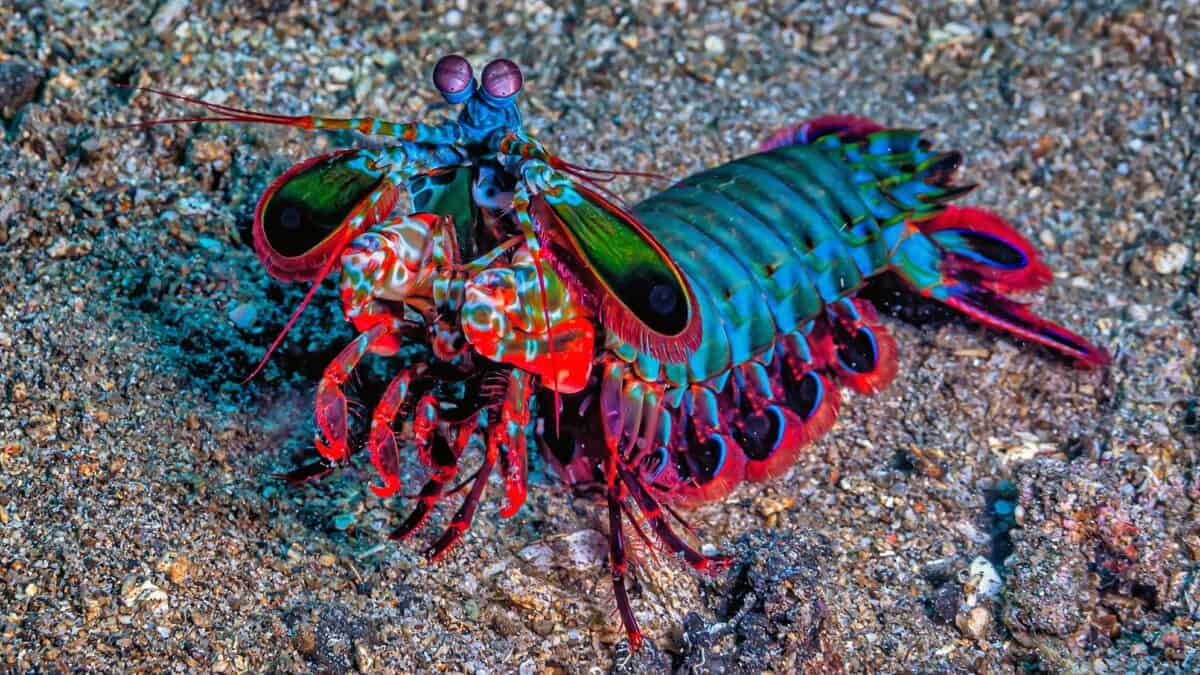
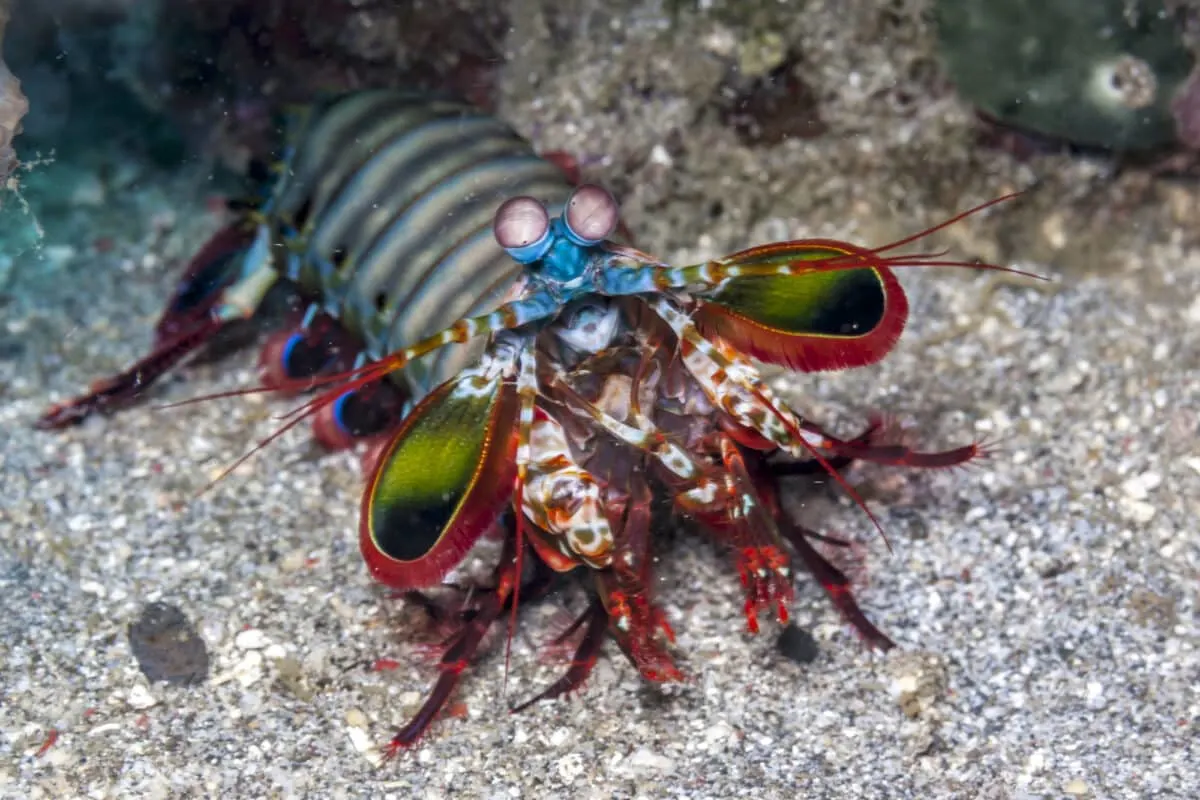
Mantis shrimp, a small marine crustacean known for its ferocious punch, also boasts one of the most complex visual systems known in the animal kingdom. Equipped with up to sixteen types of photoreceptors, mantis shrimp can detect polarized light and see ultraviolet (UV) wavelengths invisible to humans. This incredible range enables them to spot predators, prey, and mates with exceptional accuracy. Scientists believe their unique vision supports their communication strategies and navigation in the often turbid waters they inhabit.
Butterflies The Color Connoisseurs
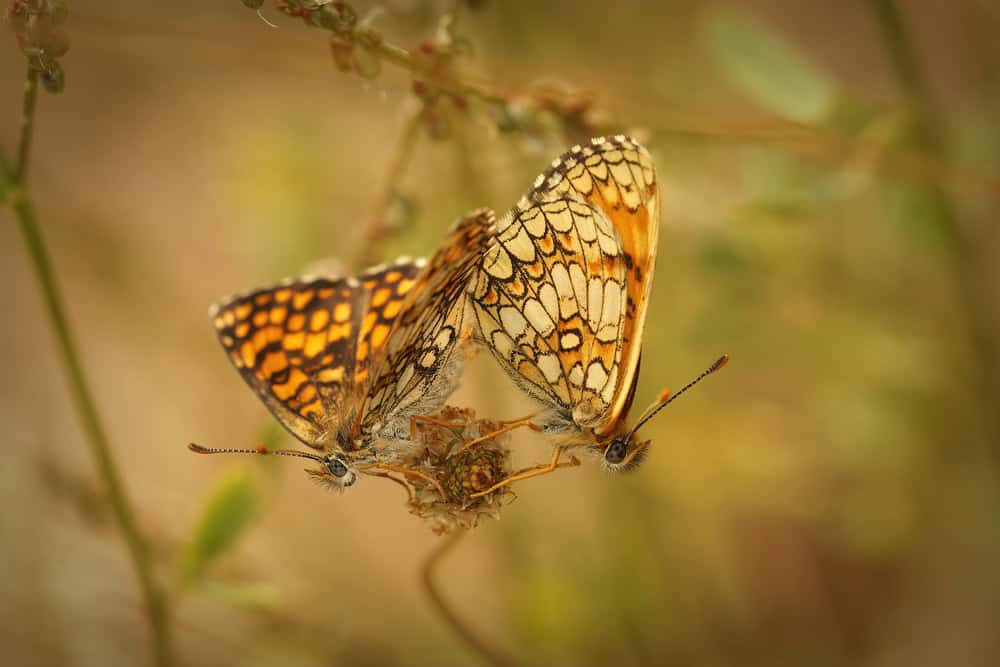
Butterflies are another group of animals that see more colors than humans. Many species have four or five types of photoreceptor cells compared to our three, allowing them to perceive UV light. This ability is particularly useful for identifying flowers, as many plants have UV patterns to attract pollinators. The intricate designs on a butterfly’s wings often include UV patterns visible only to fellow butterflies, aiding in mate selection and territorial disputes.
Birds Avian Technicolor Vision
Birds are renowned for their sharp vision, and many can see a broader spectrum of colors than humans. Most birds have a tetrachromatic vision, which adds a UV-sensitive cone to the trio of cones humans possess. This means birds can see differences in plumage, foliage, and other natural elements that are imponderable to the human eye. For example, many raptors use their UV vision to track trails left by prey animals, and peacocks showcase their vibrant plumage in UV hues to attract potential mates.
Reindeer Navigators of the Arctic Tundra
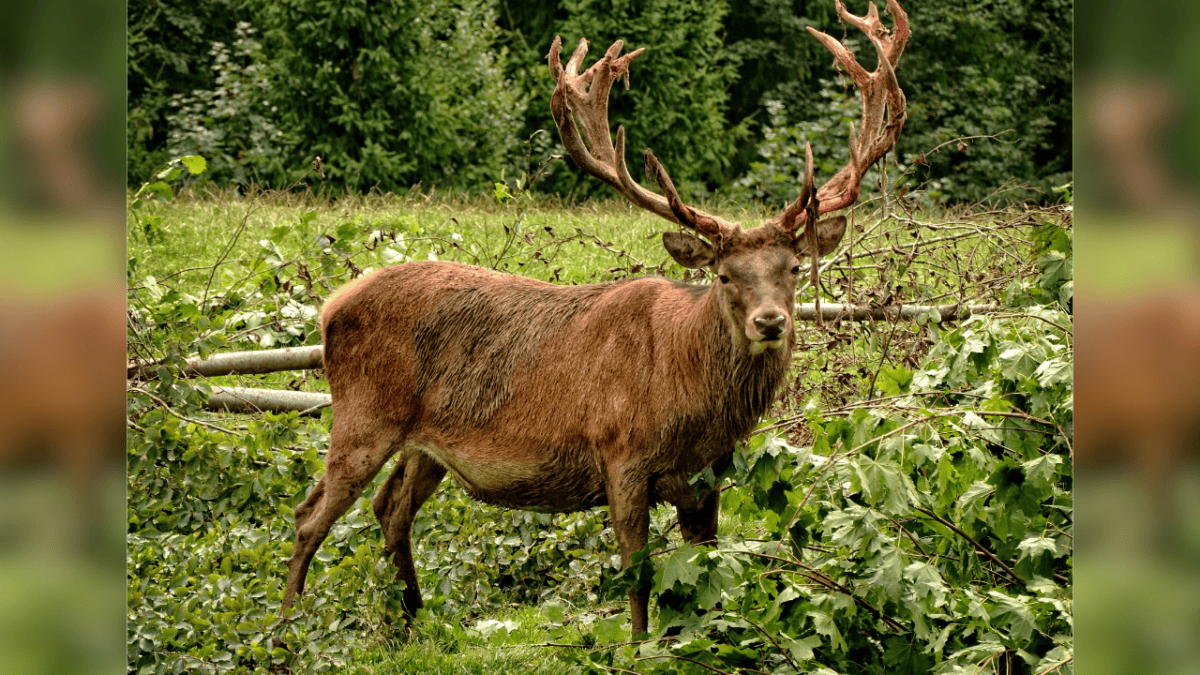
Reindeer, or caribou, are uniquely adapted to their stark Arctic environment and possess vision beyond the human spectrum. They can detect UV light, an adaptation that helps them survive by distinguishing predators camouflaged against the snow. Additionally, this allows them to discern lichen—a critical food source—amid their icy surroundings. Their UV vision is crucial for surviving the extreme and often visually uniform Arctic landscape.
Bees Buzzing Through a Spectrum of Colors
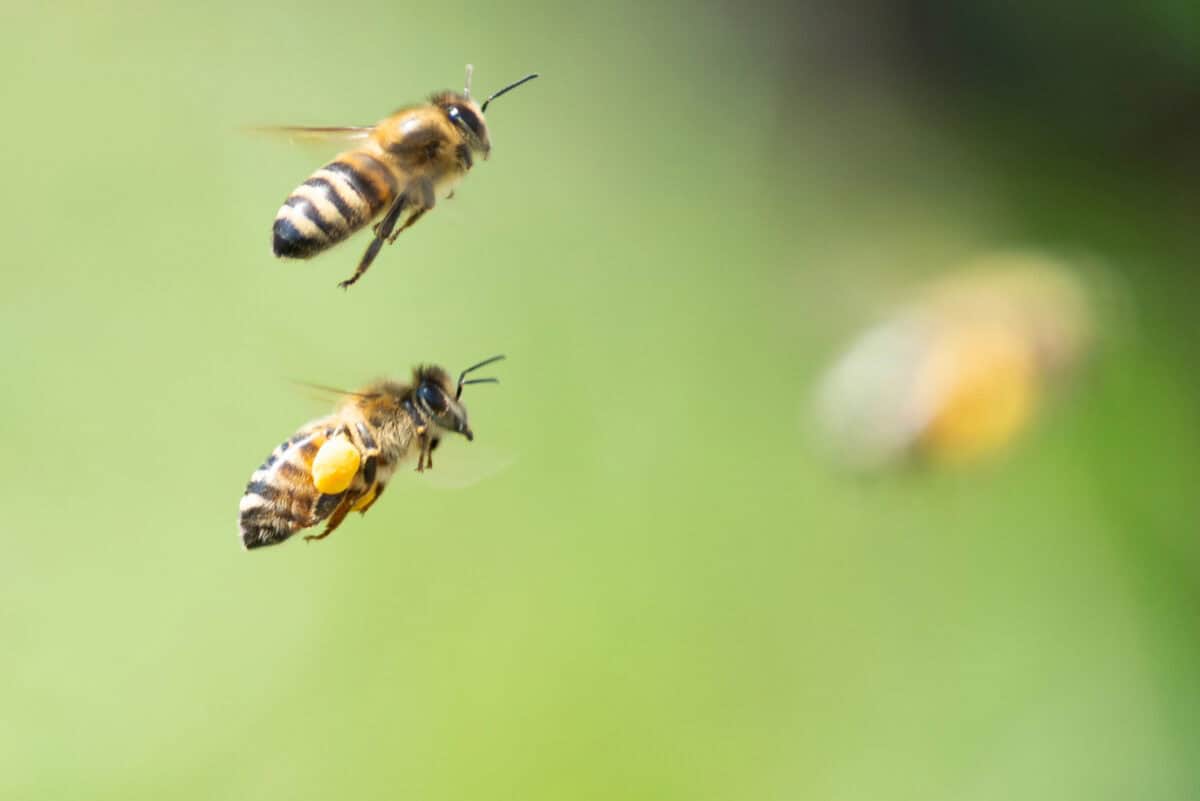
Bees are vital pollinators, and their ability to see UV light plays a significant role in their efficiency. Unlike humans, bees lack receptors for red, but they are adept at detecting UV, blue, and green. Many flowers have evolved to display UV nectar guides—patterns invisible to us—that direct bees to their pollen and nectar. This mutual adaptation between bees and flowers showcases an exquisite example of co-evolution, where both parties benefit from specialized sensory abilities.
Salmon Navigators of Fresh and Saltwater

Salmon live fascinating life cycles, transitioning between fresh and saltwater environments. To cope with these diverse habitats, young salmon develop the ability to see UV light, which helps them feed effectively in freshwater. As they mature and migrate to the ocean, they transition away from UV sensitivity in favor of broader color detection, better suited for oceanic life. This flexibility in vision helps them thrive throughout different stages of their life cycle.
Jumping Spiders Masters of the Colorful Hunt
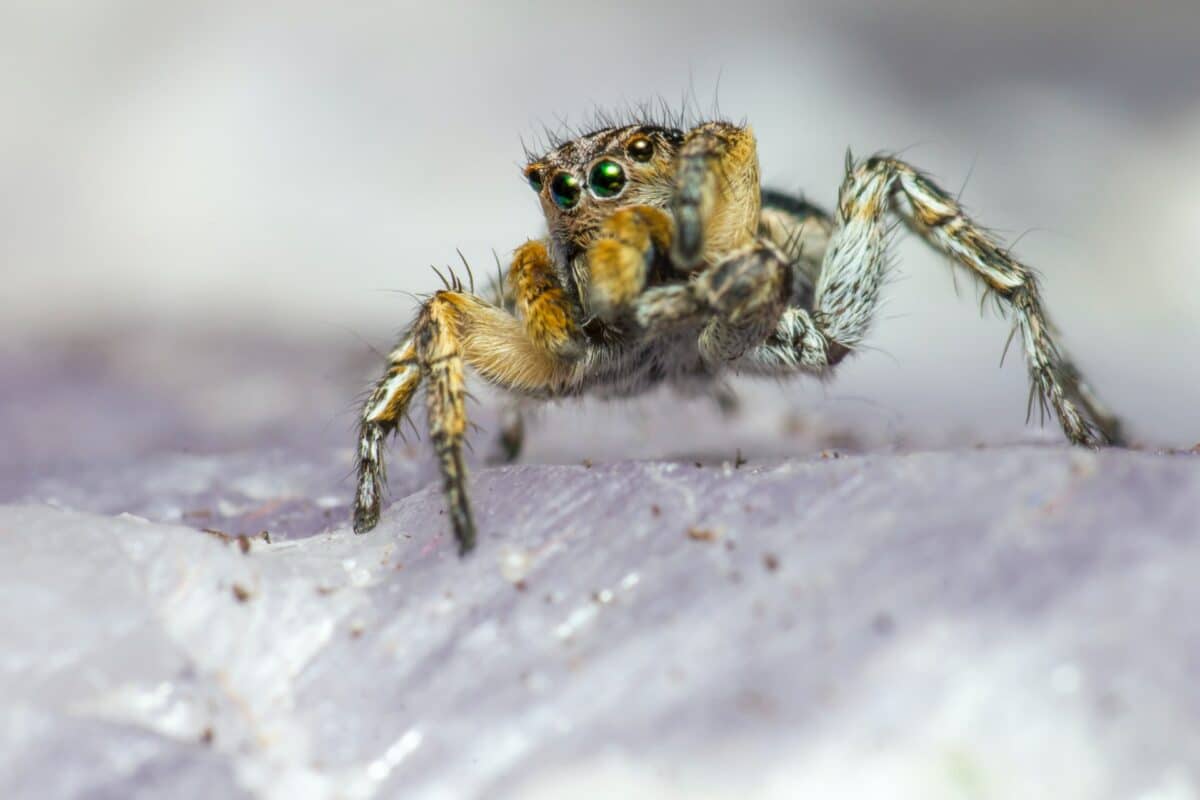
Jumping spiders, with their eight eyes, have a uniquely sophisticated visual system. Some species have been found to detect UV and green despite their tiny size. This enhanced perception aids in complex courtship displays, navigation, and hunting. Coupled with their incredible agility, the ability to perceive a broader spectrum of colors makes jumping spiders efficient predators capable of tracking and capturing prey with precision.
Conclusion: The Diverse World of Animal Vision
The ability of these and other species to see colors invisible to humans highlights the incredible diversity of evolutionary adaptations in the natural world. Each of these animals has evolved in response to specific environmental pressures, resulting in unique sensory capabilities. While human vision is limited to perceiving certain wavelengths, the spectrum seen by other creatures invites us to reconsider how we perceive the world around us. These discoveries not only expand our understanding of animal behavior but also inspire awe for the complexity of life on Earth.

As a little kid, I fell in love with nature, wildlife, and animals. Living in the USA, South Africa, Italy, China and Germany gave me the opportunity to discover the world's Wildlife. My favorite animals are Mountain Gorillas, Siberian Tigers, and Great White Sharks.
I'm a certified PADI Open Water Diver, went to Everest Base Camp and Trekked Gorillas in Uganda. I hold a Master of Science in Economics and Finance.
Please send any feedback to feedback@animalsaroundtheglobe.com
- 10 Most Unique Reptiles You will See in the US - July 21, 2026
- 3 Dangerous Invasive Species the USA Must Eradicate - July 21, 2026
- 10 Things That Calm Cats And 4 That Make Them Nervous - July 21, 2026