
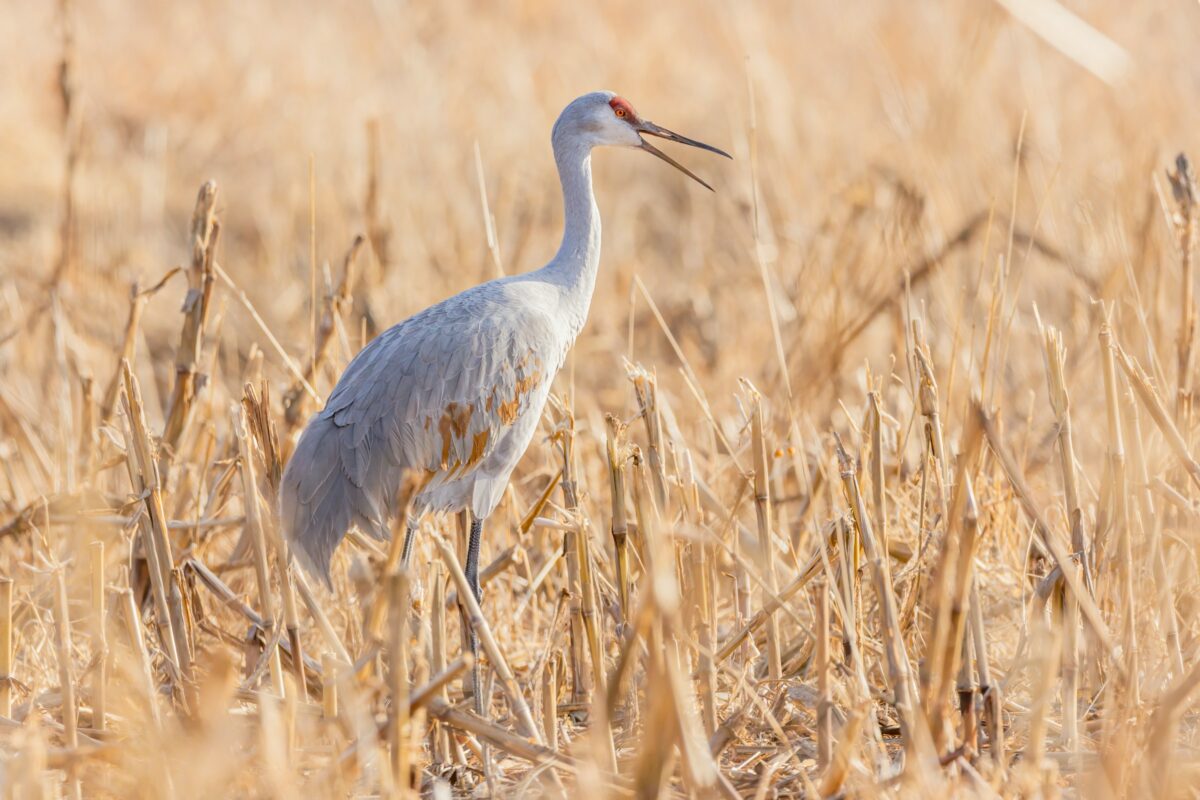
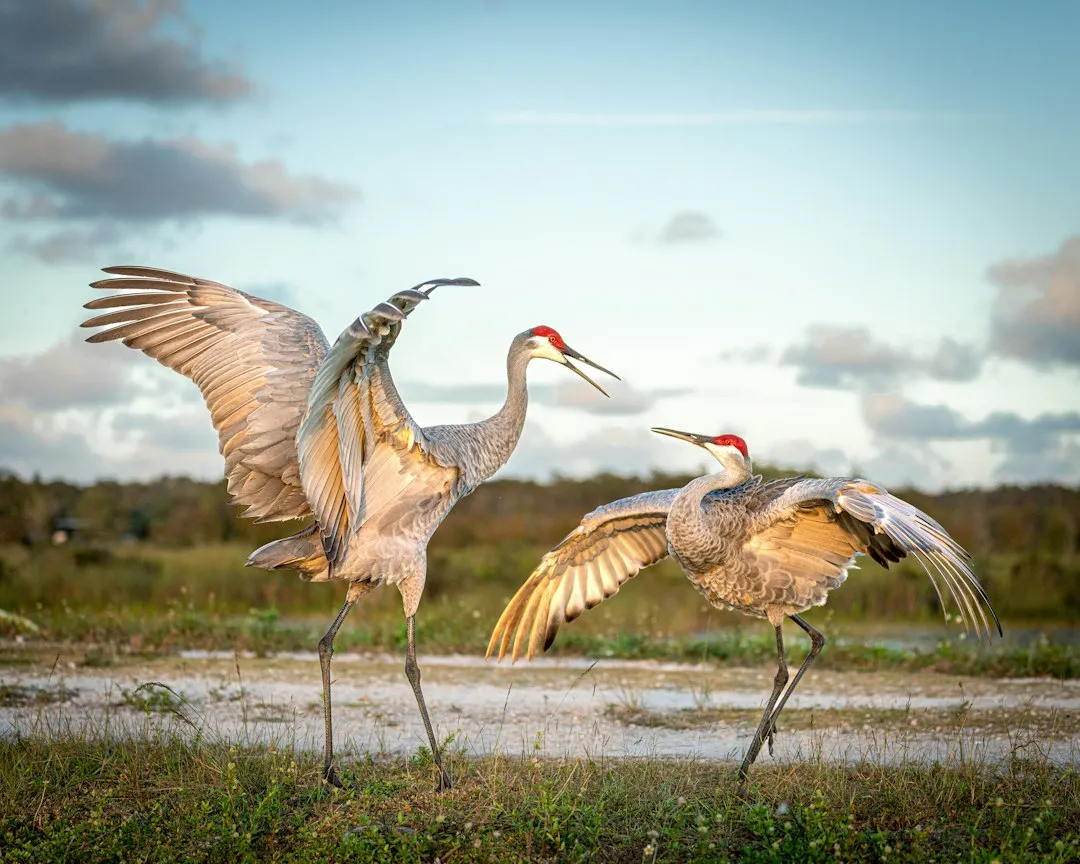
Few birds get a warmer welcome than the sandhill crane. They’re tall, gray, and oddly graceful, and their rattling calls carry for miles on a spring morning. People pull over to watch them.
That affection gets tested once the birds move in for good. Crane numbers have climbed in many parts of the country, and the same traits that make them wonderful to watch can make them hard to live beside. Here’s a look at seven states where that tension is showing up, from cornfields to suburban lawns.
Wisconsin: Corn Seed and a Hunting Debate
🔥 Would you like to save this?
We'll email this post to you, so you can come back to it later!
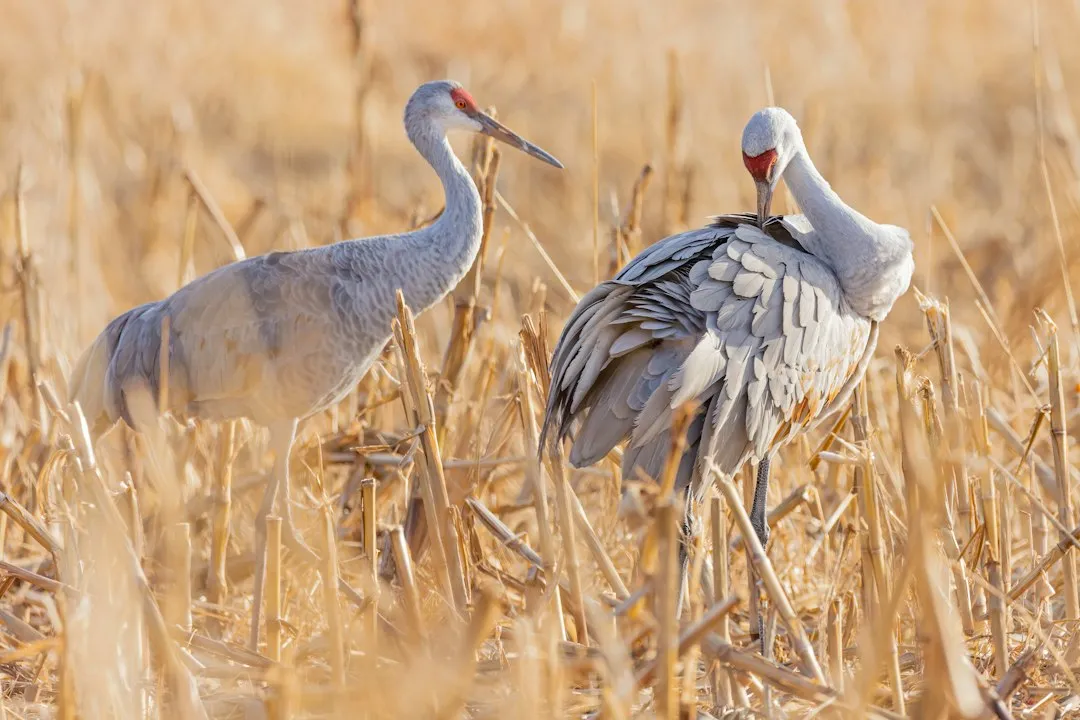
Wisconsin may be the clearest example of how fast things can change. Just a few decades ago, sandhill cranes were a rare sight there, but the population has since grown exponentially and is causing economic distress for crop farmers. Farmers describe cranes arriving in numbers as the snow melts, then pulling freshly planted corn seed out of the ground.
The money involved is real. A 2021 estimate from the Wisconsin Department of Natural Resources put crane crop damage at about 1.6 million dollars a year. Growers reported nearly 2 million dollars in crane damage to corn and other crops in 2023. Hunters and some farmers have pushed for a hunting season, while ecologists argue that killing the birds wouldn’t eliminate the damage.
Michigan: A Neighbor to Wisconsin’s Troubles
🔥 Would you like to save this?
We'll email this post to you, so you can come back to it later!
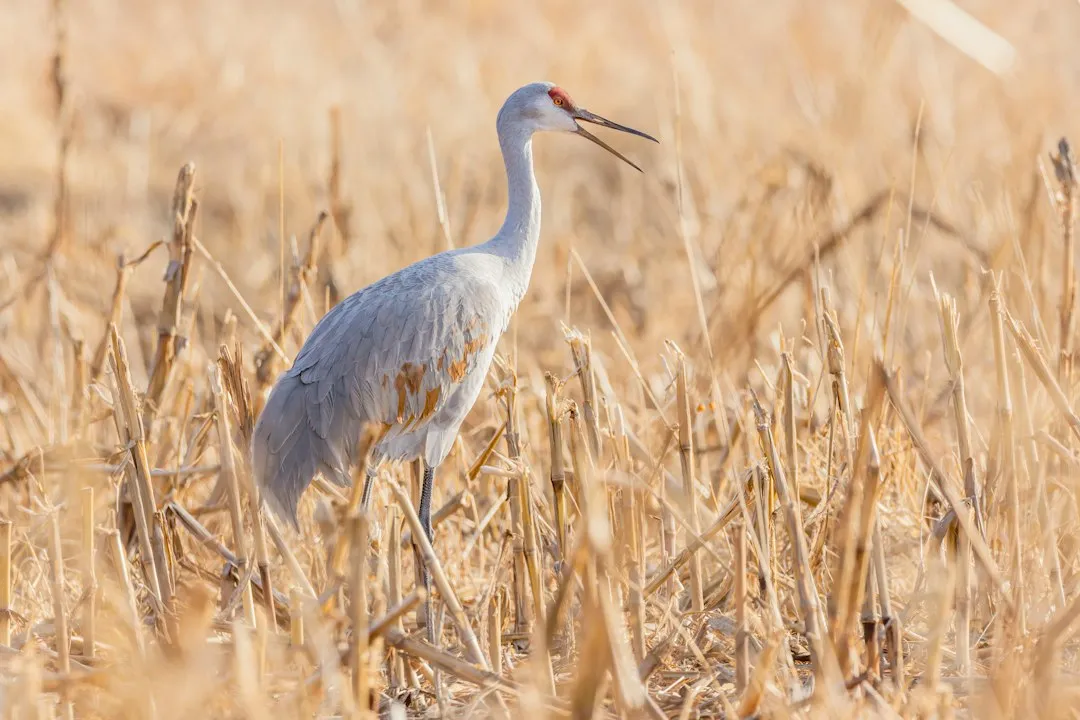
Michigan shares much of Wisconsin’s story, with its own growing crane population and its own frustrated corn growers. A farm news report from early 2023 noted that the birds have become a serious problem for many corn growers in Wisconsin and Michigan, and somewhat in Minnesota. The timing matters, because germinating corn is especially easy for cranes to digest.
Part of the issue is that Michigan isn’t just a stopover. A wildlife group representative said that in flyover states the cranes stay to raise their young, which can push yield losses as high as roughly one tenth. That’s a loss a farmer notices, particularly in a tight year.
Minnesota: Less Severe, Still Watched
🔥 Would you like to save this?
We'll email this post to you, so you can come back to it later!
Minnesota tends to get mentioned a notch below its neighbors. The same report that flagged Wisconsin and Michigan described the problem there as present but smaller. That’s a useful reminder that crane trouble isn’t evenly spread, even inside one region.
Where it does show up, it follows a familiar pattern. Cranes concentrate near wetlands where they nest, and fields beside those wetlands take the brunt. Federal guidance notes that damage often happens at field edges near nesting wetlands. Farmers with fields in that zone are the ones most likely to see it first.
Idaho: Barley Fields Around Grays Lake
🔥 Would you like to save this?
We'll email this post to you, so you can come back to it later!
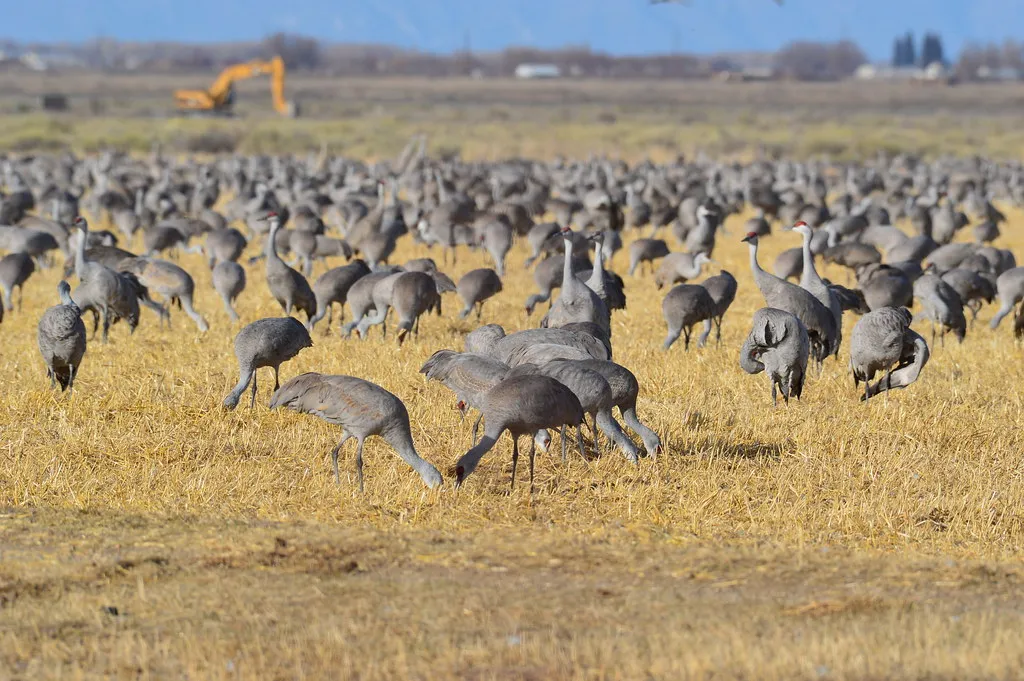
Out west, the story shifts from spring planting to late summer and fall. Researchers studying Idaho’s Grays Lake area found that fall staging cranes damaged barley fields near an important breeding refuge, and also fields 15 to 50 kilometers away. That’s a wide radius for one flock to affect.
The USGS paper ties the trouble to more than crane numbers alone. Conflicts there were aggravated by losses of wetlands and cropland, changing crop types and practices, and increasing urbanization. In other words, the birds are adapting to a landscape that people keep rearranging.
New Mexico: Chiles, Alfalfa, and the Middle Rio Grande
🔥 Would you like to save this?
We'll email this post to you, so you can come back to it later!
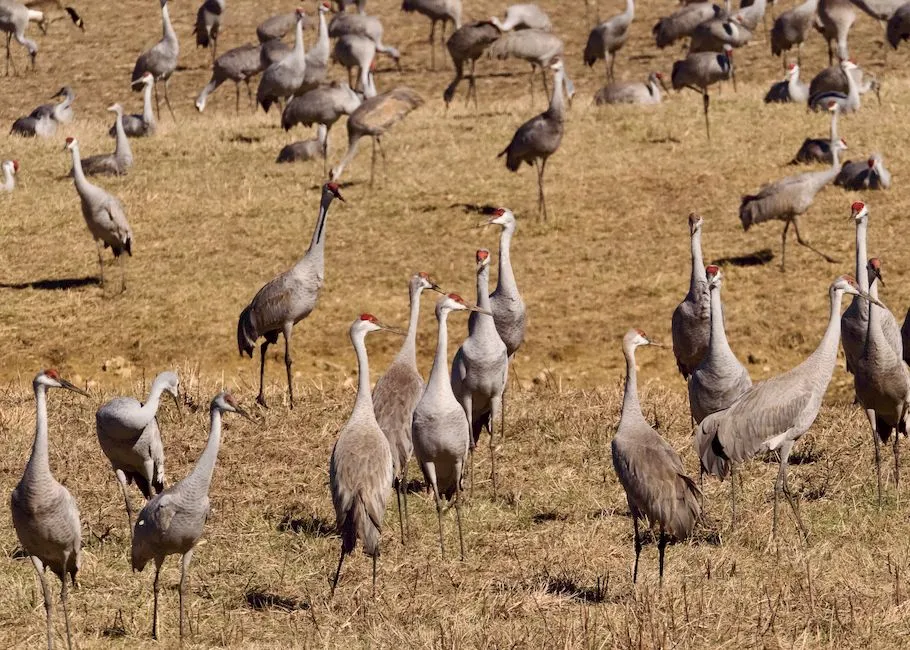
New Mexico’s version is a winter one. In the Middle Rio Grande Valley, migrating and wintering cranes damaged young alfalfa fields, chilies, and silage corn. Chile growers in particular have a lot riding on a single season.
Management here has leaned on cooperation. Federal and state agencies manage wetlands and croplands to boost food on public lands, run hazing programs for private landowners, and target crane hunting to problem areas. The researchers were candid that sustaining the success of these programs will be challenging.
Utah: Wintering Cranes and More Hunting Permits
🔥 Would you like to save this?
We'll email this post to you, so you can come back to it later!
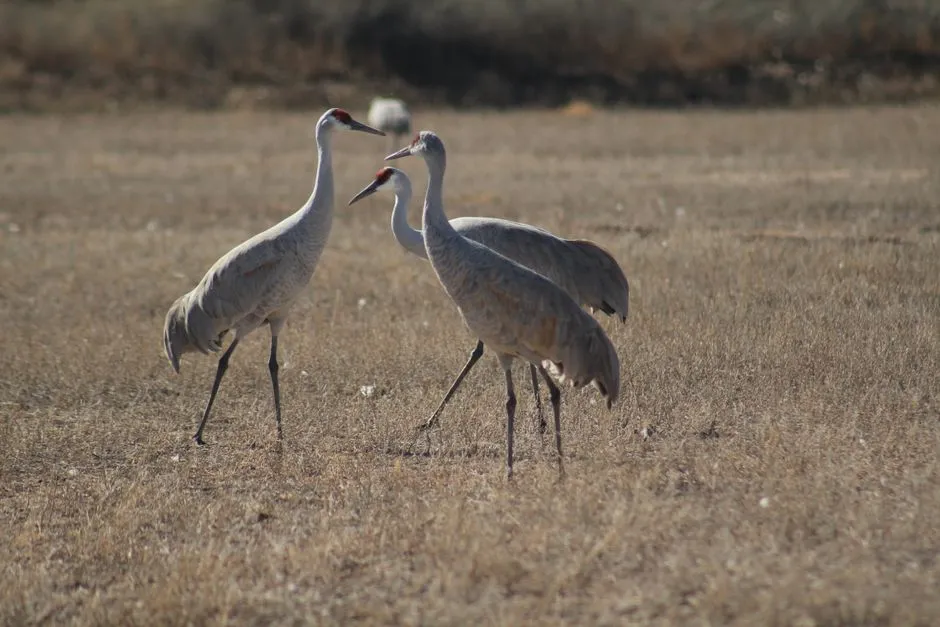
Utah’s Uintah Basin offers a glimpse of how climate could change the picture. A state wildlife outreach manager has said that changing weather patterns may mean many more birds become permanent residents, especially in winter. Bird watchers love the idea. Farmers are less sure.
Crop damage is a main reason the state wildlife agency has been working with federal officials and the Pacific Flyway Council. Their goal has been to offer more crane hunting permits in the area. Whether that eases things or just shifts them is something local growers will keep judging season by season.
Florida: Cranes on the Front Lawn
🔥 Would you like to save this?
We'll email this post to you, so you can come back to it later!
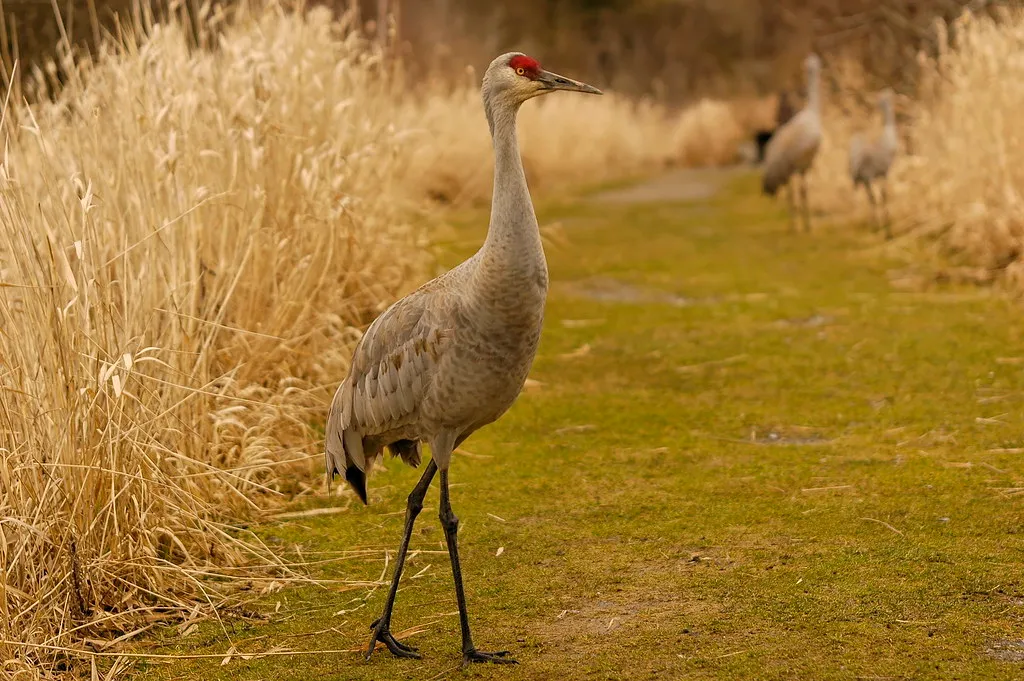
Florida’s story is more about neighborhoods than farms. Resident sandhill cranes wander through suburban yards, golf courses, and parking lots, and many people enjoy having them around. Wildlife agencies generally ask residents not to feed them, since fed birds lose their wariness and hang around.
The wider problems are familiar from elsewhere. Federal guidance says cranes occasionally damage lawns by digging for beetle or other insect larvae, and that reflective surfaces such as windows, sliding glass doors, and automobiles can also attract them. A crane pecking at its own reflection in a car door is funny once. By the tenth time, it’s a repair bill.
Final Thoughts
🔥 Would you like to save this?
We'll email this post to you, so you can come back to it later!
I don’t think there’s a villain here. Cranes are doing what they’ve always done, and they’re thriving in a landscape that offers them waste grain, short grass, and fewer predators than before. The farmers losing seed and the neighbors scrubbing droppings off their cars are reacting reasonably, too.
Still, I’d lean toward patient, practical fixes over quick ones. Hunting seems unlikely to be a cure by itself, given ecologists’ point that culling doesn’t remove the damage, and seed treatments only help if farmers can afford and manage them. The best results out west came from boring cooperation: habitat management, hazing, and targeted permits. Living with cranes will probably look more like that than any single dramatic solution.

- 7 Everyday Habits That Can Make Your Senior Dog Happier - November 5, 2026
- 10 Enigmatic Structures That Continue to Puzzle Scientists Today - November 5, 2026
- 10 Strange Ruins in the Americas That Challenge What We Know About Early History - November 5, 2026