
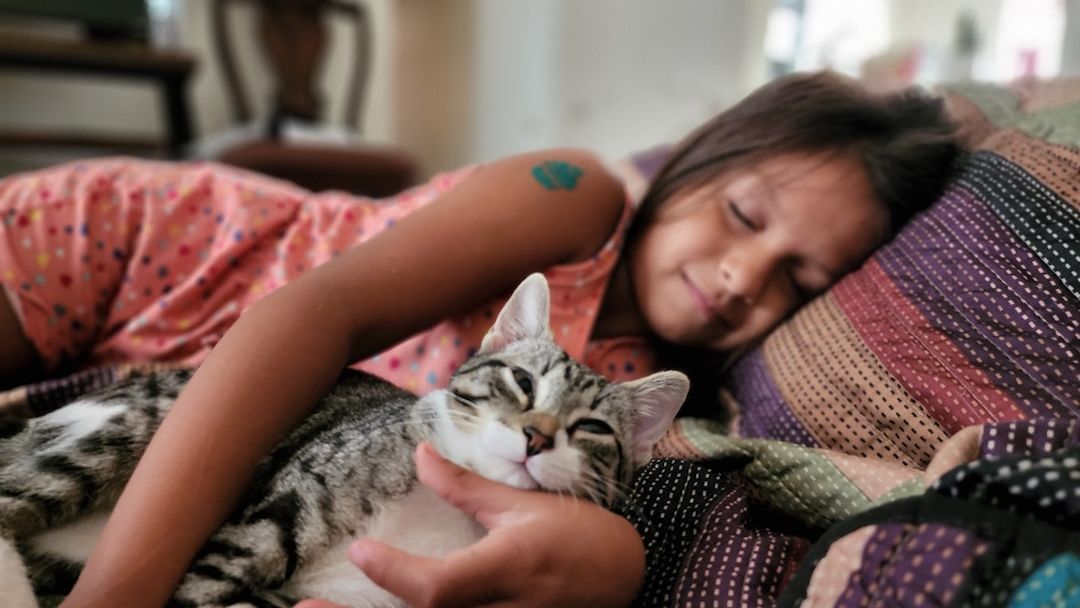
There are roughly 49 million homes in the United States that share their space with at least one cat. That’s a staggering number of households choosing a creature that will knock things off shelves, ignore you entirely when you call its name, and demand breakfast at the most inconvenient hours. So why do so many of us invite them in anyway? It turns out there’s a lot more going on beneath all that fur than we ever imagined.
Science has been quietly catching up to what cat lovers have known for years. The health and emotional rewards of living with a feline companion go far deeper than a warm lap and cute videos. Some of these benefits are so surprising they border on astonishing. Let’s dive in.
Your Heart Actually Works Better
Here’s a fact that genuinely stopped me in my tracks. Cats have been proven to reduce the risk of cardiovascular diseases by lowering heart rate and blood pressure, and a study published in the Journal of Vascular and Interventional Neurology demonstrated that having cats around significantly reduces the chances of dying from heart attacks or strokes.
Think about that for a second. Your quiet, unimpressed housemate might genuinely be adding years to your life just by existing on your couch. Studies have shown that being close to cats relieves stress, which reduces the risk of cardiovascular disease, and the time spent with them can reduce the possibility of various heart diseases and stroke by approximately 30 percent.
The American Heart Association champions pet ownership as a potential stress reliever and heart-healthy choice for pet parents of all ages, citing decades of international research studies. Honestly, that’s a pretty strong endorsement. A pet that doubles as a prescription. Not bad for an animal that also steals your seat the moment you stand up.
Stress and Anxiety Melt Away
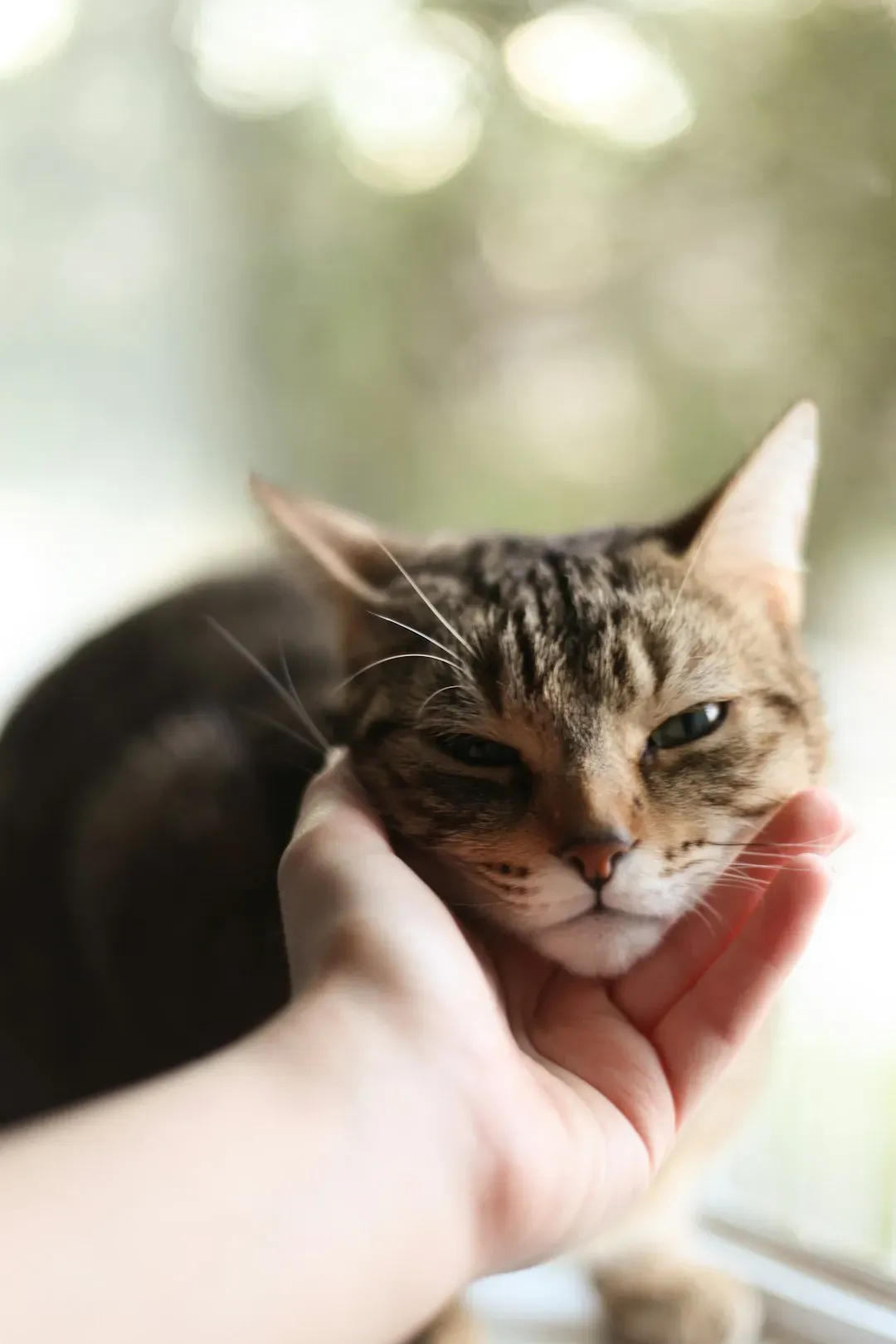
Petting a cat can significantly lower stress levels and increase feelings of well-being by reducing cortisol and increasing oxytocin. Those are the exact biological levers that separate a calm day from a chaotic one. It’s like having a built-in reset button covered in fur.
In a study, college students who spent as little as 10 minutes per day petting a cat experienced decreased levels of cortisol, the hormone associated with stress. Ten minutes. That’s less time than most of us spend staring at our phones. The results are real, and they’re measurable.
Cats lower our anxiety by making us feel loved, giving us a sense of calm and closeness, and allowing us to self-soothe through petting, sharing moments together, and listening to them purr. There’s something quietly remarkable about that. No agenda. No judgment. Just a small warm creature that somehow knows exactly when to sit on your chest.
The Purr Is Actually a Healing Tool
This one is the wildest on the list, and I think it deserves serious attention. Research suggests that the frequency of a cat’s purring, typically between 25 and 150 hertz, could have therapeutic effects on the body and mind. That’s not a folk tale. That’s biology.
Every felid in the study generated strong frequencies between 25 and 150 Hz, and purr frequencies correspond to vibrational and electrical frequencies used in treatment for bone growth, fractures, pain, edema, muscle growth and strain, joint flexibility, dyspnea, and wounds. The same frequencies. Used in clinical medicine. Coming naturally from your cat’s throat.
The low-frequency vibrations of a cat’s purring are often used in sound therapy, a form of vibrational healing that applies specific frequencies to the body, and these vibrations can help reduce inflammation, improve circulation and stimulate the healing of damaged tissues, and have been shown to promote the regeneration of bone cells and increase bone density. Your cat is, in a very real sense, a small, opinionated, occasionally ungrateful therapy device.
Your Mood Gets a Genuine Boost
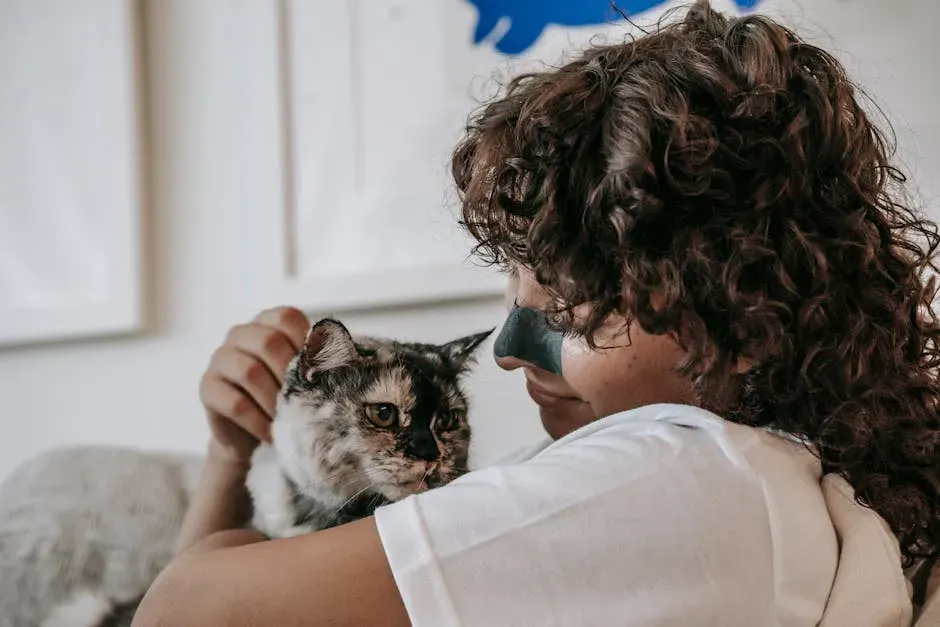
Interacting with cats has positive effects on their owners’ brains, improving mood and activating the prefrontal cortex and inferior frontal gyrus in the brain, contributing to physiological and psychological health. It’s not just a feeling. The brain actually changes in response to time with a cat.
Here’s something even more interesting. Watching cat videos or viewing cat pictures online can boost mood, increase positive emotions, decrease negative emotions, and enhance energy levels. You don’t even need a cat physically present. The mere experience of cat content does something genuinely positive to your state of mind. No wonder the internet is basically a global cat repository.
Interacting with cats triggers the release of hormones in humans such as serotonin, dopamine and oxytocin, which are often associated with good, positive feelings, and oxytocin in particular has been recognized for its role in bonding and stress relief, as well as its physiological effects such as decreased heart rate and slowed breathing. That is a genuinely impressive cocktail of feel-good chemistry, triggered by something that is probably currently napping on your keyboard.
Children Build Stronger Immune Systems
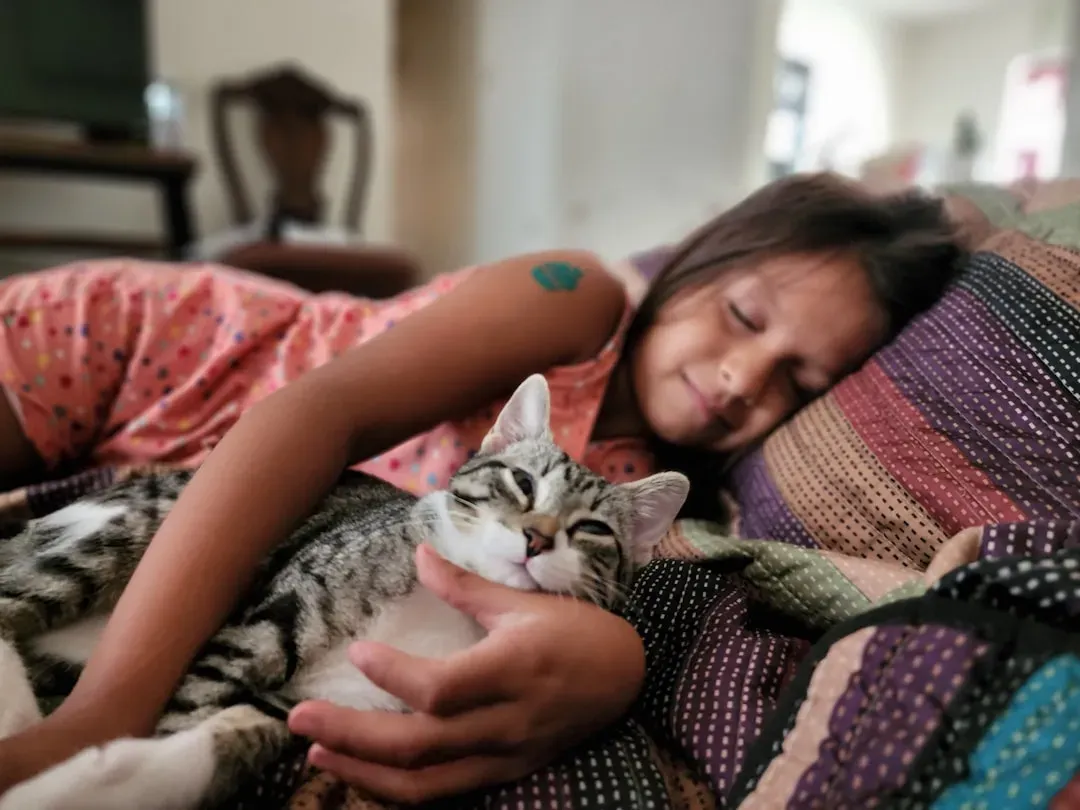
Most parents hear “cat” and think “allergies.” That’s the conventional wisdom. Except the conventional wisdom turns out to be largely wrong. While cat ownership might not be possible for individuals with severe allergies, cats can actually offer immune system benefits when introduced early in life, and studies have shown that children who share a home with a cat during their first year are less likely to develop allergies, eczema and asthma.
Kids who grow up with cats are less likely to develop allergies, and exposure to a pet early on can help build a child’s immune system and make them less sensitive to common allergens in the future. Think of it like a gentle, ongoing exercise routine for a child’s immune defenses. The body learns, adapts, and becomes more resilient because of early exposure.
If a child is surrounded by cats in the first few years of their life, they are more likely to develop an immune system that fights not only allergies caused by cats, but also other types of allergens. It’s a broader protective effect than most people realize. The cat isn’t just harmless to kids. In many cases, it’s actively helpful to them.
Loneliness Fades With a Cat Around

Loneliness is increasingly recognized as a genuine public health crisis. Research shows that loneliness can increase your risk of several different mental and physical health conditions, including depression, heart disease, arthritis, and type 2 diabetes. That’s not a mild inconvenience. That’s a serious threat to long-term wellbeing. Cats can genuinely help.
A University of Georgia study, the first of its kind, demonstrated that cat companions can decrease feelings of loneliness in older adults. Cats are a good option for older adults because they are more self-sufficient than dogs but still social enough to engage their owners in play and talk, and unlike dogs, they don’t require walks or intense physical exercise, which makes them good companions for owners with arthritis, heart disease and other health conditions.
In an American national study, 80 percent of pet owners said their pet makes them feel less lonely, and 85 percent of respondents agree that interaction with pets can help reduce loneliness. Those are striking numbers. A cat doesn’t solve every problem, but it closes a gap that can otherwise feel very wide. Knowing your furry little one is waiting for you at home can give purpose to one’s life and combat loneliness.
Mental Health Improves in Measurable Ways

Let’s be real. The conversation around mental health has evolved enormously, and the role of animals in that space is being taken seriously in ways it never was before. Over the vast majority of cat owners surveyed in the American Psychiatric Association’s Healthy Minds Monthly Poll in 2023 said their cat has a mostly positive impact on their mental health. That’s a very large sample of people speaking from lived experience.
In a study where researchers interviewed cat parents, they found that most activities people did with their cats increased feelings of enjoyment and provided feelings of purpose, and caring for a cat helped people lower levels of stress, better manage their emotions, and even increased their ability to handle difficult life circumstances. It’s the combination of routine, responsibility, and unconditional connection that makes the difference.
Cats can improve depression and provide social support, which can impact immune response and motivation to make positive health changes. That’s a chain reaction worth paying attention to. Better mood leads to better choices. Better choices lead to better health. Although cats are not a substitute for medicine or therapy, their positive effects on mental health are undeniable.
Conclusion
It turns out your cat is doing a lot more work around the house than you ever gave it credit for. From protecting your heart and bones to lifting your mood and quietly dismantling your loneliness, the science is genuinely compelling. These animals are not passive decoration. They are living, breathing, deeply strange little creatures that happen to benefit us in ways that researchers are still only beginning to fully map.
Honestly, the most surprising part isn’t any single benefit. It’s the sheer breadth of them. Immune systems, cardiovascular health, mental wellbeing, bone healing, stress hormones, loneliness, depression. A single creature covers all of it. The next time your cat ignores you, knocks something off a shelf, and then stares at you like you’re the problem, maybe just appreciate the irony. It’s probably still helping you more than it will ever let on.
So, if you’ve been on the fence about welcoming a cat into your home, what’s the one benefit on this list that surprised you most? Tell us in the comments below.

- 10 Facts About Roadrunners That Go Far Beyond Their Speed - August 3, 2026
- 10 Rescue Dog Breeds Too Difficult To Housebreak - August 3, 2026
- 7 US States With the Most Wild Turkeys - August 3, 2026