
Spend a few quiet minutes watching robins in your yard, and you start to feel like they know something you don’t. Long before phone apps and radar maps, people looked to these birds as living barometers, reading meaning into every hop, tilt of the head, and burst of song. Some of those old beliefs sound charming. Some sound wild. And a surprising number are rooted in real behavior that does shift with changing weather.
Robins are tough, adaptable songbirds that respond quickly to temperature, moisture, and food availability. That means their daily habits often change a little before we feel the weather turn. Folklore sometimes exaggerates the “prediction,” but it usually starts from someone noticing a pattern again and again over many seasons.
Below are seven things robins do around your yard that old sayings connect with oncoming storms, cold snaps, or fair skies. We’ll walk the line between story and science, looking at where there’s a real weather link, where there probably isn’t, and how you can enjoy watching these feathered “forecasters” without expecting them to replace your weather app.
When Robins Suddenly Drop Silent in the Middle of the Day
🔥 Would you like to save this?
We'll email this post to you, so you can come back to it later!
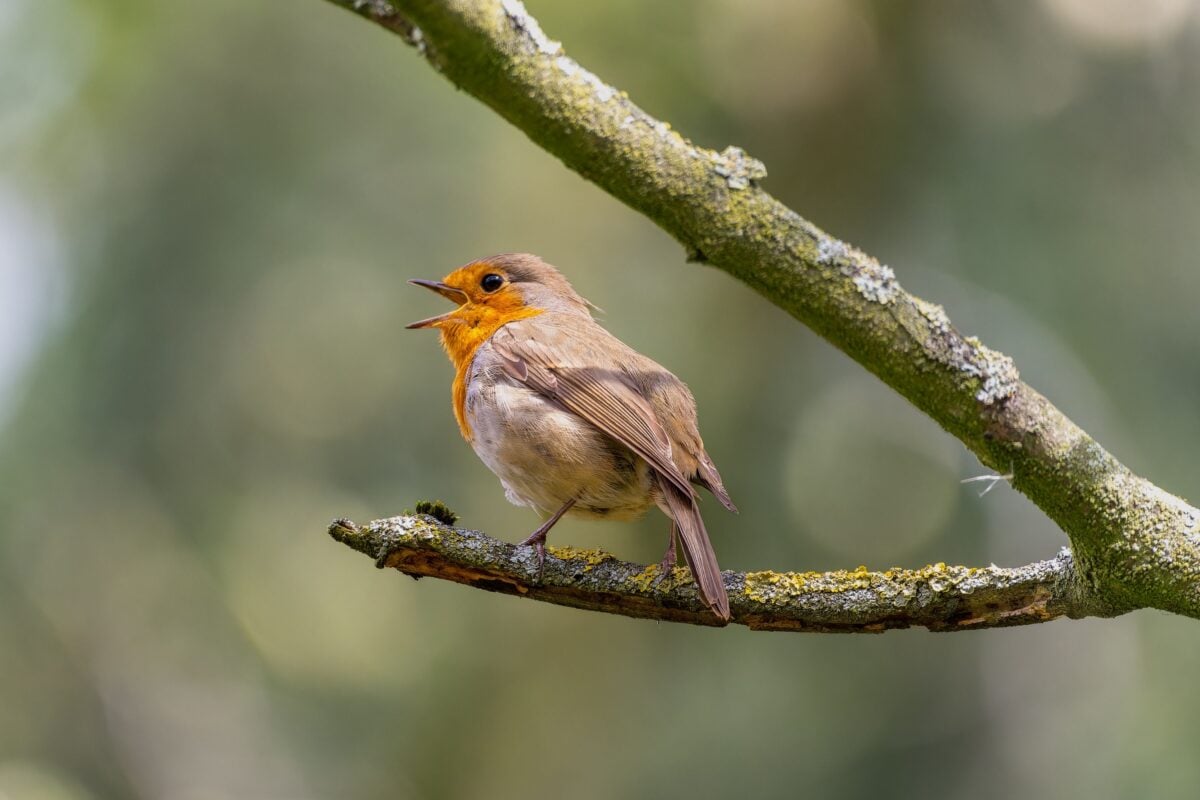
Have you ever noticed your yard full of robin song one minute and strangely quiet the next, almost like someone turned the sound off? Old folklore often treats a sudden hush of birds as a bad sign: storms brewing, strong winds coming, or even an omen of “trouble in the air.” With robins, that mid‑day silence can feel especially eerie because their voices are so bright and familiar.
There is a practical side here. Robins, like many birds, tend to reduce singing when the air pressure drops or the sky darkens ahead of a storm. Lower pressure and gusty wind make sound carry differently, and calling loudly when visibility is poor can also attract predators at a time when escape is harder. So they slip into a quieter mode: feeding low, staying tucked in shrubs, saving their energy.
You may notice this most right before fast‑moving summer storms or cold fronts. One hour, you hear their sharp tut-tut alarm and fluid songs from every direction; half an hour later, the yard sounds strangely empty. That change in background noise can be a more immediate signal of incoming weather than clouds you’re not yet looking at.
- Folklore links sudden silence to incoming storms or “trouble in the air.”
- Robins do often quiet down when the sky darkens and winds pick up.
- Less singing can mean they’ve shifted to sheltering and feeding mode.
Is it a perfect forecast tool? Not even close. Robins can go quiet for reasons that have nothing to do with weather: a nearby hawk, a neighborhood cat, or just the midday lull when birds naturally rest. Still, if that hush lines up with a darkening western sky, your grandparents were not imagining things when they called it “storm silence.”
Robins Feeding in the Open Just Before Rain
🔥 Would you like to save this?
We'll email this post to you, so you can come back to it later!
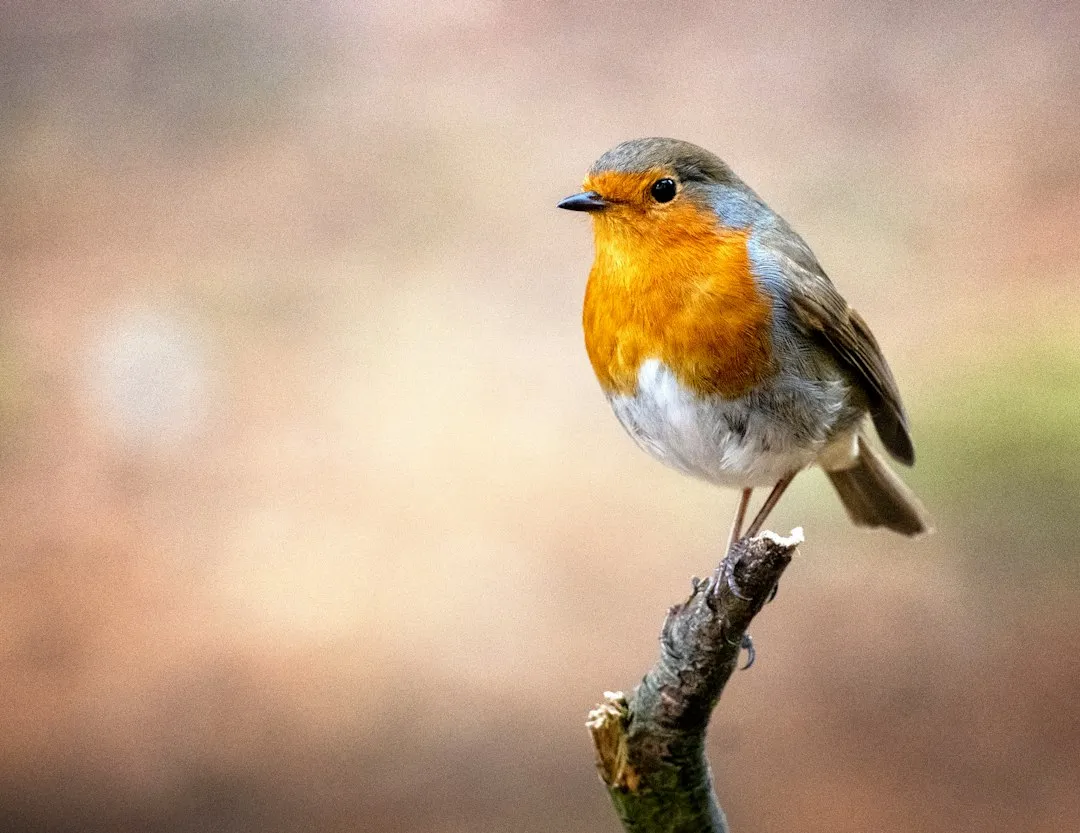
Another old belief says that when you see robins going wild on your lawn, yanking worms from the soil like a feathered cleanup crew, rain is near. You might even have heard people say that worms “come up before rain,” and robins sense it and get ready. As with a lot of weather lore, there’s a kernel of truth wrapped in some oversimplification.
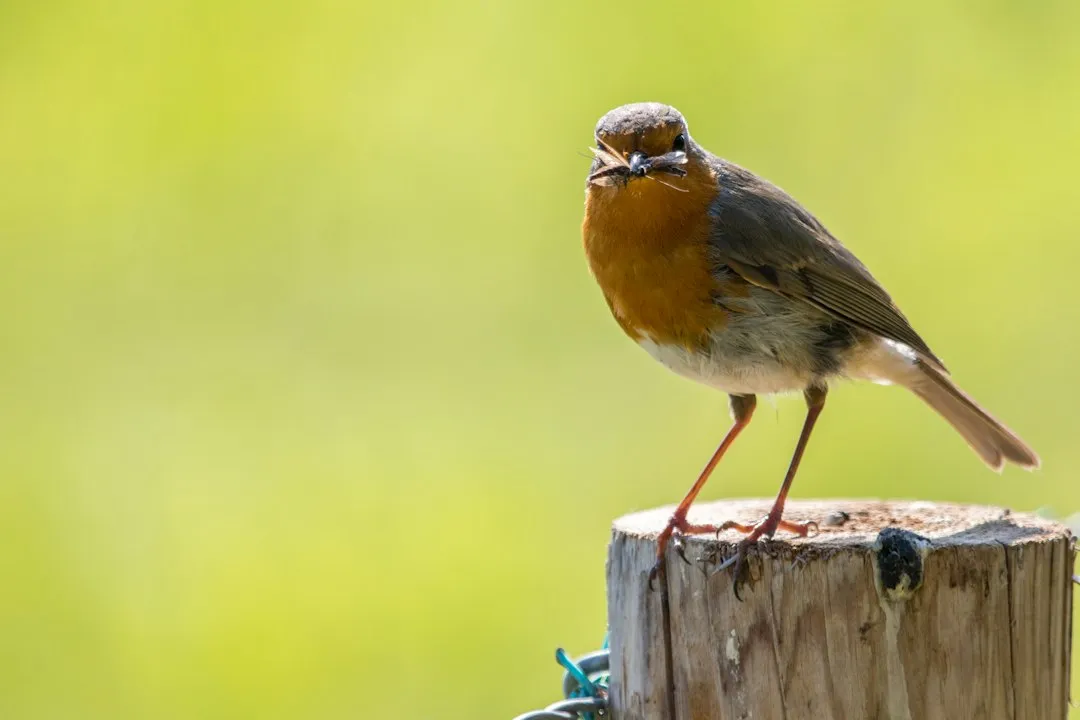
Robins are incredibly tuned in to soil moisture. When air pressure drops and humidity rises ahead of rain, the top layer of soil tends to soften a bit. Robins hunt largely by sight and sound, tilting their heads to locate movement and listening for slight sounds of worms and insects under the surface. Softer, damp ground means easier access to buried food, so you often see more robins spread across open lawns before and during wet spells than in hot, dry, baked conditions.
Sometimes, it really does look like a feeding frenzy: several birds spaced out evenly, each hopping, pausing, and tugging up prey every few seconds. That can be your hint that the environment is shifting into a more worm‑friendly state, often linked with approaching rain. In that sense, the old “robin equals rain” saying is not completely off base.
- Robins favor softer, damper soil where worms are easier to reach.
- Soil often softens as humidity increases and pressure drops ahead of rain.
- Heavier-than-usual feeding on lawns can line up with incoming showers.
On the flip side, robins also feed heavily on sunny spring mornings or cooler summer evenings when the ground is simply ideal, regardless of whether rain is anywhere in the forecast. They follow the food, not the weather map. So if they are busy across the grass and your weather app calls for days of clear skies, trust the app – but enjoy the show anyway.
Robins Roosting Low and Deep Before a Storm
🔥 Would you like to save this?
We'll email this post to you, so you can come back to it later!
One of the oldest pieces of bird lore says that when birds sit low in bushes and hedges, bad weather is on the way. With robins, people often report seeing them disappear from exposed spots and tuck into thick shrubbery or evergreens before heavy rain or strong wind. It creates this ghost‑town feeling in the yard, as if the birds have “gone somewhere” you cannot see.
There is good biology behind this one. Robins are small, and strong winds or heavy, driving rain can soak their feathers, sap their body heat, and make flying harder. To protect themselves, they often choose dense, sheltered spots close to trunks or in the interior of leafy bushes where raindrops and wind lose their force. They may gather quietly in small loose groups, especially toward evening if a rough night is coming.
From a human point of view, this looks like a disappearing act. You might glance around the yard and see no robins on the open grass, no birds on the fence, and very little movement. That sudden absence, especially if it shows up along with thickening clouds or an odd stillness in the air, naturally becomes a warning sign in folklore.
Does that mean that every robin you spot in a deep hedge is telling you a storm is coming? Not exactly. They also roost low to avoid predators, to rest mid‑day in summer heat, or simply to sleep at night regardless of the forecast. Still, when many robins collectively vanish from their usual foraging spots and you find them only in dense cover, odds are something in the air has changed – and foul weather may not be far behind.
Robins Singing at Odd Hours Before or After Weather Shifts
🔥 Would you like to save this?
We'll email this post to you, so you can come back to it later!
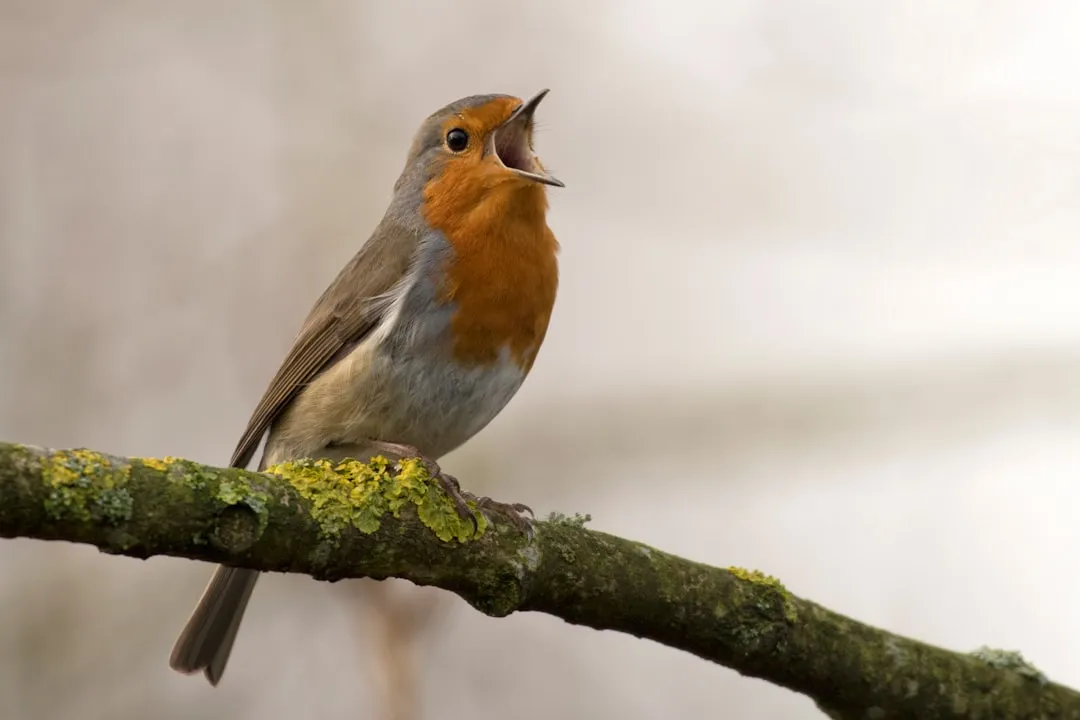
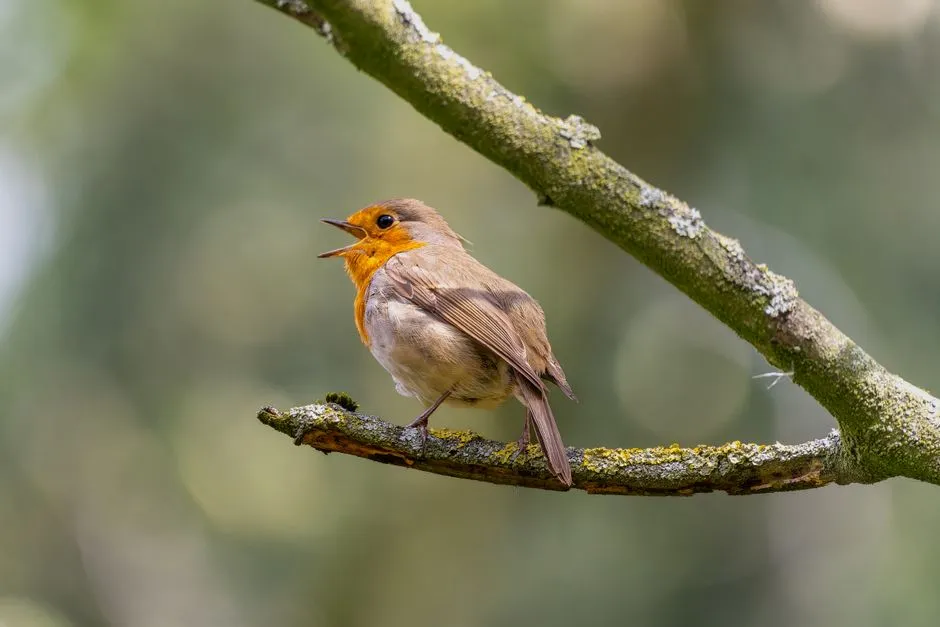
Robins are beloved for their dawn chorus. Traditional sayings sometimes treat an unusually early or unusually late burst of robin song as a sign that the seasons are turning or that a spell of weather is about to change. People have reported pre‑dawn singing before warm fronts, or quiet mornings after storms when robins suddenly break out in intense song as if celebrating.
In reality, robin singing cycles are tied most strongly to breeding, territory defense, and light levels. However, weather plays a supporting role. Warm, calm mornings after days of rain often trigger an almost explosive chorus because birds are eager to reestablish boundaries and resume courtship. Likewise, the first truly mild mornings of late winter or early spring often bring an earlier and more vigorous dawn song, which people historically read as a sign that winter was losing its grip.
- Robins sing most at dawn and dusk to defend territory and attract mates.
- Calm, mild mornings after stormy or cold spells often spark intense singing.
- Unseasonably early spring songs can hint that conditions are improving.
It is easy to see how this gets woven into weather lore: you wake up after a long gray stretch, hear a sudden explosion of robin song at first light, and feel that the weather has truly turned a corner. Of course, robins can and do sing on mornings that precede new cold fronts or wet days, so the “forecast power” is limited. But as a psychological marker – a sound that tells you the air feels different now, more alive – it is one of the most moving “signals” nature offers.
Robins Gathering in Large Winter Flocks Before a Cold Snap
🔥 Would you like to save this?
We'll email this post to you, so you can come back to it later!
For a lot of people, robins are the face of spring. Folklore often says that “when the robins return, winter is almost done,” and by extension, seeing big groups of robins moving through can be treated as a sign that a warmer pattern is coming. The twist is that in many parts of North America, robins never actually leave for the whole winter – they just become less obvious.
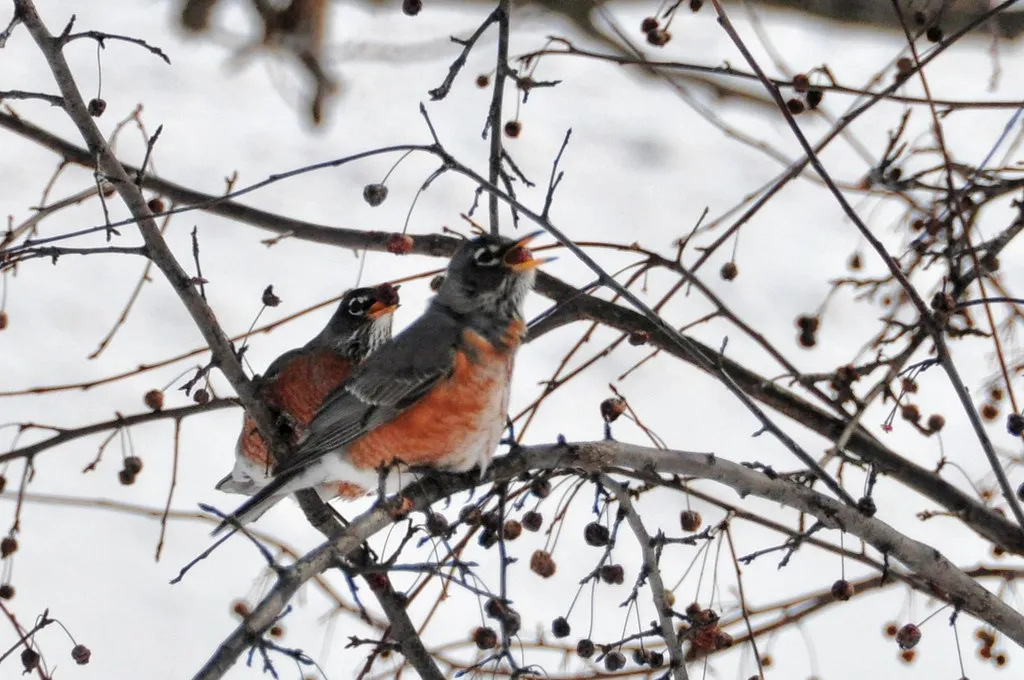
In cold months, robins often form loose flocks and spend more time in wooded areas or at fruit‑bearing trees and shrubs rather than hopping on snowy lawns. When the weather swings milder, they may pour back into neighborhoods in noticeable numbers to check yards for thawed soil and leftover berries. That sudden appearance gets interpreted as a harbinger of change, and sometimes it is: many robins moving north or out of forests does usually line up with improving ground conditions.
On the other hand, you can also see flocks of robins descend right before a brutal cold snap, focused on stripping berries from crabapples, hollies, or other fruiting plants to fuel up. To an observer, the timing might look like they “knew” the cold was coming and were stocking up, which in a way is true. They respond strongly to day length and temperature swings, shifting quickly to wherever food is richest as conditions fluctuate.
So when you suddenly see dozens of robins in winter where there were none a week ago, something is definitely changing. It might be the start of a long warm spell, or it might be a frantic feeding event before another hard freeze. The folklore that equates more robins with better weather oversimplifies the story – but is right about one thing: it usually means a shift is underway.
Robins Splashing and Preening Heavily Before Heat or Rain
🔥 Would you like to save this?
We'll email this post to you, so you can come back to it later!
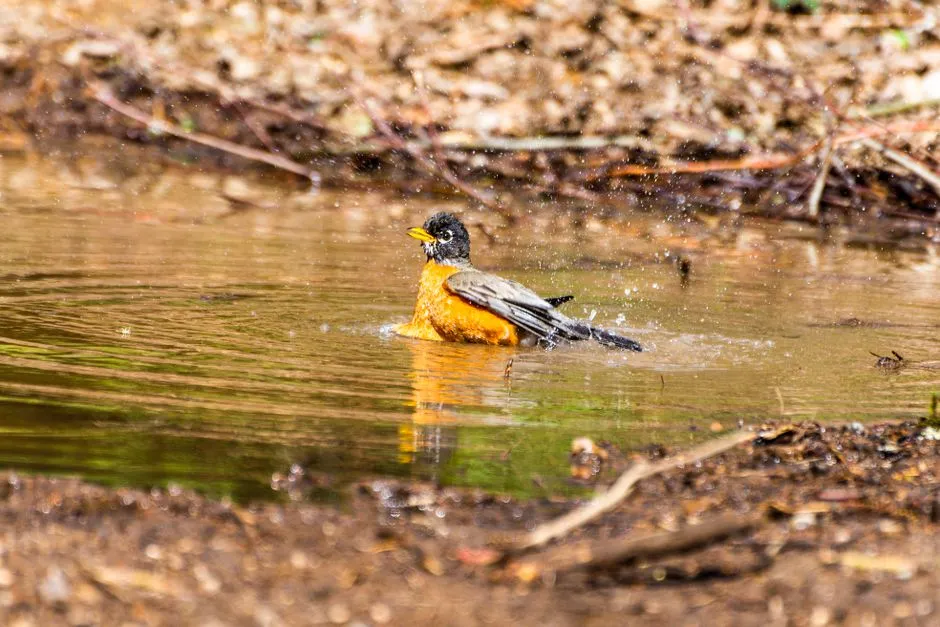
Pay attention to your birdbath, puddles, and shallow water features. Old sayings sometimes claim that when birds bathe more than usual, rain or a temperature swing is close at hand. With robins, this can show up as repeated, enthusiastic bathing and long preening sessions on nearby branches, sometimes involving multiple birds taking turns.
Bathing and careful feather maintenance are vital for robins in any season. Clean, well‑aligned feathers insulate more effectively against both cold and heat, and shed rain better during storms. Before hot, dry stretches, robins may bathe to help keep their plumage in top condition so it can do its job when temperatures rise. Before rain, especially in dusty conditions, bathing can help remove grit that might interfere with the feathers’ ability to repel water.
- Robins bathe to keep feathers clean, flexible, and insulating.
- Healthy feathers help them handle both heat and wet, windy weather.
- Bursts of bathing may coincide with transitions into harsher conditions.
From a human standpoint, spotting several robins rotating through a birdbath on a muggy afternoon can feel like they are “getting ready” for something. Sometimes they are – just not in the mystical way folklore might suggest. They are managing their gear, the same way you might check your raincoat before hiking under darkening clouds or apply sunscreen at the start of a heatwave.
Robins Moving Higher or Lower in the Yard With Changing Air
🔥 Would you like to save this?
We'll email this post to you, so you can come back to it later!
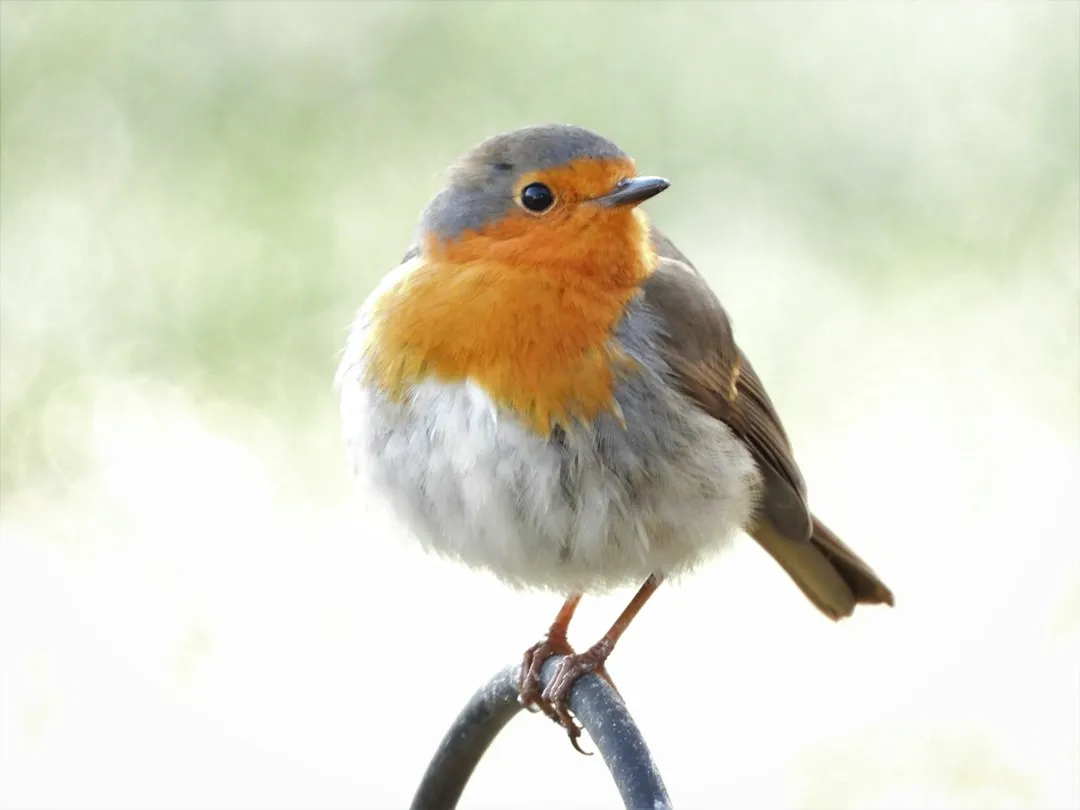
Another bit of old wisdom says that when birds fly high, expect fair weather, and when they stay low, expect storms. Robins are not soaring birds, but they do change their vertical habits around the yard: sometimes you see them mostly on lawns and low fences, and sometimes they spend more time in canopy branches, tree tops, or rooflines. Traditional weather lore reads these shifts as sky‑level signals.
There is a partial basis here. Calm, clear weather with gentle breezes often makes the upper parts of trees safer for foraging and singing. Robins may fly to higher perches to scan for predators, survey territory, or pluck fruit from upper branches. On the flip side, windy, turbulent air and low clouds can make high perches less comfortable or more dangerous. In those conditions, robins are more likely to stick to sheltered mid‑level or low spots, where gusts and driving rain are less intense.
If you pay close attention over many days, you may notice patterns like these:
- On bright, still days: more robins singing from treetops and rooflines.
- On blustery or unsettled days: more robins tucked into mid‑tree levels and hedges.
- On raw, rainy days: robins mostly on the ground briefly or hidden entirely.
The catch is that food still rules all. A heavily fruited shrub will attract robins in almost any weather, and a rich lawn can pull them down from the treetops even on crystal‑clear days. So while vertical movement can reflect air conditions, it is more of a supporting clue than a stand‑alone forecast. Still, once you start noticing whether your yard robins are “upstairs” or “downstairs,” you will never see the space in quite the same way again.
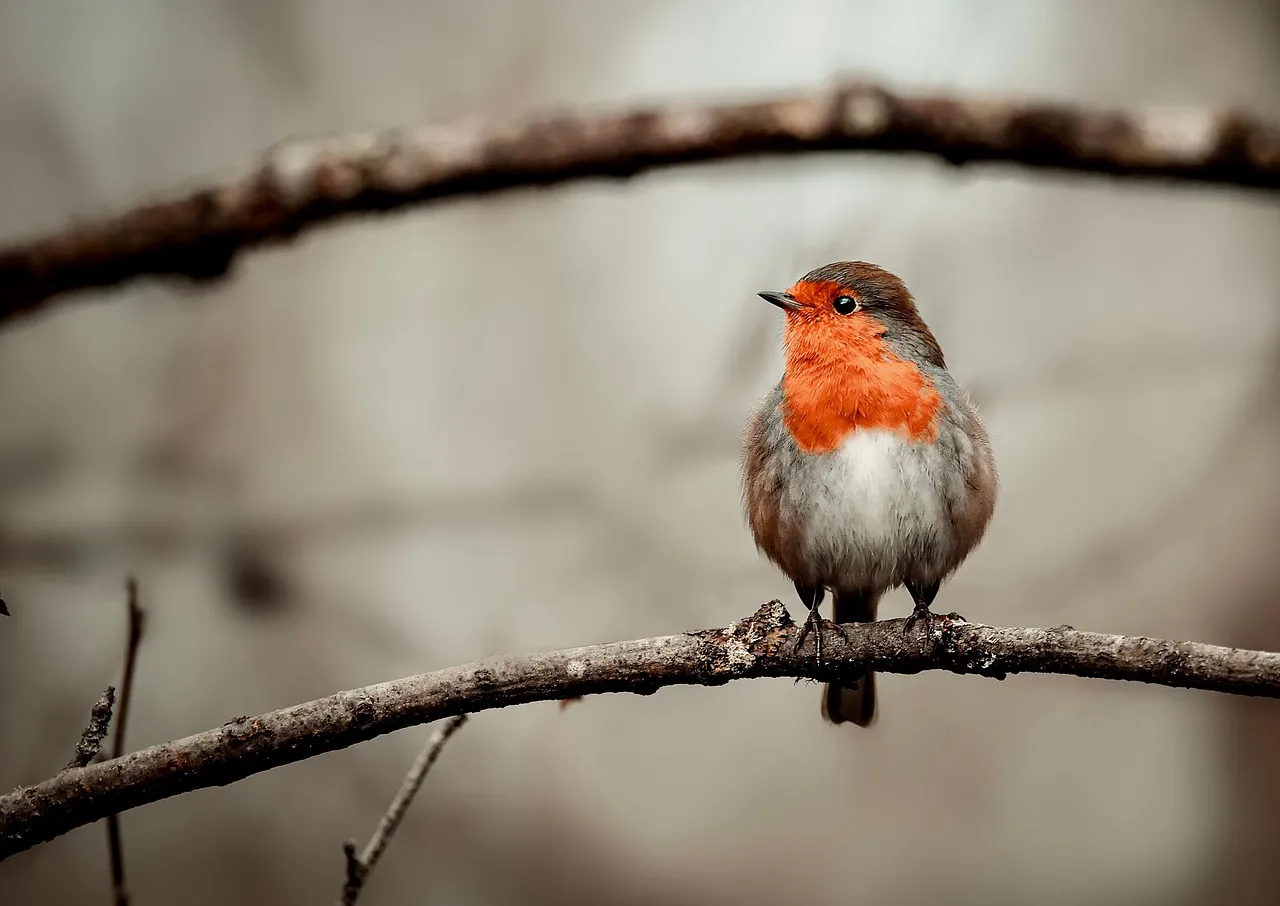
Robins Vanishing From Feeders and Yards Before Extreme Weather
🔥 Would you like to save this?
We'll email this post to you, so you can come back to it later!
One of the most unsettling robins‑and‑weather anecdotes people share is this: a yard that is usually full of birds suddenly empties a day or two before a major storm, heatwave, or cold blast. Old folklore interprets this as a clear warning that nature gives us, if only we would listen. With robins, that disappearance can feel dramatic because they are usually so visible and active.
Scientifically, birds are extremely sensitive to changes in air pressure, wind direction, and temperature gradients. Robins can and do move on short notice to areas with more favorable shelter and food. Before large winter storms, they may retreat from exposed neighborhoods into ravines, dense woods, or urban pockets with ornamental fruit trees. Before prolonged heat, they may shift their activity to shadier, wetter locations with better water access.
From the vantage point of your kitchen window, this behavior looks like a warning: everything was normal, and now the birds are gone. That disappearing act often does line up with a genuine change in conditions, especially around the more intense events. But it is less about predicting the future and more about responding with incredible speed to early signals that the environment is about to get harder.
- Sudden absence of robins can indicate they have moved to safer or richer habitat.
- Moves often occur ahead of strong storms, heavy snow, or extreme heat.
- They are reacting to real cues in air pressure, wind, and temperature.
Personally, I have had mornings where a favorite robin‑filled yard went eerily quiet, only to be followed by a surprise spring snow or a severe storm that afternoon. It is tempting to treat that as magical forecasting. The more honest view is actually more impressive: these birds are reading and responding to the air in ways we simply cannot feel until later.
Conclusion: Robins Are Responding, Not Predicting – And That’s Even More Impressive
🔥 Would you like to save this?
We'll email this post to you, so you can come back to it later!
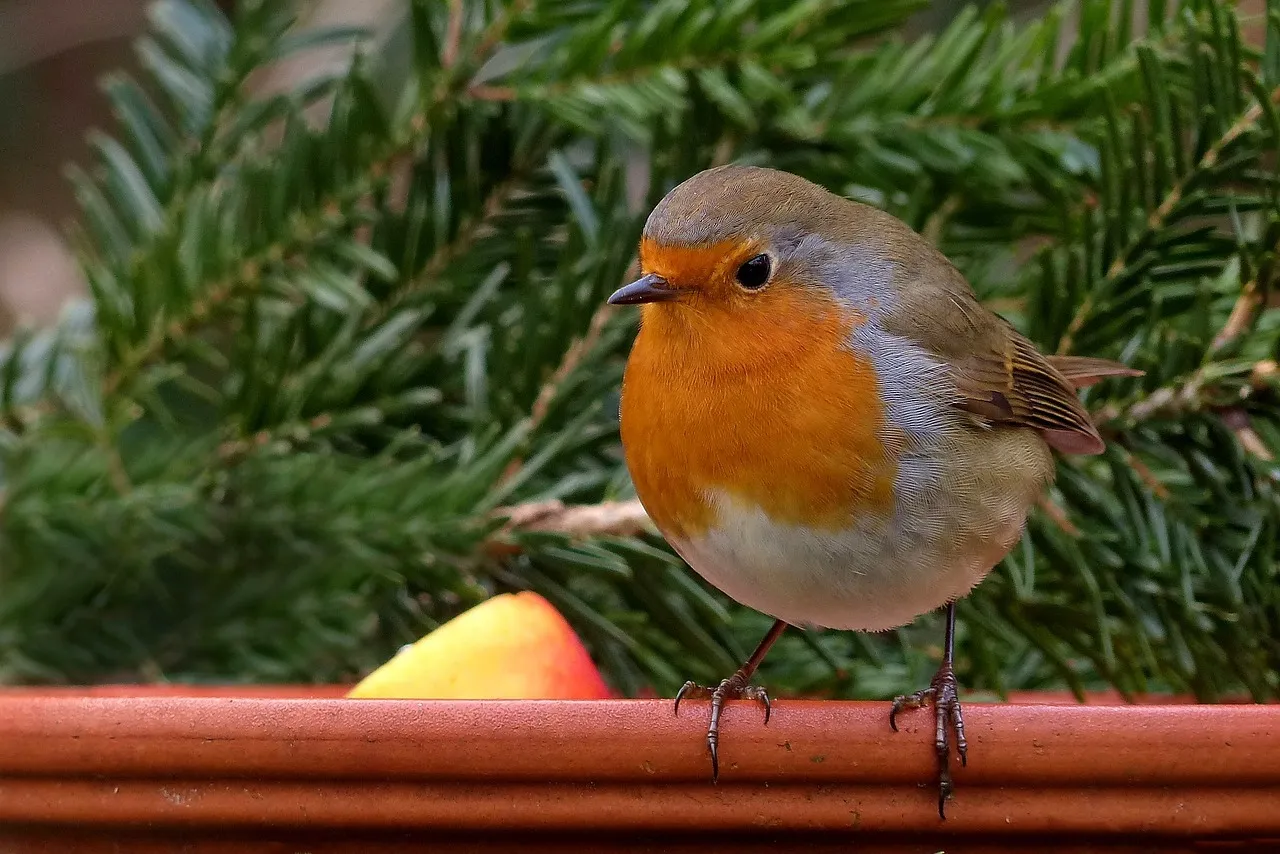
If you came in hoping that robins could beat your weather app, the honest answer is: not really. They are not tiny prophets perched on the fence, sending coded messages about tomorrow’s forecast. What the old folklore captures – sometimes clumsily, sometimes beautifully – is that robins react directly and quickly to the real physical changes in air, soil, light, and food that weather brings.
When they go silent, hunker low, sing with sudden enthusiasm, or flood your yard by the dozens, they are not warning you. They are taking care of themselves. But because they live so close to us, and change their behavior just a little before we feel the full effects, they become living hints that something in the air has shifted. That is not mysticism; it is finely tuned biology playing out right in front of your eyes.
In my view, that makes them more, not less, fascinating than the legends suggest. You do not have to swear off forecasts or believe every old saying to appreciate that your yard is full of tiny, feathered weather stations doing their best to survive. Next time you see “your” robin hunting hard on a soft lawn, vanishing into a hedge, or singing its heart out after a storm, ask yourself: what is this bird feeling in the air that I am only just beginning to notice – and what might it be teaching you, if you keep watching?

- 7 Everyday Habits That Can Make Your Senior Dog Happier - November 5, 2026
- 10 Enigmatic Structures That Continue to Puzzle Scientists Today - November 5, 2026
- 10 Strange Ruins in the Americas That Challenge What We Know About Early History - November 5, 2026