

Most people blame a mystery pest, bad soil, or the neighbor’s cat when their garden gets shredded overnight. But wildlife agencies keep pointing to the same suspect: groundhogs are one of the top culprits behind vanishing lettuce, chewed-through bean rows, and flattened flower beds in suburban yards across the country. And here’s the twist that stings a little – it’s rarely bad luck. It’s your yard.
Your plant choices, your watering habits, even that “wild” corner you’re secretly proud of leaving untouched – they can quietly work like a welcome sign visible from underground. Most gardeners pour money into fences and sprays while ignoring the everyday details that actually pull groundhogs onto their property in the first place. Here are the seven things wildlife experts and longtime gardeners say turn an ordinary yard into a groundhog’s favorite address.
#1 – Lush, Tender Vegetables (Their Absolute Favorite Buffet)
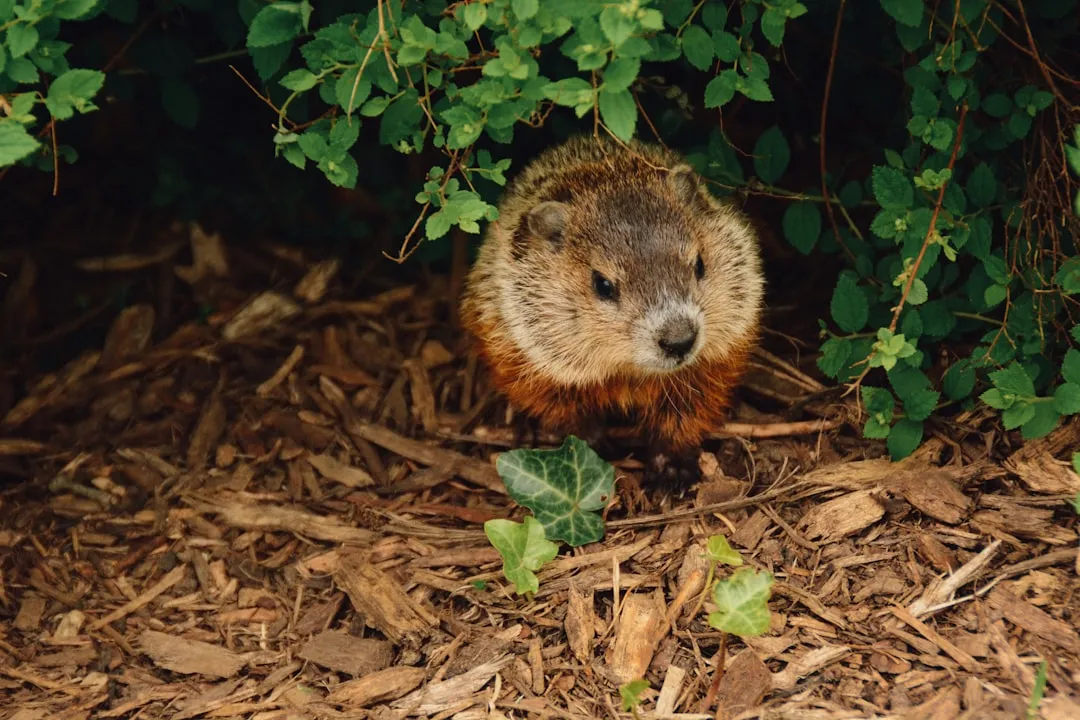
Groundhogs aren’t wandering around hunting for flowers first. They want soft, high-moisture plants they can inhale in minutes flat. Young beans, peas, broccoli, lettuce, and spinach are basically their dream salad bar.
New transplants and seedlings are especially at risk. They’re tender, easy to chew through, and packed with water – exactly what a groundhog is built to crave.
If you’ve ever walked outside to find nothing but bare stems where your leafy greens stood the day before, you weren’t unlucky. You built a menu they couldn’t resist.
Here’s the part that stings: groundhogs can eat over a pound of vegetation a day when food is plentiful. One hungry animal can flatten an entire raised bed in a single weekend, and they’d rather eat in one dense, safe spot than nibble around your whole yard. That means your neatly planned veggie patch becomes their reserved table.
Fast Facts
- Top targets: beans, peas, lettuce, spinach, broccoli, and kale
- Young transplants and seedlings are hit hardest and fastest
- A single groundhog can eat more than a pound of greens a day
- They favor one dense feeding zone over scattered nibbling
But the food isn’t the only thing pulling them onto your property. What’s happening at the edges of your yard might be luring them in before they ever taste a single leaf.
#2 – Overgrown Edges and Brush Piles (Their Escape Routes)
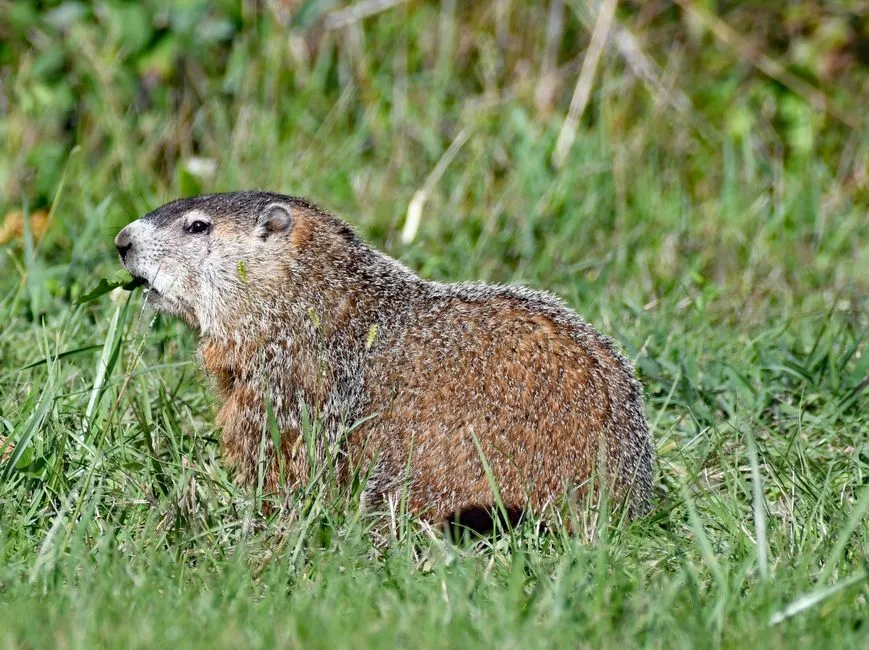
If #1 is the food court, #2 is the parking garage next door. Groundhogs are prey animals, and they hate crossing open ground without cover.
Overgrown fence lines, tall grass, brush piles, old lumber stacks, and weedy corners work like tunnels leading straight into your garden. Many homeowners keep the lawn trimmed but let the edges “go wild,” never realizing they’ve built a highway system groundhogs use to travel unseen.
- Brush piles and old firewood stacks double as hiding spots and lookout posts.
- Thick weeds along fences or sheds act like a security blanket for a nervous groundhog.
Here’s the uncomfortable part: some people call this “natural landscaping.” Wildlife control professionals call it something else – a staging area. That messy corner isn’t just messy. It might be the exact reason a groundhog feels safe enough to raid your garden in broad daylight.
Cover gets them close. But what’s happening underground is what convinces them to stay for good.
#3 – Soft, Untouched Soil (Their Dream Construction Site)

Most gardeners assume groundhogs only care about what’s growing above ground. Their real priority is what’s underneath it. These animals are expert diggers, and they scout for soft, easily worked soil they can tunnel through without breaking a sweat.
Freshly tilled beds, mulched borders, and loamy, rock-free earth are prime real estate for a new burrow entrance. If you spot small mounds of loose dirt near a shed, deck, or fence line, that’s not a random hole. That’s a construction site.
Groundhogs tend to place their burrow entrances in predictable spots:
- Along foundations, under decks, sheds, or porches.
- Near a reliable food source, but just far enough away to feel hidden.
A mature burrow can stretch 20 to 30 feet with multiple exits, and one active den can shelter a female and her young for an entire season. Translation: if your soil is soft and your structures offer cover, your garden isn’t just a snack bar anymore. It’s turning into permanent housing.
Worth Knowing
- Underground chambers stay noticeably cooler than the surface in summer heat
- Litters typically arrive in spring, with several young born at once
- Females often return to the same burrow system year after year
- One burrow can quietly expand for multiple seasons before it’s ever noticed
Soil and shelter are one thing. But there’s a dessert course waiting in most gardens that groundhogs find even harder to resist.
#4 – Unprotected Fruit and Flower Beds (The Dessert Bar They Can’t Skip)

Groundhogs get blamed for vegetable destruction, but plenty of gardeners forget that fruit and ornamental beds are often what pull them in first. Strawberry patches, low-hanging tomatoes, melons, and certain perennials read like dessert.
Clover-rich lawns, hostas, and daylilies growing near your garden basically build a tasting menu that leads straight to your produce. Wildlife officers admit that once a groundhog finds a reliable sweet spot on a property, it tends to stick around for good.
What catches most people off guard is how bold groundhogs get once they find dessert. They’ll return at the same time every day, working through beds with almost mechanical patience. Tomato plants, especially the low or unstaked ones, are frequent victims the moment fruit starts to ripen.
And since most people never bother fencing their flower beds, groundhogs quietly learn your property is easy access – long before you ever notice the missing veggies.
Food alone doesn’t seal the deal, though. There’s one overlooked resource that can turn a decent yard into the best address on the block.
#5 – Easy Water Sources and Overwatered Yards
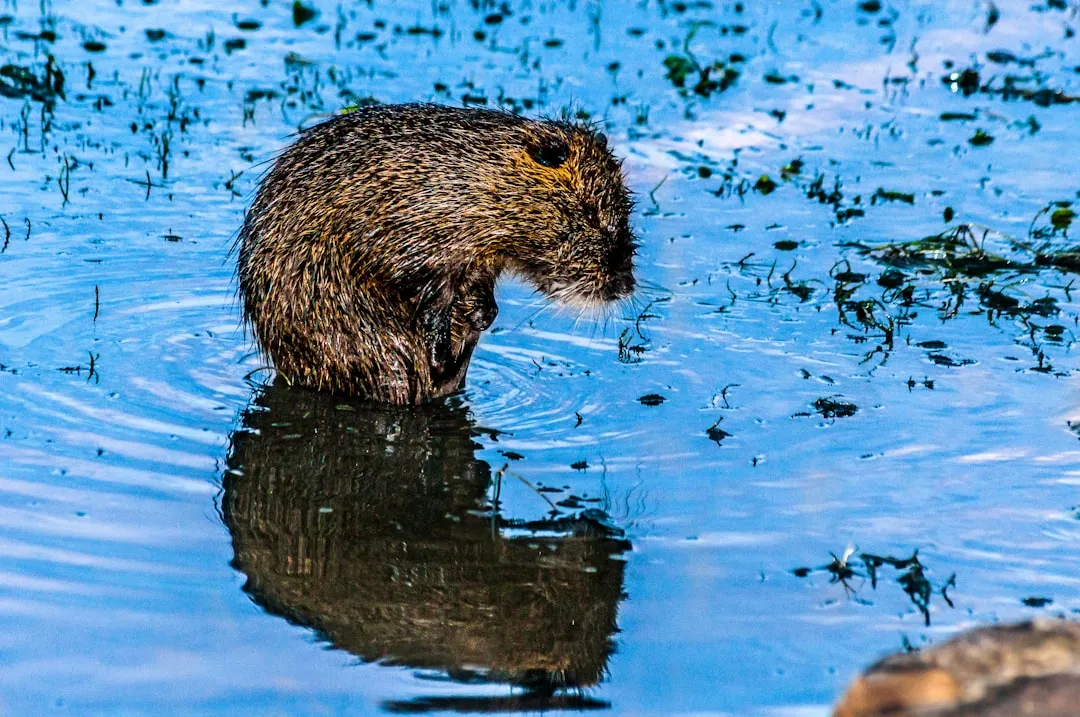
Everyone obsesses over plants. Almost nobody thinks about water. Groundhogs pull a lot of moisture from food, but standing or reliable water makes a property dramatically more attractive. Birdbaths, dripping hoses, leaky outdoor faucets, puddling low spots, and open pet water bowls all offer hydration with zero effort required.
During dry stretches, a yard with lush plants and easy water becomes the obvious pick over a drier neighbor’s garden.
Here’s the detail most people miss: irrigation habits matter just as much as landscaping. Soaker hoses, overwatered lawns, and heavily watered beds create cooler, softer ground and more succulent growth – exactly what groundhogs prefer over tough, drought-stressed plants.
Quick Compare
- Birdbaths and pet bowls: zero effort, steady draw
- Leaky faucets and dripping hoses: constant moisture that never runs dry
- Overwatered lawns and soaker hoses: softer soil, lusher growth
- Puddling low spots: short-lived, but still tempting during dry spells
That doesn’t mean you should stop watering your garden. It means understanding that your watering routine can quietly turn your yard into the best groundhog stop in the neighborhood, without you ever realizing it.
Even the best food and water won’t matter if your yard is properly sealed off. Except most yards aren’t – not even close.
#6 – Gaps Under Fences and Sheds (The Weak Spot They Always Find)
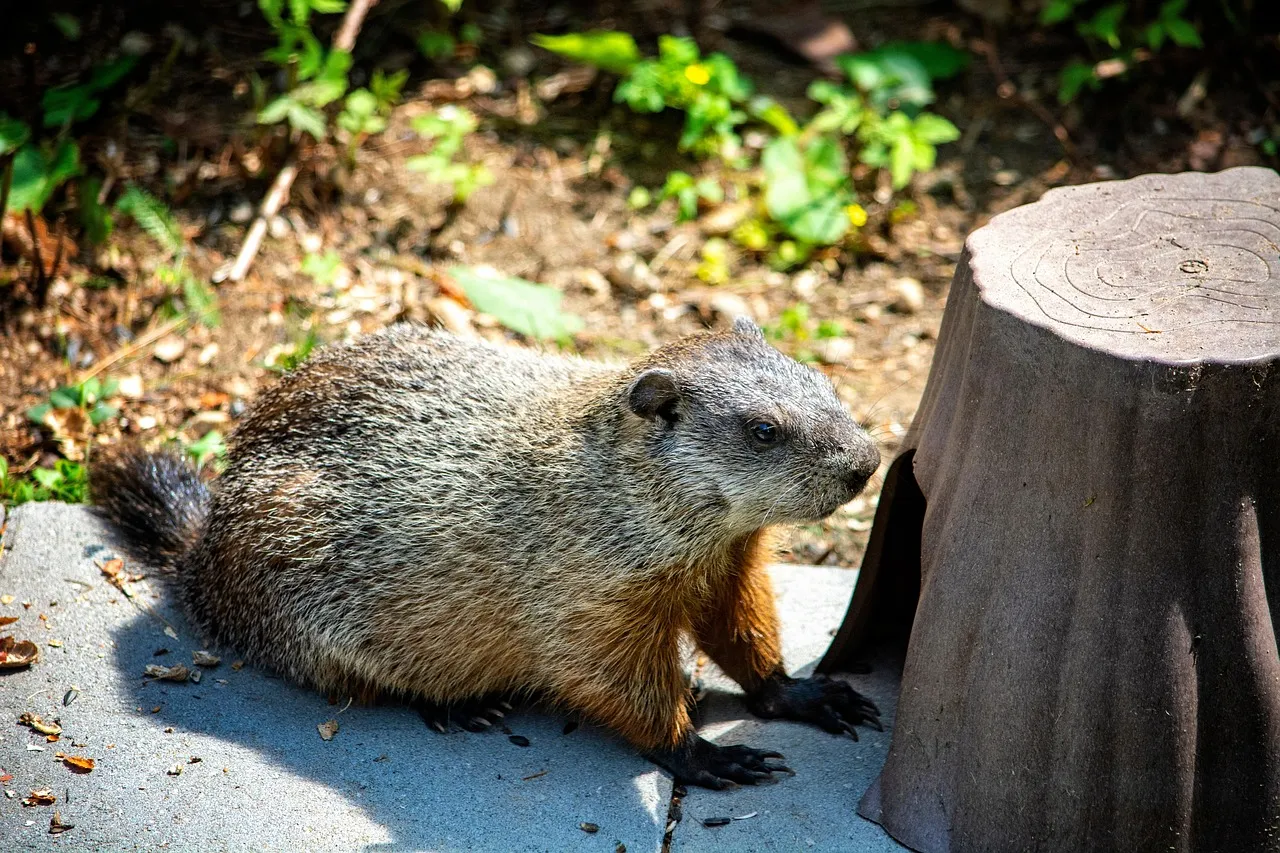
Ask any frustrated gardener and they’ll swear their fence should have worked. But groundhogs are problem-solvers, and they gravitate toward properties where barriers feel just secure enough to seem safe, but aren’t actually built to keep them out.
Any gap under a fence, space beneath a shed, or open pocket under a deck reads as an invitation to investigate. Once they’re inside that protected zone, they can dig, hide, and resurface closer to your garden without you ever noticing.
A lot of homeowners assume a 3 to 4 foot fence solves the problem. It doesn’t, because the real issue sits below ground, not above it. Groundhogs can tunnel under standard fencing in a single night, especially where the soil is already soft from gardening or irrigation. They only need a gap of about 4 to 6 inches to start exploiting it, and they’ll widen that tunnel over time.
The irony stings a little: solid fences and deck skirting can actually make groundhogs feel safer once they’ve breached the perimeter, turning your own structures into their armor.
And once they’re past your defenses, there’s one more thing that decides whether they stay for a season or move on by morning.
#7 – Quiet, Low-Disturbance Yards (The Invitation You Didn’t Know You Sent)
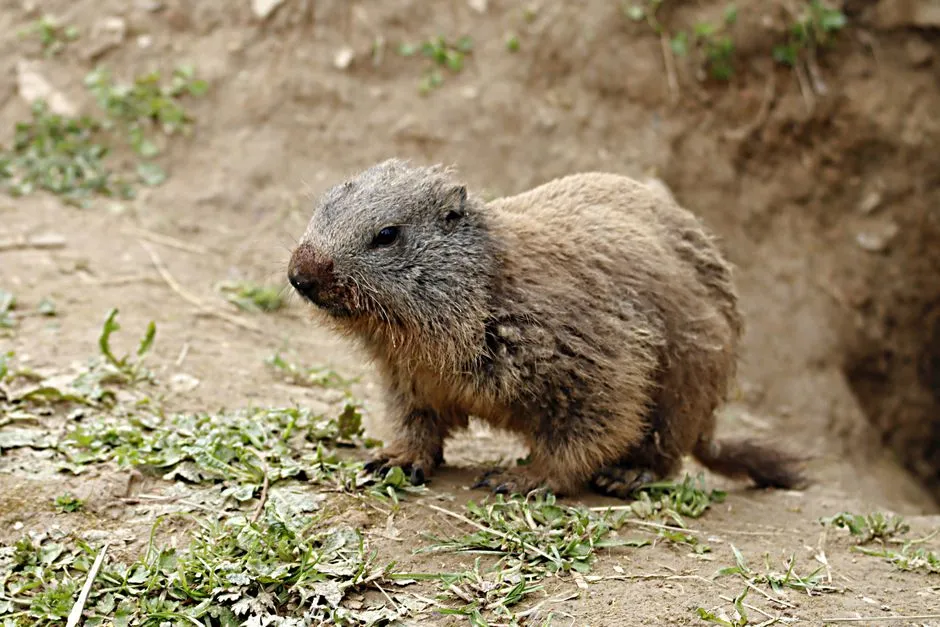
Here’s the controversial one. Plenty of gardeners brag about having a peaceful, untouched corner of the yard they never mow or walk through. To wildlife, that’s not romantic. It’s an open invitation.
Groundhogs gravitate toward properties where human and pet activity is predictable and minimal, especially at certain times of day. If you rarely use your backyard, keep dogs indoors most of the day, or only garden in quick bursts, your space can feel far safer to a groundhog than your neighbor’s busier lot.
Wildlife doesn’t respond to how a yard looks. It responds to how a yard behaves.
Common wildlife control field observation
At a Glance
- Most active during early morning and late afternoon hours
- Tend to retreat underground during peak midday heat
- Can learn a household’s routine within days, not weeks
- Grow bolder in yards with little foot traffic or pet activity
Groundhogs learn human schedules fast and adjust their feeding to your quietest windows, usually early morning or late afternoon. Some homeowners take real pride in having a wildlife-friendly refuge, then act stunned when that same refuge quietly becomes a full-time groundhog base camp.
The Bottom Line: You Built This, Even If You Didn’t Mean To
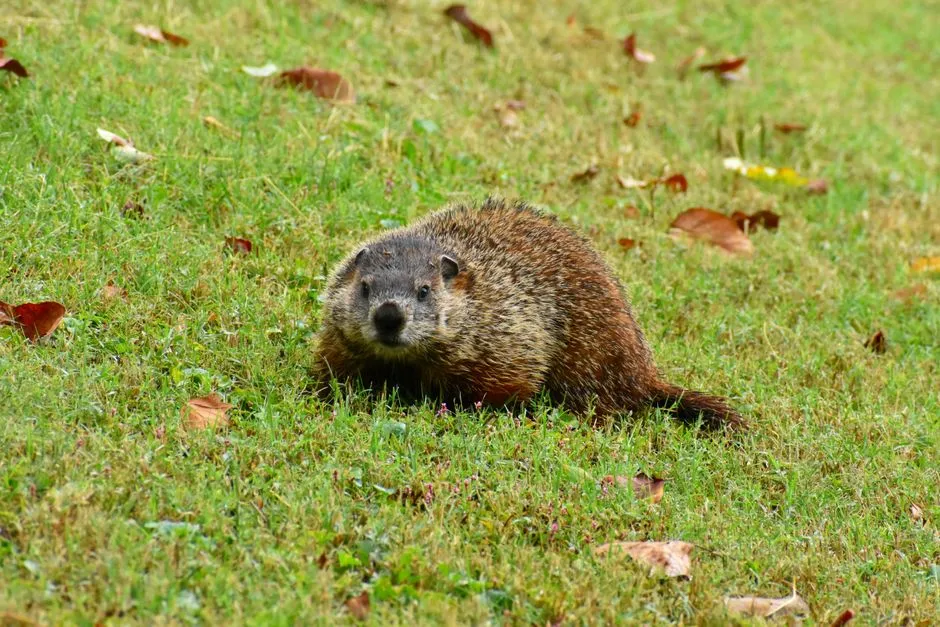
Line these seven factors up side by side and an uncomfortable pattern shows up fast: most groundhog “invasions” aren’t random at all. They’re engineered, piece by piece, by how we design, plant, water, and ignore parts of our own yards.
Tender vegetables, dessert-like fruit beds, soft soil, easy water, messy edges, structural gaps, and quiet corners don’t just create a passing snack stop. Together, they build a full habitat – food, shelter, water, and safety, all in one convenient package.
My honest take? If your property checks even three or four of these boxes, you’re not just on a groundhog’s radar. You’re already on its route, and pretending otherwise is how the damage keeps happening year after year.
You don’t need to bulldoze your garden or turn your yard into a sterile lawn. But you do need to be honest with yourself about which of these seven habits you’re willing to change first – and which ones you’ve been quietly excusing as “just part of nature.”
Did we miss a sneaky groundhog magnet hiding in your own garden? Tell us about it in the comments – chances are, someone else’s yard has the exact same problem.

- 7 Things That Attract Groundhogs Into a Garden - August 4, 2026
- 12 Pollinator Gardens That Also Attract Songbirds - August 4, 2026
- 9 Ecosystem Engineers That Change Entire Landscapes - August 4, 2026