
Most of us picture the same scene when we think of the beach: soft, golden sand, blue water, maybe a few seashells scattered around. But scattered across the United States are shorelines that look like they belong on another planet entirely. From inky black volcanic grains to shores covered in smooth sea glass, these beaches flip the script on what sand is supposed to be.
Exploring them feels a bit like stepping into a secret level of the real world, one only a few people know about. The first time I stood on a non-golden beach, it completely rewired the way I thought about “a day at the beach” – suddenly, it wasn’t just about sunbathing, it was about geology, history, even shipwrecks and volcanoes. Let’s dive into seven U.S. beaches where the sand itself is the main attraction, and absolutely nothing like the classic postcard shore.
1. Punaluʻu Black Sand Beach, Hawaiʻi (Big Island)
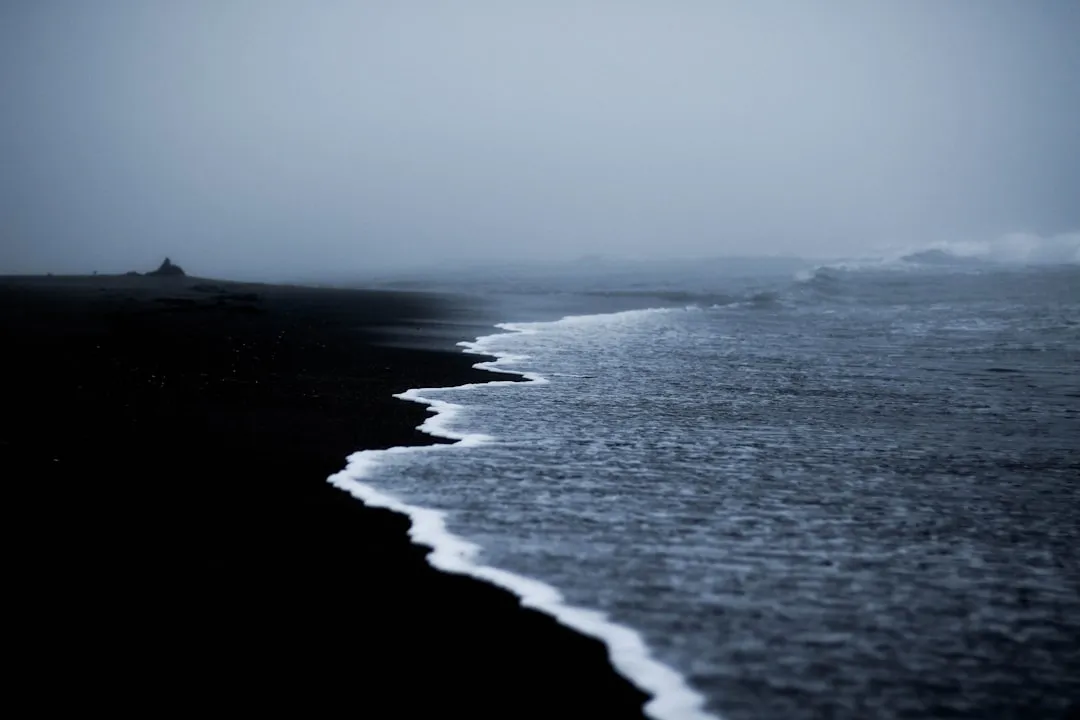
Imagine walking onto a beach where the sand is so dark it looks like powdered obsidian. Punaluʻu Beach on the Big Island of Hawaiʻi is one of the most famous black sand beaches in the United States, and it owes that striking color to volcanic forces. The “sand” here is actually tiny fragments of cooled lava, shattered by the relentless surf into smooth grains that glitter in the sun like crushed charcoal.
It feels different underfoot, too – slightly denser, a little coarser, and surprisingly warm as it soaks up the Hawaiian sun. This is not a place you go just to toss a frisbee and forget where you are; it feels wild and alive, framed by coconut palms and often visited by endangered Hawaiian green sea turtles resting on the shore. If your idea of a beach is gentle dunes and pale sand, Punaluʻu is a thrilling, almost dramatic wake-up call that the ocean can wear very different colors.
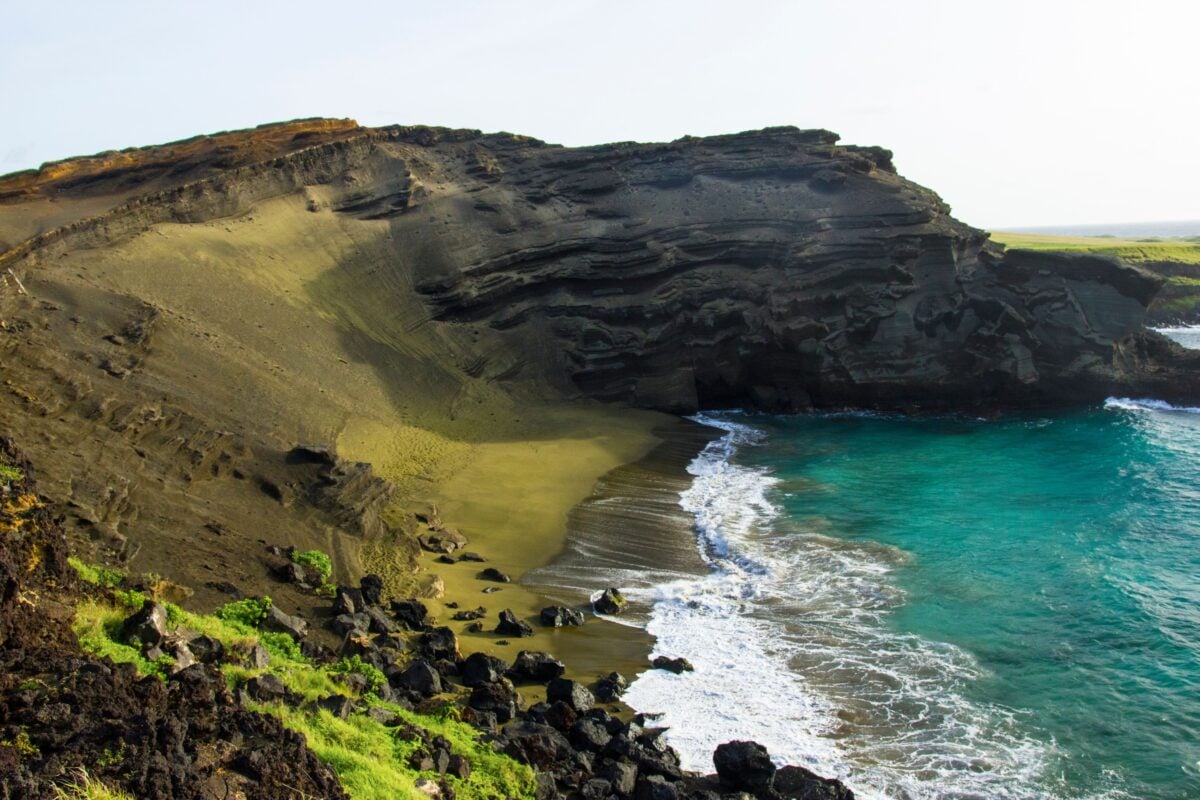
2. Papakōlea Green Sand Beach, Hawaiʻi (Big Island)
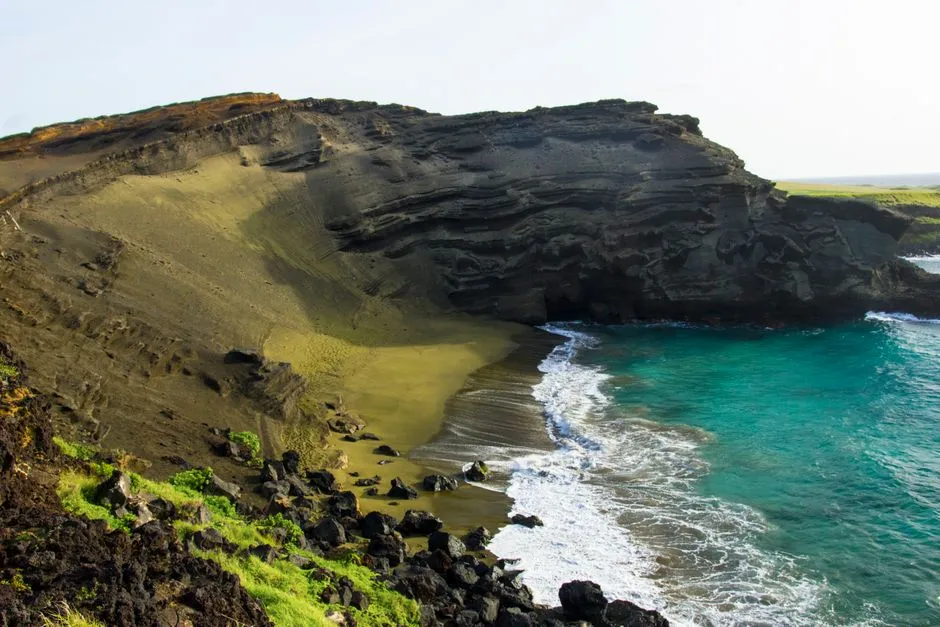
Green sand sounds like a Photoshop trick until you see it with your own eyes. Papakōlea, tucked into a remote bay on the southern tip of the Big Island, is one of only a tiny handful of true green sand beaches on the entire planet. The color comes from a mineral called olivine, a crystal formed in volcanic eruptions that weathers out of the surrounding cinder cone and collects in the surf zone.
On a sunny day, the shore glows an olive-to-pistachio shade that looks almost unreal against the turquoise water and dark cliffs. It is not the easiest place to reach, and that effort makes standing on the sand feel like discovering a secret. This is one of those rare spots where you can literally hold bits of the Earth’s mantle in your hand and realize that the “simple” beach beneath your feet is the product of deep, powerful forces we almost never see.
3. Glass Beach, Fort Bragg, California
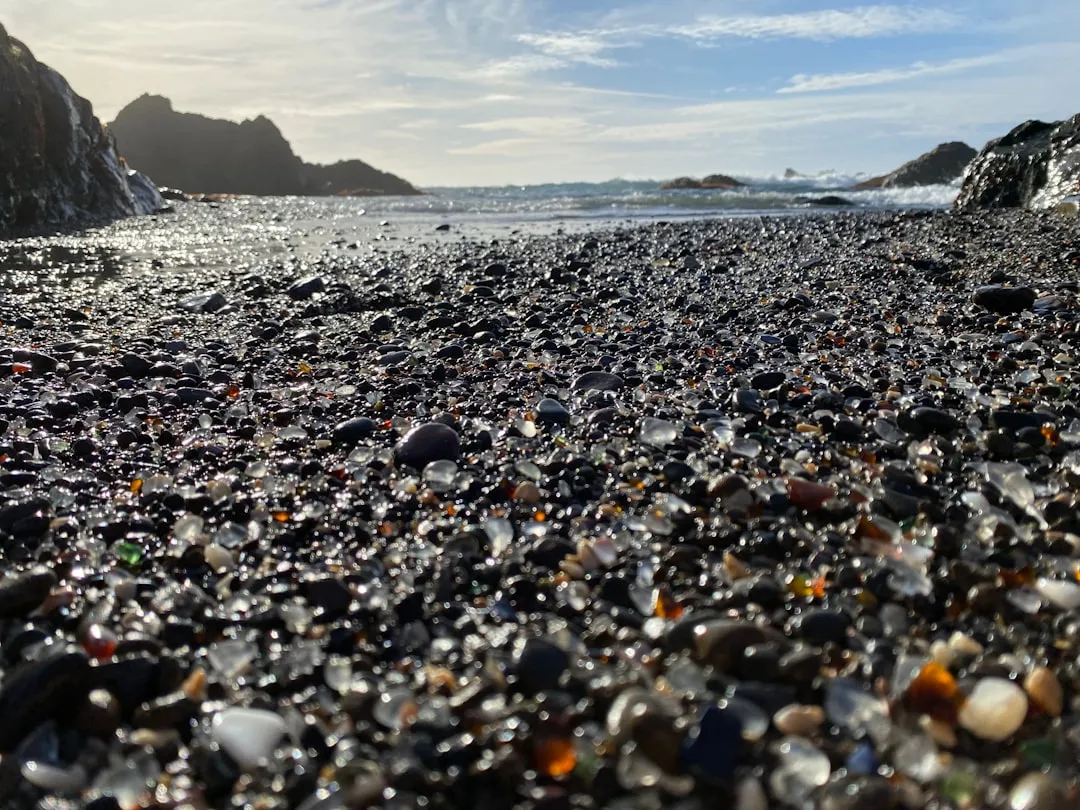
At first glance, Glass Beach looks like a jewelry maker spilled their supplies all over the shoreline. Instead of classic sand, huge stretches are covered in smooth, frosted pieces of sea glass in colors like white, brown, green, and the occasional rare blue. Strangely, this beauty has a pretty ugly origin: for years, this area was used as a seaside dumping ground, where bottles and household glass were thrown into the ocean.
Over decades, waves smashed, tumbled, and polished all that discarded glass into tiny, rounded pebbles. The result is a shoreline that feels like a living lesson in how nature can slowly reclaim and soften human mistakes. It is tempting to scoop up handfuls as souvenirs, but taking glass is discouraged or restricted, and honestly, the magic is in seeing it in place – like a sparkling reminder that our trash never really disappears, it just changes shape.
4. Pfeiffer Beach, Big Sur, California (Purple-Streaked Sand)
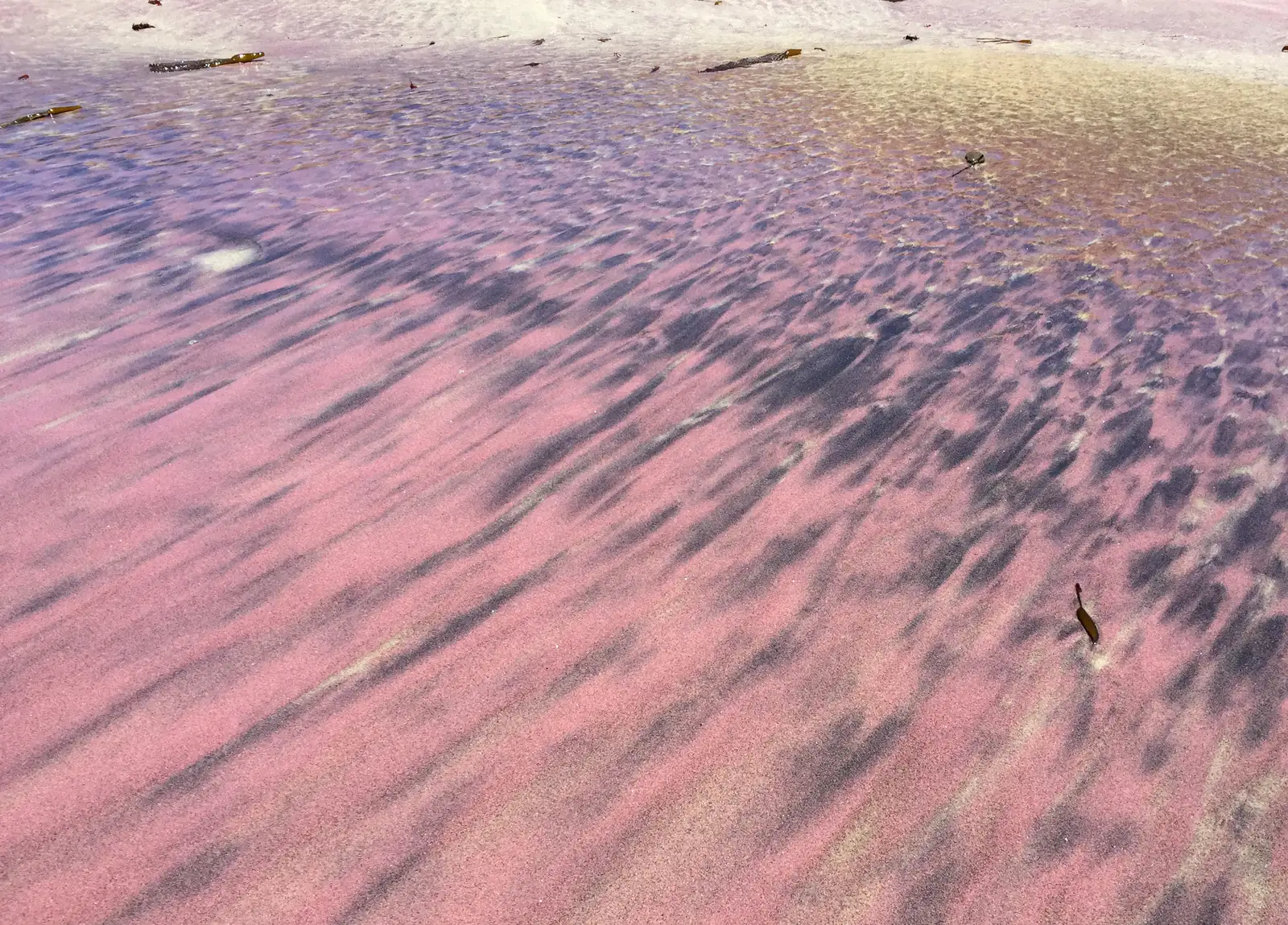
Pfeiffer Beach in Big Sur looks, at the right angle and tide, like someone dragged a giant paintbrush of violet pigment across the shore. The purple hues in the sand come from manganese-rich garnet crystals that wash down from the surrounding cliffs and mix with the lighter grains on the beach. It is not solid purple from end to end, but appears in streaks and patches where waves have sorted the minerals.
On overcast days, the colors can look subtle, almost like a watercolor wash. In bright light and after storms, the contrast can be surprisingly bold, with ribbons of plum and lavender weaving through the beige sand. It is the kind of place that rewards slowing down and really looking where you step, instead of just rushing to set up a towel. Once you notice the purple, it is hard not to see the whole beach as a shifting, natural art project in progress.
5. Lumahai Beach “Salt-and-Pepper” Sands, Kauaʻi, Hawaiʻi
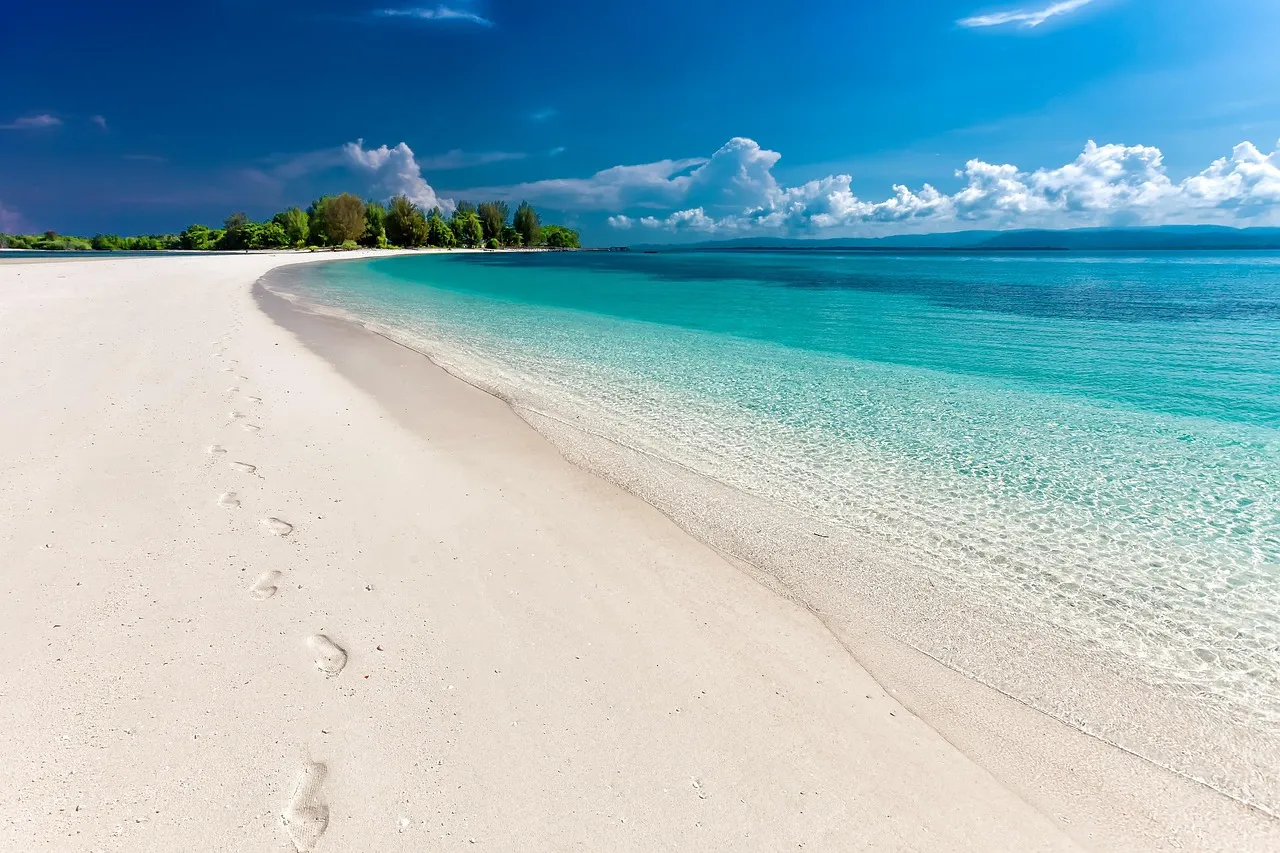
Not all unusual sand is one dramatic color; sometimes the magic is in the mix. Parts of Kauaʻi’s north shore, including stretches around Lumahai and neighboring areas, look like someone blended classic pale sand with ground-up ebony. Here, lighter quartz and coral fragments mingle with darker basalt grains, creating a subtle salt-and-pepper speckling that shifts with every wave.
Underfoot, the texture feels familiar, but visually it has a moody, cinematic vibe, especially on those typical Kauaʻi days when clouds and sun keep trading places. The contrast between the dappled shore, emerald cliffs, and powerful waves makes this coastline feel wilder than your standard resort strand. It is a good reminder that geologic stories are not always loud and obvious; sometimes they show up as quiet flecks of black in an otherwise ordinary-looking patch of sand.
6. Coral Pink Sand Dunes, Utah (Not an Ocean Beach at All)
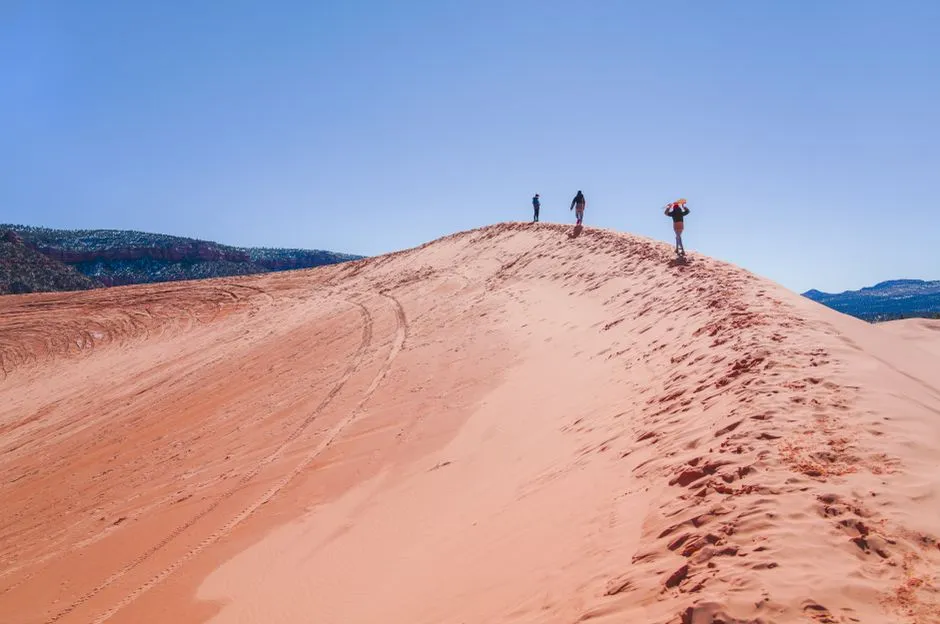
Here is where the definition of “beach” gets fun and a little rebellious. Coral Pink Sand Dunes State Park in southern Utah is nowhere near the ocean, but the sand here forms enormous dunes in a soft blush-to-peach color that you almost never see on a typical shoreline. The hue comes from iron-rich Navajo sandstone that has weathered over time into fine grains, which then pile up in wind-driven drifts.
Walking across the dunes feels more like wandering through a dream sequence than any beach vacation you have probably taken. The sand is incredibly soft and silky, and at sunrise or sunset the whole landscape glows in warm shades of apricot and rose. Even though there is no crashing surf, there is an oddly beachlike calm to sitting on a dune ridge, watching lines of sand shift and smooth out like waves frozen in place.
7. Rockaway Beach’s Darker Sands, Oregon Coast
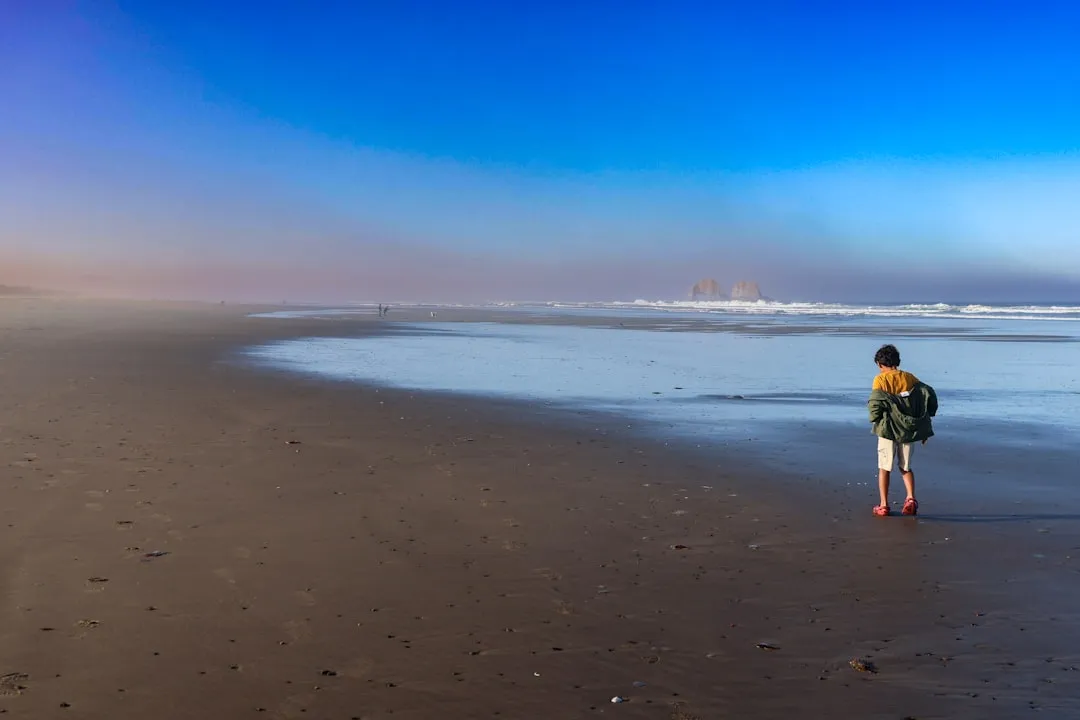
The Oregon Coast in general has a completely different energy than the stereotypical sunny, golden California image, and Rockaway Beach is a great example. The sand here is often darker, sometimes leaning toward a smoky gray or brown, thanks to a heavier load of minerals like basalt and other volcanic rock washed down from the coastal mountains. On cloudy days, which are not exactly rare in this region, the whole shoreline can take on a moody, almost monochrome look.
That moodiness is part of the charm. The contrast between the steely water, darker sand, and low, brooding clouds feels raw and honest, like the beach is not trying to be pretty for anyone. You are more likely to see people in windbreakers with hot coffee than sunbathers with umbrellas, and that slightly wild, untamed vibe makes the darker sand feel perfectly at home. It proves that a beach does not have to be bright and golden to be unforgettable.
Why These “Odd” Sands Might Be the Best Beaches of All
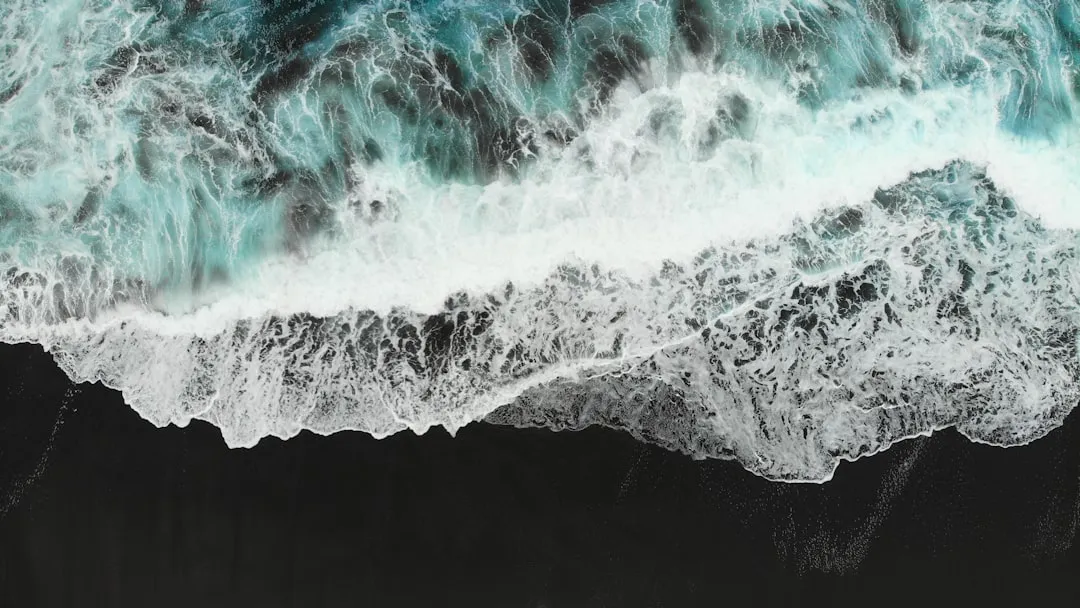
If you grew up thinking a “real” beach had to be pale and postcard-perfect, these places can feel almost subversive. Black, green, purple, glassy, or windblown pink sands invite you to pay attention in a way that a typical golden shore sometimes does not. They make you notice the story under your feet: lava eruptions, eroding cliffs, human pollution transformed, and rocks that started deep inside the planet before ending up between your toes.
Personally, I think these beaches are more memorable precisely because they refuse to be generic. They force you to ask questions, to look closer, and to accept that beauty does not always match the travel brochure template. The next time you plan a coastal escape, it might be worth skipping the standard golden strip and chasing one of these strange, stunning shores instead. After all, if the sand alone can surprise you, what else might you discover there that you never expected?

- 7 U.S. Beaches Where the Sand Is Nothing Like the Typical Golden Shore - August 16, 2026
- Why Wolves Stare At You Before They Attack (And What It Means) - August 16, 2026
- Why Do Animals Play? Unraveling the Joyful Mystery of Animal Games - August 16, 2026