
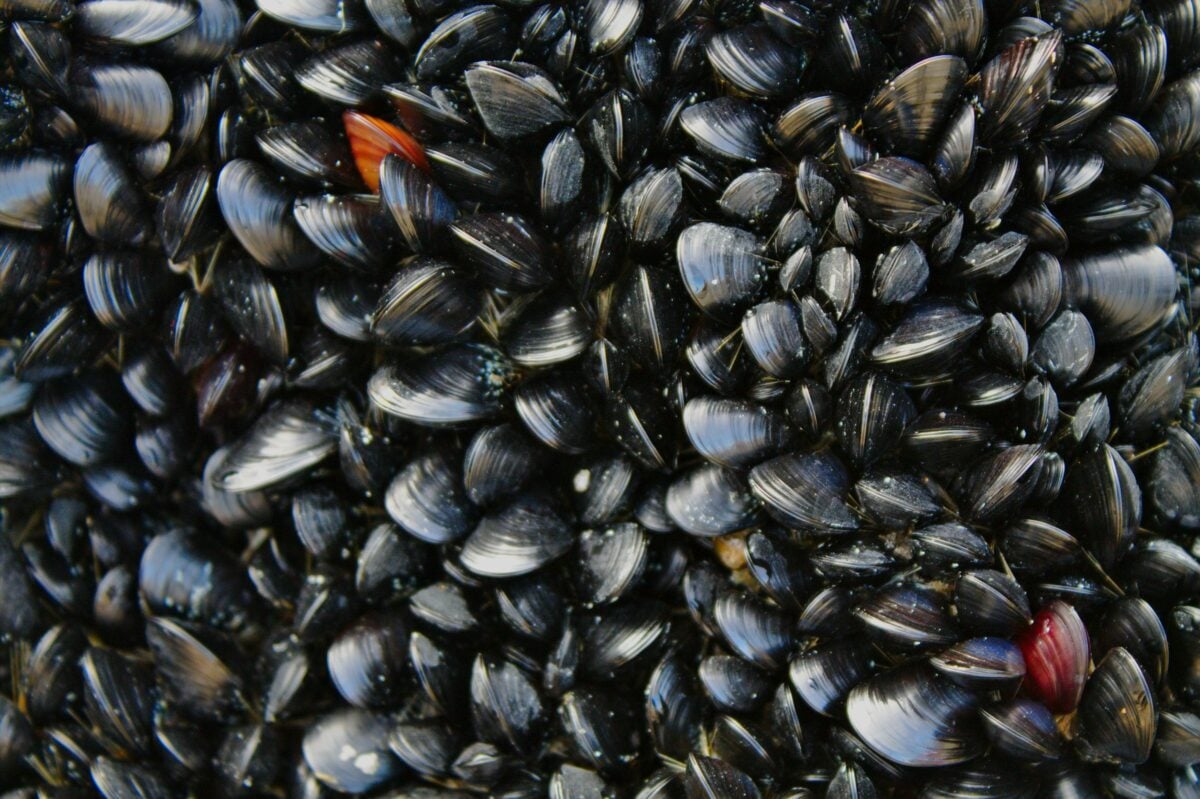
Most people walk past a river without thinking about what’s lying in the gravel. Yet for thousands of years, many American rivers were lined with beds of mussels so dense that they shaped the water around them. Today, a lot of those beds are thin, patchy, or simply gone.
Scientists have been tracking the losses for decades, and some of the clues they’ve found are strange. Here’s a look at seven states where the story plays out most clearly, and what it might mean for the rivers we all share.
Alabama: The Richest Mussel State, Under Pressure
🔥 Would you like to save this?
We'll email this post to you, so you can come back to it later!
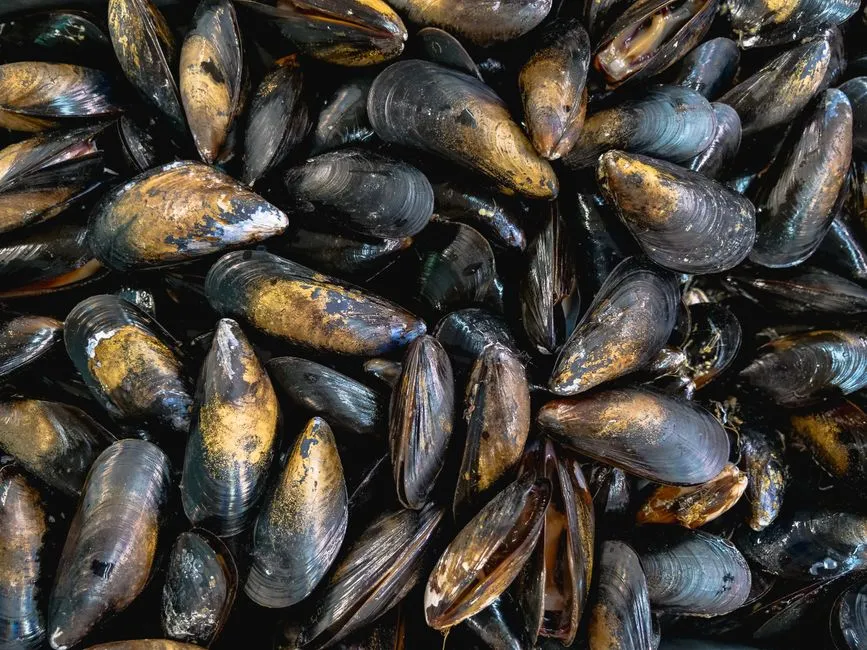
Alabama is home to 181 species of mussels, more than any other state. That’s a staggering amount of diversity for one state, and it makes the numbers that follow harder to read. Of those, 63 are listed as endangered or threatened.
What puzzles biologists is that the usual explanations don’t fully add up. We’ve stopped building dams that destroy mussel habitat and pollute rivers much less than we used to, yet most mussel populations have kept declining. The cause, or more likely the mix of causes, is still being worked out.
Kentucky: Dozens of Species in Trouble
🔥 Would you like to save this?
We'll email this post to you, so you can come back to it later!
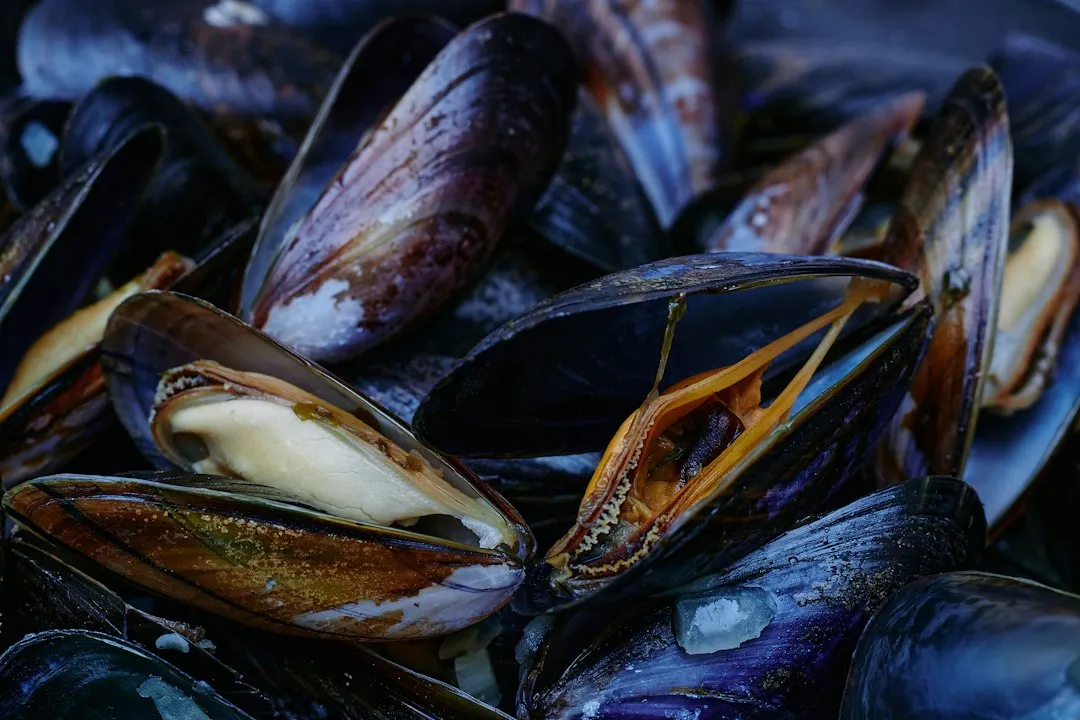
Kentucky sits in the middle of the southeastern mussel hotspot, and its rivers reflect that. Researchers note that the Green River alone holds 75 species, almost a tenth of the world’s total. For a single river, that’s remarkable.
The losses are just as notable. In Kentucky, 36 species are considered rare or endangered and about 20 have disappeared entirely. Scientists point to the way people have reshaped waterways as one obvious reason, and they’re still doing fieldwork in streams and rivers to understand the rest.
Tennessee: Die-Offs on the Clinch River
🔥 Would you like to save this?
We'll email this post to you, so you can come back to it later!
Tennessee and Kentucky are each home to more than 100 mussel species. Part of that richness lives in the Clinch River, which flows through Virginia and Tennessee. It’s one of the most closely watched mussel rivers on the continent.
Reporting from National Geographic described how populations of the river’s 30 or so mussel species had fallen by half. Researchers studying the problem even picked Tennessee sites where pheasantshell mussels were dying to compare against healthier sites in Virginia. The cause of those die-offs has been a real mystery.
Virginia: A Global Hotspot With a Scarred Past
🔥 Would you like to save this?
We'll email this post to you, so you can come back to it later!
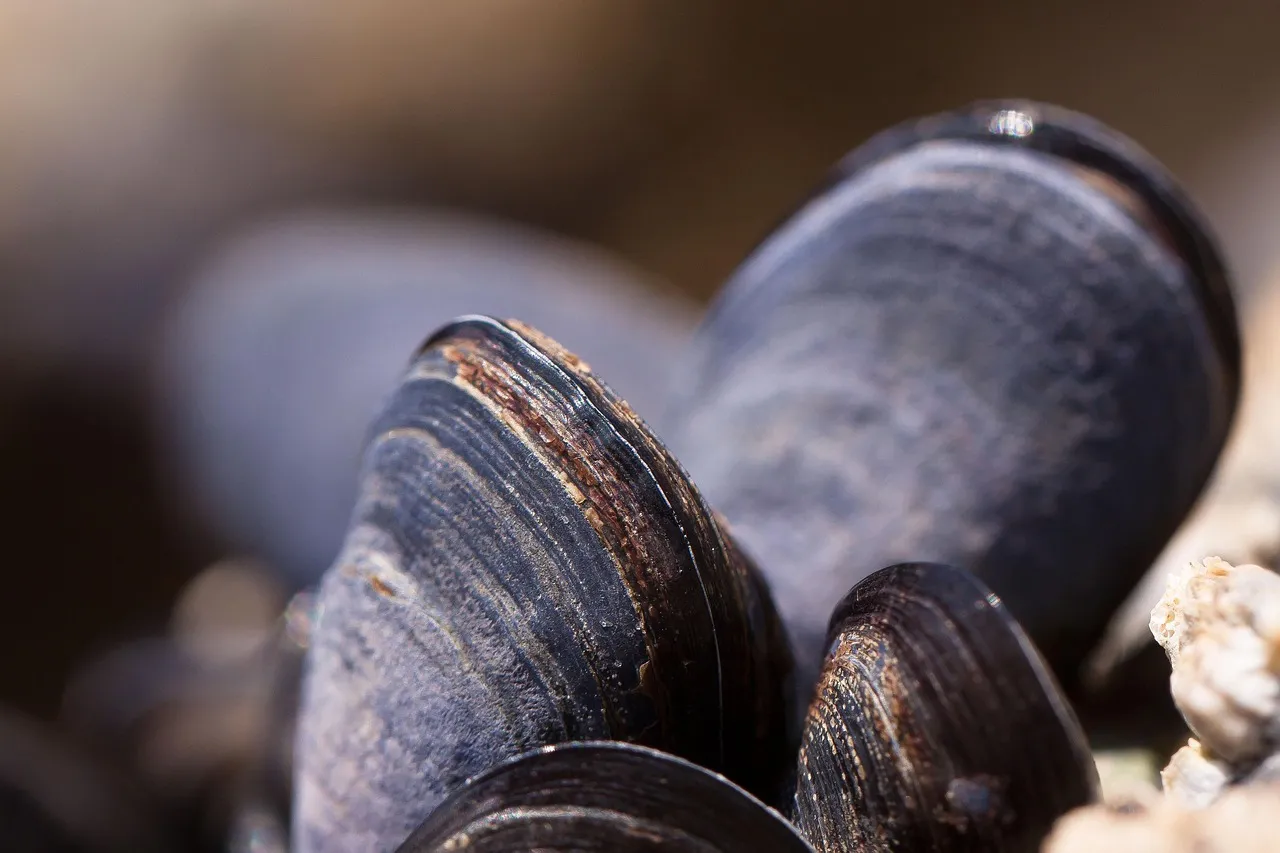
Virginia has 80 freshwater mussel species spanning the state’s rivers, which is roughly a quarter of the species found in North America. The Clinch River is considered a global biodiversity hotspot for freshwater life. On paper, that makes the state a stronghold.
The Clinch also carries a hard memory. It saw the largest single loss of endangered mussel species from a toxic chemical spill in 1998, and the river system is still working to recover. On a hopeful note, state scientists have reared approximately 27 species in a hatchery, including 15 federally endangered ones.
Pennsylvania: Quiet Losses Across a Northern State
🔥 Would you like to save this?
We'll email this post to you, so you can come back to it later!
Pennsylvania doesn’t get the attention that the Southeast does, though its mussels are in trouble too. Of the state’s 67 species, 12 are considered state or federally endangered or threatened, and another 13 haven’t been observed in its waterways for decades. That second number is the one that stays with you.
Even species once seen as safe may be slipping. Surveys of the brook floater and eastern lampmussel suggest significant range declines and shrinking populations, bringing them close to a critical threshold. Mussels are small and easy to overlook, so these changes can happen well out of sight.
South Dakota: A Survey That Counted What’s Left
🔥 Would you like to save this?
We'll email this post to you, so you can come back to it later!
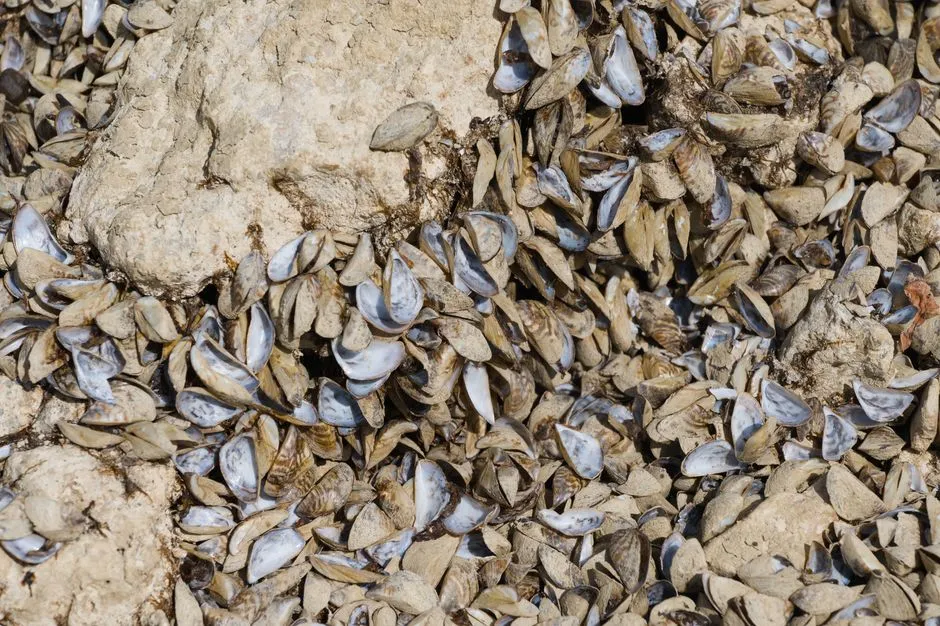
Sometimes the clearest evidence comes from a simple head count. A comprehensive survey published in 2022 found only 17 of the 36 species of mussels once found in South Dakota. That’s fewer than half of the species that historically lived there.
It’s a useful reminder that this isn’t only an eastern or southeastern story. Federal officials recently protected 3,814 river miles in states from Minnesota to New York and Alabama to Virginia for four mussel species. That reach shows how widespread the problem is across the Midwest and East.
Texas: New Listings and Growing Concern
🔥 Would you like to save this?
We'll email this post to you, so you can come back to it later!
Texas has been adding mussels to its endangered list. Reporting from Yale Environment 360 noted that the state listed six species as endangered. For a state better known for its drylands, that’s a sign of how many river systems it contains and how much is at stake.
Mussels are highly sensitive to water quality, which makes them an early warning for river trouble. Invasive species add another worry, since dense populations in new ecosystems can outcompete native mussels. Because the threats overlap, Texas faces the same tangled picture as everywhere else.
What This Tells Us About Our Rivers
🔥 Would you like to save this?
We'll email this post to you, so you can come back to it later!
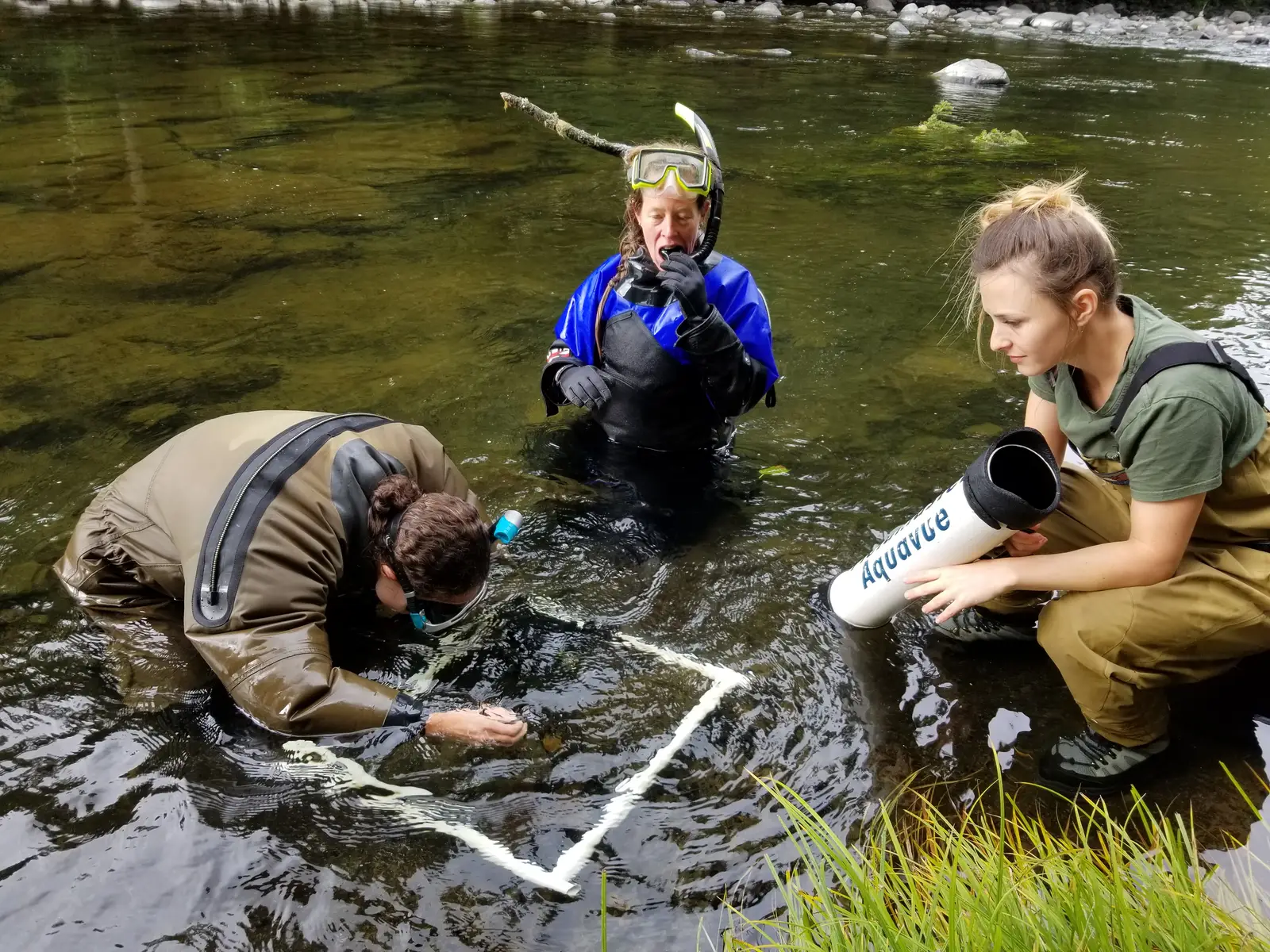
Here’s my take: we’ve treated mussels as background scenery, and that’s the mistake. They help maintain water quality by filtering food, sediment, and pollutants from the water, and they’re widely used as indicators of stream health. When they vanish, the river loses more than a shellfish.
The scale is sobering. Roughly 70 percent of about 300 native species are considered endangered, threatened, or of conservation concern, according to the U.S. Geological Survey. I think protecting them shouldn’t depend on whether they’re charismatic, because the rivers can’t wait for them to become popular.
Still, there’s reason to keep paying attention. Hatcheries are working, critical habitat is being designated, and scientists haven’t given up on solving the puzzle. The next time you’re standing by a river, it’s worth remembering that something quiet down there has been holding the whole place together.

- 7 Everyday Habits That Can Make Your Senior Dog Happier - November 5, 2026
- 10 Enigmatic Structures That Continue to Puzzle Scientists Today - November 5, 2026
- 10 Strange Ruins in the Americas That Challenge What We Know About Early History - November 5, 2026